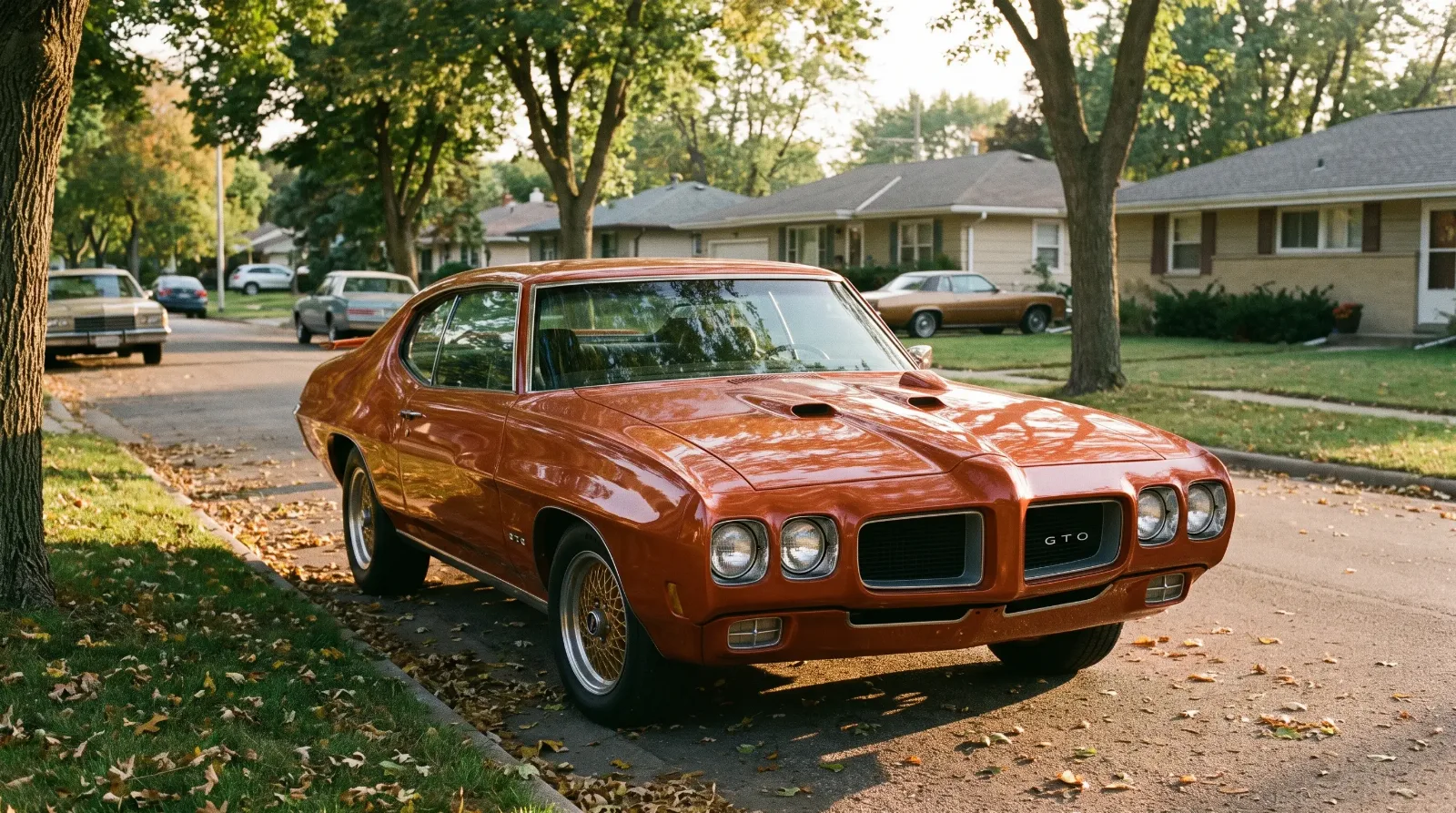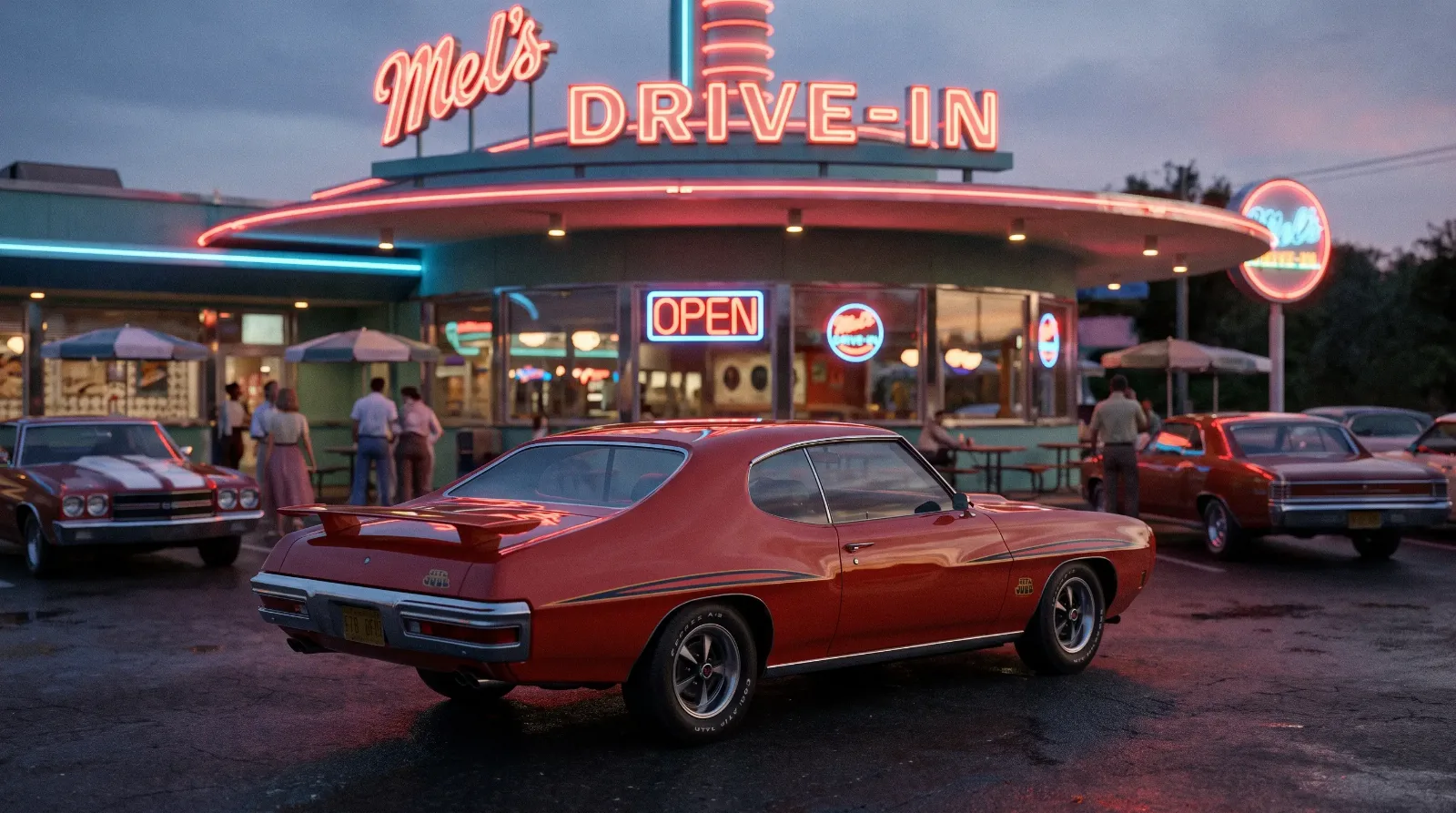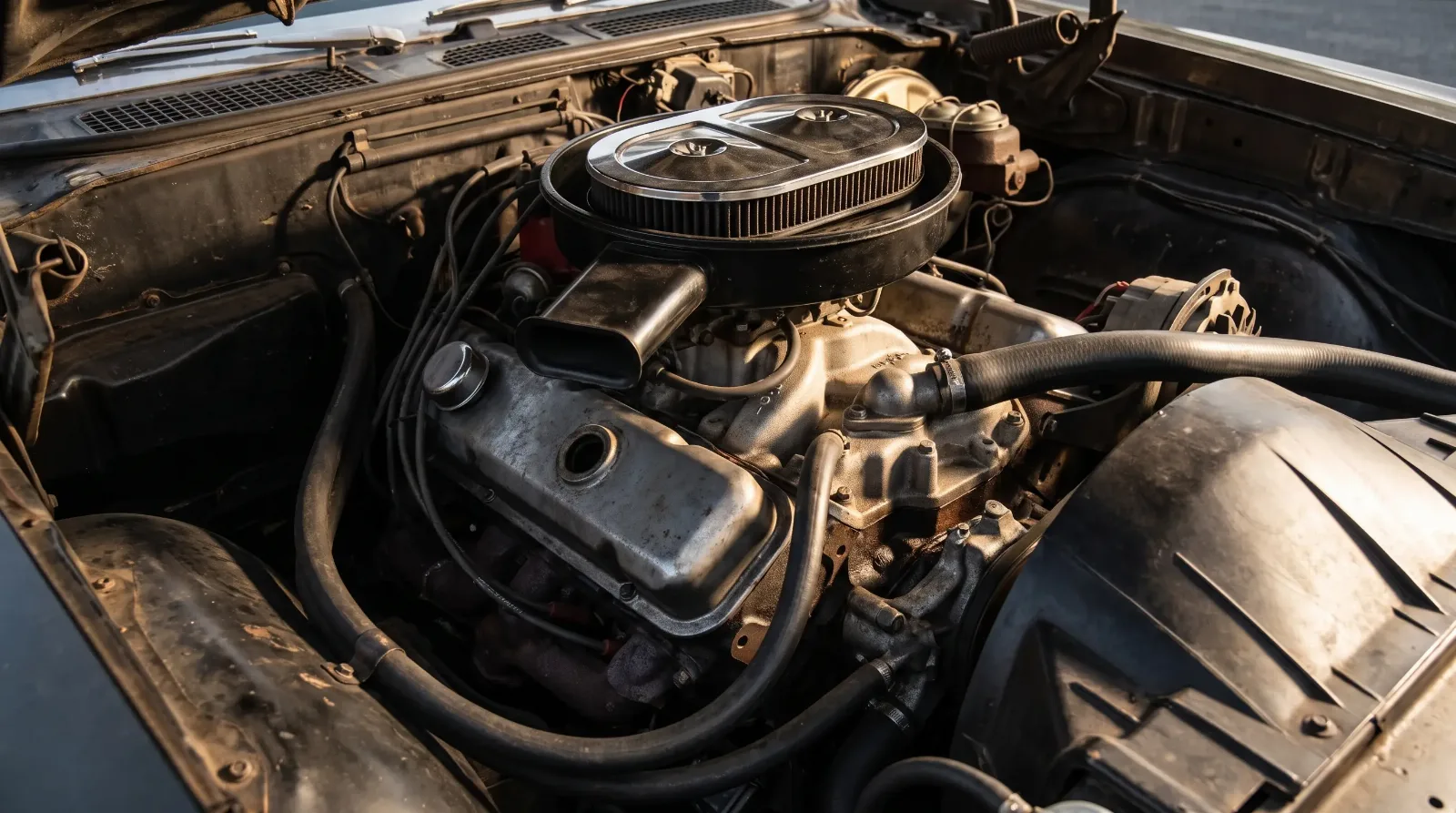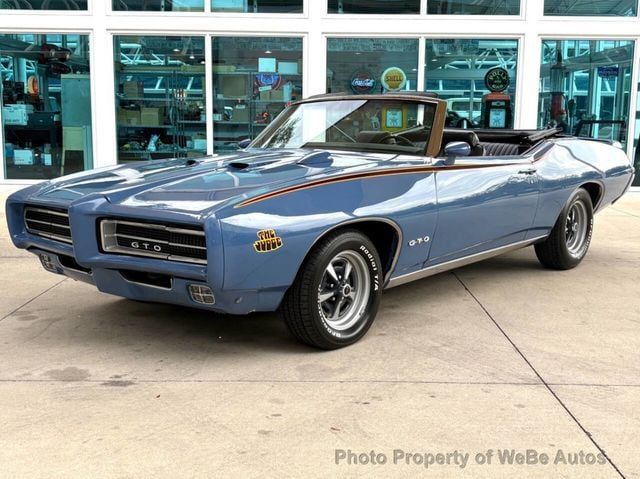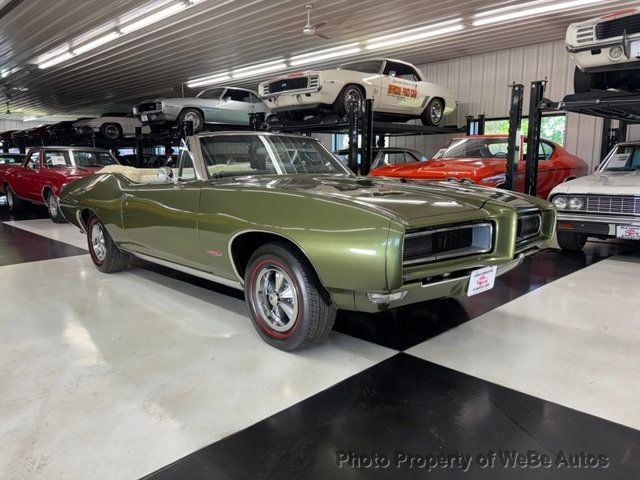
The number that matters for 1971 isn't a horsepower figure. It's compression ratio, and it dropped across the board, GTO included, and that single spec change tells you more about where the muscle car era was headed than any option-sheet addition could. I look at engines the way an accountant looks at a balance sheet. The compression drop for 1971 was Pontiac, and every other Detroit manufacturer, paying down a debt they knew was coming due: unleaded fuel was on the way, emissions regulations were tightening, and high-compression engines tuned for leaded premium simply weren't going to survive the transition without a redesign.
What actually changed under the hood
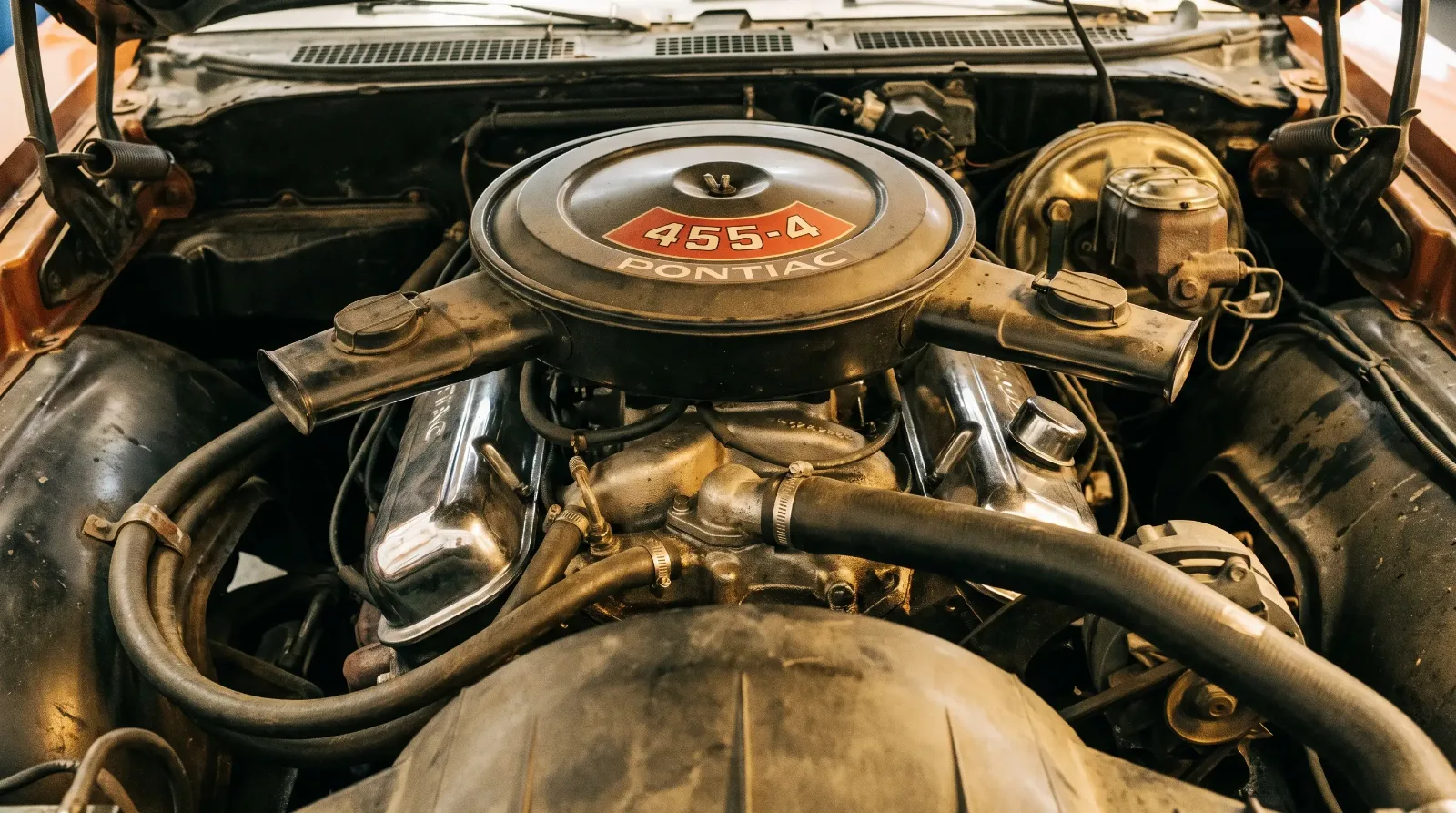
Pontiac lowered compression ratios across its engine lineup for 1971, GTO engines included, moving away from the higher-compression tuning that had defined the peak muscle era. Lower compression means an engine can run safely on lower-octane, eventually unleaded, fuel without the pinging and detonation that high-compression engines suffer on inferior gas. It also means, in isolation, less cylinder pressure and less power, which is exactly the tradeoff nobody wanted to make but everybody had to. The 1971 numbers: the 400 dropped to 8.2:1 compression, and the 455 landed at 8.4:1, both down noticeably from the higher-compression tuning Pontiac ran through 1970.
The other piece of this that gets lost is how power ratings themselves were shifting industry-wide right around this period, with manufacturers moving from optimistic gross horsepower figures toward more conservative measurement practices that better reflected what an engine actually produced installed in a car with accessories running. That transition muddies any straight year-over-year comparison. A lower printed horsepower number for 1971 doesn't automatically mean the engine lost that much real-world output. Some of the drop on paper reflects genuine reduced output from lower compression, and some of it reflects a more honest accounting method catching up to reality. Separating those two effects for any specific engine requires checking the actual test data, not just comparing brochure numbers year to year.
| Factor | 1970 | 1971 |
|---|---|---|
| Compression ratios | High, tuned for leaded premium | Lowered industry-wide ahead of unleaded fuel |
| Top engine option | Ram Air IV 400 / 455 | 455 becomes the top performance engine as Ram Air 400 fades from the lineup |
| Fuel requirements | Leaded premium expected | Engines designed with lower-octane tolerance in mind |
The unleaded fuel question nobody was asking loudly enough
Here's a piece of context that gets skipped over in most GTO writeups, and I think it's the actual engineering driver behind the whole 1971 compression story. The federal government's push toward mandating catalytic converters on new cars, which arrived within a couple of model years of this compression drop, absolutely required unleaded fuel, because leaded gasoline destroys catalytic converter elements almost immediately. Manufacturers saw that requirement coming well before it hit, and every engine program across Detroit had to start planning for a fuel with meaningfully lower octane tolerance than the leaded premium these big-blocks had been designed around since the mid-60s. Lowering compression ratios was the direct, unavoidable engineering response. You can't run a 10.5-to-1 or higher compression big-block safely on lower-octane unleaded fuel without serious detonation risk, full stop, no amount of ignition timing tricks fully solves that problem on its own.
So when I look at the 1971 GTO's compression numbers, I don't see a company giving up on performance. I see a company running the same math every other manufacturer was running at the exact same time, working backward from a fuel requirement that was locked in years before it actually took effect at the pump. That's forward planning, not retreat, even though the end result on paper looks like a step backward if all you're doing is comparing horsepower ratings printed on a window sticker.
Why this matters more than people think
I get customers who write off any early-70s muscle car as automatically weaker than a 1969 or 1970 equivalent, and that's lazy thinking. A well-built 1971 455 still moves serious weight with real authority, it just does it with a different power delivery character than the peak-compression engines from a year earlier. The torque curve on a big 455 doesn't disappear because compression dropped a point or two. What changes is peak output and how the engine behaves at higher RPM, where high compression really pays off. If your driving style is street cruising and stoplight launches rather than chasing quarter-mile numbers at the strip, the practical difference between a 1970 and 1971 GTO is smaller than the spec sheet makes it look.
That said, I won't pretend the direction of travel wasn't clearly downward from here. 1971 was the first visible step in a multi-year slide that would continue through 1972 and accelerate hard after that as emissions equipment got more aggressive and insurance surcharges kept climbing on anything with a big-block under the hood. If you're evaluating a 1971 GTO purely as an investment or a numbers exercise, understand you're buying the first year of the decline, not the last year of the peak. That's not a knock on the car. It's just an accurate way to frame where it sits in the story.
🔧 Inspection Priorities
- Confirm engine compression spec against documentation. Verify the block and heads match what's claimed for the specific 1971 engine option before paying a premium.
- Check for later high-compression parts swapped in. Some 1971 cars have had pistons or heads from earlier high-compression engines installed during past rebuilds; this affects both authenticity and fuel requirements.
- Verify fuel system compatibility. A 1971 engine running correctly on modern pump gas is a good sign the compression and timing are in factory-appropriate range.
"People want a clean story where 1970 was great and 1971 was suddenly weak, and that's not what the data shows. The compression dropped, the numbers on the window sticker got more honest, and the car still had real torque. Don't let a spec sheet talk you out of driving one of these."
— Dan Reeves
The compression story is really the first chapter of how the early-70s GTO transitioned from peak muscle to a car adapting to a changing regulatory world, and the engine that carried the performance banner forward from here was the 455 HO, which deserves its own close look. Read on for that engine's full story. And for the complete arc of how the GTO got from a 1964 option package to this point, the story of the Goat covers the whole run.