
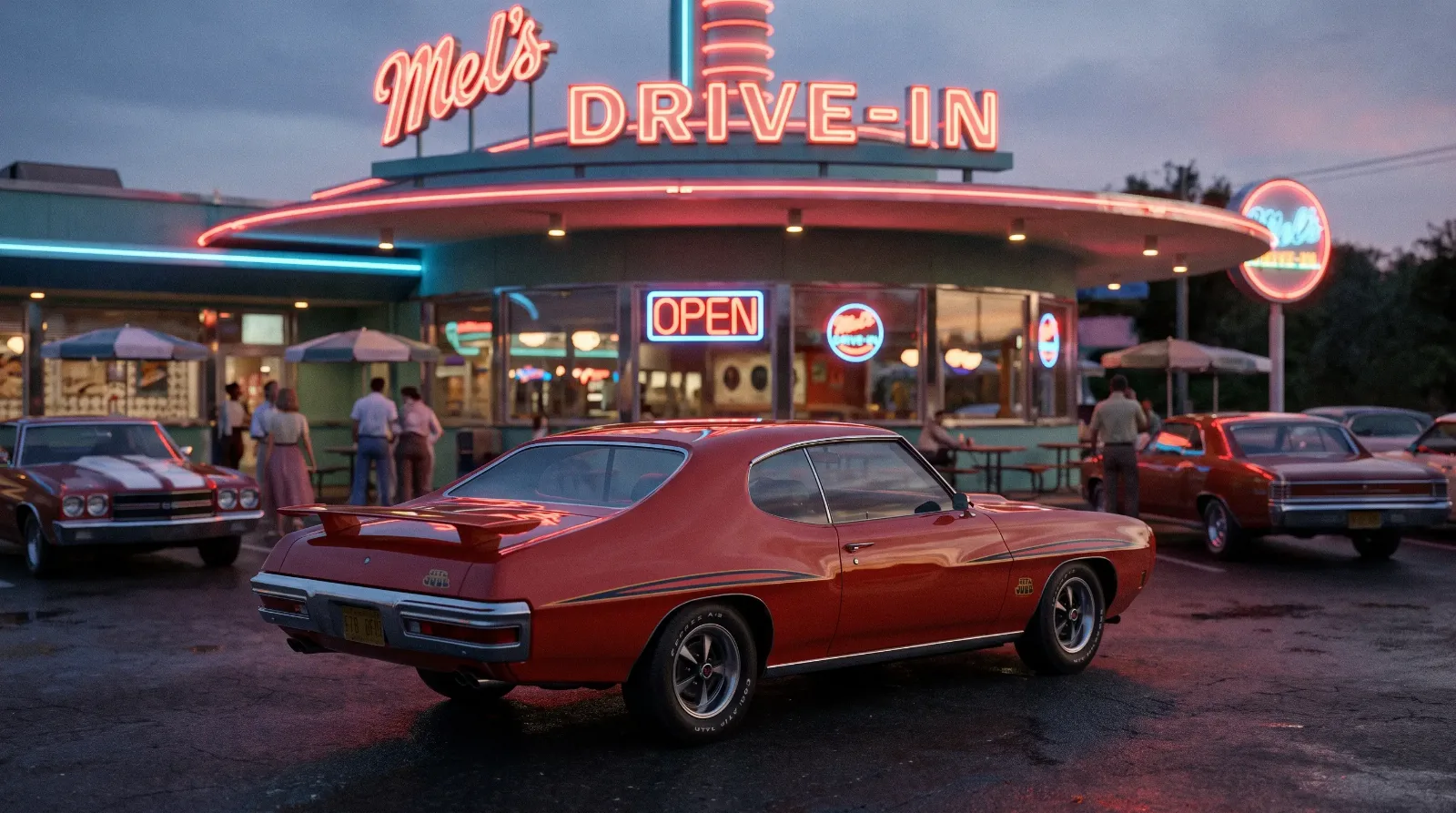
A teenager stands at the counter of an insurance office in 1971, holding the keys to a car he saved two summers to buy. The agent runs the numbers, looks up, and quotes him a premium that costs nearly as much as the payments. The boy does the math on the drive home with the windows down and the big engine idling at the lights, and he understands, in the way you understand things at seventeen, that the door is closing. Not on him alone. On the whole idea of a cheap, fast car for a young person. The 1970 to 1972 GTO lived inside that closing door.
Car Features
9 min read
1970-1972 Pontiac GTO: Peak Power Meets the Beginning of the End
The 1970 Pontiac GTO reached its peak with the 455, then insurance costs, emissions, and lower compression pulled the whole era down by 1972.
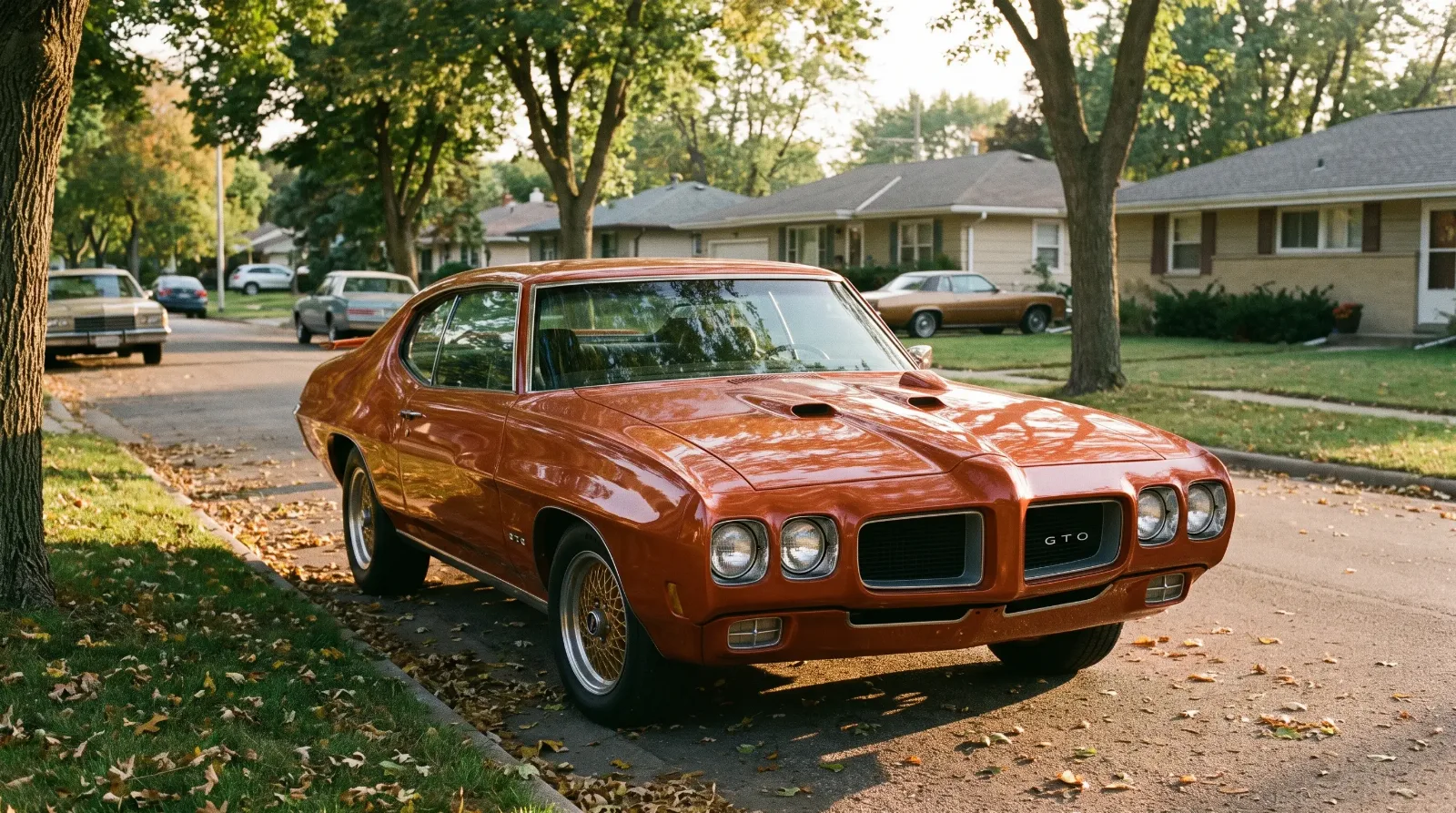
These are the cars that reached the top of the mountain and then felt the ground start to move. They are magnificent and they are melancholy, often in the same model year. For the full sweep of the story from the first car to this turn, there is the invitation to read the full story.
The peak arrives: the 455
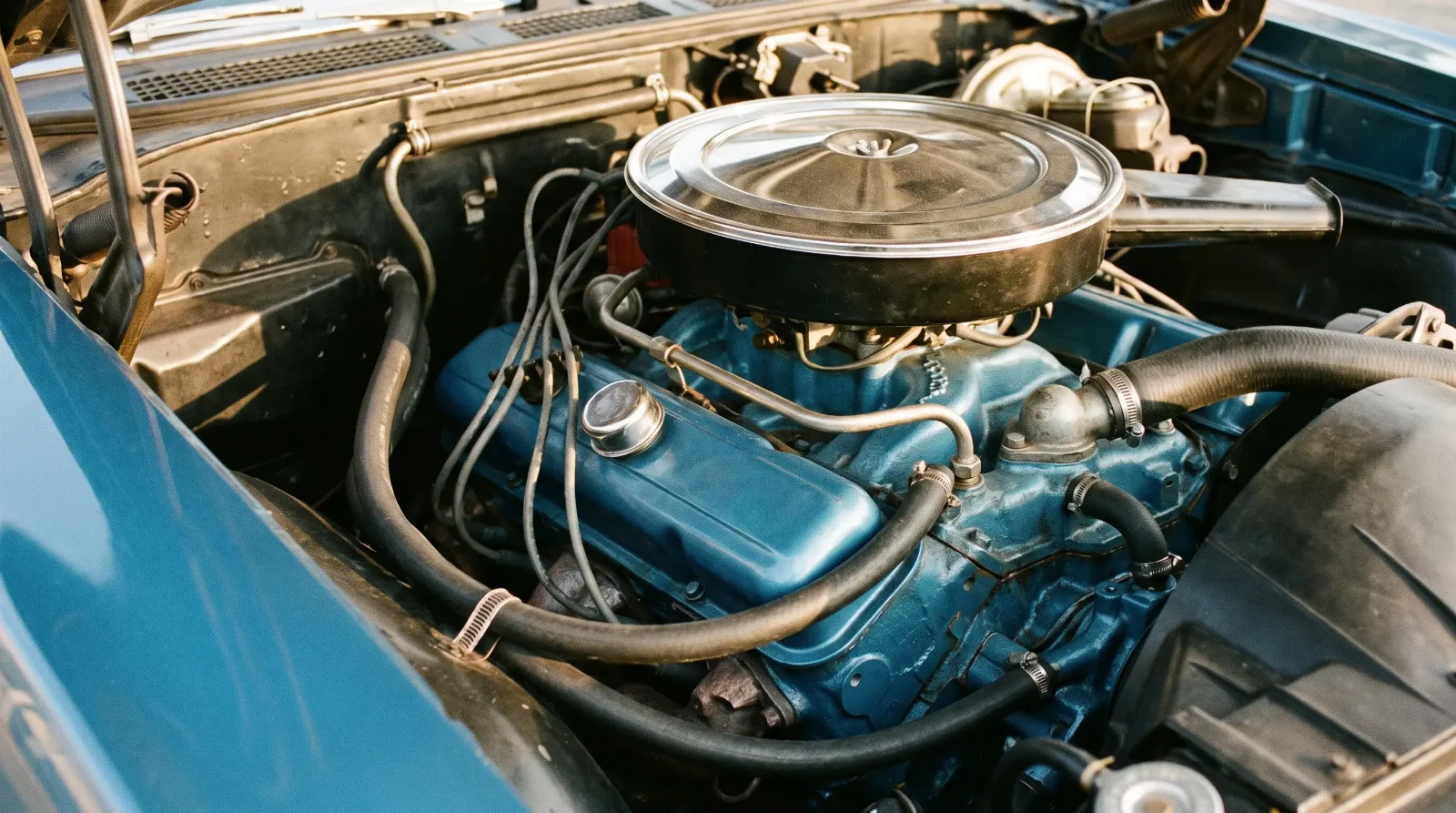
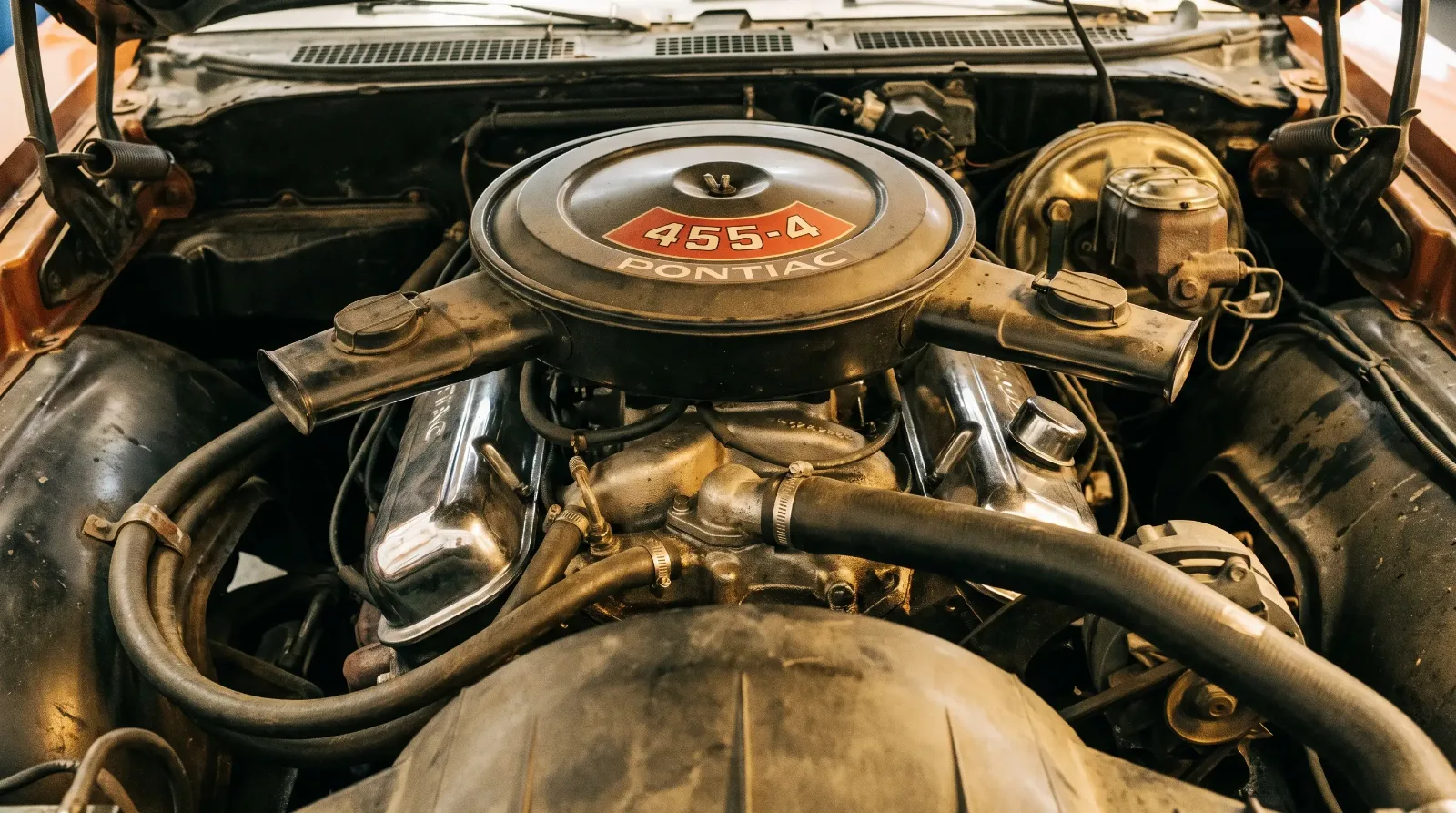
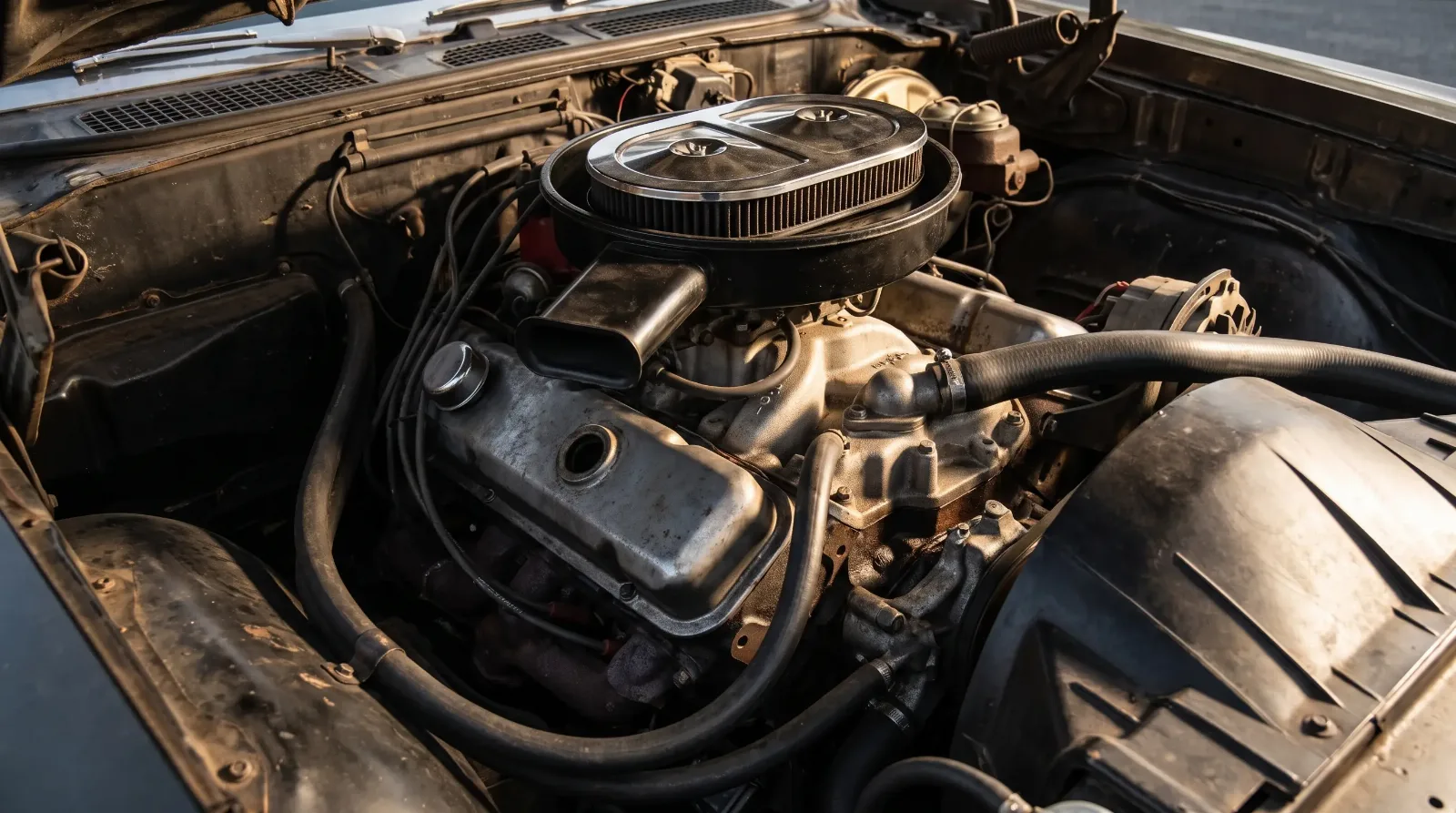
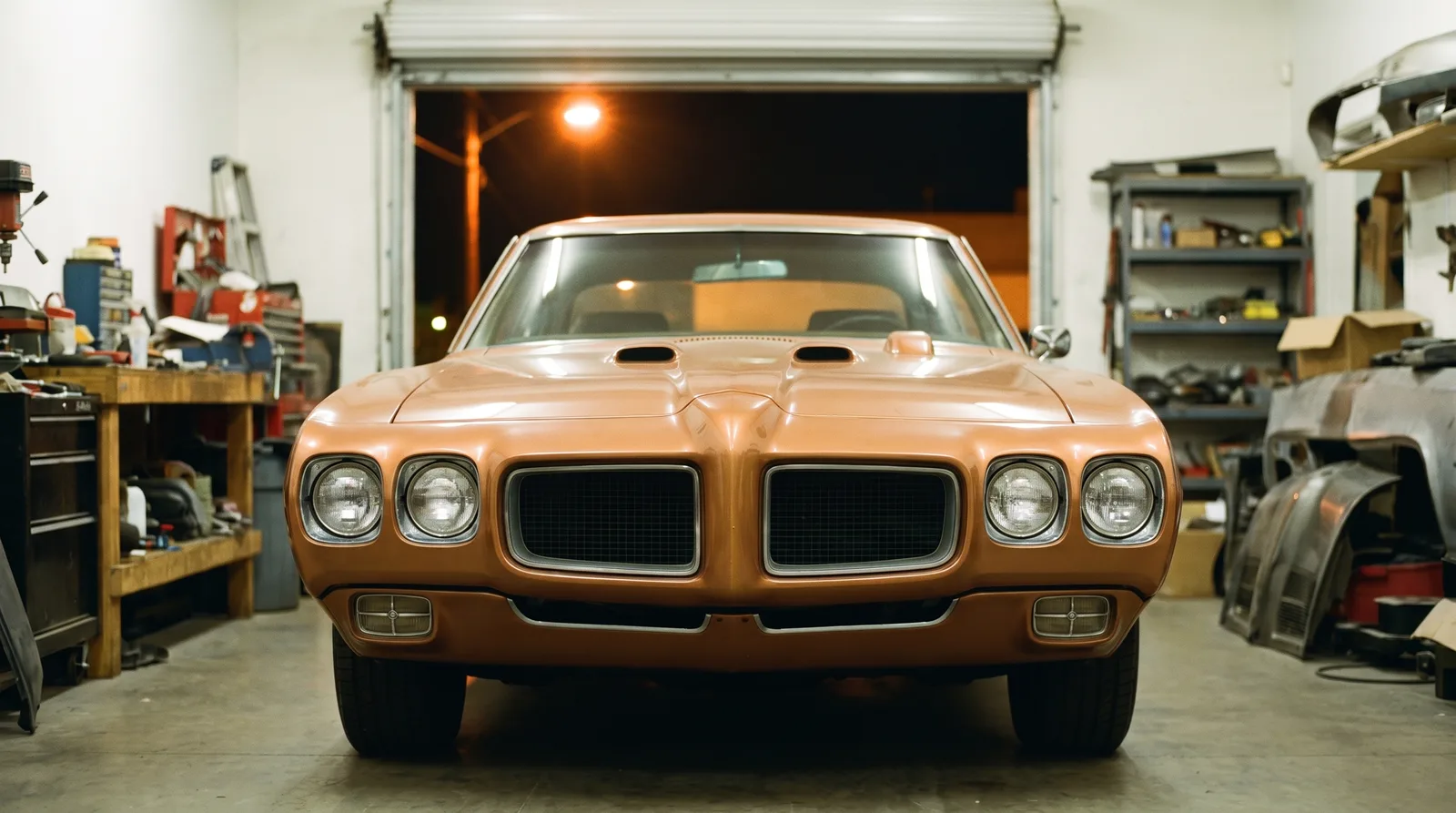
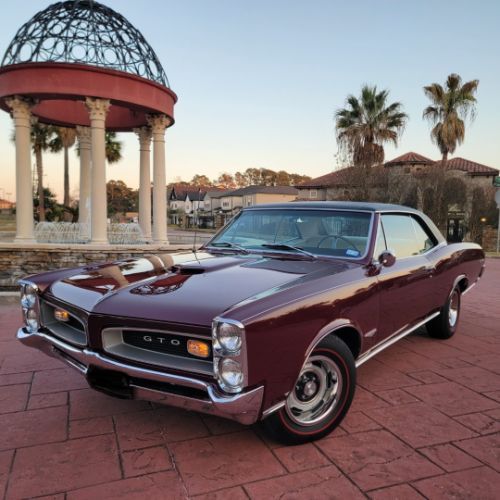
For 1970 the GTO got its biggest engine yet, the 455 cubic inch V8, and a restyle that brought exposed headlights back to a cleaner, more muscular body. On paper this is the summit. The 455 offered big torque, and the Ram Air engines carried over from the previous generation at the top of the range. The 1970 GTO is, by the catalog, one of the strongest the nameplate ever offered, and it looked the part with a purposeful stance and available hood-mounted details.
There is a particular beauty to a 1970 GTO precisely because of what came next. It is the last full breath before the exhale. Everything the muscle car had been building toward for six years is present in this car, and within twelve months the whole environment around it changed.
"The 1970 car does not know it is standing at the edge. It has the biggest engine, the boldest look, all of it. You only see the cliff when you look back from the other years. That is what gives it its weight."
Nora Beckett
The face of the car changed too
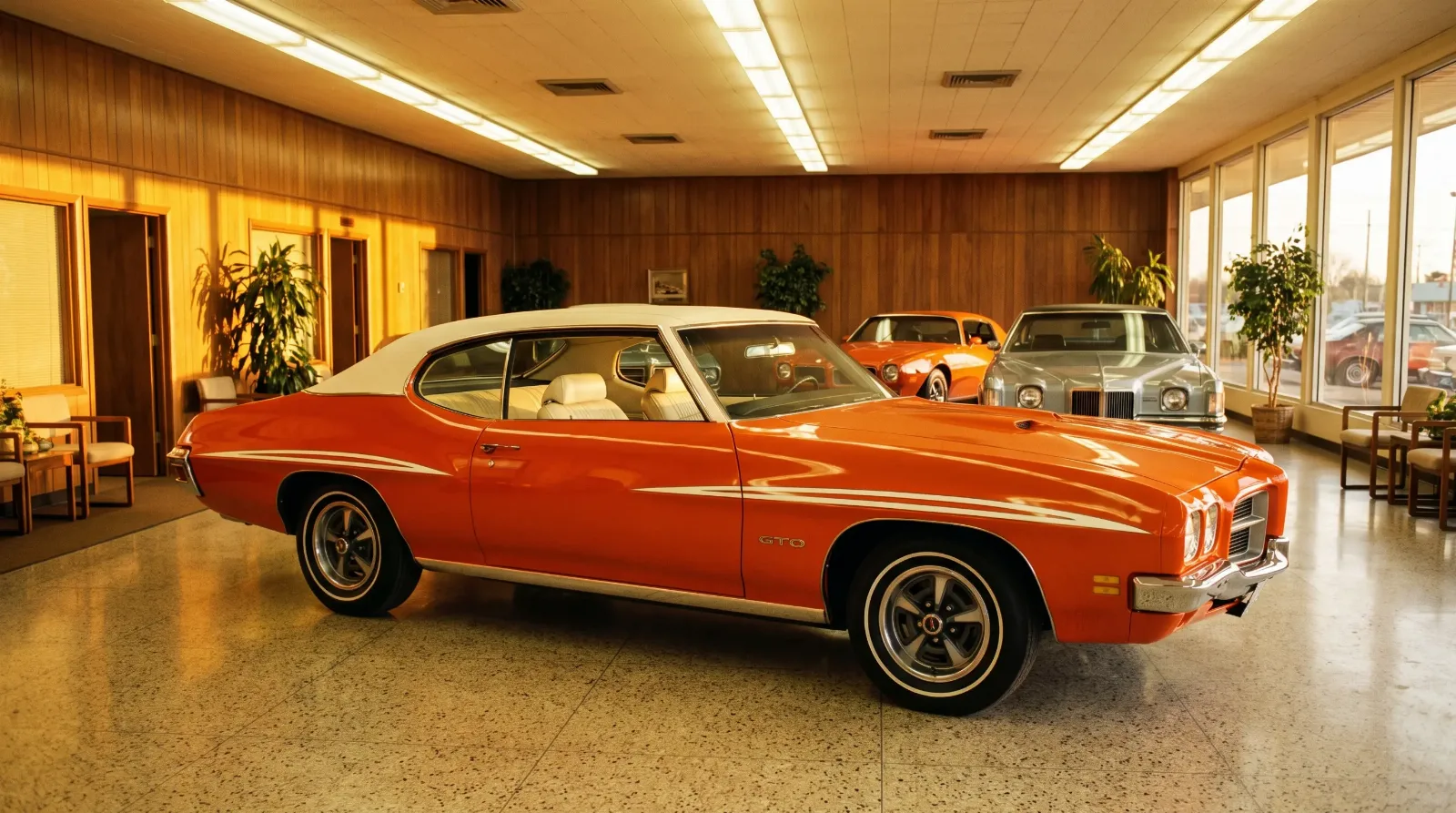
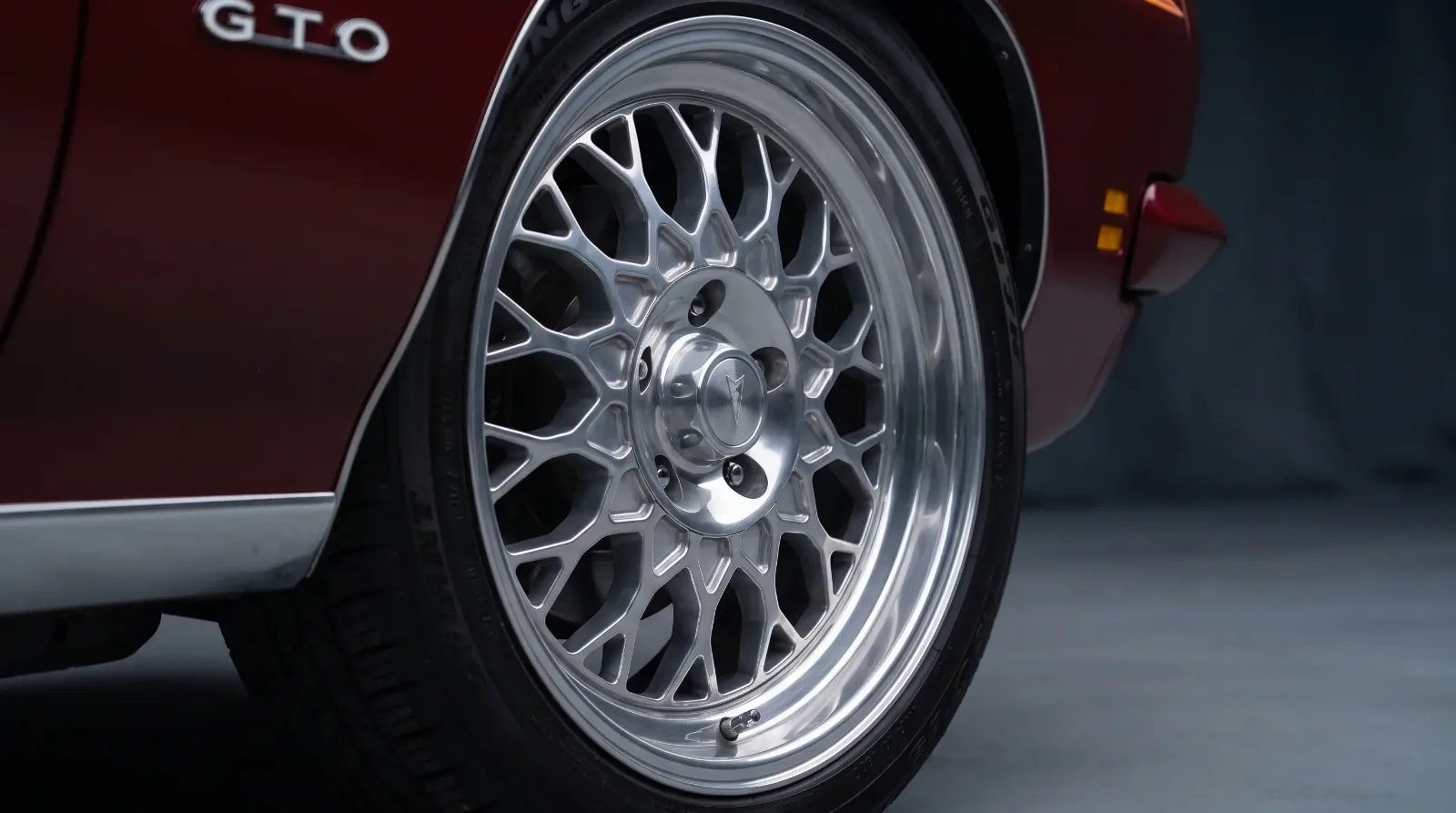
The 1970 restyle did more than move headlights around. The body picked up a chiseled, purposeful set of lines, the Endura front treatment carried forward from the previous generation with new detailing, and the whole car looked planted in a way the earlier bodies did not quite manage. Pontiac offered the honeycomb wheel in this window, a distinctive design with a resin insert that gave the face a mesh look, and it became one of the visual signatures of the era's GTOs. Endura extended to more of the front on some cars, and the hood details, scoops, and available graphics let a buyer dial the aggression up or down.
There is a lesson in the fact that the car got better looking as the mechanical story got harder. The people styling the GTO were doing some of their finest work exactly as the engineers were being boxed in by compression limits and emissions rules. You end up with cars that look their most confident in the very years their engines were being asked to give ground. That tension, a bold face over a softening heart, is a large part of what makes the early-1970s cars so affecting to look at now.
The forces closing in
Three pressures arrived at once, and none of them had anything to do with how good the car was. The first was insurance. Companies had begun charging young buyers steep surcharges for high-powered cars, and the numbers grew punishing enough to price the core GTO customer out of the showroom. The second was emissions law, tightening year over year and forcing changes to how engines were built and tuned. The third was fuel. The industry was moving toward lower-octane unleaded gasoline, which meant compression had to come down.
For 1971 General Motors lowered compression across its engines to run on the coming lower-octane fuel, and power fell as a direct result. The 455 was still a big engine, but the tune that made it fearsome in 1970 was no longer permitted. A 1971 GTO is a softer thing than a 1970, not because Pontiac lost interest, but because the rules changed underneath it.
The numbers that lie
Reading the horsepower of these years takes some care, because two different things were happening to the figures at the same time. Real power was falling because of lower compression and emissions tuning. And separately, the way the industry quoted power changed. Around 1972 the makers moved from gross ratings, measured on a bare engine, to net ratings, measured with the accessories and exhaust a real car carries. Net numbers are lower for the same engine.
So a 1972 GTO on paper looks dramatically weaker than a 1969, and part of that drop is a real loss of power and part of it is only a change in the measuring stick. It is worth keeping both in mind, because the catalog figures from this window can mislead you in both directions if you do not know which system produced them. Pontiac and the rest of the industry made the gross-to-net switch for 1972.
| Year | What changed |
|---|---|
| 1970 | 455 arrives; restyle with exposed headlights; peak ratings |
| 1971 | Compression lowered for low-octane fuel; power falls |
| 1972 | Industry shifts to net power ratings; GTO reverts to an option package on the LeMans |
The quiet demotion
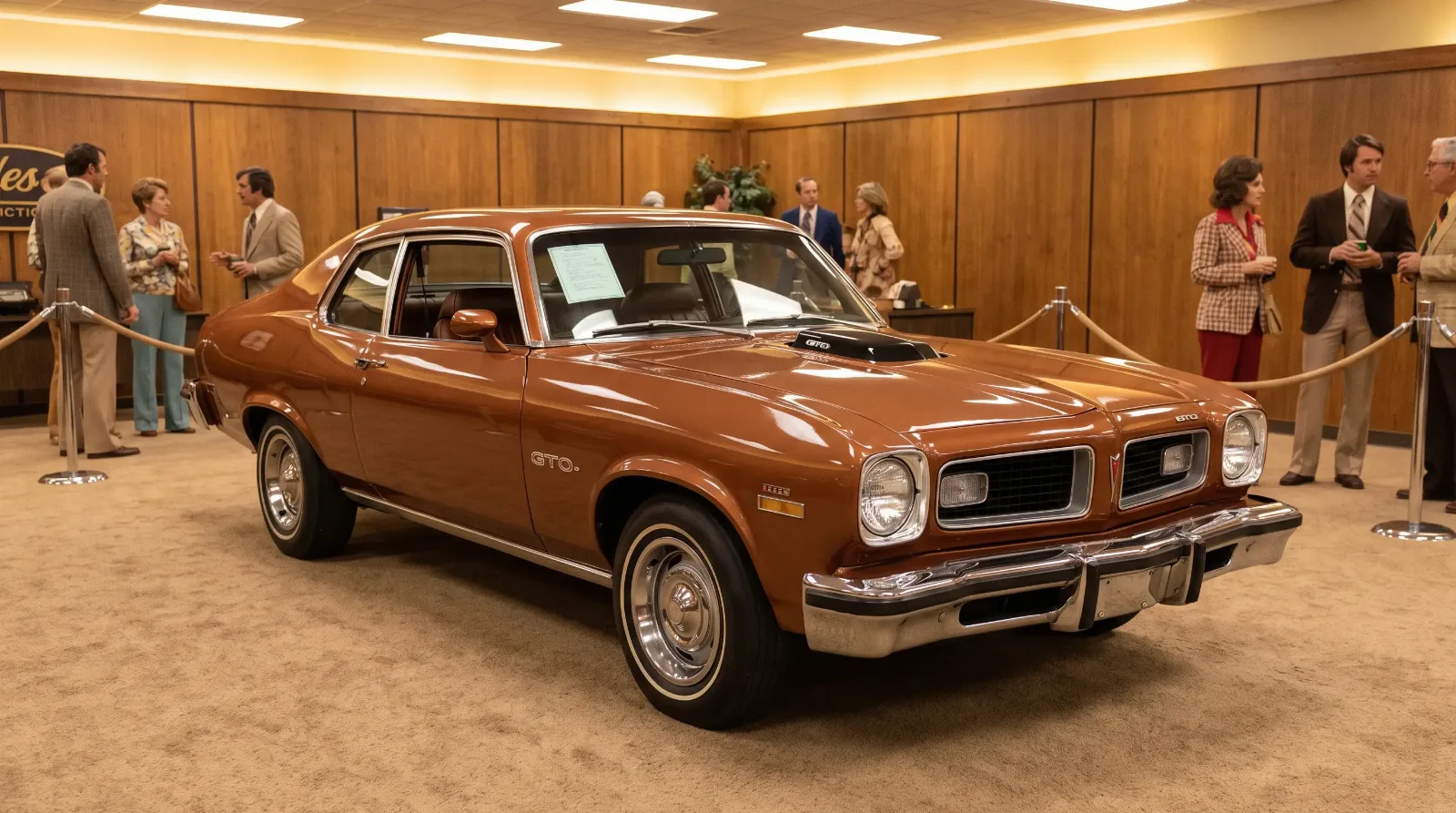
By 1972 the GTO's standing inside Pontiac was slipping. The model that had been promoted to its own series in 1966 drifted back to option-package status for 1972, when the GTO returned as a roughly 354 dollar option on the LeMans as sales fell and the market cooled. It is a quiet kind of ending, the sort that happens in order guides and sales meetings rather than on the street. The car was still capable. The world had simply moved its attention elsewhere, toward smaller cars, better economy, and the coming realities of the decade.
You can feel the change in the cars themselves. A 1972 GTO is a good car built by people who still cared, working inside constraints that got tighter every year. There is something honest and a little sad in that, an engineering team doing its best as the ground gave way.
The last stand of the 455 HO
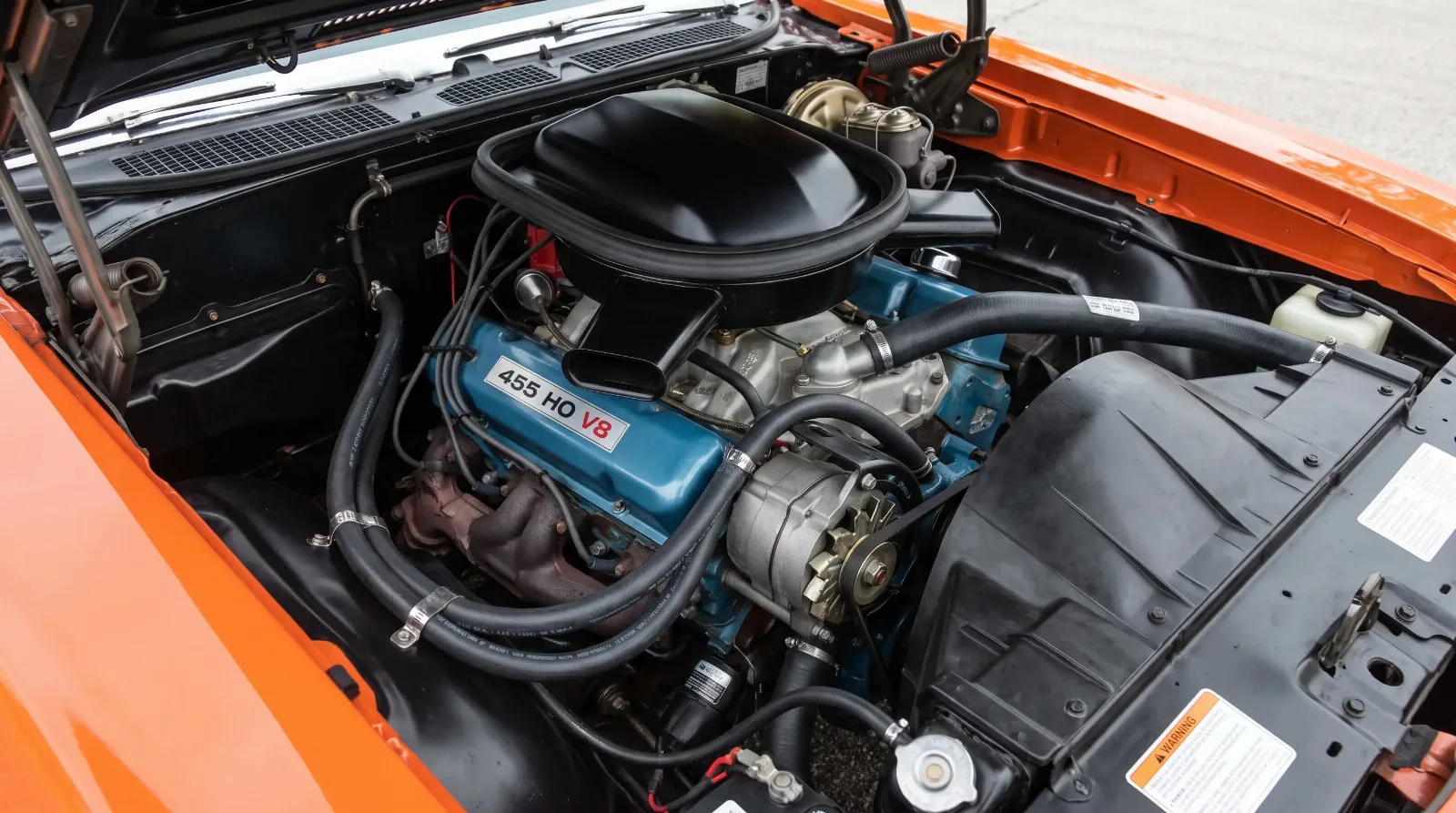
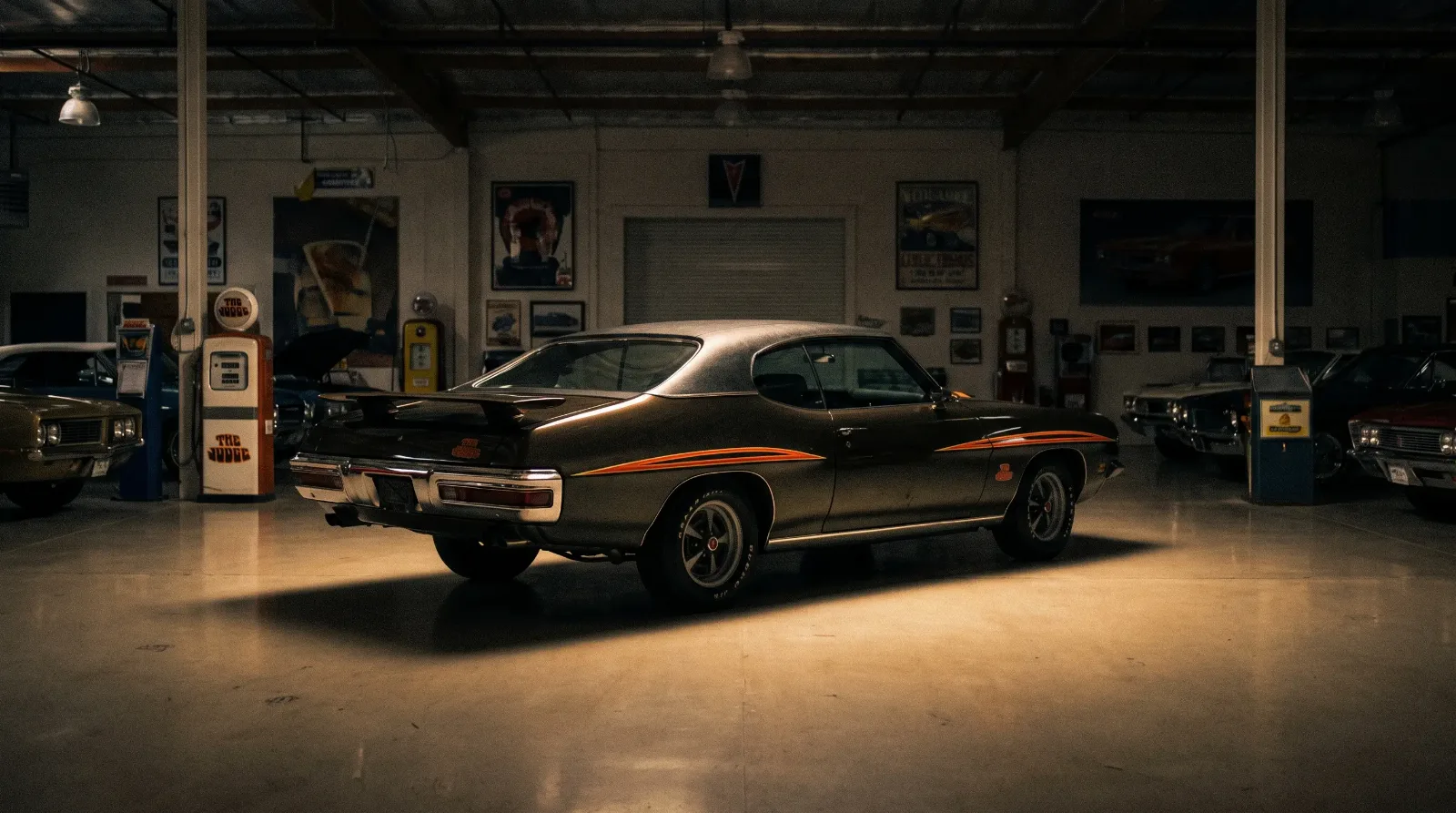
There is one engine in this window that refuses to go quietly, and it deserves its own paragraph. Pontiac built a high-output version of the 455, a round-port, hotter-cammed engine that carried the fight forward even as compression fell around it. It came in the 1971 and 1972 cars, and a small number went into Judges before that package was retired. Picture it: the party lights are being switched off, one by one, and somebody in engineering builds one more genuinely fast engine anyway, almost out of stubbornness. The 455 HO is that gesture in cast iron.
It was never the numbers king the early 1970 engines were on paper, because the rules would not allow it. But it made real torque, it pulled with authority, and a documented 455 HO car from these years, rated at 310 net hp for 1971 and 300 for 1972, is one of the more quietly desirable things in the whole GTO catalog. It is the sound of a team that knew the era was ending and decided to leave one good note ringing.
"You can hear the whole decade in a 455 HO. It is loud and it is a little sad at the same time, a big warm engine built by people who already knew the light was going. They made it good anyway. That is the part that stays with me."
Nora Beckett
What it is like to sit in one now
Slide behind the wheel of a 1971 GTO on a cool morning and the melancholy lifts for a while. The big engine settles into an easy idle, the long hood stretches out ahead of you, and the car moves off with a soft, torquey shove that has nothing to prove and gives it anyway. It is heavier than the cars that came before and it rides softer, and both of those things suit a machine that is really about the drive rather than the stopwatch. You do not chase corners in one of these. You cover ground.
People who own the later cars tend to talk about them with a particular tenderness, the way you talk about the last good year of something. They are not buying the peak number or the poster image. They are buying the feeling of a great idea in its final chapters, still beautiful, already looking back. A 1970 has swagger. A 1972 has something closer to grace.
What these cars are today
The 1970 car is the prize of this trio, the big-engine peak with the strongest looks and the highest ratings. The 1971 and 1972 cars are more affordable and, to my eye, more interesting for what they represent. They are the sound of a great idea running out of room. A 1970 in strong condition with a documented big engine is a serious collector car. The later cars offer a way into the era for a buyer who cares more about the story than the peak number.
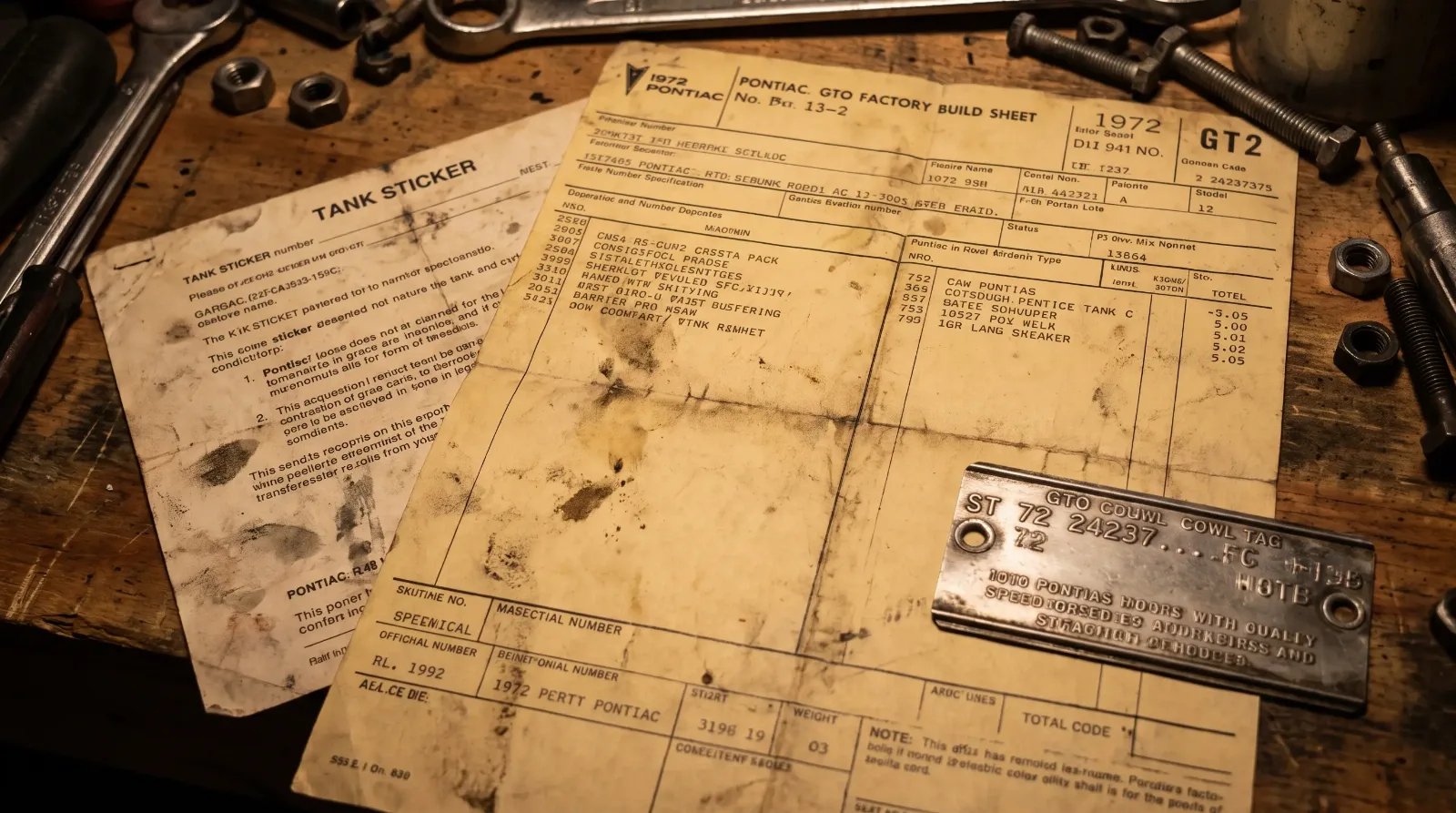
Whatever year draws you, this is a generation where you buy the documentation along with the car, because the difference between engines and packages matters so much to both value and character. Look through the GTOs for sale and read carefully.
The exhale
After 1972 the GTO had only two model years left, and they were the strangest of all. The story of how it actually ended, the Colonnade car and then the compact Ventura-based final GTO, is told in the end of the GTO.
The boy at the insurance counter grew up, and the car he could not afford to insure became the thing collectors chase now. That is how these things go. The GTO reached its highest point and felt the world shift beneath it in the same short span, and the 1970 to 1972 cars carry both of those truths at once. Peak and dusk, in the same headlights.
Sources and notes
Related Reading
Article
The Pontiac GTO Story: How One Car Invented the Muscle Car Era
Article
The GTO Judge: Pontiac's Rebellious Marketing Masterstroke
Article
1970 GTO: The 455, the Peak, and the Endura Twist
Article
The Vacuum-Operated Exhaust: Pontiac's One-Year Wonder
Article
'The Humbler': The Commercial and the Car That Broke the Rules
Article
1971 GTO: The Compression Drop and the Beginning of the End
Article
The 455 HO: The Last Great Pontiac Big-Block
Article
1972 GTO: Now Just an Option Again
Article
The Rare 1972 GTO W62 and 455 HO Combos
Article
Why the Judge Quietly Died Mid-1971
Article
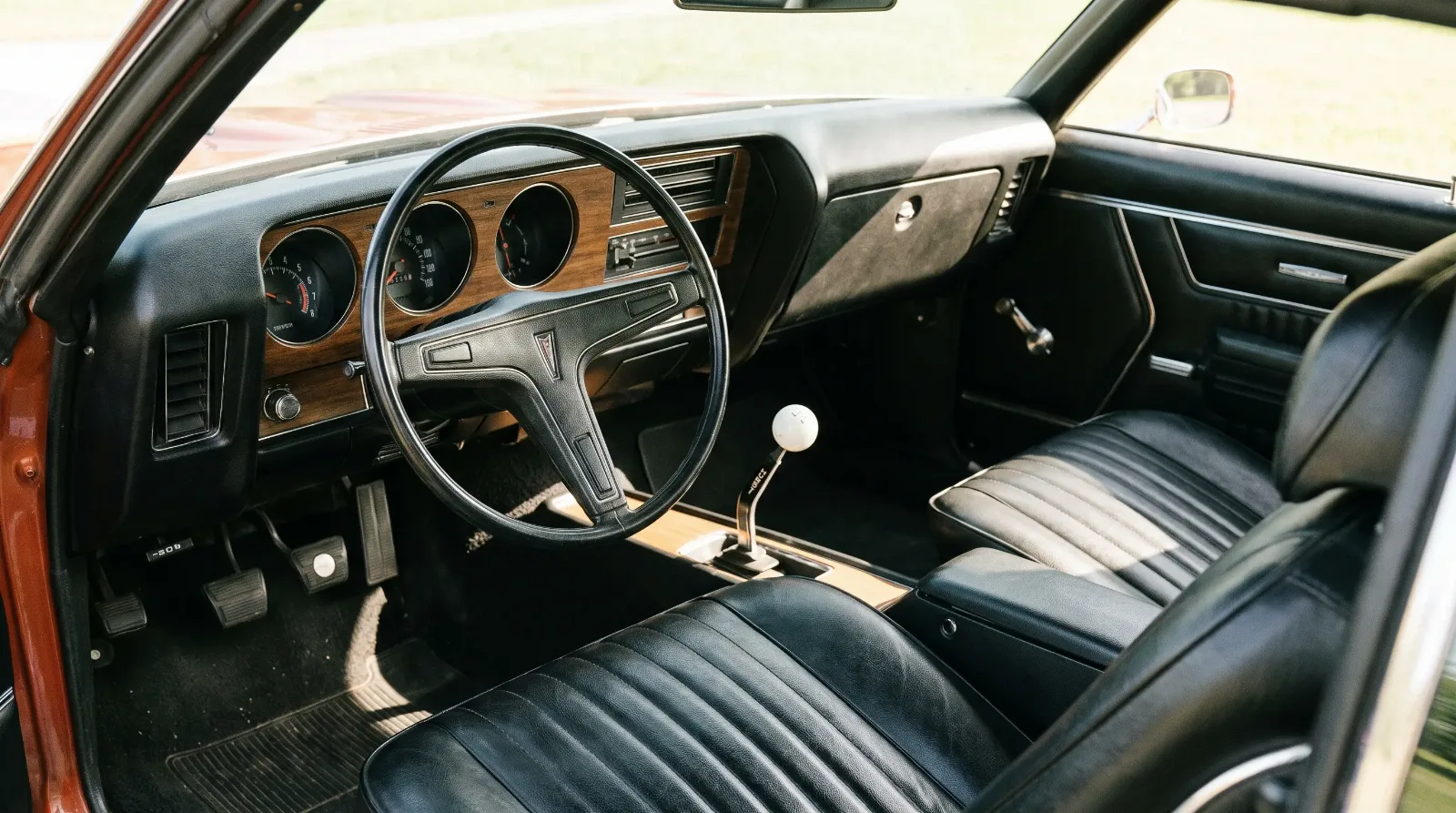
The 1970 GTO Interior and the Formula for Muscle-Car Comfort
Article
Honeycomb Wheels: The 1971 GTO's Space-Age Rims
Article
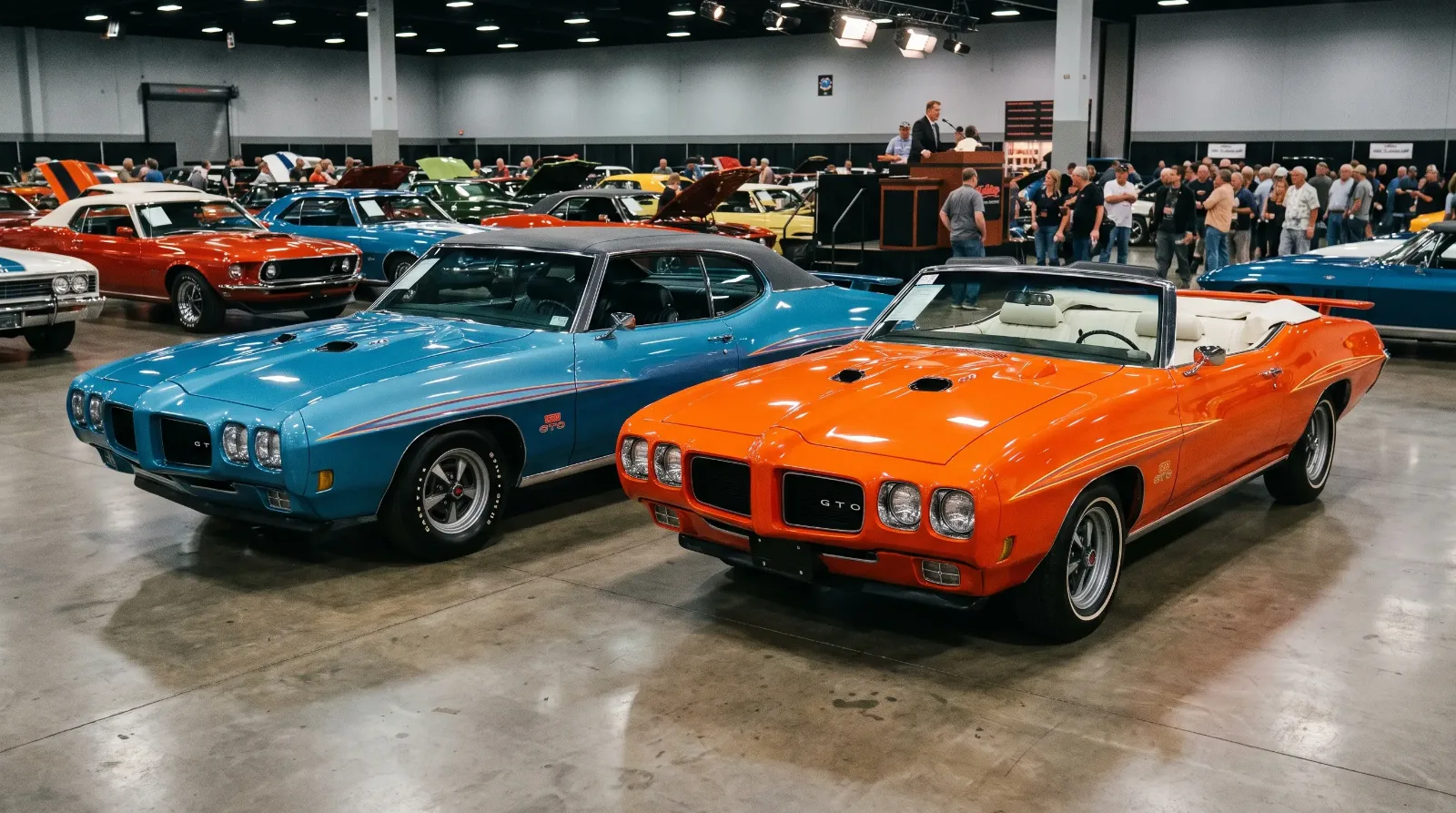
1970 GTO Production Numbers and the Last Big Year
Article
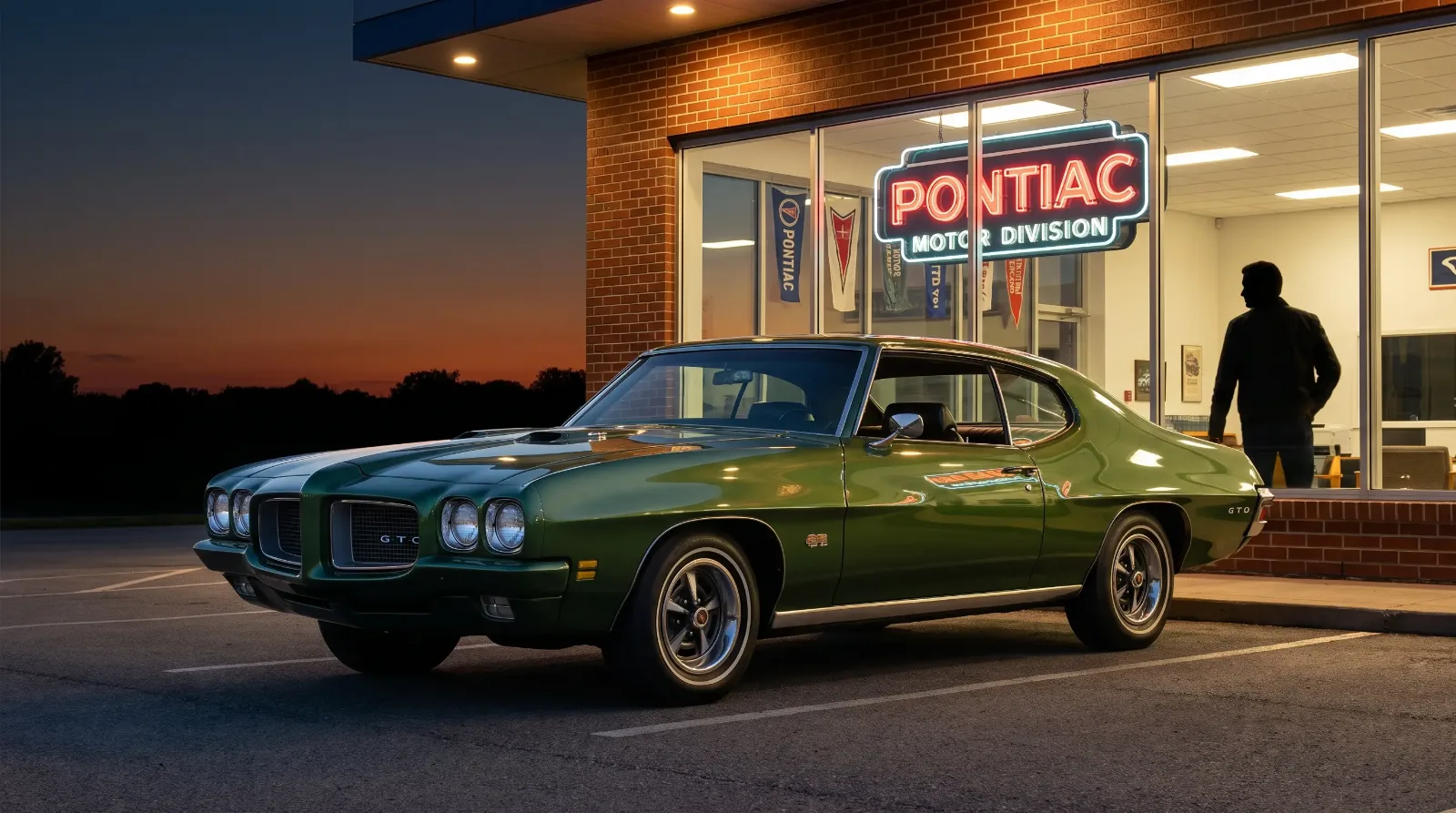
How Insurance Surcharges Started Strangling the GTO in 1971
Article
The 1970 GTO's Ram Air and the Hood-Scoop Story
Article
1973-1974 Pontiac GTO: Insurance, Emissions, and the End of the Line
Have a
Pontiac GTO
for Sale?
Reach thousands of serious classic car collectors across the US.
Sell It Here →
Are You a Classic Car Dealer?
List your full inventory and connect with targeted classic car buyers.
Join as a Dealer →

About the author
Nora Beckett
Automotive features writer and photographer who tells the human stories behind the cars, from show fields to cross-country road trips.
Related Listings - Pontiac GTO
Comments
Be the first to comment on this article.