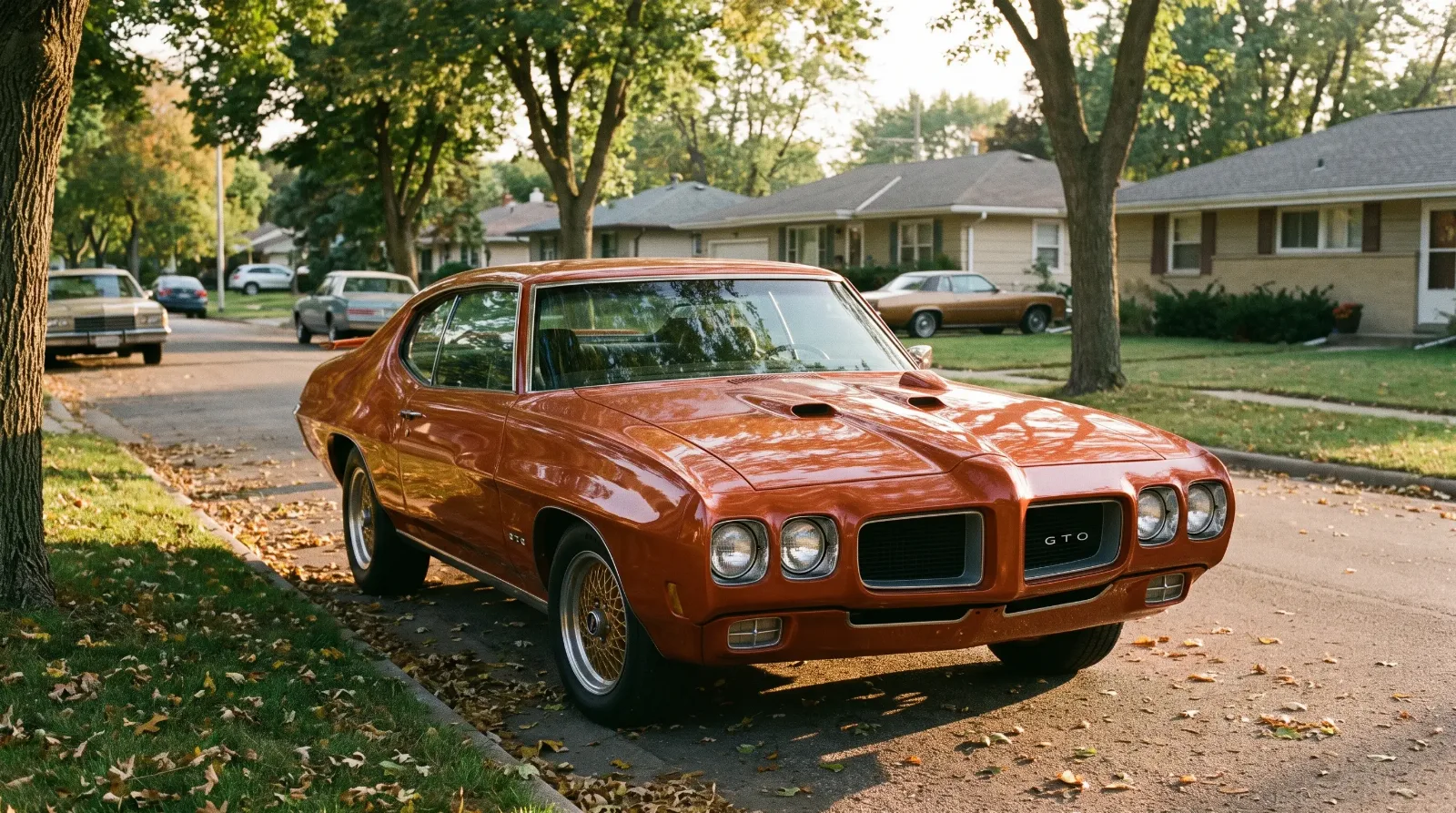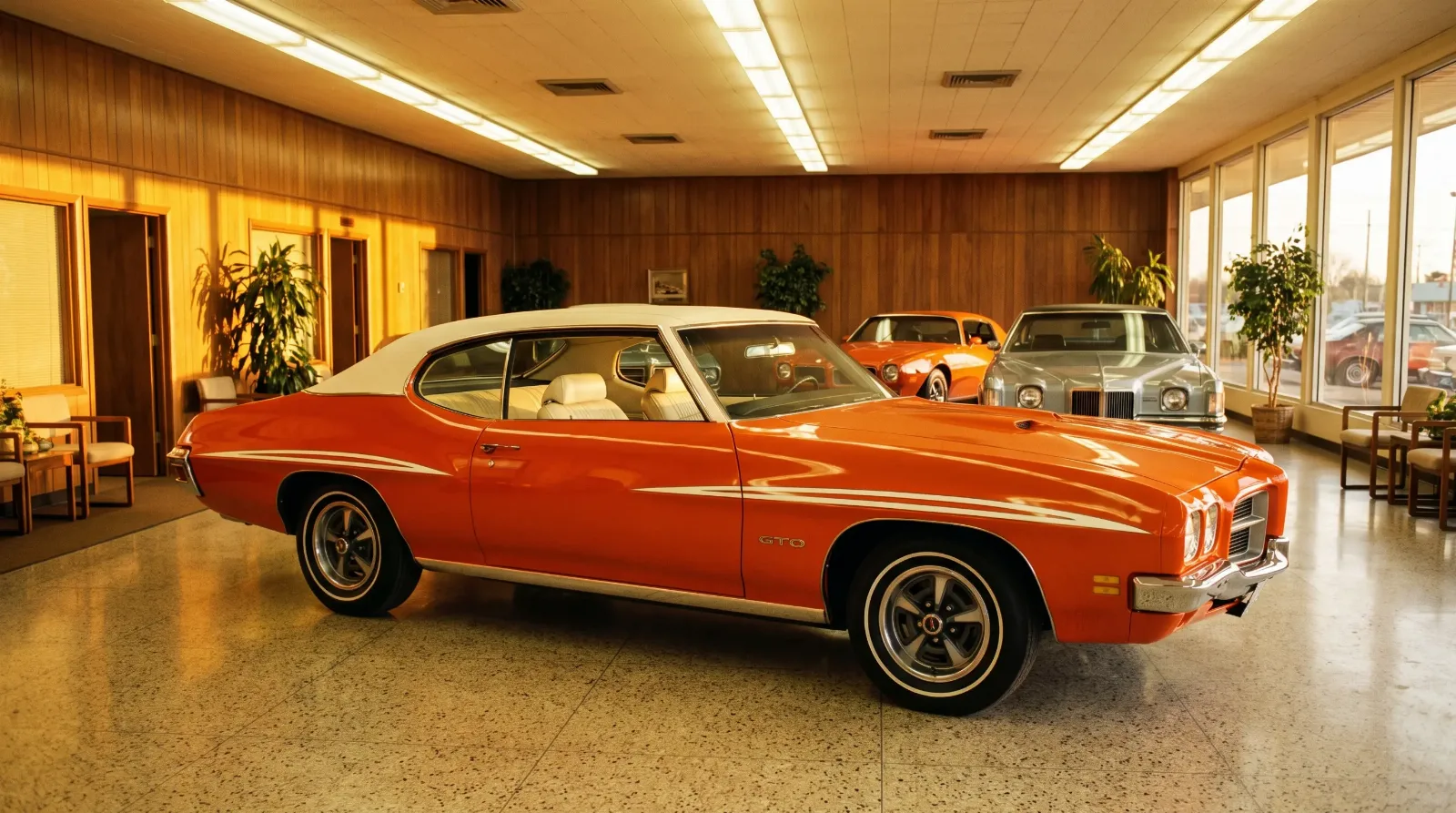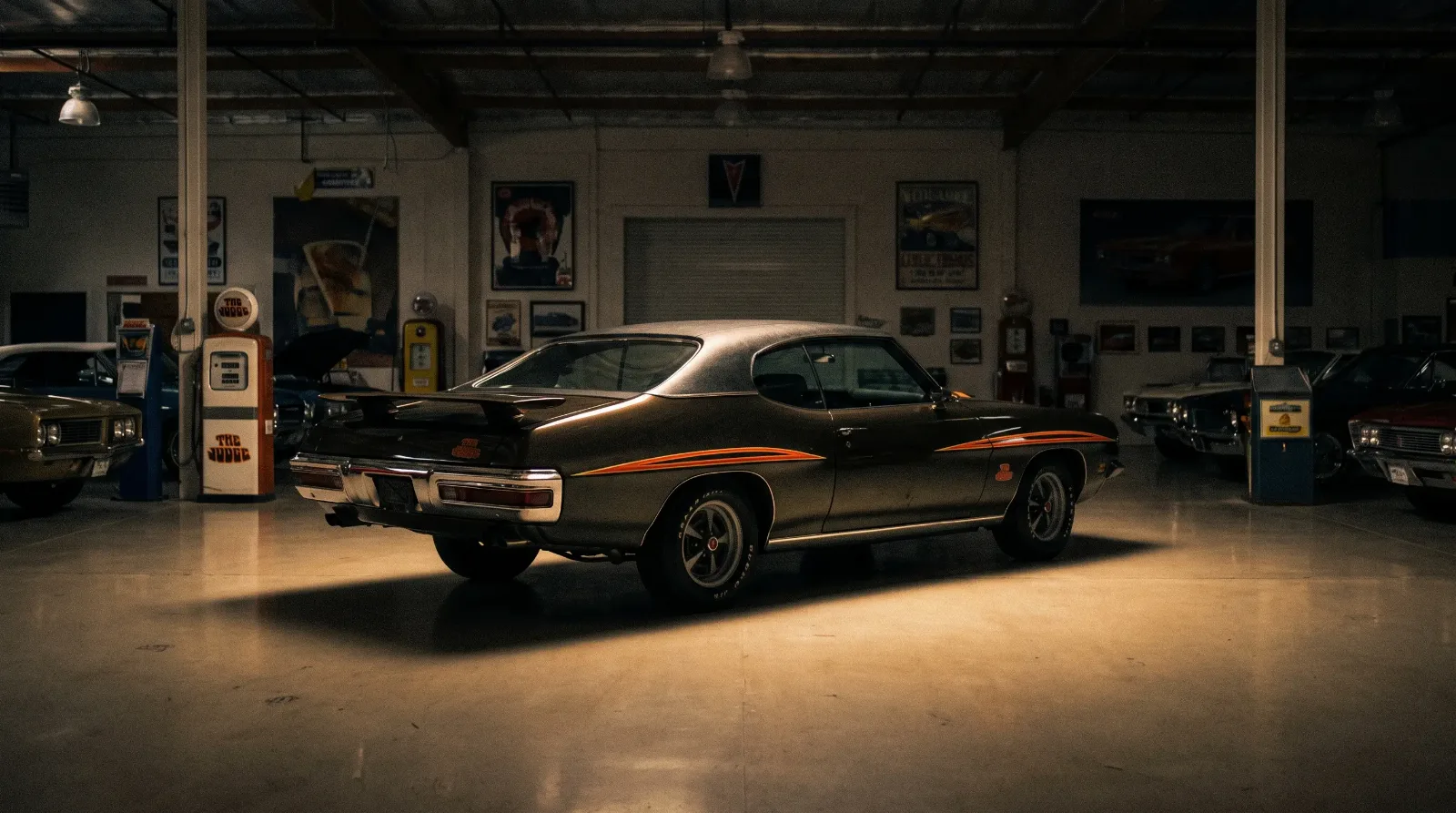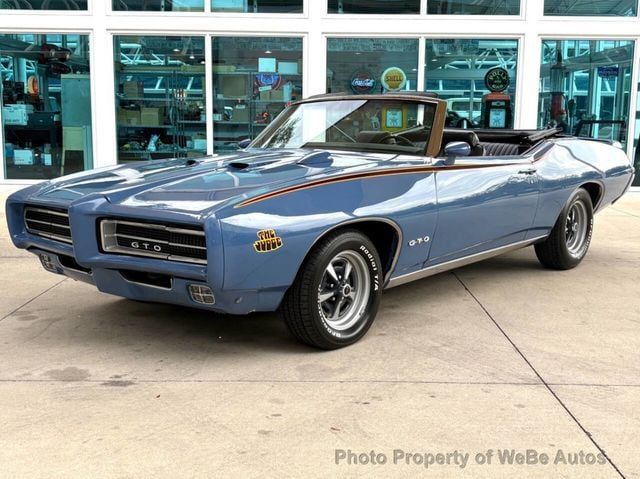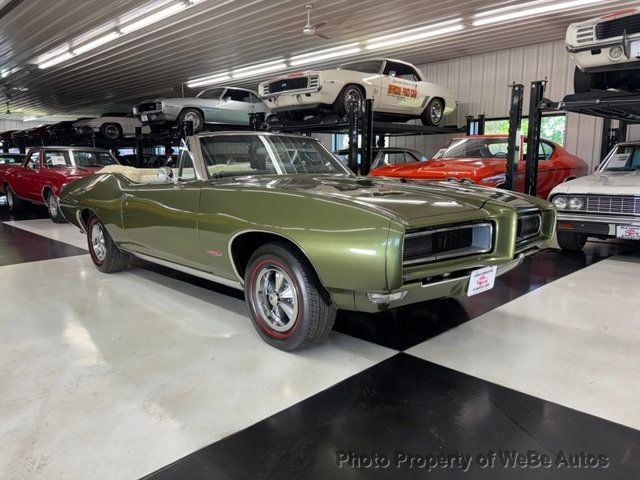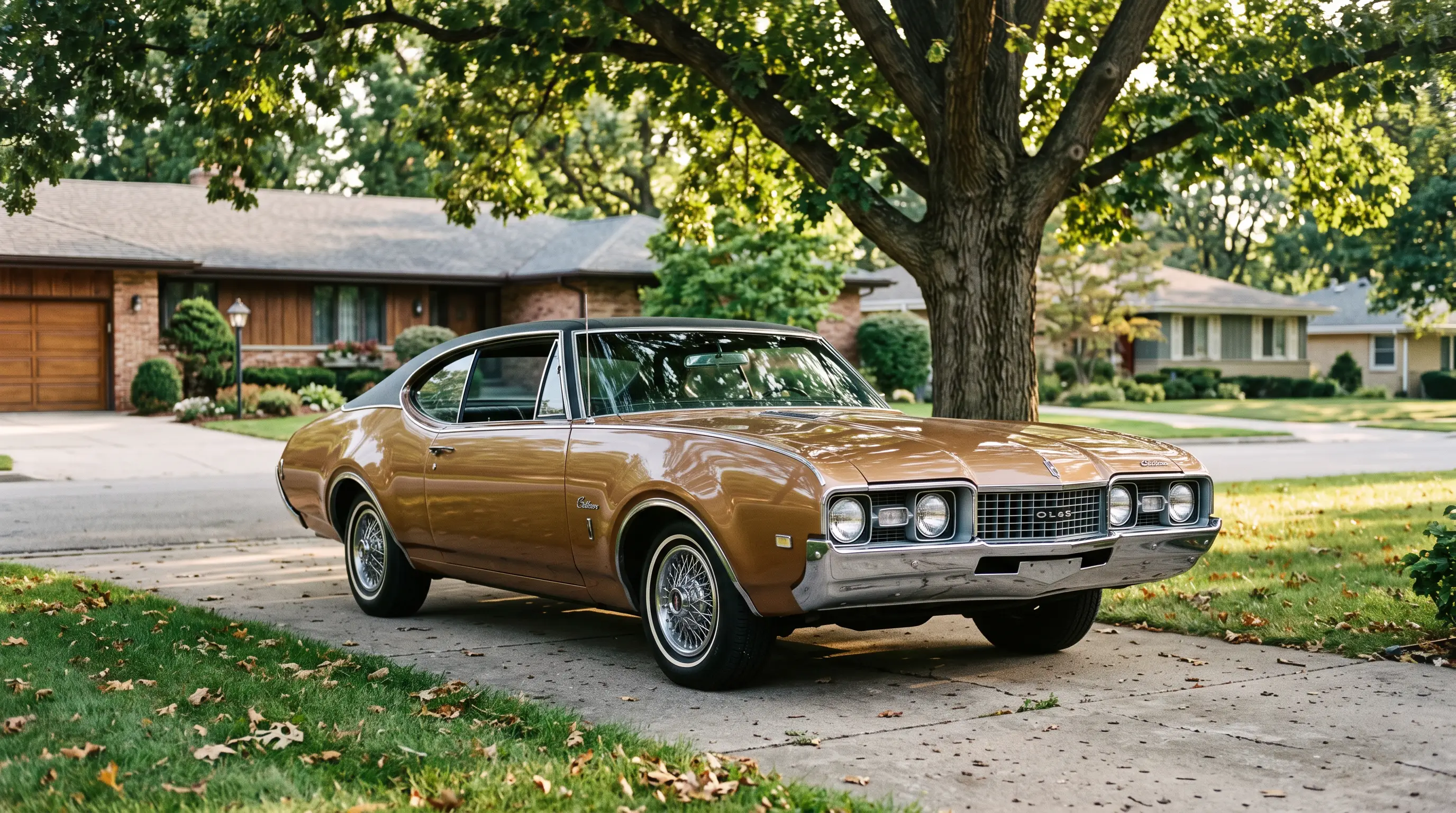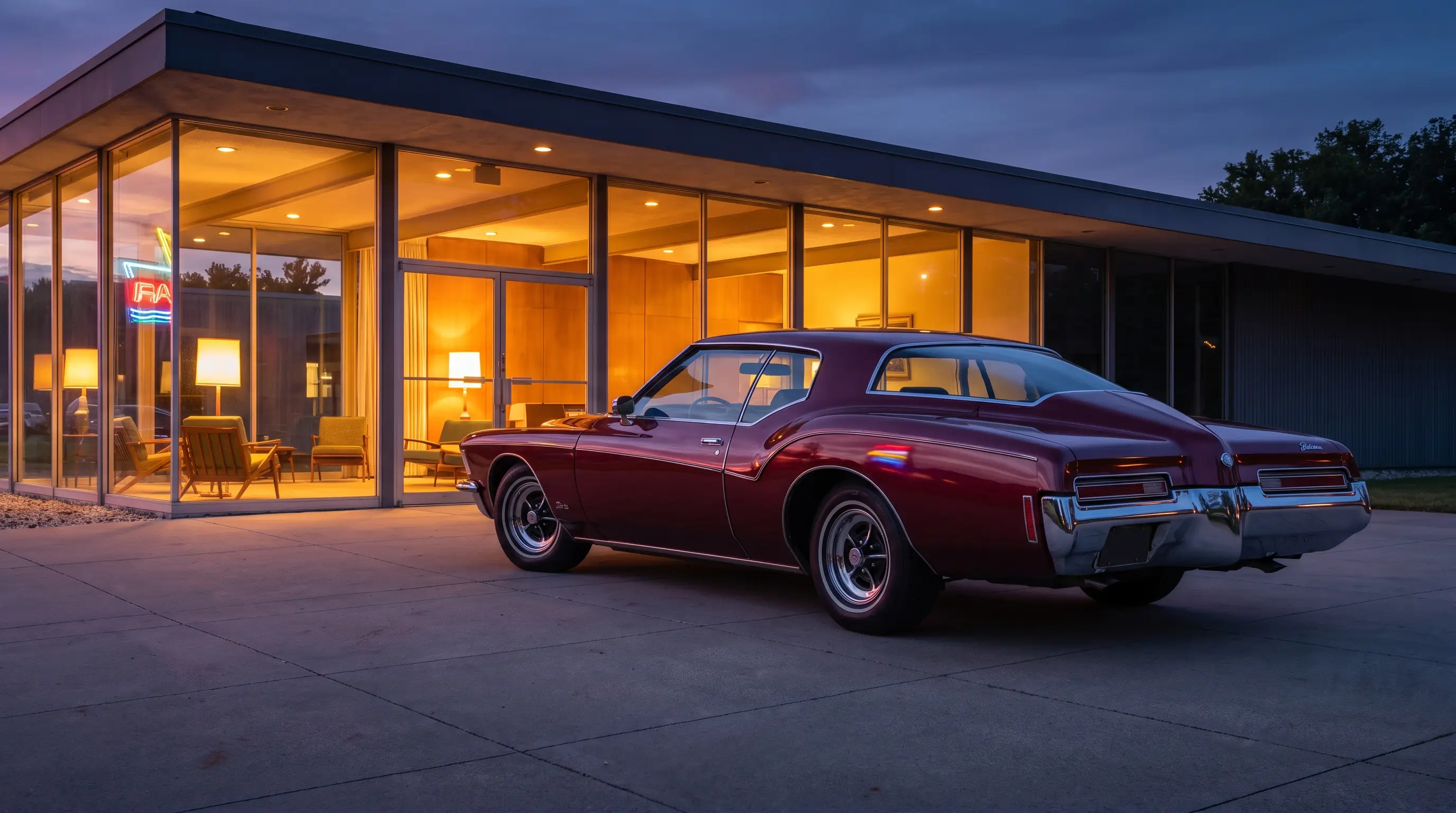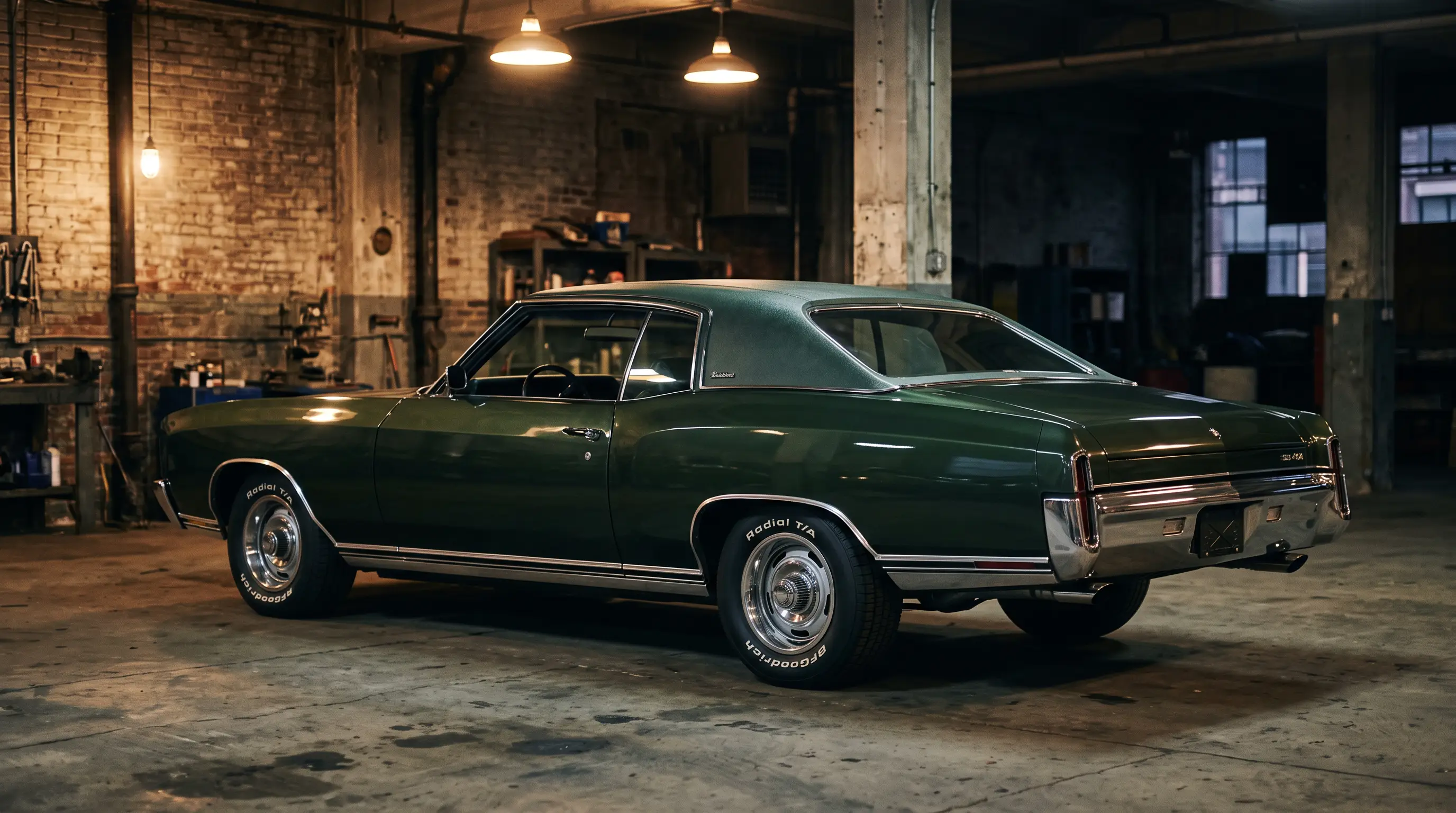
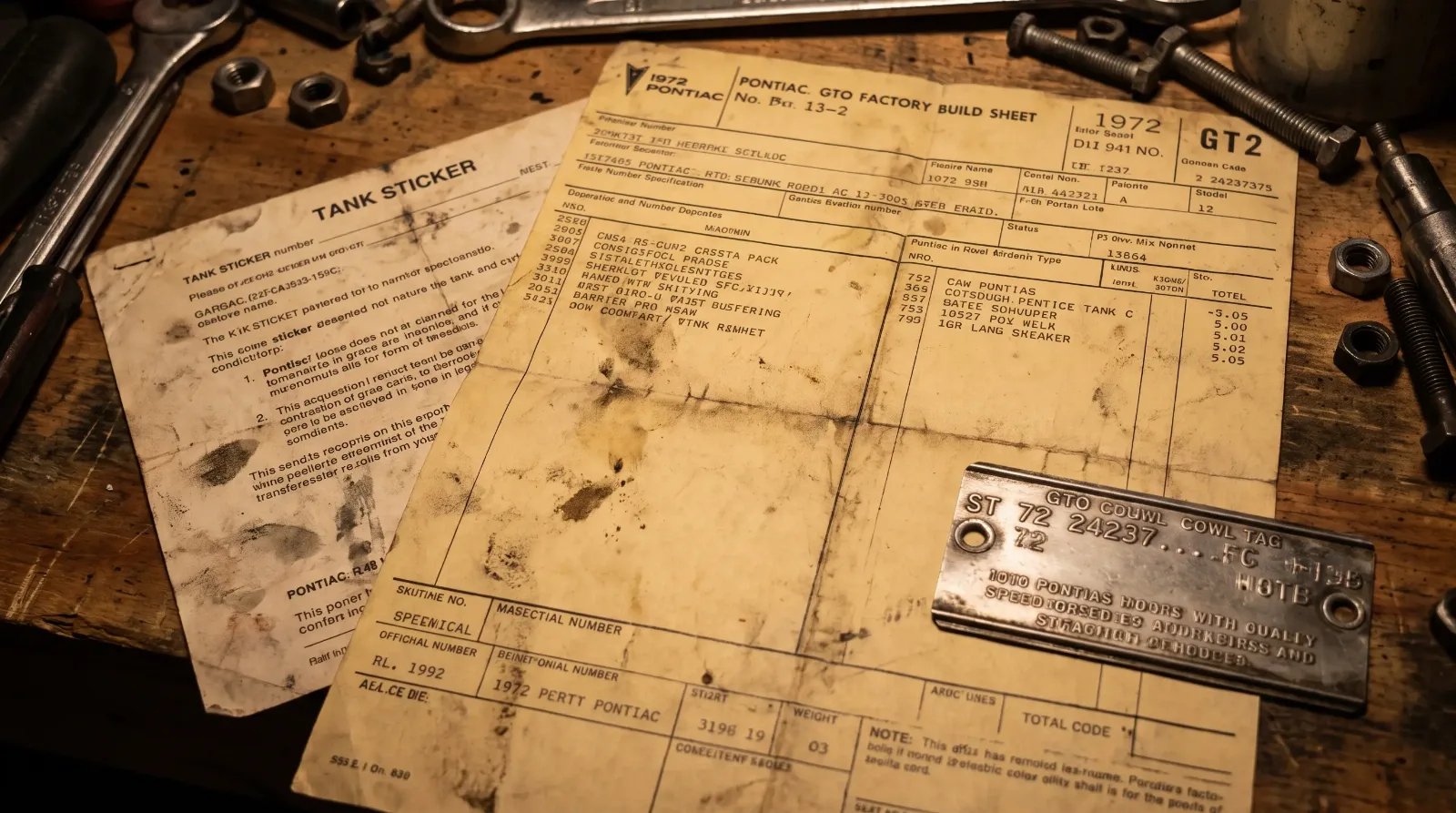
Every club has that one member who shows up to a meet with a build sheet nobody else has ever seen, and inevitably the conversation stops so everybody can look at it. That's what happens when somebody rolls up with a documented 1972 GTO carrying the W62 GTO option paired with the 455 HO engine, RPO code LS5. I want to correct a mix-up I've seen repeated at meets and in some forum threads before going further: the code sometimes floated around as "WW7" isn't the GTO option at all, that designation actually belongs to a Trans Am hood decal option and has nothing to do with the GTO package. The real factory code for the 1972 GTO option on the Le Mans and Le Mans Sport is W62, priced at roughly $354 over a base Le Mans, and it's that code paired with the LS5 455 HO engine option that produced the genuinely rare combination worth discussing here.
Why this combination is genuinely rare
Here's what I've pieced together from build sheets and registry records over the years, and I want to be honest about where the documentation gets thin. By 1972, the GTO had already returned to option-package status, meaning fewer buyers were opting into the full performance package at all compared to the standalone-model years of 1970 and 1971. Layer the 455 HO on top of that shrinking pool of GTO-optioned Le Mans buyers, and you're looking at a genuinely small production number for cars carrying both the GTO option and the top-tier engine in the same model year. Add any additional performance or appearance options into that mix and the surviving population gets thinner still.
The club community has spent decades trying to nail down accurate production figures for these specific combinations, and the honest answer is that Pontiac's own record-keeping from this exact period doesn't make it easy. Out of the 5,807 total GTO-optioned cars built for 1972, only a portion were further optioned with the LS5 455 HO, and no widely agreed, factory-sourced breakout of that exact subset has surfaced publicly; any specific count you hear at a meet should be treated as an estimate until it's traced back to an actual factory document. What isn't in dispute is that this combination sits among the smaller documented production pools in the entire 1970-72 GTO run, rarer in most cases than higher-profile Judge cars from the same general era simply because fewer people were checking the GTO option box at all by 1972.
| Attribute | Detail |
|---|---|
| Model year | 1972 |
| Base platform | Le Mans with GTO option package |
| Engine pairing | 455 HO |
| Option codes | W62 (GTO package) with LS5 (455 HO engine) |
| Production volume | Low; no confirmed factory breakout of this exact subset within the 5,807 total 1972 GTOs |
How this compares to other rare GTO combinations
Club conversations about rarity in the GTO world tend to gravitate toward the obvious headline cars, the low-production Ram Air IV cars from the late-60s peak, the Judge-and-convertible combinations, the handful of documented drag-package cars built for factory-sponsored racing efforts. This 1972 combination doesn't get talked about with the same reverence, mostly because 1972 as a model year doesn't carry the same mythology as 1969 or 1970 in the broader muscle car conversation. But rarity is rarity, and when I look at actual surviving population estimates across the whole GTO production run, a documented 1972 GTO-optioned Le Mans with the 455 HO sits in genuinely thin territory, thinner in some cases than cars that command far more attention and far higher prices at auction simply because of which model year happens to be fashionable with buyers at any given moment.
That gap between actual rarity and market attention is exactly the kind of inefficiency a patient, knowledgeable buyer can take advantage of. I've watched newer collectors chase the famous years at a premium while genuinely scarcer cars from less celebrated model years sit available at a fraction of the price, purely because the broader market hasn't caught up to what the production numbers actually say. That won't necessarily stay true forever. As documentation and registry work around these later, less-celebrated GTO years continues to mature, I expect the value gap between "famous rare" and "actually rare but less famous" to narrow. Buyers paying attention now have a window that won't stay open indefinitely, and the guys I know who bought thin-documentation, low-profile years a decade ago are sitting on cars that have quietly outpaced a lot of the flashier, more heavily marketed purchases from the same period.
Authenticating a car like this
If somebody brings a car to you claiming this exact combination, the documentation trail is everything. A tank sticker or build sheet, where one survives, tells you what actually left the factory, and it's worth far more than a seller's word or even a plausible-sounding VIN decode. The Pontiac Historic Services documentation process exists precisely for cases like this, where a rare option combination needs verification beyond casual inspection. I've seen enough restamped blocks and reproduction trim tags at meets to know that anyone selling a "documented" rare GTO without offering to walk you through the actual paperwork trail is asking you to take a leap of faith you shouldn't take on a car commanding a real premium.
The registry community around these cars has gotten more organized over the last couple decades, and that's a genuine benefit to buyers now compared to twenty years ago. Where a claim used to rest entirely on a seller's story, there's now a better chance of cross-referencing a specific VIN against known documented examples through club channels. That doesn't make every claim bulletproof, but it means a buyer willing to do the legwork has real tools available that didn't exist when this hobby was younger.
🔧 Inspection Priorities
- Request the tank sticker or build sheet if one survives. This is the single strongest piece of factory documentation for confirming a rare option combination.
- Cross-reference against club registry records. A documented example with prior registry verification carries more weight than an unverified claim.
- Verify engine casting and date codes against the claimed build. A correct 455 HO block matching the documented build date is essential before paying a rarity premium.
- Be skeptical of reproduction trim and badging without paperwork behind it. Cosmetic GTO badging can be added to any Le Mans; it proves nothing on its own.
"Everybody at the club had a theory about how many of these actually left the factory until somebody finally pulled a real build sheet, and just like that, the bench-racing was over. That's how it always goes with the rare ones. The paperwork settles the argument, not the opinion."
— Wayne Coburn
This rare combination is one of the quieter footnotes within the second-generation GTO story, a reminder that even in a shrinking market, Pontiac was still capable of building something genuinely special in small numbers. The other major storyline unfolding around this same period was the Judge package's quiet exit from the lineup, a decision with its own interesting logic behind it. Read on for that story. And for the full history of how the GTO badge came to exist in the first place, the GTO's origins covers the complete arc from 1964 forward.