Cataloguing a 1955 bel air sport coupe for a concours field is a different exercise than evaluating most other body styles from that model year. The pillarless hardtop construction, the specific trim hierarchy, and the way period photographs document the car's original presentation all give a researcher unusually rich material to work from, provided you know which sources to trust.
What "Sport Coupe" meant as a factory designation
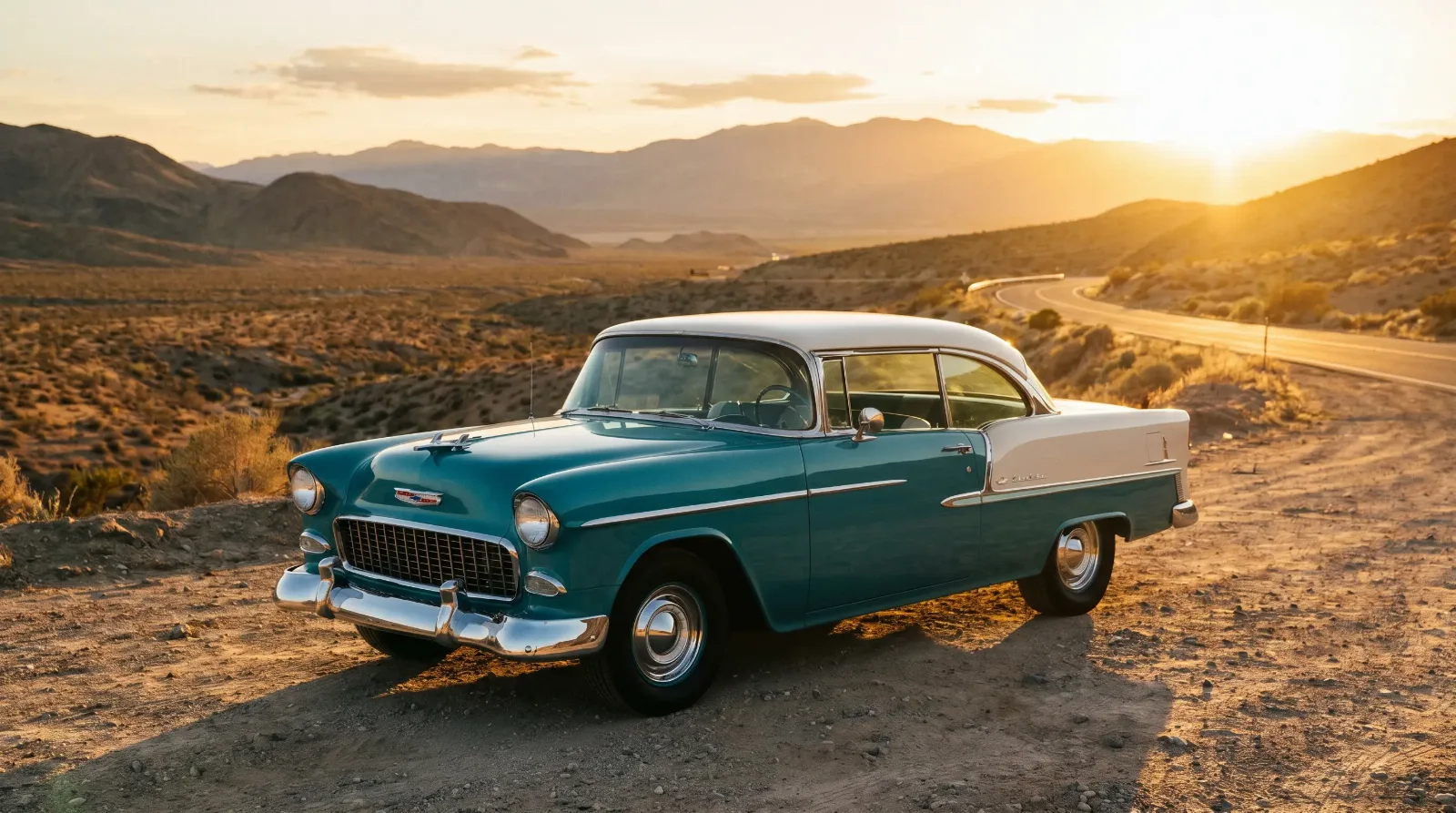
Chevrolet used the Sport Coupe designation specifically for its two-door hardtop body style within the Bel Air line for 1955, distinguishing it from the two-door sedan, which retained a fixed B-pillar. The Sport Coupe's pillarless construction, a roofline that appeared to float without visible support when the windows were down, required the reinforced rocker panels and floor structure Fisher Body had refined across several prior model years of hardtop production, dating back to the Bel Air's original 1950 hardtop introduction. This was not a novel engineering problem for Chevrolet by 1955, but it remained a more expensive body style to build than a conventional sedan, which the factory price sheet reflected directly.
Original documentation for a specific Sport Coupe should show this body style designation clearly on the data plate and, where surviving, on the factory build sheet, distinct from the two-door sedan's separate body code. Researchers cataloguing a car without complete paperwork should treat any ambiguity here carefully, since the two body styles share a great deal of sheet metal and can be confused by someone unfamiliar with the specific trim differences.
Documented styling details specific to this body
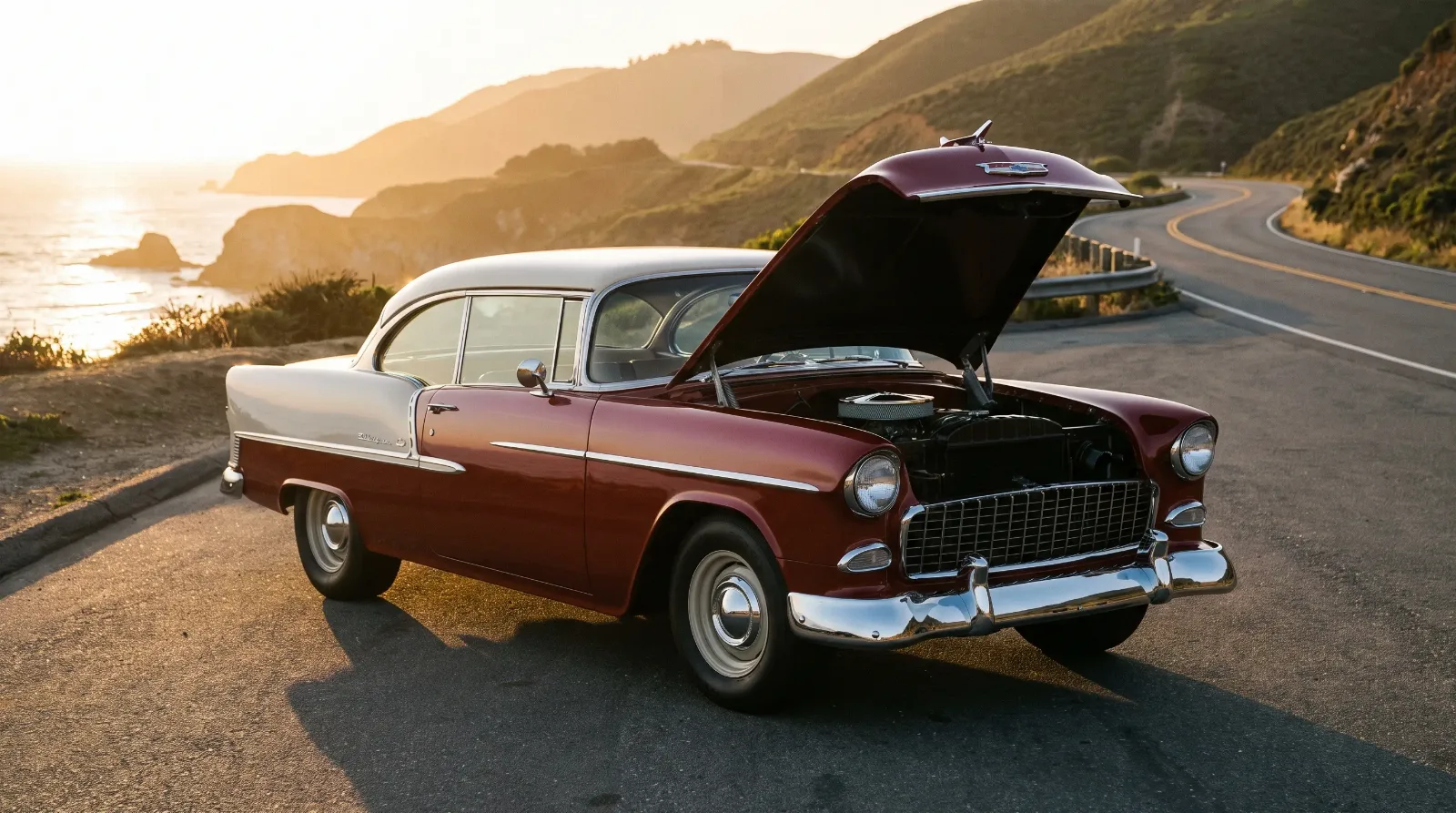
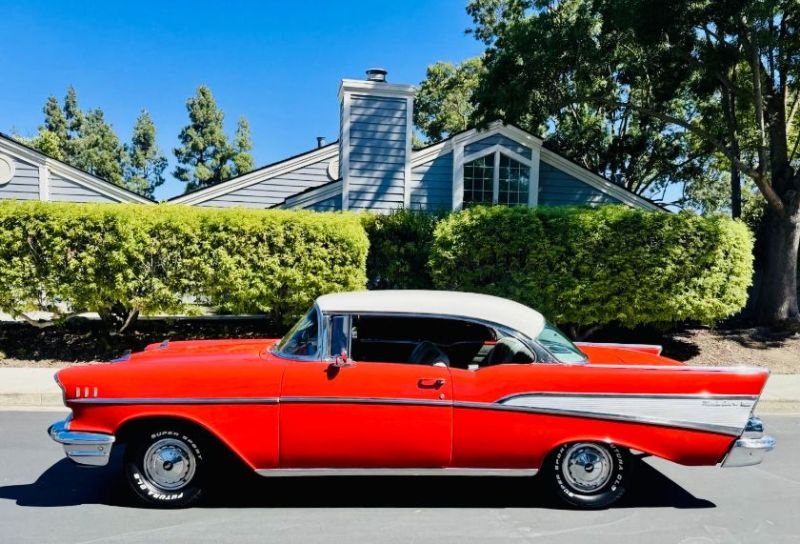
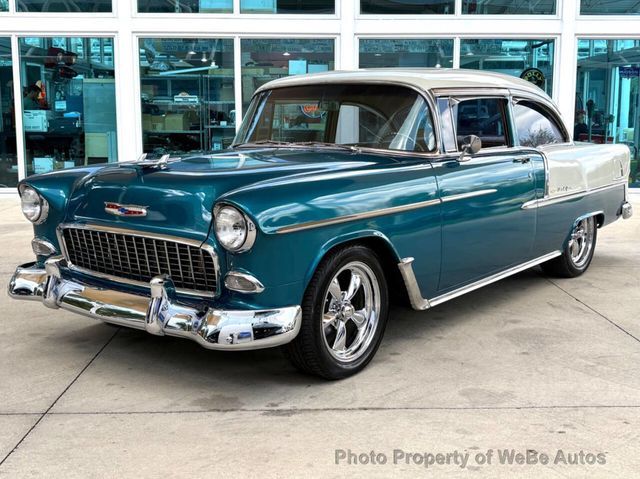
The Sport Coupe's roofline carried a distinct rear window treatment and a slightly different rear quarter panel profile than the sedan, details that period photography and factory literature document consistently across the 1955 model year production run. Interior trim on the Sport Coupe also differed from lower body styles within the same Bel Air series, with upholstery patterns and door panel treatments specific to the two-door hardtop that a careful cataloguer should verify against period reference photographs rather than assume based on a sedan's trim.
For readers wanting the complete picture of how the 1955 redesign shaped every body style in the lineup, not just the Sport Coupe, more on the 1955 chevy bel air covers the full model year in detail, including the chassis and engine changes that applied across every body style equally.
"A judge evaluating a Sport Coupe is not just looking at paint and chrome. We are comparing the car in front of us against a documented factory standard, and the two-door hardtop has enough body-specific detail that generic Bel Air knowledge is not sufficient preparation."
- Sarah Whitfield
How the Sport Coupe compares against its Nomad sibling
Cataloguers frequently field questions about how the Sport Coupe relates to the Nomad wagon that joined the 1955 Bel Air series partway through the model year, since both are two-door body styles built on shared underpinnings and both carry a reputation for design distinction within the lineup. The comparison is instructive precisely because the two cars solved different problems. The Sport Coupe pursued the pillarless hardtop ideal that had defined the Bel Air name since 1950, prioritizing an open, glass-heavy greenhouse. The Nomad pursued a sporty wagon silhouette, borrowing styling cues from a Motorama show car and applying them to a genuinely usable cargo body, a very different design brief executed with a similarly high level of attention to detail.
Production numbers separate the two clearly as well, with the Nomad built in far smaller quantities than the Sport Coupe, a gap that shows up directly in relative collector values today. A researcher cataloguing either body style benefits from understanding this sibling relationship, since period marketing materials frequently presented the two together as complementary expressions of the same design philosophy applied to different practical needs.
Production context and how it shapes rarity today
The Sport Coupe was one of several body styles offered within the 1955 Bel Air series, alongside the convertible, the two-door and four-door sedans, and the Nomad wagon that arrived partway through the model year. Total 1955 Bel Air Sport Coupe production came in at roughly 189,000 units, a substantial figure compared to the convertible but considerably less common than the four-door sedan, which carried the highest volume within the series.
This production position, common enough to be attainable but far less numerous than the sedan, is a significant part of why the Sport Coupe has become one of the most collected body styles from this model year. It offers genuine rarity relative to the sedan without the extreme scarcity and correspondingly extreme price of the convertible, a middle position that appeals to a wide range of collectors.
Why the nameplate's own origin still matters for cataloguing
Understanding where the Sport Coupe fits requires understanding where the Bel Air name itself began, since the pillarless hardtop construction that defines this specific body style was the original reason the Bel Air name existed at all. Readers unfamiliar with that earlier history should look at where this started before assuming the Sport Coupe was simply one option among equals within the 1955 lineup. It carries the nameplate's original engineering DNA more directly than any other 1955 body style does.
Color and trim combinations documented for this body style
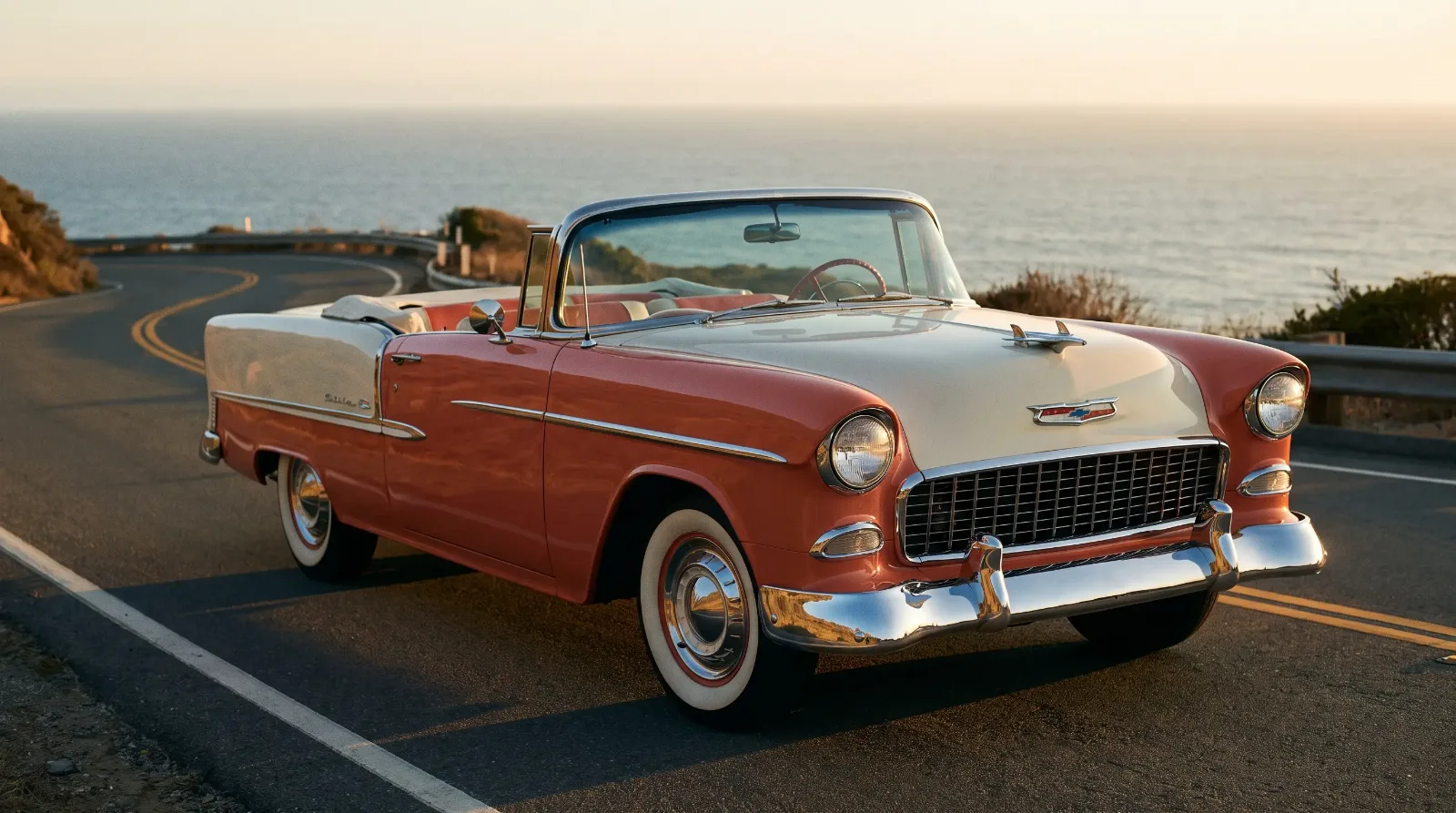
Factory records and surviving dealer literature show the Sport Coupe offered across the full range of 1955 Bel Air exterior colors and two-tone combinations, but certain pairings appear far more frequently in surviving cars and period photography than others, which raises a useful question for any cataloguer: is a rare color combination on a given car evidence of genuine special-order rarity, or evidence of an inaccurate repaint performed decades later without regard to factory records? The honest answer is that either is possible, and the data plate paint code remains the only reliable arbiter. A color combination that looks unusual is not automatically suspect, but it is automatically worth verifying before it factors into any valuation or judging decision.
Interior color pairings followed a similarly structured factory chart, coordinated with exterior color choices in ways that Chevrolet's dealer order guides documented explicitly. A Sport Coupe with an interior color that does not correspond to any documented factory pairing for its exterior color is a strong signal that something in the car's history, whether a repaint, a reupholstery, or a component swap from another car, needs closer examination before the vehicle can be certified as fully original.
What a serious cataloguer checks before certifying originality
Beyond the data plate and body code, a thorough evaluation of a claimed 1955 Sport Coupe should cross-reference the trim tag against period parts catalogs, verify that door panel and headliner materials match documented factory specifications for this specific body style, and confirm that any replaced glass or weatherstripping is consistent with the pillarless design rather than adapted from a sedan. These are not casual checks. A Sport Coupe presented for concours judging with mismatched or adapted components loses points specifically because the body style's value rests so heavily on its distinct, documented construction.
If you are researching or shopping this body style specifically, there are classic Airs on the market from the 1955 model year worth comparing against the documentation standards described here, since a seller who understands these distinctions is generally offering a more carefully researched car.
Sources and notes
- Classic Industries: 1955-57 Chevy Bel Air, 210, and 150 Production Numbers
- Automobile-Catalog: 1955 Chevrolet Bel Air Sport Coupe specifications
- Chevrolet Bel Air - Wikipedia
- Conceptcarz: 1955 Chevrolet Bel Air specifications
- Hagerty Media: How the 1955-57 Tri-Five Chevy Became a Midcentury Masterpiece