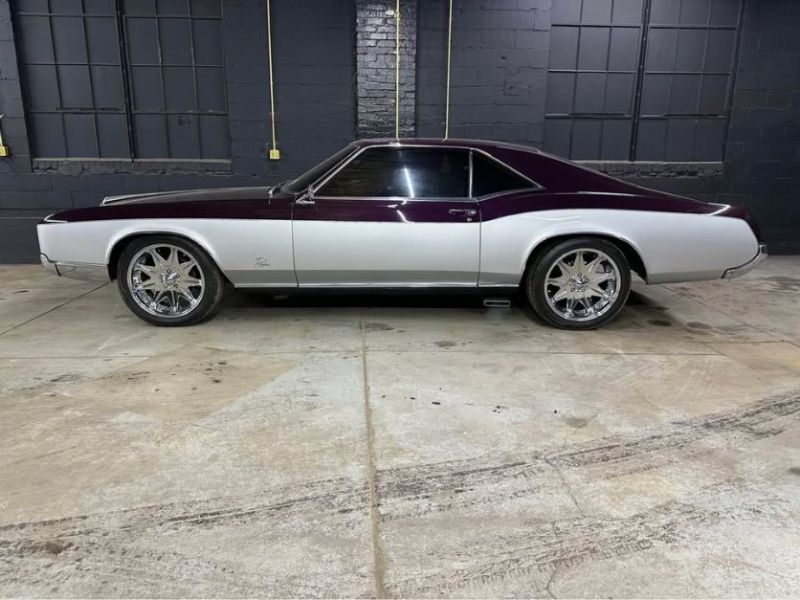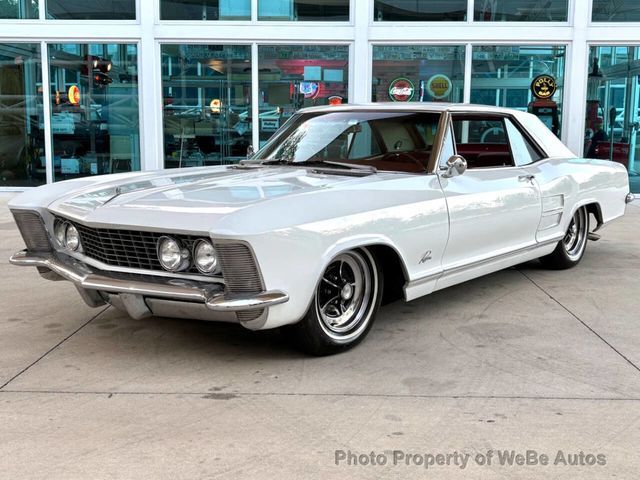
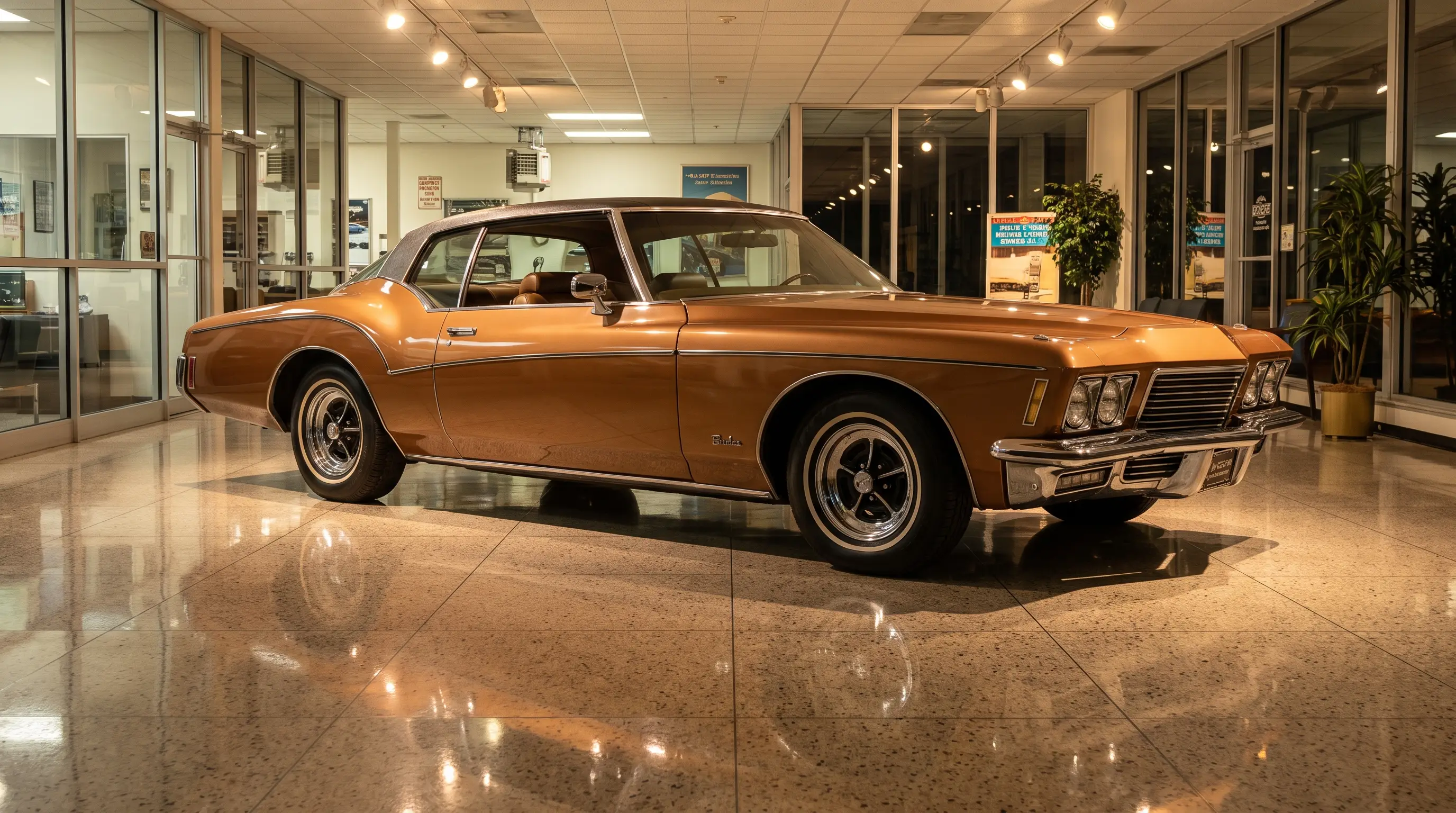
A man walks around a showroom floor in the fall of 1970, hat still on, circling the new Riviera twice before he says a word. That is the moment the buick riviera 1971 styling controversy launch actually lived in, not in a boardroom memo but in ordinary people standing in front of a car deciding whether they loved it or found it faintly ridiculous. Both reactions were common. Neither one was wrong.
A shape nobody had prepared customers for
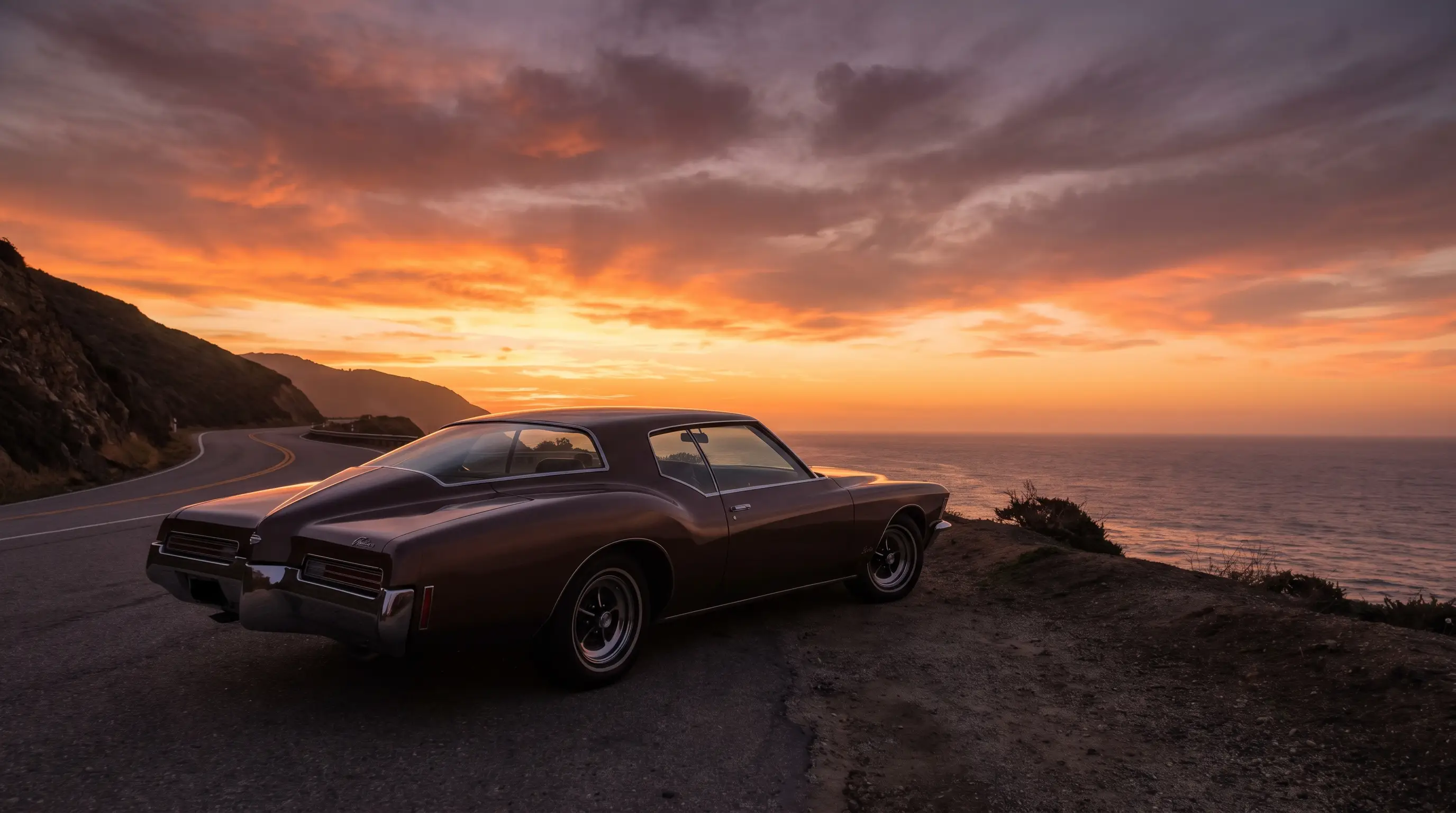
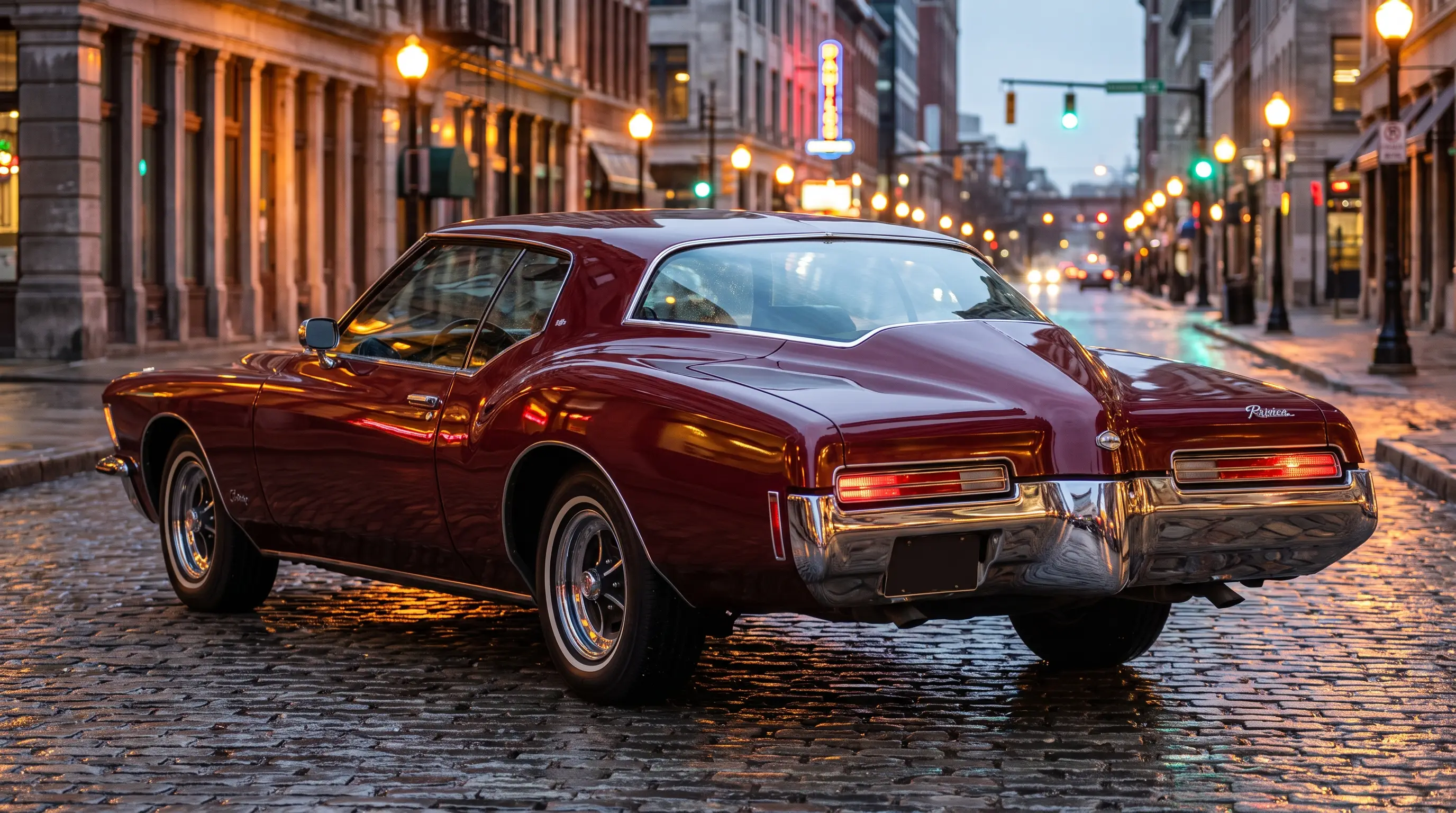
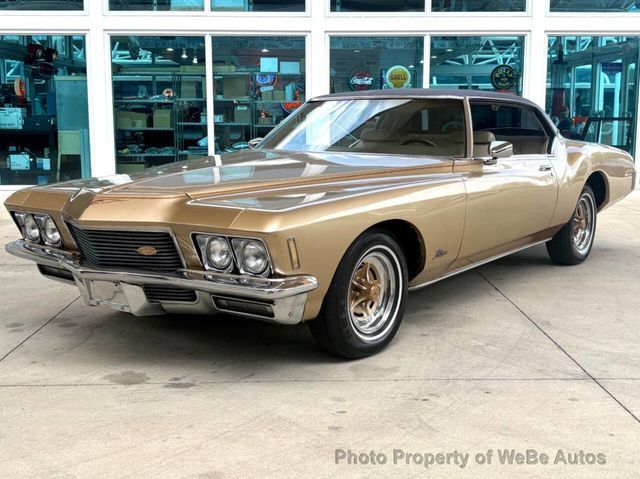
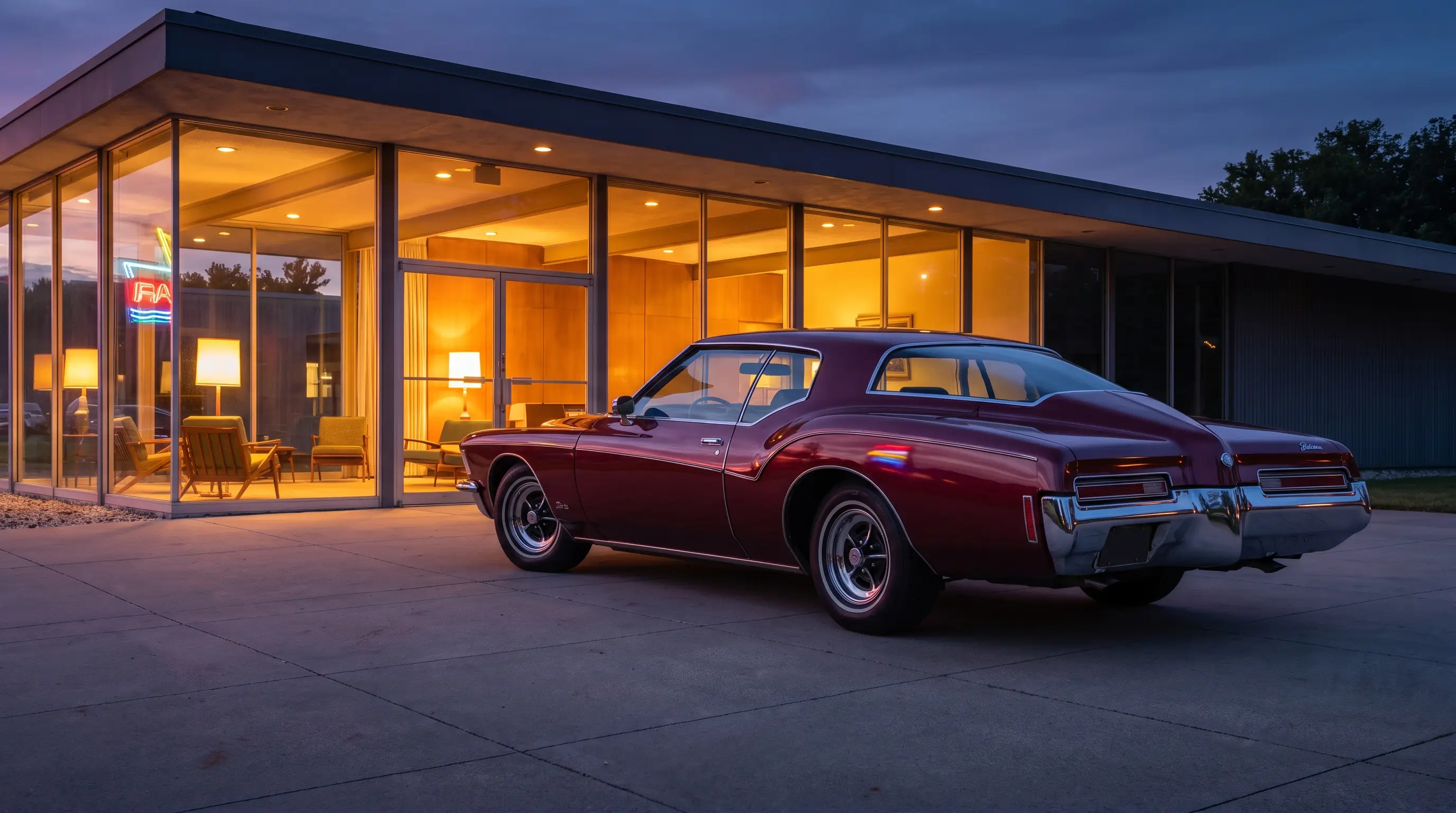
Buick had spent a decade building Rivieras with clean, confident lines, cars that looked expensive without demanding an opinion from you. The 1971 model asked for an opinion. The tapered rear deck, the fastback window curving down into that narrowing tail, drew comparisons to a boat before the car had even finished its first year on the road. Some buyers stood in that showroom and saw sculpture. Others saw a design that had wandered too far from what a Buick was supposed to look like, and they said so, sometimes loudly, to the salesman standing next to them.
Dealers absorbed that reaction daily in a way no magazine review could capture. A salesman remembers the customer who fell in love at first sight far less vividly than the one who laughed, actually laughed, at the rear end and walked toward a more conventional coupe on the same floor. Both moments happened, over and over, in showrooms across the country that fall.
The people who defended it fiercely
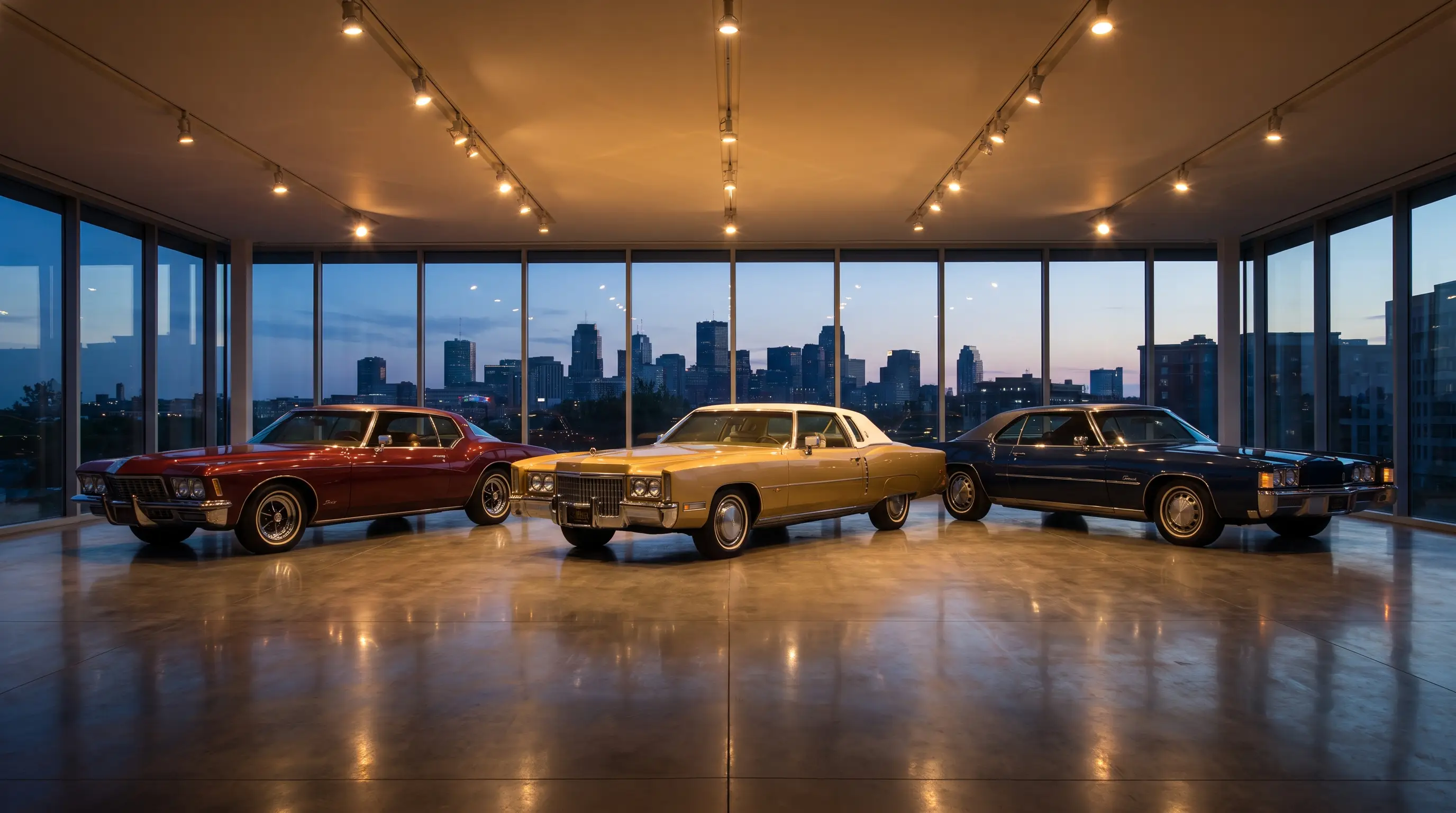
Not every reaction was hesitation. There was a smaller, quieter group of buyers who saw exactly what Buick's designers were reaching for and wanted nothing else. These were customers who cross-shopped a Cadillac Eldorado and a Riviera and chose the Riviera specifically because it did not look like anything else in the lot. For them, the controversy was the appeal. A car that made people stop and stare, that split opinion at a stoplight, was worth more than a design everyone agreed was merely handsome.
That smaller group is part of why the boat-tail Riviera never disappeared quietly. It became, over the decades since, one of the most argued-about American designs of its era precisely because it never earned universal agreement in the first place. For the full account of how this shape came to exist on Buick's drawing boards, the whole picture covers the design process behind the controversy.
What the arguments actually sounded like
Contemporary letters to car magazines and dealer recollections passed down through the decades describe the same handful of complaints repeating. The rear overhang looked, to some eyes, disproportionate to the rest of the car. The narrow backlight reduced rear visibility in a way a driver noticed every time they backed out of a parking space. And the whole shape, striking from certain angles, looked awkward from others, a criticism that dogs any design built around a single dramatic line rather than a more conventionally balanced silhouette.
Supporters answered every one of those complaints with the same response: look at it in three-quarter profile, at speed, at dusk, and tell me it does not look like nothing else on the road. Both sides were arguing from real conviction, and neither side ever fully convinced the other. That is what a genuine styling controversy looks like from the inside, not a clean verdict but two groups of people who saw the same sheet metal and walked away with opposite feelings.
"I have talked to people who bought this car in 1971 specifically because their neighbor thought it looked strange. That reaction was the whole point for them."
- Nora Beckett
The salesmen who had to sell the shape
Spend enough time reading dealer trade press from that period and you find the same practical concern surfacing again and again. Salesmen needed a way to talk a hesitant customer through the rear deck before the customer talked themselves out of the car entirely. Some dealers reportedly kept photographs of the car from flattering angles on hand specifically to reframe a customer's first impression after a walk around the lot left them cold on the rear three-quarter view. That is an unusual amount of effort to sell a single design element, and it tells you how seriously dealers took the risk that styling alone could cost them a sale on an otherwise strong car.
Other salesmen leaned the opposite direction entirely, treating the boldness as the pitch itself rather than something to manage around. They would walk a hesitant customer straight to the rear of the car and ask them directly what else on the road looked like this. For the right buyer, that question worked. For the buyer already leaning toward a safer choice, it rarely changed their mind.
A quiet counterpoint from inside Buick itself
Not everyone inside Buick was fully behind the design either, at least according to accounts that circulated within the hobby years later from people who worked adjacent to the styling studios during this period. Some engineers reportedly worried privately that the reduced rear visibility from the sharply raked backlight created a genuine practical drawback dressed up as a styling triumph, a concern that road testers of the era occasionally echoed in passing without making it the centerpiece of their reviews. That internal ambivalence, small and largely undocumented in any official record, mirrors the public reaction almost perfectly. Even the people who built the car were not entirely of one mind about it.
Product planners had a different worry than the stylists did. Their concern was less about the shape itself and more about how it would age in a showroom that turned over new models every year. A car this distinctive risked looking dated the moment a competitor answered with something even bolder, while a more conservative design tends to hold its showroom appeal longer simply by not drawing attention to itself. That tension between design ambition and commercial caution runs through nearly every internal account of this period that has surfaced in later decades, and it explains why Buick eventually pulled back the taper for 1973 rather than doubling down on it.
How the press coverage shifted once the novelty wore off
Road tests published in the months right after launch tended to treat the rear styling as the headline, sometimes at the expense of covering the driving experience with the same depth. By the second model year, once the shape had been on the road long enough to stop being breaking news, automotive writers started paying closer attention to the ride, the interior, and the drivetrain underneath, giving the car a fairer overall assessment than it received in that first wave of reviews built mostly around a reaction to the tail. That shift in coverage tone across 1971 and 1972 tells its own story about how quickly a genuinely controversial design gets absorbed into the ordinary conversation once people have had a full year to live alongside it on the road.
Owners who bought early, before the controversy had fully settled either way, often describe a strange sense of vindication a few years later when the same neighbors who had questioned their choice started admitting the car had grown on them. That slow thaw in public opinion, repeated car by car and street by street, is really the same argument playing out at a smaller scale everywhere the Riviera showed up.
A shape that still starts the same argument today
Walk up to a well-kept boat-tail Riviera at a show today and you can watch the same fifty-year-old argument replay in real time. Someone circles it slowly, nodding. Someone else tilts their head at the rear deck and says something noncommittal. The car has not changed. The audience standing around it in the parking lot has simply inherited the same split reaction their parents or grandparents had walking a 1970 showroom floor. If that tension is part of what draws you to this generation, find a classic Riviera and decide for yourself which side of that fifty-year argument you land on.
Sources and notes
- Mac's Motor City Garage: Bill Mitchell's Dreamboat, the 1971 Buick Riviera
- Ate Up With Motor: Das Boattail, 1971-1973 Buick Riviera
- Indie Auto: Why wasn't the 1971 boat-tail Riviera shrunk to compact size
- Wikipedia: Buick Riviera
- MotorCities: The 1971-73 Buick Rivieras Offered Great Boattail Designs