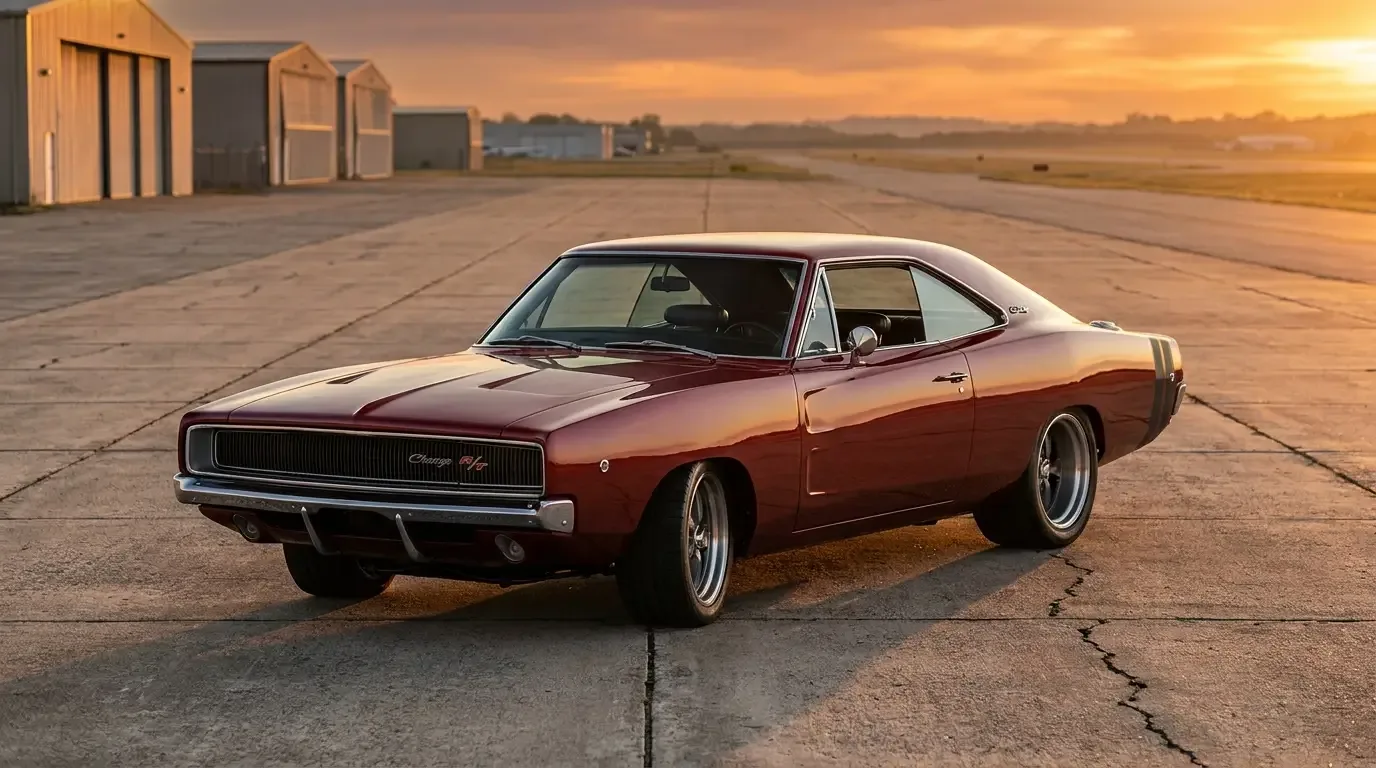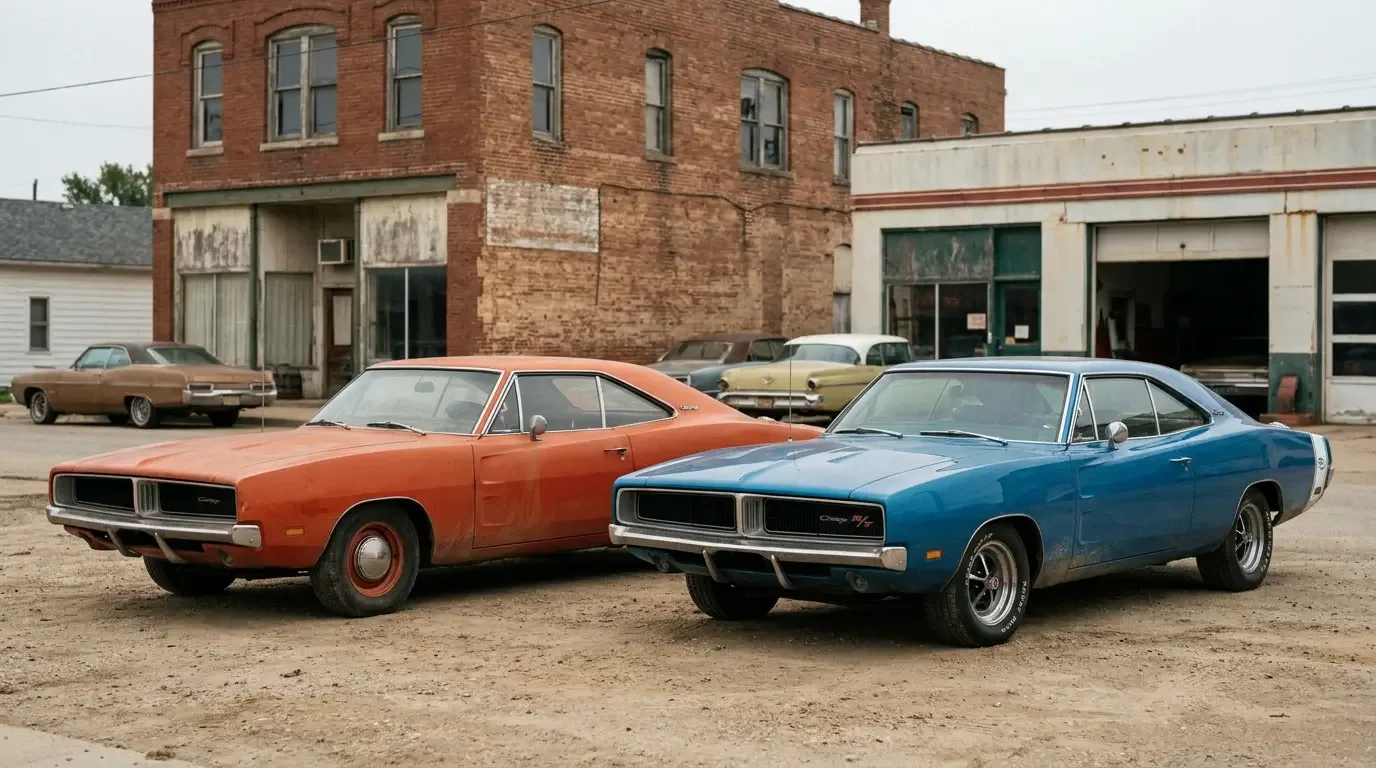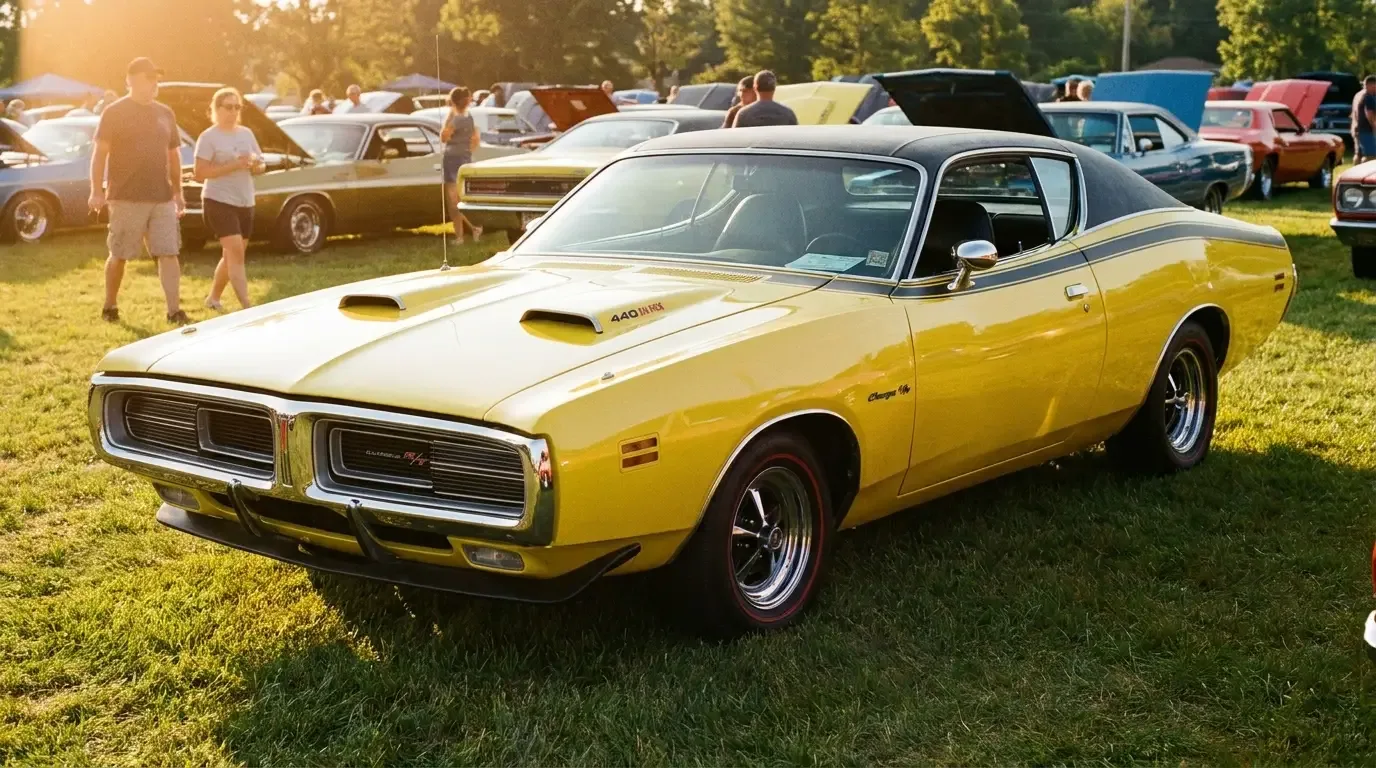
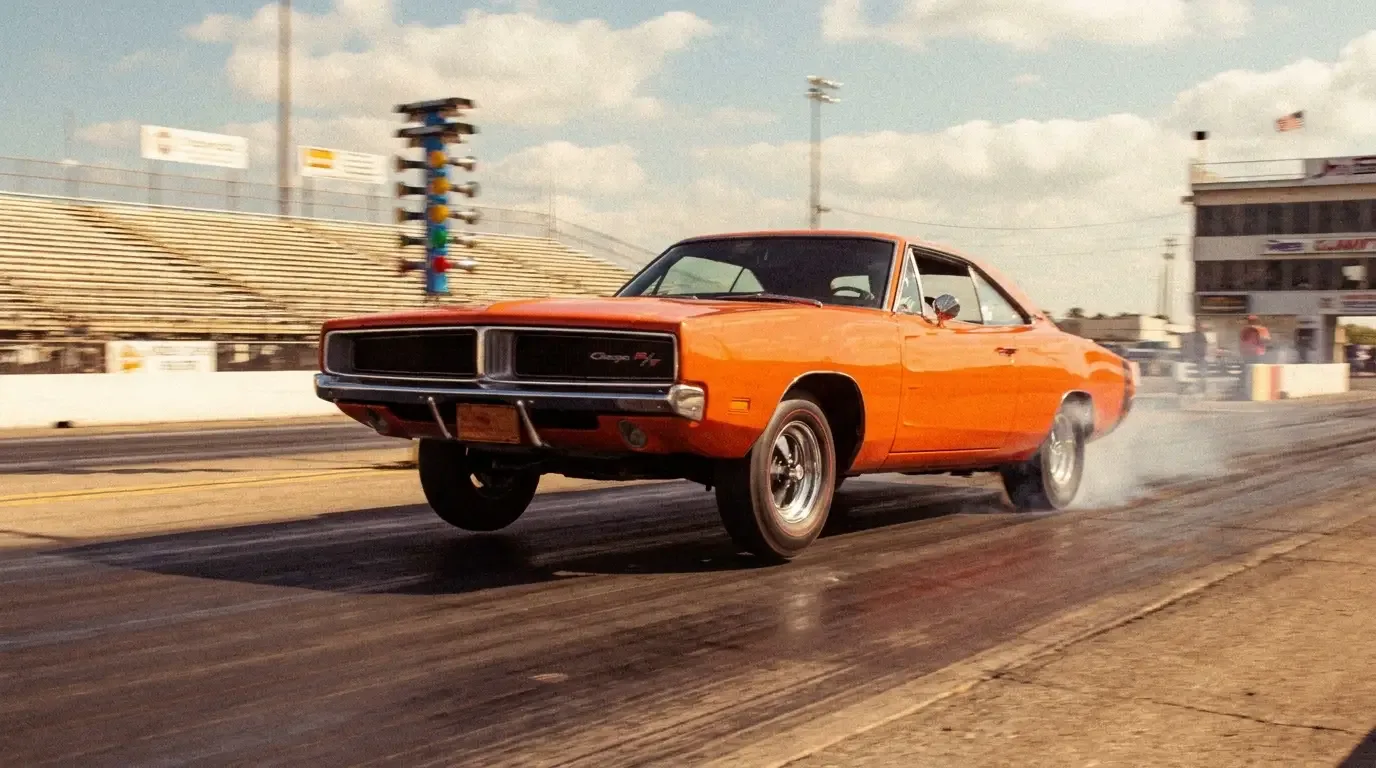
The guy at Car and Driver who signed off on the R/T test that year had already driven half of Detroit's big block lineup that season, and it still made him write something close to admiration. Magazine testing in this era wasn't gentle. Editors compared everything against everything, and a car that couldn't back up its reputation on a track or a strip got called out in print, no PR softening allowed. The Charger R/T held up to that scrutiny more consistently than a lot of its rivals, and that's worth revisiting now that we're decades removed from the original road tests.
What the magazines actually measured
Period road tests weren't marketing copy dressed up as journalism, at least not the ones that mattered. Car and Driver, Motor Trend, and Hot Rod all ran their own version of the same basic gauntlet on cars like the R/T, quarter mile runs with a stopwatch and a fifth wheel, braking distance from highway speed, and subjective notes on handling that didn't pull punches when a car wallowed through a corner or ran out of brake pedal on a panic stop. The R/T with its standard 440 Magnum consistently posted quarter mile times in the high 14 to low 14 second range in most published tests, numbers that held up well against contemporaries wearing GM and Ford badges in the same general price bracket.
What impressed testers more than the raw numbers, based on how several of them wrote about it, was that the R/T didn't feel like a compromise to get those numbers. The heavy duty suspension that came standard with the package meant the car tracked straighter under hard acceleration and held its line through a sweeping corner better than reviewers expected from a car built around a big block engine. That's not nothing. Plenty of period muscle cars turned in quick straight line numbers while handling like a boat the moment the road curved.
"The guy I talked to at Carlisle had owned his car since 1974. Drove it there every single year, even the time the water pump let go outside Harrisburg."
— Patrick Walsh
How the Hemi and Six Pack tests compared
When magazines got their hands on Hemi equipped R/Ts, the numbers moved into a different bracket entirely, with published quarter mile times dipping into the 13 second range in the better tests, a genuinely quick figure for a full size car on the tires available at the time. But the coverage often noted the tradeoffs alongside the numbers, testers commenting on how much more attention the Hemi demanded, how the cooling system worked harder in stop and go traffic during city driving portions of a test, and how the car simply cost more to option in the first place.
The 440 Six Pack, where magazines got a chance to test it, landed in an interesting middle ground in the coverage, quicker than the standard 440 Magnum but without the fussiness that came with the Hemi. Some testers seemed genuinely surprised by how close the Six Pack ran to Hemi numbers on a good day, close enough that a period review or two suggested the Six Pack might be the smarter buy for someone who wanted real performance without the top tier price and complexity.
What the reviews got right, and what they missed
Reading these tests today, decades removed from the cars they covered, what stands out is how much attention period reviewers paid to build quality details that don't always survive in modern retellings of this era. Door fit, dashboard rattle at speed, the actual effort required to modulate the clutch on manual cars, these details show up repeatedly in the original coverage and paint a more complete picture than the quarter mile numbers alone. Some reviews also flagged concerns that turned out to matter for long term ownership, drum brake fade during repeated hard stops being one recurring note that anyone driving one of these cars hard today should still take seriously.
What they missed, understandably given the era, was any sense of how these cars would be valued and preserved decades later. Nobody writing a road test in the late sixties or early seventies was thinking about numbers matching documentation or collector premiums, they were evaluating a new car buyers could walk into a dealership and order that week. That context matters when modern readers pull quotes from these old tests expecting collector car analysis. The original writers were doing something different, and it's worth reading them on those terms.
| Engine option | Reported quarter mile (period test) |
|---|---|
| 440 Magnum (standard) | High 14 to low 14 seconds |
| 440 Six Pack | Mid 14 seconds, occasionally quicker |
| 426 Hemi | 13 seconds in the better published tests |
Why these old tests still matter to today's buyers
Original period road tests carry a specific kind of value now that goes beyond nostalgia. They're a documented, contemporaneous account of how these cars actually performed and handled when new, before decades of modification, deferred maintenance, and survivor bias shaped the reputation these cars carry today. A buyer trying to understand what a stock R/T should actually feel like, how it should brake, how much body roll is normal versus a sign of tired suspension bushings, can learn more from a well written 1969 road test than from most modern retrospectives written by people who never drove the car new.
That's part of why the Charger R/T era deserves more attention than it usually gets in casual muscle car writing, the period coverage is rich and specific if you go looking for it. And for readers curious about where the R/T story eventually wound down as the muscle car era faded, read more here on the final chapter of the R/T's run before emissions regulations and insurance rates changed the entire market.
Sources and notes
- Mac's Motor City Garage: 440 Magnum - period 14-second quarter miles, with low-13s possible after tuning.
- Hagerty 1968 - 70 Charger buyer's guide - how the R/T performed and handled against period rivals.
- Ultimate Muscle Car: 426 Hemi hp - Hemi cars running 13-second quarter miles in period testing.
- Silodrome: 440 Six Pack Charger - Six Pack performance sitting between the 440 Magnum and Hemi.
- Wikipedia: Dodge Charger (1966) - engine-option lineup referenced in the period road-test comparisons.