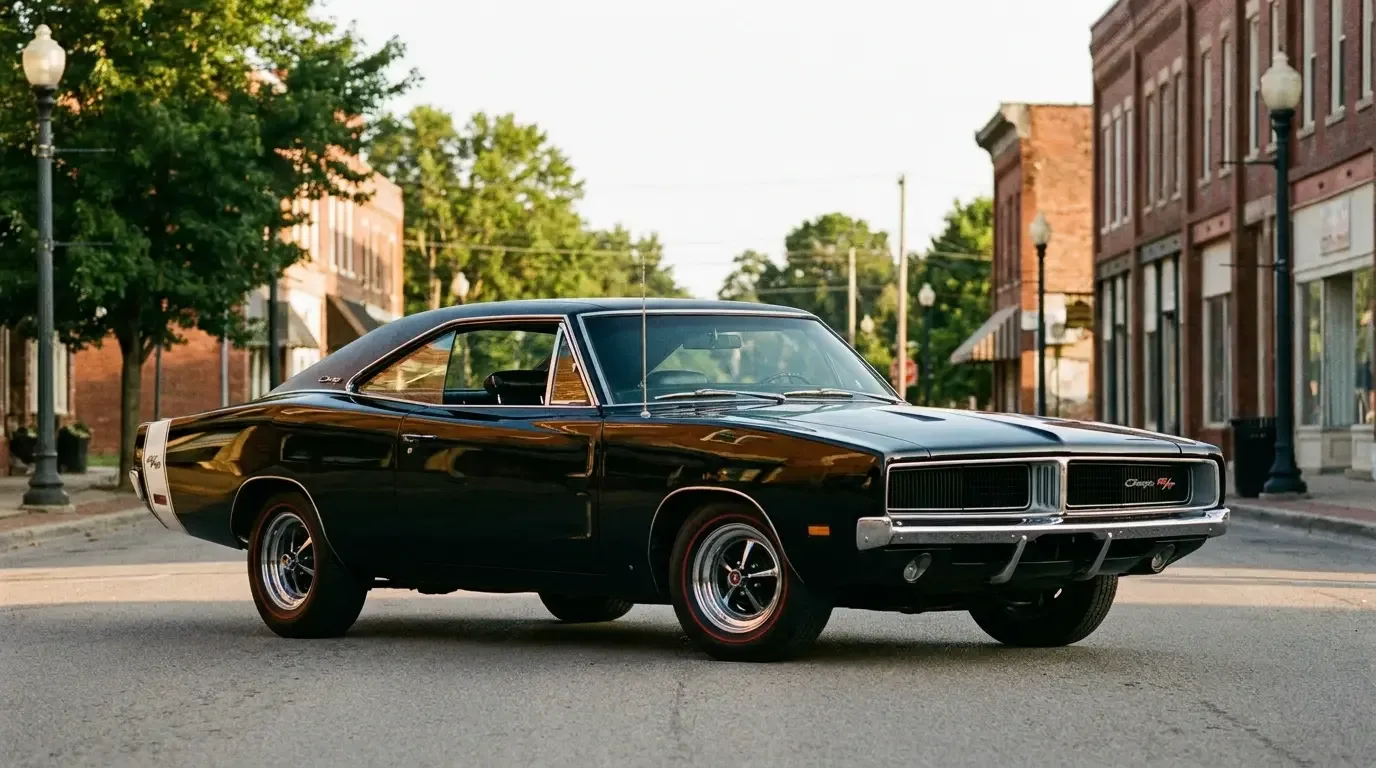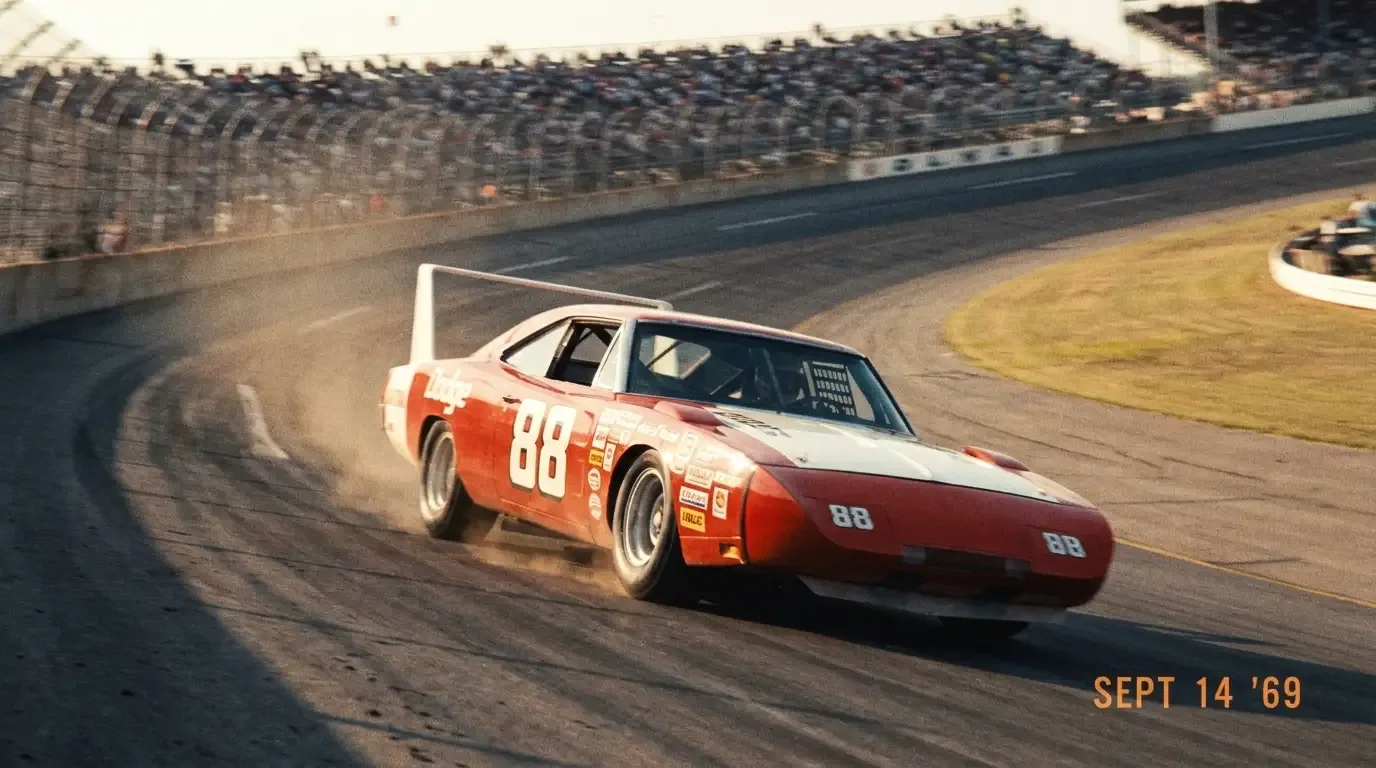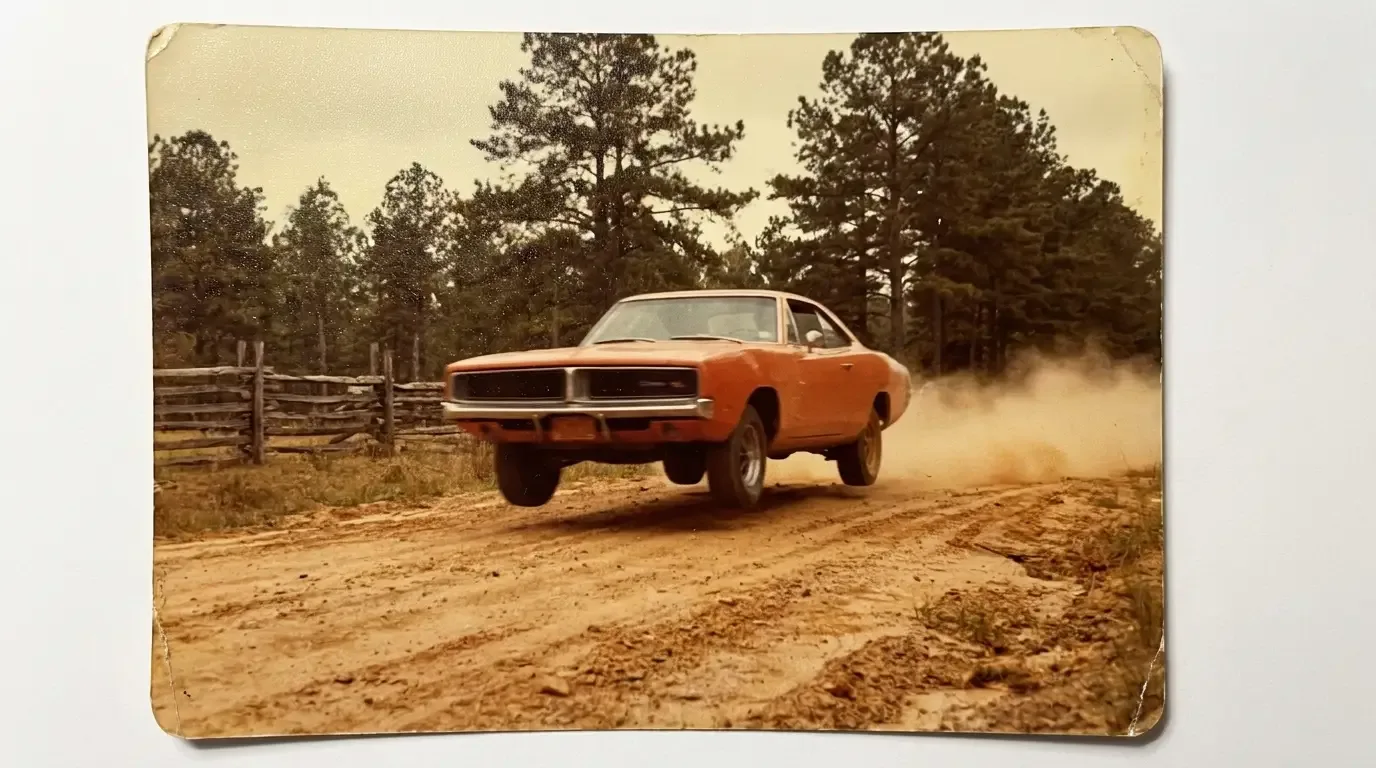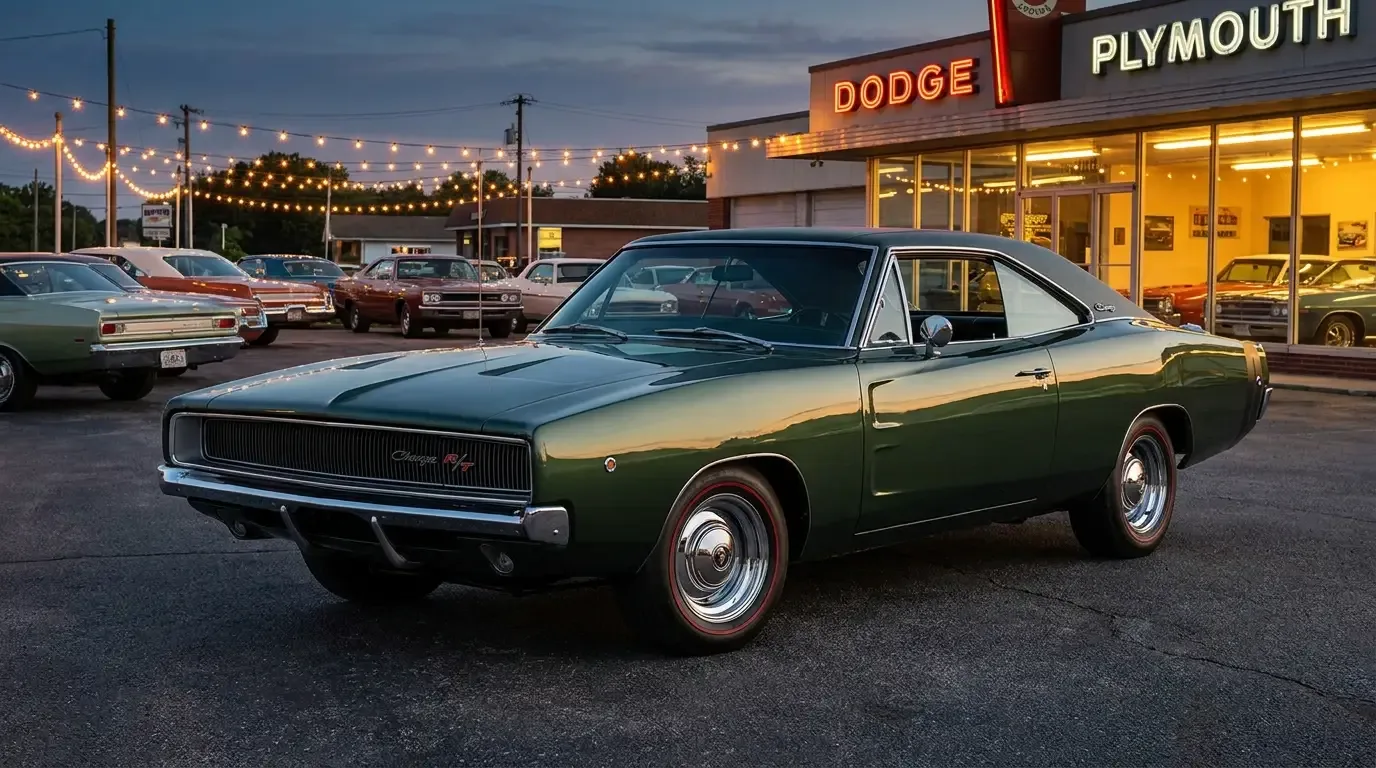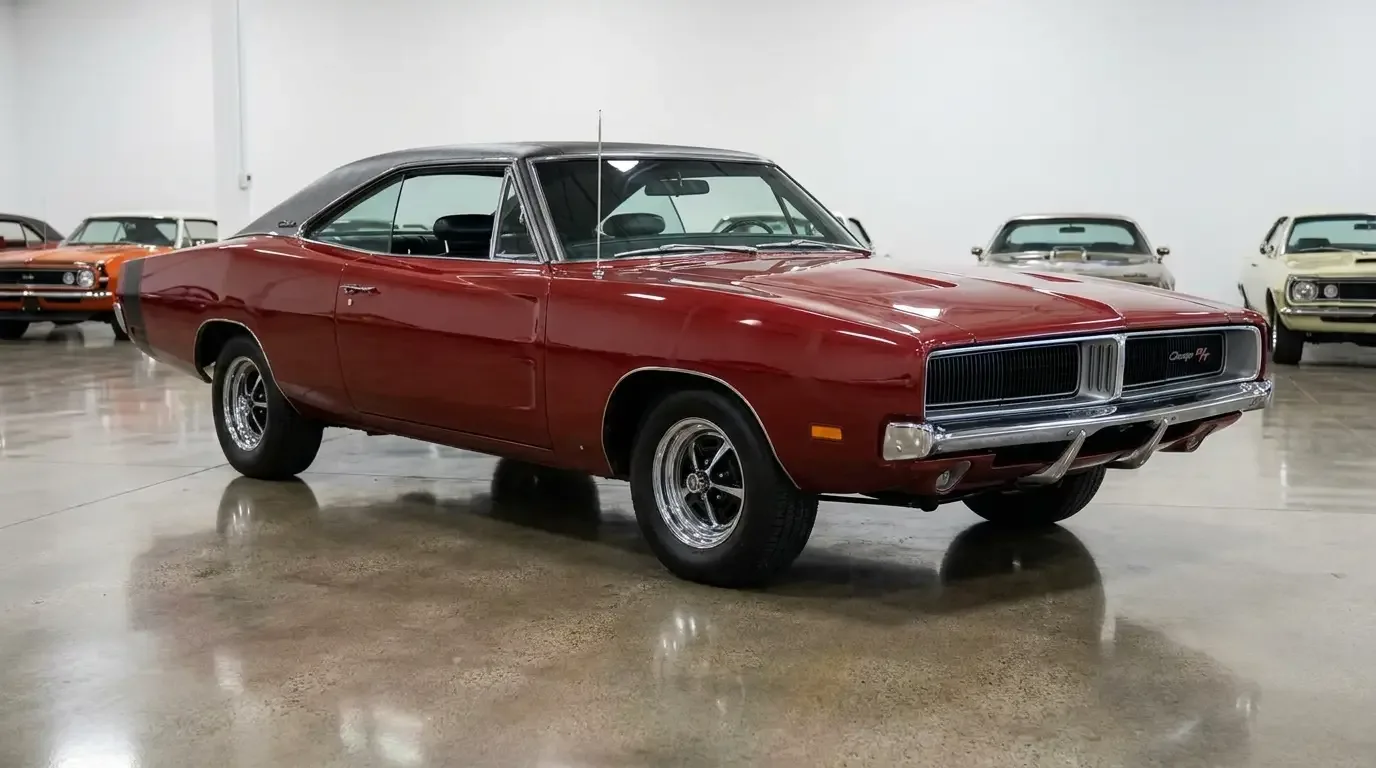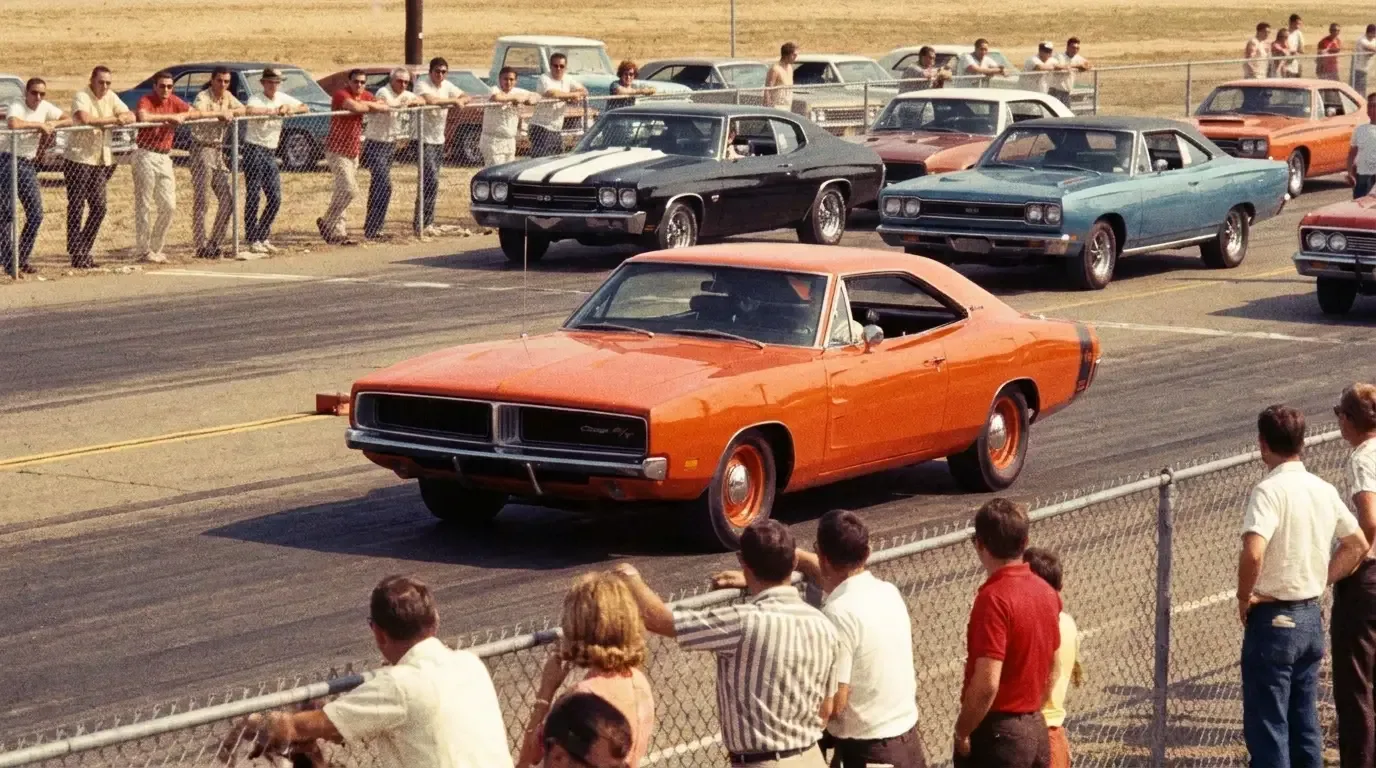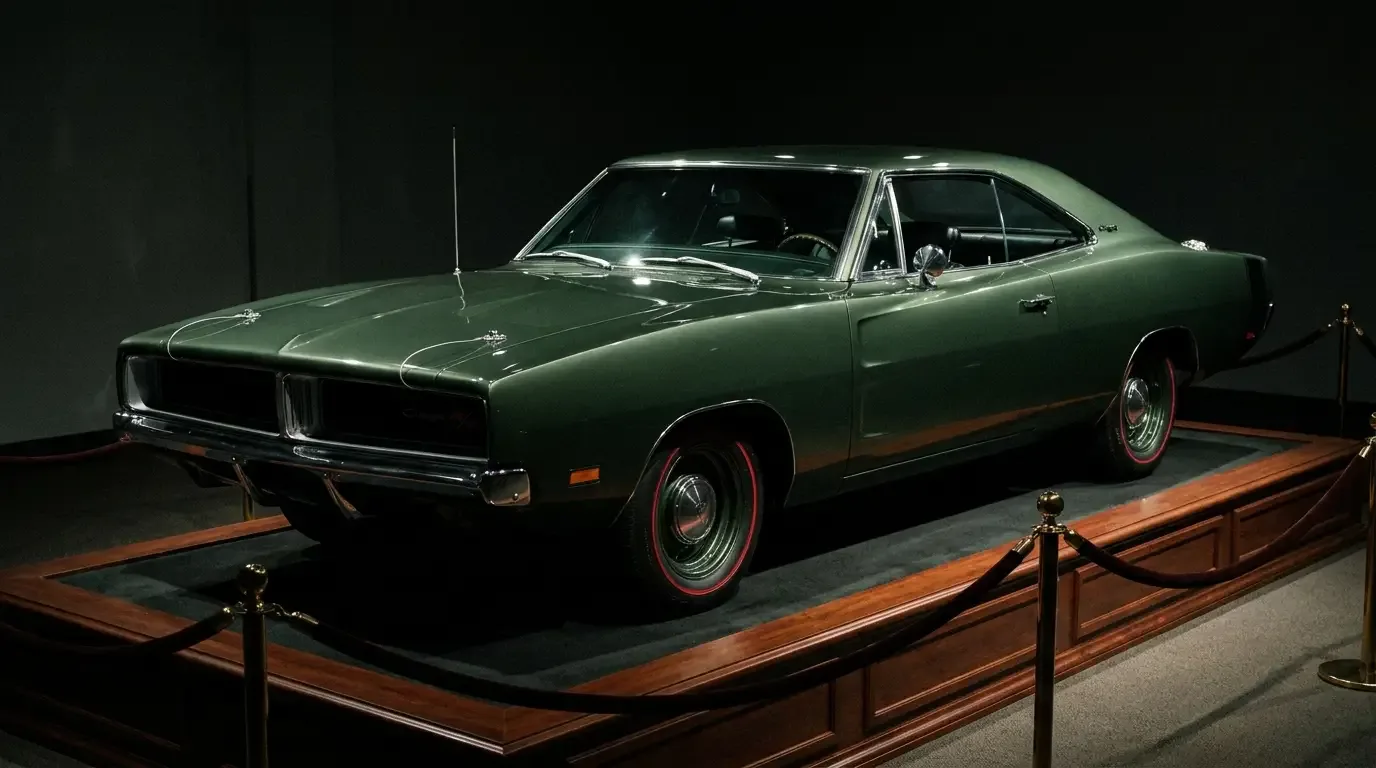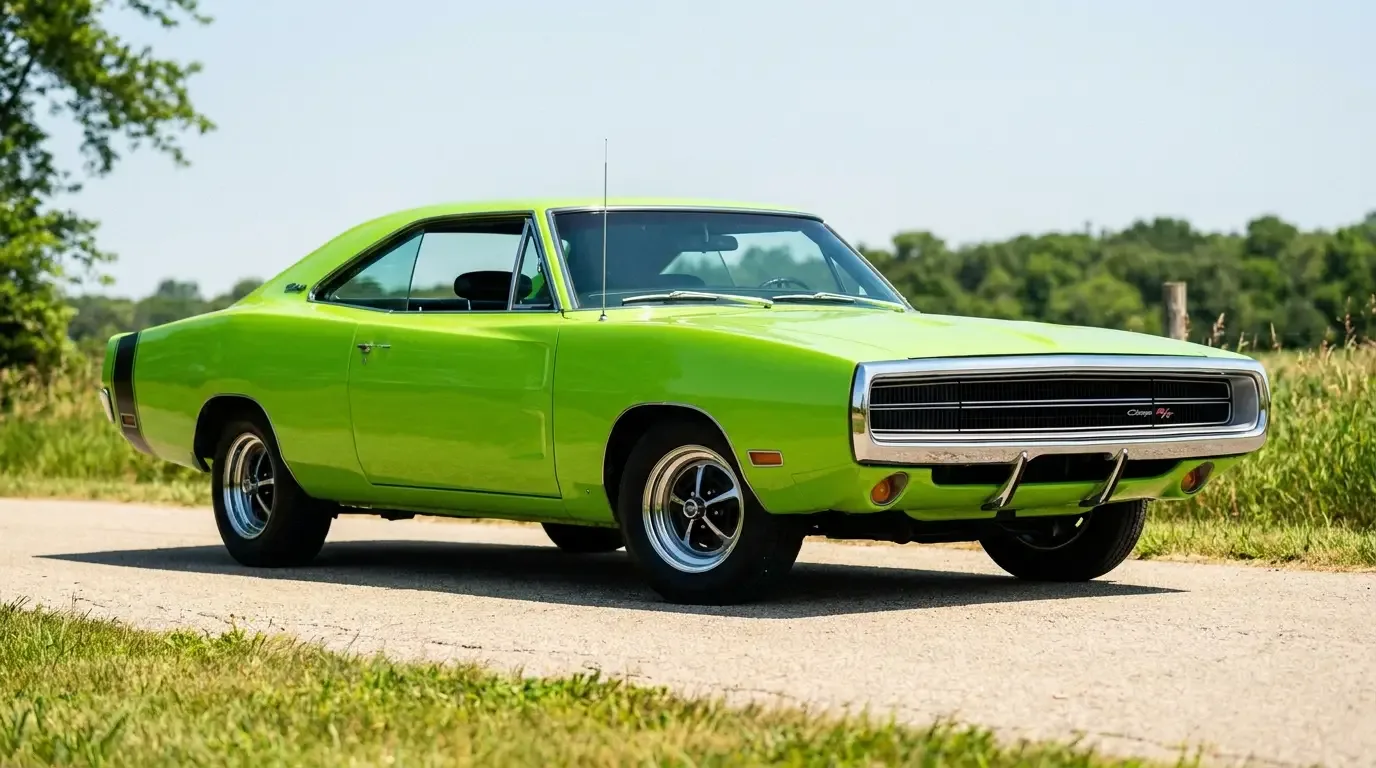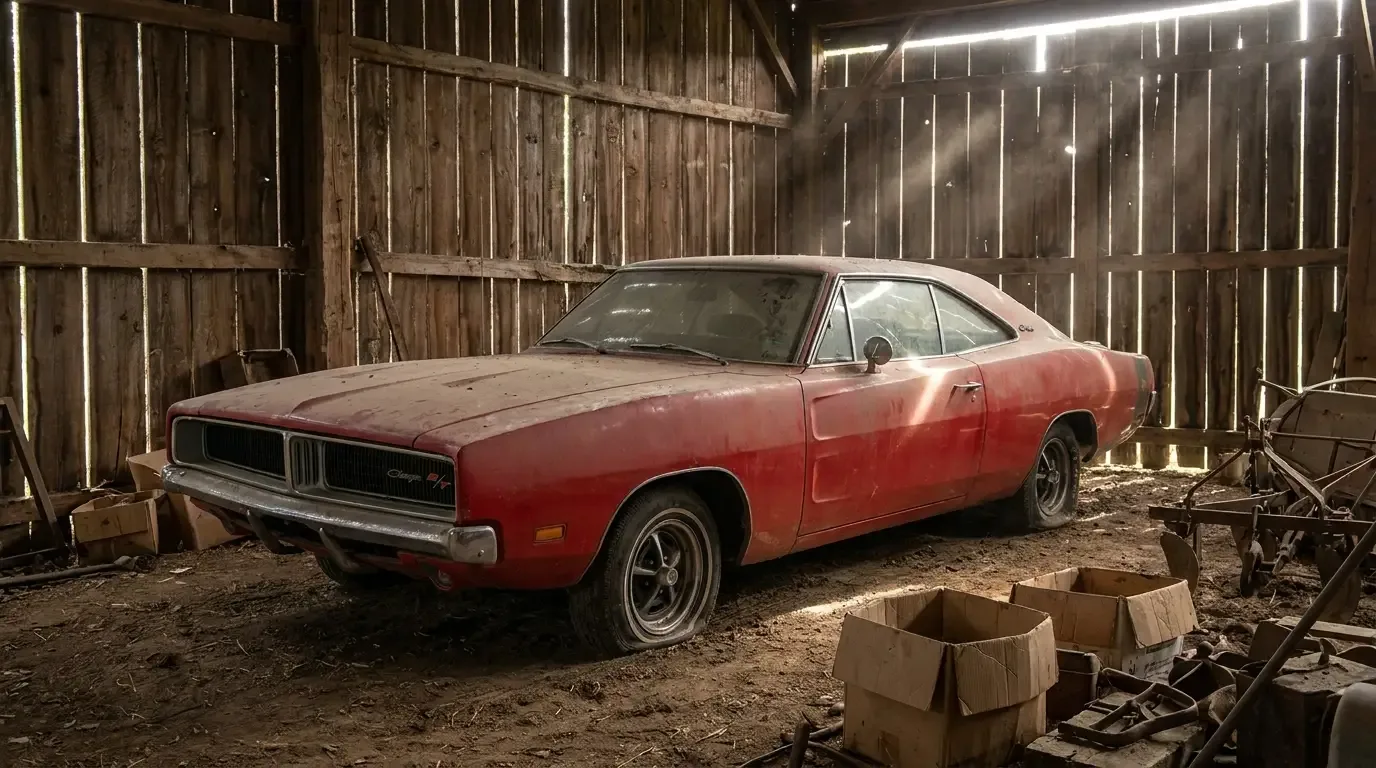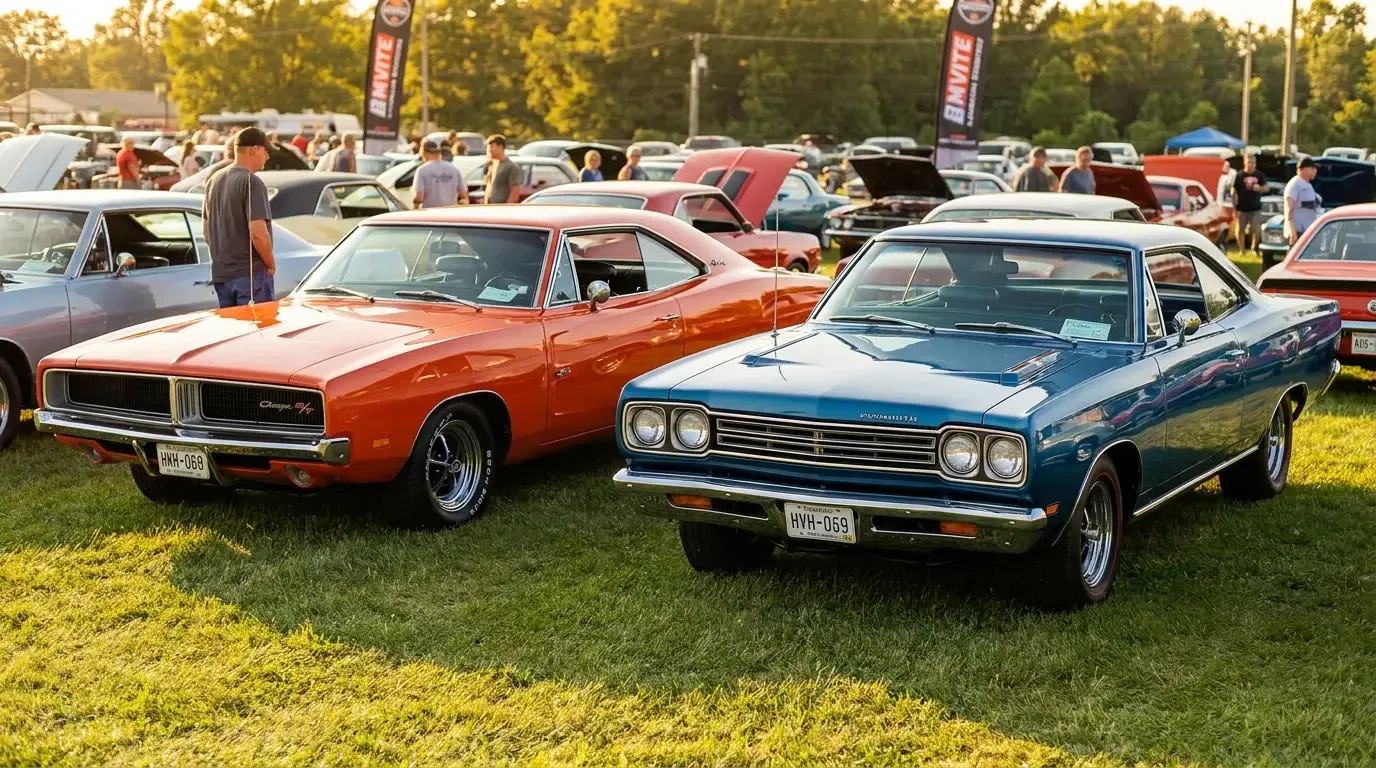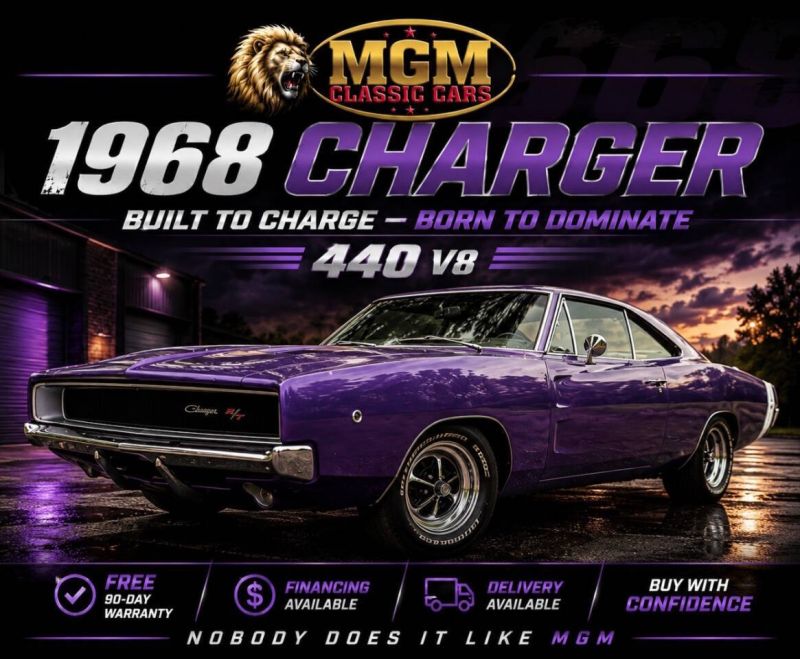
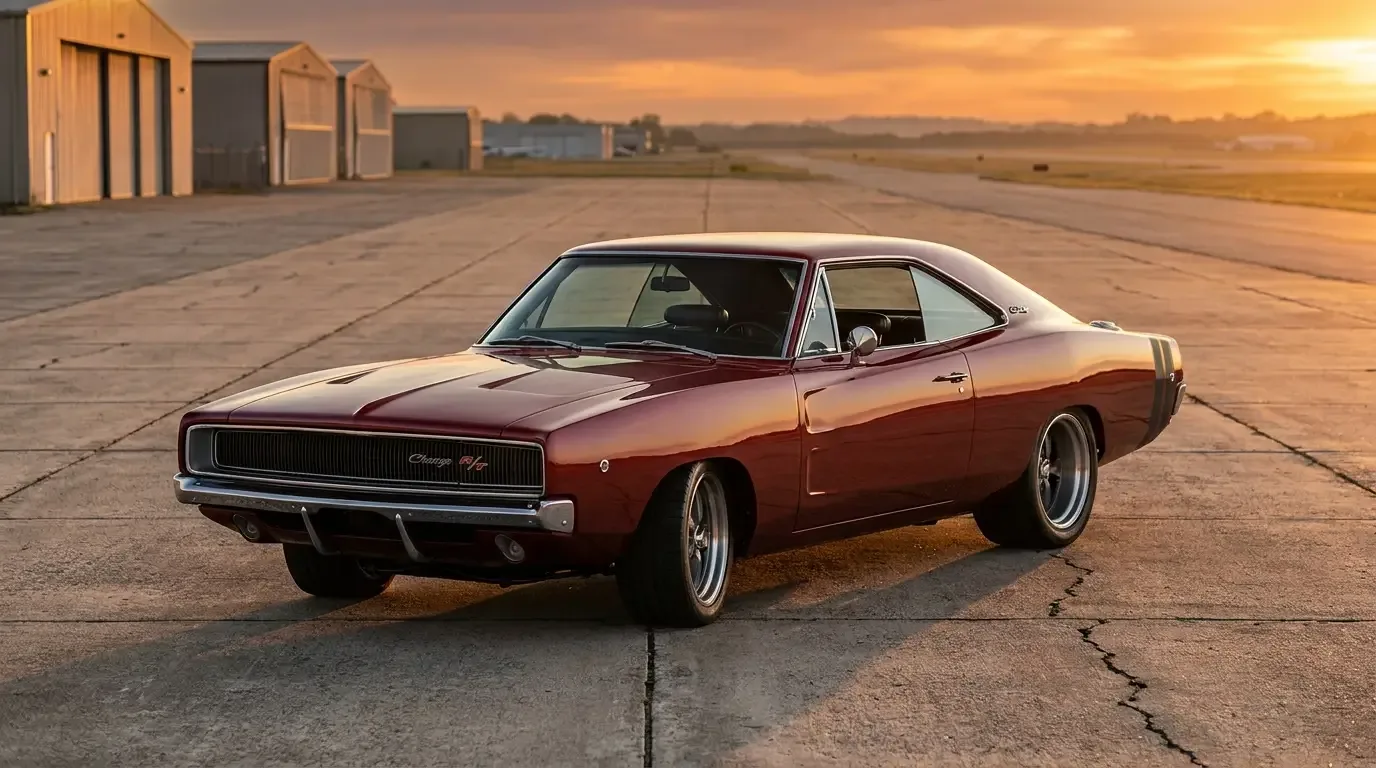
The Charger R/T was Dodge's answer to a simple question: what happens when you take the prettiest car in the lineup and give it the biggest standard engine in the catalog? The answer, starting in 1968, was 375 horsepower off the showroom floor, before you checked a single option box. That number is the whole story. Everything else is trim and paperwork.
R/T stood for Road/Track. It was Dodge's performance package, and on the Charger it ran from the 1968 restyle through 1971. Four model years, two body styles, and a short menu of engines that separated the real muscle from the badge jobs. If you want the full arc of the nameplate, the wider dodge charger history covers the whole 1966 to 1978 run. This piece is about the R/T years, the ones where the letters actually meant something under the hood.
What R/T meant, and what came standard
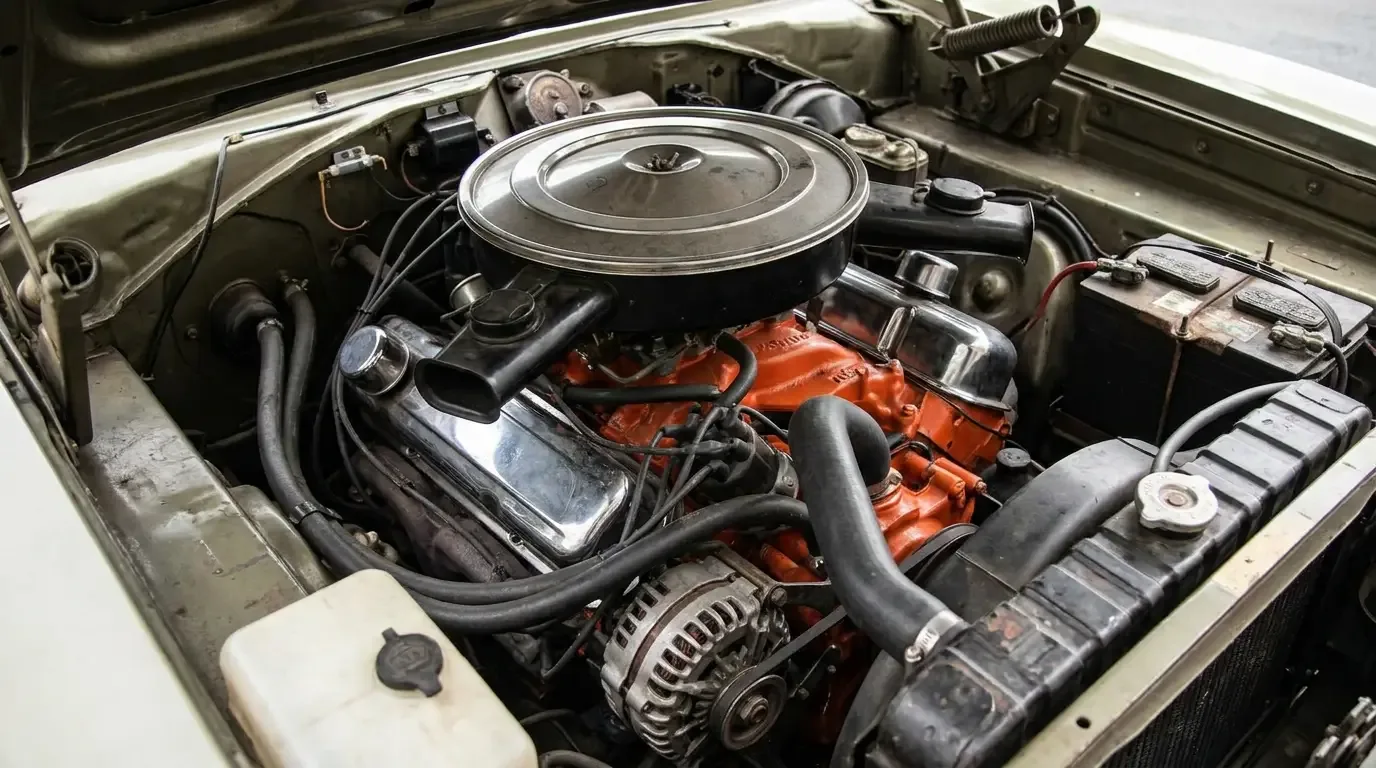
The R/T package was not a stripe kit. It was a mechanical spec. Order an R/T and you got the 440 Magnum as the base engine, a heavy-duty suspension, upgraded brakes, and the trim to match. The point of the letters was that the hardware underneath was already sorted for the power. You were not bolting performance onto a base car. You were starting from it.
Here is the part people forget. The 440 was standard. Most muscle cars made you pay extra to reach 375 horsepower. On the Charger R/T, that was the entry point. The Hemi was the upgrade, and almost nobody bought it, which is exactly why those cars are worth what they are now.
- 440 Magnum V8. Standard on every R/T, around 375 hp and roughly 480 lb-ft of torque.
- Heavy-duty suspension. Stiffer torsion bars, heavier rear springs, larger sway bar.
- Upgraded brakes and cooling. The base car's setup could not live behind a 440 for long.
- R/T badging and the bumblebee tail stripe. Optional delete, which trips up buyers who expect it on every car.
The 440 Magnum: the number that mattered
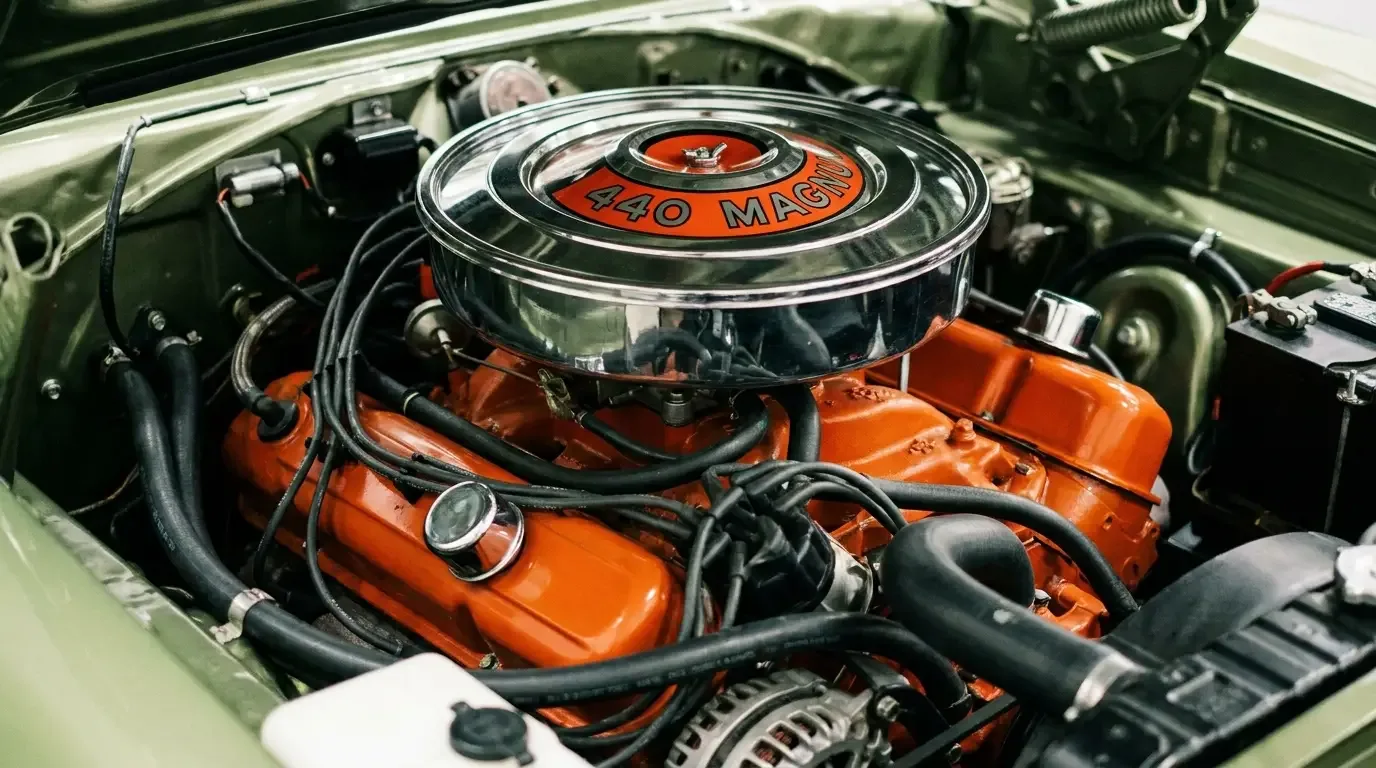
The 440 Magnum made around 375 hp and something close to 480 lb-ft of torque. Torque is the figure that matters on a street car, and the 440 had more of it, lower in the rev range, than the engine most buyers assumed was better. It pulled from just off idle. It did not need to be wound out to move a 3,900-pound car.
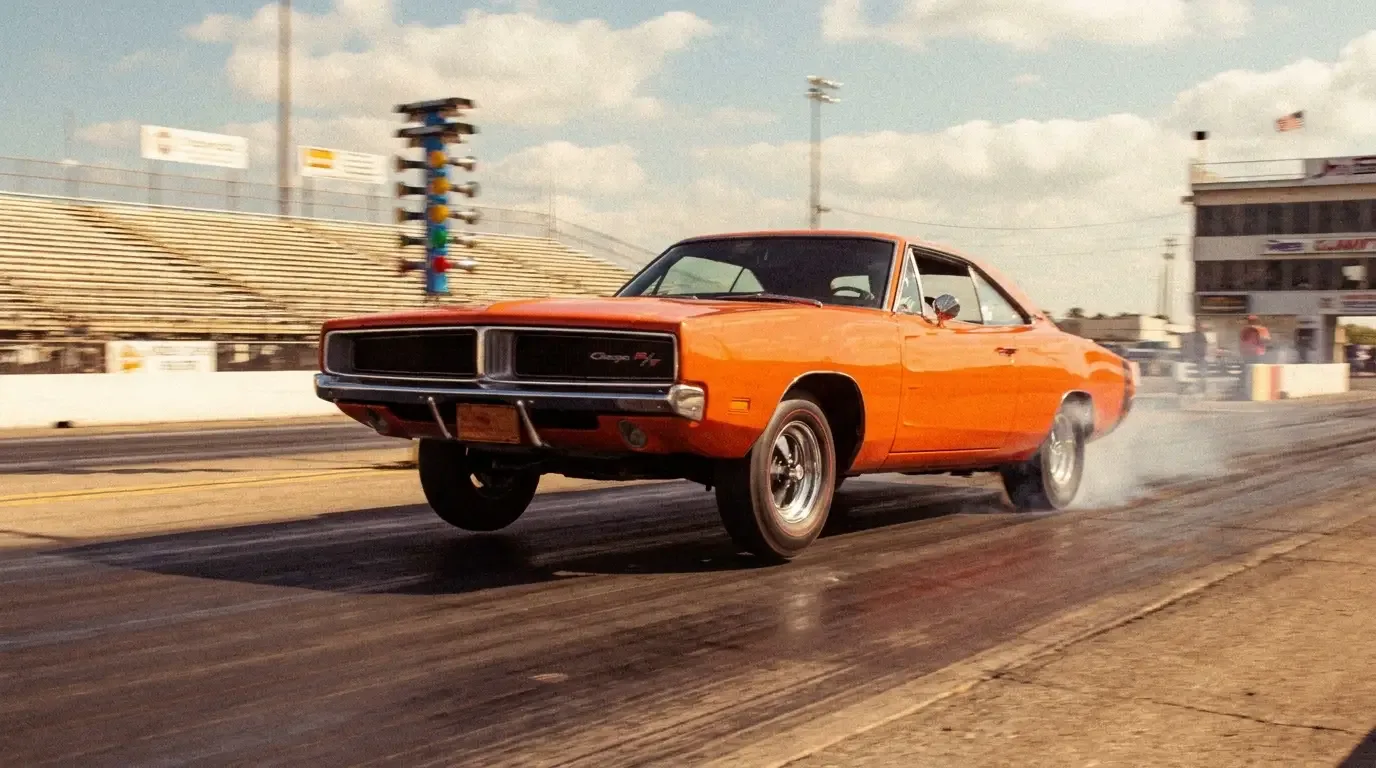
That is the case for the 440 over the Hemi if you actually drove the thing. The Hemi made its name at the top of the tach. The 440 made its living everywhere else. For a heavy two-door that spent its life on public roads, the cheaper engine was often the faster one from a stoplight. The dyno sheet and the drag slip do not always agree, and here they did not.
"Everybody wants the Hemi car. Then they drive the 440 and the 440 pulls harder off the line for a fraction of the money. On the street, the standard engine was the smart buy. The invoice just never made it look that way."
— Dan Reeves
The 426 Hemi option: rare, expensive, and mostly a bragging right
The 426 Hemi was the top option. It was rated at 425 hp and around 490 lb-ft, and it cost a lot of money in 1968 terms, roughly $600 on top of an already expensive car. Almost nobody ticked the box. Production of Hemi Charger R/Ts ran in the low hundreds each year, around 475 for 1968, which is why a documented Hemi car today sits in a different market entirely from a 440 car.
The Hemi was a race engine sold with a warranty. It idled rough, fouled plugs in traffic, and demanded maintenance that a lot of owners did not keep up with. It was underrated from the factory, so the real number was higher than 425, but that only mattered above 5,000 rpm. Below that, the 440 was right there with it for a third of the price. The Hemi's value now is scarcity and documentation, not what it did to the average buyer's week.
The 440 Six Pack arrives for 1970
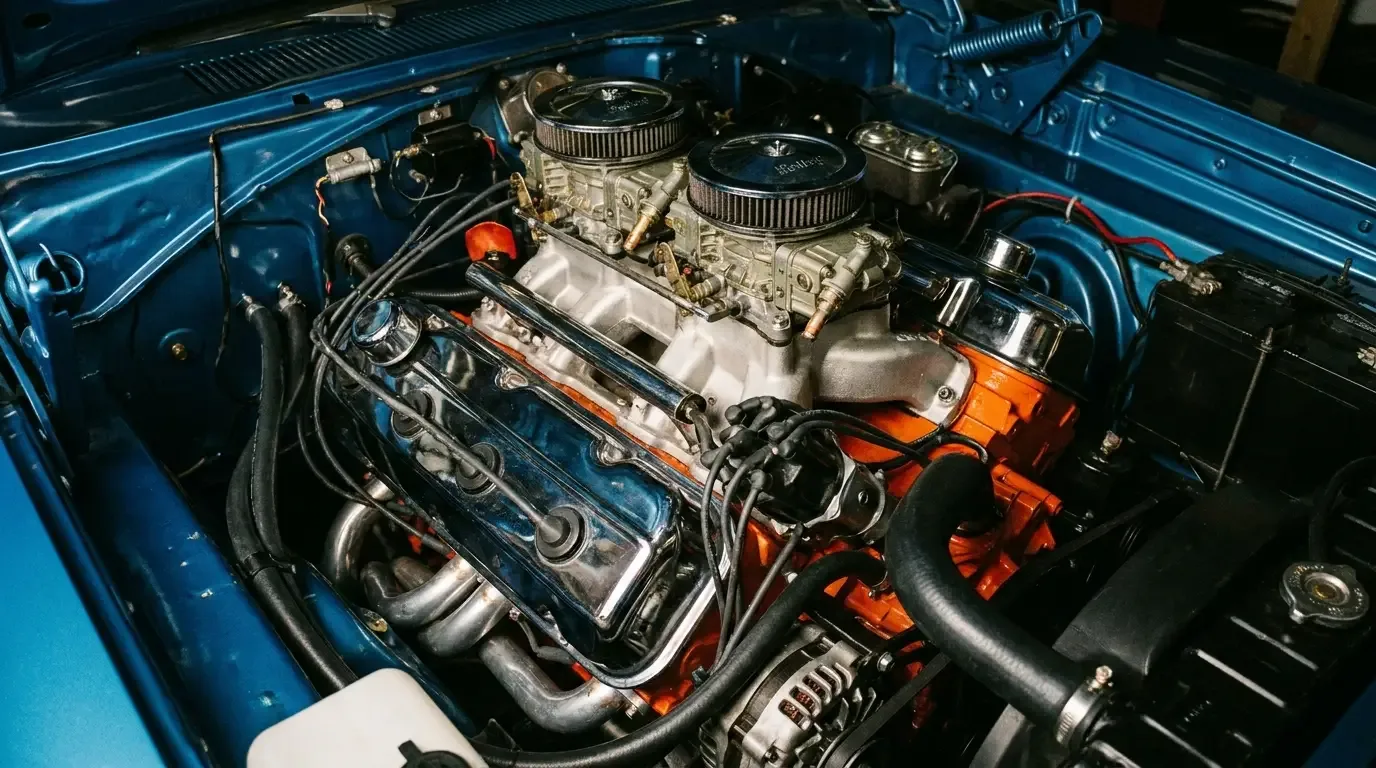
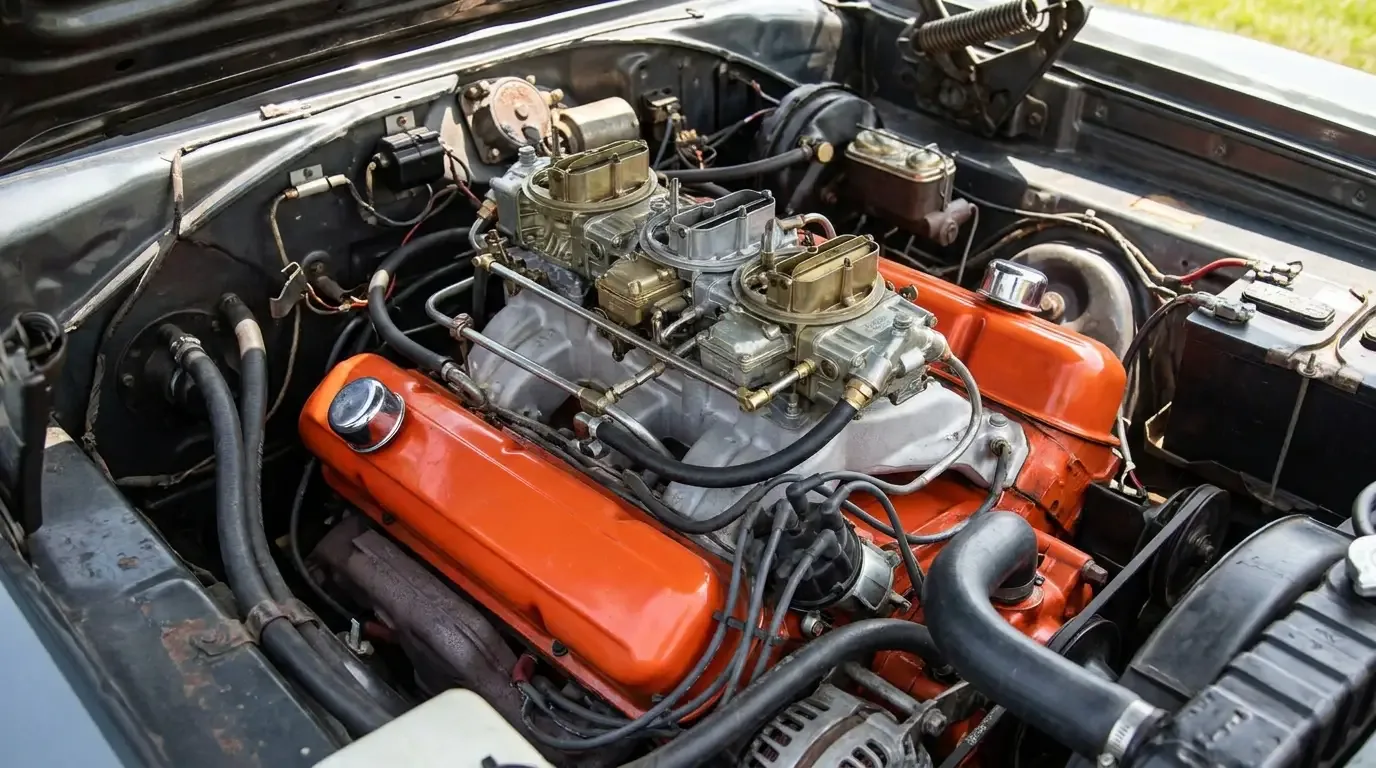
For 1970, Dodge slotted a third engine between the 440 Magnum and the Hemi: the 440 Six Pack. Three two-barrel Holley carburetors on an aluminum intake, rated at around 390 hp. It split the difference on paper and on the road. More top-end than the single four-barrel 440, far less money and far less fuss than the Hemi.
The Six Pack is the connoisseur's answer. Under light throttle it ran on the center carb, so it drove like a normal car around town. Stand on it and the two outboard carbs opened up and it pulled like the big engine it was. For buyers who wanted more than the standard 440 but had no interest in owning a Hemi's maintenance schedule, this was the pick. It is the one a lot of people chase today for exactly that reason.
Reading the badges: stripes, emblems, and what to trust
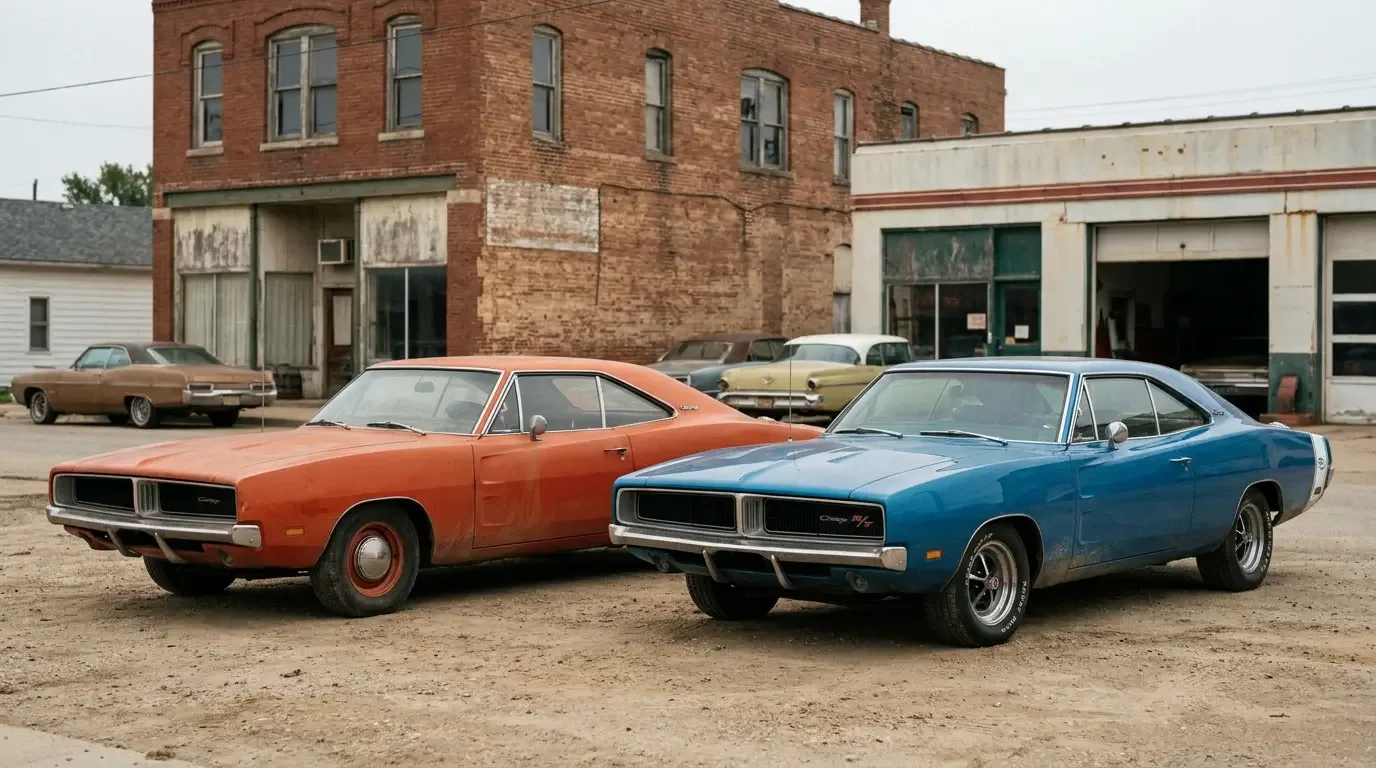
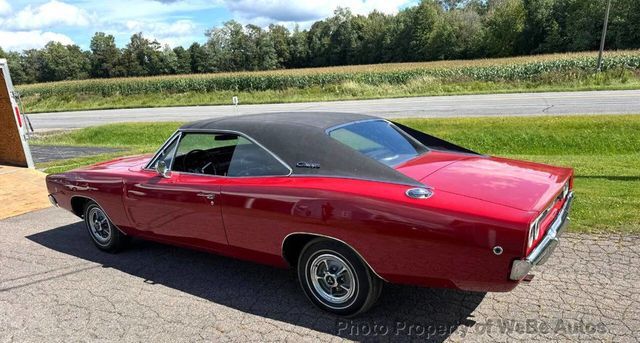
The R/T wore its identity on the outside, but the badging is also where cloned cars get built. The bumblebee stripe wrapped around the tail was the signature look, an optional delete, so a real R/T could leave the factory without it. The R/T emblems sat on the grille and the tail panel. On the 1968 and 1969 cars the second-generation body, with the hidden headlights and the flying-buttress rear window, carried it cleanly.
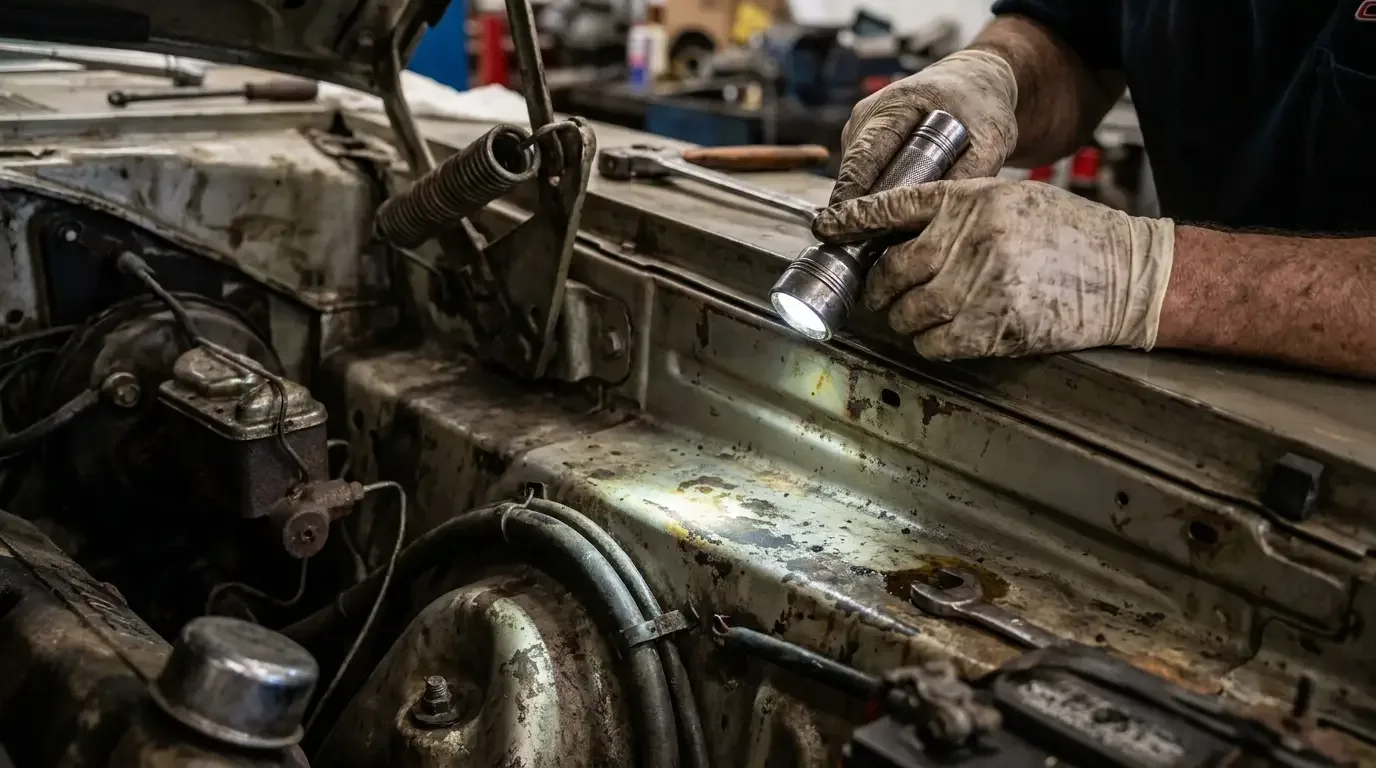
None of the exterior trim proves anything on its own. Stripes get added. Emblems get bought. The only thing that separates a genuine R/T with a numbers-matching 440 from a base Charger dressed up to look like one is the paperwork, the fender tag, and the engine's casting and stamping. The Charger's turn on screen made the look famous enough that clones are everywhere; if the pop-culture side interests you, you can read more here. For buying, treat every unverified badge as decoration until the documents say otherwise.
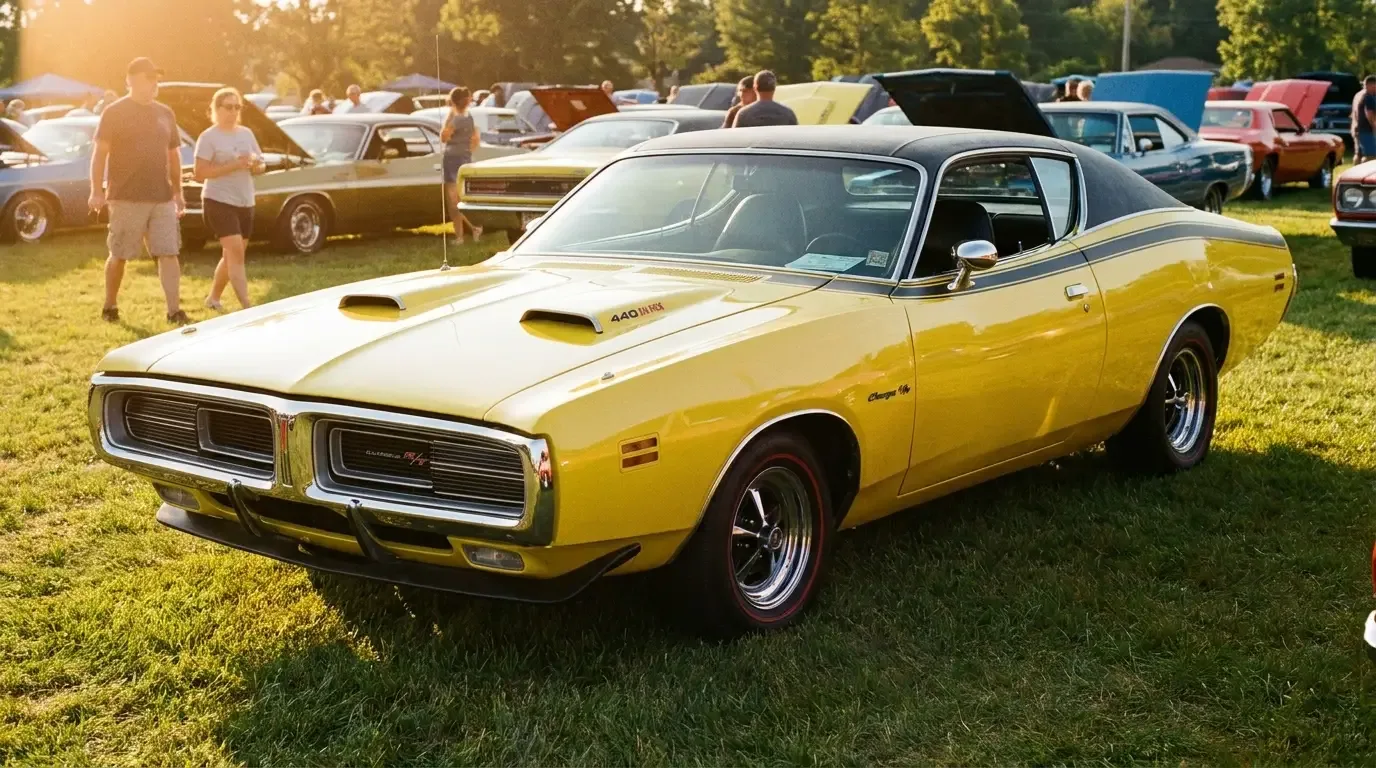
1971: the last real R/T year
The 1971 Charger got a new body, the third-generation restyle with the split grille and the more sculpted flanks, and the R/T carried over one final time. The 440 and the Hemi were still on the menu, but the writing was on the wall. Insurance surcharges on big-block muscle were climbing, emissions rules were tightening, and compression ratios were about to drop across the board. After 1971, Dodge retired the R/T name on the Charger.
That makes 1971 the end of the line for the badge in its original meaning. The engines that came after wore different names and made smaller numbers. If you want an R/T that was built when the letters still bought you a 375-horsepower standard engine, you are shopping 1968 through 1971 and nothing else. Current Dodge Chargers for sale in the classic market still sort mostly along these lines, by engine, by documentation, and by which of these four years the car left the line.
What the numbers mean for a buyer today
The R/T's value in 2026 sorts cleanly by engine, and the spread is wide. A documented 440 Magnum car is the entry point to genuine R/T ownership, and it is the one most people should buy. It gives you the standard 375-horsepower experience the car was built around, parts are available, and a good four-barrel 440 is a straightforward engine to keep running. A verified Six Pack car costs more and deserves to. A real Hemi car is a six-figure conversation, and the gap between a real one and a clone is the entire value of the car.
That gap is where buyers get hurt. The exterior of an R/T is easy to fake, so the money is in the proof, not the paint. A 440 car with a clean fender tag and matching numbers is worth more than a Hemi-badged car with a story and no documents. The engine bay tells you the horsepower. The paperwork tells you whether you are actually buying it.
R/T engine lineup at a glance
| Engine | Years on R/T | Advertised HP | Notes |
|---|---|---|---|
| 440 Magnum (4-bbl) | 1968-1971 | ~375 hp | Standard engine, best low-end torque for the money |
| 440 Six Pack (3x2-bbl) | 1970-1971 | ~390 hp | Mid-tier option, drove civil, pulled hard on demand |
| 426 Hemi | 1968-1971 | ~425 hp | Top option, rare, underrated, high maintenance |
Read the table the way a buyer should. The 440 Magnum is the baseline and the sensible one. The Six Pack is the enthusiast's sweet spot. The Hemi is the trophy, priced accordingly and worth the premium only with documentation to back it. The R/T badge tied all three together, but the engine is what you are really buying, and the engine is the only number on the fender that ever mattered.
Sources and notes
- automobile-catalog: 1968 Charger R/T 440 Magnum - confirms the 440 Magnum's 375 hp (SAE gross) at 4,600 rpm and 480 lb-ft at 3,200 rpm.
- automobile-catalog: 1968 Charger R/T 426 Hemi - confirms the 426 Hemi's 425 hp at 5,000 rpm and 490 lb-ft at 4,000 rpm gross rating.
- DodgeGarage: Hot Hemi Charger R/T - confirms only 475 Hemi Charger R/Ts were built for 1968 and the ~$605 Hemi option price.
- automobile-catalog: 1970 Charger R/T 440 Six-Pack - confirms the 440 Six Pack's 390 hp (SAE gross) rating for 1970.
- Silodrome: 1971 Charger R/T 440 Six Pack - confirms 1971 was the final R/T year and the last for the Six Pack and Hemi options.
- Wikipedia: Dodge Charger (1966) - confirms the R/T package ran 1968 - 1971, standard 440 Magnum, and the second- and third-generation body details.