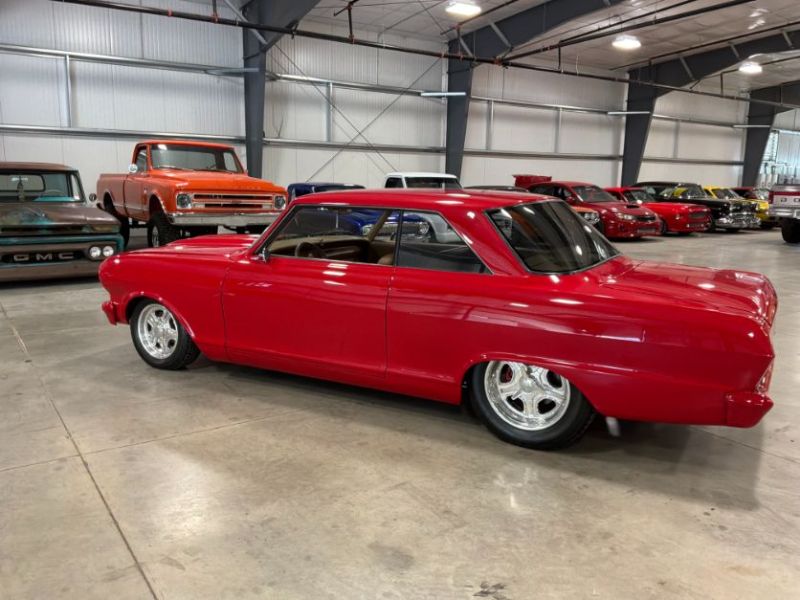
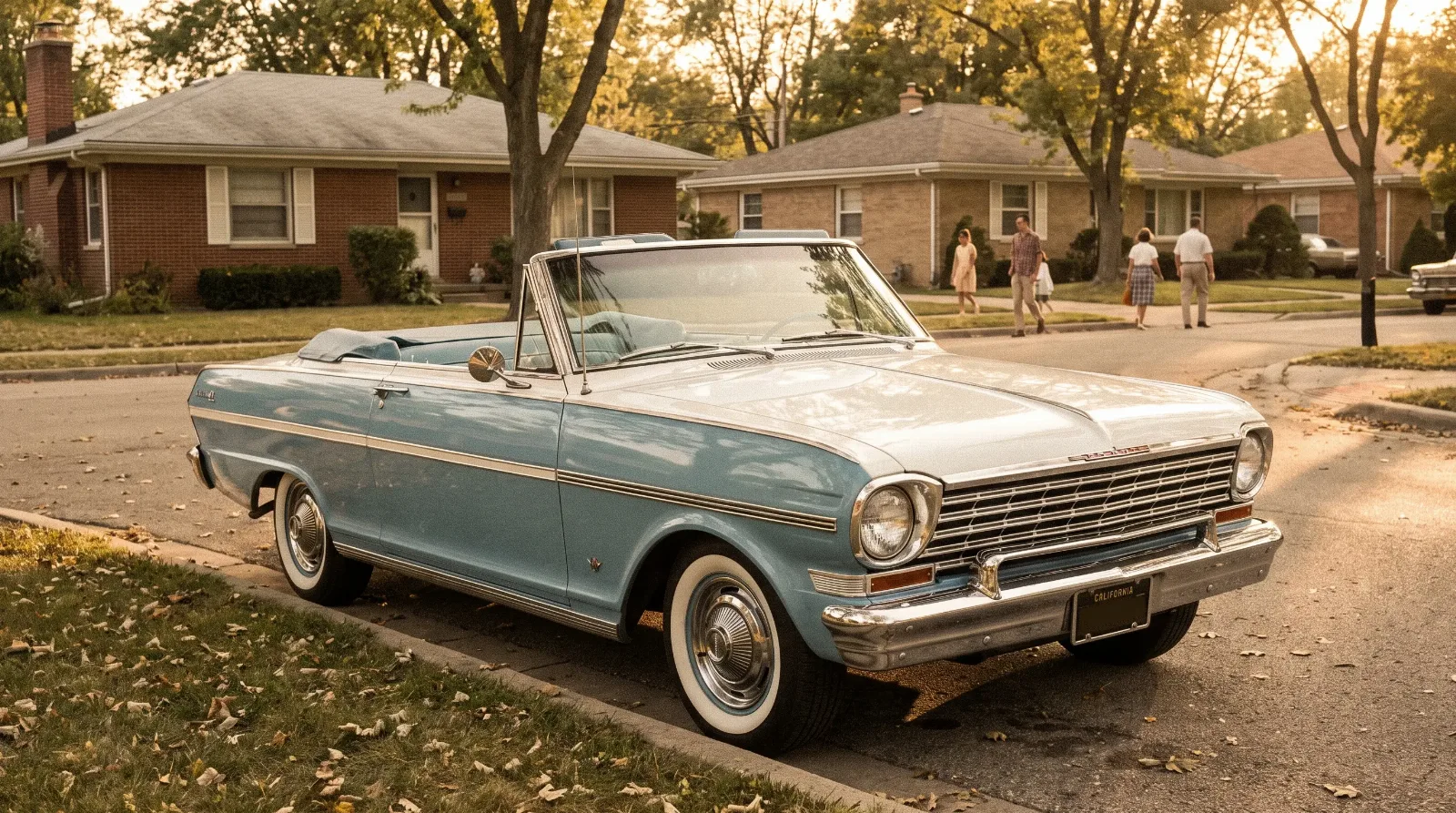
Chevrolet only built the Chevy II convertible for a handful of years, and then it simply stopped. No dramatic announcement, no farewell trim package, just a body style that quietly disappeared from the order sheet when the second-generation car arrived. For a car whose whole appeal was supposed to be practicality, the Chevy II convertible turned out to be one of the more fragile parts of the lineup, and that fragility is exactly why surviving examples matter today.
When Chevrolet offered the Chevy II as a convertible
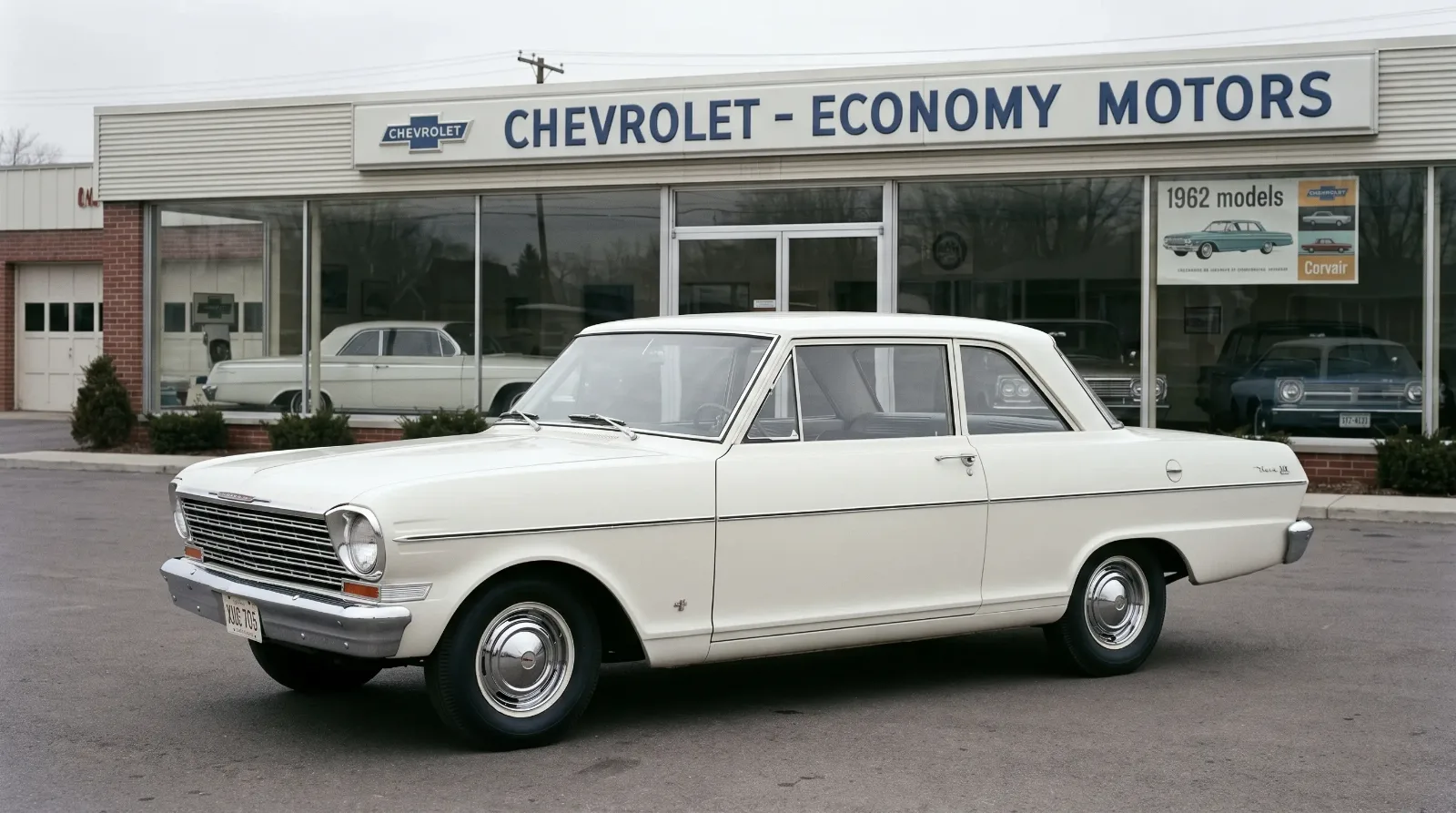
The convertible body style arrived with the Chevy II's debut for 1962 and ran for just two model years, 1962 and 1963, before Chevrolet dropped it. It was offered exclusively on the Nova 400 series, following the same logic Chevrolet used for the Sport Coupe: the open-air body style was treated as a top-trim exclusive rather than something buyers could order on a stripped-down 100 or 300 series car. How the Nova began is really the story of that first-generation car, and the convertible was part of it from day one, not an afterthought added later.
Chevrolet pulled the convertible for the 1964 model year, well before the Chevy II was redesigned for 1966. The mid-size Chevelle had arrived for 1964 with its own convertible, and Chevrolet had little reason to keep two convertibles competing against each other in showrooms one segment apart. The 1966 redesign that followed two years later did not bring the open body style back either, leaving the 1962 and 1963 cars as the only Chevy II convertibles Chevrolet ever built. That makes the window for genuine factory convertibles a tight one, spanning just two model years before the option vanished for good.
What made the convertible different to build and buy
A convertible body required extra structural reinforcement compared to the sedan or Sport Coupe, since removing the fixed roof meant the chassis had to make up the rigidity elsewhere. That added cost and weight, which is part of why Chevrolet kept the body style limited to the top trim rather than spreading it across the cheaper series. Buyers paid a premium for the body style on top of the Nova 400 trim premium already built into the price.
Standard equipment included a power-operated top on most model years, along with the interior appointments that came with any Nova 400, brightwork, better upholstery, and the usual top-trim comforts. A folding top boot was available to clean up the look with the top down, though not every buyer ordered it, and cars without one are common enough in period photos.
| Model years offered | Trim availability | Body style status after 1963 |
|---|---|---|
| 1962 to 1963 | Nova 400 only | Discontinued, never returned |
Why convertible production numbers stayed low
Convertibles were a minority body style across nearly every American manufacturer's lineup in this era, and the Chevy II was no exception. Most buyers who wanted a compact car wanted it for economy and practicality, and a folding top worked against both of those priorities. Add in the higher price of the Nova 400 trim required to get one, and the convertible ended up being a niche order even within a niche model.
That low volume compounds with survival rate. Convertibles saw harder use and more exposure-related wear than closed cars, from sun-damaged tops to rust that crept in around the reinforced but still less weathertight structure. Combine low original production with decades of harder wear, and genuine surviving Chevy II convertibles are considerably scarcer than the sedan and Sport Coupe body styles from the same years.
What to look for in a genuine Chevy II convertible
Because the body style only ever came on the Nova 400, any car claiming to be a factory convertible on a lesser trim badge should raise questions immediately. The cowl tag and body style code will confirm whether a car left the factory as a convertible or was modified later, which unfortunately has happened to closed cars chasing convertible values. A documented, numbers-matching convertible is a meaningfully different find than a coupe with a modified roofline.
Structural condition deserves particular attention on these cars. Rust tends to show up around the reinforced frame rails and rocker panels first, areas that carry more of the load once the fixed roof is gone. A convertible that looks solid in photos can still be hiding corrosion in the exact spots that matter most for keeping the body rigid, so a hands-on inspection matters more here than it does on a coupe or sedan.
"Two model years, one trim level, and then it was gone. That is a short enough window that every genuine survivor is worth documenting properly before it changes hands again."
— Tom Ramirez
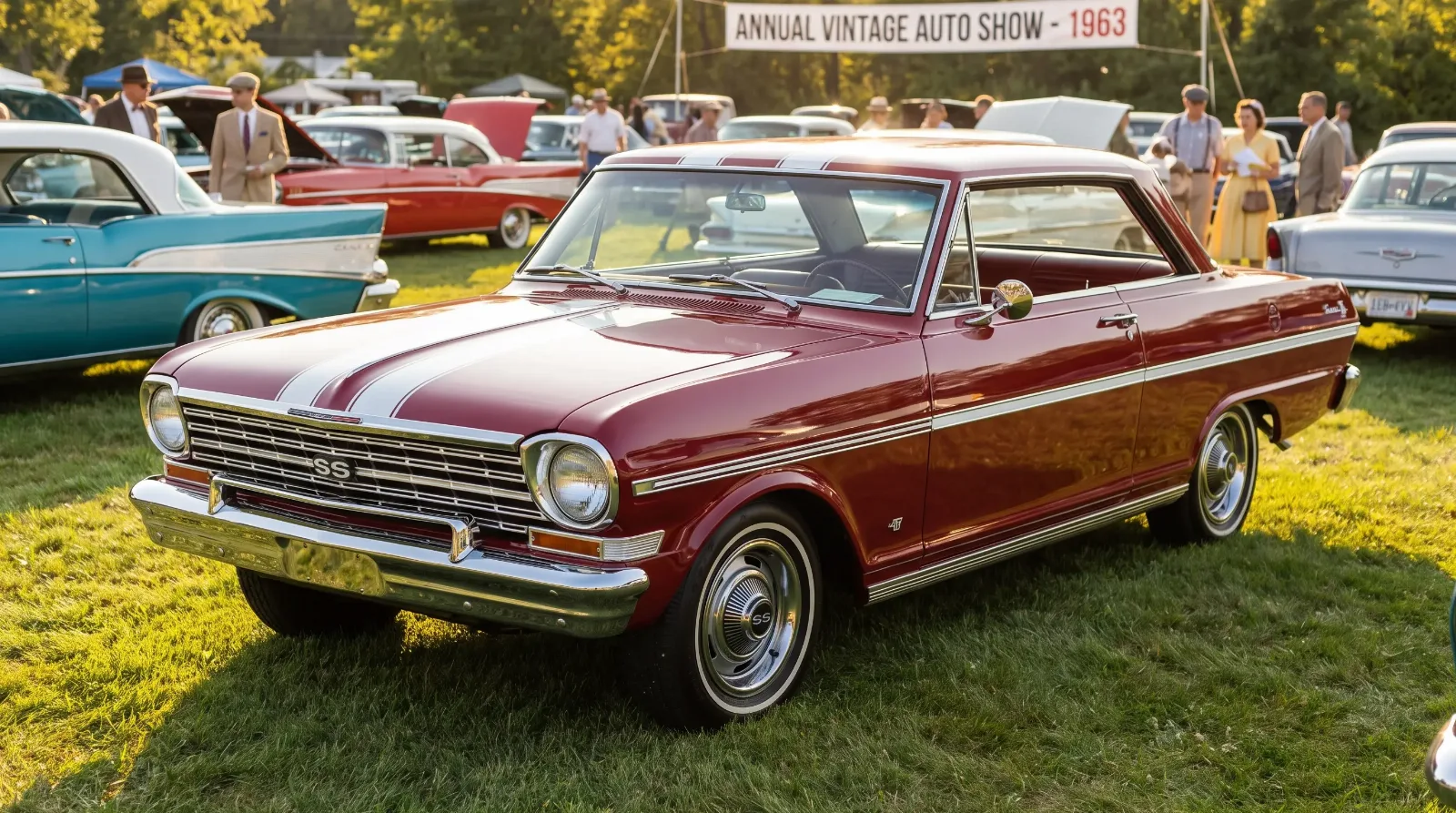
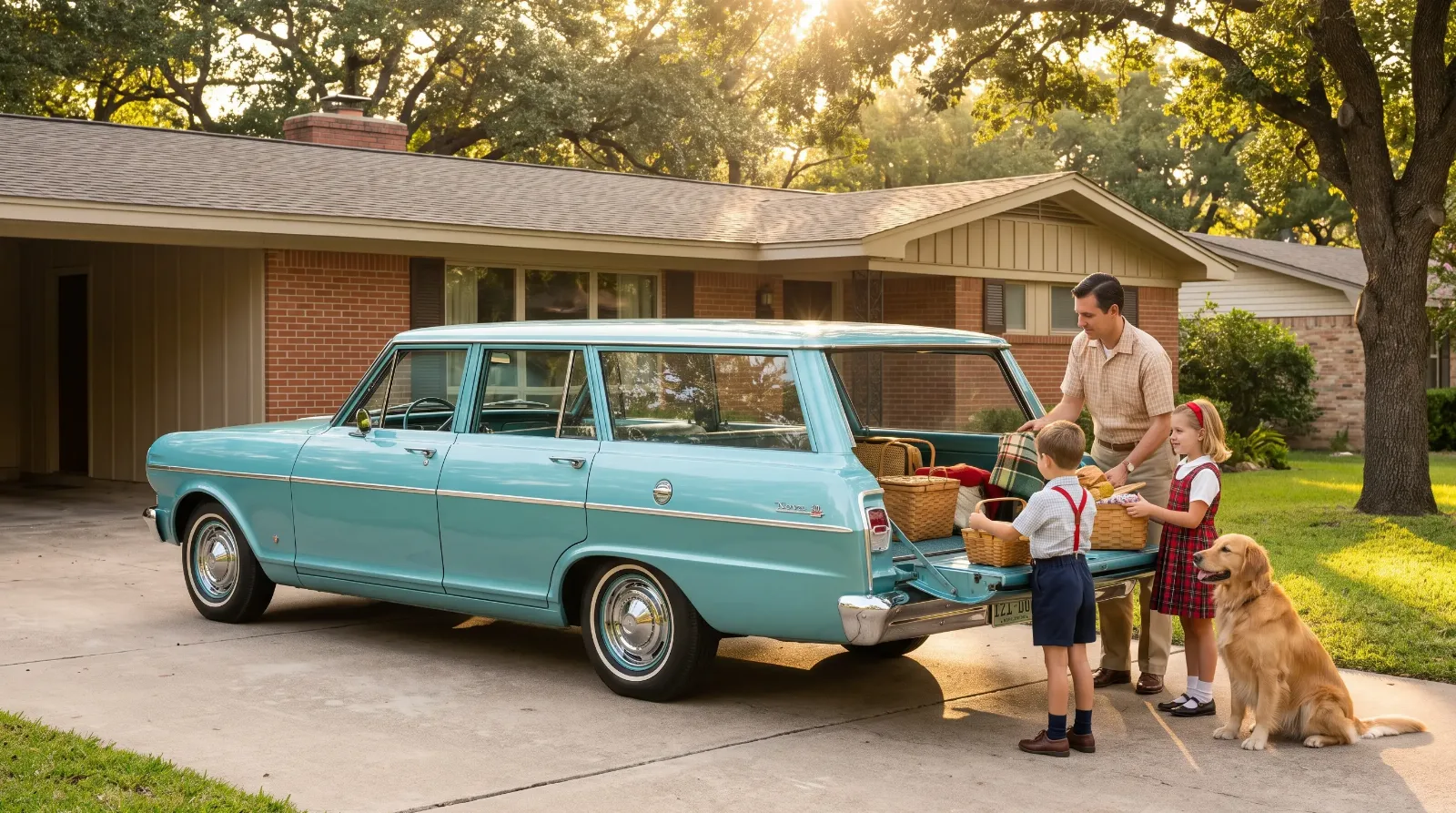
The Chevy II convertible's brief run makes it one of the more overlooked parts of the Nova family tree, mostly because the SS package and the V8 options tend to dominate the conversation. But the convertible tells its own story about which body styles Chevrolet thought were worth the investment, and which ones got quietly dropped the moment the lineup was redesigned. If you want to keep following how the rest of the body style lineup evolved after the convertible disappeared, keep reading the series on the wagon variants that carried on where the open-top car left off.
What stands out most about the Chevy II convertible in hindsight is how little fanfare surrounded its exit. Chevrolet did not replace it with anything, not on the redesigned 1966 car and not on any Chevy II or Nova that followed, and the body style simply never returned to the family at all. For a lineup that went on for another decade and a half, that makes the convertible a genuinely closed chapter, one that started and ended entirely within the first two model years of the car's existence.
Sources and notes
- Chevrolet Chevy II / Nova, Wikipedia
- 10 Things Every Gearhead Should Know About the 1964 Chevrolet Nova SS, TopSpeed
- 1965 Chevrolet Chevy II Nova SS full range specs, Automobile Catalog
- 1964 Nova Restoration Information, Ground Up Motors
- Introduction to the 1962-1967 Chevrolet Chevy II, HowStuffWorks
- 1964 Chevrolet Chevy II Fact Sheet, Over-Drive Magazine