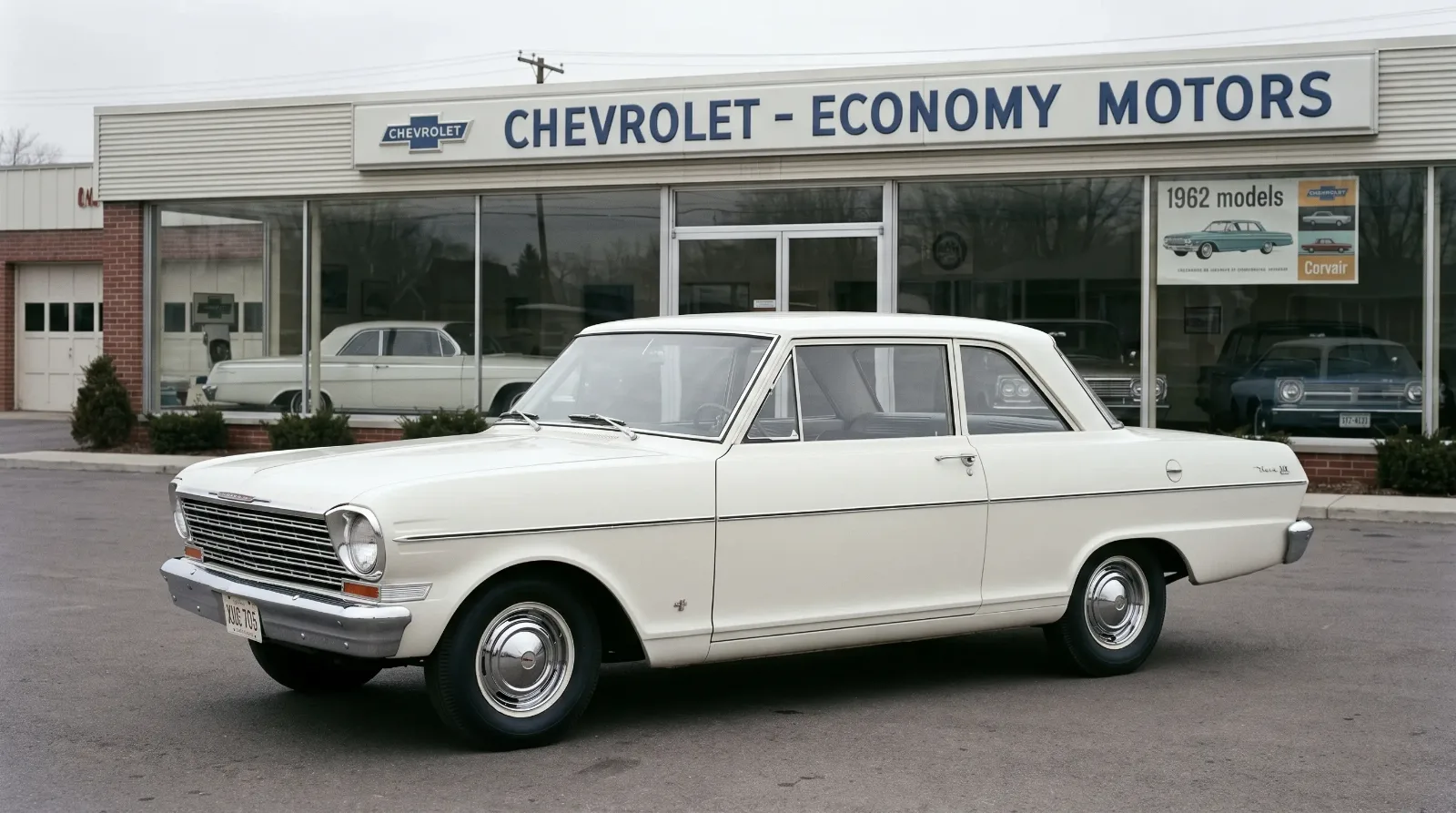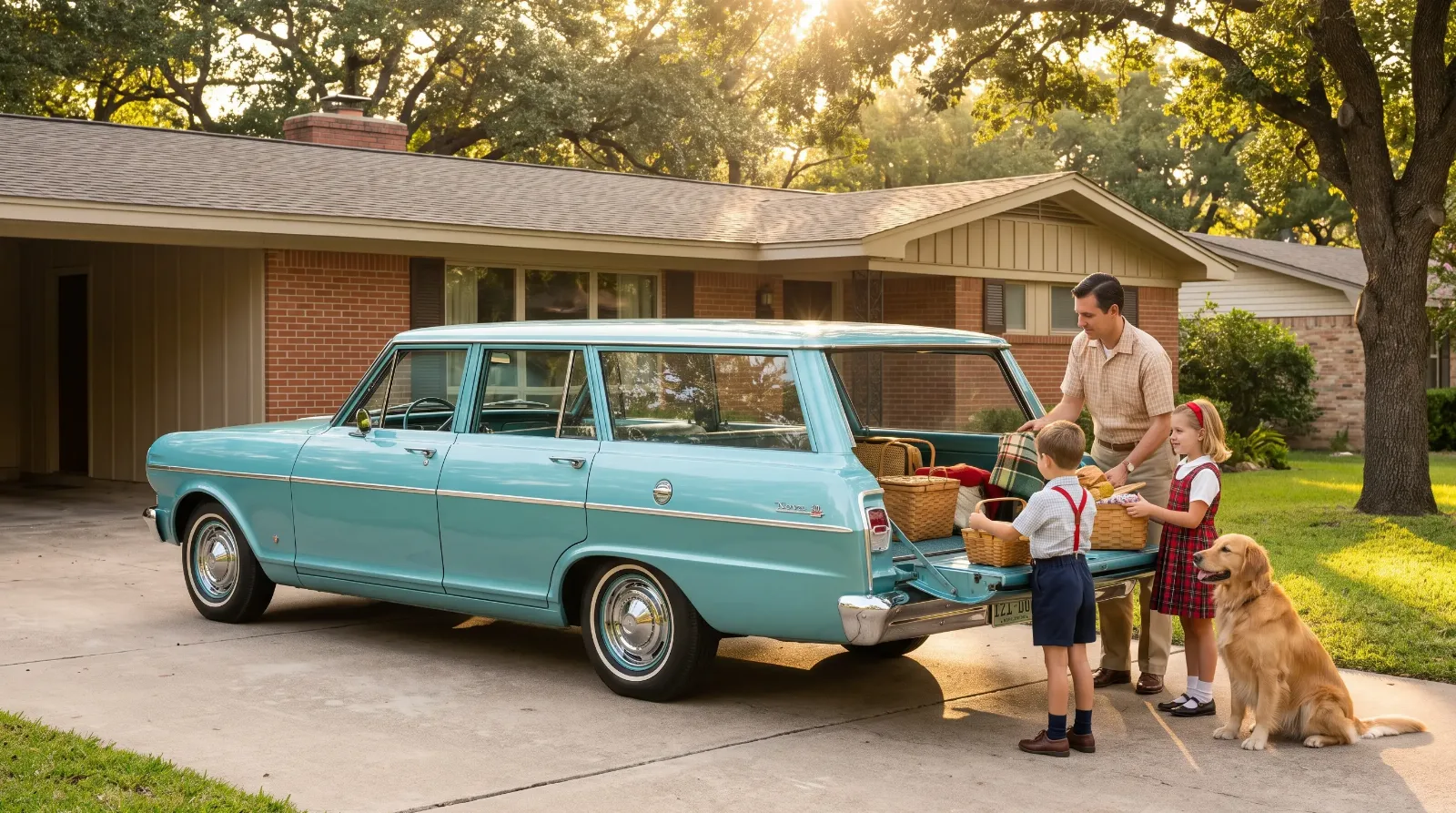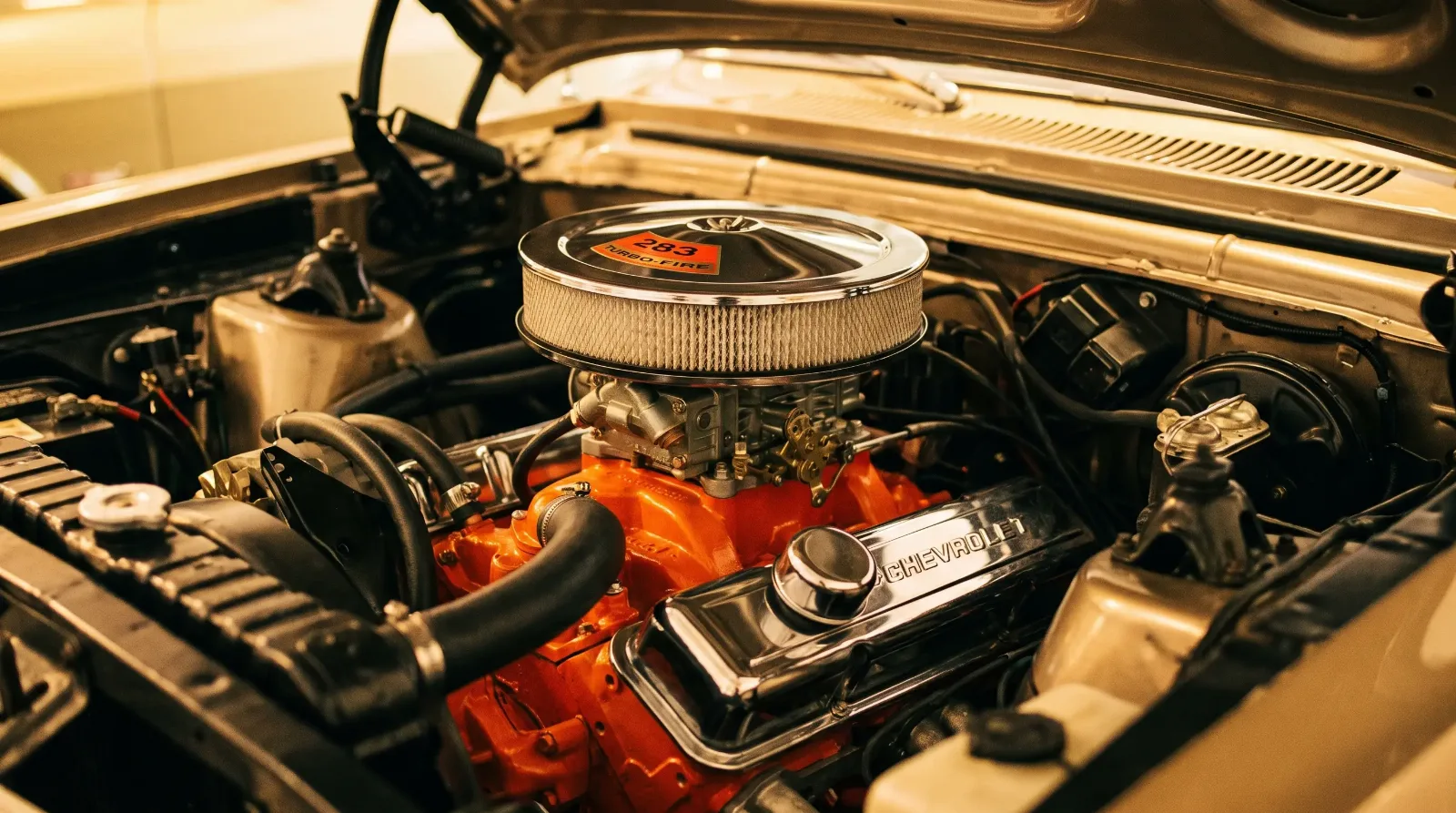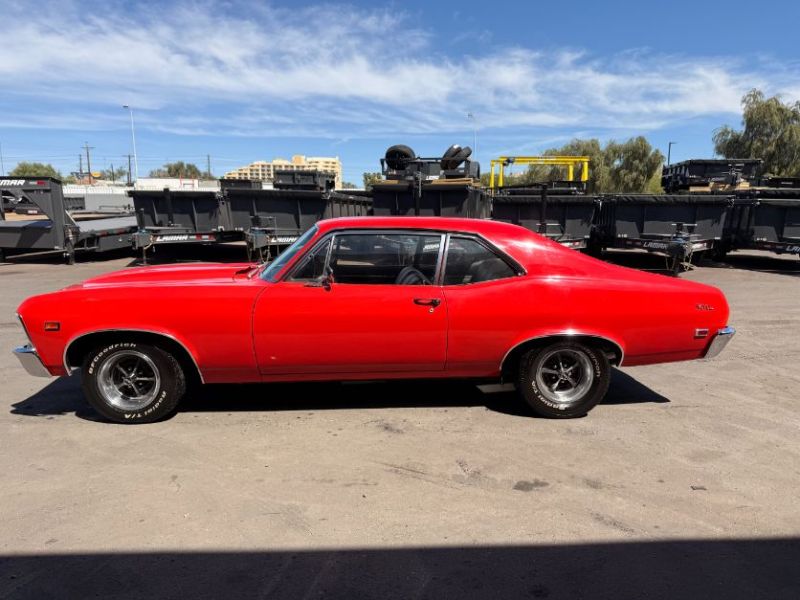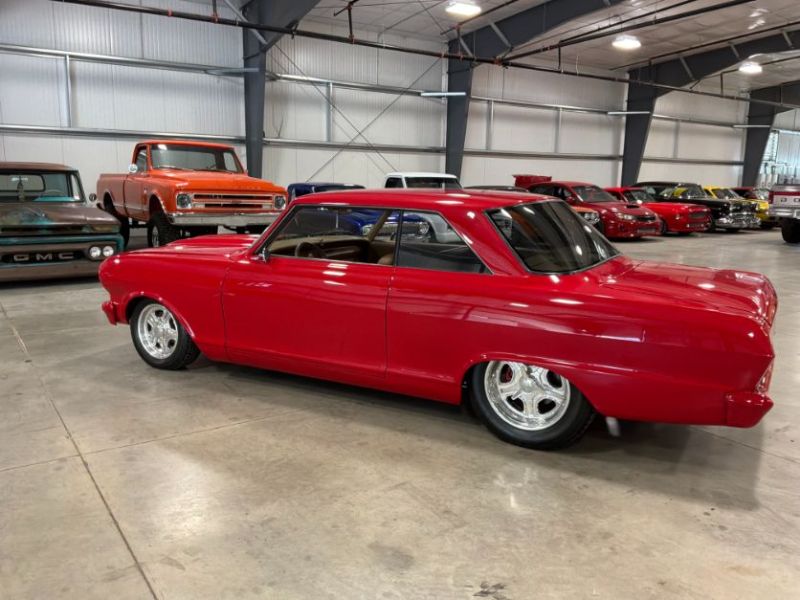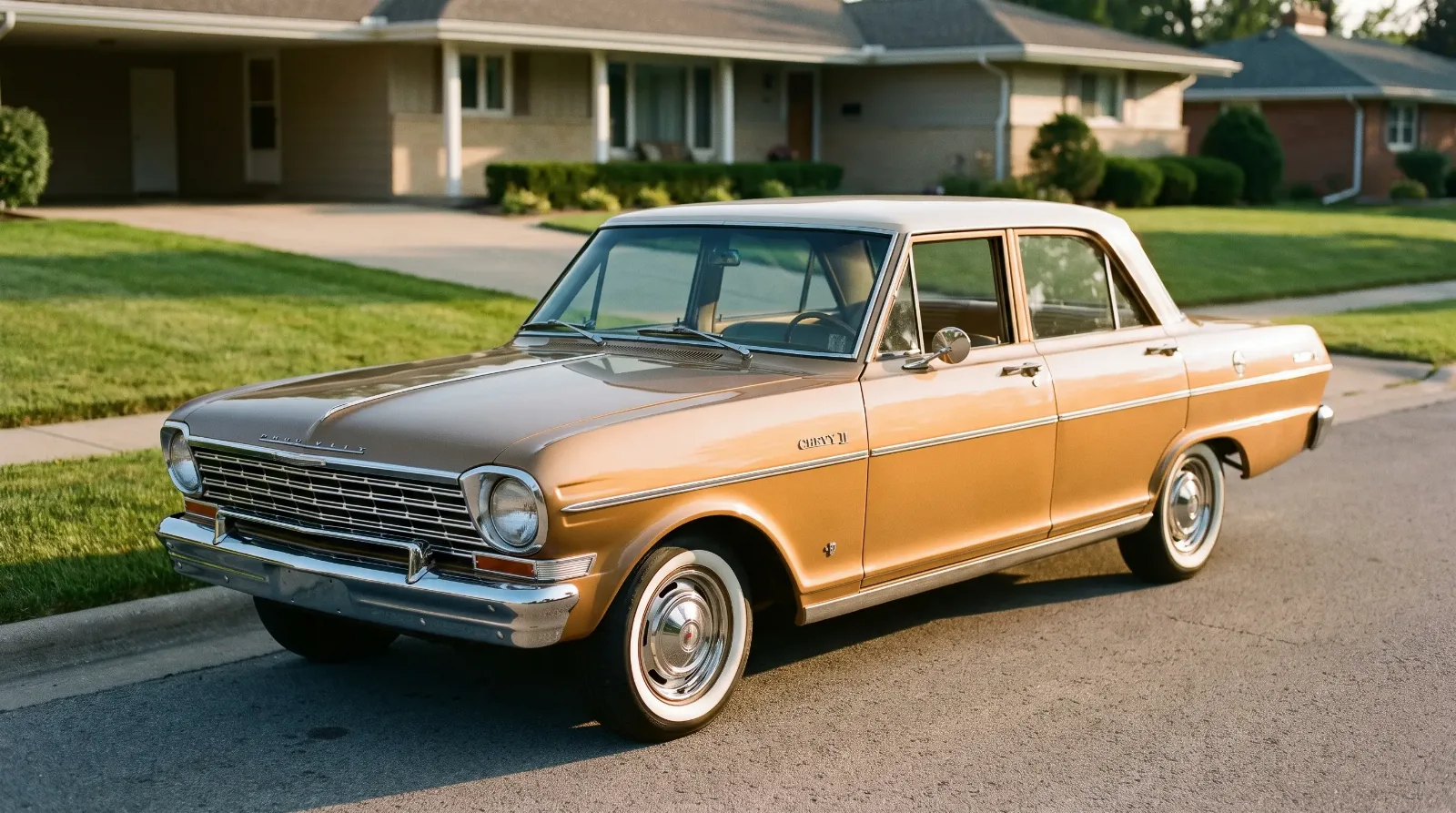
Call it the "Stovebolt Six" if you want, plenty of period owners did, but the chevy ii inline 6 that debuted for 1962 was not actually the old Stovebolt architecture Chevrolet had built since the 1920s. That older 216 and 235 cubic inch six, the true Stovebolt, was reserved for full-size Chevrolet cars and trucks right up through 1962. The Chevy II got something new: a lighter, more modern 194 cubic inch six-cylinder engine designed specifically for the compact platform, part of the same family that would eventually grow into the 230 and 250 cid sixes used across GM's compact lineup for the rest of the decade.
The nickname stuck anyway, because that is what happens when a company builds six-cylinder engines for forty straight years. But getting the lineage right matters if you are trying to source the correct parts for a numbers-correct restoration, or if you are simply tired of hearing the wrong engine family quoted at a swap meet.
A new six built for a smaller, lighter car
Chevrolet's engineers had a specific brief for the 1962 Chevy II: build an economy compact that could hold its own against the Ford Falcon and the Plymouth Valiant on price and fuel mileage, while still giving Chevrolet dealers something with a bit more pull than the base four-cylinder. The 194 cid six answered that brief directly. It used thin-wall casting techniques that had become standard practice by the early 1960s, keeping the block lighter than the old Stovebolt units without sacrificing durability.
Rated output was a modest 120 horsepower in its initial 1962 form, a healthy step up from the 90-horsepower base four-cylinder, and enough to make the six the volume engine choice for buyers who wanted a Chevy II that did not feel strained in daily traffic or on a highway on-ramp.
Chevrolet's engineers also kept the six deliberately simple to service. A single-barrel carburetor, straightforward valve train, and widely shared ignition components meant that any Chevrolet dealer, or for that matter any independent mechanic with a basic set of tools, could keep one running without specialized training. That simplicity was not an accident. It was part of the same economy brief that shaped the rest of the car, and it is a large part of why the six-cylinder Chevy II earned a reputation as an honest, low-drama daily driver rather than a car that demanded a specialist.
Why the six outsold the four-cylinder so quickly
Chevrolet marketed the base 153 cid four as the economy leader, but real-world buyers gravitated toward the six almost immediately. The price difference between the two engines was small enough that dealers routinely upsold buyers into the six, and word of mouth about the four-cylinder's rougher running character did the rest. Within a model year or two, the inline six had become the default engine most Chevy II buyers actually drove home with, a shift that period production figures and sales histories confirm across the early Chevy II years even though an exact take-rate percentage was never published.
That shift mattered for how the car aged. Because the six became the common engine rather than a rare option, parts support for it has remained strong for six decades. Rebuild kits, gaskets, and reproduction manifolds are still readily available, which is not something every early-1960s engine family can claim.
It also meant the six-cylinder Chevy II became the default used car recommendation among Chevrolet dealers for years after the model's original run ended. A used six-cylinder Chevy II carried a reputation for being cheap to insure, cheap to fuel, and cheap to keep running, a combination that made it a common first car and a common second family car well into the following decade.
| Chevy II inline six, 1962 | Spec |
|---|---|
| Displacement | 194 cid |
| Horsepower | 120 hp (initial rating) |
| Configuration | Overhead-valve inline six, thin-wall casting |
| Related to Stovebolt six? | No, separate architecture; same nickname carried over |
| Successor engines | 230 and 250 cid sixes, later 1960s GM compacts |
Economy that actually held up on the road
The six-cylinder Chevy II earned its economy reputation honestly. Fuel mileage in period road tests routinely beat comparable V8-equipped compacts by a meaningful margin, and the engine's lighter weight over the front axle gave the car noticeably better balance than it would have with a V8 up front. For a household running one car for commuting and errands rather than weekend performance driving, the six was simply the more sensible purchase, a point that connects directly to the Chevy II chapter of how the whole compact program got started in the first place.
"People call it the Stovebolt because that's the name that stuck to any Chevrolet six for two generations. Check the casting numbers before you order parts assuming it's interchangeable with the old truck engine. It isn't."
— Tom Ramirez
What this means for a modern restoration
If you are restoring a six-cylinder Chevy II today, the correct casting numbers and part references point to the compact-specific 194 cid family, not the older full-size Stovebolt parts bins. That distinction saves real money and real frustration when sourcing a water pump, manifold, or head gasket. It also sets up the next chapter of this engine story well: once buyers wanted more than 120 horsepower, Chevrolet had an answer waiting in the wings, and another angle on that same lineup shows exactly how the V8 option changed the car's character for good.
Owners chasing a numbers-correct six-cylinder restoration should pay particular attention to the carburetor tag and the block casting date, since later 230 and 250 cid sixes share enough visual family resemblance with the original 194 that mismatched swaps are easy to miss at a glance. A careful buyer checks the casting number against the build sheet before assuming an engine is original to the car, the same discipline that applies to any Chevy II sold today with claims about its factory equipment.
The inline six never got the attention the V8 cars did, and it never will. But it was the engine that actually built the Chevy II's reputation as a sensible, reliable compact, one dealership sale at a time.