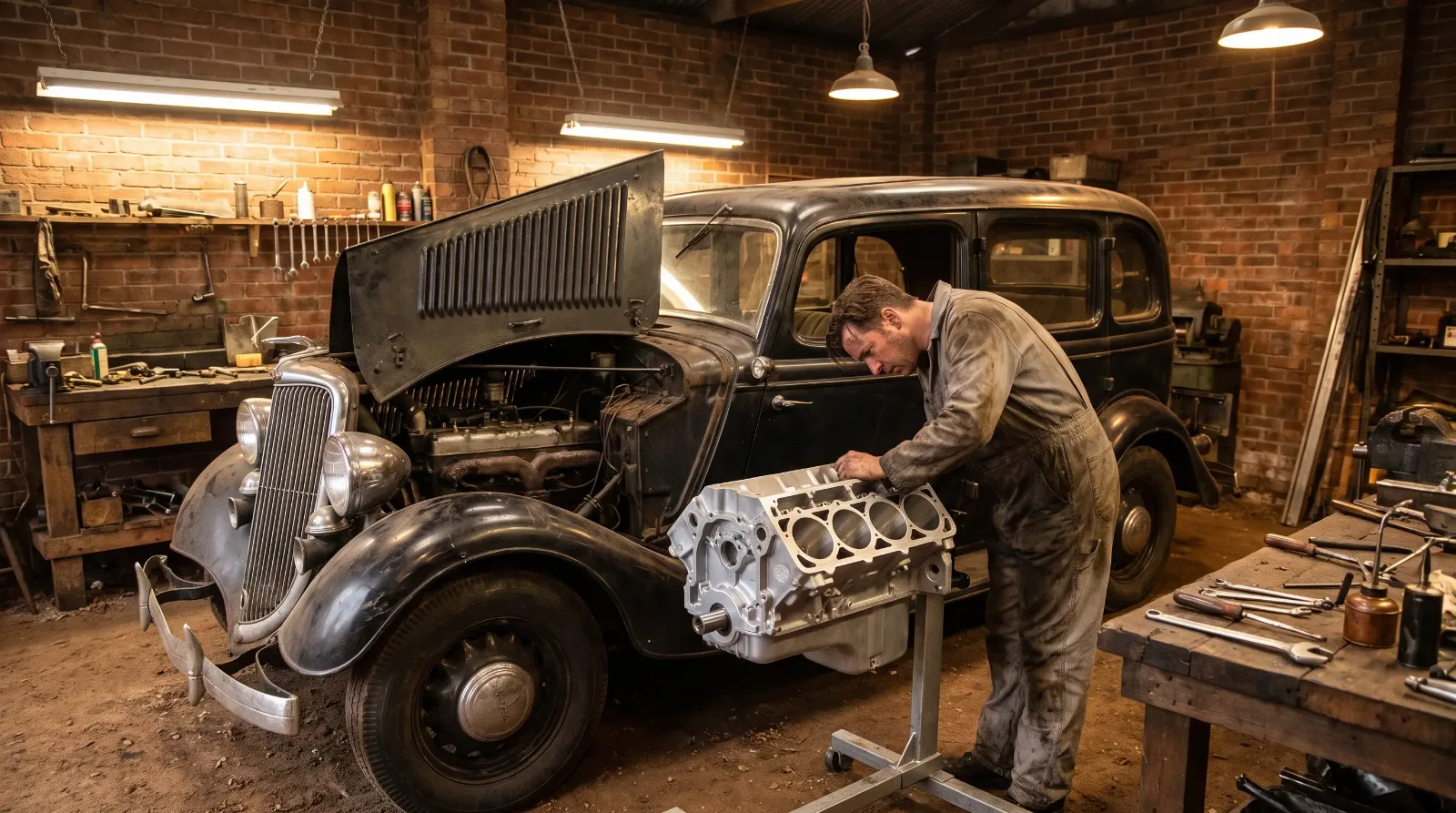
Every owner of a pre-war automobile eventually faces the same fork in the road. Do you restore the car to the standard a concours judge would demand, down to the plating specification on a single carburetor screw, or do you restore it to be driven, enjoyed, and occasionally rained on? The two paths share tools and often share a shop, but they are not the same project, and confusing them wastes money in both directions.
I have watched owners spend a small fortune chasing concours-grade finishes on cars that were always going to live in a barn and get driven to the diner on Sundays. I have also watched a genuinely important, low-production coachbuilt car get a workmanlike driver restoration that quietly erased half its value. Neither owner was foolish. They simply had not decided, before the first part came off the car, which standard they were restoring to.
What concours restoration actually demands
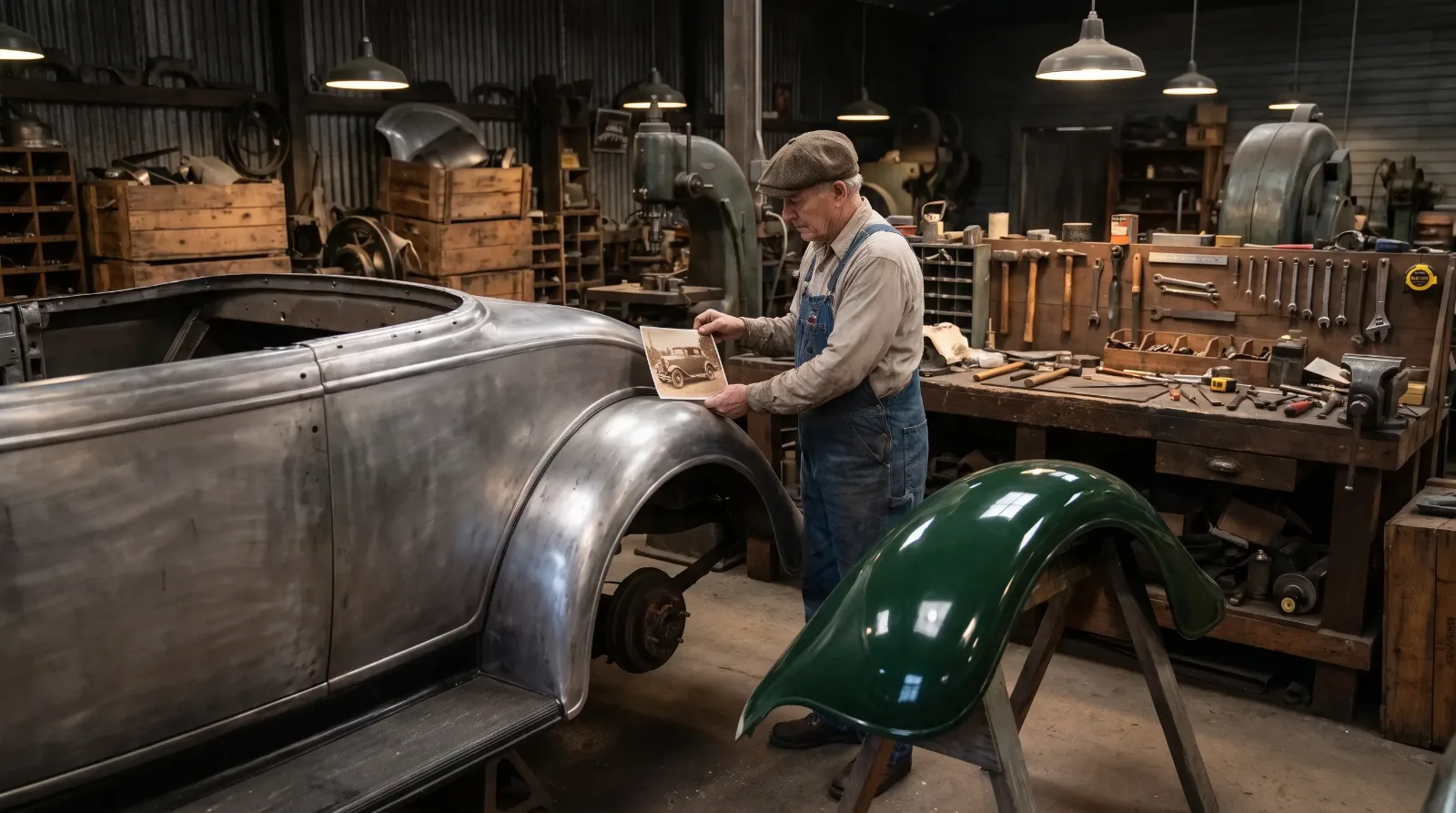
Concours-quality work means the car is judged, or built to be judged, against factory specification and period-correct detail. That includes correct fastener types, correct plating (cadmium versus chrome versus nickel, depending on year and manufacturer), correct paint chemistry and application method, correct upholstery grain and stitch pattern, and correct under-hood finish, right down to how a casting was left from the factory. Judges at the top-tier events carry reference books and know which clamps General Motors used in 1932. There is no room for "close enough."
This level of work is enormously labor-intensive because so much of it is invisible in normal use. Nobody driving down the road can see that your generator has the correct date-coded tag. A concours judge, on the other hand, will find it. That invisibility is exactly why concours restoration is expensive relative to the visual result, and why it only makes financial and emotional sense on cars with the provenance, rarity, or history to justify it.
What driver-quality restoration actually means
A driver-quality restoration prioritizes mechanical soundness, safe operation, and a presentable appearance over documentary accuracy. The brakes work properly, the engine runs cleanly, the wiring is safe, and the paint and upholstery look good from ten feet away. Substitutions are common and sensible: a modern alternator disguised to look period-correct, a slightly wrong but durable reproduction fabric, a repaint in the correct color but with modern base coat and clear rather than authentic lacquer. None of this is a shortcut in the pejorative sense. It is a decision to prioritize usability and cost control over documentary correctness.
Driver-quality cars tend to actually get used, which matters more than people admit when they start a project. A car that goes on tours, gets driven to shows, and starts on the first try earns its keep in a way that a trailer queen sometimes does not.
"The mistake I see most often is an owner who wants a concours result but a driver's budget. Decide which car you are building before you spend a dollar, because half-measures cost more than either extreme."
— Sarah Whitfield
Cost and time differences that surprise owners
The gap between the two standards is not linear. A driver-quality restoration on a common pre-war sedan might run into the mid five figures depending on the car's condition going in. A concours-grade restoration on the same car, chasing every plating and stitching detail, can run two to four times that figure, largely because of research time, specialist subcontractors, and the sheer number of parts that get remade or refinished rather than simply repaired. Timelines follow the same pattern. A competent shop can turn a driver-quality car in well under a year if parts supply cooperates. A true concours restoration routinely takes two to five years, particularly if original documentation has to be tracked down to settle a detail.
| Factor | Concours standard | Driver standard |
|---|---|---|
| Typical timeline | 2-5 years | 6-18 months |
| Fastener/plating accuracy | Period-correct required | Functional equivalent accepted |
| Upgrades (electrical, brakes) | Avoided or hidden | Often welcomed |
| Primary goal | Judged authenticity | Reliable, regular use |
Deciding which standard fits your car
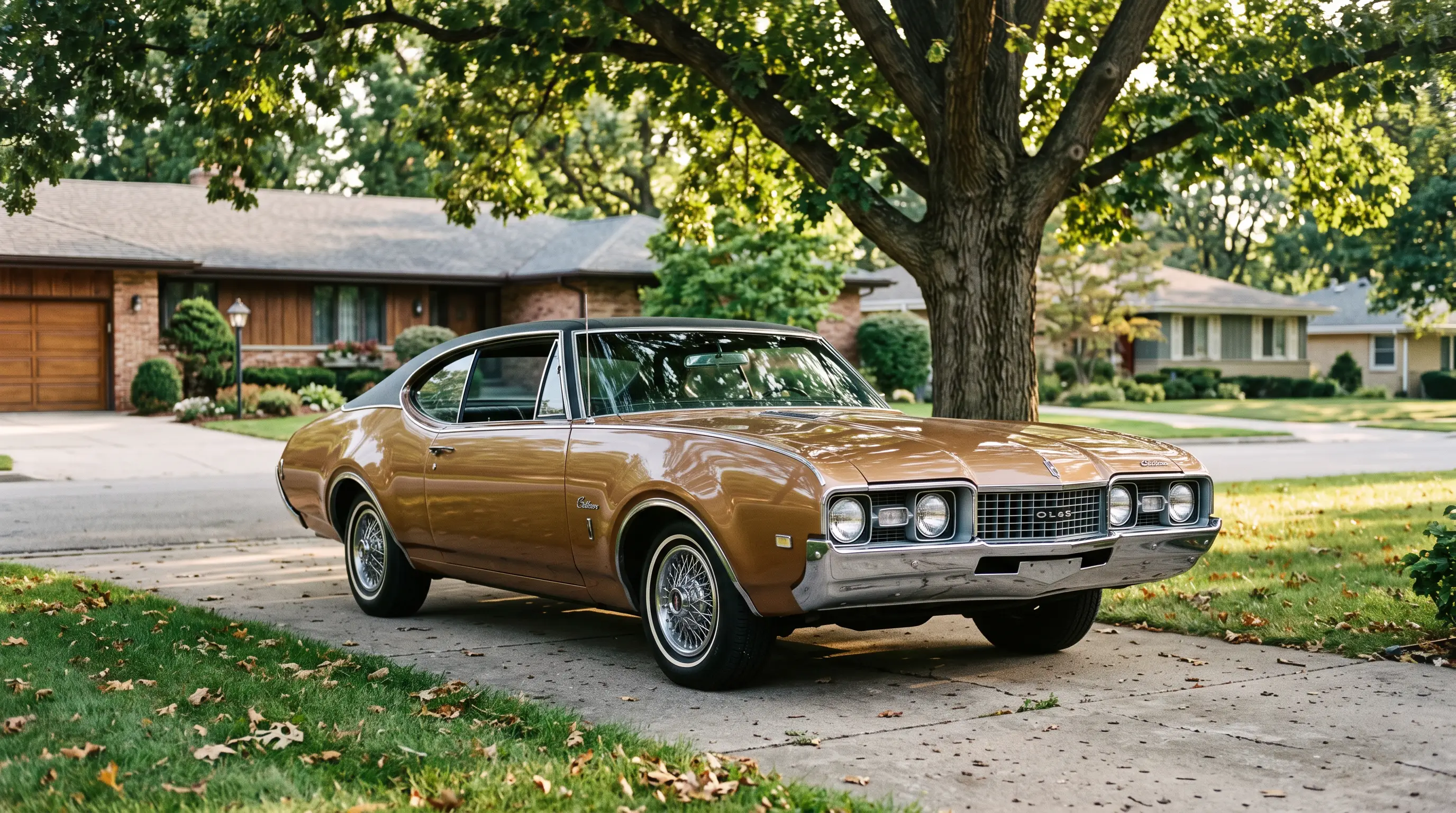
The honest starting point is the car itself, not your ambition for it. A low-production coachbuilt body, a car with a documented celebrity or competition history, or a numbers-matching example of a genuinely rare model deserves the conversation about concours work, because that history is what a concours restoration protects and communicates. A mass-produced sedan with no unusual history, however handsome, rarely recoups the additional cost of chasing documentary perfection, and it will be happier as a driver.
It also helps to be honest about how you actually intend to use the car. If the plan involves regular touring, weather exposure, and the ordinary wear of being driven, a concours-correct interior and finish will show that wear quickly and expensively. If the car is going to spend most of its life in a controlled environment and come out for judged events, the calculus reverses.
Owners weighing this decision often benefit from reading more on vintage car restoration standards before committing a car to either path, since the valuation consequences of each approach differ substantially and are easier to plan for up front than to correct after the fact.
A middle path is sometimes the right answer
Not every car needs to be forced into one category. It is entirely reasonable to build a car that is mechanically sorted to driver standards, with a period-correct exterior and interior that would satisfy a casual judge, while accepting hidden modern components under the skin for reliability. This "driver-plus" approach is increasingly common among owners who want the look and feel of authenticity without the cost of chasing invisible correctness. The one discipline this middle path requires is documentation: keep a record of exactly what was changed and why, so a future owner, or a future version of yourself, understands what the car actually is.
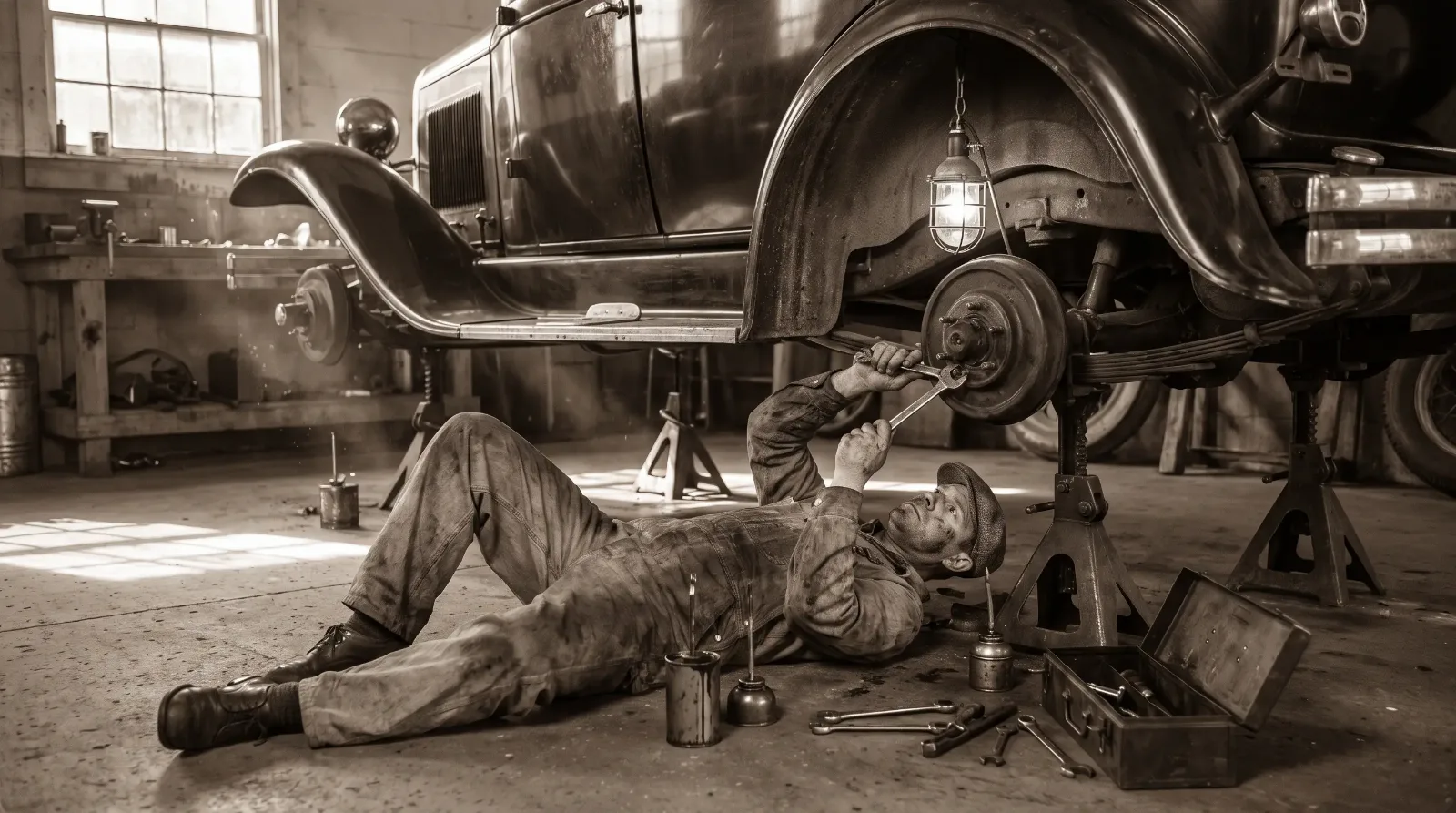
Whichever direction you choose, the mechanical systems underneath the finish need attention regardless of the standard you are restoring to. Braking systems from this era in particular reward careful, patient work, and getting that system right is worth doing before anything else on the car; read on for what that work actually involves. And if you are still forming a sense of why these cars command the standards they do in the first place, the history behind the golden age of the automobile explains a great deal about why originality carries so much weight in this hobby.
Sources and notes
- Hagerty - collector car condition rating guide
- AACA - judging standards for antique and Full Classic cars
- CCCA - judging standards for Full Classics
- Pebble Beach Concours d'Elegance - judging standards
- Hagerty Insider: what a car's condition really looks like
- PreWarCar - restoration standards reference articles