
Before World War II reshaped American factories, the automobile went from a fragile novelty to the defining machine of the century. The cars built between 1900 and 1942 carry a name collectors still use as shorthand for that whole arc: pre-war. Inside those four decades sit hand-built brass runabouts, the Model T that motorized a nation, and the long-hooded classics that many enthusiasts consider the high point of American design.
Car Features
13 min read
Pre-War Classic Cars: The Golden Age of the American Automobile (1900-1942)
From hand-built brass runabouts to coachbuilt 1930s classics, here is the full story of America's pre-war automobiles and how to collect them today.
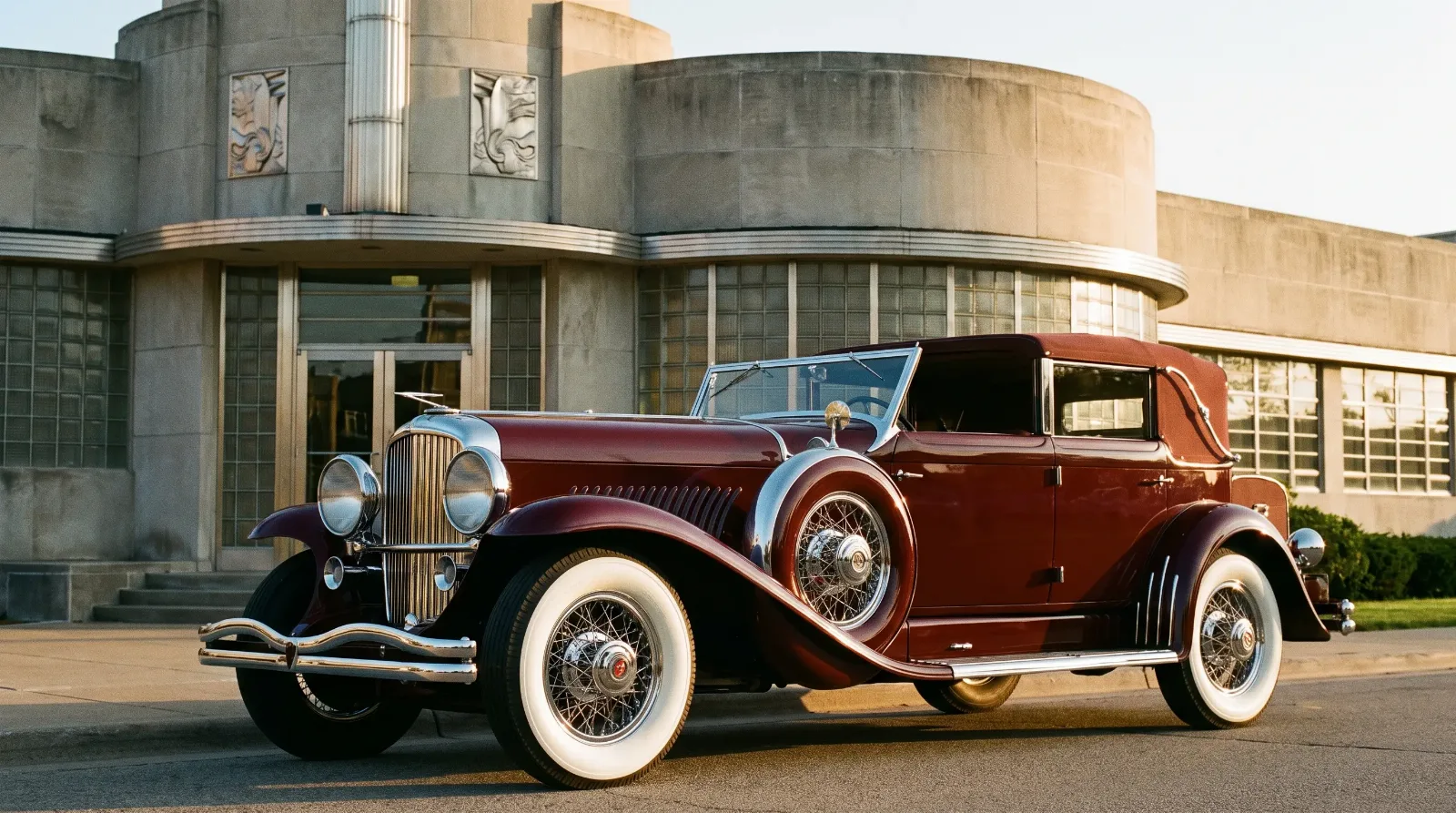
This guide walks through the era as a continuous story, from the first sputtering horseless carriages to the last chrome-heavy sedans that rolled off the line before civilian production stopped in early 1942. If you are trying to understand where antique cars come from, why coachbuilders mattered, and what to look for when you buy one, start here.
What "pre-war" actually means
The term is more precise than it sounds. Among American collectors, pre-war usually means built before U.S. civilian automobile production halted in February 1942, when factories converted to military work. That end date is firm. The starting point is looser. Some people push it back to the mid-1890s and the earliest experimental machines, while others begin the clock around 1900, when small companies started selling cars in real numbers.
Antique cars overlap with pre-war cars but are not identical. Many clubs define an antique as any vehicle at least 25 or 45 years old, depending on the organization, so the label keeps moving forward in time. Pre-war is fixed to a historical moment. Every pre-war car is now an antique, but not every antique is pre-war. When a seller advertises a pre-war classic, they are pointing at a specific window: roughly 1900 to 1942, with the richest design years falling in the late 1920s and 1930s.
There is also a narrower use of the word classic. The Classic Car Club of America maintains a curated list of what it calls Full Classics, mostly luxury and near-luxury cars built between 1915 and 1948. A pre-war Duesenberg qualifies. A pre-war Ford Model A, much loved as it is, generally does not. Knowing which definition someone is using saves confusion at an auction or a club meet.
The brass era: hand-built beginnings
The earliest chapter of the pre-war story runs from roughly 1896 to about 1915 and is known as the brass era, named for the polished brass trim, lamps, and radiators these cars wore. Steam, electricity, and gasoline all competed to power the automobile, and for a while none had clearly won. Electric cars were clean and quiet and popular in cities. Steamers were smooth and fast. Gasoline eventually won on range and refueling speed, but the outcome was not obvious in 1905.
These were small-production machines, often assembled by hand in the hundreds rather than the thousands. Bodies were built by carriage makers who had spent generations working in wood. Starting the engine usually meant a hand crank, a chore that could break a wrist if the engine kicked back. Headlights burned acetylene gas. The driving experience asked a great deal of the owner, from managing spark and throttle levers to patching tires on the roadside.
What the brass era established was the shape of the industry to come. Hundreds of companies formed, most of them short-lived, and the survivors learned how to build cars people could actually rely on. If you want the fuller account of this founding period, our companion piece traces it in depth.
The cars themselves ranged widely. At one end sat simple, affordable runabouts like the curved-dash Oldsmobile, one of the first cars built in real volume. At the other end were large, expensive touring cars with powerful engines, bought by the wealthy for the still-novel pleasure of long-distance motoring. Between them was a scramble of makers trying ideas that would either become standard or vanish. Wheel sizes, engine placements, and control layouts had not yet settled into the pattern we know, and a driver moving from one brand to another had to relearn the basics.
Roads were the other half of the problem. Outside cities, most were unpaved and turned to mud in the rain. A brass-era journey of any distance was planned around weather, fuel, and the real chance of a breakdown far from help. The cars that earned lasting reputations in this period were the ones that could take a beating and keep running, which is why durability, not speed, was the quality buyers prized most.
The Model T and the arrival of mass motoring
The single most important pre-war car is not glamorous. The Ford Model T, introduced in 1908, turned the automobile from a rich person's toy into ordinary transportation. Ford's moving assembly line, refined over the following years, drove the price down steadily until a new Model T cost a few hundred dollars, within reach of the working family it was built for.
Over its long run the Model T sold in the millions, a figure no earlier car had approached. Its effect went past the car itself. Cheap, dependable transportation reshaped where people lived, how goods moved, and what a rural family could reach in a day. The pre-war era's second half, the boom of the 1920s, was built on the foundation the Model T laid. That decade of mass ownership, jazz, and rising incomes has its own story worth reading in full.
By the mid-1920s Ford faced real competition. General Motors, under Alfred Sloan, offered a ladder of brands and yearly styling changes, an idea that would dominate the industry for the rest of the century. The Model T, unchanged in its essentials and famously available in any color so long as it was black, finally gave way to the more modern Model A in 1927.
The 1930s: the golden age of styling
If one stretch defines the pre-war classic, it is the 1930s. The paradox is that this design high point happened during the Great Depression, when car sales collapsed and many proud names failed. The companies that survived competed on beauty and engineering because they had to, and the results still set the standard for pre-war elegance.
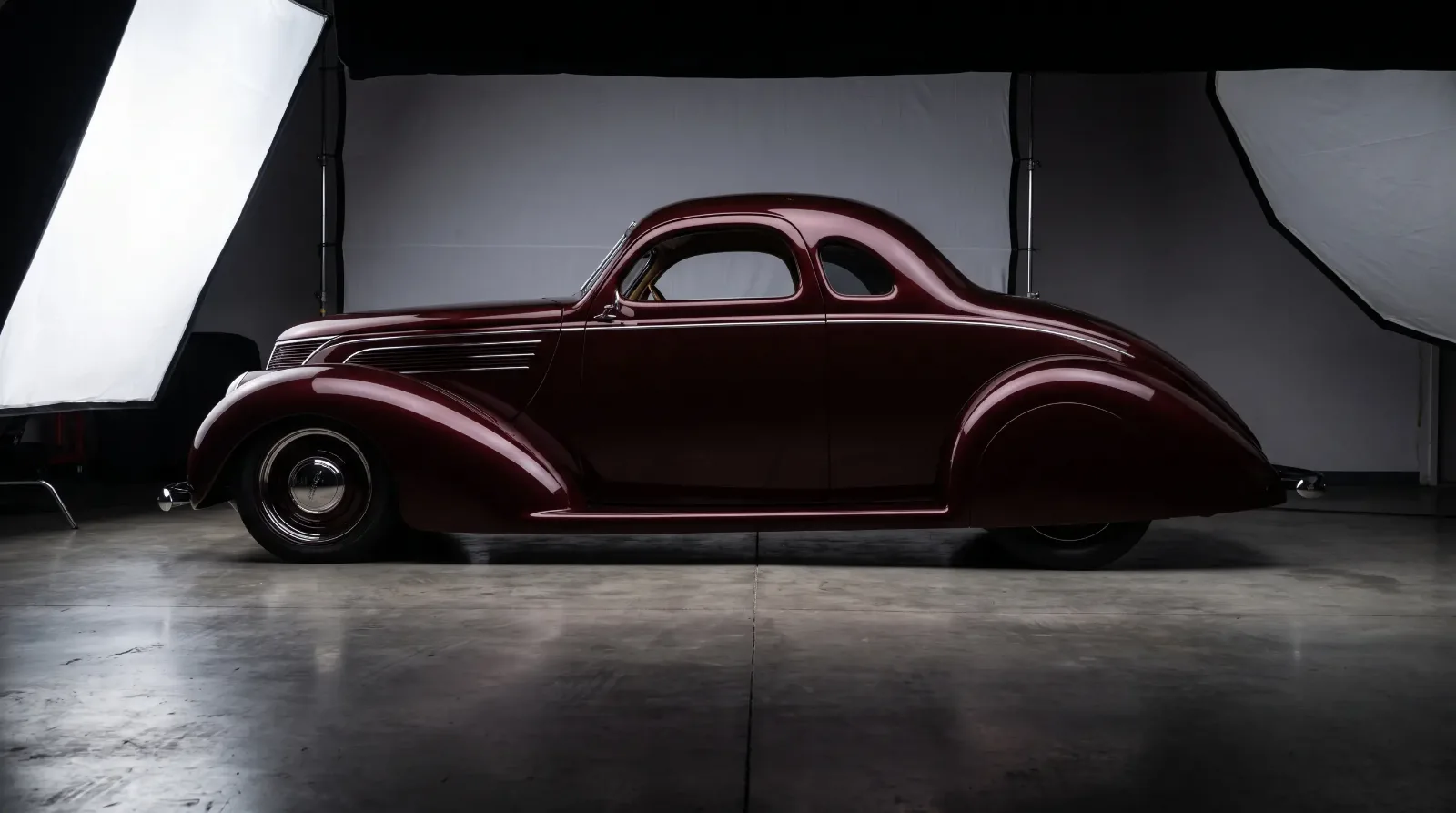
Fenders grew sculpted and flowing. Radiators leaned back. Headlights began migrating from freestanding buckets into the fenders themselves. Streamlining, borrowed from aviation and industrial design, gave cars a sense of motion even at rest. Underneath, real advances arrived: independent front suspension for a better ride, hydraulic brakes for safer stops, and, at the top of the market, multi-cylinder engines with twelve or sixteen cylinders.
The low-priced field changed too. Ford's flathead V8, introduced in 1932, put eight cylinders in a car ordinary buyers could afford, something no rival matched at that price for years. At the luxury end, marques like Duesenberg, Packard, Pierce-Arrow, and Cadillac built cars of a scale and finish that has never quite returned.
The human cost behind that beauty was real. The Depression gutted the luxury market, and one proud name after another failed or was swallowed. Duesenberg did not survive the decade as an independent maker. Pierce-Arrow, once among the most respected names in the country, was gone by the late 1930s. The cars that remain from those final years are, in a sense, the last work of companies that knew they were running out of time, which gives the best 1930s classics a poignancy the numbers alone do not capture.
Coachbuilders and the custom body
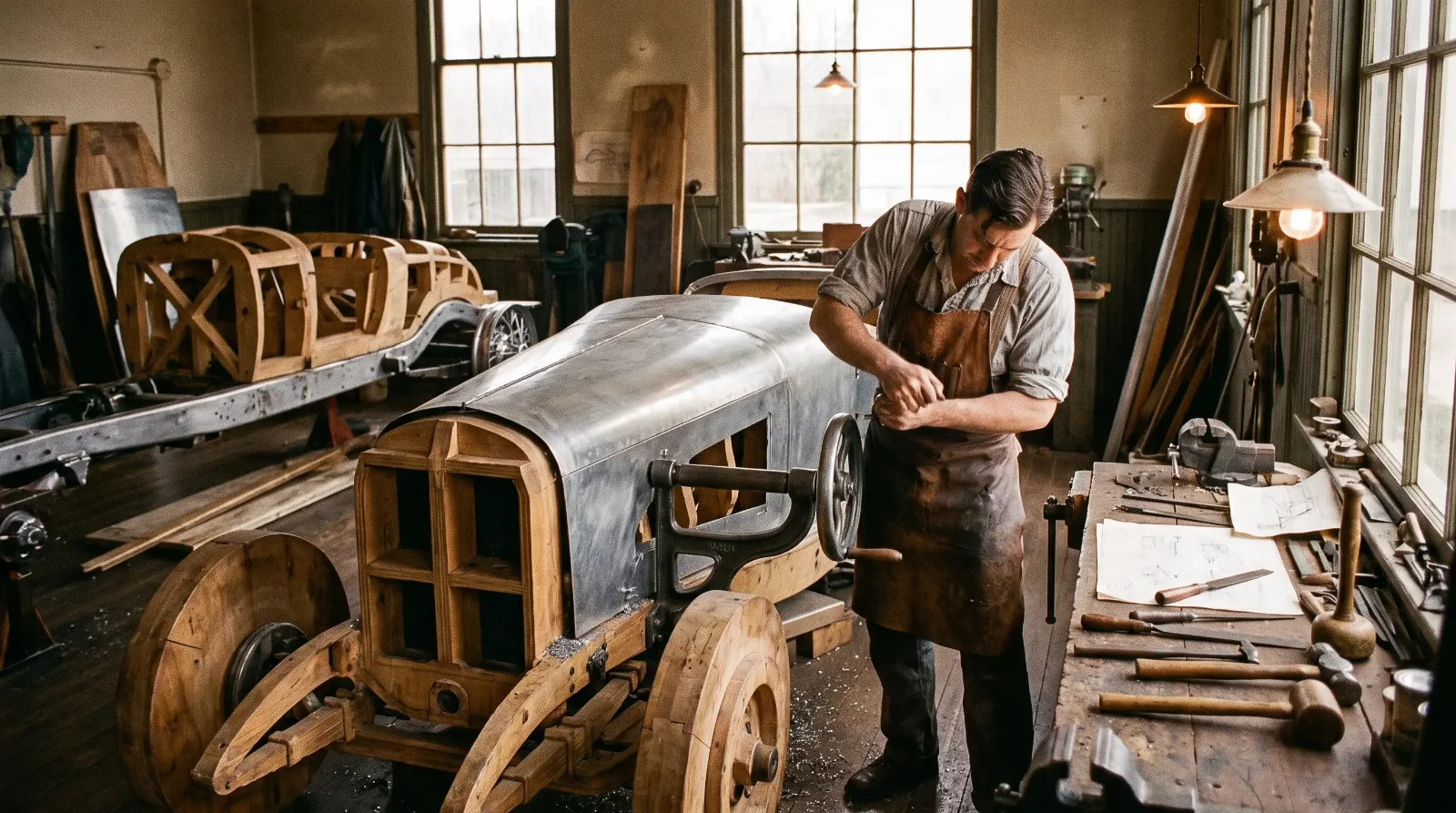
To understand the finest pre-war cars, you have to understand how they were built. A luxury automaker of the 1920s and 1930s often sold you a chassis, a rolling platform with engine, frame, and running gear, and left the body to a separate coachbuilder. Firms such as LeBaron, Murphy, Brunn, and Dietrich designed and hand-formed bodies to order, which is why two cars on the same chassis could look entirely different.
This is the origin of the body-style names that fill pre-war catalogs. A phaeton was an open touring body. A dual-cowl phaeton added a second windshield to shelter rear passengers, the ultimate statement of the era. A roadster was a sportier two-seater, a sedan an enclosed family car, a town car built so the chauffeur sat in the open while owners rode enclosed. These were not trim levels. They were distinct hand-built bodies, and the coachbuilder's reputation could matter as much as the make.
The craft faded as steel bodies stamped by the thousand replaced hand-formed panels. By the late 1930s the independent coachbuilder was in decline, and the war finished the transition. That lost skill is a large part of why surviving custom-bodied pre-war cars command the prices they do.
The Depression sped the decline. The customers who commissioned bespoke bodies were exactly the ones hit when fortunes evaporated after 1929, and the coachbuilders that depended on them had little cushion. Some closed. Others were absorbed by the automakers, who kept a few famous names alive as in-house design studios. The freestanding shop that would build you anything you could draw became, within a few years, a memory. When you stand in front of a genuine coachbuilt car today, you are looking at the product of a business model that no longer exists.
"A pre-war chassis with coachbuilt body is really two histories in one object, the engineering of the maker and the craft of the body firm. When you can name both, and prove the body is the one that left the works on that chassis, you are looking at something close to irreplaceable."
Sarah Whitfield
Engineering milestones of the pre-war years
The pre-war decades compressed an enormous amount of technical progress into a short span. A driver in 1902 fought a hand crank, a hand throttle, and rudimentary brakes on one axle. A driver in 1940 turned a key, pressed a hydraulic brake pedal, and rode on independent front suspension with a heater and, increasingly, a radio.
The electric starter, offered from the early 1910s, may have done as much as anything to widen the market by making cars easy for anyone to start. Balloon tires in the 1920s softened the ride. Four-wheel brakes, once a luxury feature, became normal during that decade and cut stopping distances sharply. Safety glass replaced ordinary glass that shattered into daggers. Each of these arrived as an option on expensive cars and worked its way down.
| Sub-era | Approx. years | Defining traits | Representative cars |
|---|---|---|---|
| Brass era | 1896-1915 | Hand-built, brass trim, hand-crank, acetylene lamps | Curved-dash Oldsmobile, early Ford models |
| Model T era | 1908-1927 | Assembly line, mass ownership, low prices | Ford Model T |
| Roaring Twenties | 1920-1929 | Closed bodies, four-wheel brakes, balloon tires, brand hierarchies | Ford Model A, mid-decade Cadillac and Packard |
| Classic thirties | 1930-1939 | Streamlining, V12 and V16 engines, coachbuilt luxury | Duesenberg Model J, Packard, Cadillac V16 |
| Late pre-war | 1940-1942 | Integrated fenders, more standard equipment, sealed styling | Final pre-war Ford, Chevrolet, and Buick lines |
Collecting pre-war antique cars today
Pre-war cars occupy a distinct corner of the collector market. They are older, rarer, and often more demanding to own than the post-war classics that get more attention. That said, the entry point is wider than people expect. A sound Ford Model A can be an affordable, usable first antique, while a coachbuilt Full Classic sits at the far end of the spectrum.
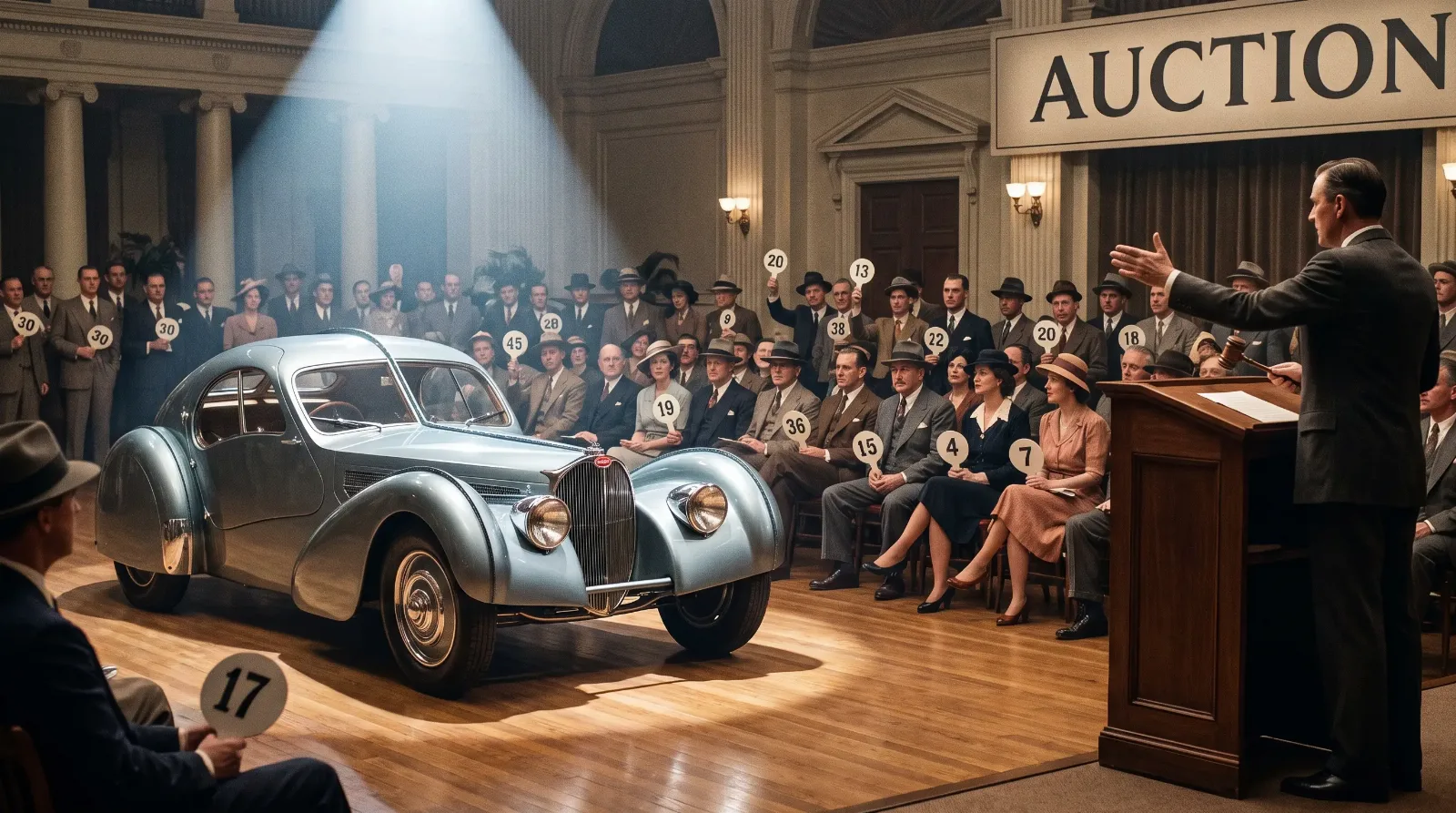
Two words matter more than any other when you evaluate one of these cars: originality and documentation. Because so many pre-war cars have been apart at some point in a long life, knowing what is original, what is correctly restored, and what is simply wrong is central to value. A car with its original engine, its correct body, and a paper trail is worth substantially more than a similar car without those things, even if they look alike in photographs. When you are ready to see what is available, you can browse pre-war classics for sale and compare how sellers describe originality and history.
🔧 Inspection Priorities
- Engine and body numbers. Confirm the engine and body match the chassis and the documented history. A replaced engine or a swapped body changes value more on a pre-war car than on almost anything newer, and correcting it later is costly or impossible.
- Wood structure. Many pre-war bodies are built on a wood frame under the metal skin. Rotten or repaired framing hides behind good paint and is expensive to put right, so probe for softness and ask what has been replaced.
- Brakes and steering. Mechanical brakes and older steering setups can be safe when properly adjusted, but worn or bodged systems are common. Budget for a full brake and steering inspection before you drive far.
- Parts availability. For a Model T or Model A, parts are plentiful. For a rare coachbuilt car, a single missing casting can stall a project for years. Ask what is available before you commit.
Why the pre-war era still matters
The cars built before 1942 are where nearly every idea we take for granted was worked out, from the assembly line to the enclosed steel body to the modern brake. They are also, at their best, among the most beautiful objects the industry ever produced, made in an age when a wealthy buyer could commission a body the way one commissions a suit.
"People come to pre-war cars expecting difficulty and leave talking about character. These machines were built to be understood by their owners. Once you learn to read one, the whole first half of automotive history opens up in your driveway."
Sarah Whitfield
Whether you are drawn to a brass-era runabout, a workaday Model A, or a coachbuilt classic from the golden years of the 1930s, the pre-war field rewards patience and study more than deep pockets alone. Start with the history, learn the vocabulary, prize originality, and the rest follows.
These cars also connect you to the people who built and drove them in a way newer collectibles rarely do. A pre-war car was made in an age of clear maker's marks, hand finishing, and owners who understood their machines. Caring for one is a way of keeping that first chapter of the automobile alive, and of passing it, running and honest, to whoever comes next.
Sources and notes
Related Reading
Article
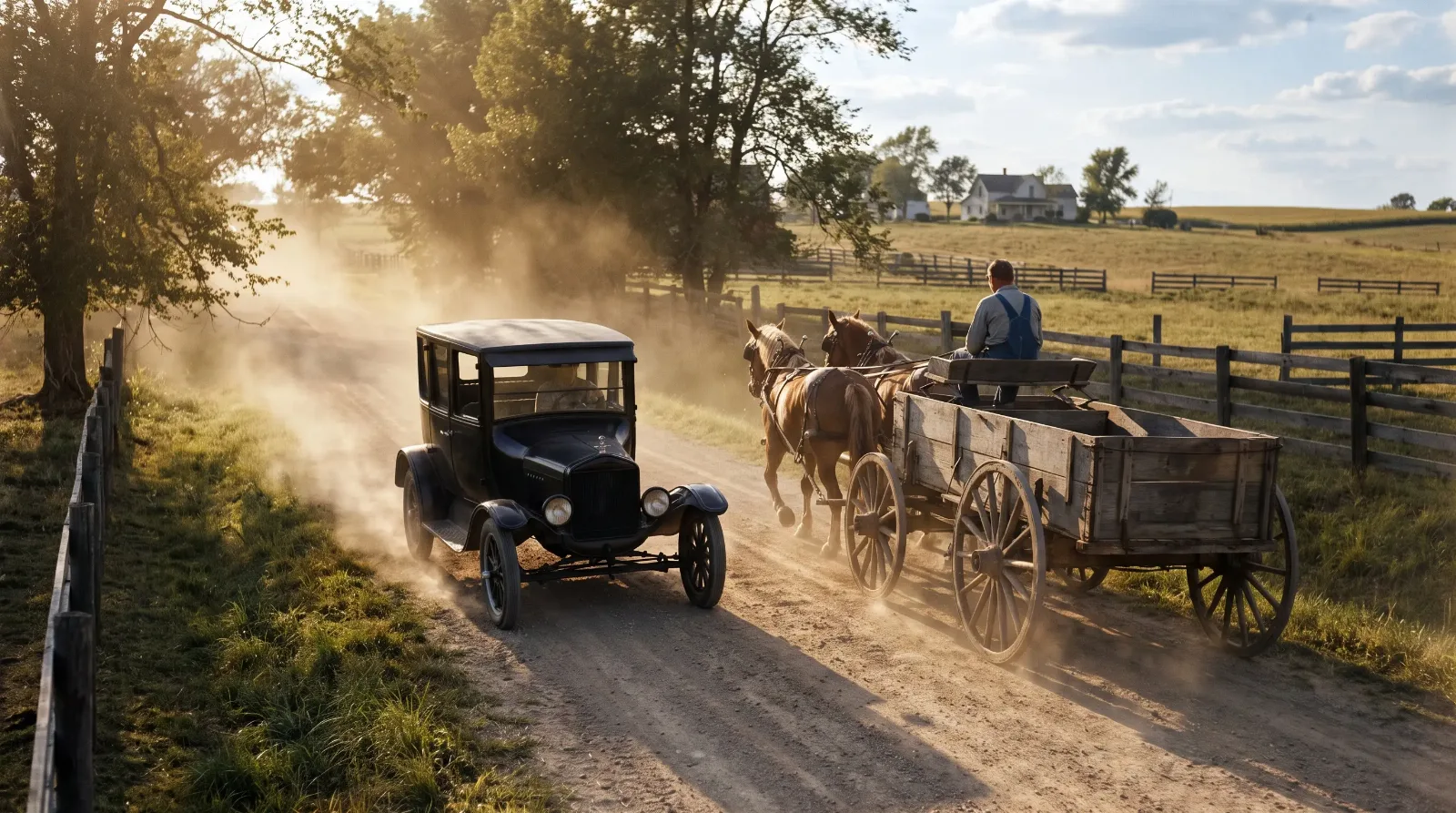
Cars of the Roaring Twenties: America's 1920s Automobile Boom
Article
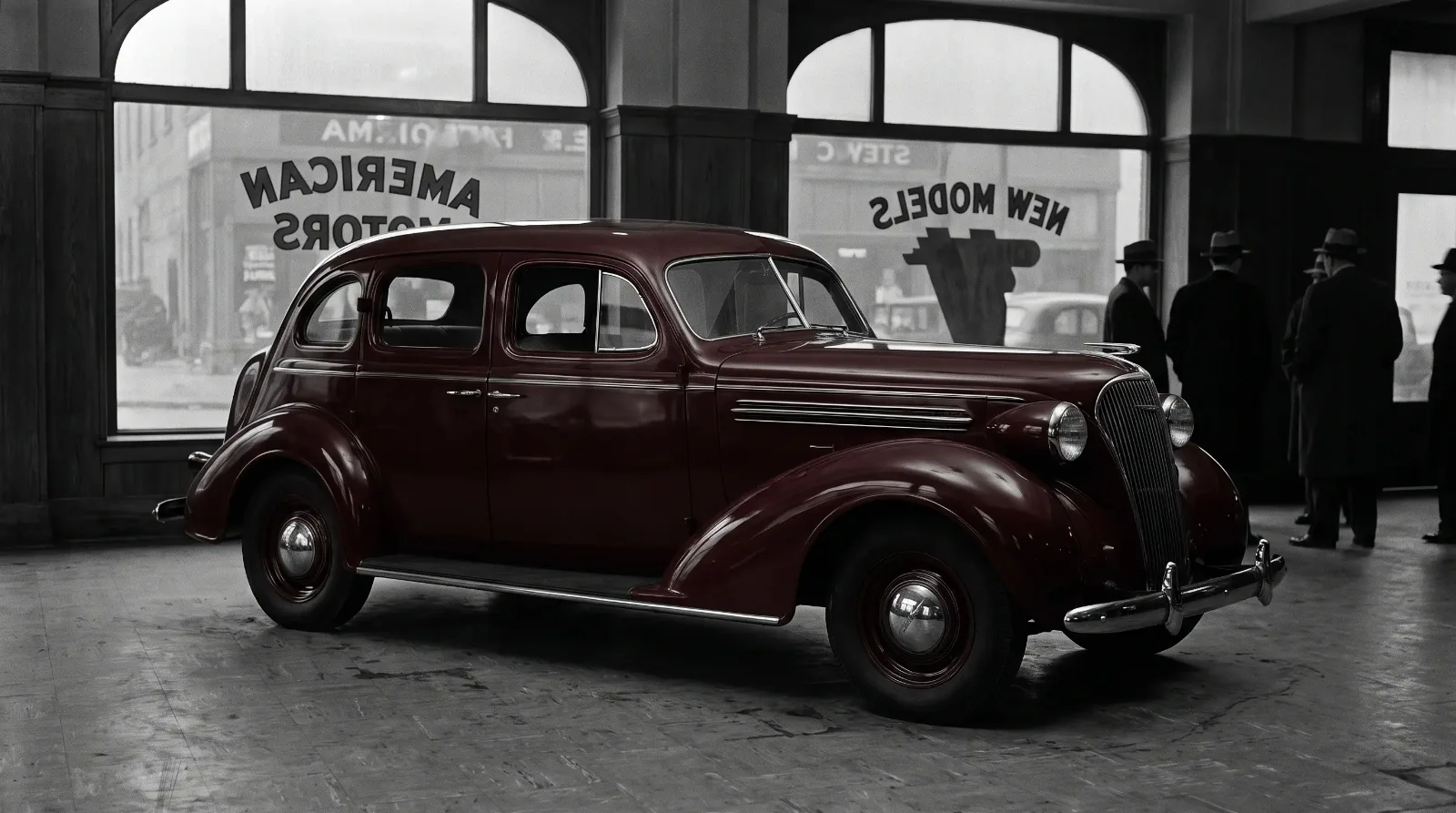
1930s Cars: Streamline Style Through the Depression Era
Article
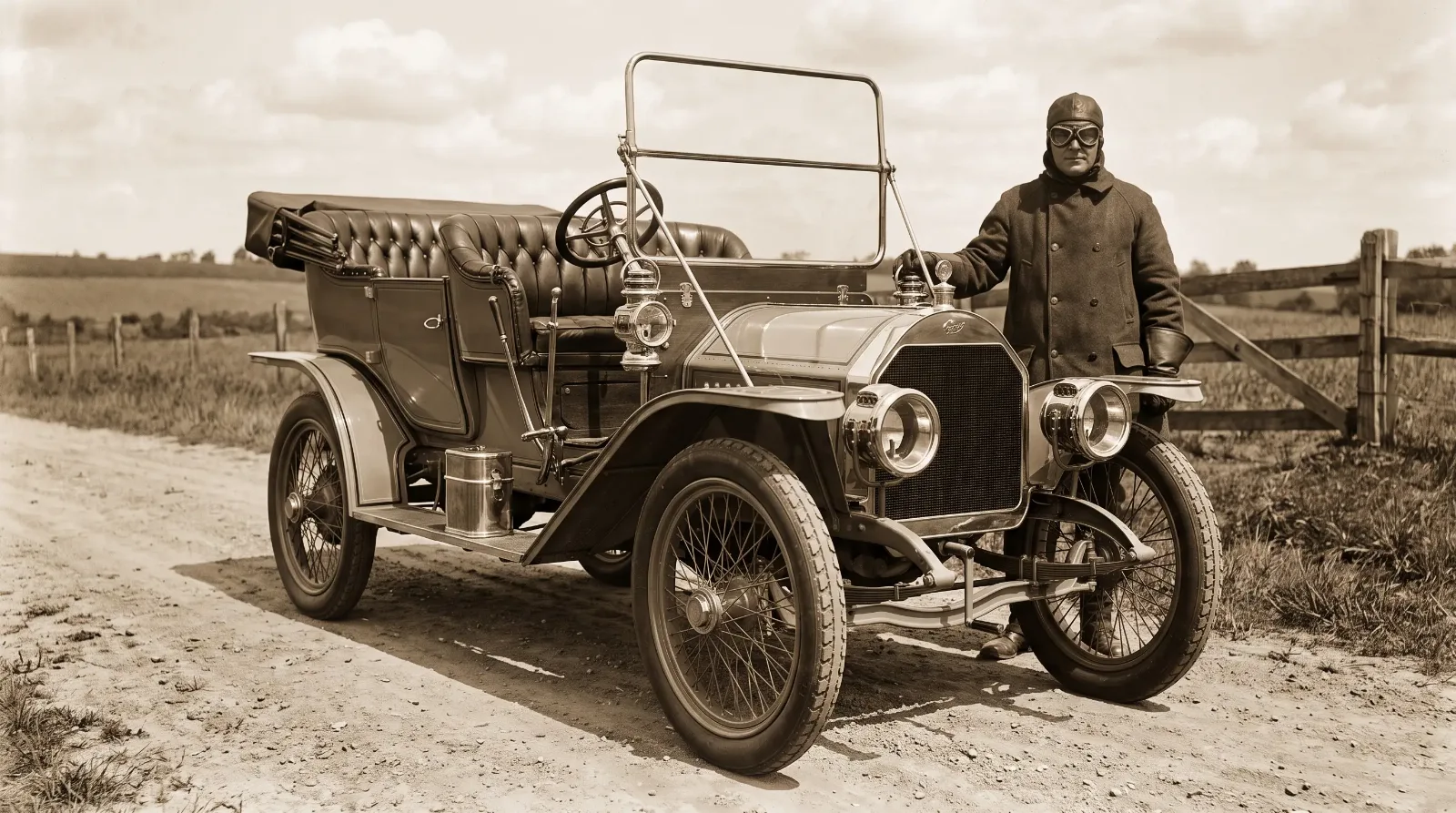
Brass Era Cars: The Dawn of the Automobile (1896-1915)
Article
Art Deco Automobiles: When Cars Became Rolling Sculpture
Article
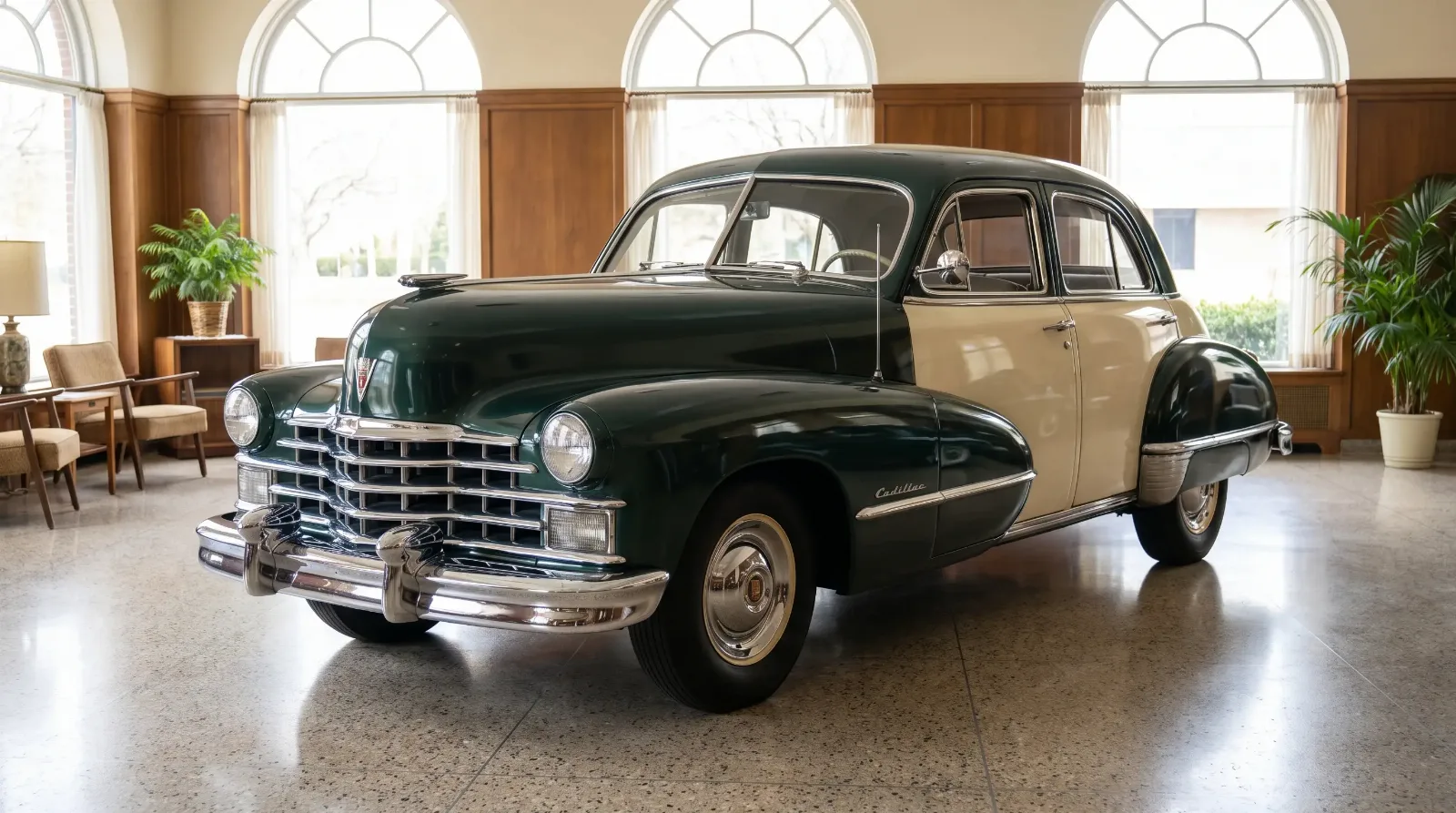
Cars of the 1940s: The Pre-War Tail and the Wartime Pause
Article
Coachbuilt Classics: The Lost Art of the Custom Body
Article
Antique Car Valuation & Restoration: Authenticating and Preserving History
Have a
Classic Car
for Sale?
Reach thousands of serious classic car collectors across the US.
Sell It Here →
Are You a Classic Car Dealer?
List your full inventory and connect with targeted classic car buyers.
Join as a Dealer →

About the author
Sarah Whitfield
Third-generation classic car collector specializing in pre-war American and European coachbuilt automobiles. Researcher and concours enthusiast.
Comments
Be the first to comment on this article.