
Two questions decide whether an antique car is a good buy: what is it worth now, and what will it cost to make it what it should be. Most people answer the first and ignore the second, then wonder why the math never works. Valuation and restoration are the same conversation. You cannot price a pre-war car without pricing the work it needs, and you cannot plan the work without knowing what the finished car will support in the market.
Car Features
9 min read
Antique Car Valuation & Restoration: Authenticating and Preserving History
What a pre-war car is worth, and what it costs to make it right, are the same conversation. A data-first guide to grading, authentication, and restoration math.
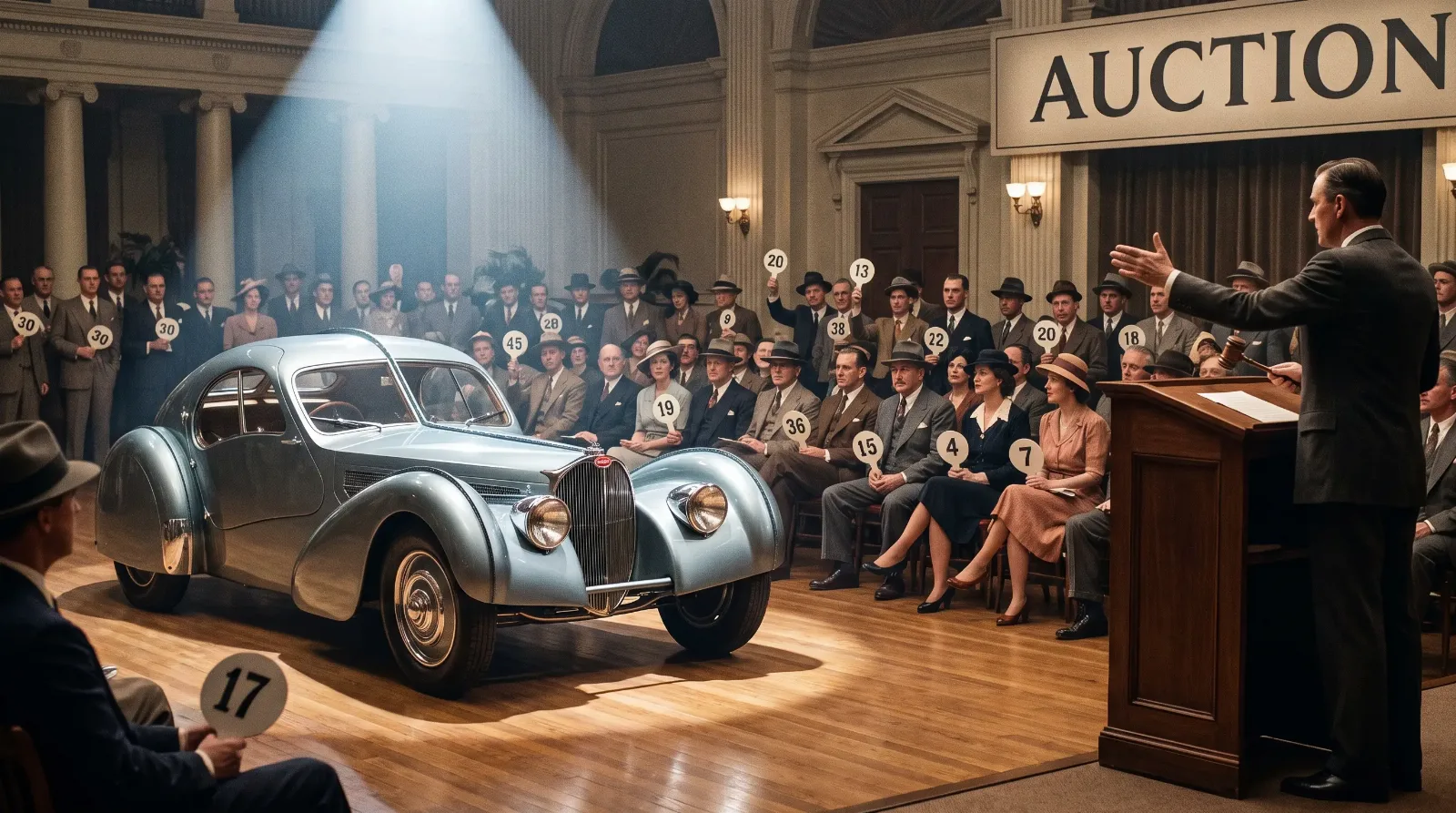
I track auction results and private sales for a living, so I will give you numbers and a real opinion about where they are heading. This is the hub for the collecting side of the era. If you want the history behind these cars first, read the full pre-war story, then come back for the money.
What drives antique car value
Pre-war values rest on a short list of factors, and originality sits at the top. A car with its original body, engine, and documented history is worth more than a better-looking car with a swapped drivetrain and a thin paper trail. The market has been rewarding originality more heavily over the past decade, and I do not expect that to reverse.
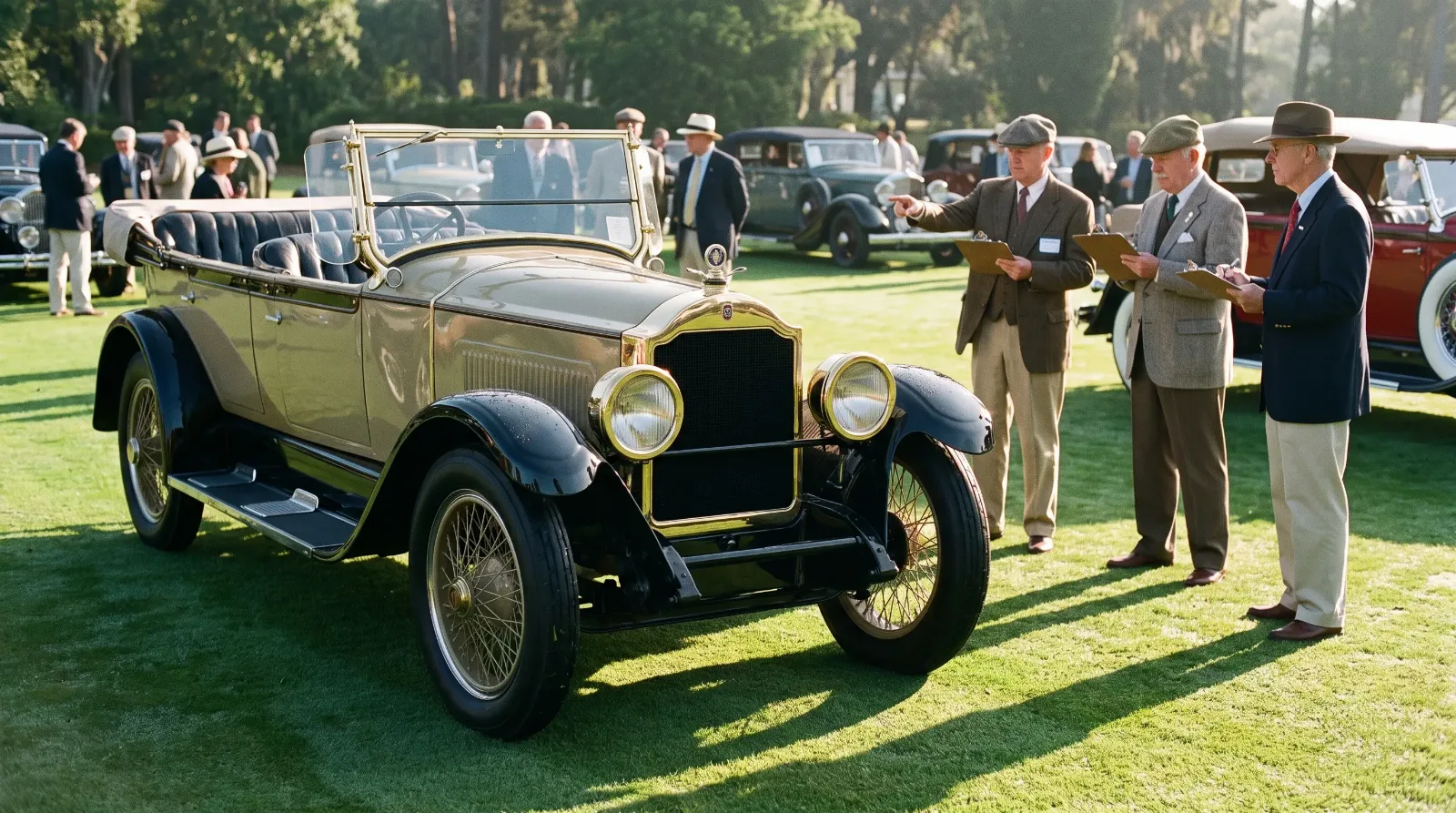
After originality comes condition, rarity, and marque desirability. Condition is usually graded on a numbered scale, from a #1 concours car down to a #4 project. Rarity matters, but only when buyers actually want the car, since a rare model nobody collects is just hard to sell. Desirability is the marque and model reputation, and it is the least predictable of the four because it moves with taste.
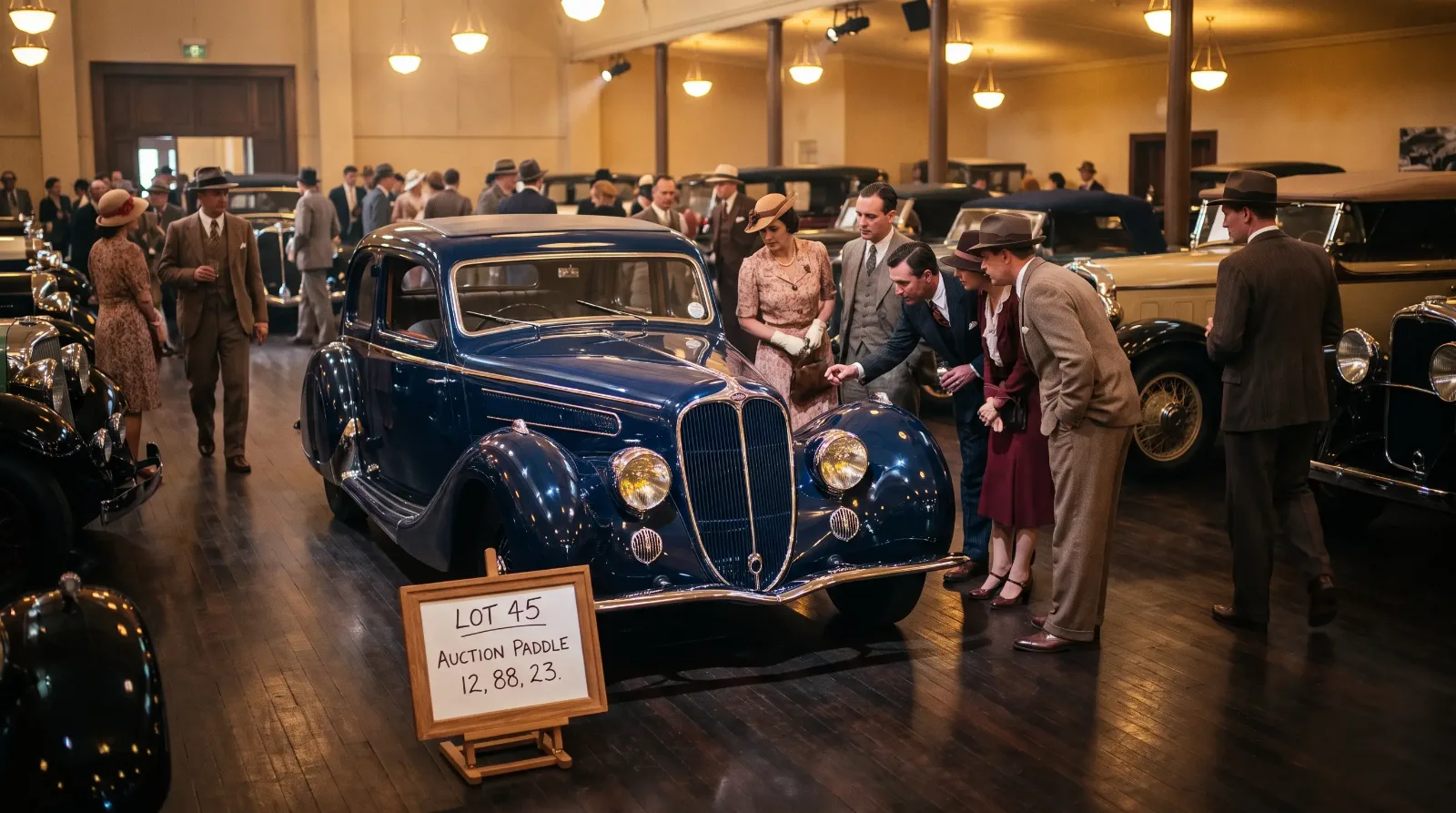
There is a fifth factor that price guides rarely capture, and it is the one I weigh hardest: liquidity. A car can be worth a large number on paper and still take two years to sell at that number, because the pool of buyers for that exact model is tiny. Liquidity is why a well-known marque in the middle of its value range often makes a better purchase than an obscure one at a headline price. When you need to sell, the common desirable car finds a buyer in weeks. The obscure trophy can sit. Factor that into any figure a seller quotes you. Liquidity also shapes which selling route suits an older classic, from the auction block to a quiet private sale.
How to read the market
The mistake I see most is anchoring on a single headline sale. One car crossing the block at a record number tells you what one buyer paid for one car on one night. It does not set the market. What sets the market is the spread of results across many sales, including the cars that did not sell.
Look at the range, not the peak. For a common pre-war model in driver condition, you might see a spread from the low five figures to the low six figures depending on grade and originality. The no-sale rate matters too. When good cars are failing to meet reserve, the market is softening regardless of what the one record car did. The broader era context is worth reading as well, and the 1920s in particular set the collecting template, which is why the 1920s remain a strong entry point and more from the pre-war world lives in more from the pre-war world.
| Condition grade | What it means | Market position |
|---|---|---|
| #1 Concours | Better than new, show-ready, fully documented | Top of the range, thin buyer pool |
| #2 Excellent | High-quality restoration or exceptional original | Strong, most active demand |
| #3 Good | Presentable driver, some flaws | Mid-market, widest supply |
| #4 Fair | Project or rough driver | Entry price, high work cost ahead |
Authenticating a pre-war car
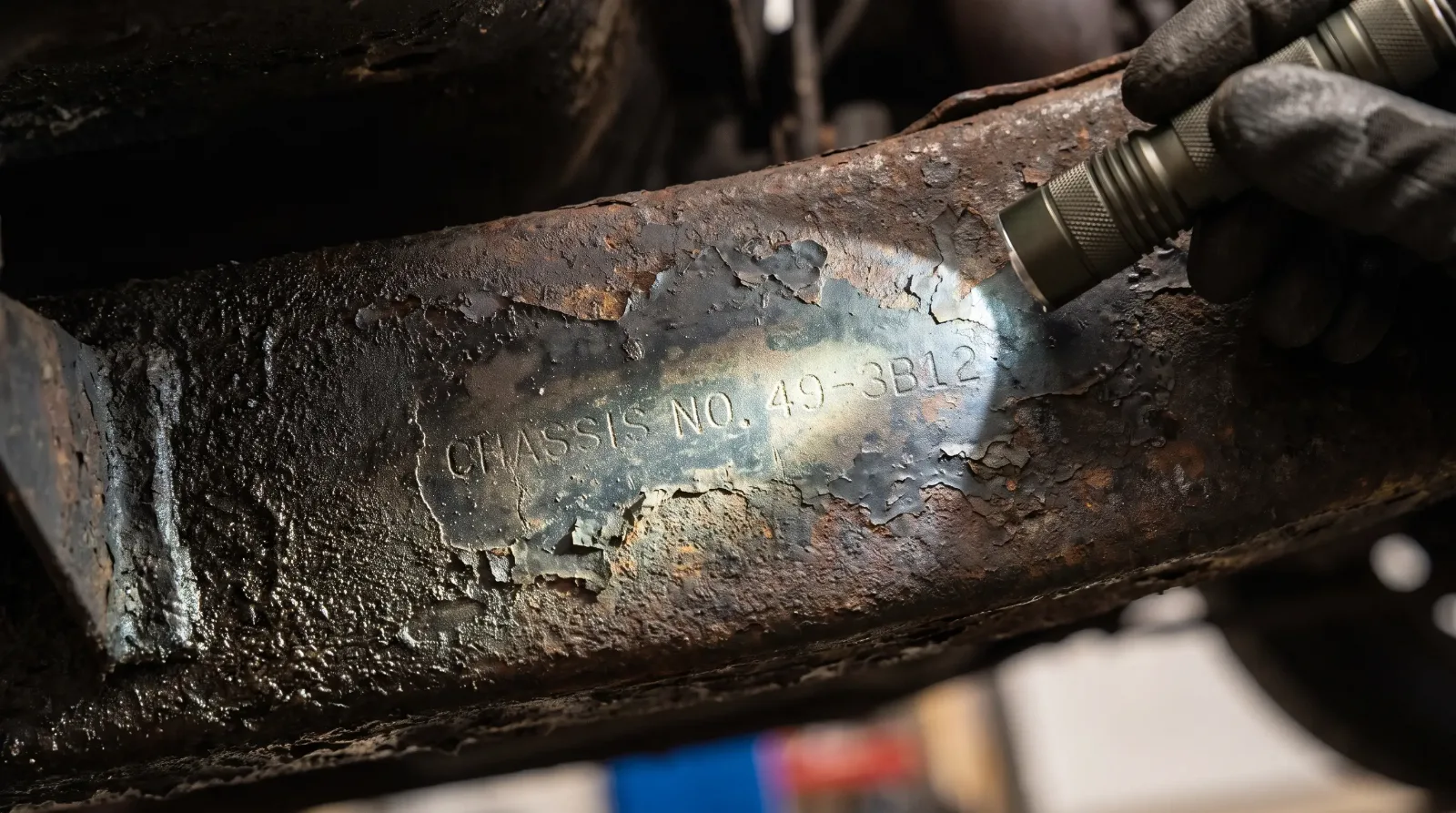
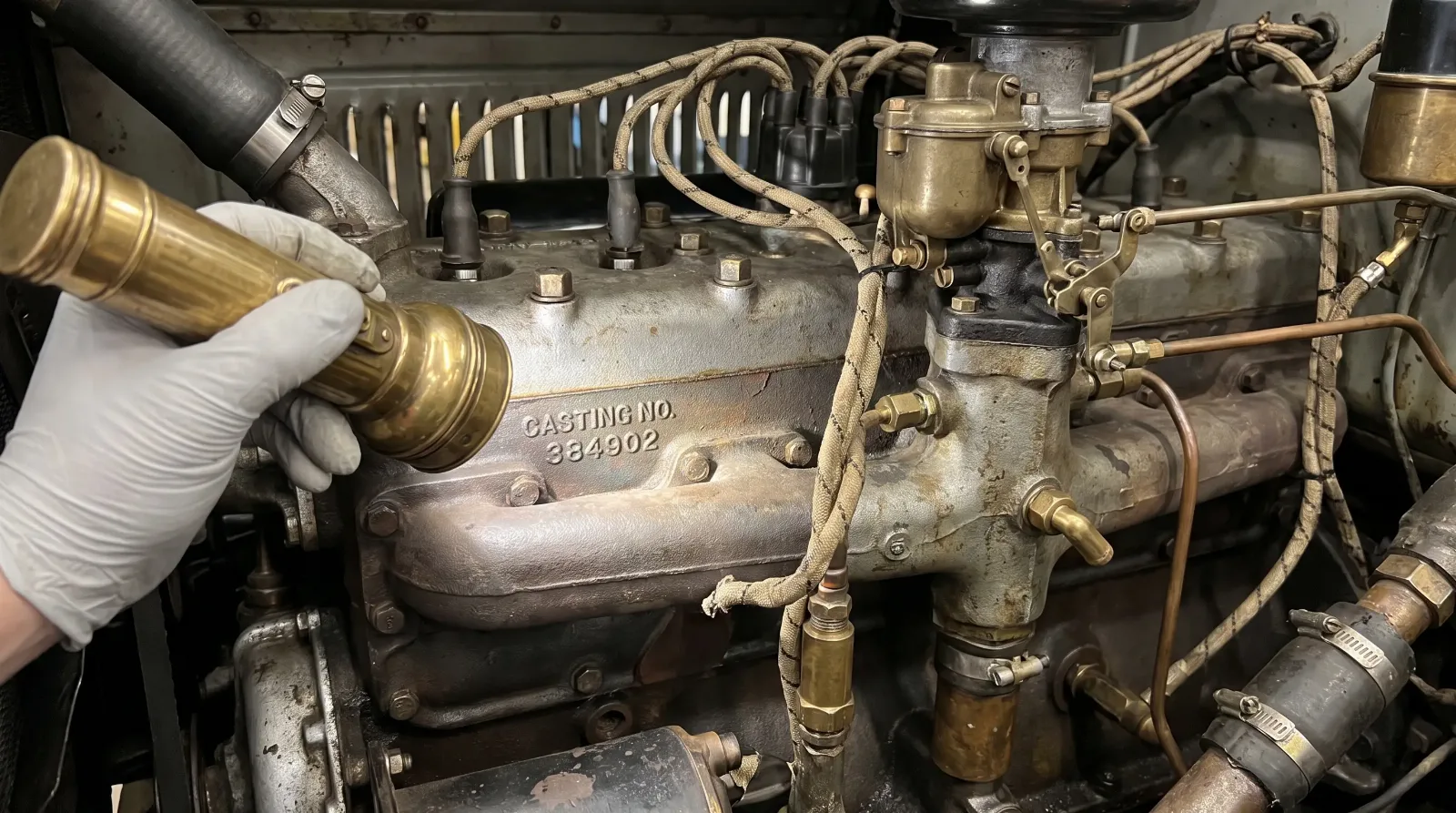
Before you value a car, you have to confirm it is what the seller says it is. Authentication on pre-war cars is harder than on later machinery because records are patchy and the cars have had decades to accumulate replacement parts. Start with the numbers. Chassis, engine, and body numbers should agree with each other and with any surviving factory or club records.
Then work the history. A continuous ownership chain supports value. A gap of thirty years with no trace is a question mark, not automatically a problem, but something you price for. Marque clubs and registries are the best resource here, and serious buyers use them before they use their checkbook. If the numbers and the history do not line up, the car is still sellable, it is just worth less than a documented example.
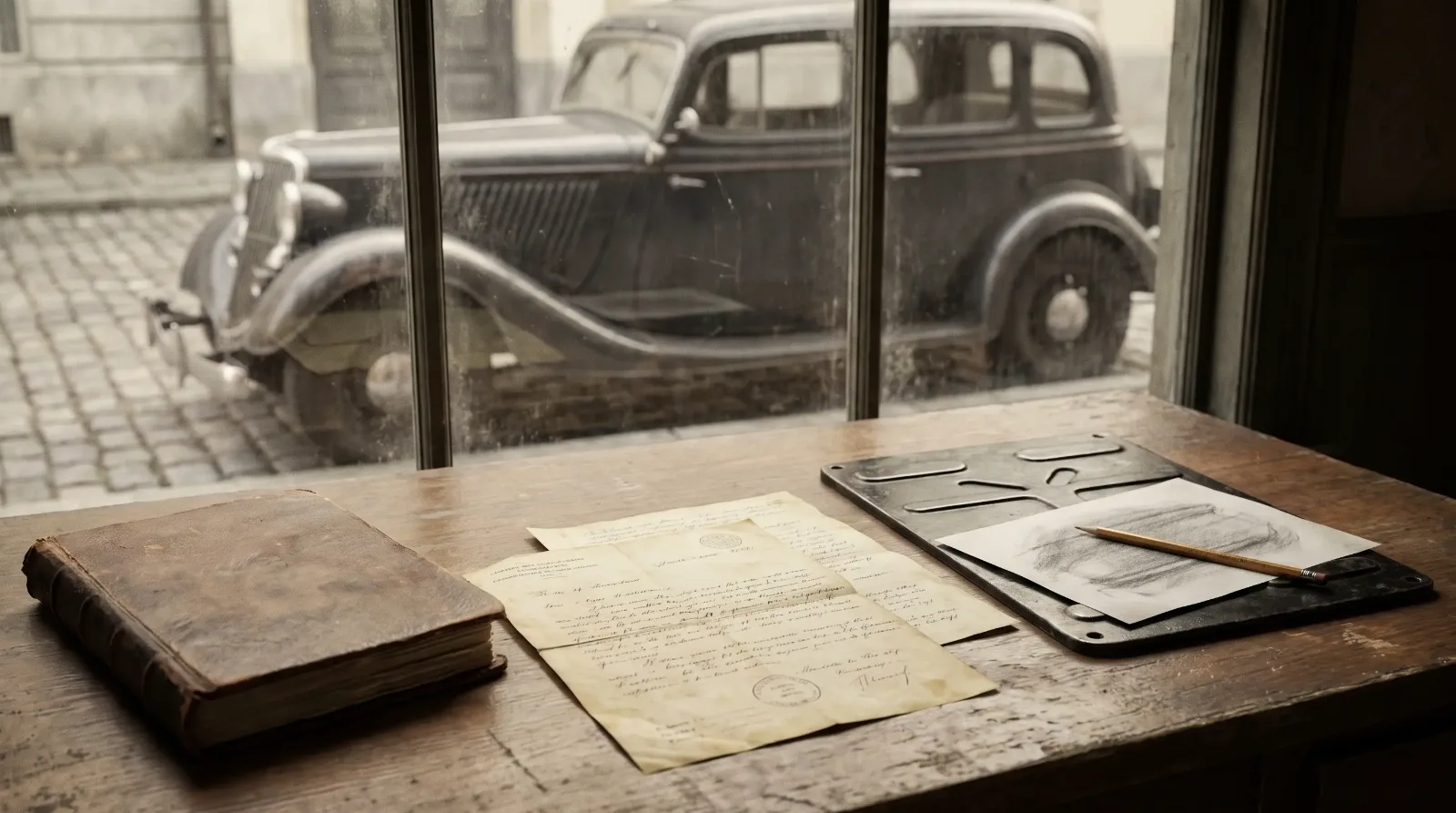
Photographs and period paperwork carry real weight in this process. An old registration, a build sheet, a run of show programs, even a family snapshot of the car in the 1950s, each one closes a gap in the story and adds to the number. I have seen a modest car outsell a nicer example of the same model purely because one came with a thick history file and the other came with a verbal assurance. Treat the file as part of the car, and be suspicious when a seller cannot produce one.
"My honest opinion is that documentation has become the real asset. Two identical cars, one with a full history file and one without, will not sell for the same money, and the gap is widening. Buy the paperwork as seriously as you buy the car."
David Mercer
Restoration and what it really costs
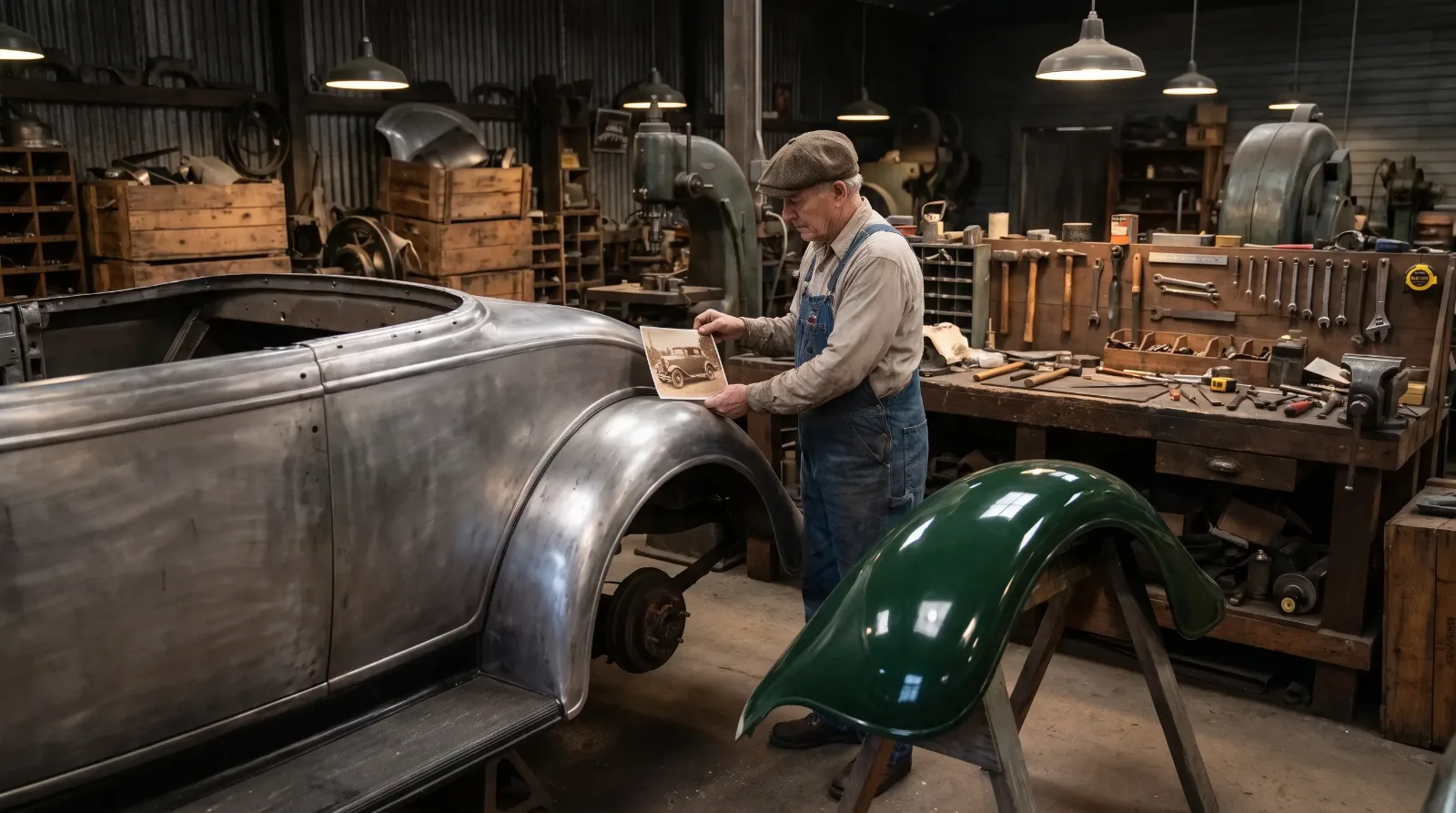
Here is the rule that keeps people out of trouble: a full restoration usually costs more than the finished car is worth, unless the car is rare and desirable enough to carry it. On common models, a ground-up restoration can easily exceed the value of a comparable car already restored. That is why buying a finished #2 car is often cheaper than restoring a #4 to the same standard.
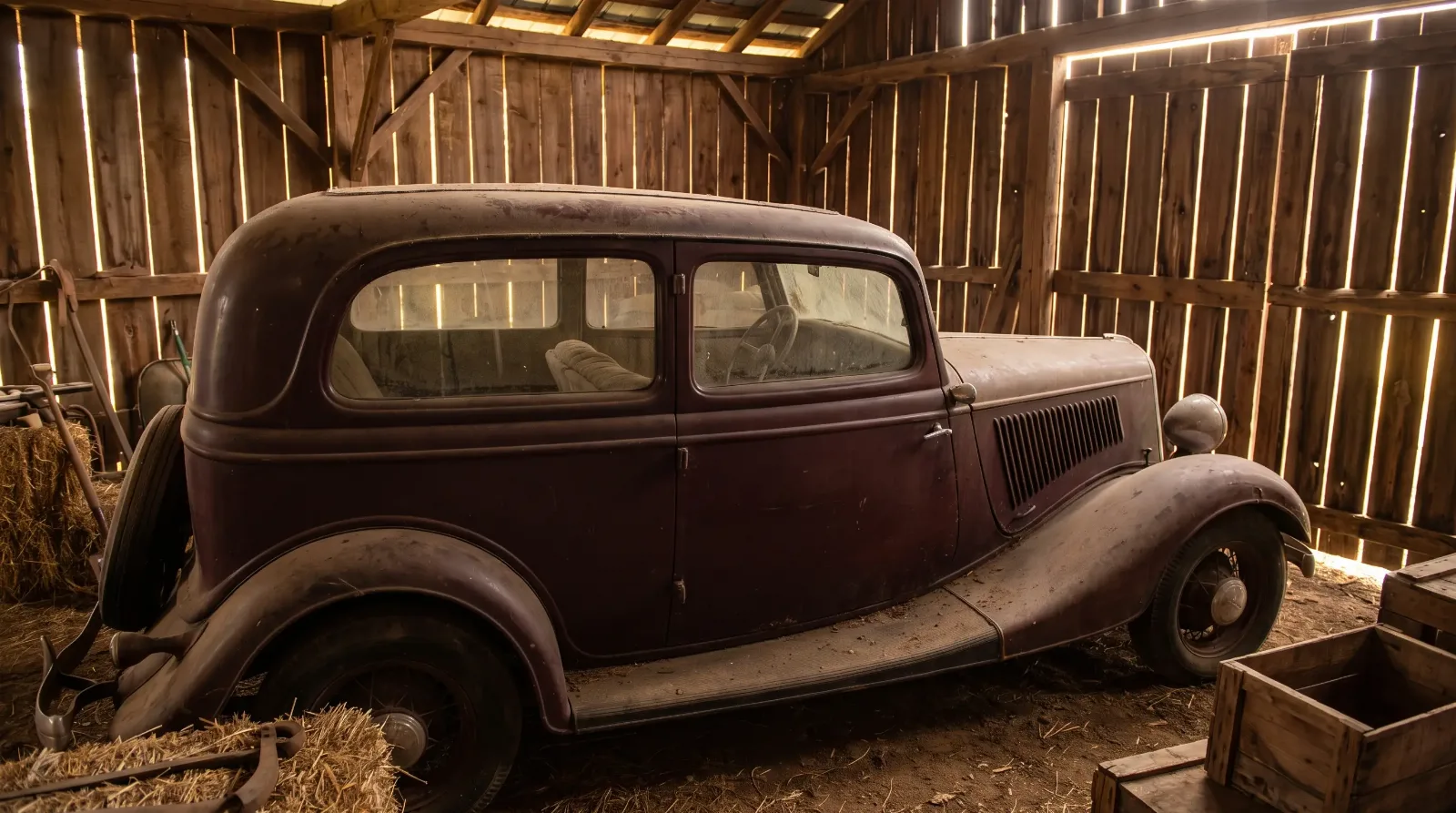
Restoration also affects value in a way owners underestimate: an over-restored car can be worth less than a well-kept original. The market has moved toward preservation, and a genuine original car, called a survivor, often commands a premium over a fresh restoration of the same model. Match the level of work to the car. A rare marque justifies a concours restoration. A common model usually does not.
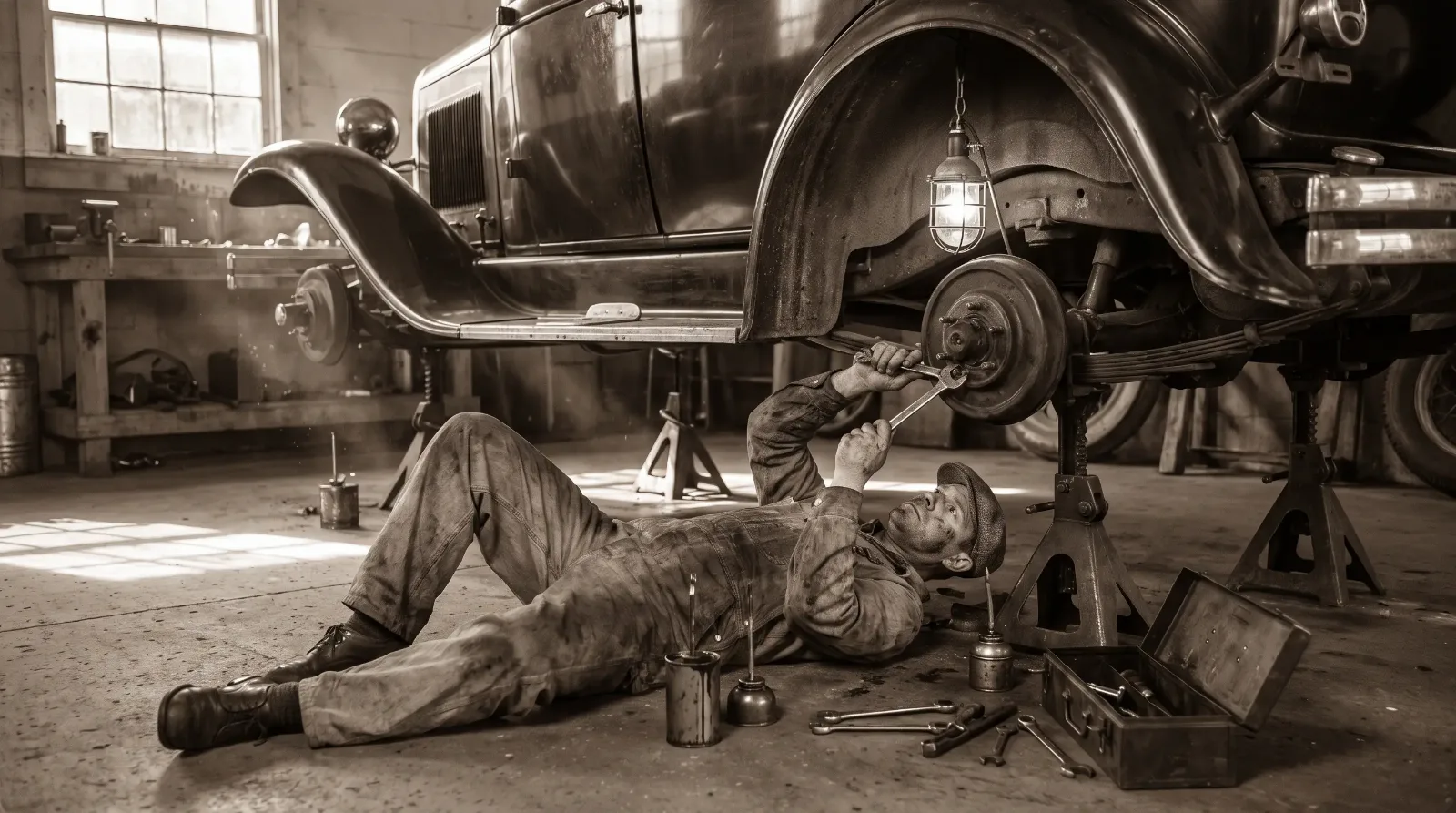
There is also the question of sequence. A pre-war car that has sat for decades needs mechanical recommissioning before it needs cosmetics, and owners routinely get this backwards. Fresh paint over dead brakes and a varnished fuel system is money spent in the wrong order. The unglamorous work, brakes, fuel, wiring, cooling, and a careful engine wake-up, is what makes the car safe to drive and is often cheaper than a single respray. Do that first, drive the car, then decide what cosmetic work it actually earns.
Where the pre-war market is heading
My read on the trend is mixed, and I would rather be honest than bullish. The very top of the pre-war market, the documented, rare, and historically important cars, has held firm and in places strengthened, because that money is chasing quality and there is very little of it. The middle and lower tiers are softer. A generation of buyers who grew up with these cars is aging out, and younger collectors tend to gravitate toward post-war and modern classics. That pressures the common driver-grade pre-war car more than the trophy.
What that means for you depends on why you are buying. If you want a car to enjoy, the soft middle is an opportunity, since good drivers are more affordable now than they were a decade ago. If you are buying to hold, concentrate on the factors that are holding value: originality, documentation, rarity that buyers actually want, and marques with a durable following. Chase quality, not price, and you will be on the right side of where this market is going.
Building a buying strategy
Put it together and the strategy is straightforward. Decide whether you are buying to drive, to show, or to hold, because each points to a different car. A driver wants a sound #3 with honest history. A show car wants a documented #1 or #2 and a tolerance for the top of the range. A hold wants rarity, originality, and provenance, since those are what appreciate.
Whatever the goal, verify before you value and value before you fall in love. The cars are wonderful and the market is real, but it rewards the disciplined buyer and punishes the impulsive one. When you are ready to see what the current market is offering, browse the vintage listings and put these grades and numbers to work on real cars. The discipline is what turns a purchase into a good buy.
Sources and notes
Related Reading
Article
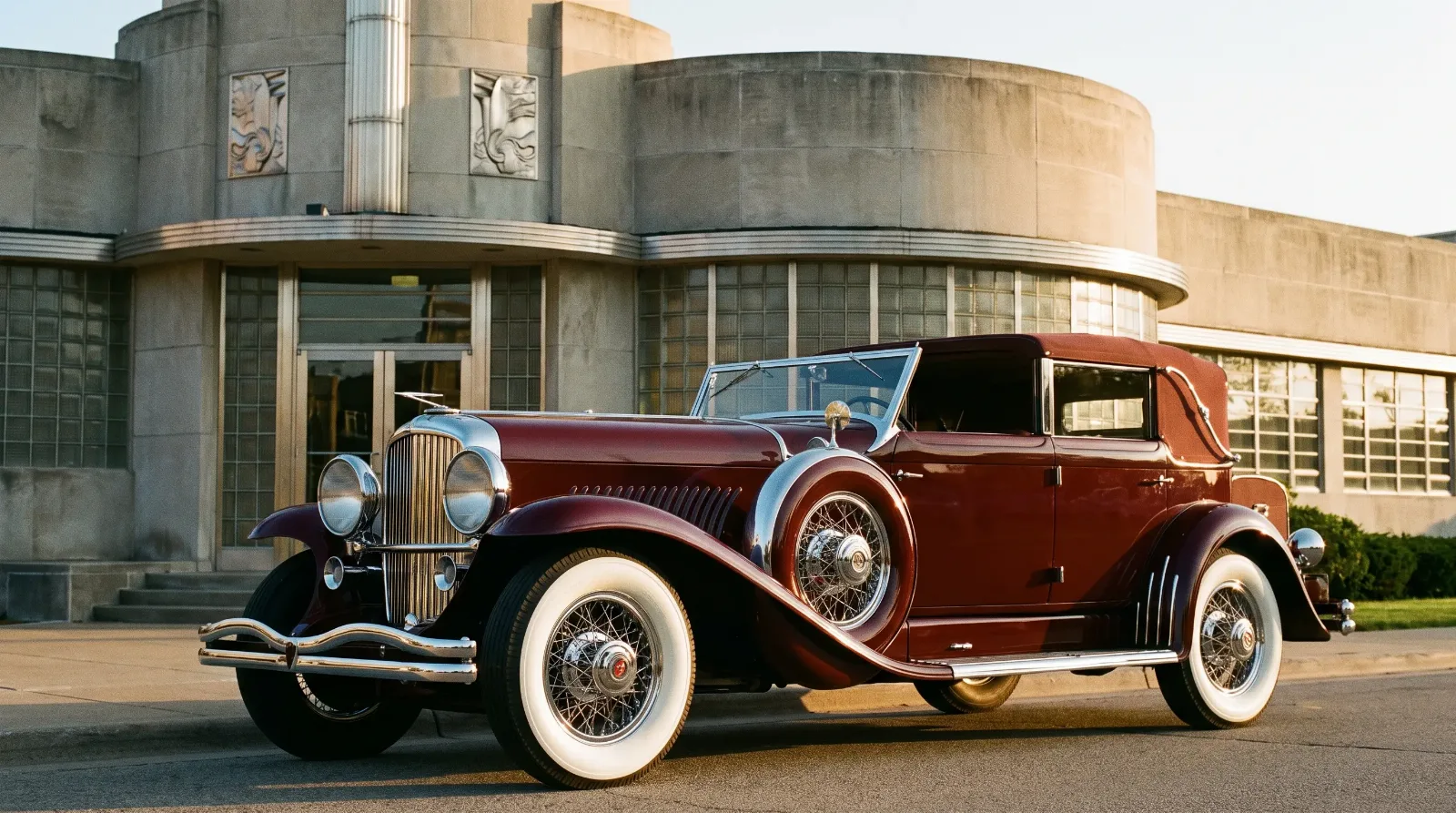
Pre-War Classic Cars: The Golden Age of the American Automobile (1900-1942)
Article
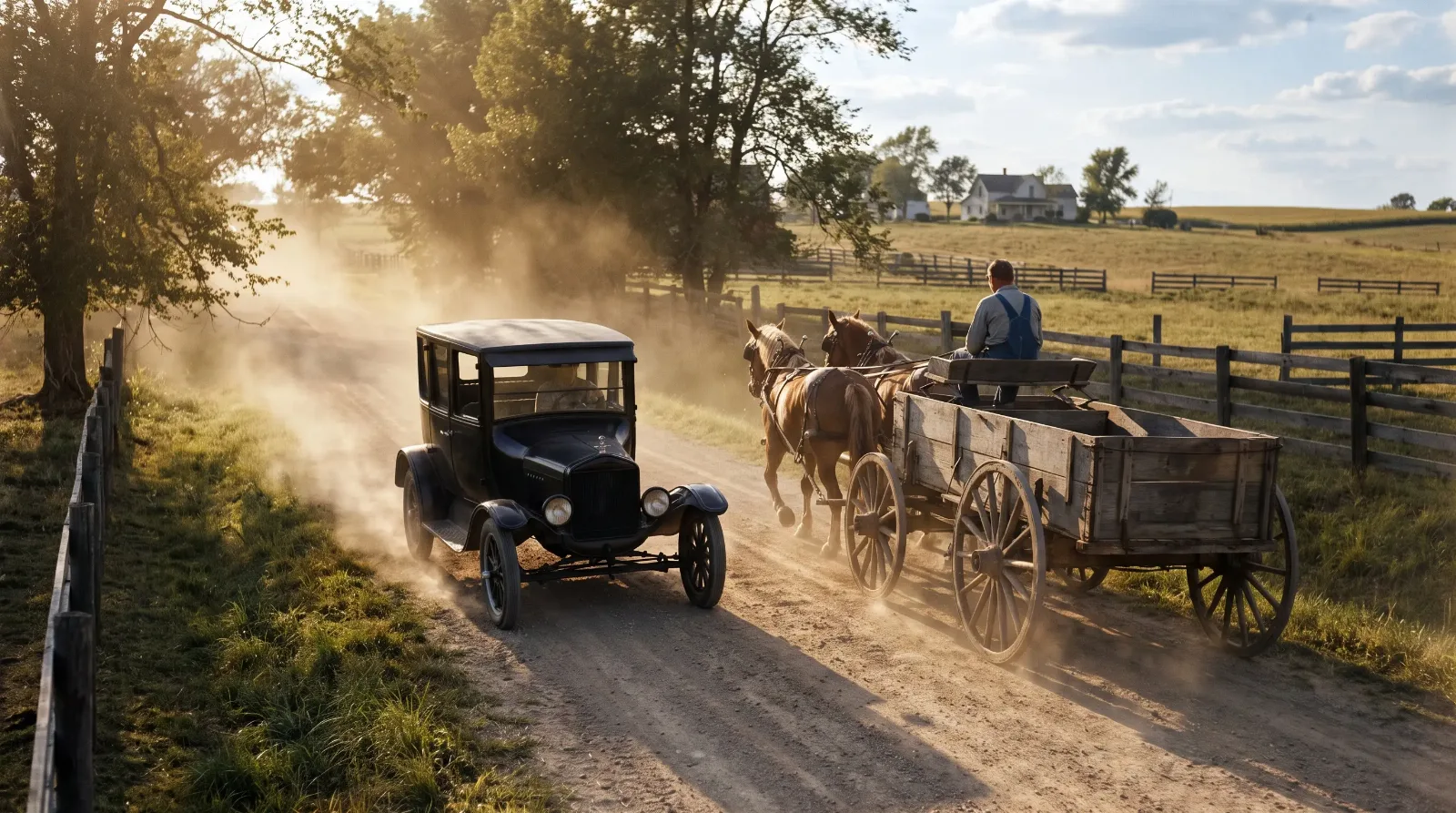
Cars of the Roaring Twenties: America's 1920s Automobile Boom
Article
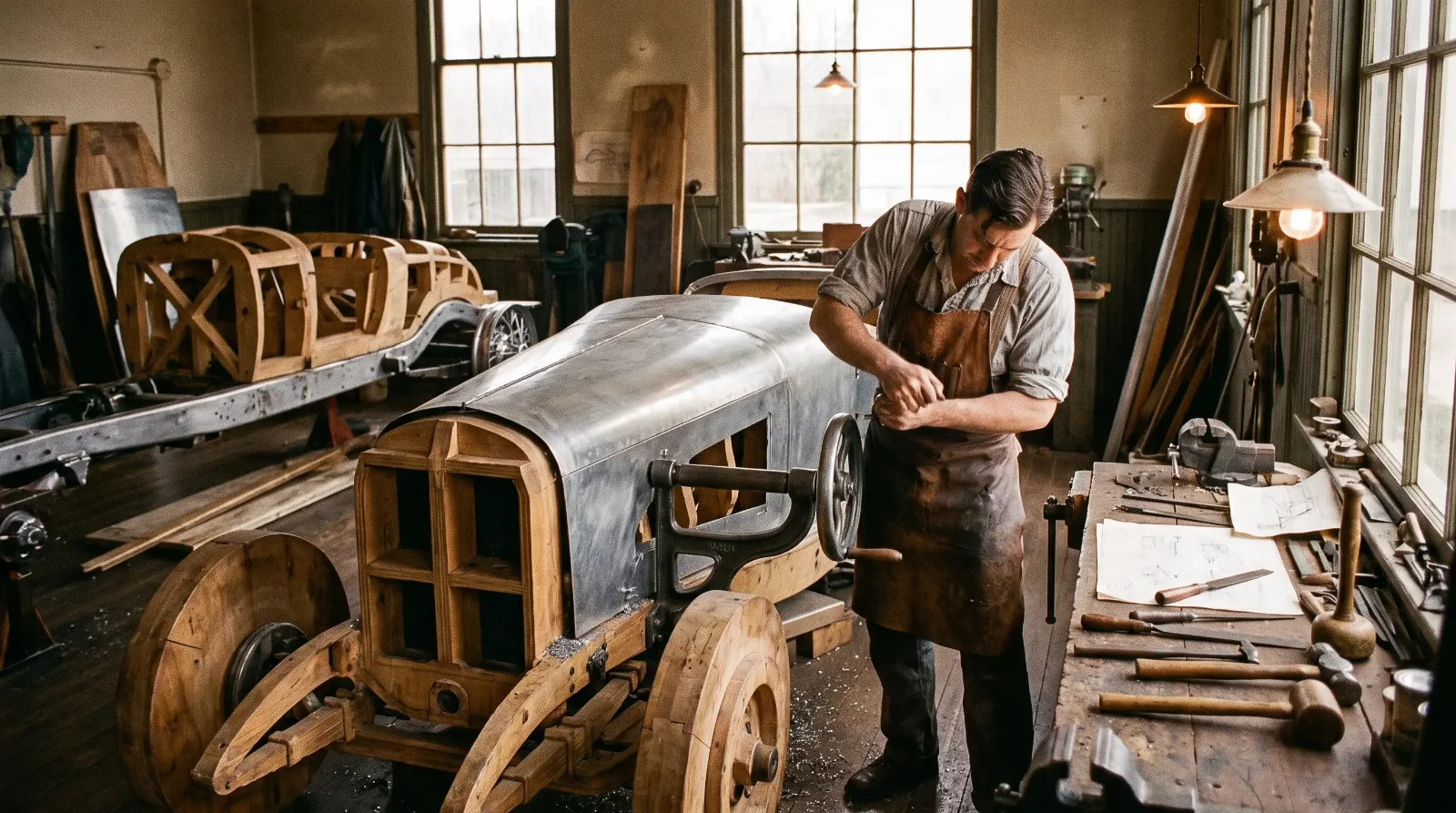
Coachbuilt Classics: The Lost Art of the Custom Body
Article
Authenticate & Decode Chassis and Engine Numbers
Article
The Factors That Determine True Vintage Car Value
Article
Antique vs Vintage vs Classic: The Real Difference
Article
What Collectors Look for in Pre-War Engine Originality
Article
Unrestored Survivors: Why Originality Commands a Premium
Article
How Documented Provenance Elevates Value
Article
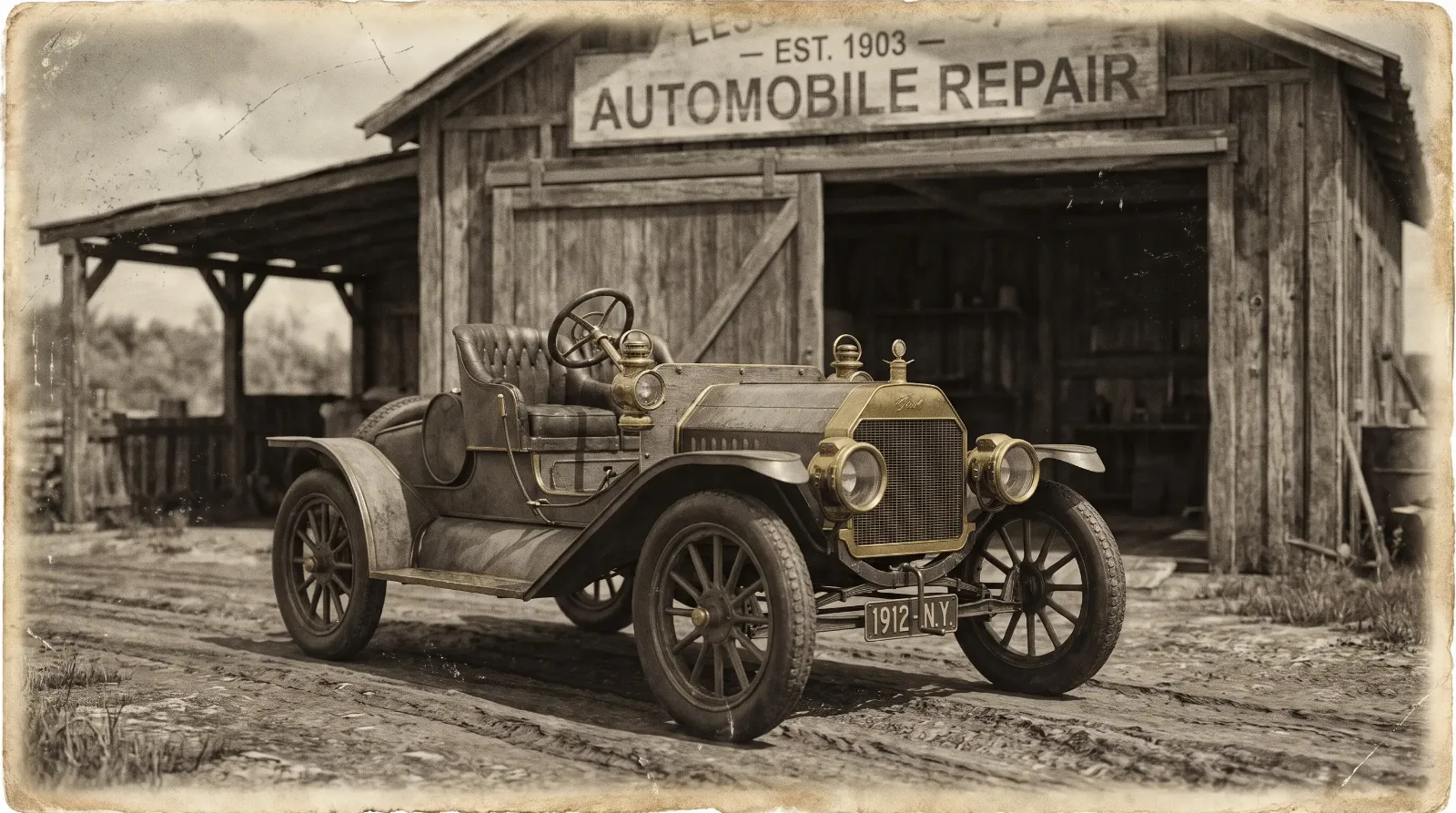
The Rarity & Scarcity Scales of Pre-1920 Motoring
Article
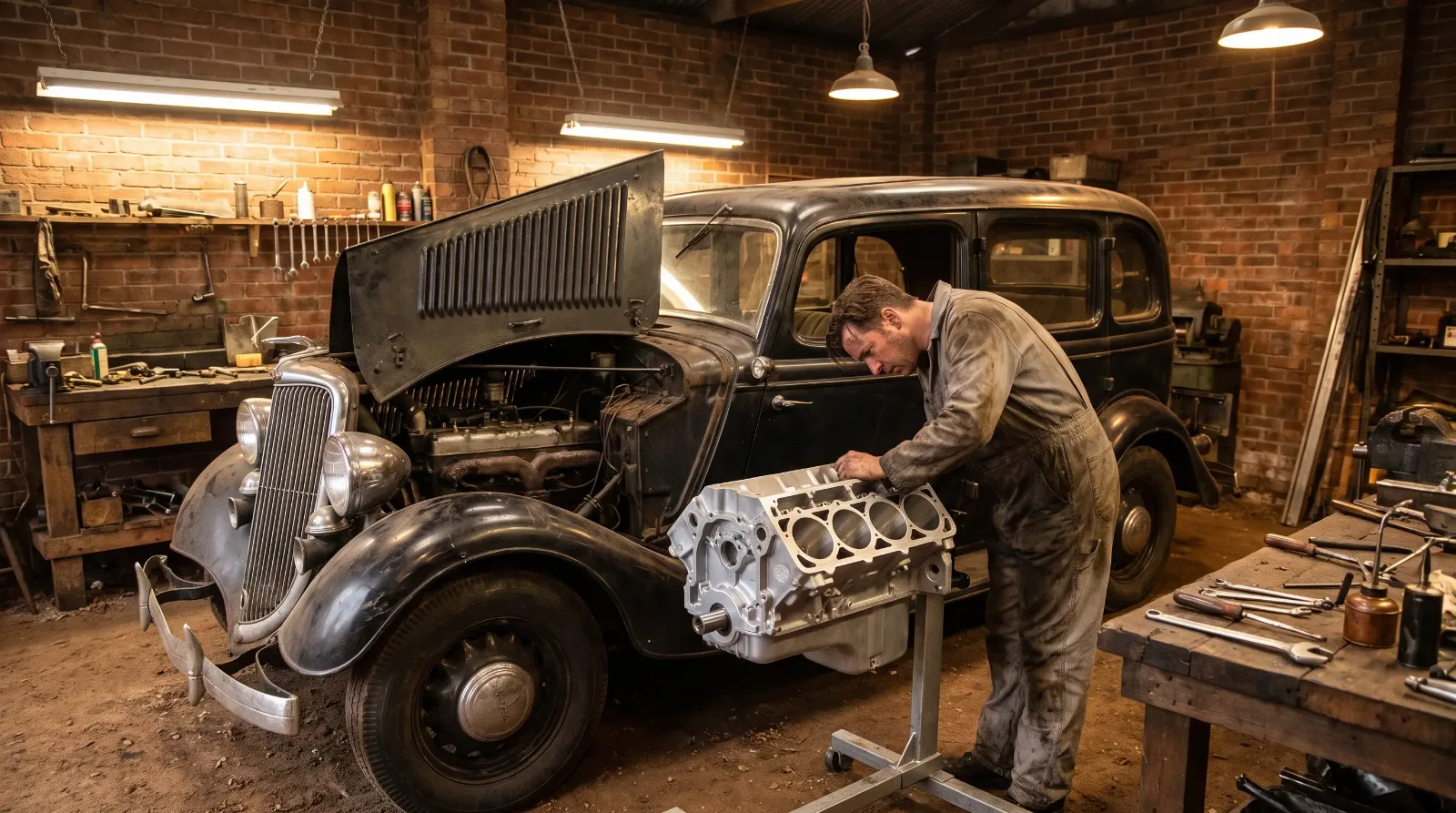
Modified Components and Their Impact on Value
Article
Concours vs Driver-Quality Restoration
Article
Maintaining a Century-Old Mechanical Brake System
Article
Preserving Original Nitrocellulose Lacquer Paint
Article
Caring for Century-Old Leather & Fabric Interiors
Article
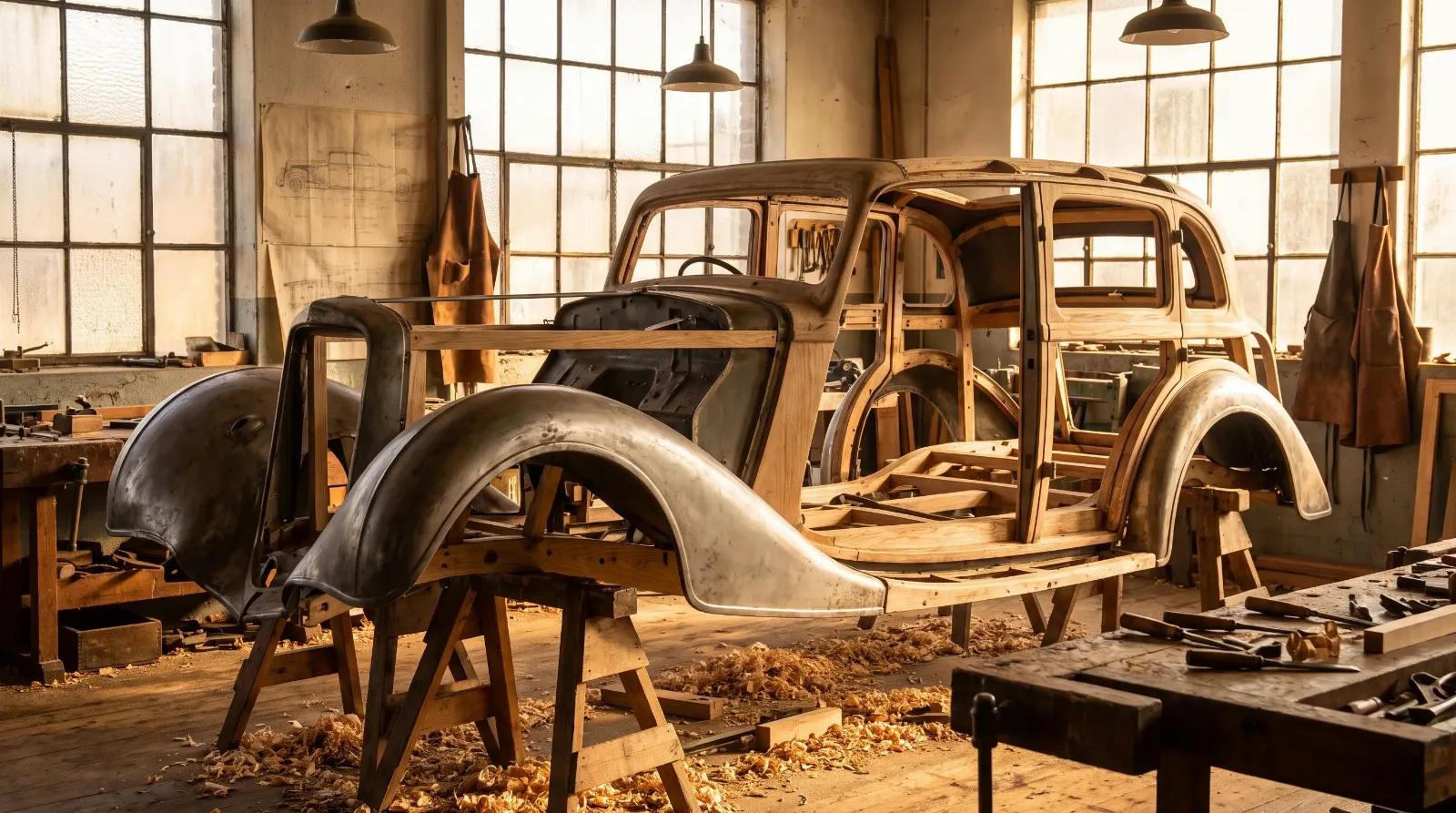
Rebuilding a Wood-Framed Car Body
Article
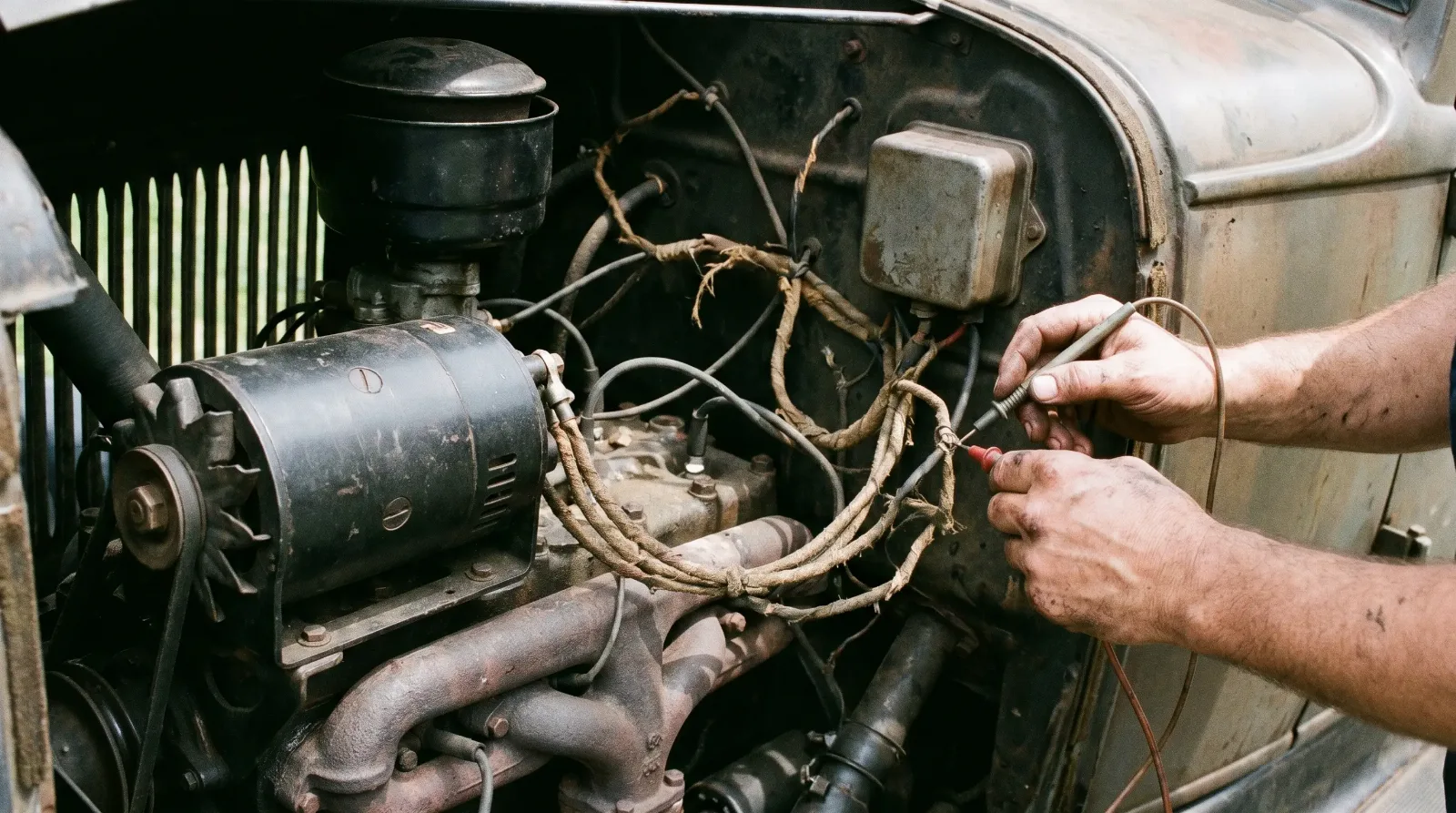
Maintaining a 6-Volt Vintage Electrical System
Article
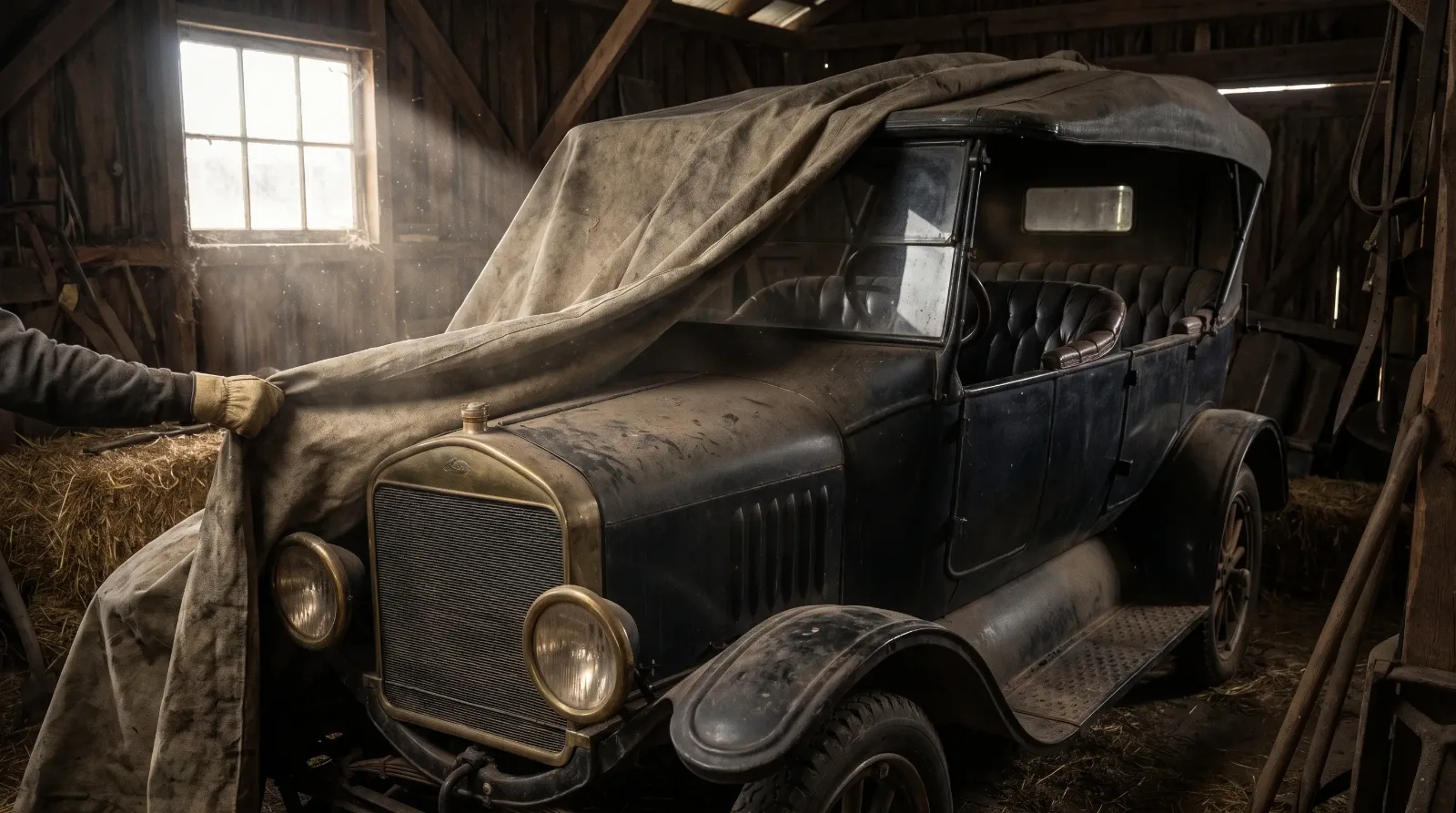
How to Store a Vintage Car to Prevent Corrosion
Article
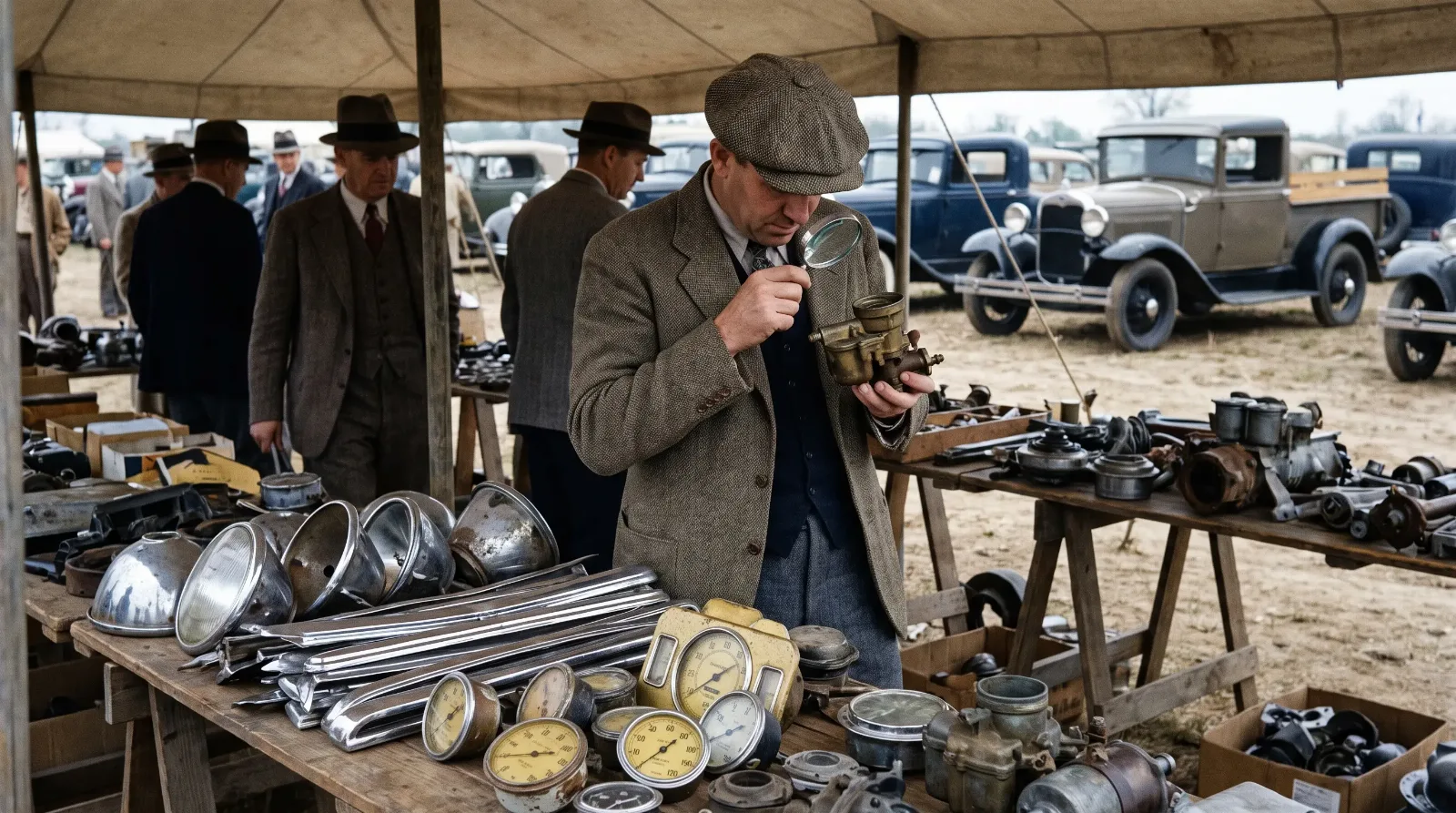
Sourcing Obsolete Parts for Pre-War Vehicles
Have a
Classic Car
for Sale?
Reach thousands of serious classic car collectors across the US.
Sell It Here →
Are You a Classic Car Dealer?
List your full inventory and connect with targeted classic car buyers.
Join as a Dealer →
#collector cars
#originality
#pre-war classics
#condition grading
#antique car valuation
#car restoration

About the author
David Mercer
Classic car market analyst with two decades of experience tracking collector car valuations, auction results, and investment trends.




Comments
Be the first to comment on this article.