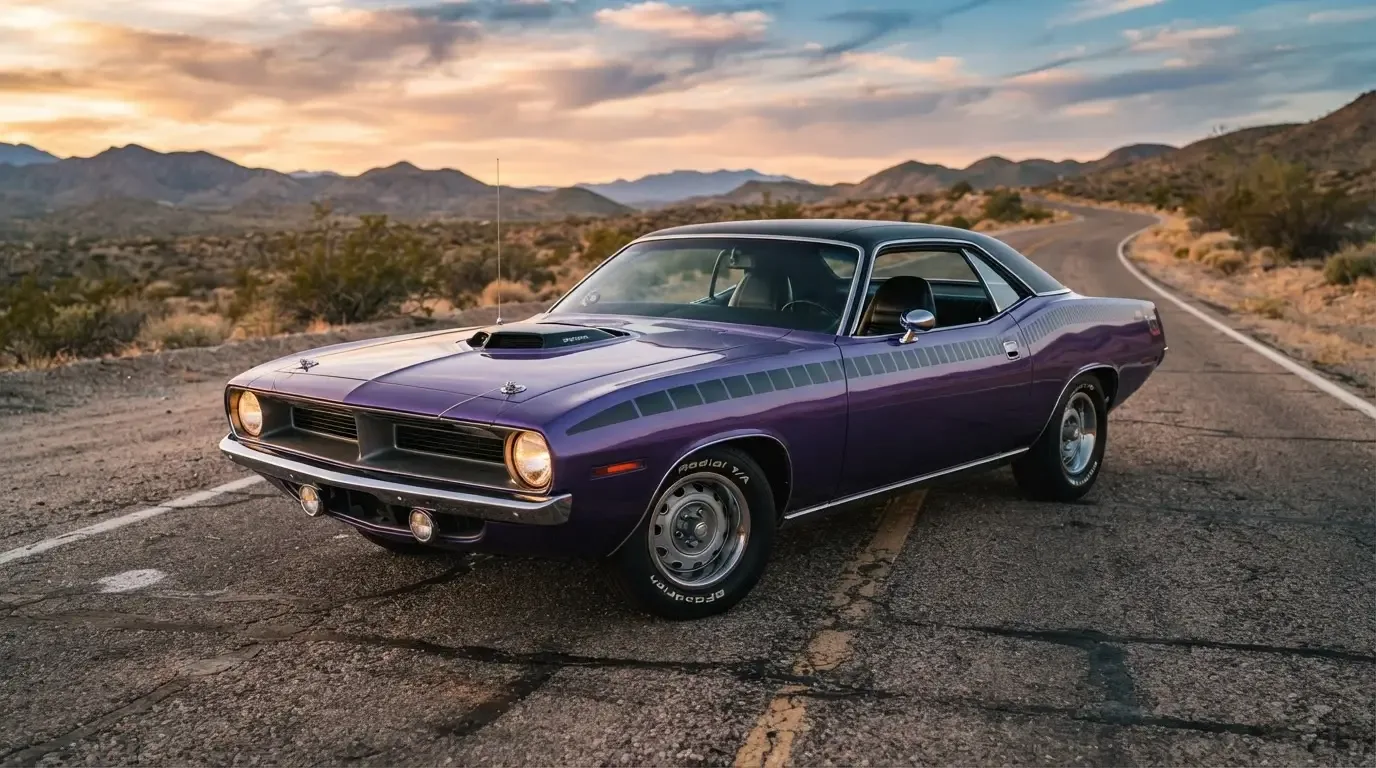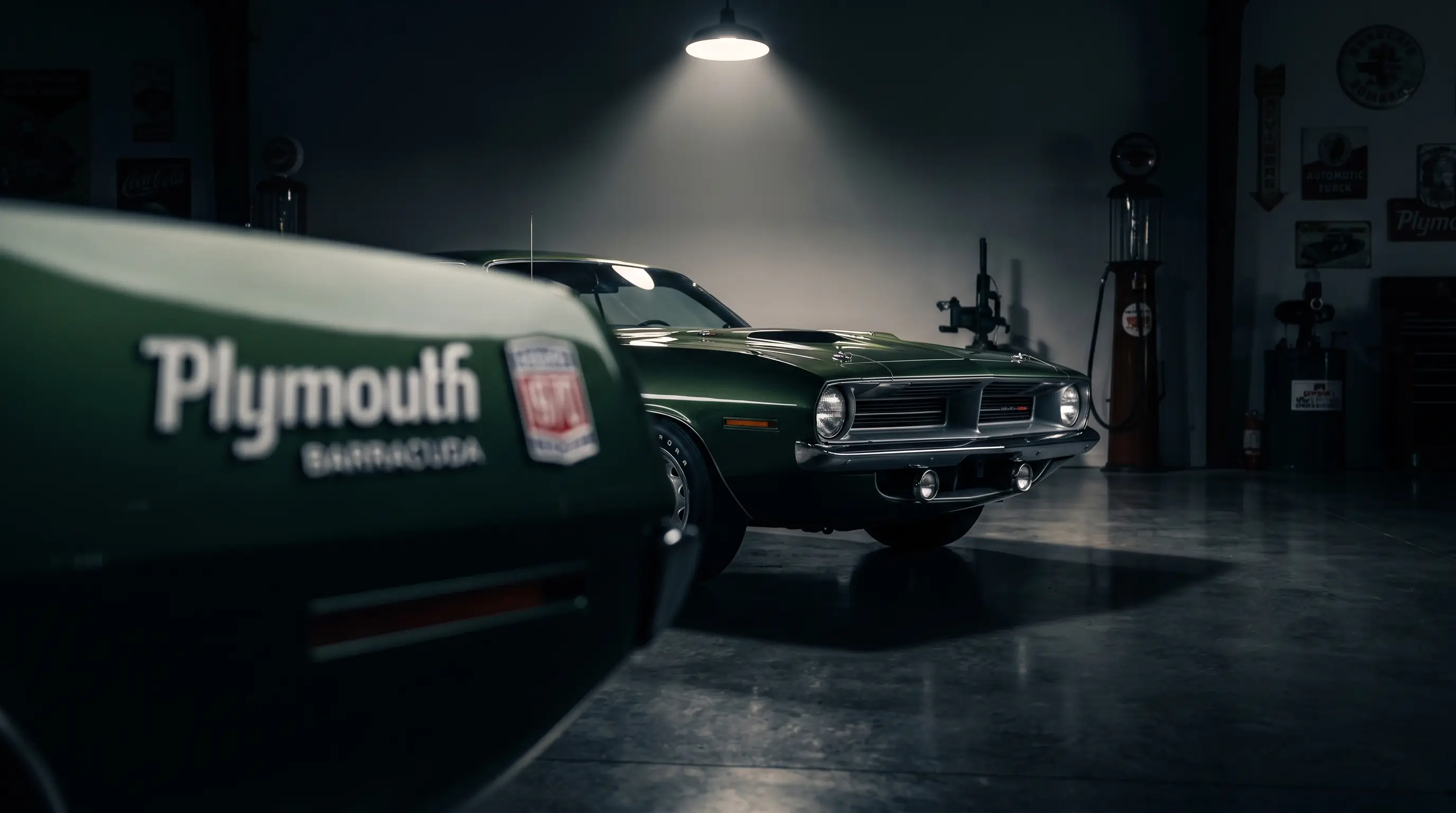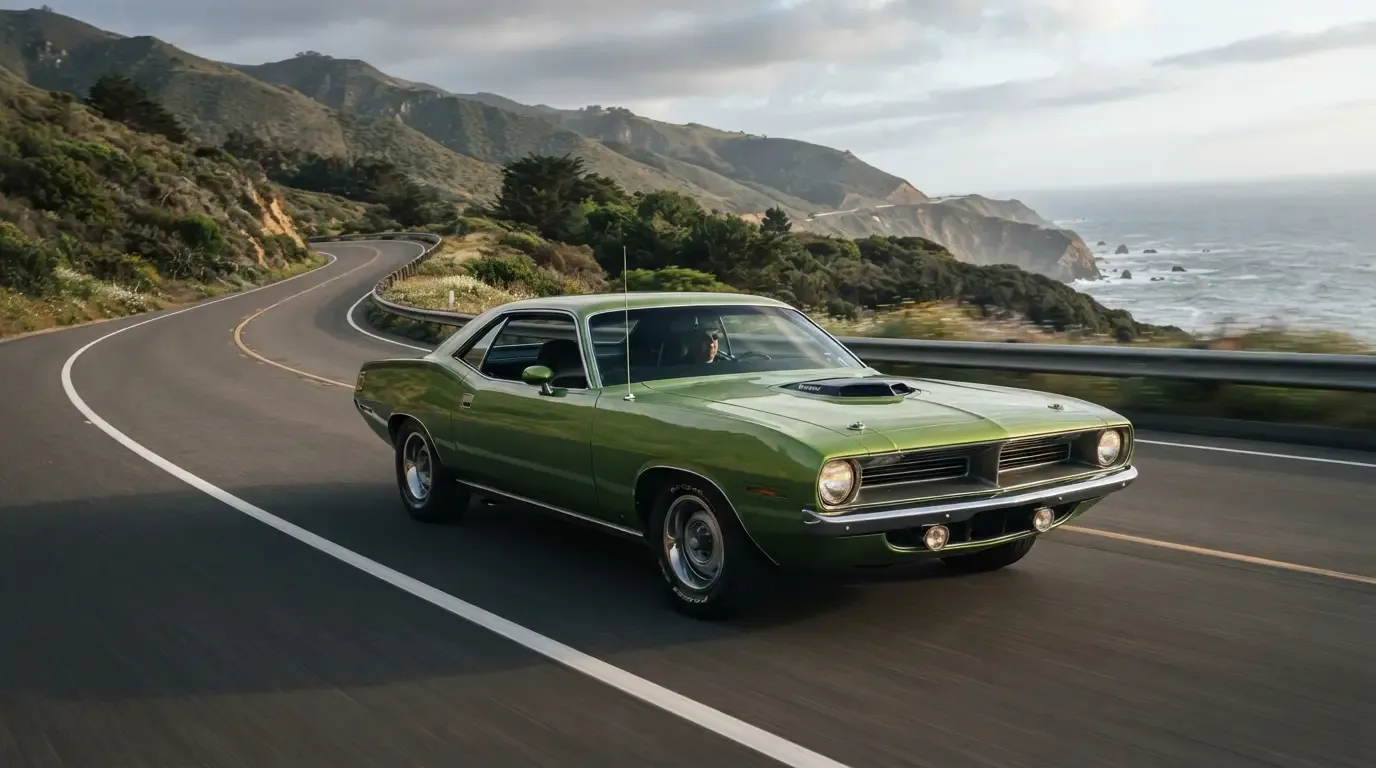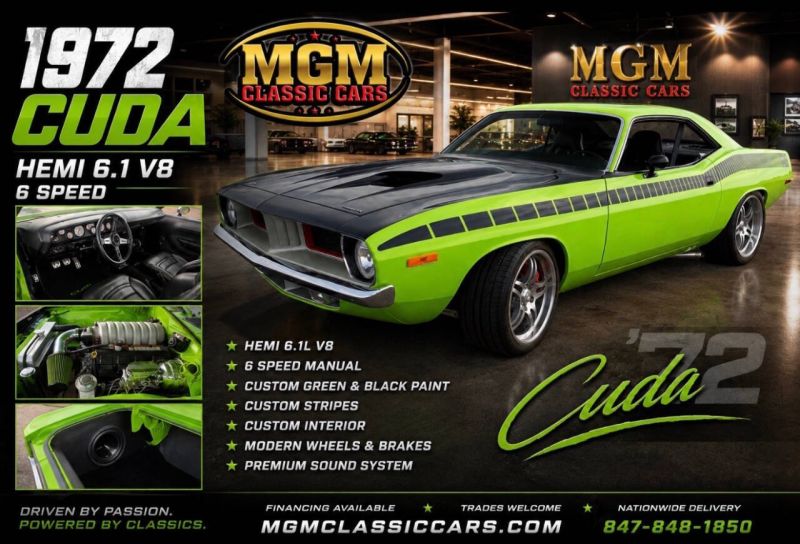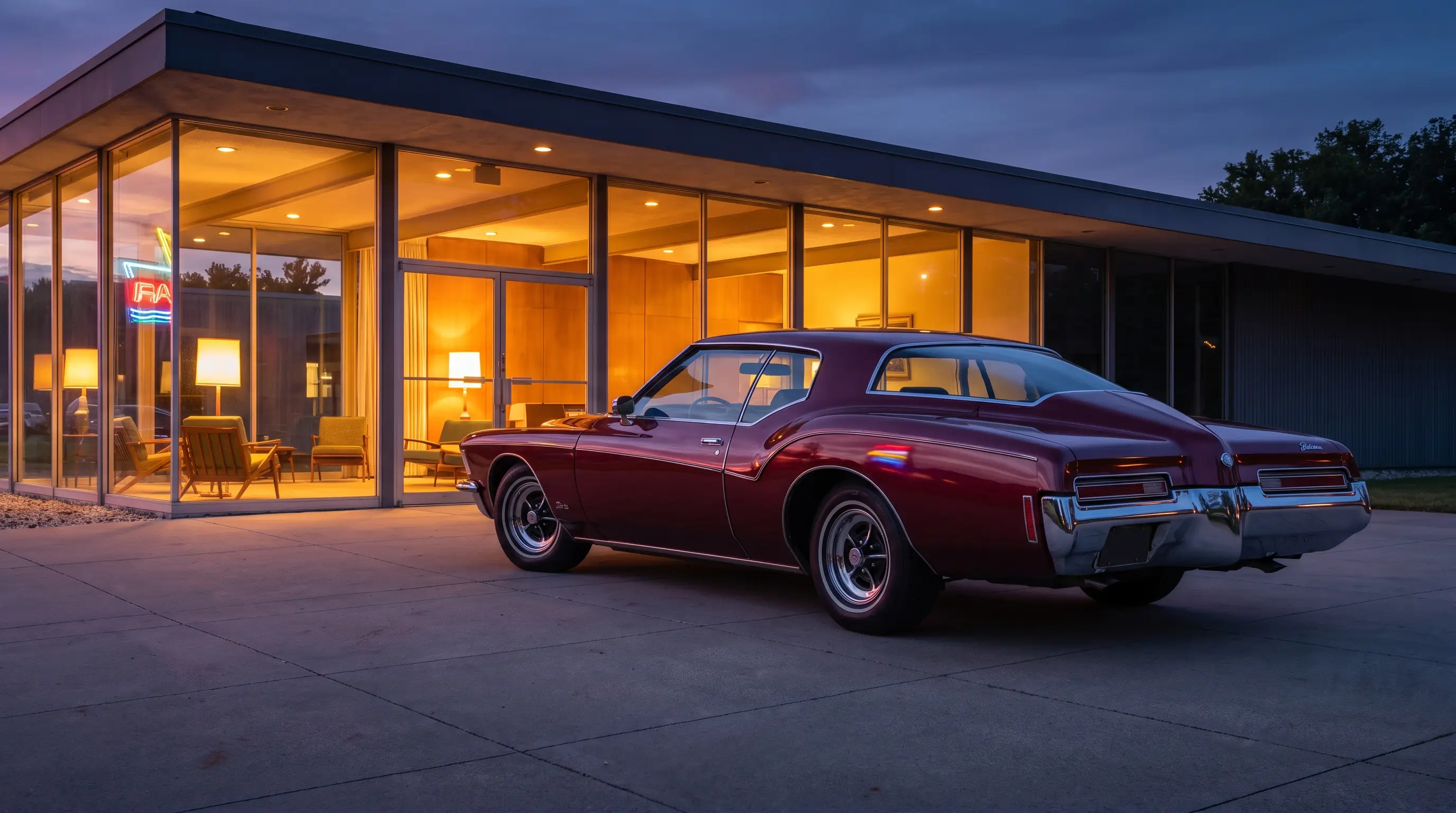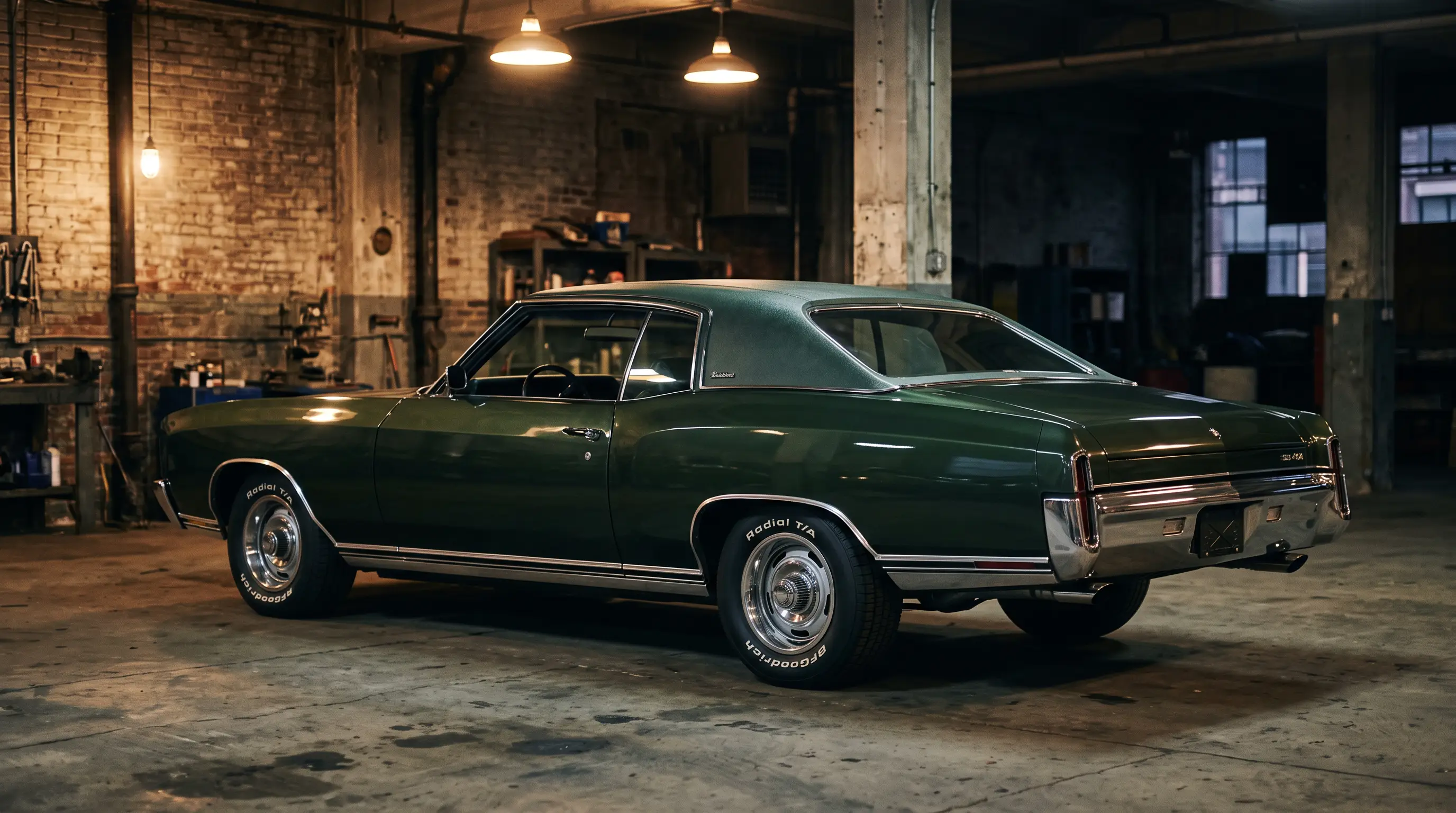
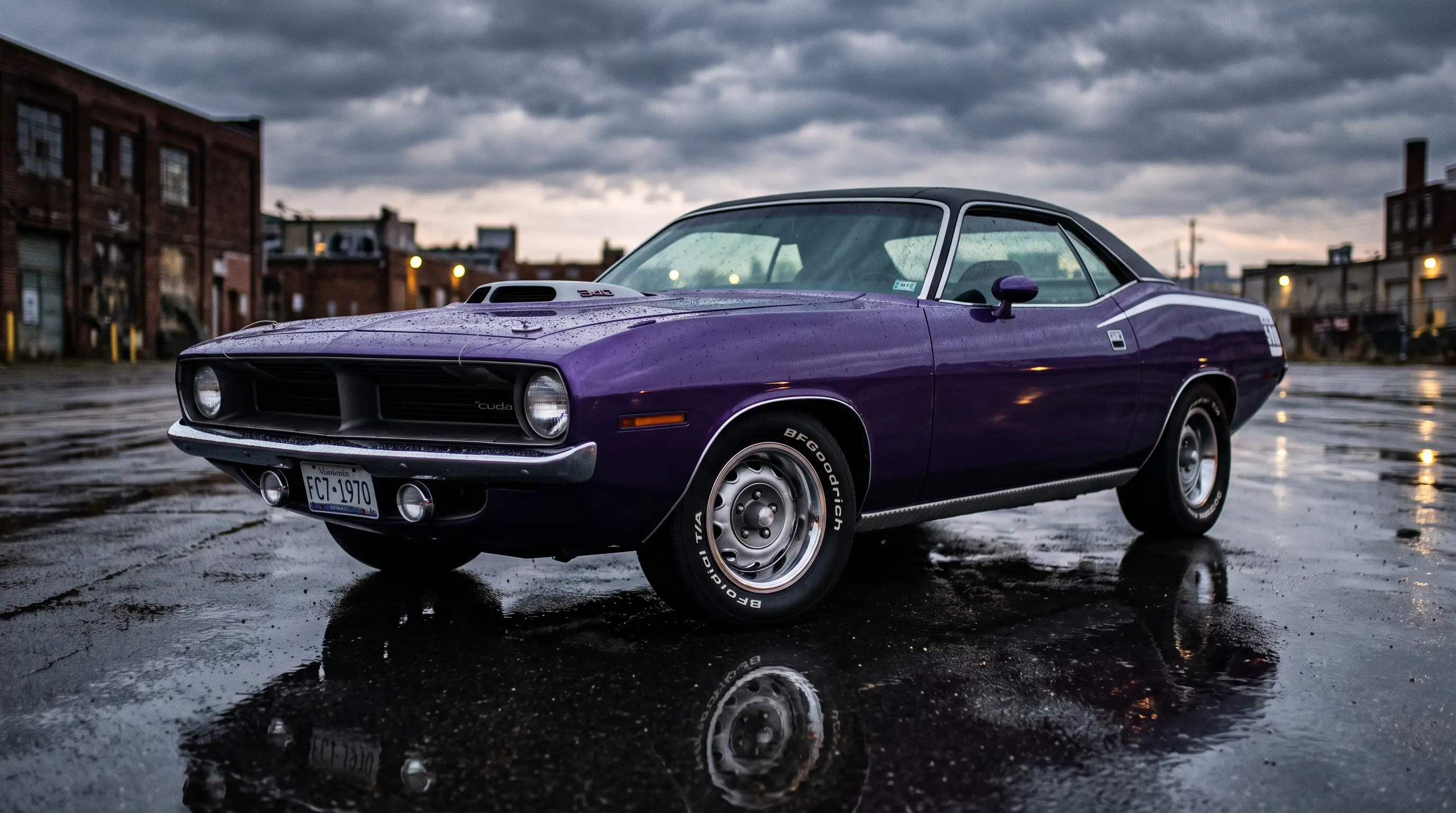
Factory records make the 1970 Cuda debut look almost deliberate in how completely it broke from what came before, and that is not an accident of hindsight. Plymouth engineers and stylists set out to build a genuinely new car on the E-body platform, not a facelift of the second generation Barracuda, and the build sheets, tooling changes, and engine bay dimensions from that model year all confirm just how thorough the break really was.
A new platform built around big engines
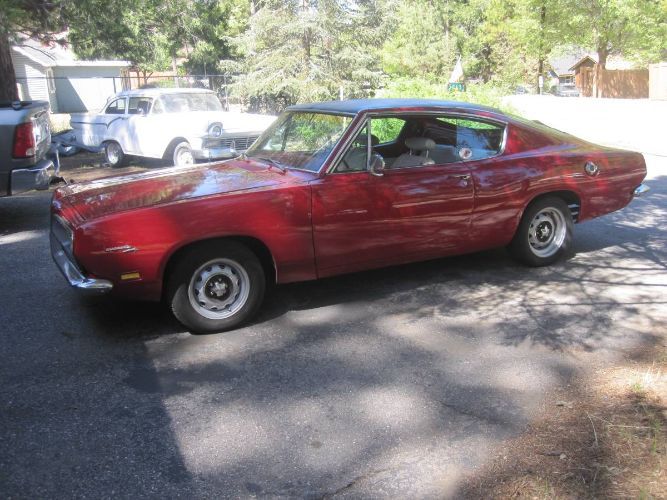
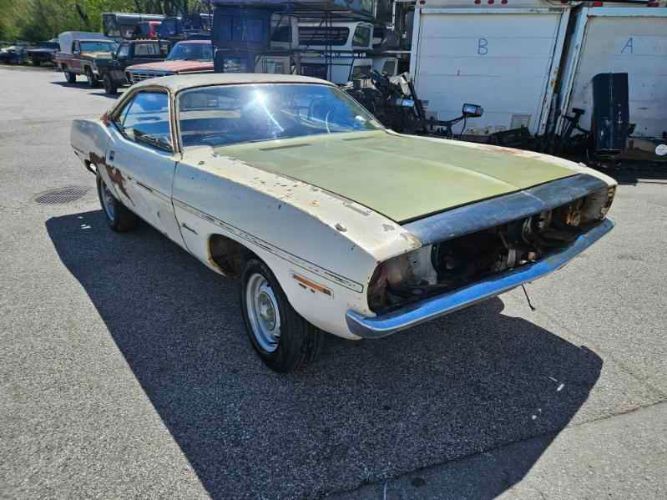
The most consequential decision behind the 1970 debut was structural rather than cosmetic. Where the outgoing second generation Barracuda's A-body engine bay had to be modified after the fact to accept the 383 big block, and where a rare, largely unadvertised run of 440s was squeezed into 1969 A-body cars without factory power steering, the new E-body platform was engineered from the outset to accommodate Chrysler's largest engines without compromise. This is the year the 426 Hemi became a genuine factory option in a Barracuda for the first time, something the previous A-body chassis never offered. Factory production records confirm Hemi Cuda output for 1970 totaled 666 cars, 652 hardtops and 14 convertibles, making it one of the rarest configurations Plymouth ever built in this model line.
The wider track and re-engineered front subframe that made this possible also changed the car's proportions entirely. Where the second generation cars had a distinctly compact, almost delicate stance, the 1970 body sat wider and lower, with fender arches designed around the physical dimensions of the big block engines rather than around a small block that later had a big block wedged into it. This is the structural reason the E-body looks the way it does, not simply a styling preference.
The trim war Plymouth won on paper
Factory build sheets from 1970 show an option list that dwarfed anything the second generation Barracuda offered. High Impact colors, the loud, saturated paint palette that had appeared only in limited late-production form on 1969 cars, became a full-fledged, heavily promoted option across the 1970 lineup, with names like Vitamin C, Lemon Twist, and Moulin Rouge appearing on official color charts for the first time. The shaker hood scoop, functional on high performance engines and visually distinctive even on lesser ones, became one of the most recognizable options Plymouth ever offered on any car.
| Detail | Second generation (1969) | 1970 Cuda debut |
|---|---|---|
| Platform | A-body, modified for big block | E-body, engineered for big block |
| Largest available engine | 383 ci standard; a small run of 440s in 1969 | 426 Hemi, 440 Six Barrel, both catalog options |
| High Impact colors | Limited, late model year only | Full palette, promoted lineup-wide |
| Shaker hood scoop | Not offered | Available, iconic option |
Correcting a common misconception about the debut
A misconception worth addressing directly: many enthusiasts assume the 1970 Cuda was simply a restyled version of the outgoing car with a bigger engine bolted in. Factory records do not support that reading. The wheelbase changed, the unibody structure changed, and the entire front subframe geometry changed to support the new engine options. This was closer to an all-new car wearing a familiar name than an evolution of the existing platform, and treating it as a simple facelift undersells the genuine engineering investment Chrysler made for this single model year.
The name itself tells part of this story too. Plymouth had used Barracuda continuously since 1964, but 1970 marketing materials increasingly favored the shortened Cuda name for the performance trim specifically, a branding shift that reflected how distinct the new car felt from its predecessor even within Plymouth's own marketing department. Readers curious about exactly how and why that naming split happened should read a related story that traces the full history of the two names.
"Factory paperwork from 1970 reads like Chrysler knew they were introducing a genuinely new car, not updating an old one. The engineering commitment behind that single model year is easy to underestimate today."
- Tom Ramirez
Why the debut year still matters most
Every subsequent E-body model year, through 1971 and the changes that followed, built on the foundation laid down in 1970, but none of them repeated the sheer scale of what changed that first year. The engine bay, the wheelbase, the color palette, and even the marketing language around the car's name all shifted at once, in a single model year, in a way that rarely happens even during a full platform changeover. For the complete year by year account of how the E-body Cuda evolved from this debut through the end of its run, 1970 barracuda history covers the full story in depth.
If the scale of this debut has you wanting to see one of these cars firsthand, current Barracudas for sale now include examples from this exact model year across the full range of engine and trim combinations discussed above.
The dealer floor experience in 1970
Sales literature and dealer training materials from the period suggest Plymouth positioned the new Cuda as a direct answer to the escalating engine wars playing out across Detroit's showrooms that year. Salesmen were equipped with comparison sheets pitting the Hemi Cuda's factory output directly against contemporary offerings from Ford and Chevrolet, a level of direct competitive marketing that the outgoing second generation cars, positioned more as compact performance cars than outright muscle car combatants, never received in the same way.
That shift in marketing posture matched the engineering reality underneath. Chrysler was not just building a bigger engine bay, it was repositioning an entire model within its own lineup, moving it from a secondary performance nameplate into direct, explicit competition with the era's most celebrated muscle cars. Records from Chrysler's own sales training materials from that year make this repositioning explicit rather than incidental.
Surviving examples and what they tell researchers today
Because Hemi Cuda production for 1970 was so limited, surviving examples have become some of the most exhaustively documented cars in the entire hobby, with individual build sheets, invoice details, and ownership chains tracked in ways that base trim cars from the same year rarely receive. This concentration of documentation has, ironically, made the 1970 debut year one of the best understood single model years in Chrysler's entire performance car history, precisely because so few cars needed to be tracked and so much attention was paid to each one that survived.
The historian's summary
The 1970 Cuda debut represents one of the more complete platform reinventions in Chrysler's muscle car era, backed by factory build data that confirms the changes went far deeper than styling. Anyone researching this car should treat 1970 as its own distinct engineering event rather than an incremental update to what came before it.
Every primary source I have reviewed, from dealer training bulletins to factory build sheets, points to the same conclusion: Plymouth understood exactly what it had built that year, and marketed it with a confidence that reflected genuine engineering conviction rather than incremental sales spin. That is a rare thing to find this clearly documented in a single model year, and it is a large part of why this specific debut still commands so much attention from researchers and collectors alike.
Sources and notes
- Plymouth Barracuda - Wikipedia
- 1970 Plymouth Barracuda Production Numbers - 440 Magnum Network
- The Unicorns of Auburn Hills: 1970 & 1971 Hemi 'Cuda Convertibles - Classic Industries
- Special-Order Mopar: 1969 Plymouth Barracuda Packs the Rarest Engine - autoevolution
- 1970 Plymouth HEMI 'Cuda - Supercars.net
- Car of the Week: 1970 Hemi 'Cuda - Old Cars Weekly