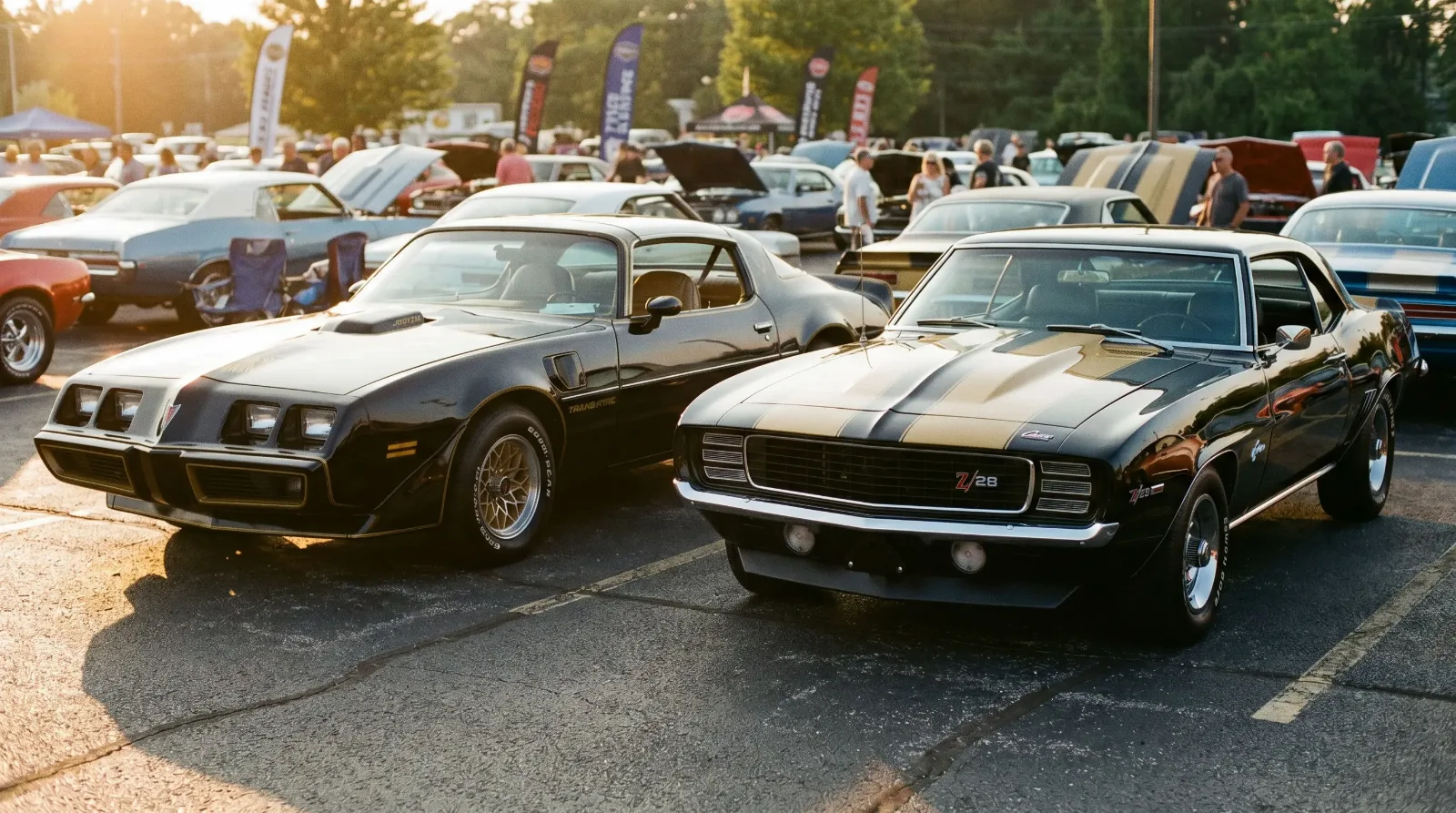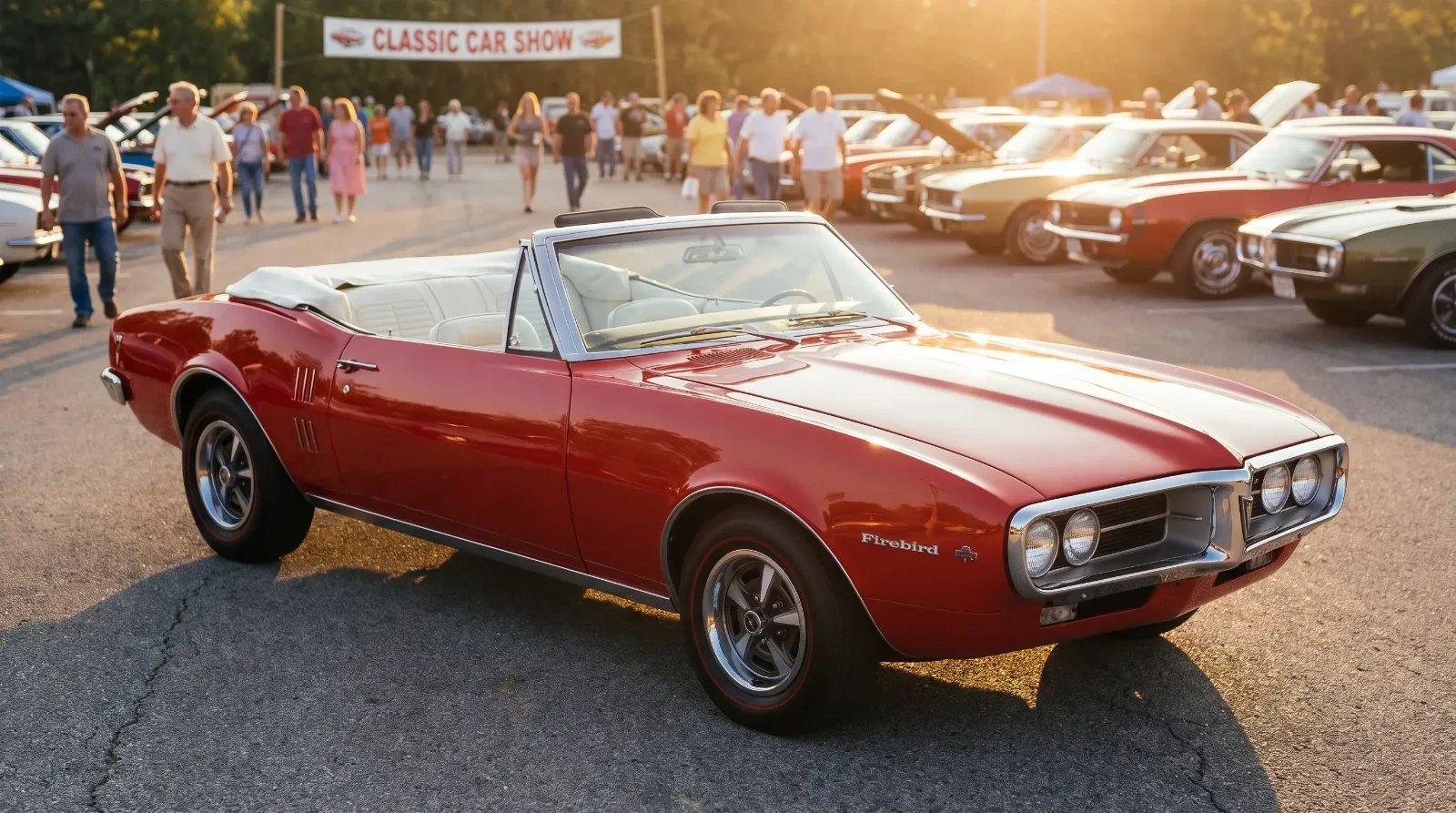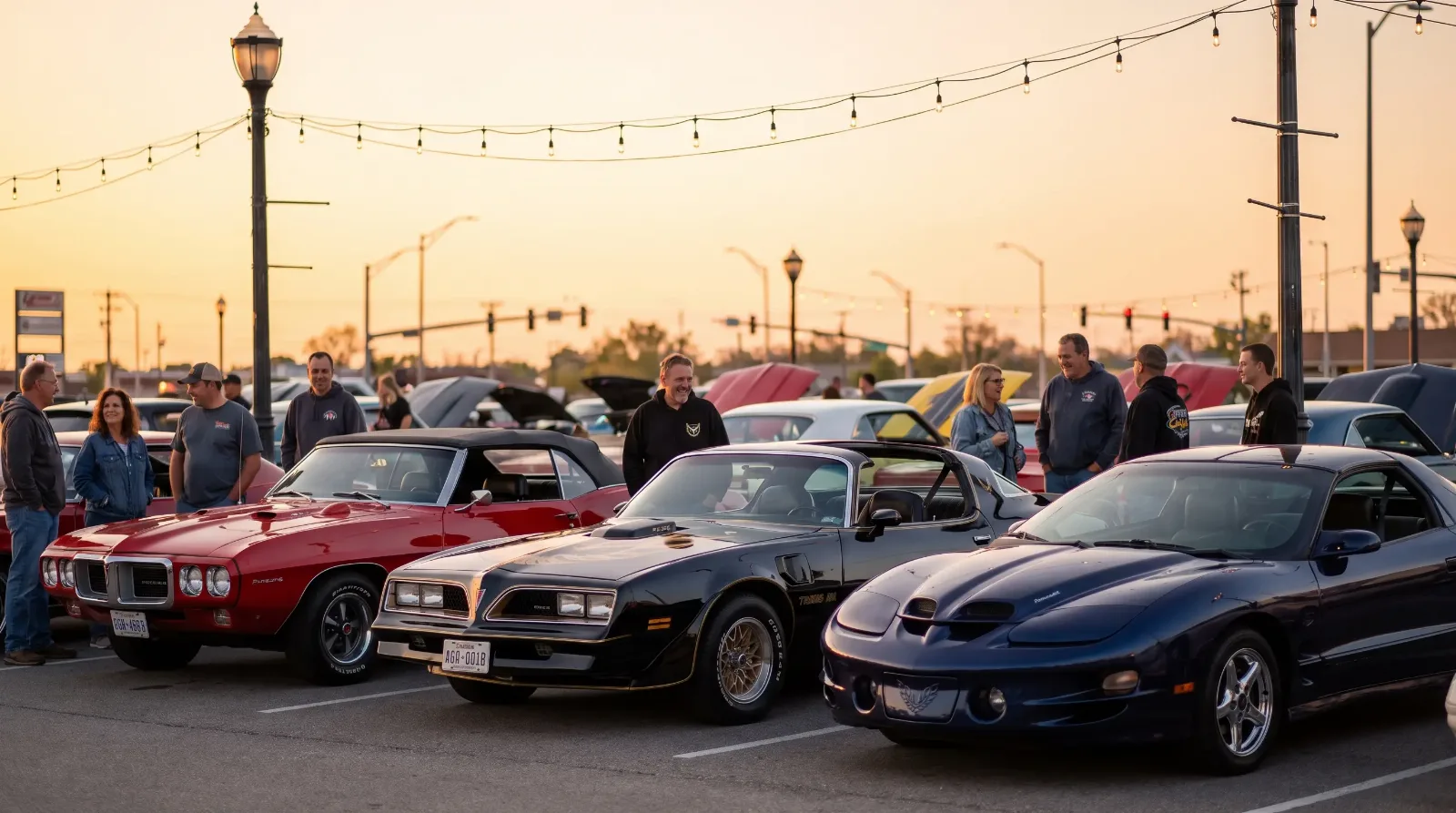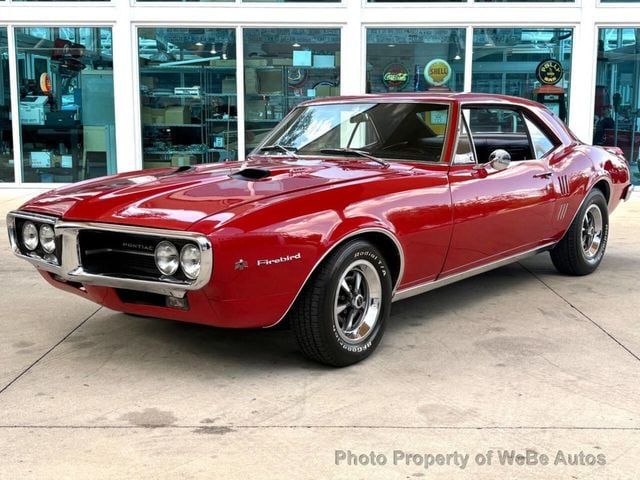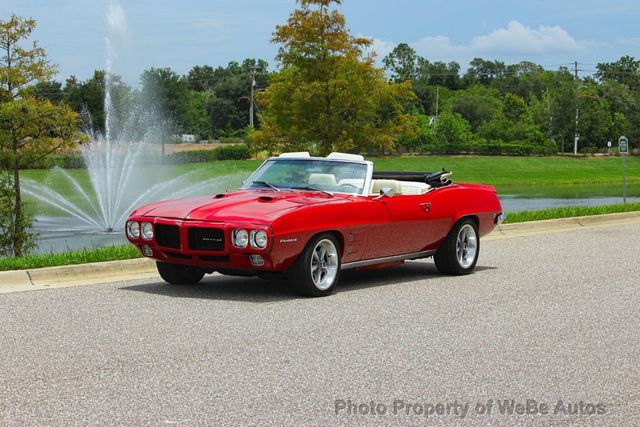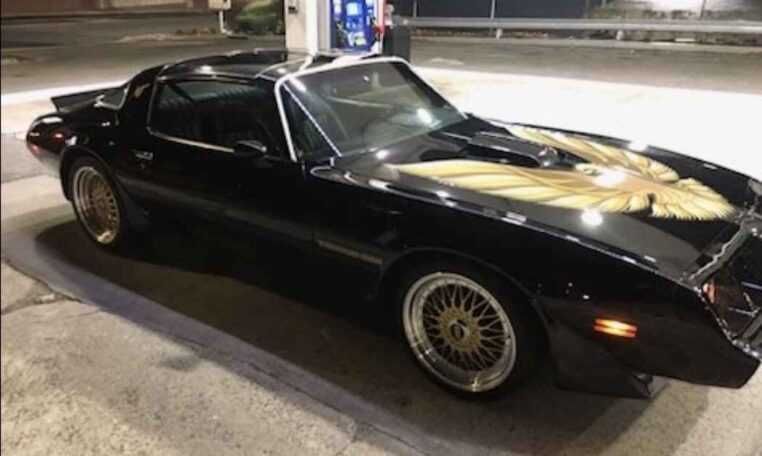
Ask a Trans-Am Series veteran what the Firebird meant to that paddock in the seventies and you will get a specific kind of pause, the kind reserved for something that mattered more than the results sheet suggests. The Firebird was never the dominant force in American road racing the way the Camaro sometimes was, but it hung around long enough, and won enough of the right races at the right moments, to earn a permanent seat at the table. That staying power is the real story of F-body motorsport, not any single championship.
The SCCA Trans-Am years
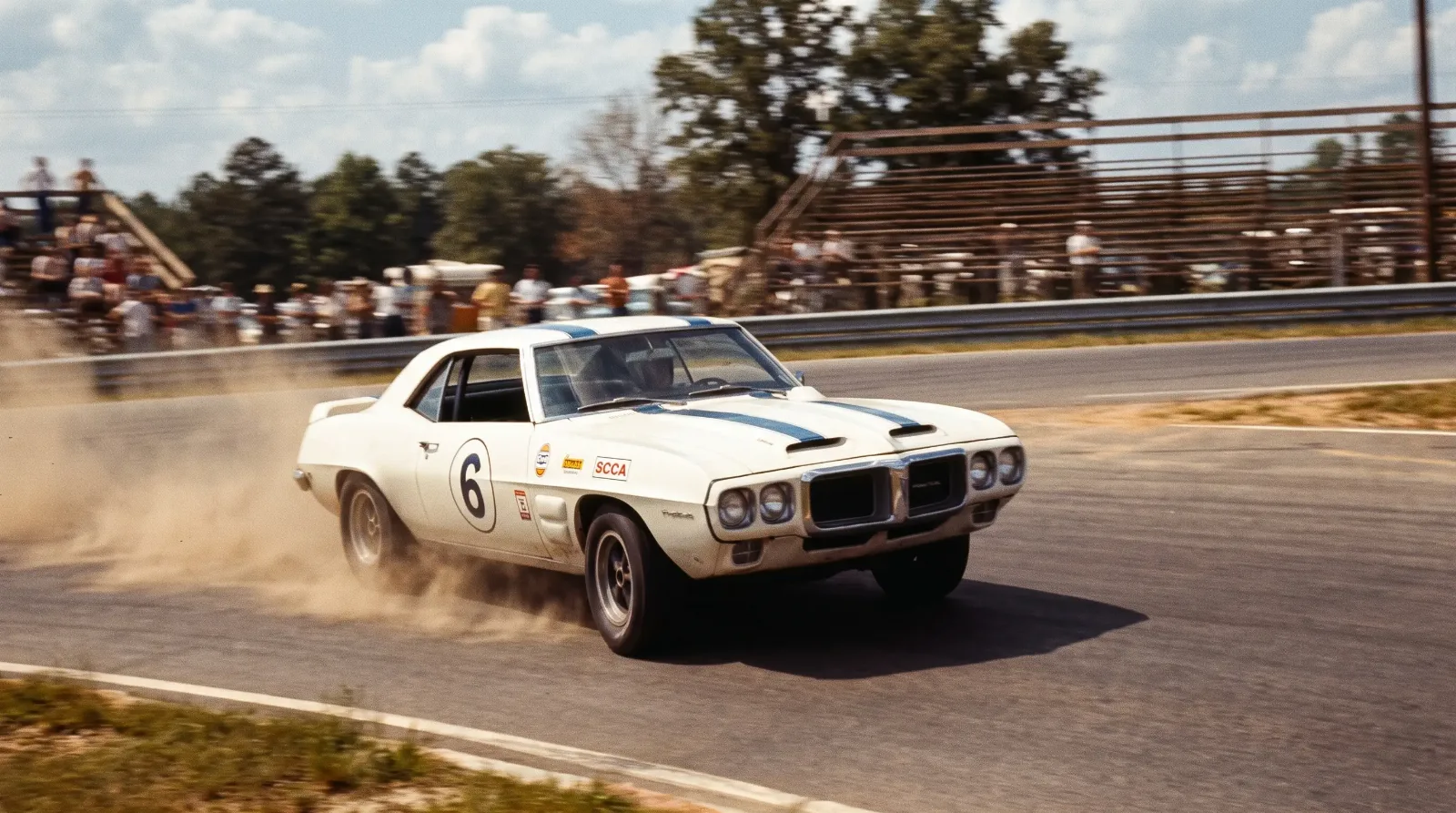
Both the Firebird and Camaro were built for a market that the Sports Car Club of America's Trans-American Sedan Championship had helped create, and both cars found their way onto that grid almost immediately. Pontiac's factory involvement in Trans-Am was lighter than Chevrolet's through the late sixties, but privateers ran Firebirds competitively against Mustangs, Camaros, and Barracudas in a series that briefly represented the most important proving ground in American performance. The racing rules of the era demanded engines closer to production displacement than the big blocks stuffed under some street car hoods, which meant the small-block Pontiac engines used in Trans-Am Firebirds bore only a loose relationship to what a buyer could option from a dealer.
By the early seventies, factory support had shifted and cooled across the board as manufacturers pulled back from racing budgets amid tightening emissions rules and a changing economy. The Firebird's motorsport identity during this stretch leaned more on the Trans Am's street reputation than on a trophy case, and that reputation did a lot of the heavy lifting for Pontiac's performance image through the decade.
IMSA, showroom stock, and the long middle years
Through the seventies and into the eighties, the F-body twins found a home in IMSA's various showroom-based classes, where cars closer to what a customer could actually buy competed against each other on a more level footing than the exotic-engine Trans-Am cars of the previous era. Firebird Trans Ams and Formulas ran in these series with real success, especially once the third-generation car arrived in 1982 with a lighter body and improved aerodynamics that suited road racing better than the boxier second-gen shape.
This is also the period where the Firebird's motorsport reputation and its pop-culture reputation started to blur together. A car that had just spent a season jumping ramps and outrunning police cruisers on television was, at the same time, quietly competitive in real showroom stock racing, and that combination gave Pontiac a kind of credibility that pure racing results alone would not have delivered.
| Era | Series | F-body role |
|---|---|---|
| Late 1960s | SCCA Trans-Am | Privateer Firebirds against factory-backed Camaros and Mustangs |
| 1970s | Trans-Am, club racing | Reduced factory budgets, street image carries the brand |
| 1980s | IMSA showroom stock | Third-gen Firebird competitive with improved aerodynamics |
| 1990s-2000s | SCCA, drag racing | LT1/LS1-powered Trans Ams strong in street and strip competition |
Drag strips told a different story
Road racing never captured the Firebird's full performance identity the way the drag strip did. From the Ram Air era of the late sixties through the LS1-powered Trans Ams of the late nineties, the quarter mile was where the Firebird's reputation actually got built for most owners. A well-sorted Ram Air IV car could run in the mid-fourteens at over 100 mph in period trim, numbers that held up against most of Detroit's muscle car establishment, and the final-generation WS6 Trans Am carried that torch into the 2000s with factory output that embarrassed cars costing twice as much.
The drag racing community also kept the Firebird's motorsport story alive long after factory road racing programs had mostly wound down. Bracket racers, grudge racers, and weekend warriors kept building on the platform because the parts were plentiful, the aftermarket support was strong, and the fourth-generation LS1 in particular responded well to relatively cheap modifications.
The 1969 SCCA championship and the cars that almost were
The closest the Firebird came to genuine factory-backed Trans-Am glory was tied up in the short-lived Trans Am program itself, where Pontiac built homologation specials to satisfy racing rules that required a minimum production run for any body and engine combination entered in the series. The regulations of the day capped engine displacement at 305 cubic inches for the Trans-Am class, which is exactly why the Ram Air III and Ram Air IV Firebirds sent to privateer teams often ran destroked or specially built small-displacement engines that had little in common with what a showroom buyer could order. Pontiac never quite matched the factory commitment Chevrolet put behind its Trans-Am Camaros in the same period, and that gap in resources is a big part of why the Firebird's road racing trophy case stayed thin even as its street reputation grew.
What Pontiac lacked in factory racing budget, it partly made up for in engineering carryover. Suspension geometry and chassis lessons learned from Trans-Am development filtered back into production Firebirds through the Formula and Trans Am trims, giving buyers a car that handled better than its drag-strip reputation might suggest, even if it never wore a Trans-Am championship trophy in a Pontiac showroom window.
Why the racing history still shapes how people see the car
None of this motorsport history exists in isolation from the rest of the Firebird's story. The same rivalry that played out on track between Pontiac and Chevrolet is the same one that shaped showroom pricing, marketing campaigns, and eventually the collector market decades later. Reading Firebird vs Camaro fills in the showroom side of that competition, which ran parallel to everything happening at the track.
"Nobody at a Trans-Am reunion argues about championship points. They argue about which car sounded better coming out of a corner, and the Firebird guys never back down from that fight."
— Patrick Walsh
The Firebird's motorsport legacy is less a highlight reel and more a long, consistent presence across five decades of American racing, from Trans-Am privateers to IMSA showroom stock to drag strips full of LS1 cars running deep into the night. It is a legacy built on staying in the fight, generation after generation, rather than any single dominant season. For readers tracking how that competitive spirit carried over into the people who bought and kept these cars long after the checkered flag, keep reading the series into the communities that grew up around the F-body platform.