
Walk the swap meet section of any big Firebird show and you can sort the crowd into groups before anyone says a word. The Trans Am guys cluster near the screaming chicken hoods and argue about W72 versus WS6. The second-gen loyalists stand apart, quietly convinced their era gets underrated. The drag racing crowd is already three rows deep in a discussion about gear ratios that has nothing to do with anything for sale on the table. The Firebird did not just create a car. It created several overlapping tribes, and understanding the difference between them tells you more about the platform's staying power than any spec sheet.
Car Features
6 min read
The Enthusiast Tribes
Trans Am purists, second-gen underdogs, and LS1 drag racers all claim the Firebird as their own, and the differences between these communities reveal why the platform has lasted so long.
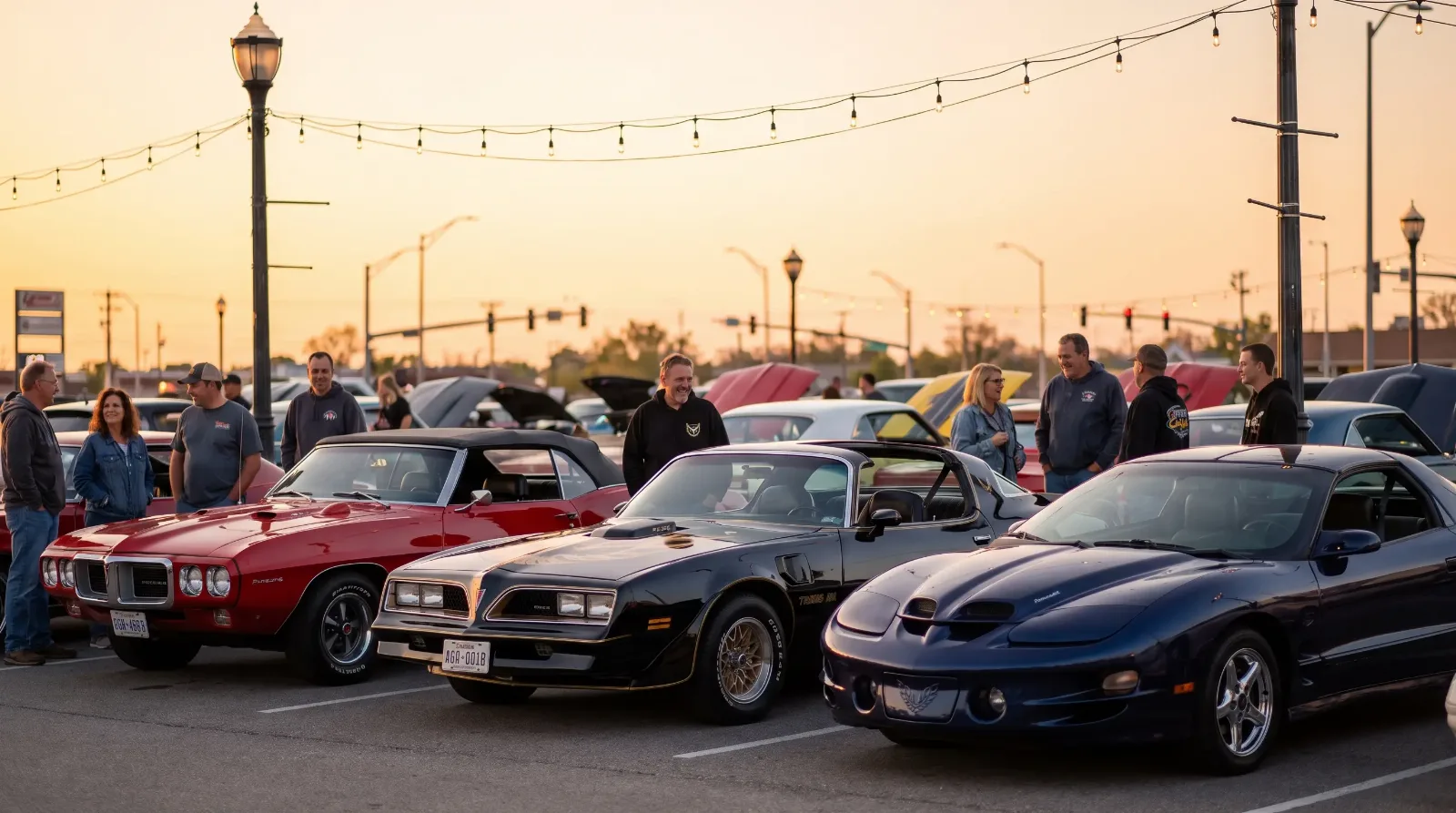
The Trans Am faithful
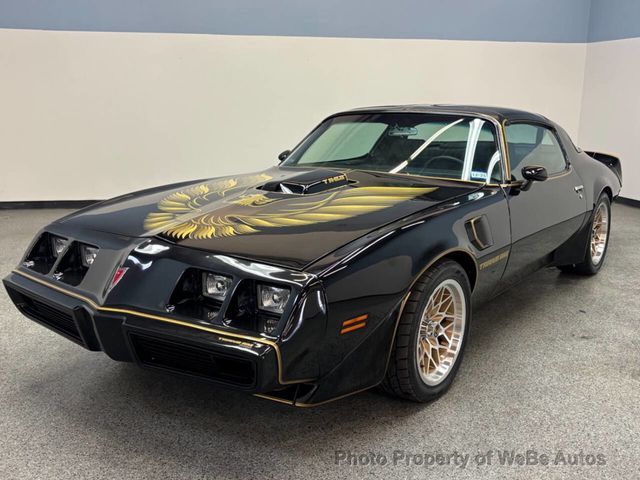
No F-body tribe is louder or more visible than the Trans Am crowd, and for good reason. The Trans Am carried Pontiac's performance identity through the muscle car era, the malaise years, and into the modern era, and its owners tend to know exactly which model year, which engine option, and which decal package they are looking at from thirty feet away. This group split further after the 1977 Smokey and the Bandit era turned the black and gold Trans Am into a piece of pop culture, drawing in owners who came to the car through the movie before they came to it through the mechanical specifics. That influx never fully faded, and it gave the Trans Am tribe a slightly different flavor than the more purist muscle car crowds around other GM nameplates.
Within the Trans Am world there is a further split between owners chasing factory originality and owners building period-inspired modifications, a tension that shows up at nearly every judged event and every online forum thread about what counts as a "real" Trans Am.
The second-generation underdogs
Second-generation Firebird owners, roughly 1970 through 1981, occupy an interesting position in the community. Their cars sold in real volume and carried some of the platform's best-known styling, but they arrived without a factory convertible option and rode through the horsepower-sapping years of tightening emissions standards. That combination has left some second-gen owners feeling like their era gets skipped over in favor of the flashier first generation or the fuel-injected performance of the later cars. The people who stick with second-gen Firebirds anyway tend to be some of the most knowledgeable in the hobby, precisely because they had to learn to appreciate a car on terms other than raw output numbers.
The first-generation purists
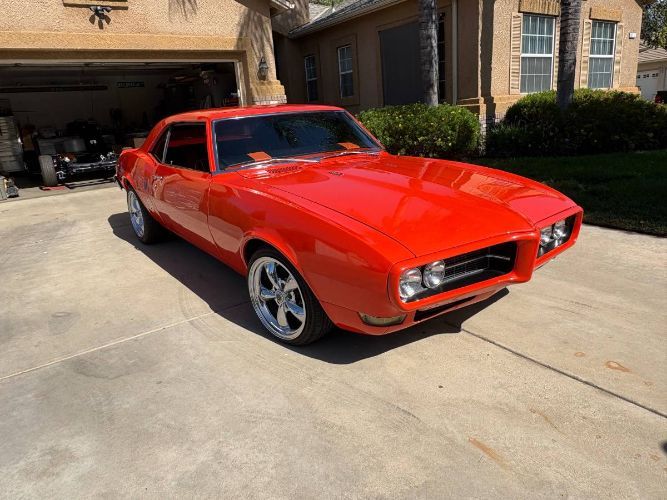
Owners of 1967 through 1969 Firebirds occupy a different corner of the hobby entirely, closer in spirit to the concours crowd than to any performance-driven tribe. These are the cars judged most heavily on originality: correct trim tags, date-coded components, factory paint codes matched down to the option sheet. First-gen owners tend to be the platform's most meticulous historians, the ones who can explain the difference between a genuine Ram Air II car and a clone from a torn build sheet alone. Because the first generation shares its basic structure so closely with the earliest Camaros, these owners also tend to be fluent in Chevrolet's parallel history, if only to spot the differences that separate a real Firebird part from a reused Camaro casting.
This tribe is smaller than the Trans Am crowd and less visible at a casual cruise night, but it carries outsized influence at judged national shows, where the standards first-gen owners hold themselves to often set the benchmark other generations get measured against.
Drag racers and the LS1 converts
A separate tribe formed almost entirely around the fourth-generation Firebird's LS1 engine, and it looks nothing like the concours-focused first-generation crowd. These owners are less interested in matching numbers and more interested in dyno sheets, and the community that grew up around modifying the LS1 platform has become one of the most active corners of the entire Firebird hobby. Cheap horsepower gains, strong aftermarket support, and a genuinely capable factory chassis turned the last Trans Ams into a gateway drug for an entire generation of budget performance builders who might never have gotten into an older muscle car otherwise.
What holds these tribes together
Despite the internal divisions, F-body ownership tends to circle back to a shared appreciation that transcends generation and trim level. Regional clubs regularly mix first-generation purists with LS1 drag racers at the same cruise nights, and national shows draw entries spanning the entire 1967 to 2002 production run under one roof. The rivalry with Camaro owners, meanwhile, functions almost as a unifying force within the Firebird community itself, a shared opponent that smooths over the internal arguments about which generation matters most. Reading Firebird vs Camaro makes that dynamic clear, since so much of Firebird identity was built in direct comparison to its Chevrolet sibling.
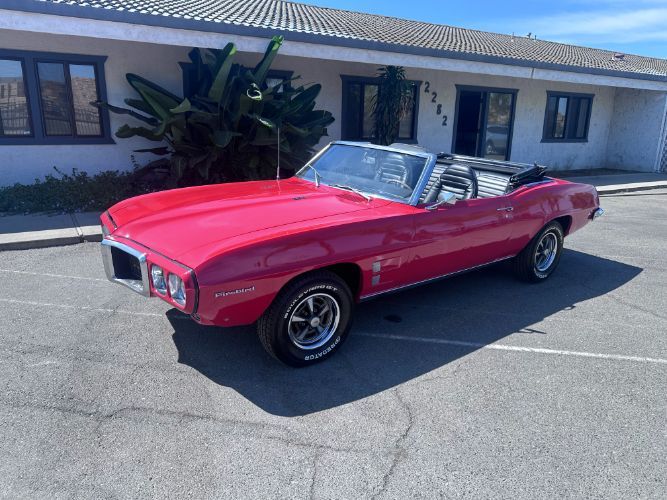
"You can put a 1969 convertible next to a 2002 WS6 at the same show and the owners will find something to argue about within five minutes. That argument is half the fun of owning one of these cars."
Patrick Walsh
Anyone getting serious about buying into this world should spend time with the full Firebird story before picking a lane, because the tribe you end up joining usually follows from which era of the car actually speaks to you rather than the other way around. And if a specific generation has already caught your eye, there is no substitute for looking at real classic Firebirds for sale to see how theory holds up against an actual car in front of you.
The tribes themselves are not going anywhere. If anything, the community keeps widening as LS1 cars age into classic status and new owners discover a platform that rewards curiosity about its own history. For the part of that history that runs straight through Chevrolet's showroom, keep reading the series into why the rivalry still shapes how both cars are collected today.
Sources and notes
- Pontiac Firebird - Wikipedia
- Pontiac Firebird second generation - Wikipedia
- Second Generation Pontiac Firebird (1970-1981) - Firebird Nation
- Smokey and the Bandit propelled Pontiac's Trans Am to stardom - Hagerty
- Firebird production breakdown all years - LS1TECH
- Black & Gold Trans Am History: Y82, Y84, and the Bandit Legacy - Motorious
Related Reading
Have a
Pontiac Firebird
for Sale?
Reach thousands of serious classic car collectors across the US.
Sell It Here →
Are You a Classic Car Dealer?
List your full inventory and connect with targeted classic car buyers.
Join as a Dealer →

About the author
Patrick Walsh
Automotive journalist covering classic car shows, events, and the enthusiast community across North America.
Related Listings - Pontiac Firebird




Comments
Be the first to comment on this article.