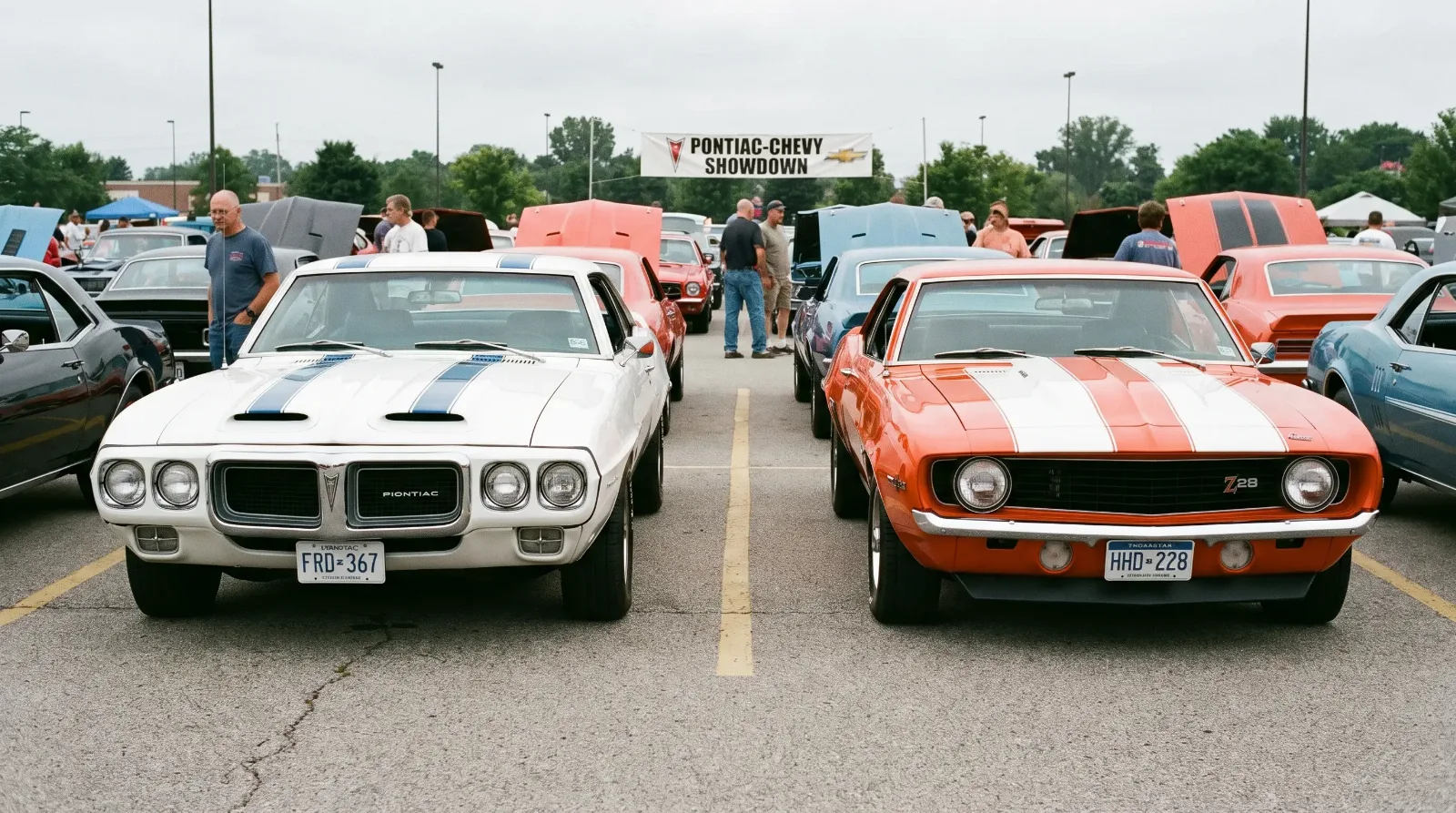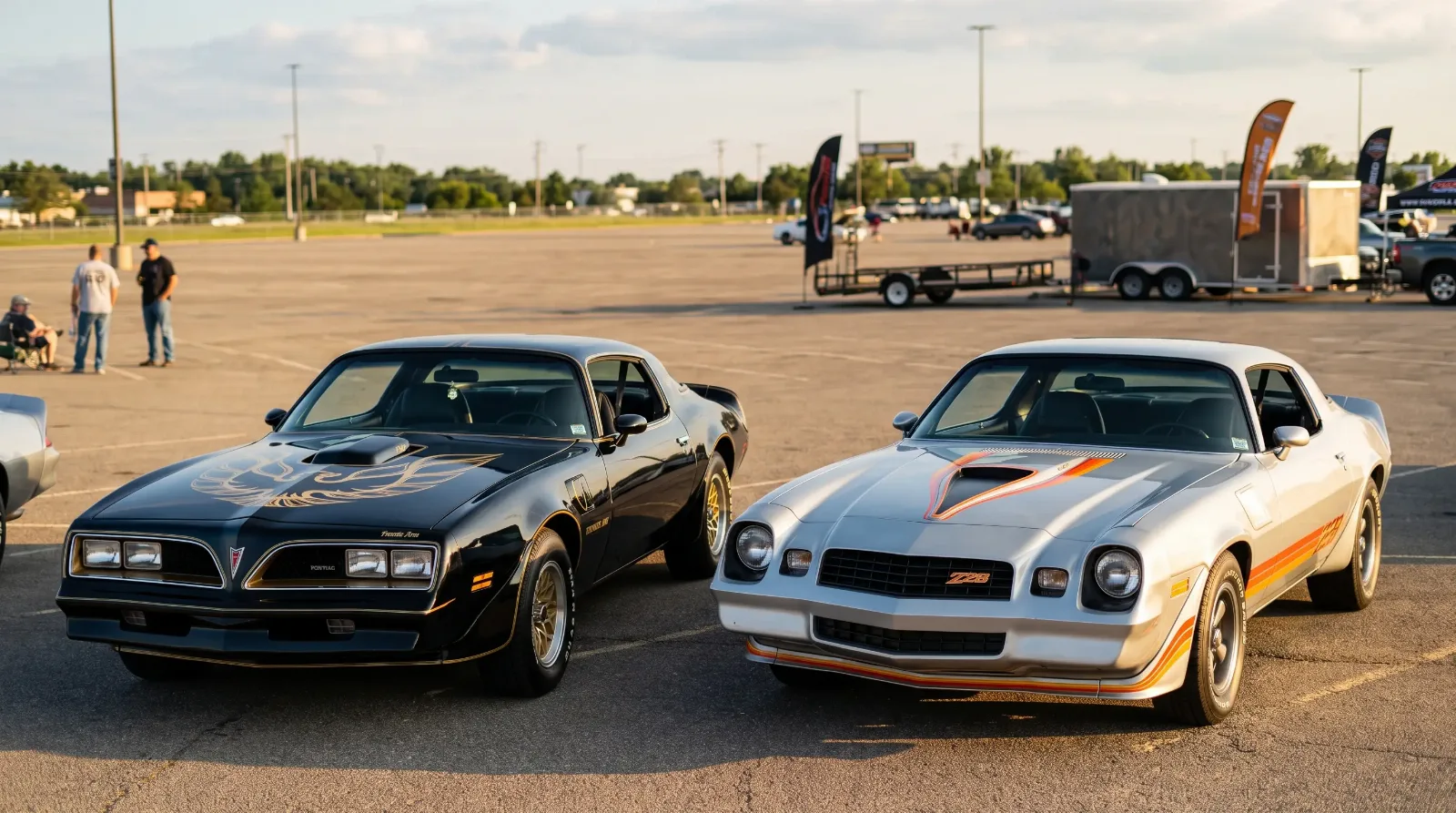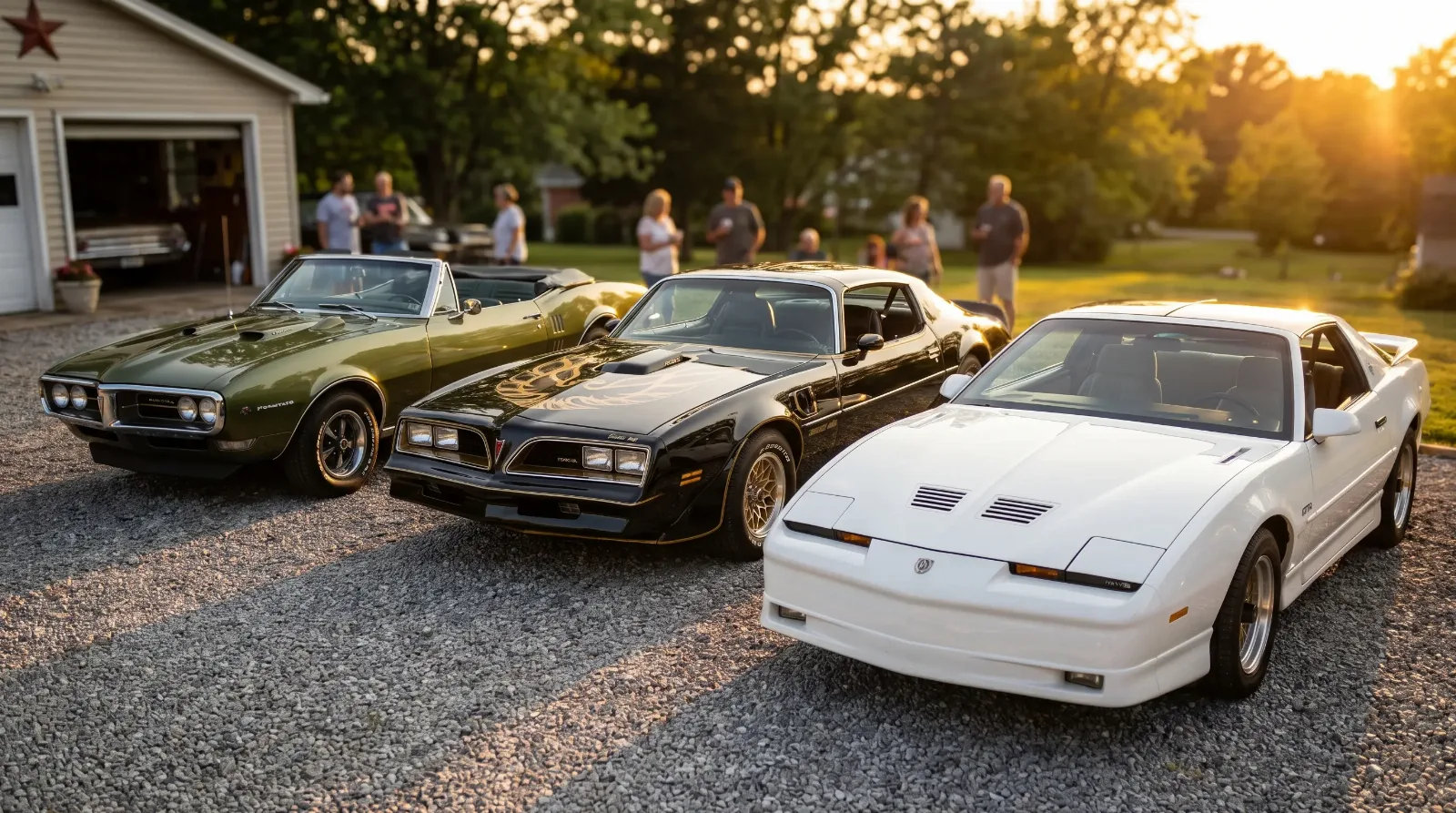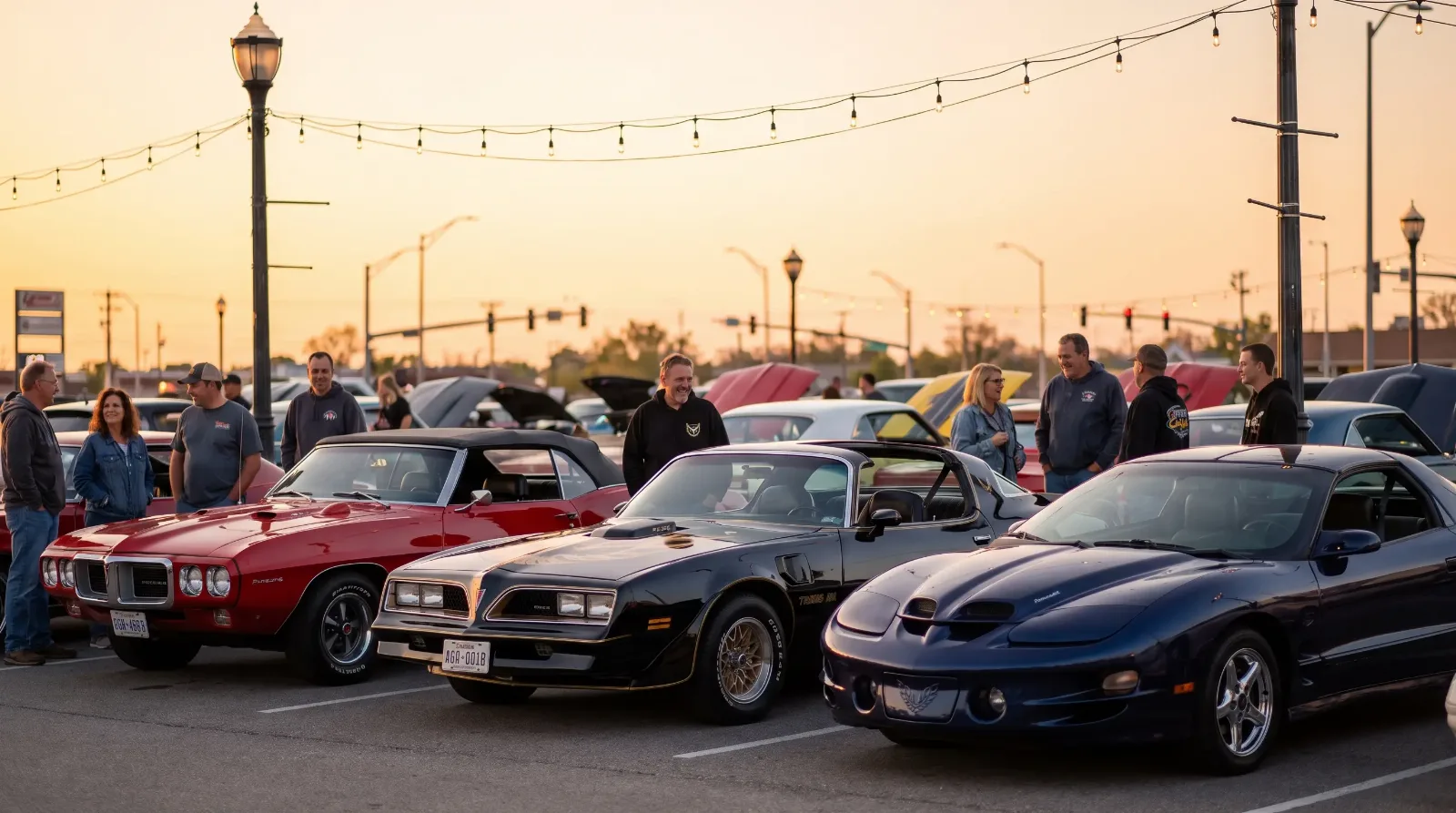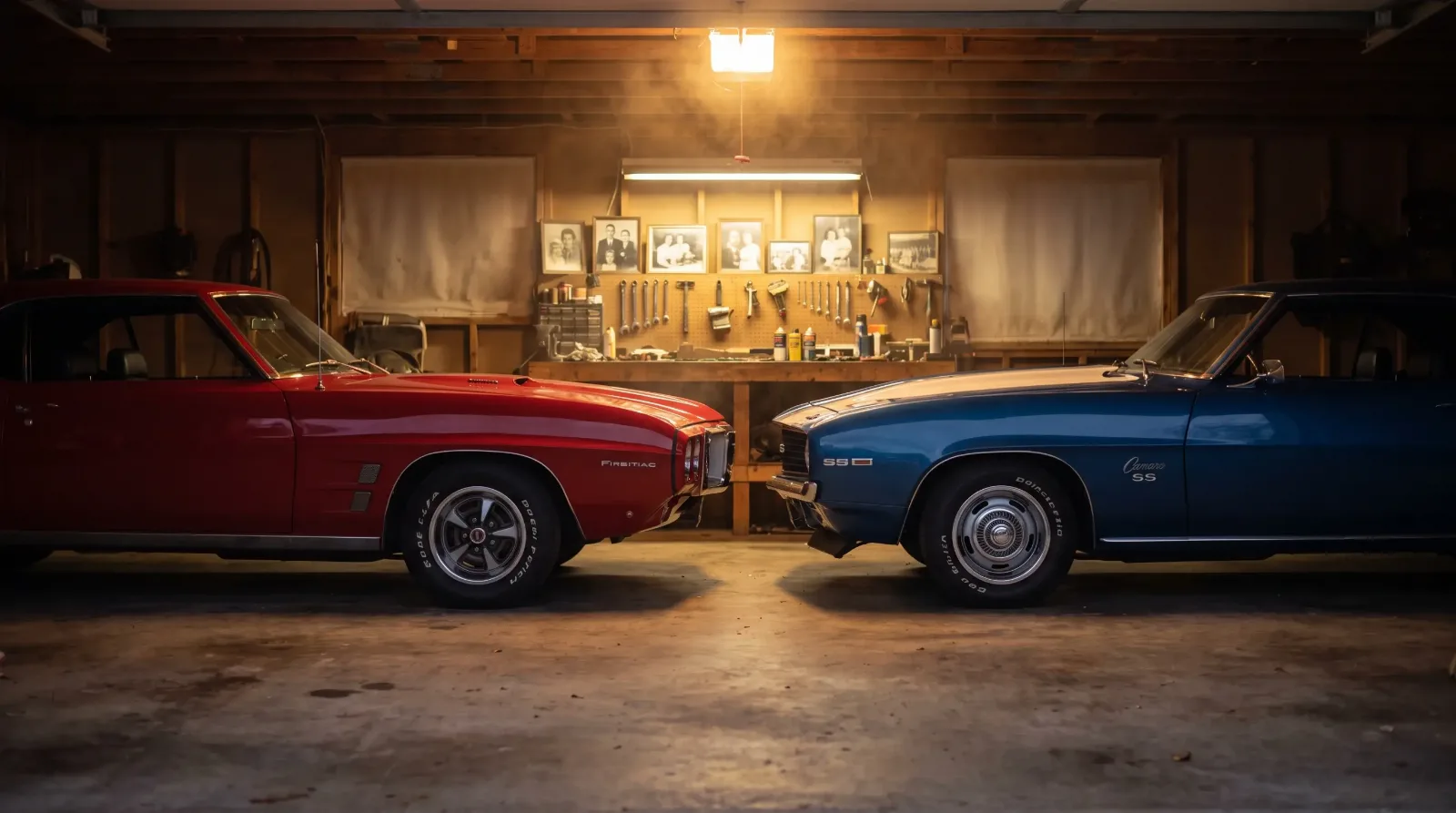
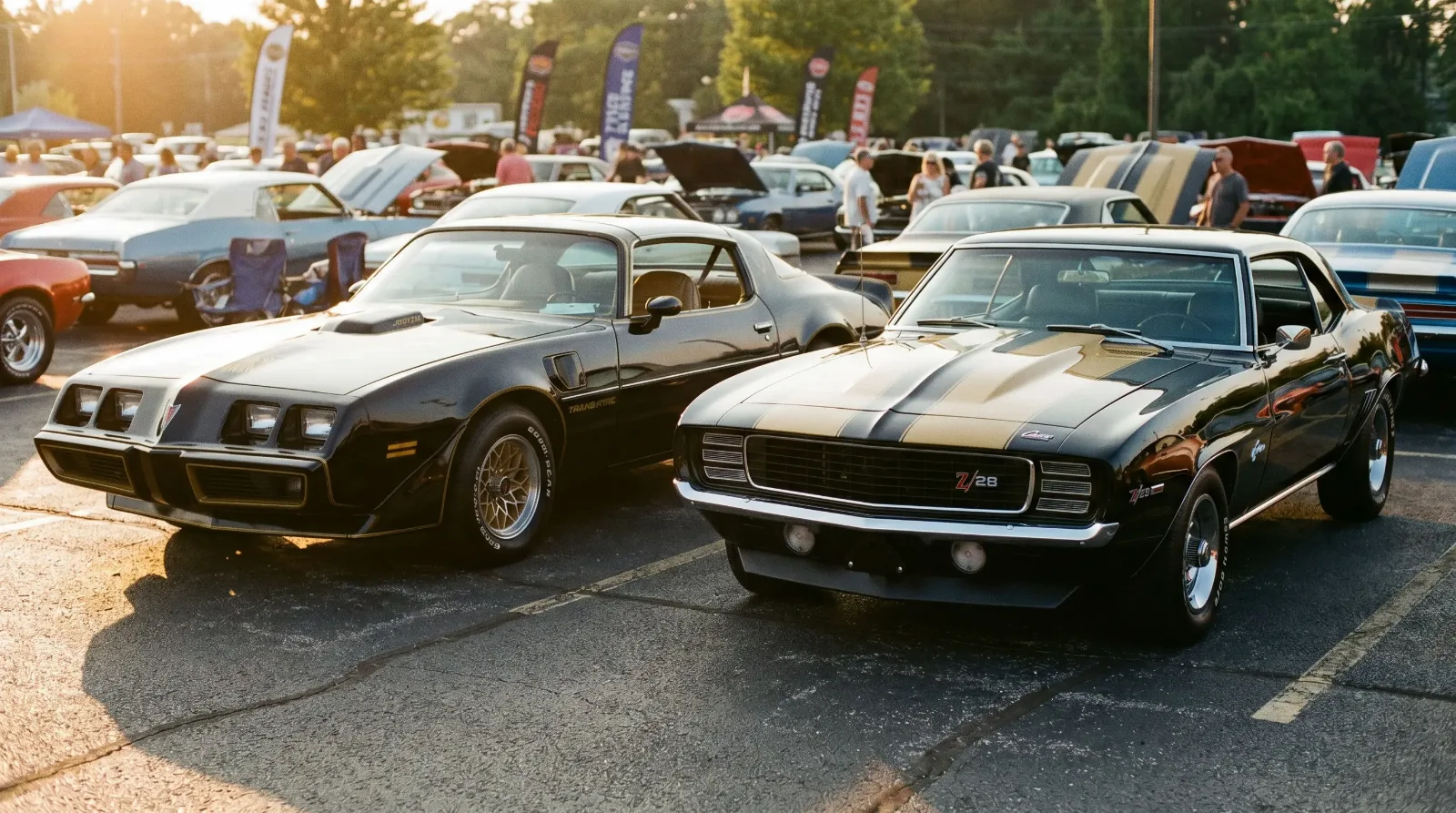
Walk any big American car show and you will find them parked a few spaces apart, often by owners who know each other by first name and still refuse to agree on anything. One drove a Trans Am to his wedding. The other has owned three Z/28s and swears the fourth is coming. They share coffee, they share tools, and they will argue about firebird vs camaro until the field empties and the sun drops behind the trailers. That argument is older than most of the people having it, and it started inside the same General Motors engineering building.
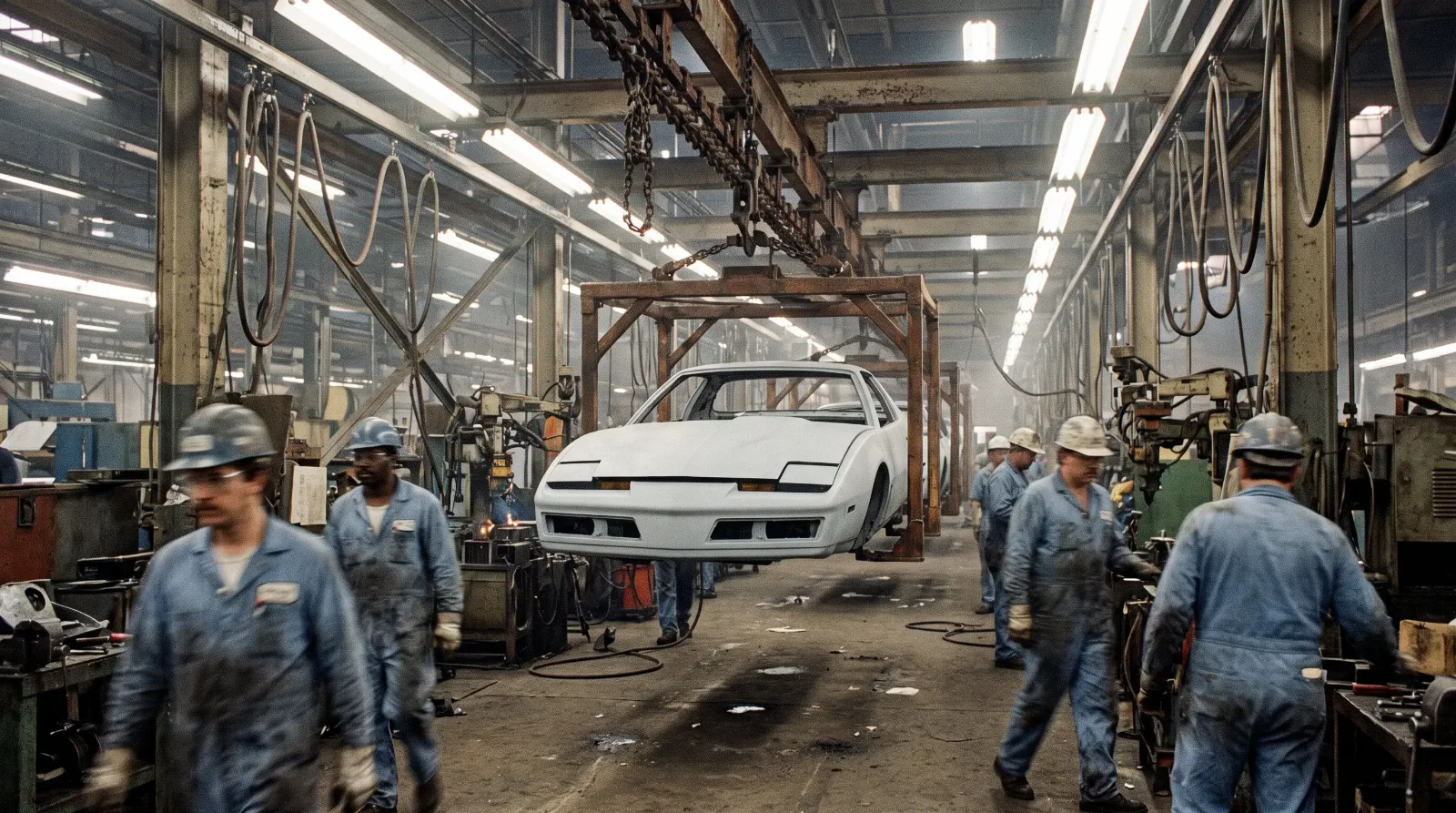
The two cars are twins in the way that matters least and strangers in the way that matters most. They rode on the same platform, wore many of the same stampings, and rolled down assembly lines that were never far apart. Yet they were built by two divisions that answered to different bosses, chased different buyers, and held very different opinions about what a pony car was supposed to feel like. To understand why collectors still take sides, you have to go back to a decision made in a hurry.
One platform, two divisions
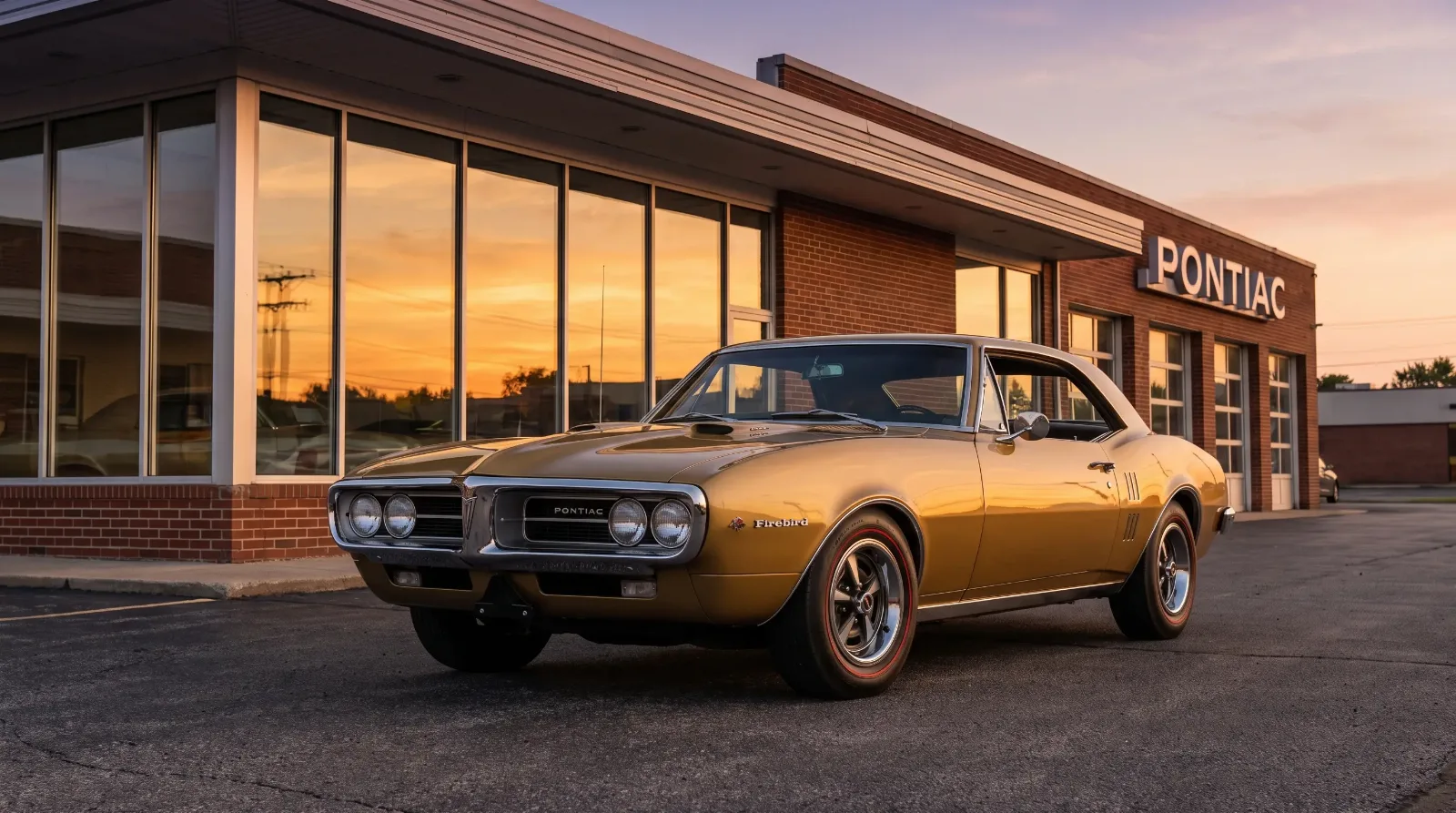
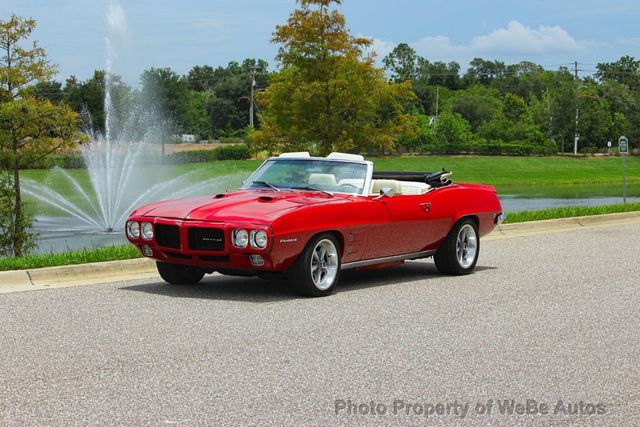
General Motors gave the Camaro to Chevrolet first. It arrived for the 1967 model year in the fall of 1966, Chevrolet's answer to the Ford Mustang, which had been embarrassing the company for two full seasons. The Firebird followed roughly five months later, in February 1967, because Pontiac had wanted to build a two-seat sports car instead and corporate management said no. Pontiac got the F-body shell as a consolation prize and turned it into something that outlived the disappointment.
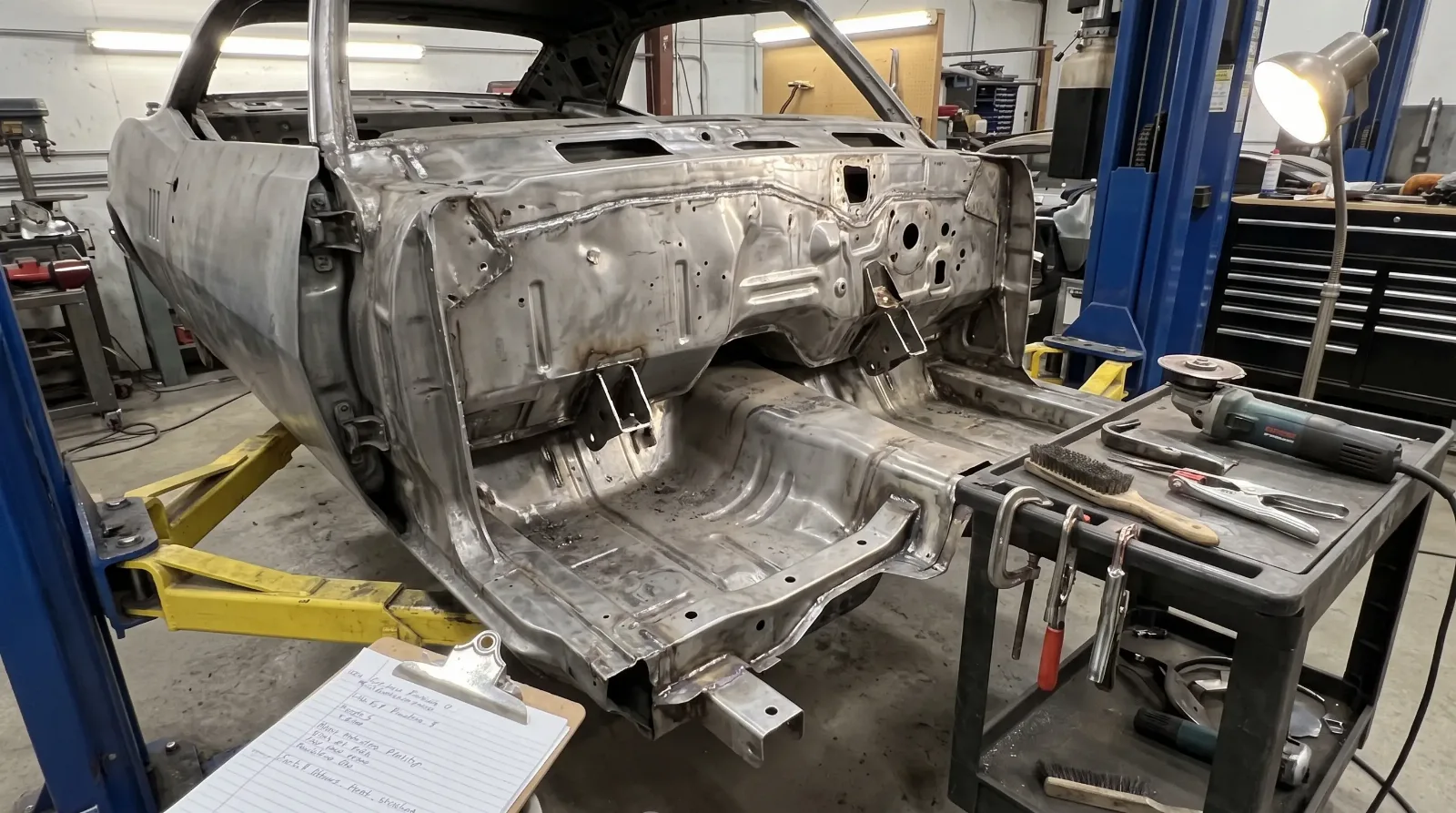
The shared hardware was real. Both cars used a unibody with a bolt-on front subframe carrying the engine, front suspension, and steering. Cowl, roof, doors, and much of the floor were common. That engineering marriage is the reason parts hunters still cross-shop the two marques at swap meets, and it is a story worth its own telling. If you want the full account of how the division fought for the car and what it became, how the Firebird legend began covers the birth in detail.
What GM did not share was the personality. Chevrolet aimed the Camaro at volume, a broad and reachable car that could be optioned from mild to serious. Pontiac, still riding the performance image John DeLorean's team had built with the GTO, aimed the Firebird slightly upmarket and a little wilder. Same bones. Different souls.
The styling divide
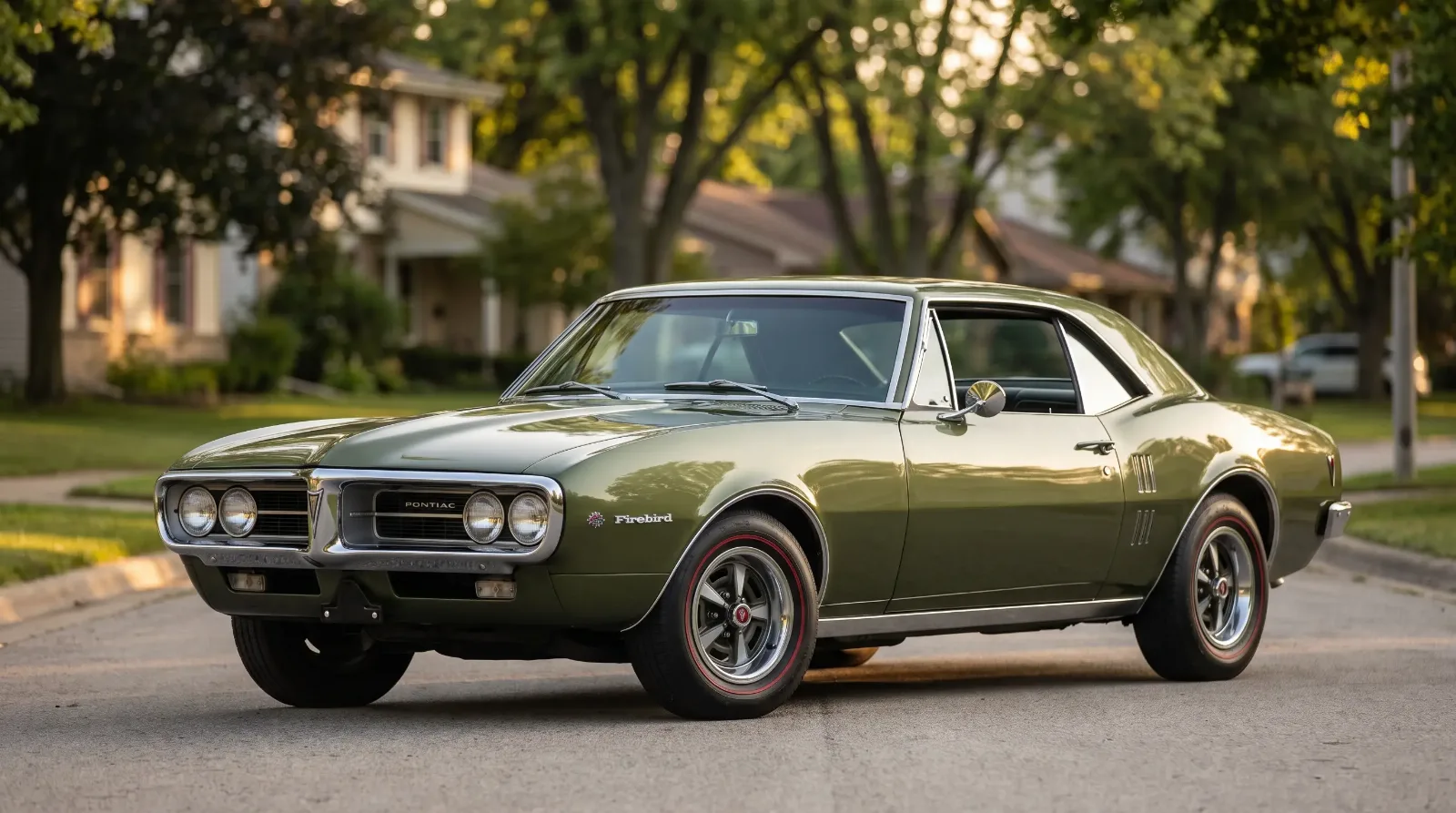
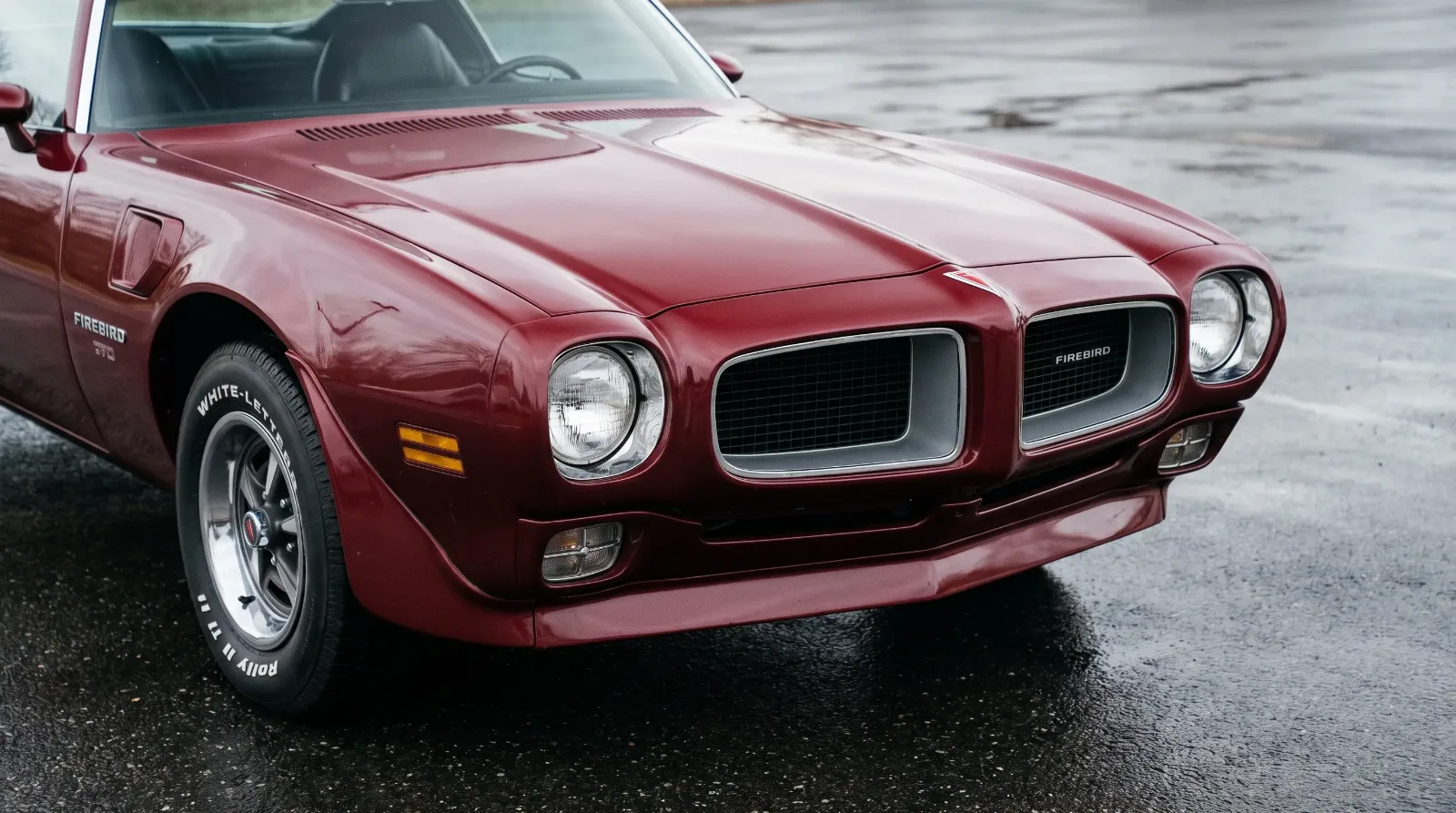
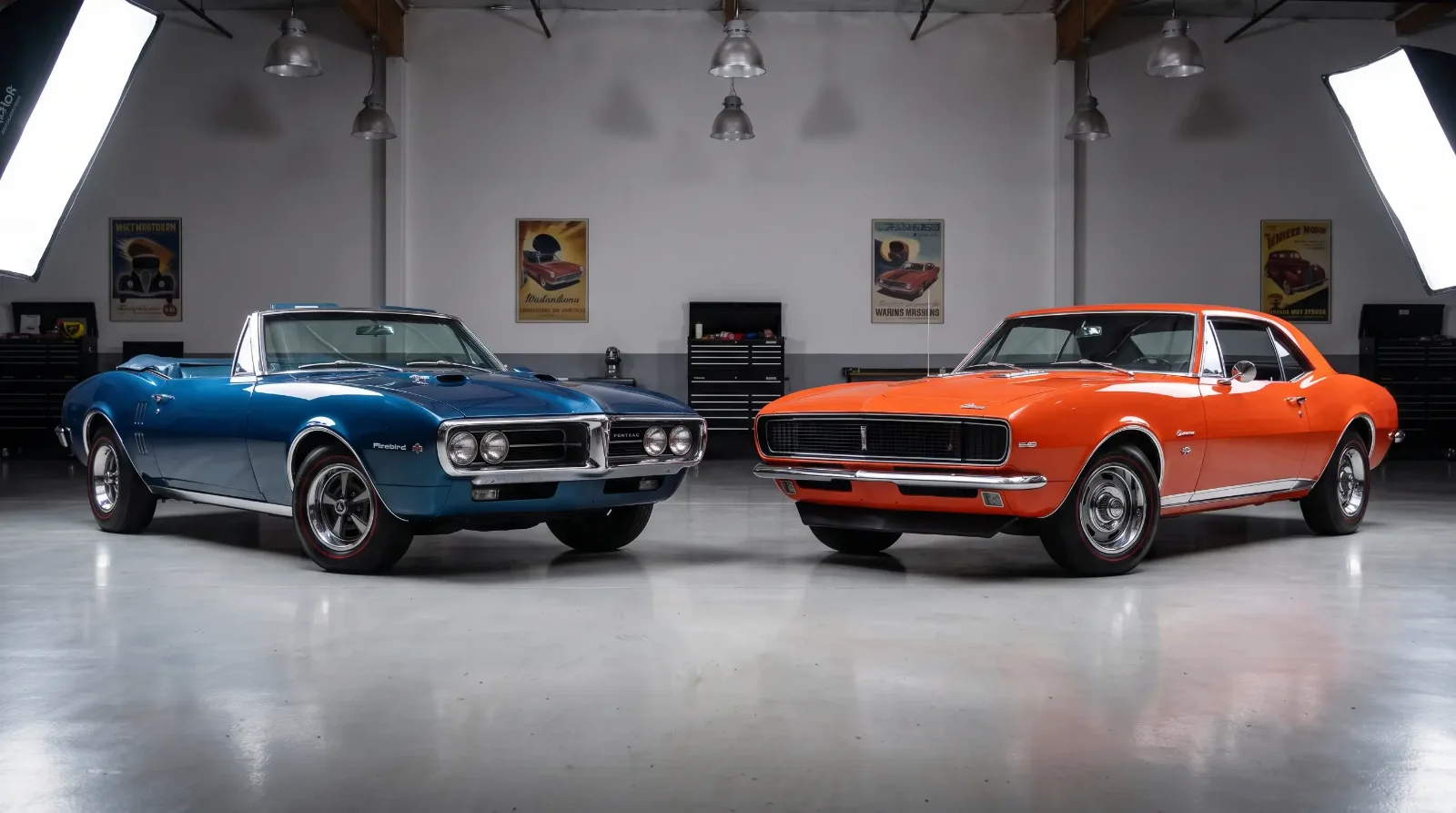
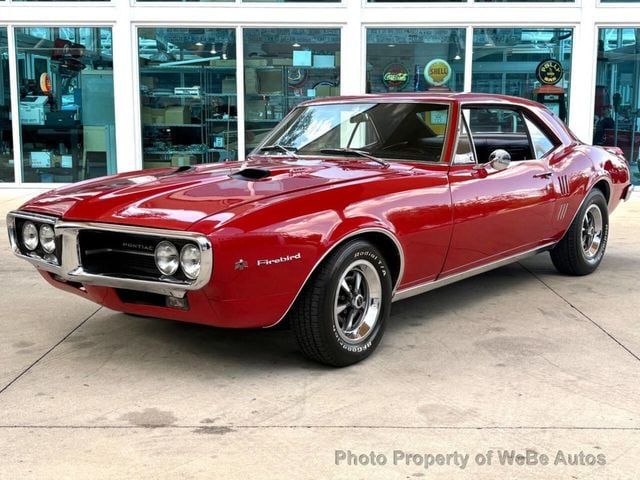
You can tell them apart from across a parking lot, and that was deliberate. Pontiac insisted on its own face. Early Firebirds wore the split grille that had become a division signature, giving the nose a twin-nostril look no Camaro ever had. When the second generation arrived for 1970 and a half, Pontiac leaned harder into it with the body-color Endura nose, a soft, flexible beak that let the front end shrug off small knocks and gave the car a pointed, predatory profile.
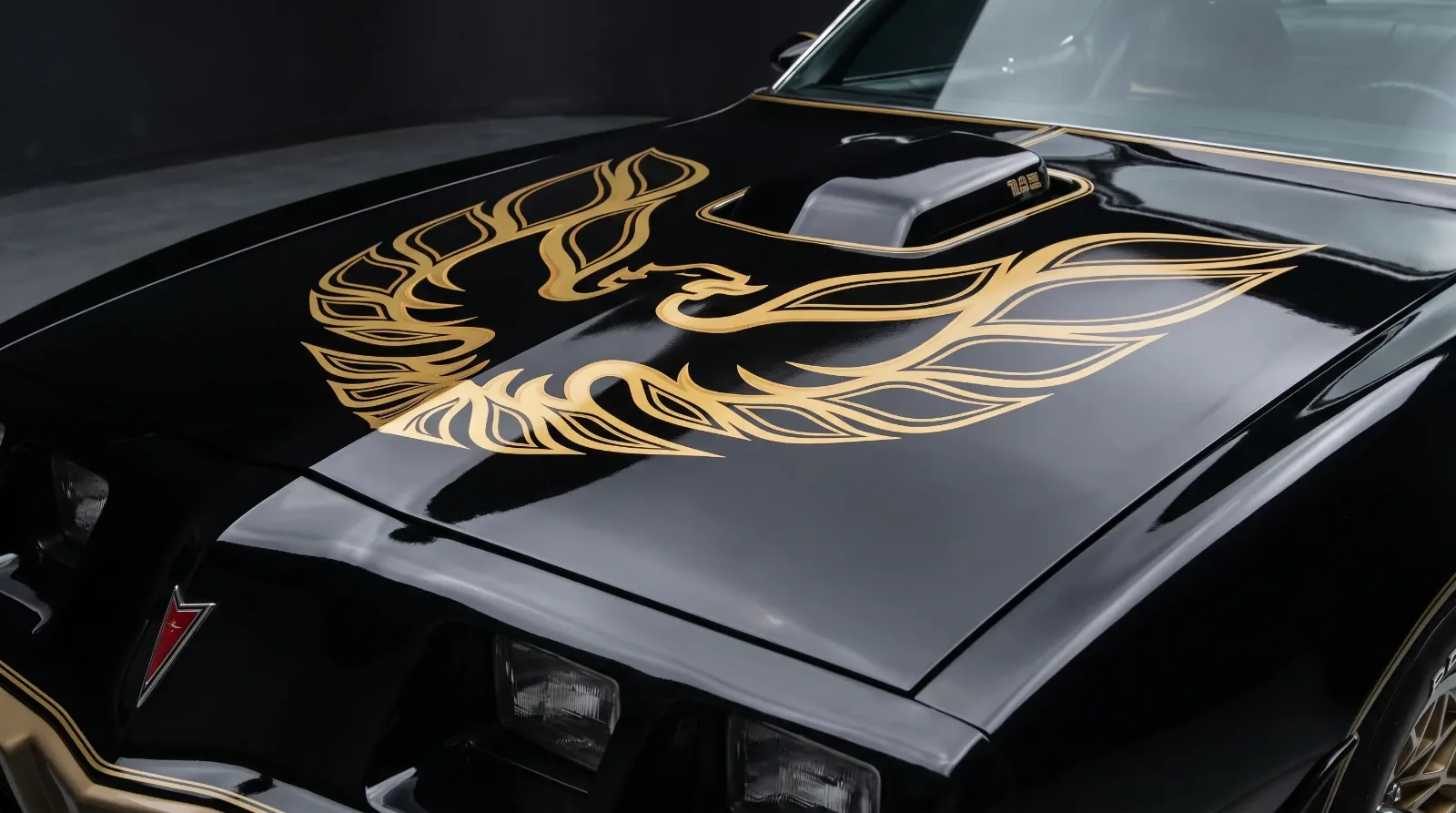
Chevrolet played it straighter. The Camaro's styling was cleaner and more restrained, a shape that aged into elegance rather than theater. Both approaches worked, and both have their defenders. The Firebird collected the flash, most of all once the shaker scoop and the enormous hood bird graphics arrived in the 1970s. The Camaro kept a quieter dignity that a certain kind of buyer has always preferred.
The interiors told the same story in miniature. Pontiac dressed its dashboards with an engine-turned appearance and a driver-focused layout, while Chevrolet's cabins were tidy and conventional. Neither was luxurious by later standards. Both felt purposeful in a way that modern cars struggle to match.
Pontiac power against Chevrolet power
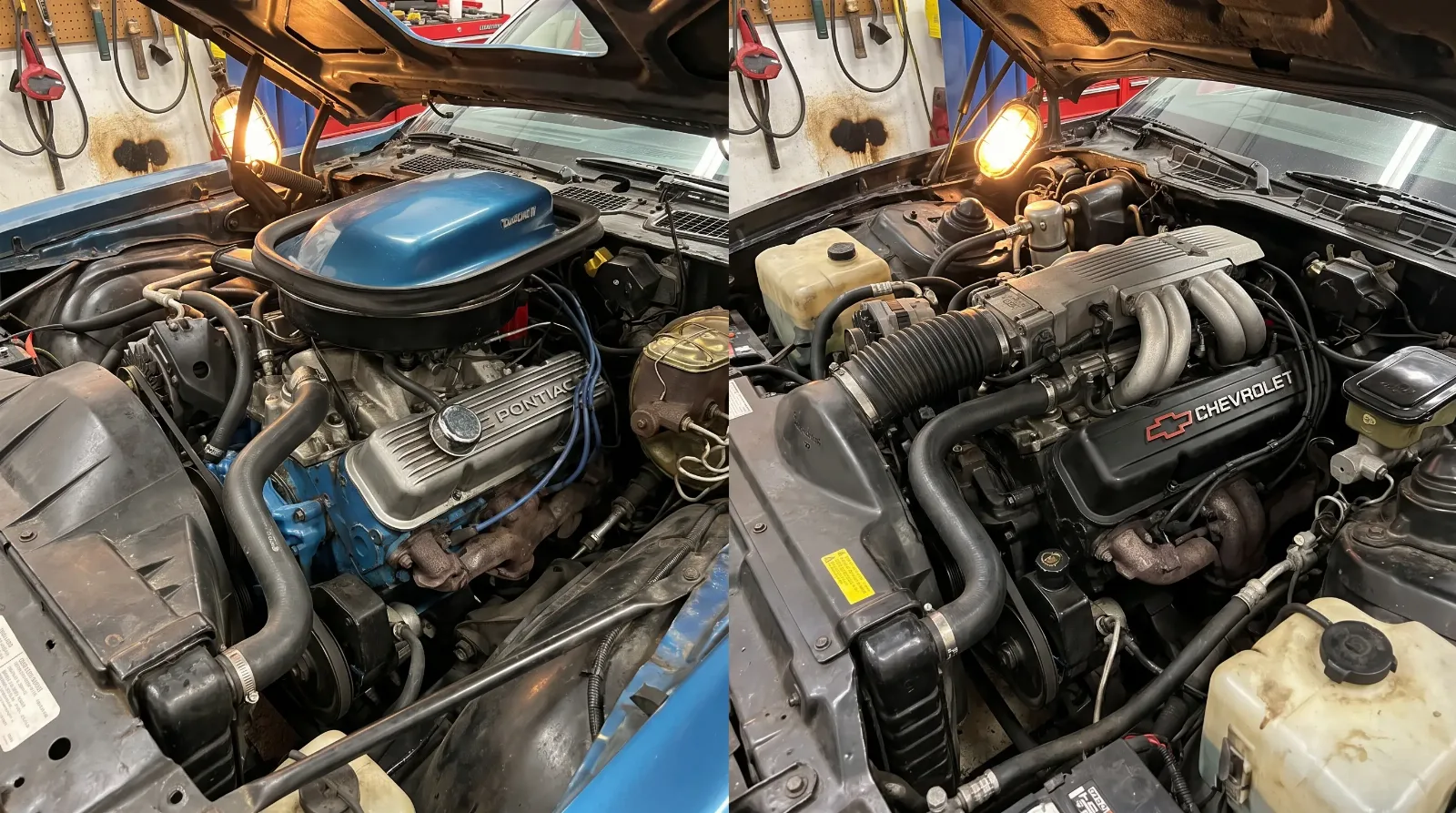
Here is where the twins stop being twins. Chevrolet filled the Camaro's engine bay with Chevrolet engines. Pontiac filled the Firebird's with Pontiac engines. The two families were built on completely different design philosophies, and that single fact shapes how enthusiasts argue about them to this day.
Chevrolet's small-block V8 was light, rev-happy, and cheap to build power with, which is exactly why the Z/28's high-winding 302 became a legend. The big-block 396 and later 402 gave the Camaro brute force when a buyer wanted it. Pontiac took a different road. Its V8s shared a common architecture across displacements, tended to make their strength lower in the rev range, and delivered a wall of torque rather than a top-end scream. A Pontiac 400 or 455 pulls like a locomotive.
Neither approach was wrong. They were different answers to the same question, and the difference is audible from the first stab of throttle. A Chevy small-block sings. A Pontiac big-inch V8 shoves. Buyers chose their religion early and rarely converted.
| Trait | Pontiac Firebird | Chevrolet Camaro |
|---|---|---|
| Public debut | February 1967 | September 1966 |
| Platform | GM F-body (shared) | GM F-body (shared) |
| Engine family | Pontiac V8 (326/350/400/455) | Chevrolet V8 (327/350/396/402) |
| Performance halo | Trans Am (from 1969) | Z/28 (from 1967) |
| Power character | Low-end torque | High-revving |
| Signature styling | Split grille, Endura nose | Cleaner, restrained lines |
Trans Am against Z/28
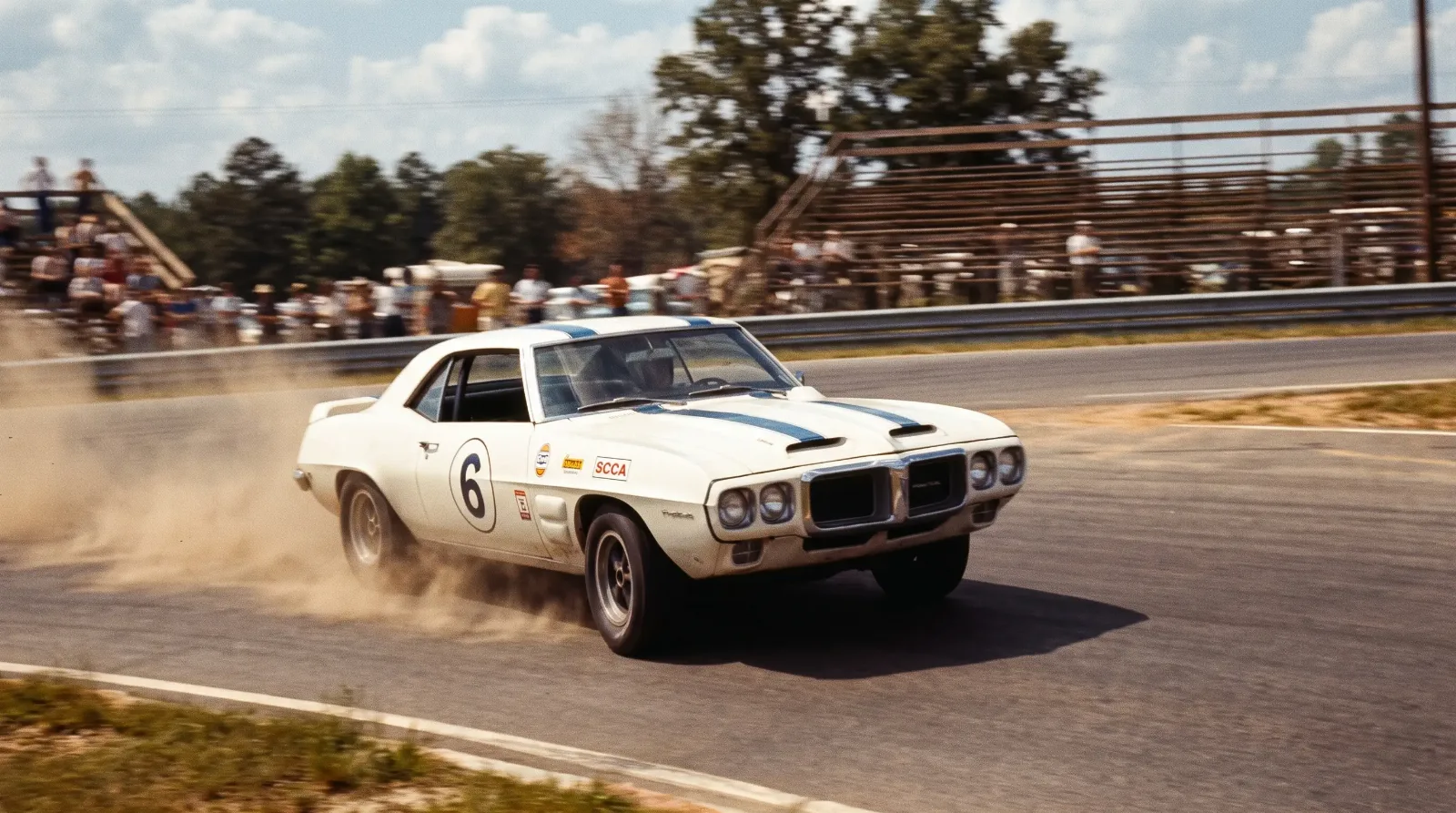
Every rivalry needs its champions, and the F-body produced two. Chevrolet's Z/28 came first, introduced for 1967 as a homologation special so the Camaro could go SCCA Trans-Am racing. Its 302 cubic inch small-block was purpose-built to slip under a displacement limit, and it turned the Camaro into a road-course weapon that racers and street kids both respected.
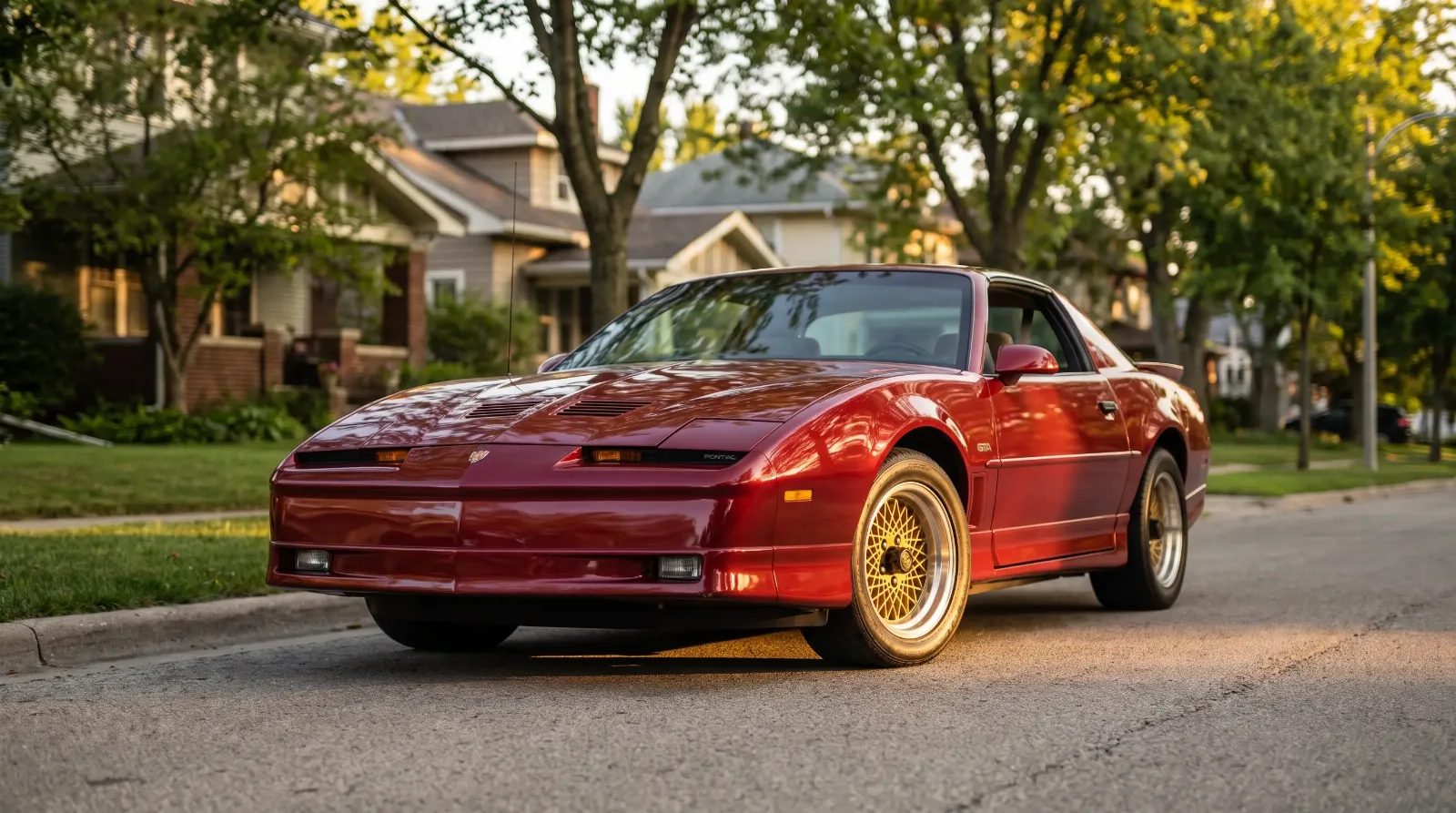
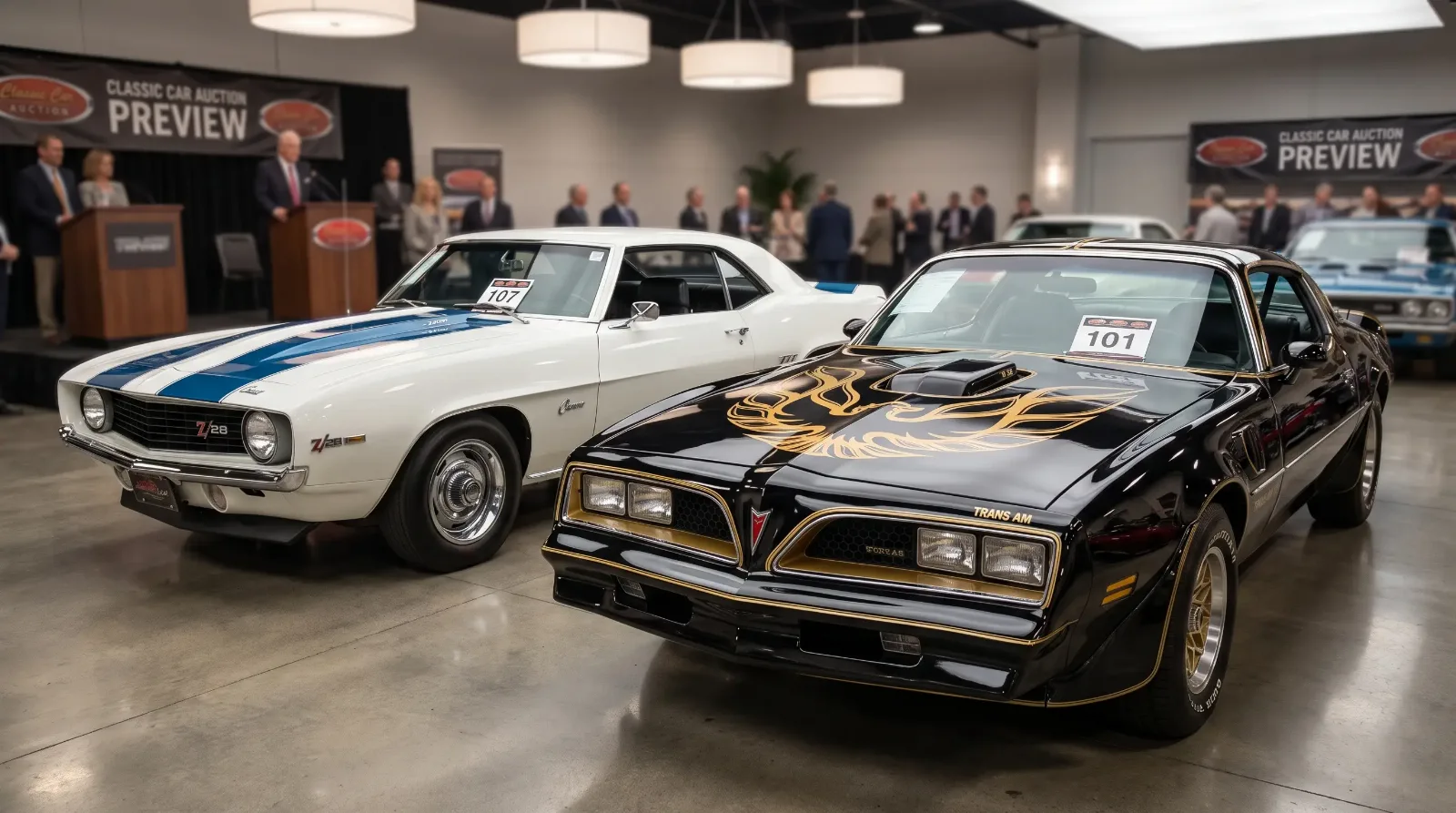
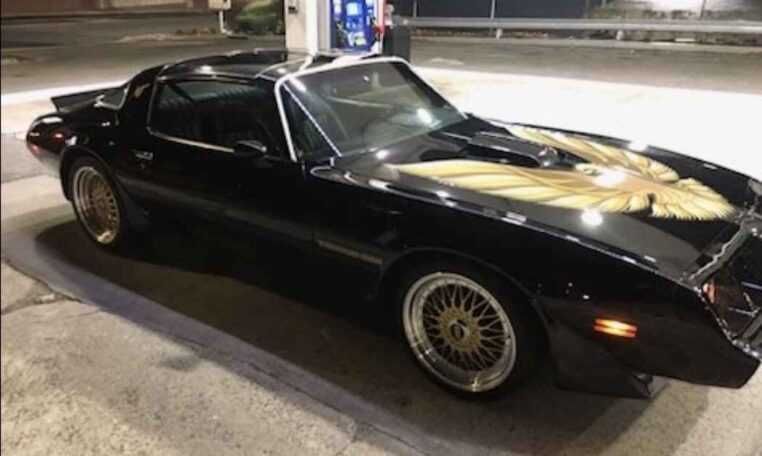
Pontiac answered in 1969 with the Trans Am, and in a twist the enthusiast community still enjoys, Pontiac's car never actually raced in the SCCA Trans-Am series it was named after. The division simply liked the name and paid to use it. What the Trans Am lacked in racing pedigree it made up for in presence. By the second generation it had become the definitive American muscle car of its era, the one Hollywood put on screen and the one a generation taped to a bedroom wall.
The two halo cars aged into opposite corners of the hobby. The Z/28 is respected as a driver's car, lean and honest. The Trans Am became a pop culture object, loud and proud and impossible to ignore. Both are blue chip now. The debate over which is the better car has never been settled, and it never will be, which is exactly why people keep having it.
The sales war
For most of the classic era, Chevrolet won on the scoreboard. The Camaro simply outsold the Firebird, year after year, a product of Chevrolet's larger dealer network, lower base prices, and broader marketing reach. Pontiac was always the smaller division chasing the bigger one.
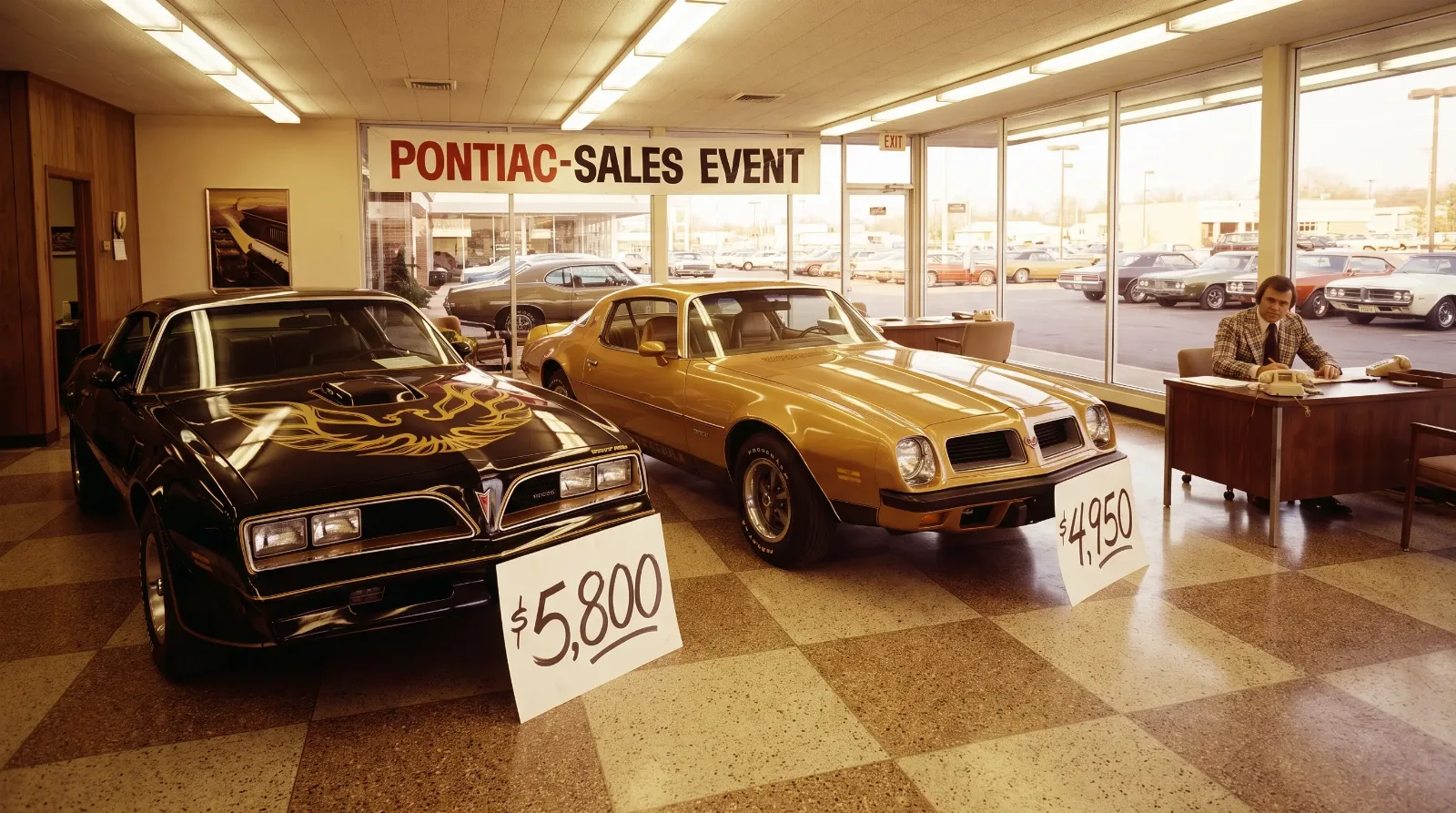
Then something changed. As the 1970s wore on and the Trans Am became a cultural phenomenon, the Firebird closed the gap and in some years the halo car's momentum carried the whole line. The Firebird's strongest sales came at the end of that decade, peaking in 1979 at more than 211,000 cars sold, driven by a black-and-gold special edition that a certain bandit made famous. The Camaro still moved more total cars across the run, but the Firebird had won something harder to measure. It had won the imagination.
Which one to collect
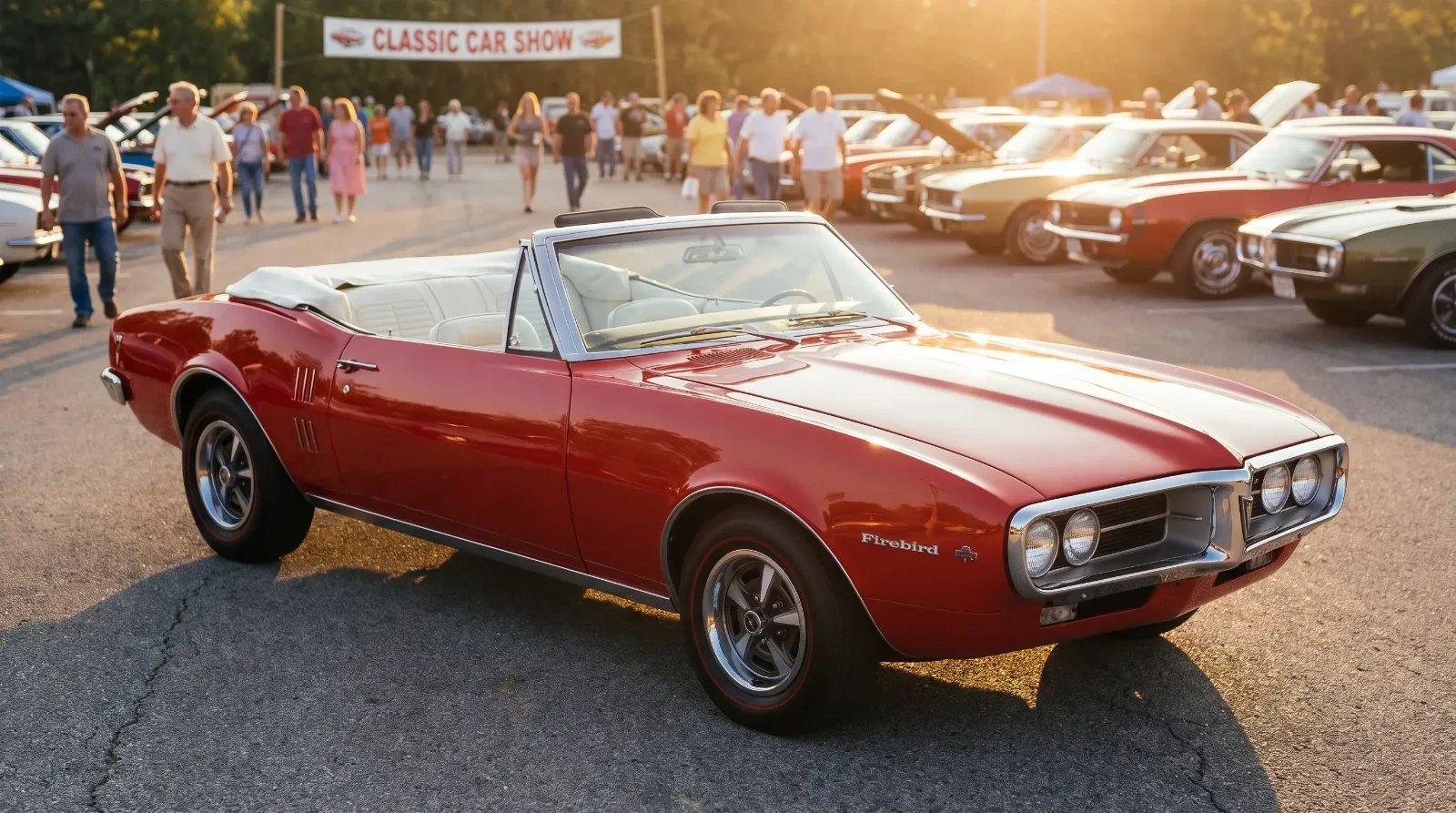
If you are choosing between them today, the honest answer is that both are strong, and the right pick depends on what you want from the ownership. First-generation cars from 1967 to 1969 are the purest expression of the original idea, compact and clean, and values for correct examples have climbed accordingly. For a closer look at those early cars and how they drive, read on.
The practical differences matter more than most buyers expect. Chevrolet small-block parts are everywhere and cheap, which makes a Camaro the easier car to keep running and to modify. Pontiac engines are more specialized, and a numbers-matching Pontiac V8 can be costly to rebuild correctly, so documentation is worth real money on a Firebird. As a rule, the wildest Trans Ams command the strongest prices, while a clean base Camaro remains one of the more attainable ways into the hobby.
"I have stood between these two cars at a hundred shows and I have stopped trying to pick a winner. The Camaro is the one you can always find parts for at nine at night. The Firebird is the one people photograph. Buy the one that makes you grin in the driveway, and let the other guy be right about his."
— Patrick Walsh
The rivalry never really ends, and that is the best thing about it. Two cars, one platform, two completely different ideas about how to have fun, and a hobby that is richer for keeping both alive. Whether you land on the bowtie or the screaming chicken, there are plenty of classic Firebirds for sale waiting to pull you into the argument. Just know that once you pick a side, you are in it for life.
Sources and notes
- Pontiac Firebird - Wikipedia
- Chevrolet Camaro - Wikipedia
- 25 Firebird facts every enthusiast should know - Hagerty Media
- Firebird Production Numbers - Trans Am World
- Your Handy 1970-81 Pontiac Firebird Buyer's Guide - Hagerty Media
- This Is Why The Second-Generation Pontiac Firebird Deserves Your Respect - CarBuzz