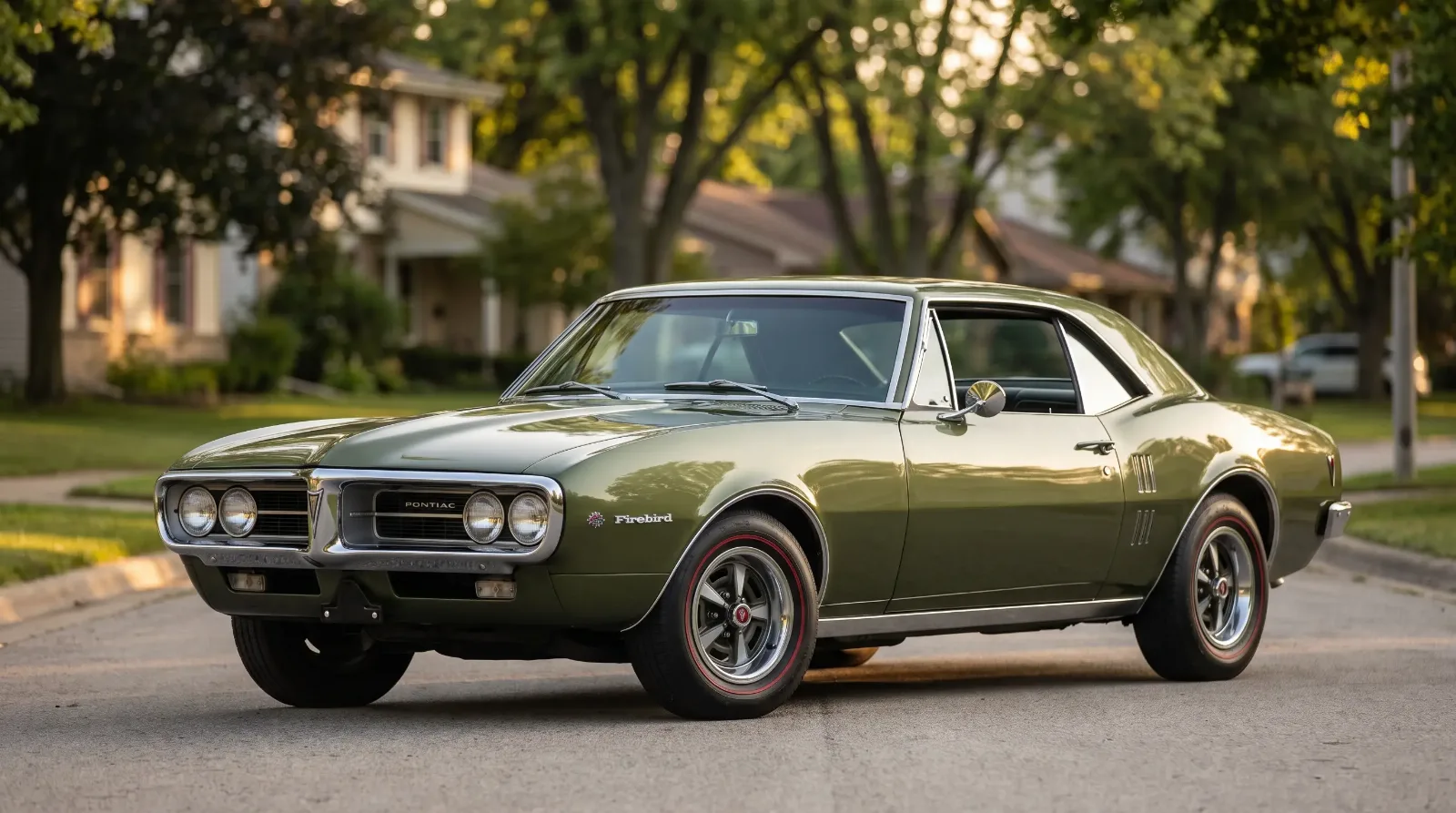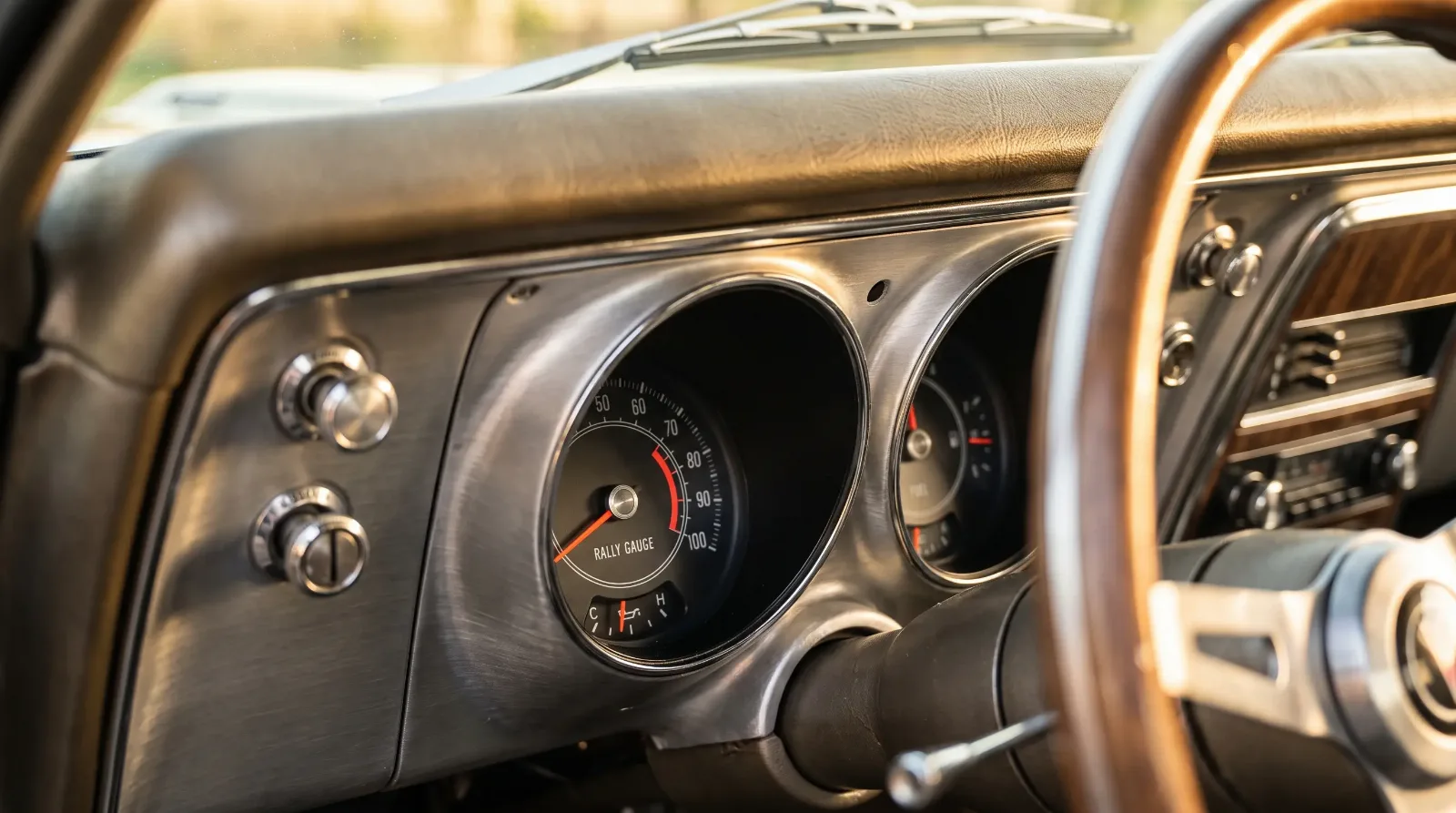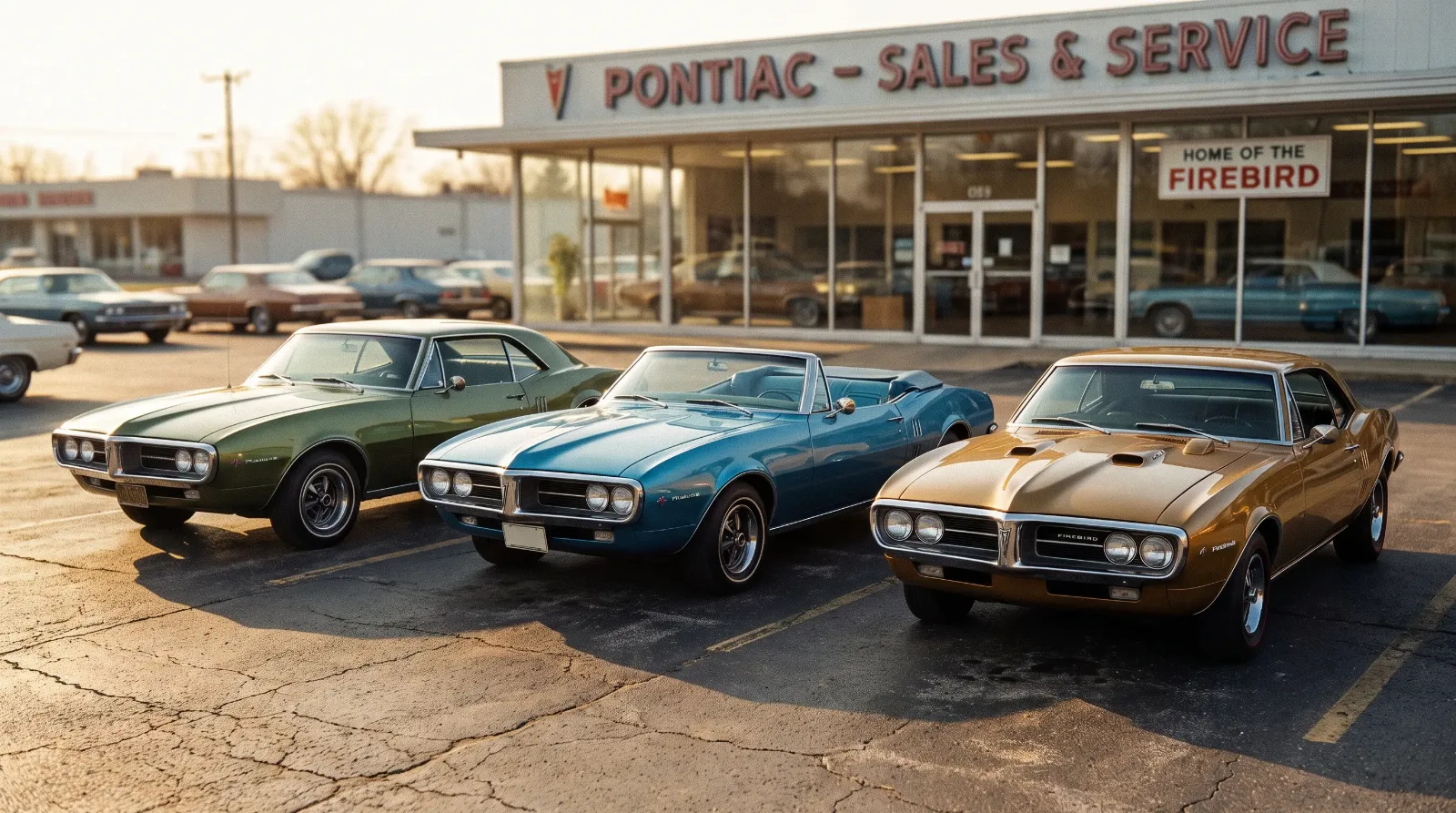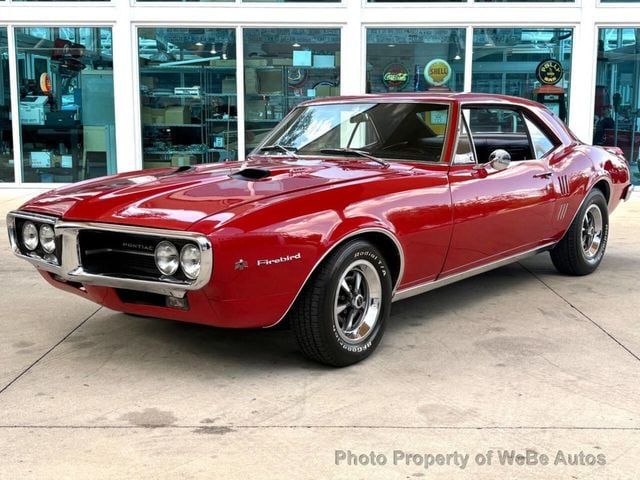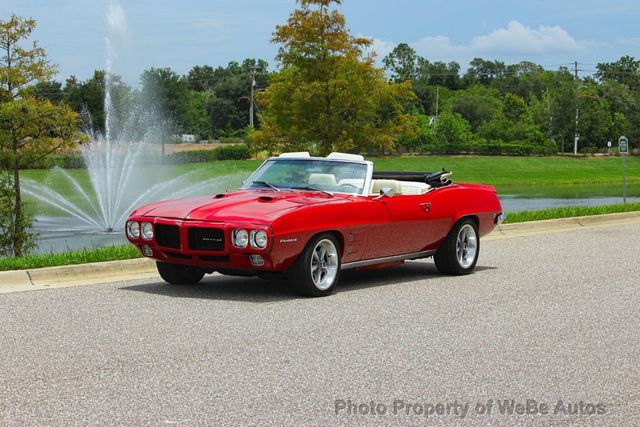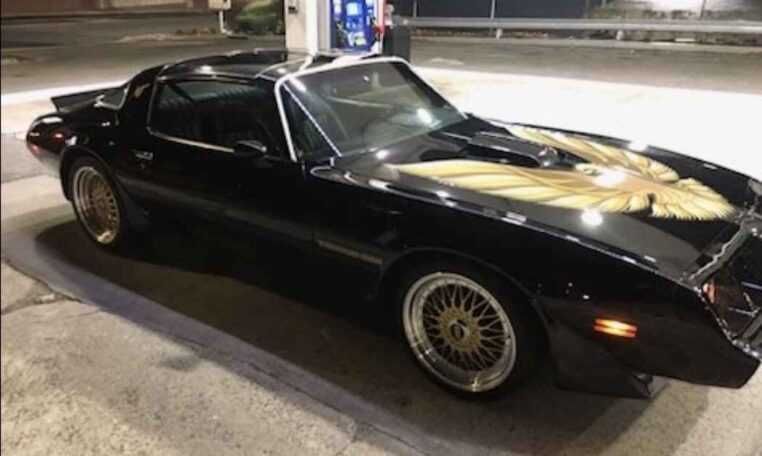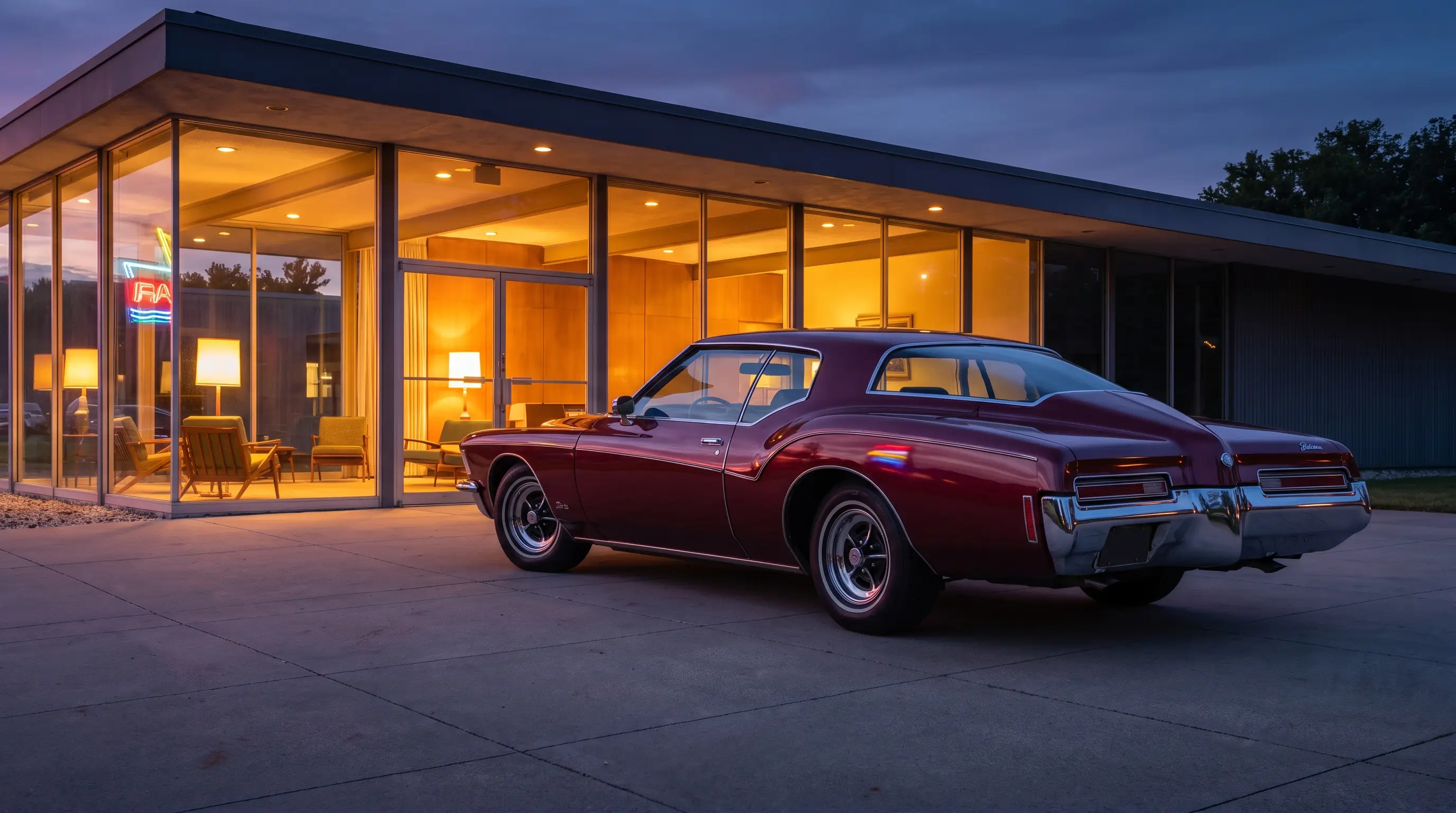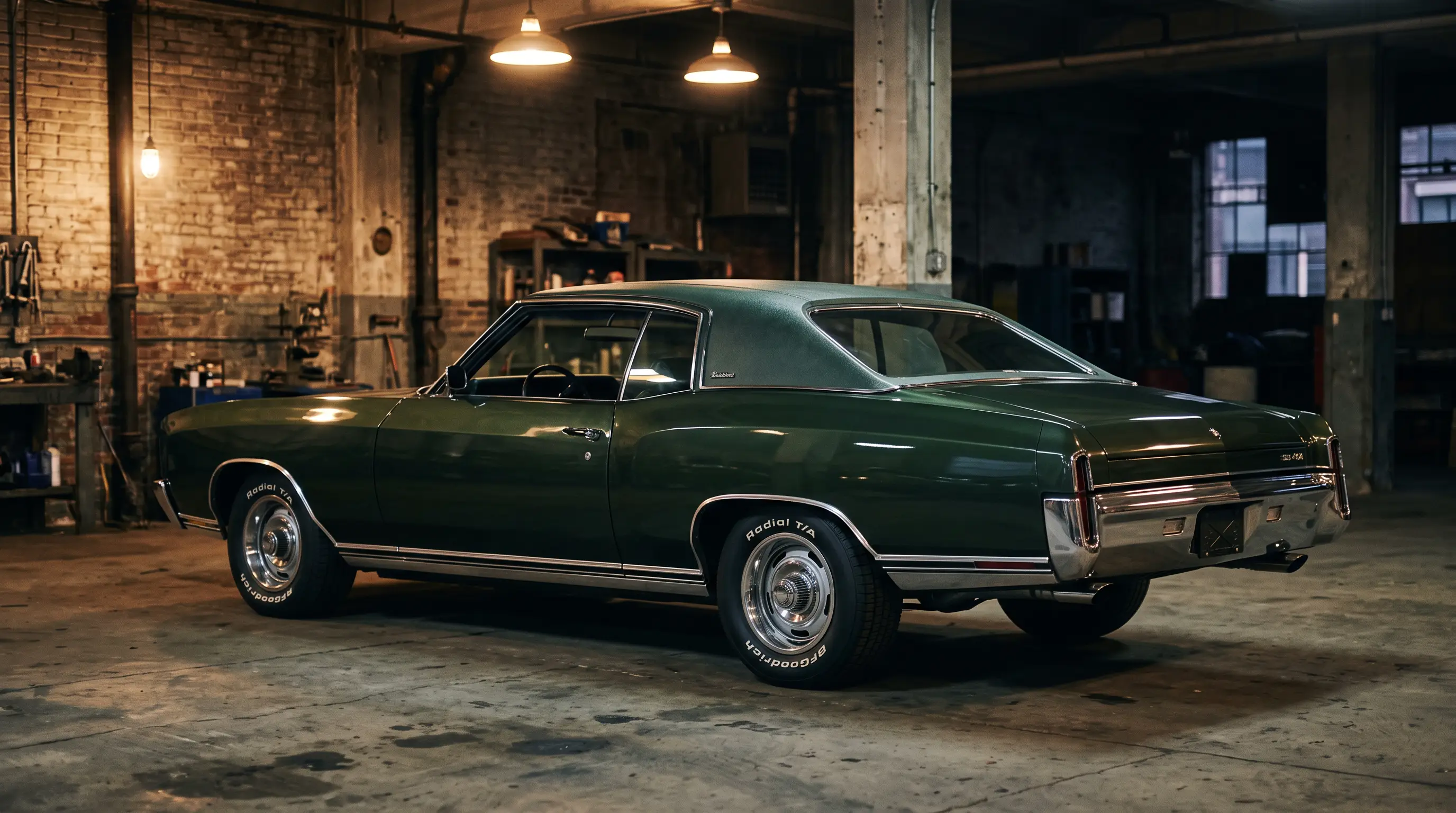
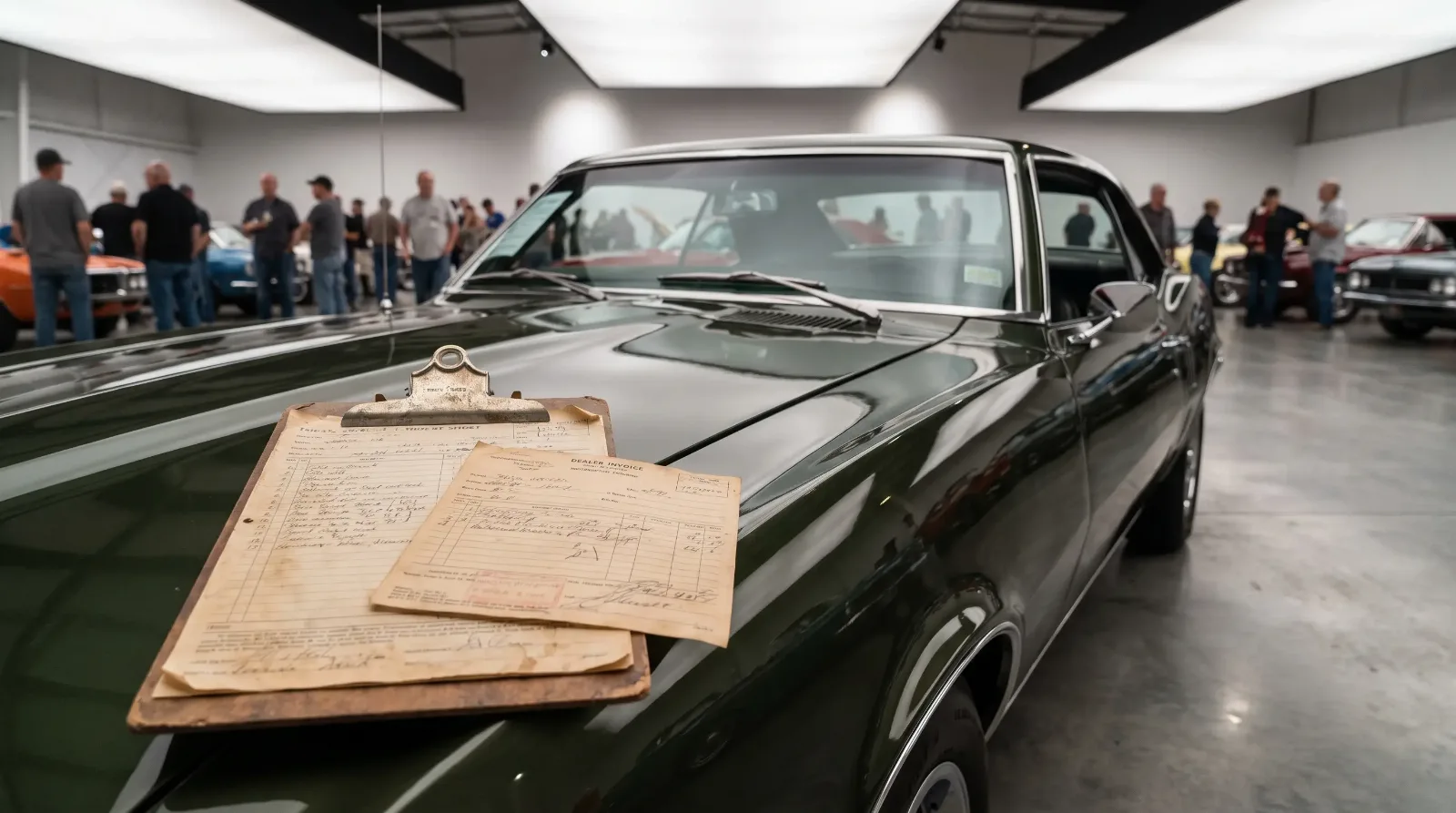
A gen1 Firebird collectible today commands prices that would have seemed absurd to the dealer who sold it new. These were not exotic cars in 1967. They were mid-priced pony cars competing directly with Mustang and Camaro, built in volumes that put them within reach of an ordinary buyer. What turned a subset of these cars into genuine collectibles, while others remain affordable drivers, comes down to a specific set of factors that had nothing to do with how the car felt to own new.
Survival rate did most of the early work
The 1967-69 Firebird was a car people bought to drive, not to preserve. Six-cylinder and small V8 examples especially were used up: driven through winters, sold to second and third owners who needed transportation more than a collector car, and eventually scrapped or left to rust. High-option cars with the 400 engine and four-speed were more likely to be kept by owners who cared about performance, and that selection bias alone explains a large share of why certain configurations are scarce today. It was not that Pontiac built fewer of them relative to demand. It is that the people who bought them were more likely to protect them.
Convertibles suffered a harder attrition curve than coupes across almost every American pony car of this era, since soft tops and their supporting structure deteriorate faster than a coupe's sheet metal. A surviving 1967-69 Firebird convertible in original condition is a meaningfully different find than a surviving coupe, and the market has priced that gap accordingly for years.
Documentation changed what "original" is worth
For a long stretch, a gen1 Firebird's history rode entirely on what the seller said and what the car looked like. That has shifted. A Pontiac Historical Services (PHS) document confirming original engine, options, and colors now separates a car that is merely old from one that is verifiably correct, and the price difference between a documented numbers-matching car and an undocumented example with a similar appearance can run into five figures on desirable high-option cars, though the exact premium moves with the engine, body style, and how hot the market is at the time.
This is a newer development in the collector hierarchy than most buyers realize. Twenty years ago, a clean-looking Firebird with a plausible story sold close to a documented one. That gap has widened steadily as buyers with real money at stake learned to ask for paperwork before they asked for a test drive.
Which configurations actually moved the needle
Not every gen1 Firebird appreciated at the same rate. The cars that separated from the pack share a short list of traits: factory four-speed manual transmissions, the 400 cubic inch engine where it was available, Ram Air option content, and factory air conditioning combined with a desirable color. Base six-cylinder cars, meanwhile, have stayed relatively affordable, since there is no shortage of survivors and no performance story to sell against.
| Factor | Effect on collectibility |
|---|---|
| Factory four-speed | Consistently commands a premium over automatic-equipped cars |
| 400 cubic inch engine | More desirable than base six-cylinder or small V8 |
| Ram Air option | Significant premium, verified through documentation where possible |
| Convertible body style | Lower survival rate raises value relative to coupes |
| PHS or comparable documentation | Separates verified originality from unverified claims |
What the restoration and parts market did
Reproduction parts availability for the 1967-69 Firebird improved substantially over the decades, and that cuts both ways for collectibility. On one hand, it means a rusted floor pan or a cracked dash pad no longer takes a car out of contention for restoration, since correct reproduction pieces exist for most of the commonly worn components. On the other hand, easy parts availability makes it simpler to build a convincing clone, which is exactly why documentation carries more weight than it used to. A car with the right badges and the wrong build sheet is not the same asset as one with matching records, even if the two are visually indistinguishable to a casual observer.
"People assume rarity is what makes an old car valuable, and sometimes it is, but for the gen1 Firebird it was survival and paperwork that did the sorting. The cars that got documented early and kept their build sheets are the ones that pulled away from the pack. Everything else is chasing that gap now."
— Tom Ramirez
Where the market sits now
The gap between a solid driver-quality gen1 Firebird and a documented, high-option example has widened enough that buyers entering the market for the first time are often surprised by how much configuration matters relative to condition alone. Two cars in similar cosmetic shape can be separated by a substantial margin once engine, transmission, and paperwork enter the conversation. That is the practical reality behind the first-gen Firebird story, and it is worth understanding before shopping this generation seriously. Buyers approaching this from another angle, focused on how the car sat inside Pontiac's broader 1967 range, will find the same documentation and configuration factors apply regardless of which entry point brought them to the car.
None of this happened by accident, and none of it happened quickly. The gen1 Firebird collectible market is the product of decades of survival attrition, improved documentation standards, and a parts industry that made restoration realistic without making fraud impossible. Buyers who understand that history are better positioned to know what they are actually paying for.
What this means for a first-time buyer
Anyone shopping this generation for the first time should treat the badge on the fender as a starting point, not an answer. A car marketed as a "400" or a "Ram Air" example without paperwork to back the claim is a negotiation, not a settled fact, and pricing should reflect that until documentation closes the gap. Sellers who can produce a PHS letter, an original tank sticker, or a documented ownership chain are asking for a premium because that premium is real, not because the paperwork is decorative.
The flip side is worth saying plainly. A base six-cylinder or small-V8 Firebird with honest condition and clear history is still a legitimate way into this generation, and it remains far more affordable than the documented, high-option cars discussed above. Not every buyer needs a Ram Air 400 to enjoy owning a piece of this era, and the entry-level cars have their own quiet appeal precisely because they were never chased by the same money.
The distance between those two ends of the market, an undocumented base car and a fully verified performance example, is wider today than it has ever been, and understanding why closes most of the gap between what a seller asks and what a car is actually worth.