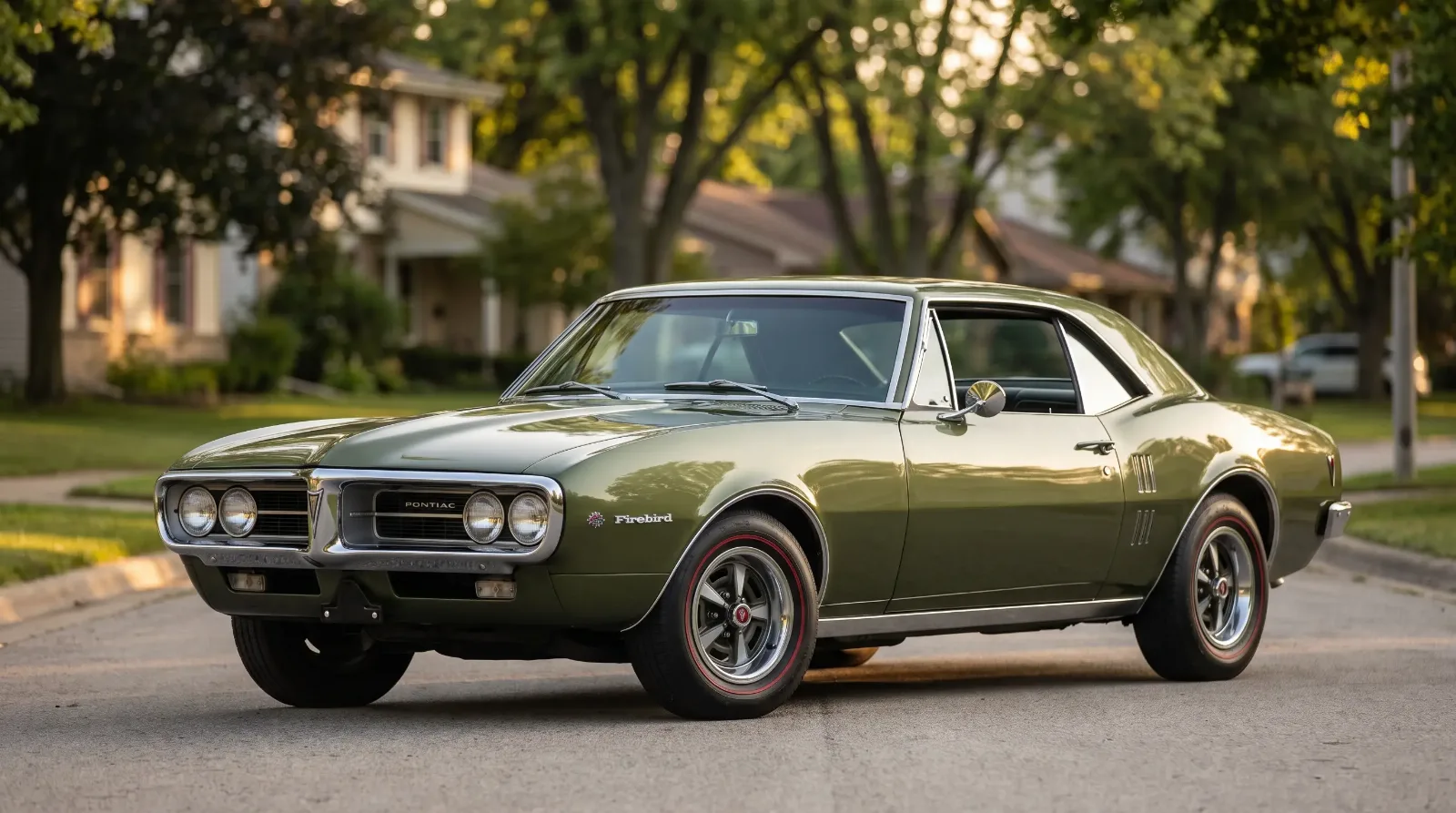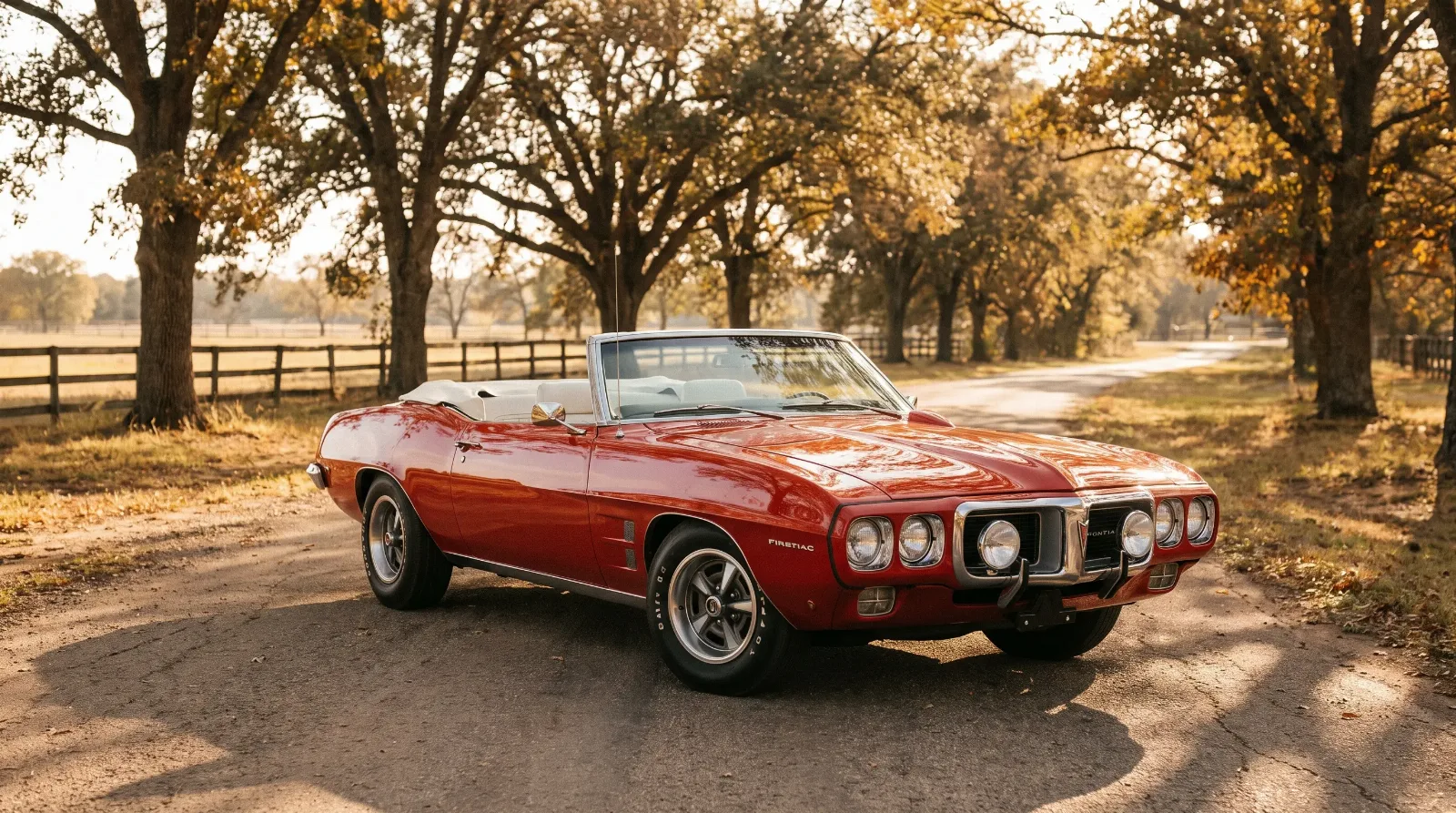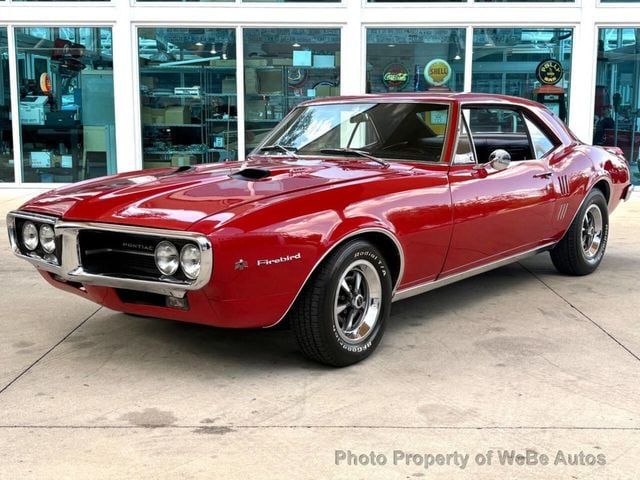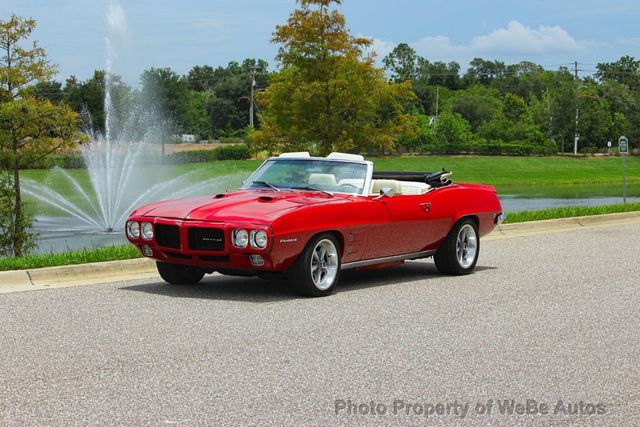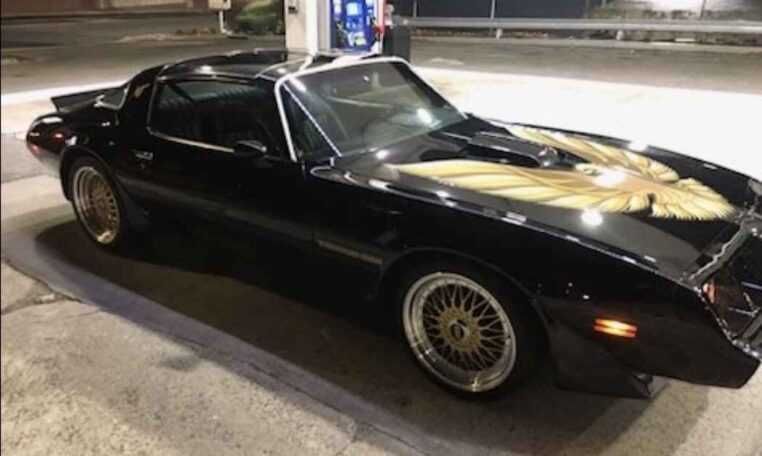
Choosing among first-generation Firebird engines was never a simple question of horsepower, and it still is not today. Pontiac offered buyers a genuine spread of options between 1967 and 1969, from an overhead-cam six built for smoothness to a 400 cubic inch V8 built for straight-line speed, and the right answer depended on what the buyer actually wanted the car to do. That same range shows up in the collector market now, where a well-sorted Sprint six can be just as satisfying to own as a 400, only in a completely different way. The full context of how the model came together is worth reading in the early Firebird chapter, but this piece is about the engines specifically, and about what separated a Sprint from a 326 from a 400 in practice.
The Sprint six: underrated on purpose
Pontiac's overhead-cam six started as a 230 cubic inch design in 1967 and grew to 250 cubic inches for 1968 and 1969. The base version, fed by a single-barrel carburetor, made 165 horsepower in 1967 and 175 horsepower once it grew to 250 cubic inches, tuned for economy and a smooth idle rather than performance. The Sprint variant told a different story. With a four-barrel carburetor, a hotter camshaft, and dual exhaust, the Sprint six was rated at 215 horsepower for most of its run, and for its final year in 1969, cars ordered with the four-speed manual got a different camshaft that pushed output to 230 horsepower, the highest figure the OHC-6 ever produced. Its overhead-cam design also gave it a distinct exhaust note that no Chevrolet inline six of the period could match.
The Sprint's real appeal was balance. It weighed noticeably less over the front wheels than any V8 option, which made the car turn in with a lighter, more responsive feel that some owners genuinely preferred to the nose-heavy V8 cars. It was never going to win a stoplight contest against a 400, and it was never meant to.
The 326: Pontiac's mainstream V8
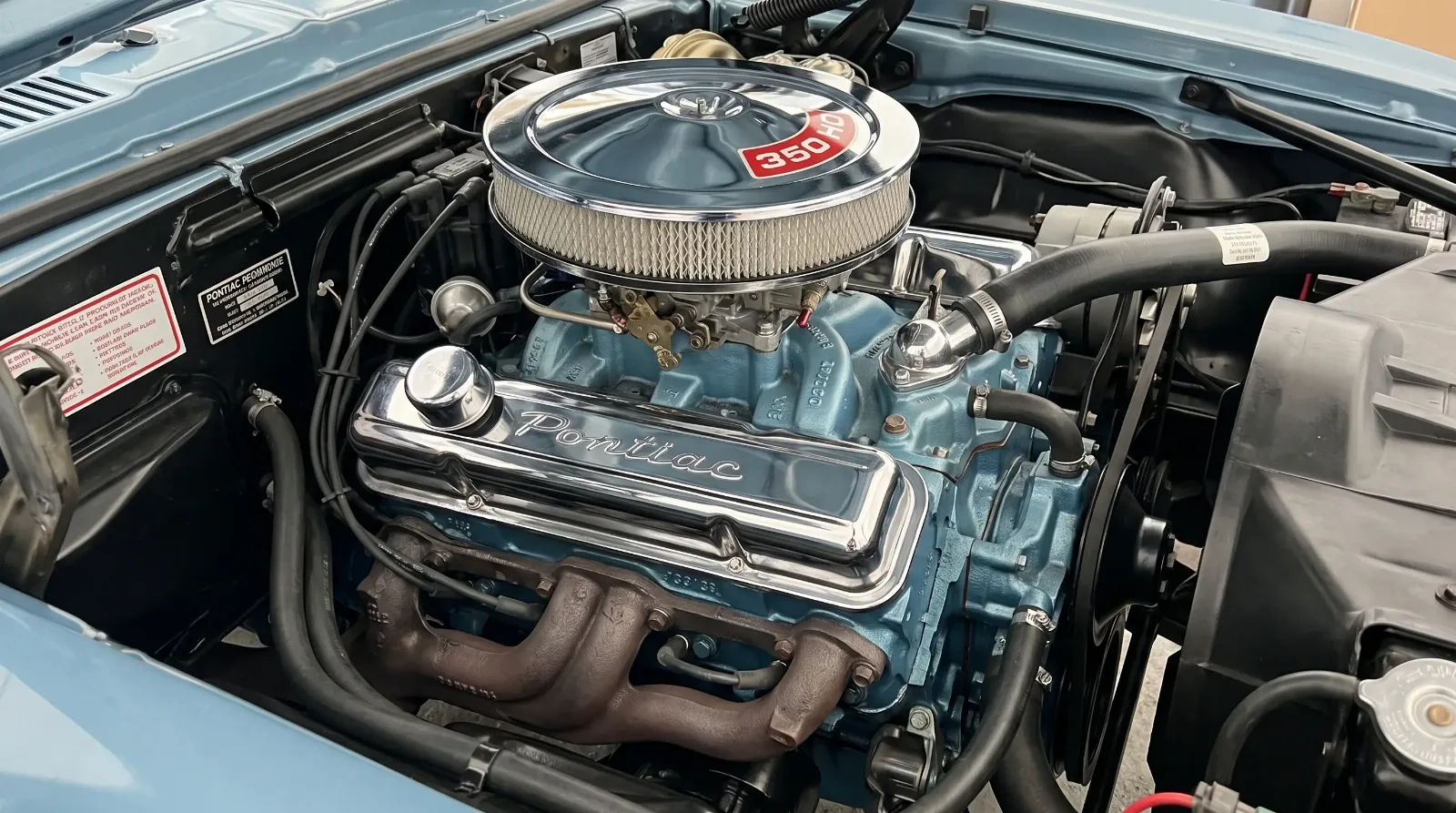
For buyers who wanted a V8 without committing to the biggest engine on the sheet, the 326 cubic inch V8 was the practical middle ground through 1967, offered in a standard two-barrel form rated at 250 horsepower and a four-barrel HO version rated at 285. The 326 gave up the Sprint six's light nose feel in exchange for the more familiar V8 sound and a genuine step up in torque, without the insurance surcharge and fuel bills that came with the largest engines. For 1968, Pontiac bored and stroked the 326 into the 350 cubic inch V8, effectively replacing it with a larger-displacement version of the same basic architecture, which is a detail that trips up a lot of casual shoppers who assume the 326 ran the whole first generation.
| Engine | Years offered | Character |
|---|---|---|
| 230/250 OHC six (Sprint) | 1967-1969 | Light nose, distinct exhaust note, economical |
| 326 V8 (base and HO) | 1967 only | Mainstream V8, replaced by 350 for 1968 |
| 350 V8 (base and HO) | 1968-1969 | 326 replacement, more torque |
| 400 V8 (various states of tune) | 1967-1969 | Performance flagship, up to Ram Air trims |
The 400: where the real decisions happened
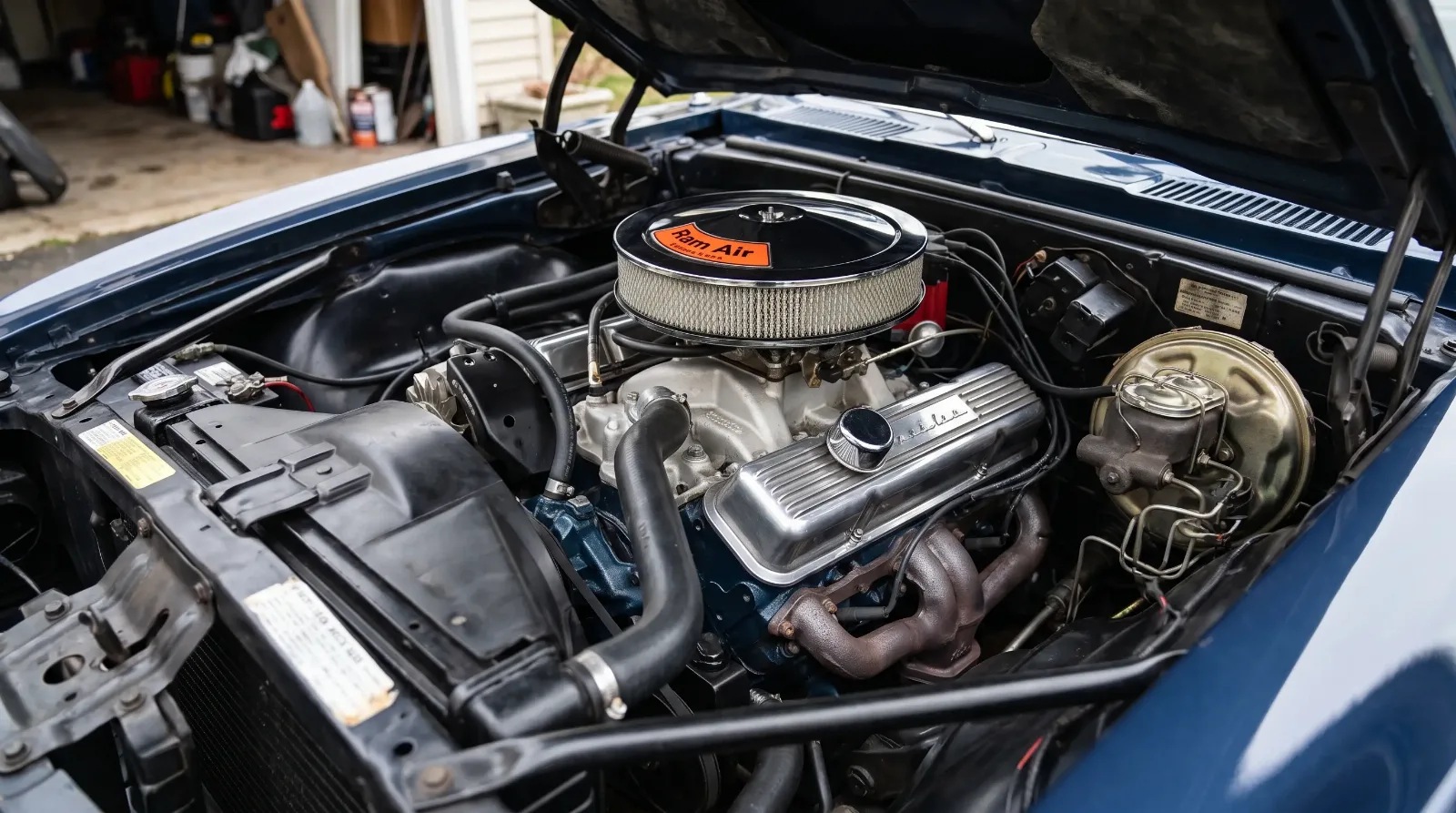
Once a buyer moved into 400 cubic inch territory, the choices multiplied. A standard 400 delivered strong, usable power for daily driving and highway passing without demanding much in the way of maintenance discipline. The HO version pushed compression and cam timing further for buyers who wanted more without going all the way to a Ram Air package. Beyond that sat the Ram Air engines, built around functional hood scoops and increasingly aggressive valvetrains, culminating in the Ram Air IV that closed out the decade as the most serious engine Pontiac put in a first-generation Firebird. A closer look at that specific engine and the middle-of-the-pack 350 HO option that sat between the mainstream 350 and the big Ram Air engines follows in the next story in this set.
"People ask which first-gen engine is the right one, as if there is a single answer. There isn't. A Sprint six with a good four-speed is a genuinely different car to drive than a 400, and both are correct depending on what you actually want to do with a Saturday."
— Tom Ramirez
Matching the engine to the buyer
None of these engines is objectively wrong to own today, which is easy to forget in a hobby that sometimes treats horsepower as the only measure that matters. A Sprint six coupe with a manual transmission is a genuinely engaging small car that costs less to insure and maintain than a big-block equivalent, while a documented 400 Ram Air car sits at the top of the value pyramid for buyers who want maximum performance and are willing to pay for the parts and expertise that come with it. The 326 and 350 V8s fill the space in between, offering real V8 character without the premium attached to the flagship engines.
Anyone shopping seriously in this range should decide what kind of ownership experience they actually want before falling in love with a horsepower number on a spec sheet. Browsing first-gen Firebirds for sale with that decision already made makes the search considerably more focused, since sellers rarely organize listings by intended use the way buyers actually think about the choice.
Transmission and rear axle pairings
The engine choice rarely stood alone on the order form. A Sprint six commonly paired with a three-speed manual or the two-speed automatic, both of which suited its character without overwhelming it. The 326 and 350 V8s opened up wider transmission options including four-speed manuals and Pontiac's three-speed automatic, while the 400 engines, especially in HO and Ram Air trim, were far more commonly ordered with a four-speed manual or the heavy-duty automatic, since the milder transmissions simply were not built to handle that kind of torque reliably over time. Rear axle ratio followed a similar logic, with performance-minded 400 buyers frequently specifying a numerically higher gear for acceleration at some cost to highway cruising manners, while Sprint and base V8 buyers tended toward taller gearing suited to everyday driving.
Understanding these pairings matters just as much as understanding the engines themselves, because a numbers-matching 400 backed by an incorrect transmission tells a buyer that something has already been changed somewhere along the way, even if the engine block itself checks out.
Sources and notes
- Pontiac Firebird - Wikipedia
- The Six-cylinder Firebird Sprint: Slouch or sleeper? - Old Cars Weekly
- 1967 Firebird Sprint OHC Versus Firebird 400 - Curbside Classic
- 1967 Firebird: Which Engine Powered Pontiac's Original Pony Car? - SlashGear
- 1967 Pontiac Firebird Sport Coupe 326 Specs - automobile-catalog
- 1967 Firebird - First Generation Firebirds