A man in a Pontiac dealership parking lot in 1959 could tell you which car was which without reading a single badge. That was the point. Pontiac had just given its entire lineup twin grilles instead of one, and the choice would eventually shape the face of every Firebird built for the next three decades, right down to the firebird split grille details that still make enthusiasts argue about which model year got the look right.
A brand signature born out of a styling revolt
Pontiac in the late 1950s was trying to shed its reputation as the car your grandfather drove. Under the styling direction that took hold in that era, the division needed something visually distinct from Chevrolet and Oldsmobile, cars it shared a great deal of engineering with under the skin. The twin-grille front end, split cleanly down the center by the hood and bumper line, became that something. It was not subtle. It was not supposed to be. A single wide grille said conventional. Two narrower ones, stacked side by side like a pair of nostrils, said Pontiac and nothing else.
The look carried through the full-size Pontiac range first, on cars like the Catalina and Bonneville, before the division's performance ambitions gave it somewhere more interesting to live. By the time Pontiac needed a face for its new pony car in 1967, the twin-grille identity was already the division's most recognizable visual habit, and it would have been strange for the Firebird to launch without some version of it.
How the split grille found its way onto the Firebird
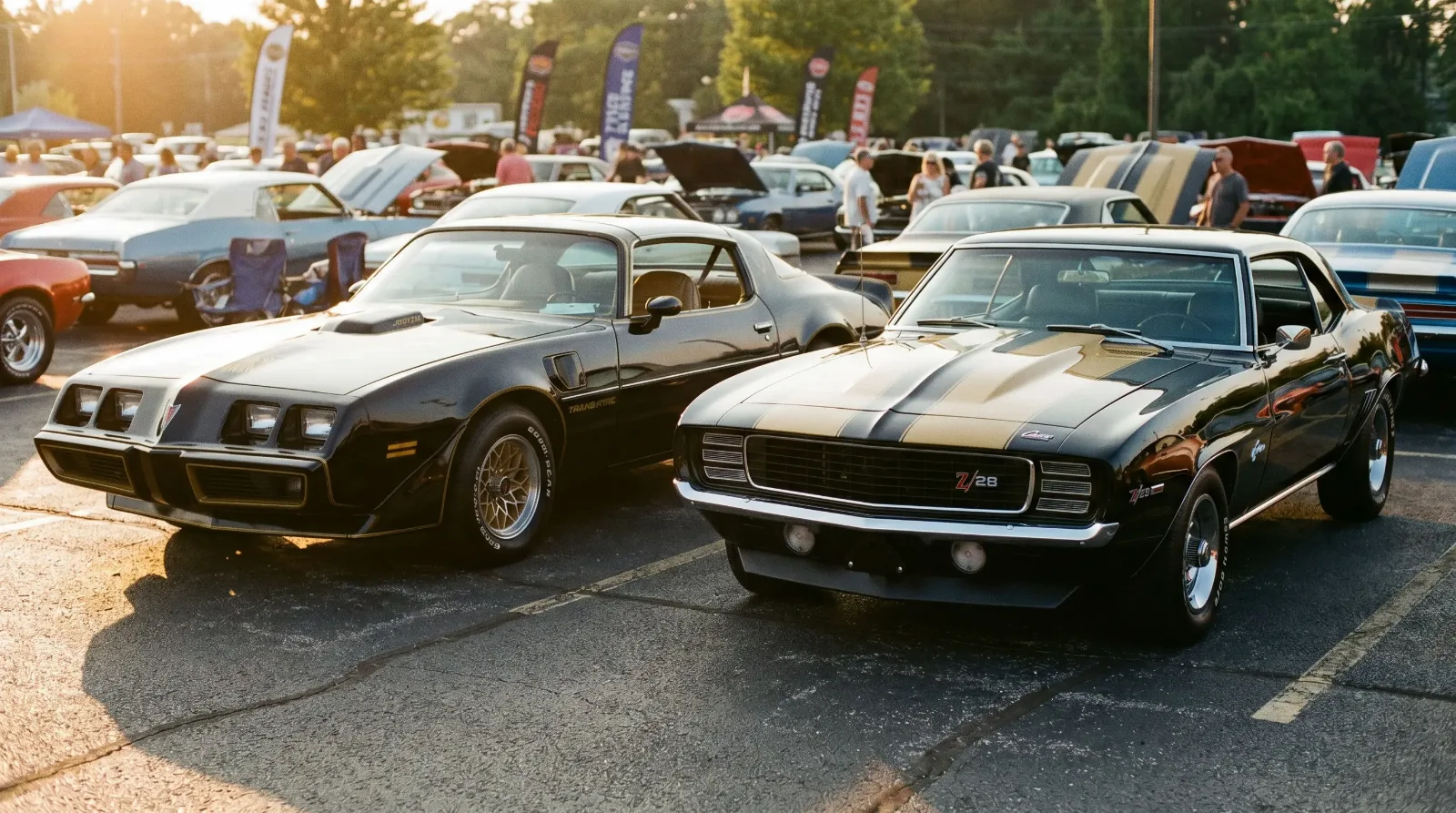
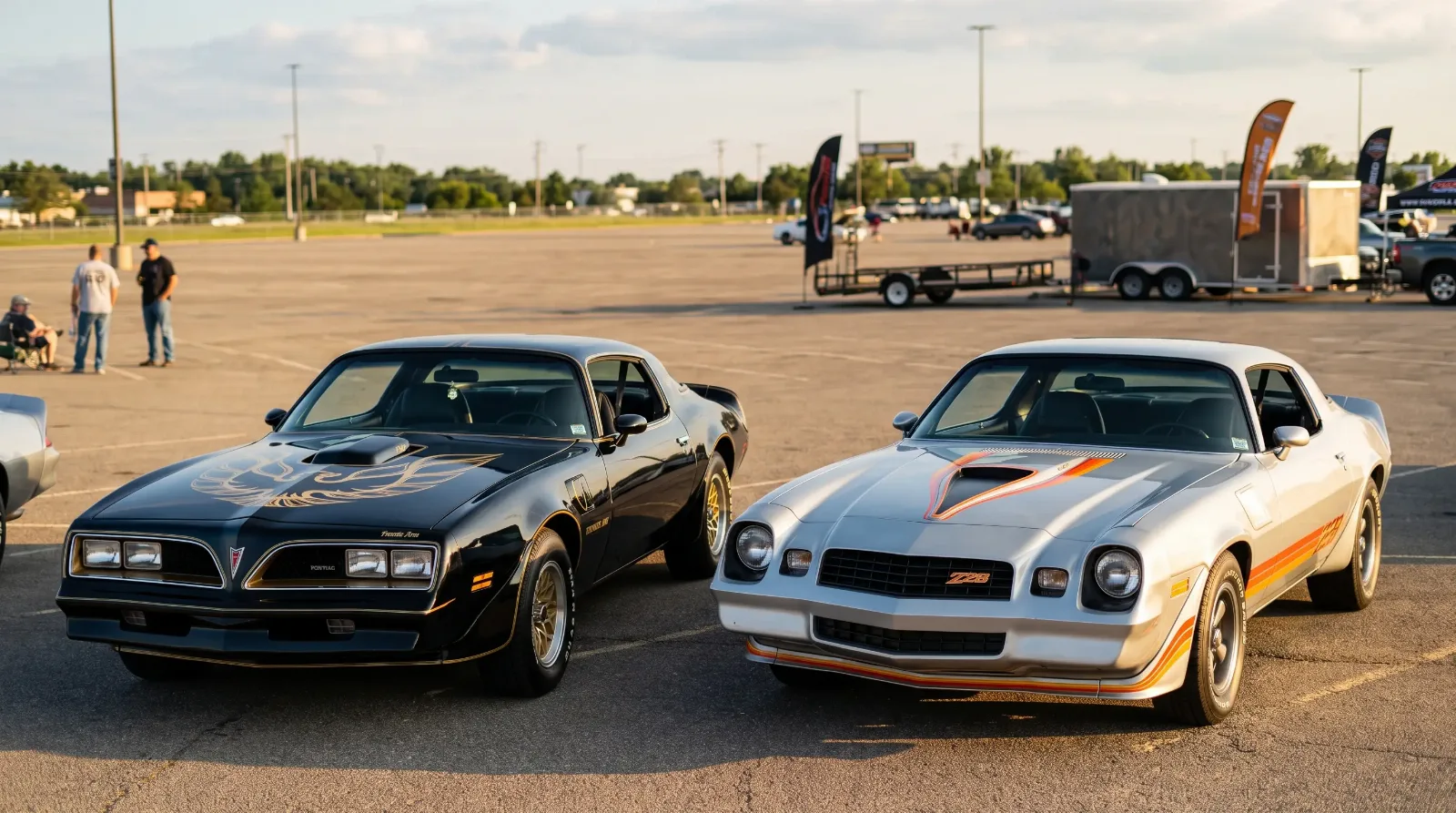
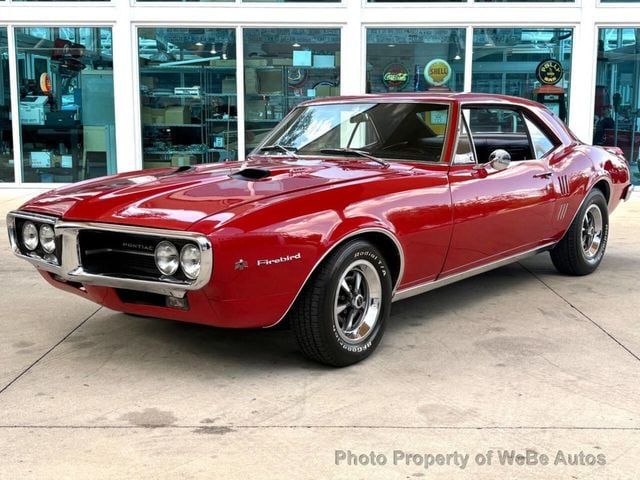
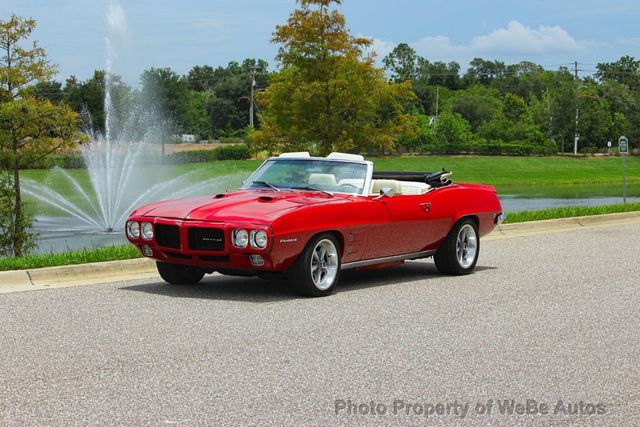
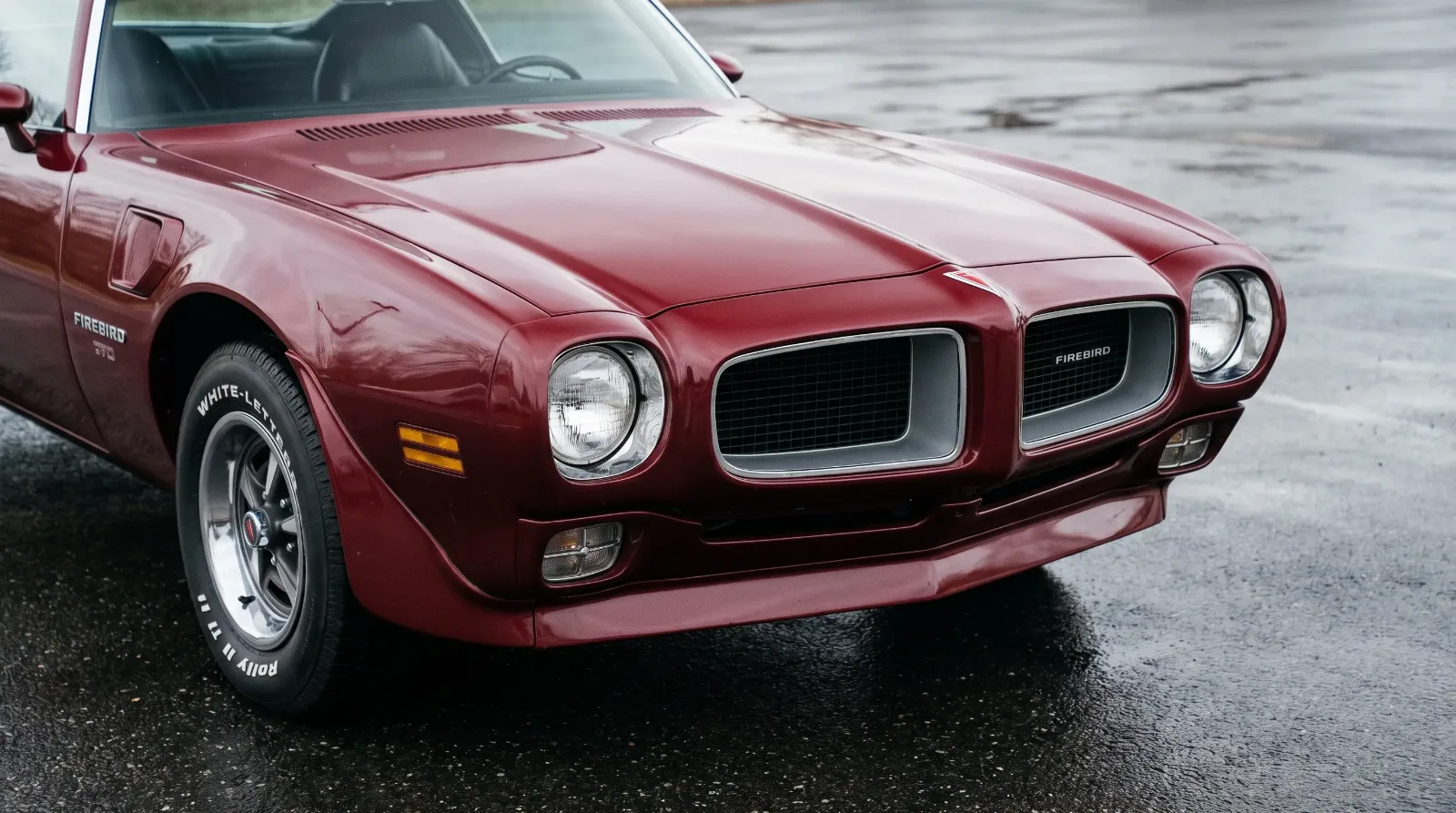
The first-generation Firebird wore a simpler, more unified nose than later cars would, but the twin-opening cue was still there in the split between the two halves of the front clip, echoing the same idea that defined the sedans. It was the second-generation car, arriving for 1970, that pushed the split grille into something closer to a signature. The Endura nose on the 1970 Firebird pulled the two openings forward into a pointed, almost beak-like front end, a dramatic departure from the flatter, more formal grilles of the outgoing generation.
That second-generation face went through years of small revisions, but the basic idea, that a Firebird's identity lived in the shape and separation of its front openings, stayed intact. By the time the third-generation Firebird arrived for 1982 with its concealed pop-up headlights and a smoother, more aerodynamic, pointed nose, the twin-opening layout had been reinterpreted again rather than abandoned, proof that Pontiac's designers treated the split grille as a rule to work within, not a relic to phase out.
What the grille meant to the people who bought the car
Ask an owner from that era why they chose a Firebird over its Chevrolet cousin and the answer rarely starts with horsepower. It starts with the face. A Firebird looked like a Pontiac from thirty feet away, before anyone could read a badge or hear an engine note, and that mattered to buyers who wanted their car to say something specific about the division it came from, not just the platform underneath it. The split grille did that work quietly, on every single Firebird, whether it was a base six-cylinder car or a fully optioned Trans Am.
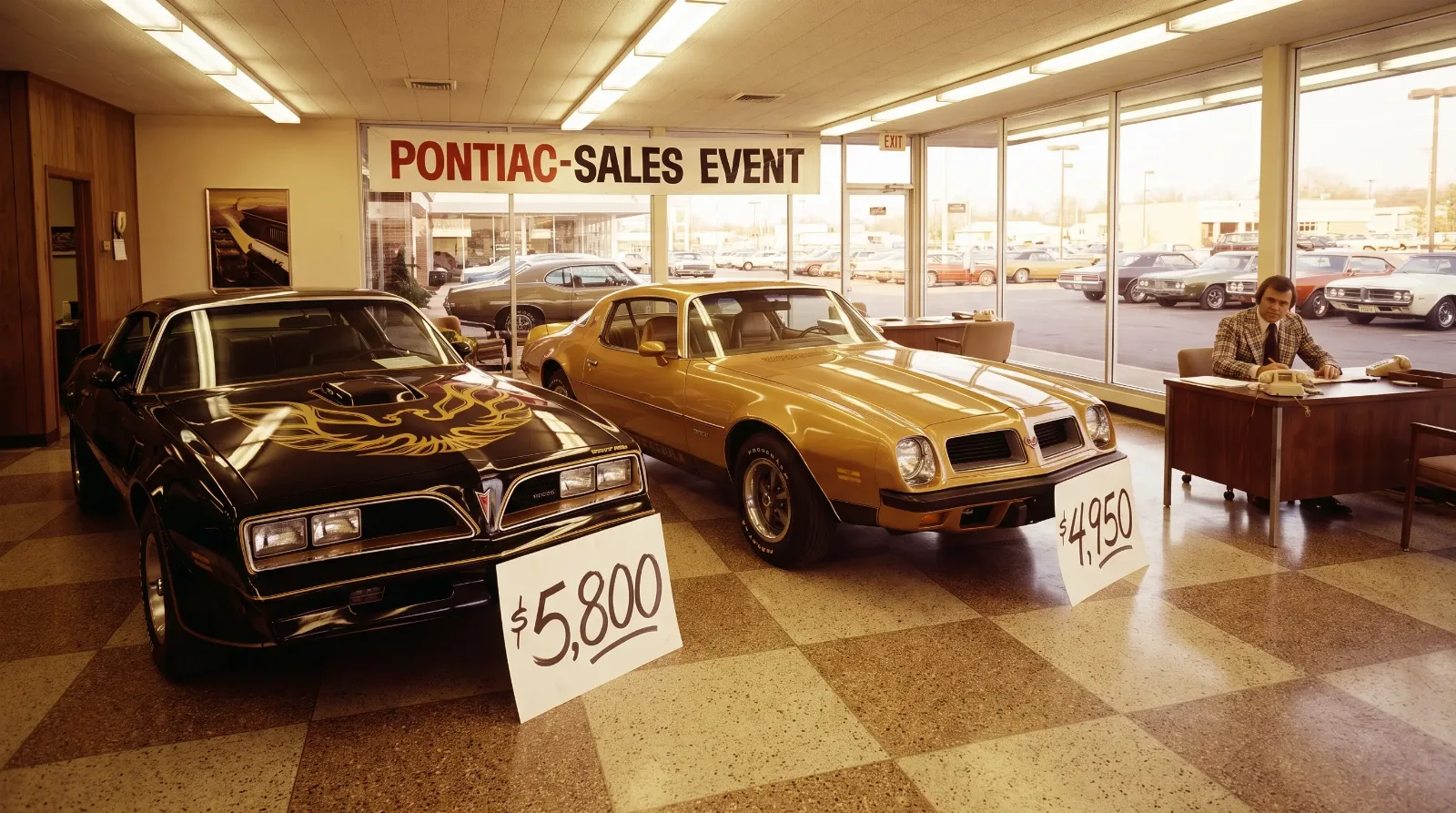
That visual identity is also what made the Firebird instantly legible next to its closest relative. Anyone curious about how that closeness actually played out on paper, in dealer showrooms and on the sales charts, should look at the sibling rivalry directly, because the grille was often the fastest way a shopper told the two cars apart before ever opening a brochure.
A design language that outlived its original reason
By the fourth generation, from 1993 onward, the split grille had softened into something more integrated, closer to a pair of lower intake openings than the aggressive twin snout of 1970. Some longtime Pontiac people saw that as a loss. Others saw it as the natural end point of a design idea that had already said everything it needed to say. Either way, the fact that Pontiac's stylists kept reaching for some version of the split, even as headlight technology and aerodynamic rules changed everything else about a car's face, tells you how deeply that 1959 decision had settled into the brand's bones.
"I have stood in front of four different Firebird generations parked nose to nose, and the thing that struck me was not how different they looked. It was how stubbornly each one still tried to say the same word with its face."
— Nora Beckett
Reading the grille today
Collectors restoring a Firebird now often treat the front clip as one of the most unforgiving parts of the car to get exactly right, because the split grille geometry is so specific to each model year that a slightly wrong piece throws off the entire face. That precision was never accidental. It was the whole point of a styling choice made decades earlier for a completely different generation of Pontiac sedans, one that ended up defining a sports coupe nobody had designed it for yet. For readers who want the fuller financial picture of how that identity translated into showroom results against Chevrolet, a related deep-dive lays out exactly how the numbers moved across three decades of competition.
What is easy to forget, looking at restored cars under bright show lighting, is how much the grille had to survive along the way. Federal bumper standards in the early 1970s forced a redesign of the whole front clip on many American cars, and more than one manufacturer simply flattened its nose and moved on. Pontiac's designers instead worked the twin-opening idea around the new bumper requirements, which is part of why the second-generation Firebird's face reads as sculpted rather than compromised, even though it absorbed the same regulatory pressure every other domestic coupe did that decade.
Sources and notes
- Curbside Classic: How the 1959 Pontiac's Split Grille Defined the Brand
- Mac's Motor City Garage: Car Spotter's Guide to the 1955-64 Pontiac
- Over-Drive Magazine: 1970 Pontiac Firebird Fact Sheet
- Classic Industries: The 1970 Pontiac Firebird, A Muscle Car Evolution
- Supercars.net: Pontiac Firebird, The Ultimate Guide
- Wikipedia: Pontiac Firebird