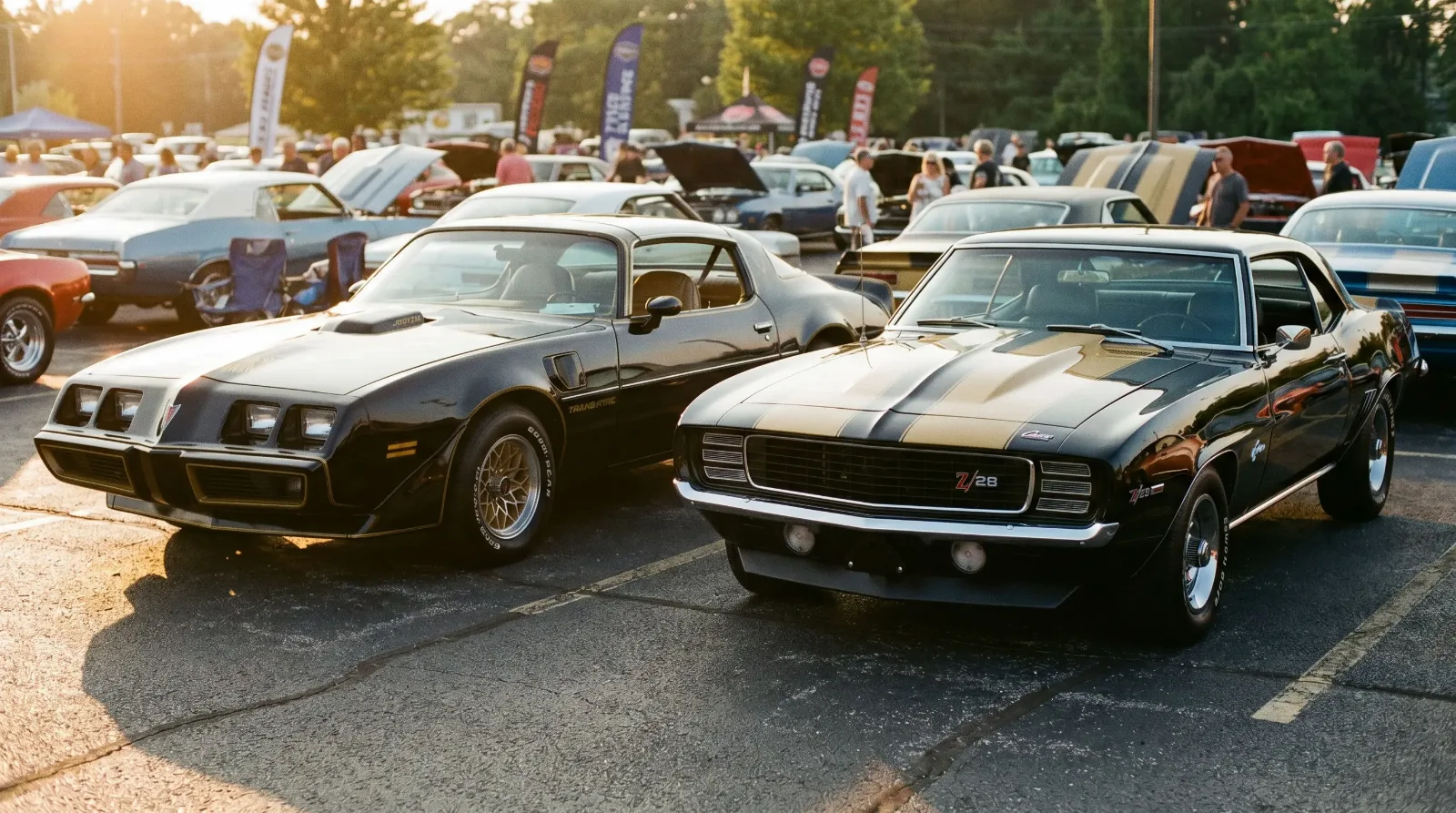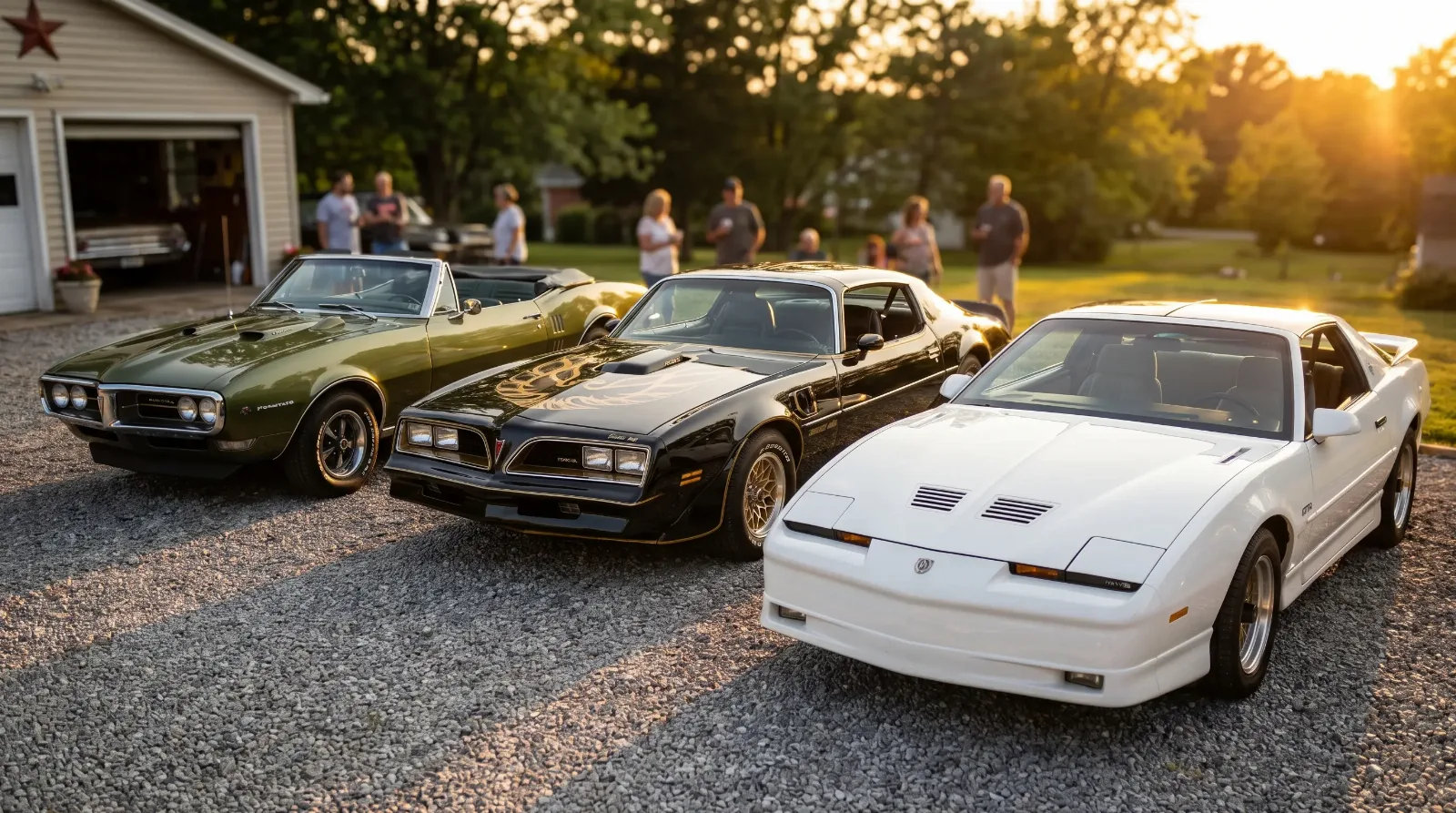
Every February from 1967 to 1992, two General Motors divisions quietly checked the same set of numbers against each other. Pontiac watched Chevrolet's Camaro totals. Chevrolet watched Pontiac's Firebird totals. Neither division ever admitted the rivalry mattered as much as it did, but the firebird camaro sales figures from those twenty-six years tell a story the marketing brochures never printed, one where the Firebird almost never actually won the showroom fight, and yet somehow never stopped being a serious competitor either.
The first generation set the pattern early
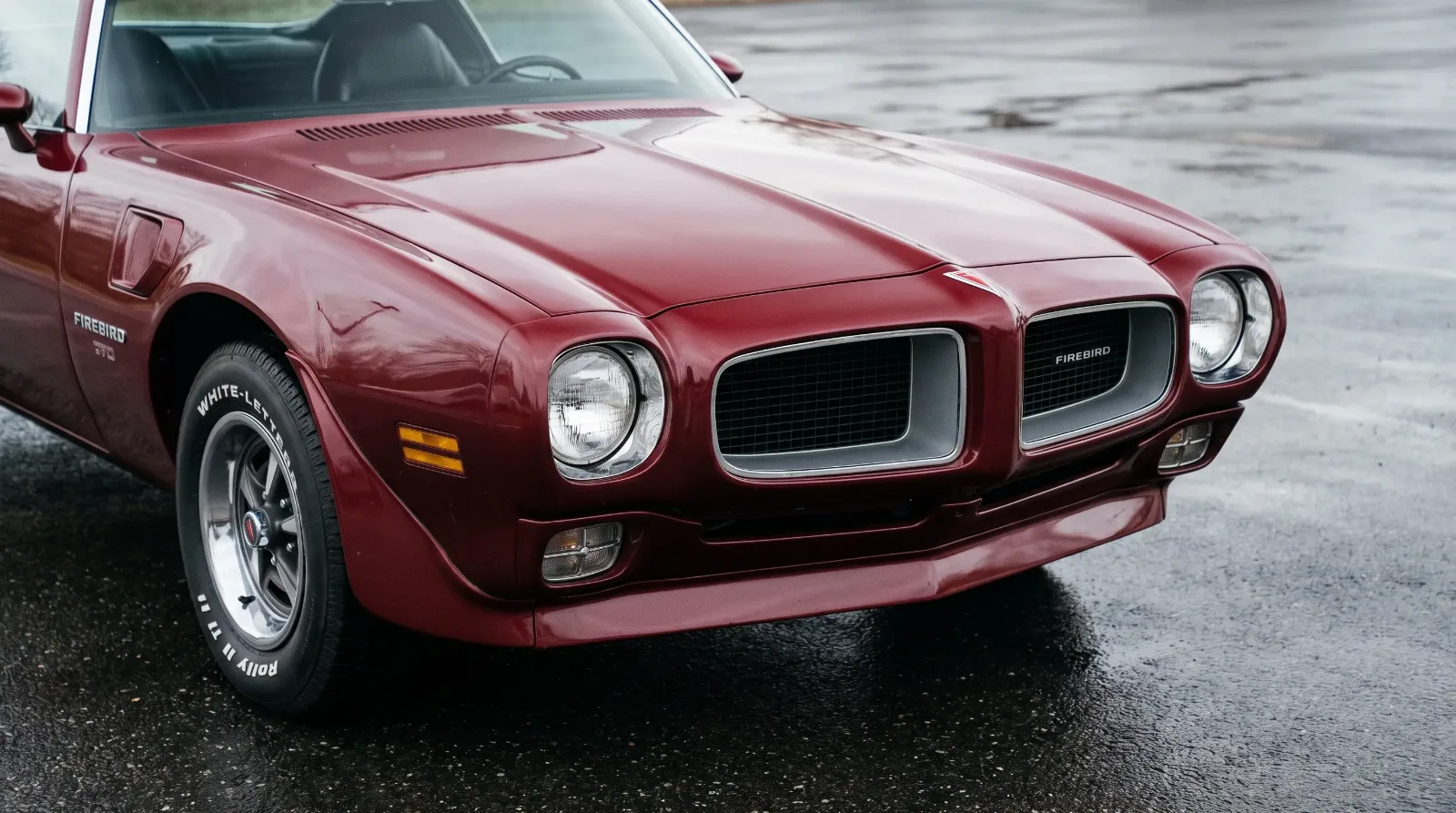
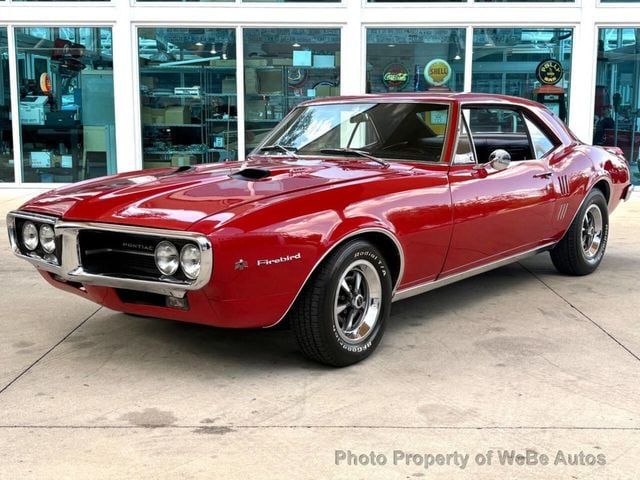
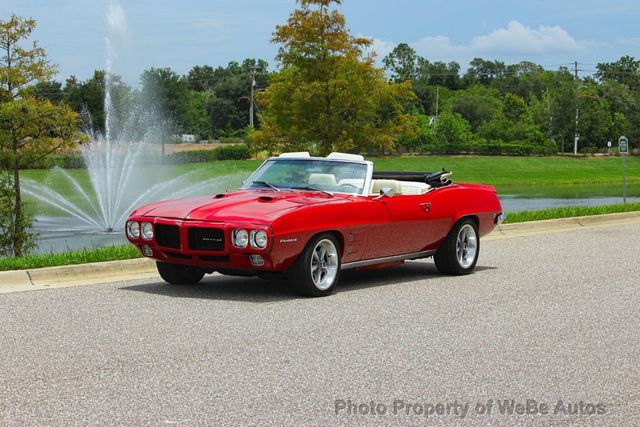
Chevrolet launched the Camaro in September 1966 as a 1967 model, and Pontiac followed with the Firebird roughly six months later that same model year, built on the identical F-body platform but arriving to market as the clear follower rather than the leader. That timing gap mattered more than it should have. Camaro sold in far greater volume through the first generation, moving 220,906 units in its debut year alone against a Firebird total of 82,560, a gap that never fully closed for the rest of the F-body's run. Chevrolet's larger dealer network and its head start in the marketplace both played a part, but so did simple brand perception. Chevrolet was already the volume seller in the GM family, and the Camaro benefited from that gravity from day one.
The muscle car years narrowed the gap without closing it
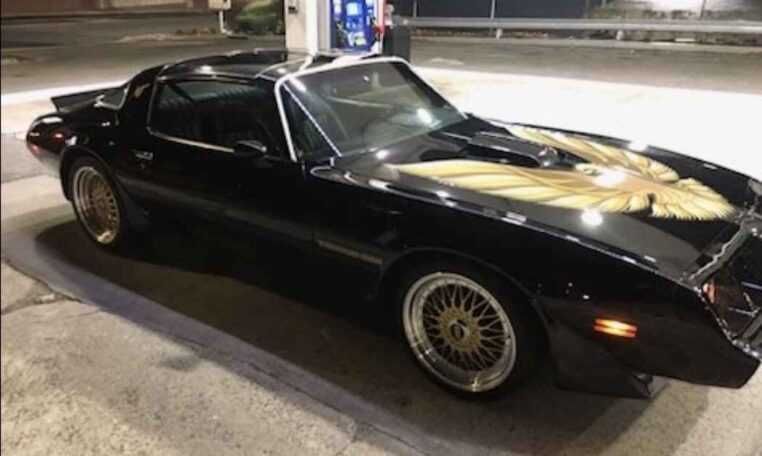
Through the late 1960s and early 1970s, Pontiac chipped away at that deficit by leaning hard into performance credibility, first with the Ram Air engines and later with the Trans Am package that launched in 1969. The Trans Am itself sold in genuinely small numbers at first, only a few hundred cars its debut year, which makes its later fame almost ironic. It was never the volume seller. It was the halo that made the rest of the lineup look better by association, and that strategy worked well enough that Pontiac's overall Firebird sales stayed respectably close to Camaro's through the muscle car peak, even without ever actually overtaking it.
The mid-1970s slump hit both divisions, but not evenly
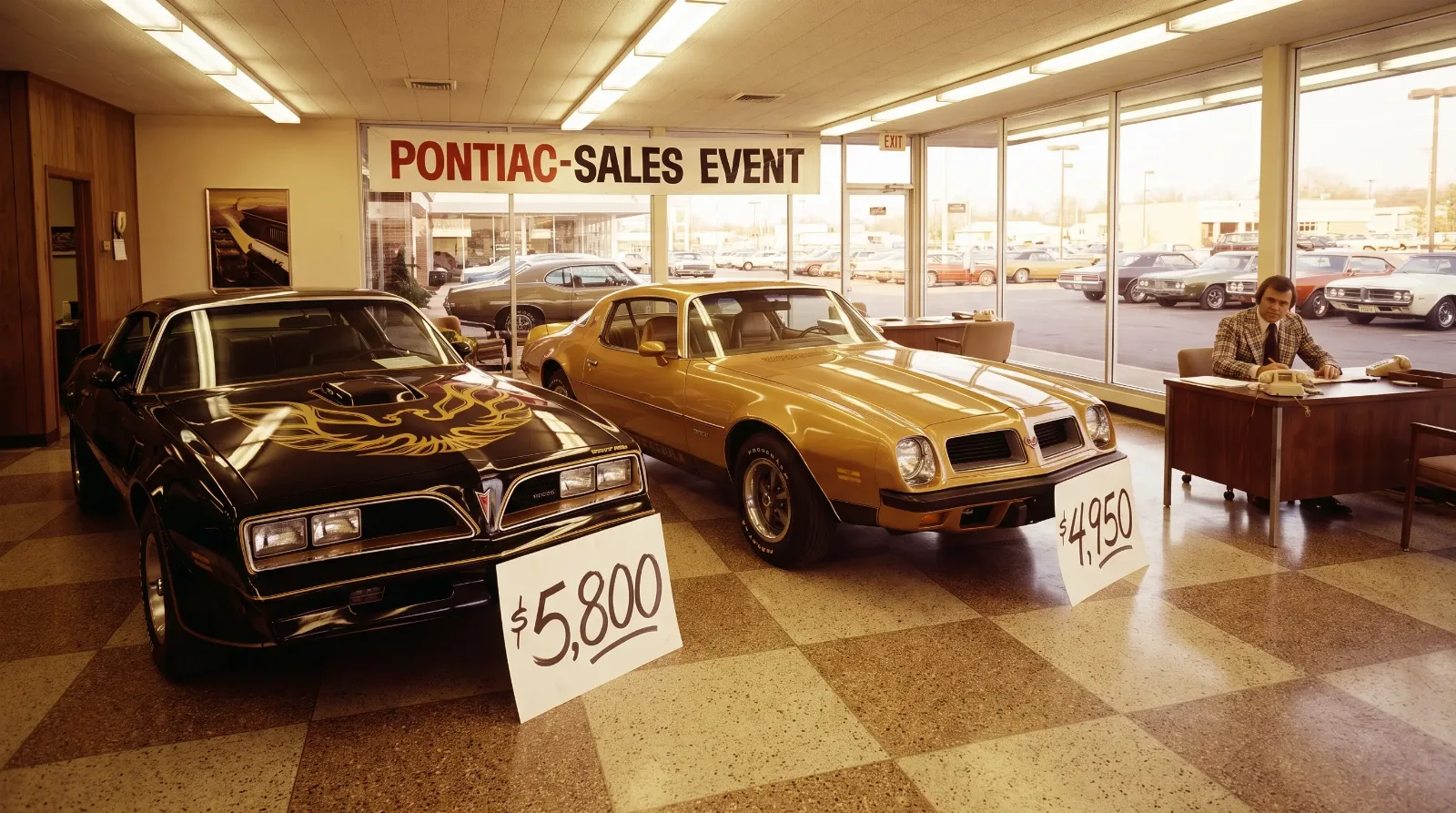
The 1973 oil crisis and the tightening emissions and safety regulations that followed hurt every performance car in America, and the F-body twins were no exception. What is notable is that Chevrolet actually paused the Z28 name entirely for 1975 and 1976, judging that a performance trim made no sense in a market drowning in malaise-era horsepower cuts. Pontiac kept the Trans Am running through the same years and, in one of the stranger reversals in this whole rivalry, actually narrowed the gap on Camaro during the mid-to-late 1970s, even though it never actually caught up. Firebird production ran around 187,000 units in both 1977 and 1978 against Camaro totals of roughly 219,000 and 273,000 in those same years, and by 1979, Firebird's record 211,454 units still trailed Camaro's 282,582. The gap narrowed in relative terms without ever closing, driven almost entirely by the Trans Am's newfound pop culture visibility rather than any dramatic change in the base car's appeal.
The third and fourth generations settled back into the old order
Once the initial Trans Am wave cooled through the 1980s, Camaro's volume advantage reasserted itself, helped along by the IROC-Z's own halo effect and Chevrolet's continued edge in sheer dealer count and mainstream brand recognition. By the fourth generation, which ran from 1993 until both nameplates were discontinued after the 2002 model year, sales for both cars had fallen to a fraction of their 1970s peaks as the entire pony car segment shrank, squeezed by SUVs and changing buyer tastes. Camaro still generally outsold Firebird in most of those final years, closing out the F-body rivalry the same way it had opened it a quarter century earlier, with Chevrolet narrowly ahead on the sales chart and Pontiac narrowly ahead on cult devotion.
Pricing played its own quiet role in that final stretch. A well-equipped Trans Am and a comparably equipped Z28 or SS typically landed within a few hundred dollars of each other at the dealership, close enough that the decision usually came down to which badge a buyer's father had driven, or which color combination happened to be sitting on the lot that weekend. Dealers on both sides of the rivalry reported the same pattern for years, that cross-shopping between the two was common but rarely decisive, since most buyers walked in already loyal to one General Motors division or the other. That loyalty, more than any single spec sheet advantage, is probably the real reason the sales gap never widened into a rout in either direction for more than a few consecutive years at a time.
Add up every model year from 1967 through 2002 and Chevrolet's Camaro almost certainly outsold the Firebird in cumulative total production, simply because it led more years than it trailed. But cumulative totals flatten a story that was never actually about one car dominating the other. It was about two divisions inside the same company fighting for the same customer using two different pitches, style and drama from Pontiac, broader mainstream appeal from Chevrolet, and both pitches worked well enough, often enough, that General Motors kept funding both cars for thirty-five years instead of quietly killing the weaker one.
| Period | General sales trend | Key driver |
|---|---|---|
| 1967-1969 | Camaro leads decisively | Six-month head start, larger dealer network |
| 1970-1974 | Gap narrows | Trans Am performance halo |
| 1975-1979 | Gap narrows sharply, Camaro still leads | Z28 hiatus, Trans Am pop culture wave |
| 1980-1992 | Camaro regains lead | IROC-Z halo, Z28 return |
| 1993-2002 | Camaro leads, both decline | Shrinking pony car segment |
"Pontiac never needed to outsell Camaro to win. They needed the Trans Am to be the car people talked about at the diner the next morning, and for most of two decades, it was."
— Patrick Walsh
What the sales numbers actually tell collectors now
None of this history changes what either car is worth to a buyer today, but it does explain some of the market patterns collectors notice. Lower-production Firebird years, especially from the late malaise era, sometimes command more attention specifically because fewer were built compared to the equivalent Camaro. Readers weighing a purchase between the two nameplates should look at another angle on this same question, and anyone who wants the full origin story behind why the Firebird existed at all should start with the Classic Cars Arena Firebird guide, which lays out the model's complete history from its 1967 launch onward.
Sources and notes
- 1967-2002 Camaro Production Numbers - Classic Industries
- Pontiac Firebird - Wikipedia
- Chevrolet Camaro (second generation) - Wikipedia
- 25 Firebird Facts Every Enthusiast Should Know - Hagerty Media
- History of the Z28's First 25 Years - Classics on Autotrader
- Firebird Production Numbers - Trans Am World