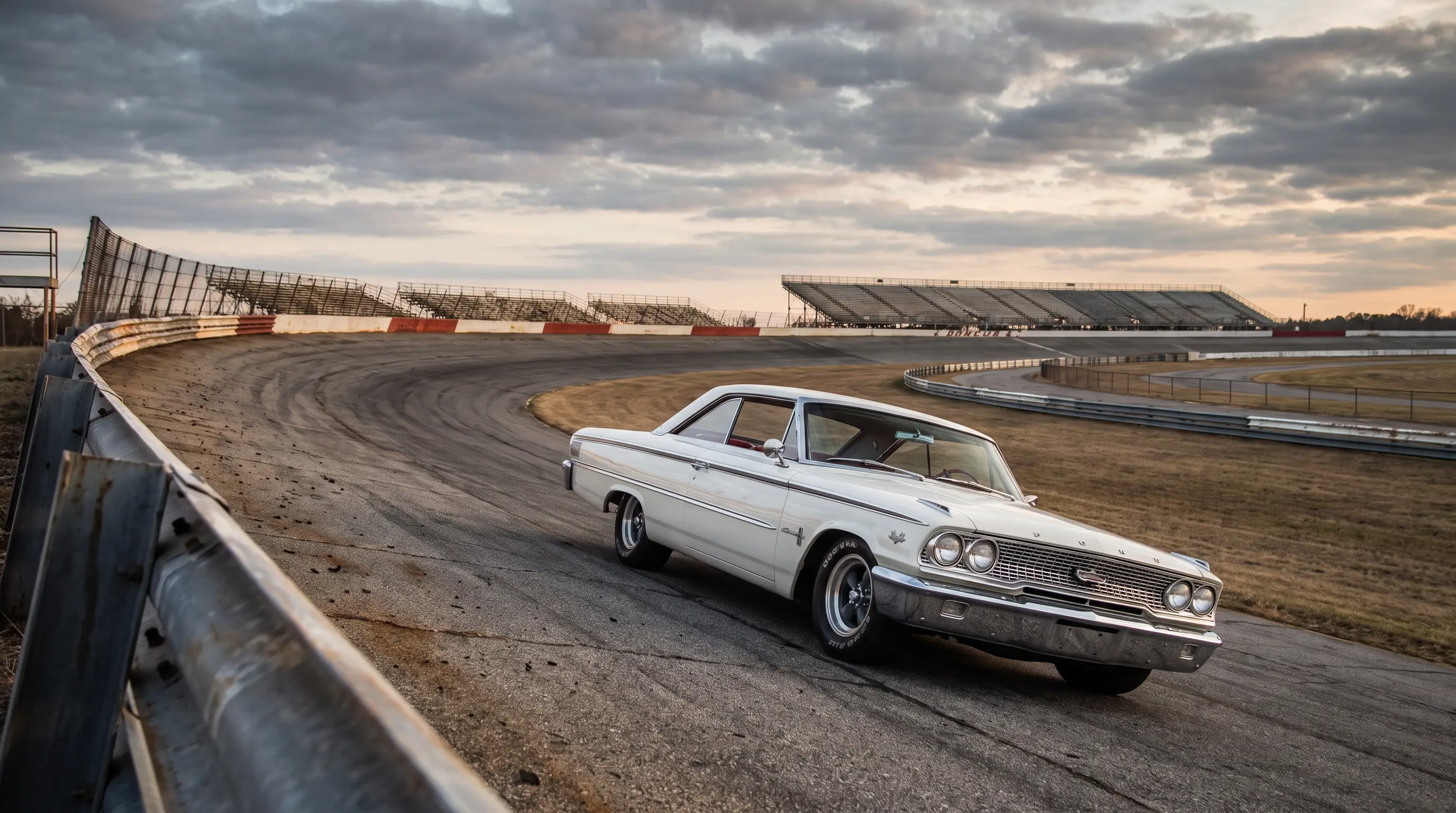
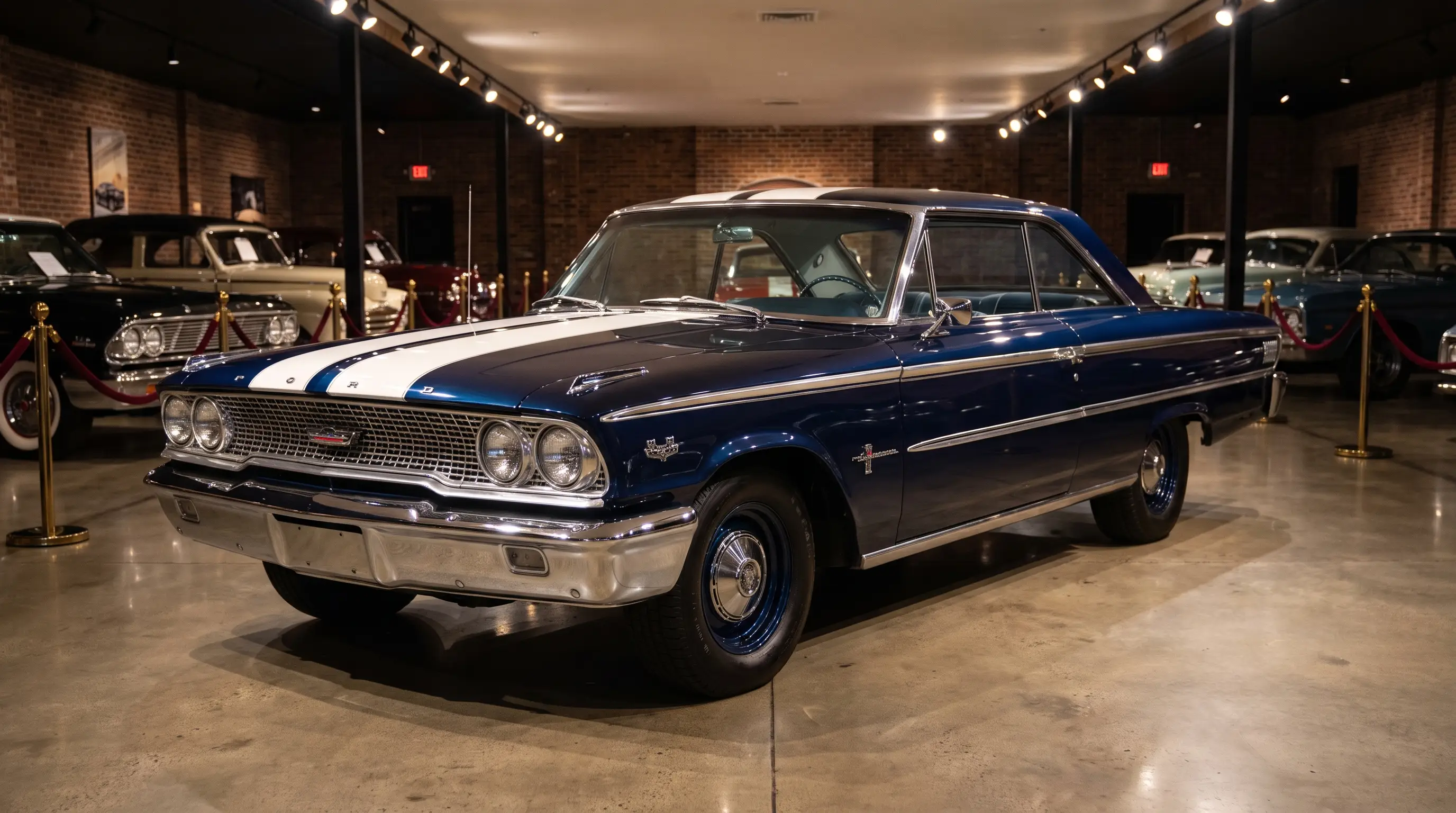
Documentation is what separates a genuinely significant ford galaxie 1963 notable surviving examples entry from an ordinary car with a good story attached to it, and this distinction matters more for this specific model year than almost any other in Ford's full-size lineup. The 1963 Galaxie's connection to NASCAR's manufacturers championship and to Ford's early lightweight drag racing program means a handful of surviving cars carry real, traceable competition history rather than family legend, and those cars occupy a different tier entirely in the collector market.
What counts as a documented survivor
A car earns a place among the truly notable surviving 1963 Galaxies when it has some combination of factory build sheet, period competition entry records, magazine or newspaper coverage from the actual season, and a continuous, traceable ownership chain. Cars that merely resemble a race or lightweight example without that paper trail get treated far more cautiously by serious researchers, no matter how convincing the physical modifications look. The 1963 season generated enough documentation, NHRA and NASCAR record keeping, period Ford press materials, Holman-Moody build records, that a diligent researcher can often verify or disprove a car's claimed history with real effort.
Several 427-equipped 1963 Galaxies built for factory-supported racing survive in private collections and museum settings today, some restored to their competition specification and others preserved in as-raced or as-retired condition. One well-documented example is Lightweight Galaxie chassis number 824, originally issued to drag racer Dick Brannan and accompanied by notarized letters of authenticity, now held in a museum collection in the northeastern United States. The value of these cars comes as much from what can be proven about them as from their physical condition, which is unusual in a hobby that often rewards a beautiful restoration over a well documented but rougher original.
Why so few genuine examples remain
Factory racing programs of this era were not built with preservation in mind. Cars that finished a season were often stripped for parts, sold off to privateers who kept racing them hard, or simply scrapped once they stopped being competitive. Lightweight drag cars in particular lived rough lives, run at the strip, crashed, rebuilt, sold down the chain of ownership to increasingly casual racers, and many simply did not survive that gauntlet in a form recognizable today. What remains is a small population relative to how many cars Ford actually built and supported for competition that season, and that scarcity is precisely what drives serious collector interest in the ones that did make it through.
Fires, collisions, and simple neglect claimed additional cars over the decades that followed, the ordinary attrition every old car population suffers regardless of its historical significance. A barn find or a car pulled from long-term storage occasionally surfaces even now, and each time one does, the research community treats it as a genuine event, since the pool of undiscovered significant 1963 Galaxies has clearly been shrinking for a long time. Every verified new discovery updates the working picture of how many of these specific cars actually still exist.
Street cars from the same model year survived in far greater numbers simply because they lived gentler lives, but a well-optioned street 427 Galaxie without racing provenance, while a genuinely nice car, occupies a different, less rarified category than a documented competition survivor.
| Category | Survival Pattern |
|---|---|
| Factory NASCAR-prepared Galaxies | Very few survive; most stripped, sold on, or scrapped after competitive life ended |
| Lightweight drag Galaxies | Rare survivors; many lost to racing damage and casual resale |
| Standard 427 street cars | Higher survival rate; no competition provenance but genuine period performance |
| Documentation types | Build sheets, race entry records, period press coverage, ownership chain |
"People assume the rarest survivors are the ones that look the roughest, like the wear proves the history. It doesn't. Paper proves the history. A rough car with a build sheet beats a perfect restoration with a story and nothing else, every time."
- Sarah Whitfield
Museums and permanent collections
A handful of significant 1963 Galaxies have found permanent homes in museum and institutional collections rather than passing through the private collector market at all, typically cars with the strongest and most unambiguous factory racing connections. Placement in a museum setting effectively freezes a car's ownership chain and its condition, which is useful for researchers but also means these specific examples rarely factor into market pricing discussions since they are simply not for sale. Their value to the hobby is more historical than financial, serving as fixed reference points that private collectors and appraisers can compare other claimed examples against.
Some of the most useful documentation work happens specifically around cars in these institutional collections, since museums generally have both the resources and the motivation to research and publish detailed provenance information that a private owner might not bother compiling. A serious researcher working to verify a privately owned car's claimed history will often start by comparing it against whatever a museum has published about a known, well-documented example from the same racing program.
What buyers should actually look for
Anyone researching or shopping a claimed notable 1963 Galaxie survivor should start with the paperwork before falling in love with the paint. Factory build sheets, Marti Report style production data where available, period photographs showing the specific car, and any NHRA or NASCAR entry records referencing the chassis all carry more weight than a seller's verbal history, however sincere it sounds. The gap between a car with genuine documentation and one without it shows up directly in value, and that gap has only widened as more of this era's history gets researched and cross-referenced by dedicated owners and clubs. For the broader picture of why 1963 specifically produced this concentration of significant cars, where this started covers the model year's full context.
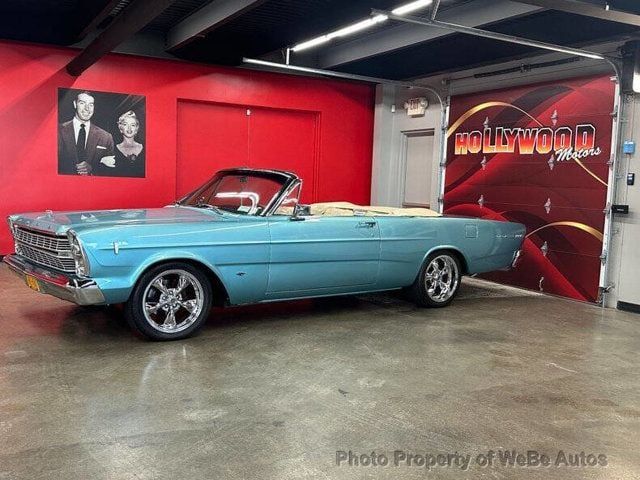
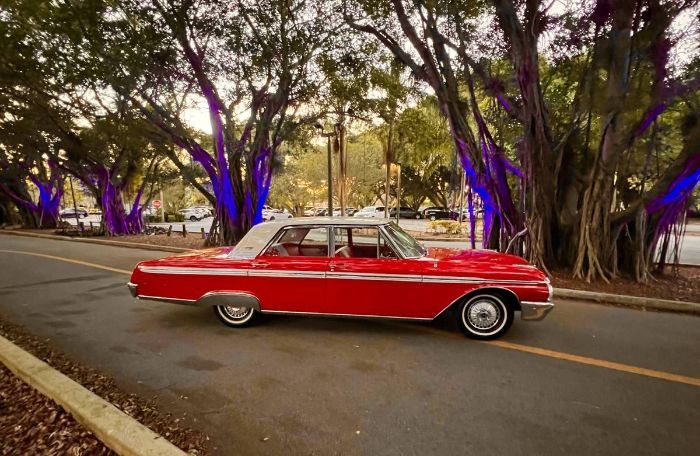
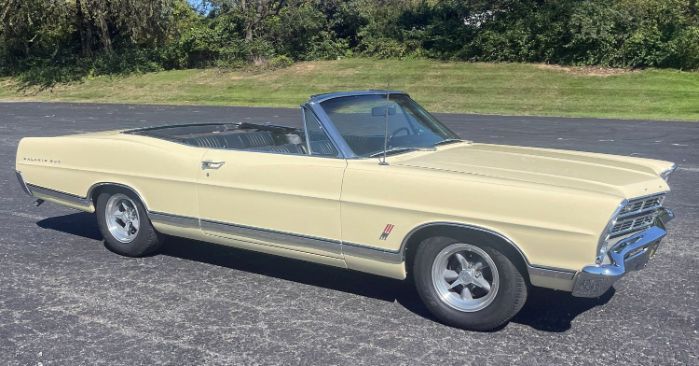
Buyers hoping to own a piece of that history, documented or not, can find a classic Galaxie currently listed, though the advice here holds regardless of which specific car catches your eye: verify before you buy, and never take a race history claim at face value without asking to see the paper behind it.
Independent appraisers and marque experts who specialize in this specific model year can be worth the fee for anyone considering a significant purchase, since they typically know which archives and record sets to check and which red flags in a seller's story tend to indicate an inflated or invented history. That extra step of due diligence costs relatively little compared to the price gap between a genuinely documented survivor and a car simply dressed to resemble one, and it protects a buyer from the specific, well-worn scams that have followed this segment of the hobby for decades. A few hundred dollars spent on a proper documentation review before a purchase has saved more than one buyer from paying a five-figure premium for a story that did not hold up under scrutiny.