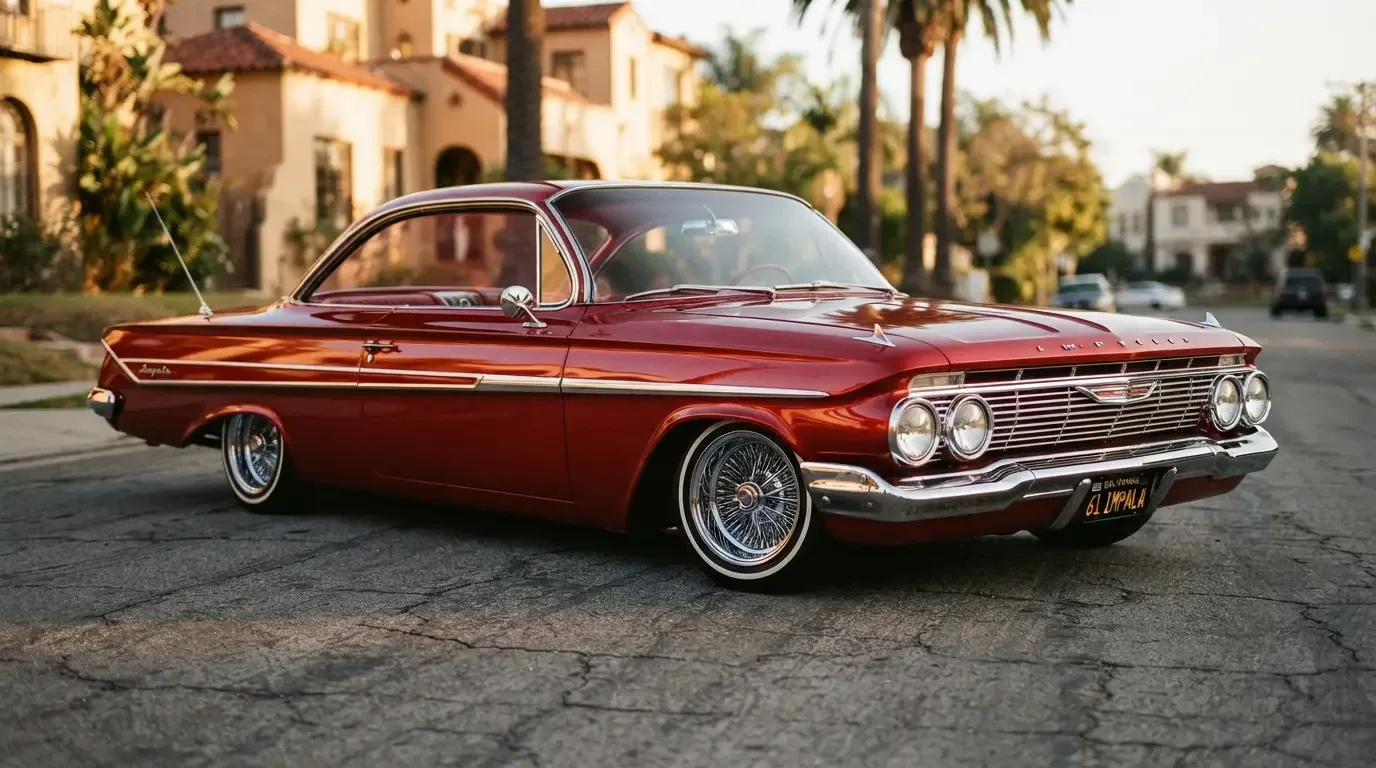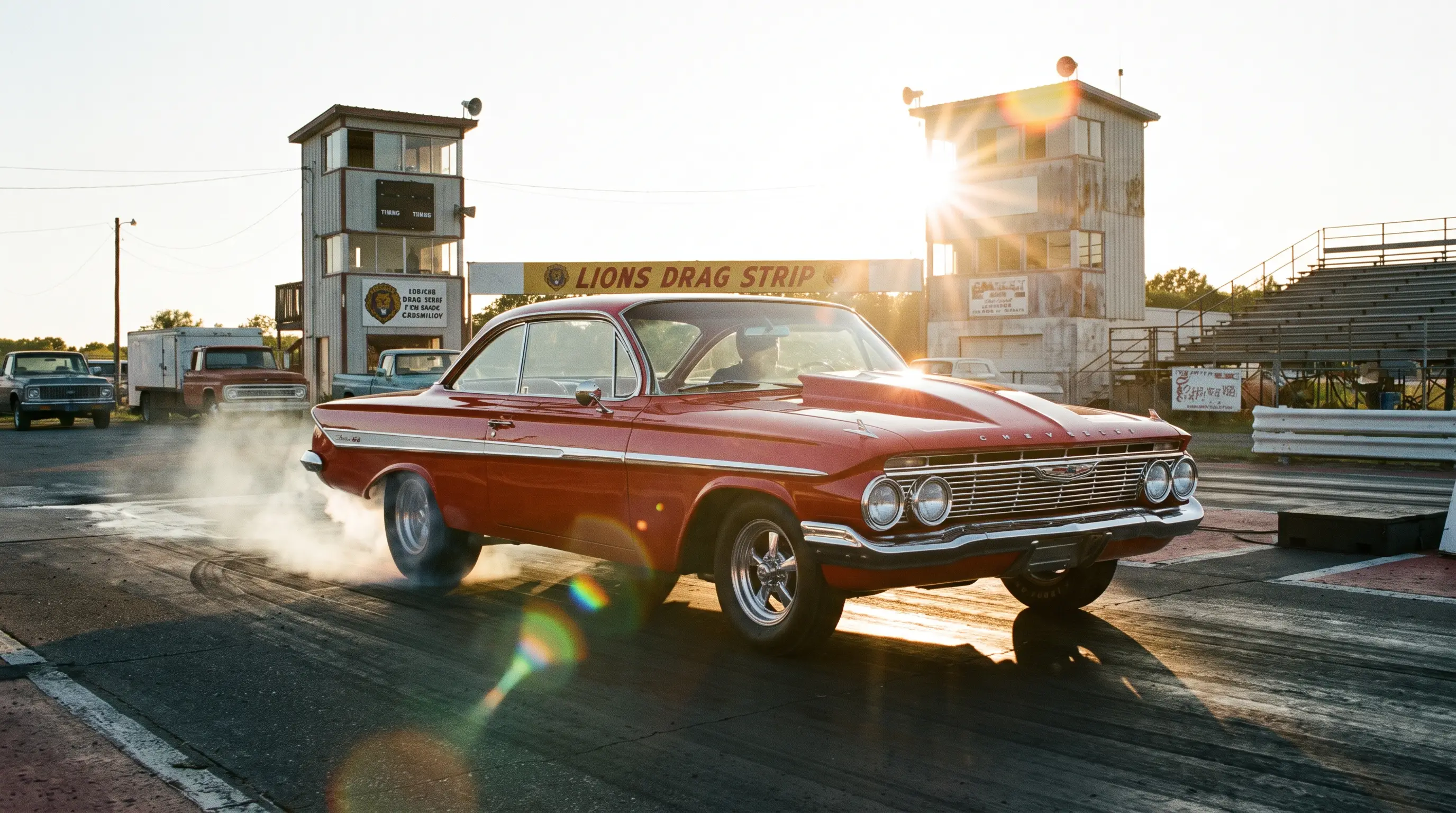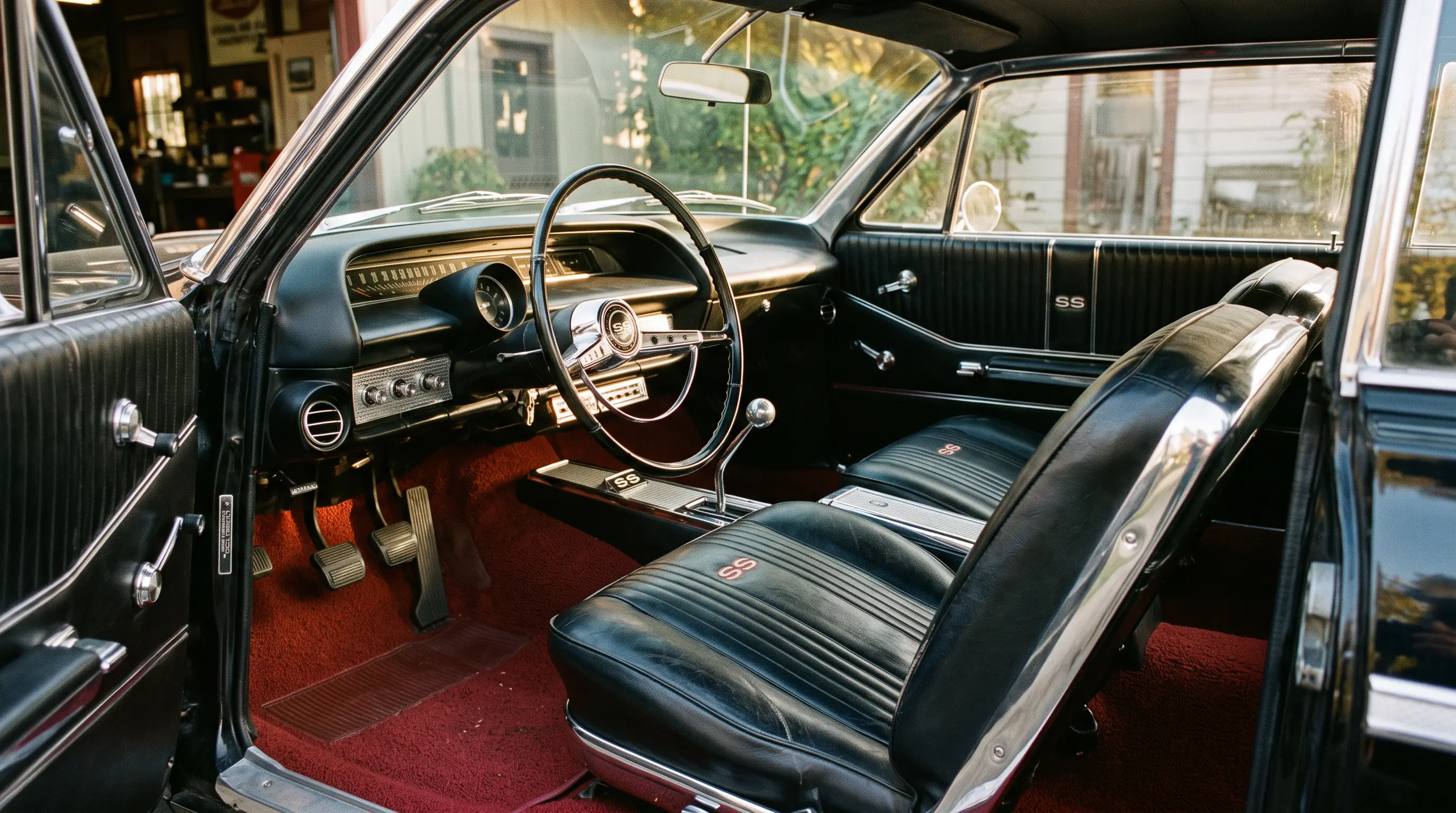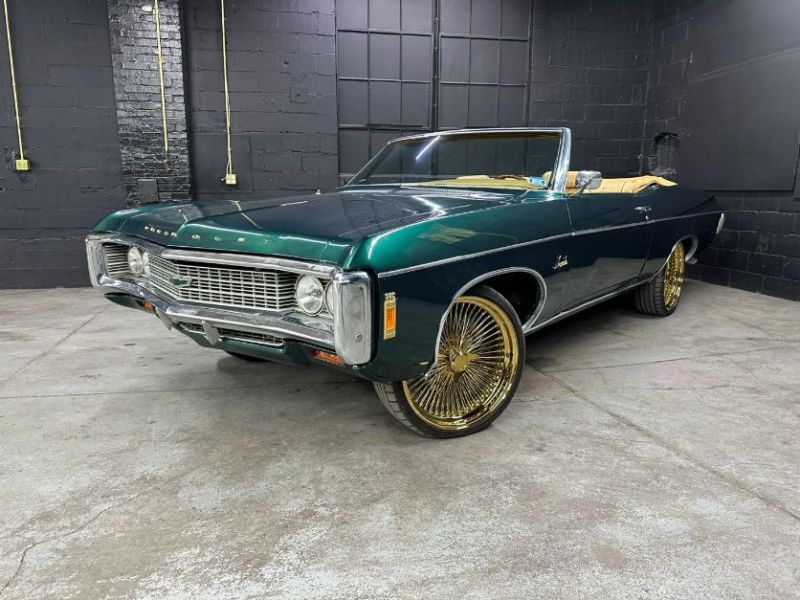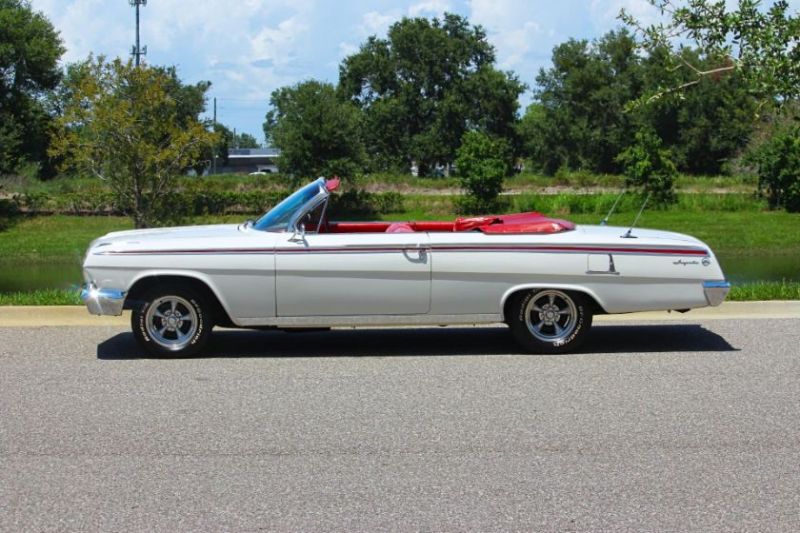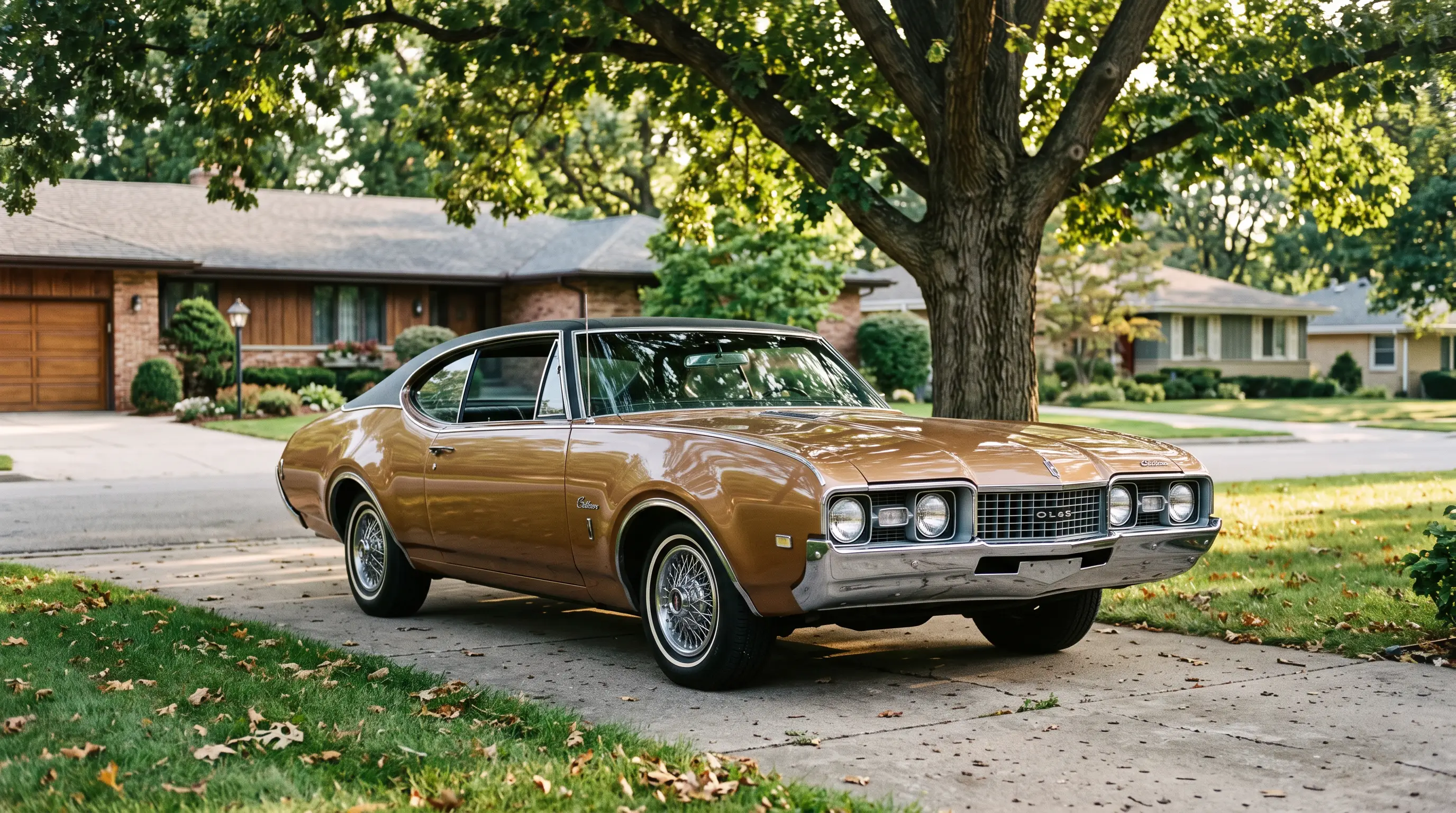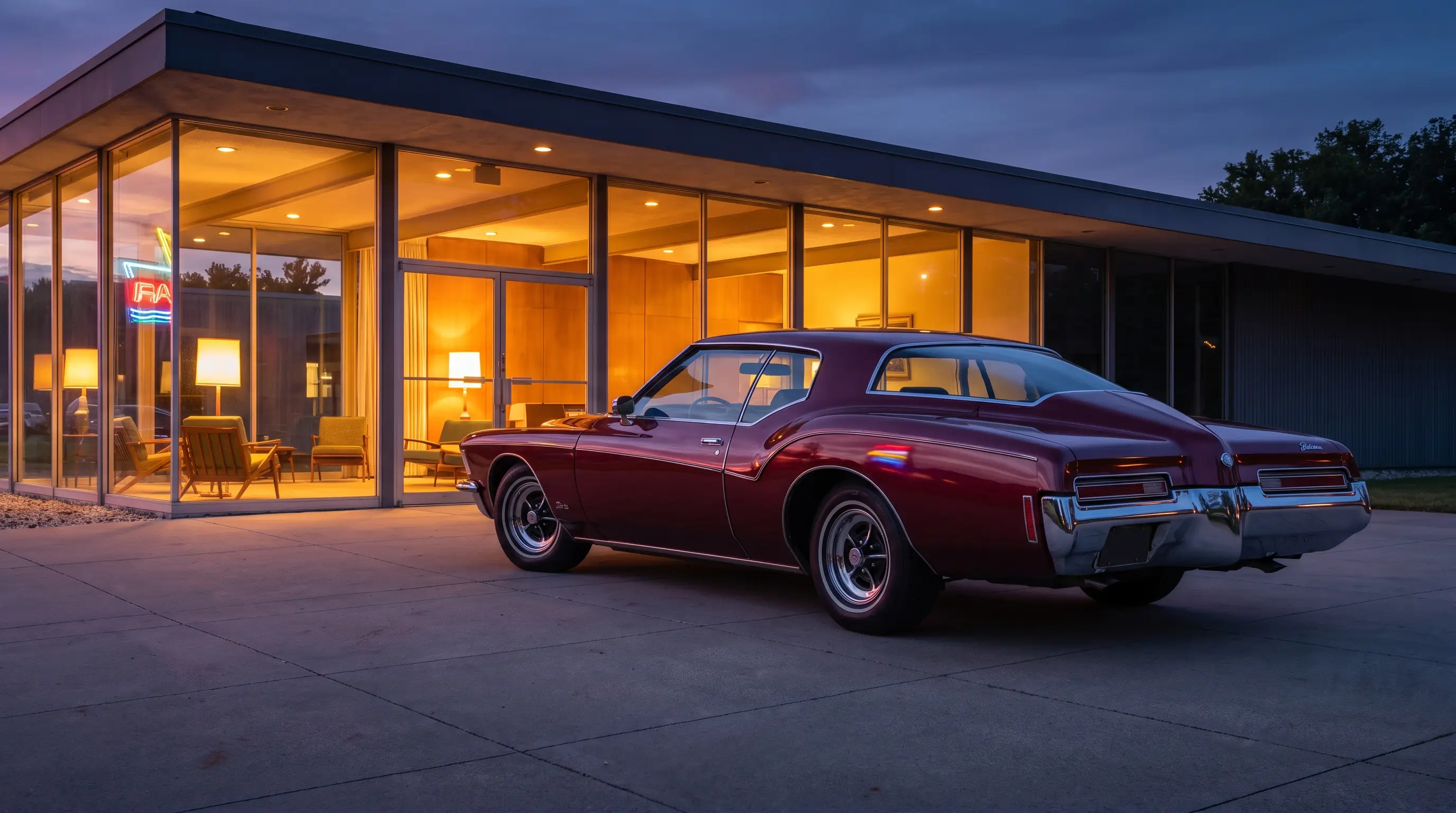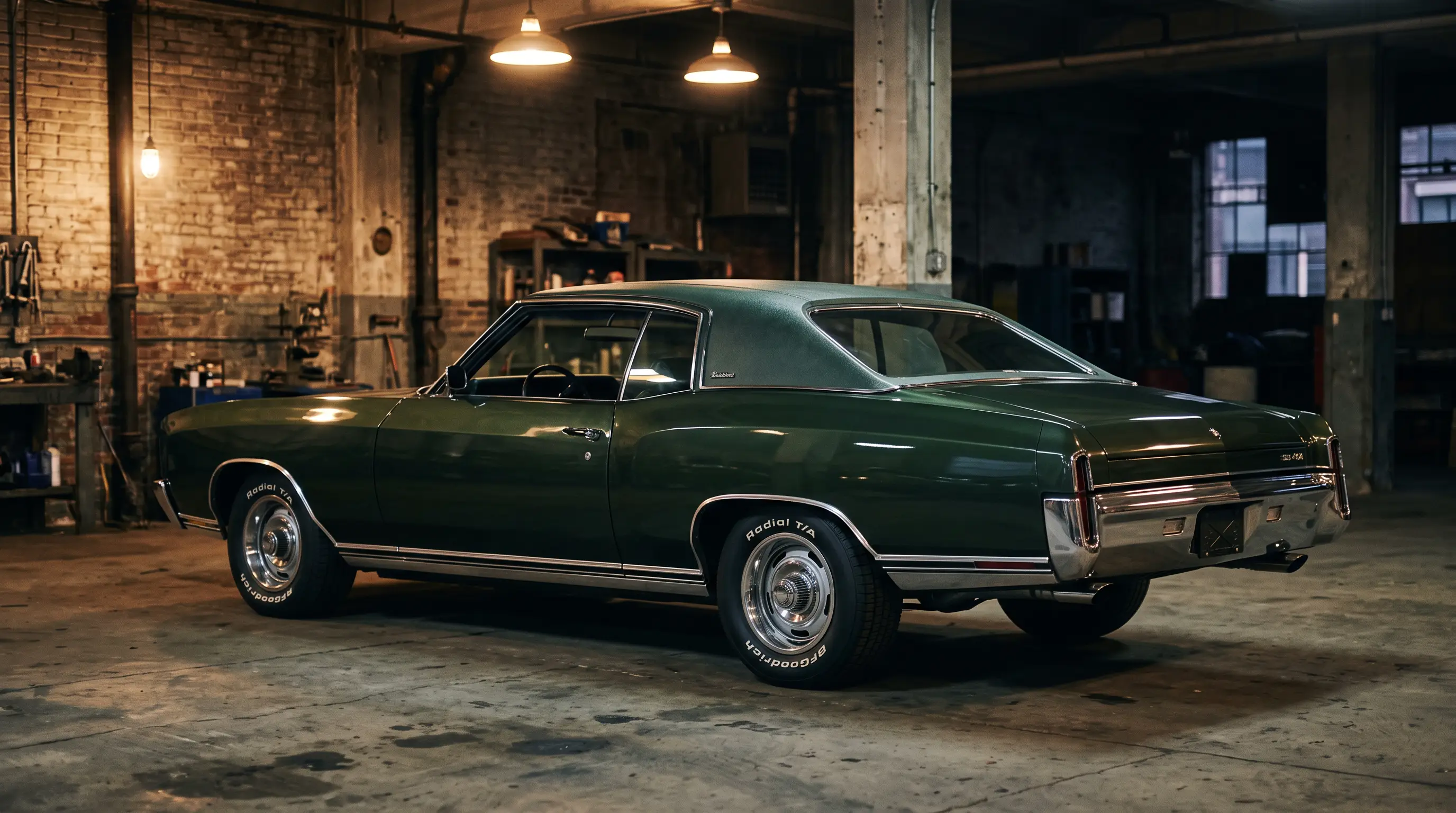
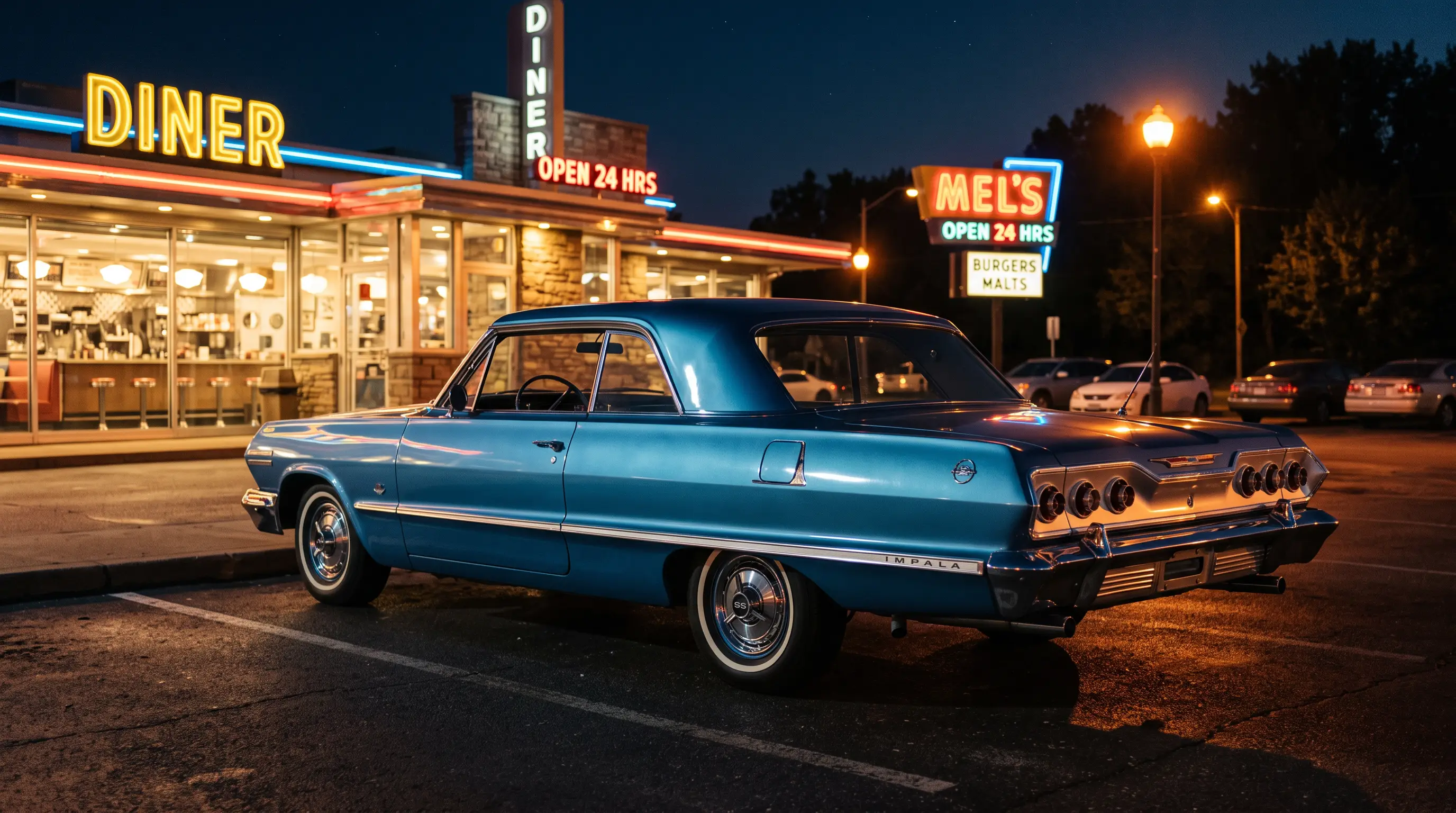
The 1963 Impala is the year Chevrolet's stylists figured out how to make a full-size car look tighter without shrinking a single dimension. Anyone who has stripped one of these cars down to bare metal in the shop knows the panel work tells a different story than the brochure photos. This is the 1963 Impala styling story from the perspective of someone who has actually sanded through the layers.
The roofline is not where 1963 actually changed
Here is a correction I make to customers constantly. The formal, squared off Sport Coupe roofline that people associate with the early sixties Impala actually arrived in 1962, replacing the rounder bubble top hardtop from 1961. Chevrolet liked that convertible-look roof enough to carry it into 1963 essentially unchanged. So when a 1963 body is on the rotisserie next to a 1962, the roof pillars and greenhouse are nearly identical, not the tell. The real 1963 changes happened from the beltline down, in the lower body sheet metal, trim, and taillight treatment. That is where a 1963 actually reads different from a 1962 at ten feet, not the roof.
The rear quarter panels below that shared roofline got reworked for 1963, losing some of the earlier cars' curvature for cleaner, straighter lines running back to the taillights. Bodywork guys care about this because straighter lines are less forgiving. A wavy panel on a curvy 1961 body can hide in the shape. A wavy panel on a 1963's flatter lower body surface shows up under any decent shop light. That is a real consideration for anyone restoring one of these cars today, not a styling footnote.
Trim and badging done right
The 1963 cars carried cleaner side trim than the 1962 models, with less brightwork clutter running down the flanks. That is a period-correct detail worth knowing if you are chasing an accurate restoration instead of a generic tribute build. I see cars at shows wearing trim from the wrong year because a previous owner grabbed whatever was available at a swap meet, and it always bothers me. The 1963 specific trim pieces are not interchangeable with 1962 or 1964 parts in the way some sellers claim, and anyone doing this build correctly needs to source the right year part or accept that the car is a mixed bag rather than a correct restoration. For a deeper look at how the whole platform moved through these years, there is more on the 1963 impala styling worth reading before starting any bodywork.
Paint and how it holds up in the shop
The factory color palette for 1963 leaned into deeper, richer tones compared to some of the brighter shades offered a couple years earlier. From a bodywork standpoint, darker colors show every imperfection in the panel underneath, which means a correct 1963 restoration in one of the deeper factory colors demands more careful metal finishing before paint goes on. I have turned away jobs where a customer wanted a dark factory color over panels that had filler an inch thick from a previous hack job. Get the metal straight first. The color choice on a 1963 only looks right when the bodywork underneath earns it.
"A 1963 Impala with straight panels and the correct trim looks like it was built yesterday. The same car with mismatched year parts and filler under the paint looks like exactly what it is, a shortcut."
- Jim Vasquez
What separates a real one from a poseur build
There is a difference between a 1963 Impala restored to period-correct standards and one that has been dressed up to look the part with whatever parts were easiest to find. The lower body sheet metal cannot be faked, since it is stamped into the shell itself, but trim, badging, and interior details get swapped constantly at swap meets and online marketplaces. Anyone shopping for one should check that the side trim, grille details, and interior door panels match 1963 specifications rather than assuming a Sport Coupe body automatically means every trim piece is correct for the year. That matters more with the 1963 than some other years because the trim changed noticeably from 1962 to 1963 and again from 1963 to 1964.
The 1962 Impala is worth understanding as a direct comparison point, since it shares the same basic platform but wears the older bubble top design. Reading up on a related story from that year makes the 1963 changes easier to spot at a glance, especially the roofline and rear quarter differences that separate the two years.
The 1963 Sport Coupe carried the same roof, C-pillar, and rear window angle as the 1962 car, since Chevrolet reused that greenhouse rather than changing it. Where things do differ, and where restorers get tripped up assuming parts interchange freely, is in the lower body trim and brightwork. Front bumper and grille details shifted for 1963, with a cleaner horizontal bar treatment replacing some of the busier chrome work from 1962. None of these changes were massive on their own. Stacked together, they add up to a car that reads as noticeably different from ten feet away, even though the basic proportions and wheelbase carried over largely unchanged.
Getting these details right matters more to judges at a serious concours event than most casual buyers realize. A 1963 Impala with a 1962 grille bolted on might look fine to a passerby, but it will get flagged immediately by anyone who has spent real time around these cars, and it will cost real money at resale when a knowledgeable buyer notices the mismatch.
Buying a 1963 today
If the goal is a correct restoration rather than a generic classic, start with the body. Check the roof pillars and quarter panels for prior filler work under a magnet or paint thickness gauge before anything else. Trim and interior parts can be sourced separately if they are wrong, but a body that has been hacked up with heavy filler is a much bigger project than most buyers want to take on. For those shopping the market right now, there are Impalas for sale now worth comparing against the specific styling cues covered here, whether the target is a 1963 specifically or a full-size Chevy from the same general era.
The 1963 Impala earned its reputation the hard way, through a body redesign that actually held up under close inspection rather than one that just looked good from ten feet away in a showroom photo. That is the kind of styling change worth respecting in the shop, not just admiring in a magazine.
I have built enough of these cars now to trust the panels over the paperwork. A trim tag can be swapped. Body sheet metal stamped into steel cannot. When a 1963 Impala comes into the shop, the first hour is spent reading the body itself, not the folder of receipts that came with it, and that habit has saved more than one customer from paying full price for a car that was only half correct underneath a fresh coat of paint.
Sources and notes
- Mac's Motor City Garage: The Ragtop Look, The 1962-64 Chevrolet Impala Sport Coupes
- Barn Finds: Formal Roof, 1962 Chevrolet Impala Sport Coupe
- Classic.com: Chevrolet Impala, 3rd Gen (1961 to 1962)
- Curbside Classic: One Year Oddity, 1961 Chevrolet Impala 2-Door Sedan
- Wikipedia: Chevrolet Impala
- Automobile Catalog: 1963 Chevrolet Impala Hardtop Coupe full range specs