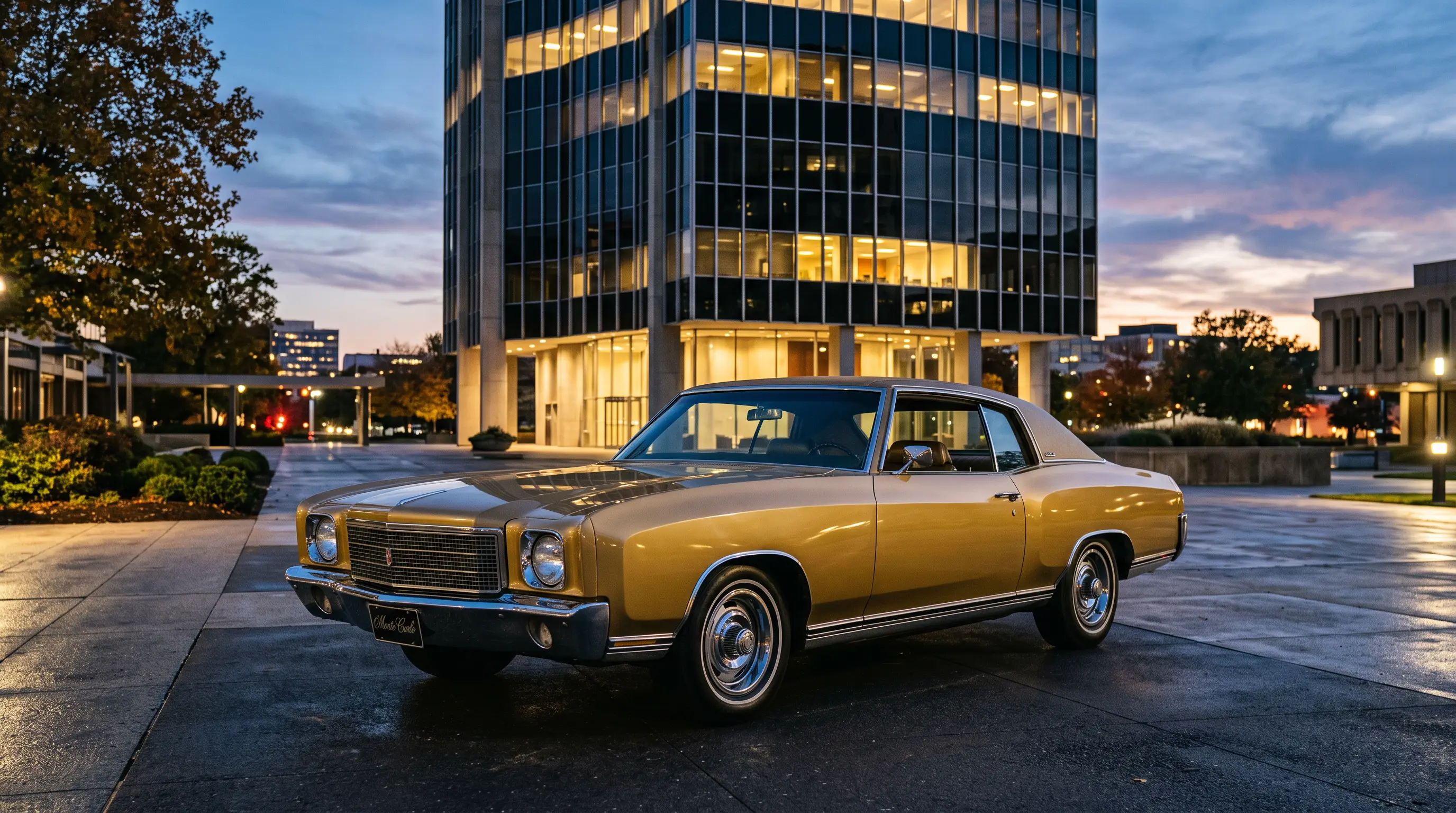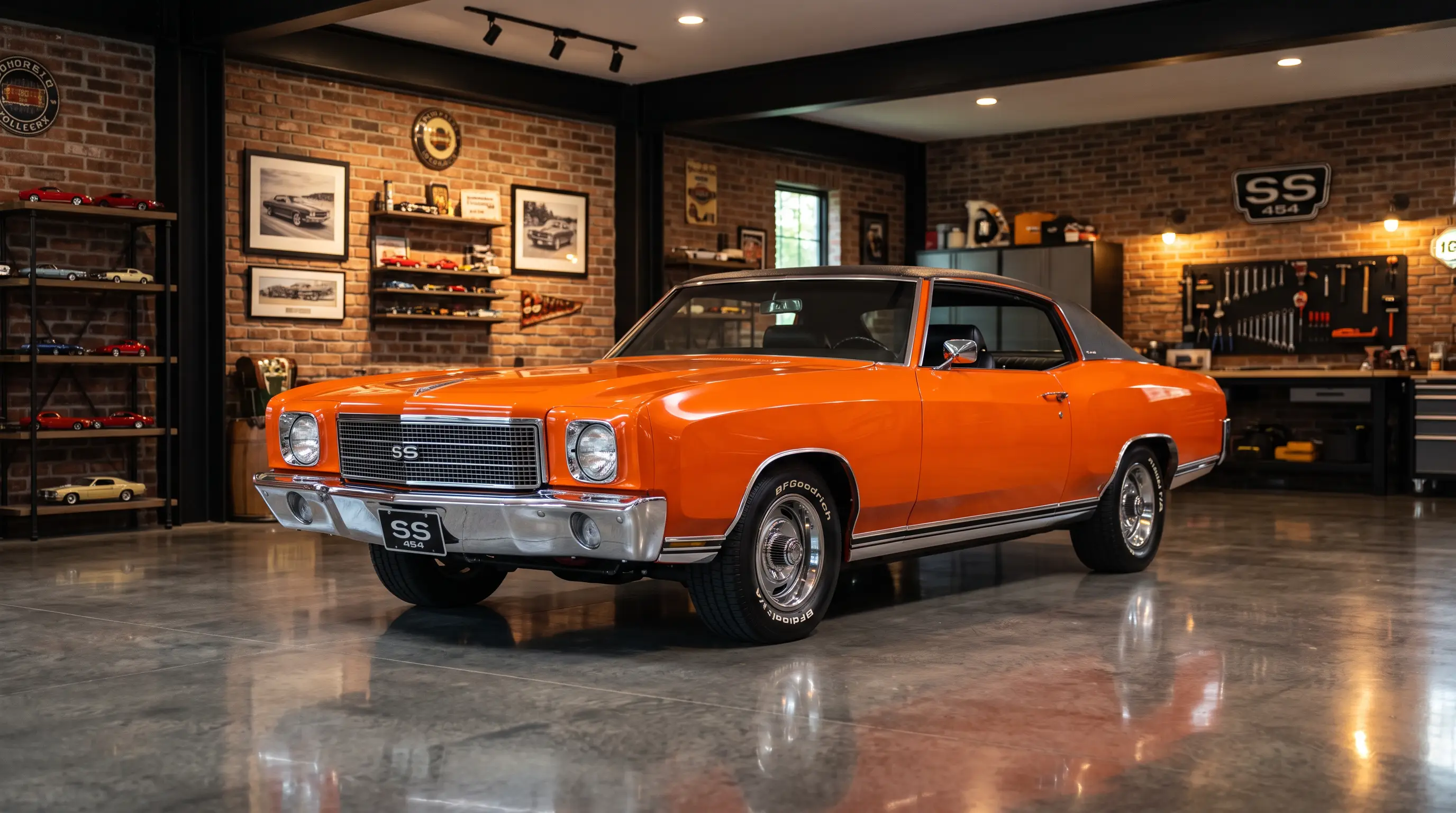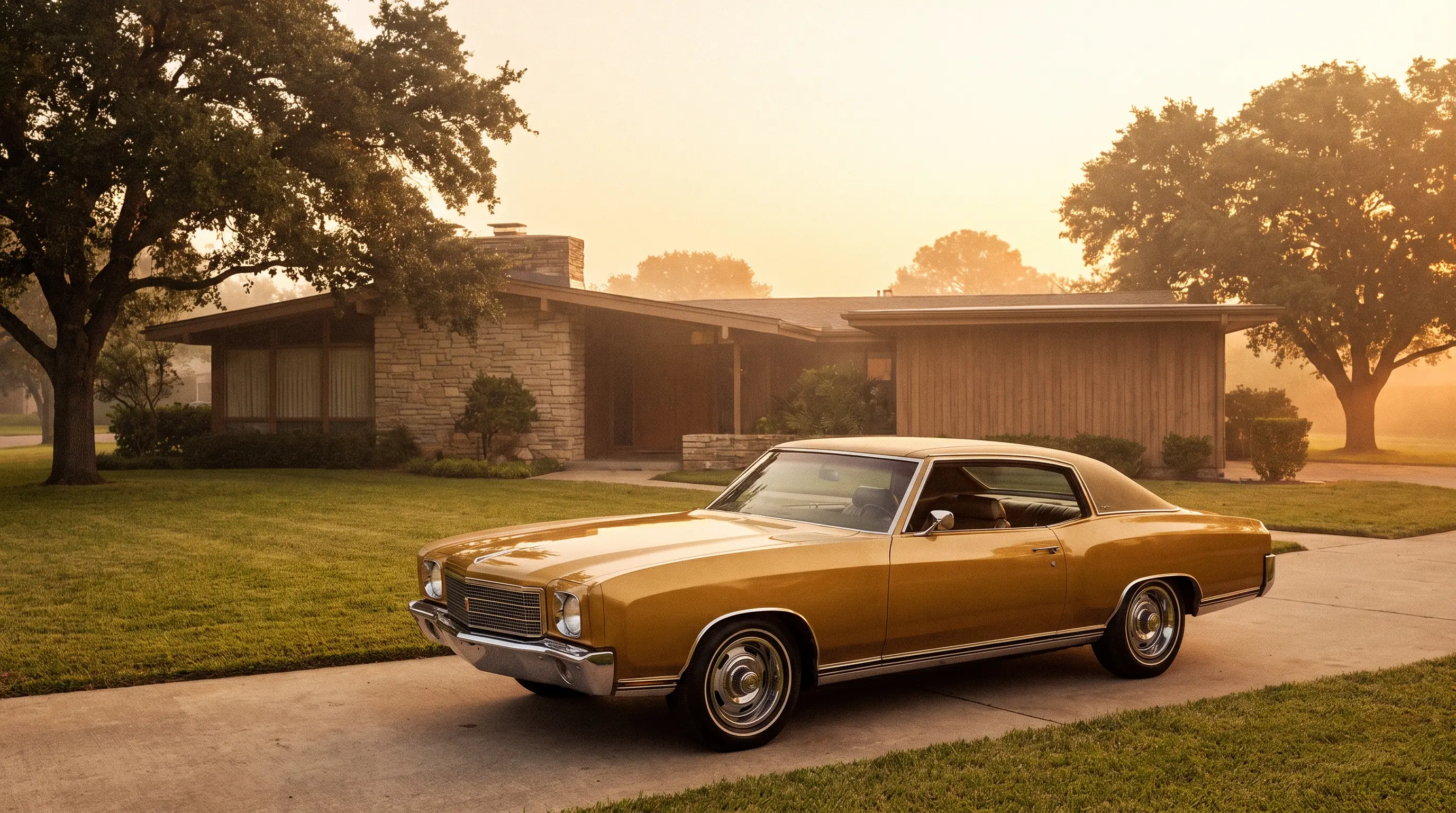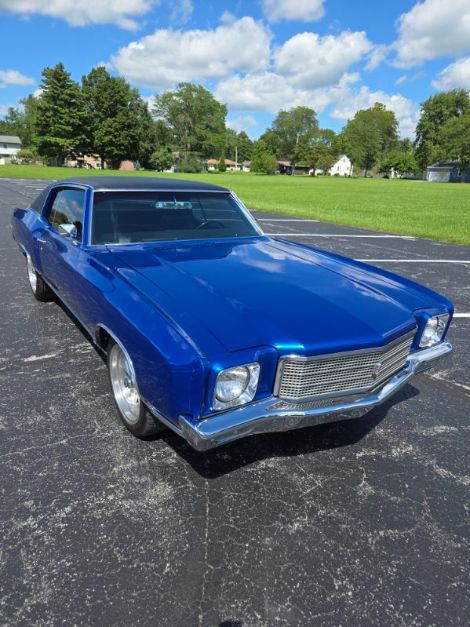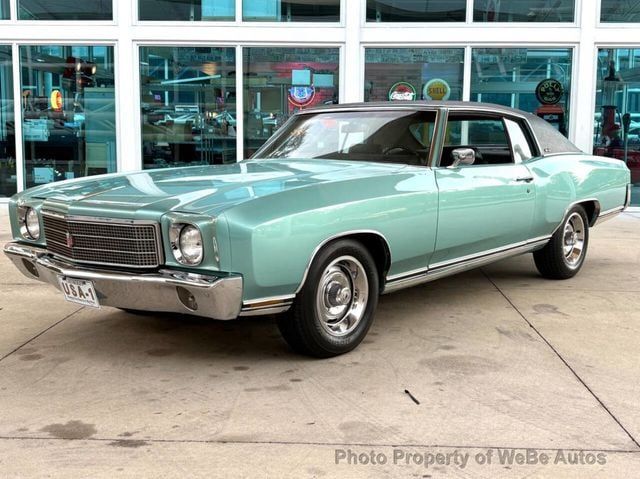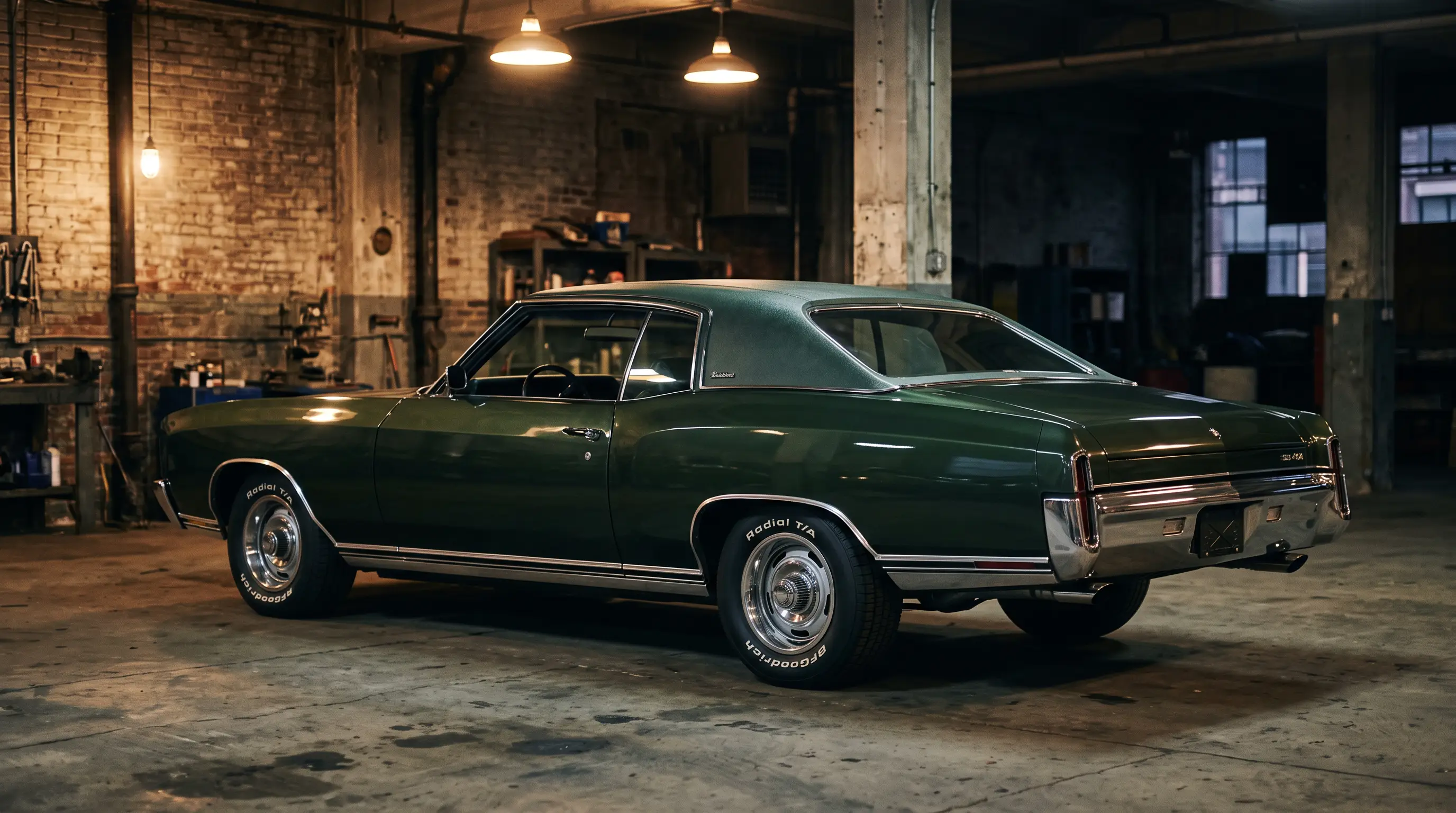
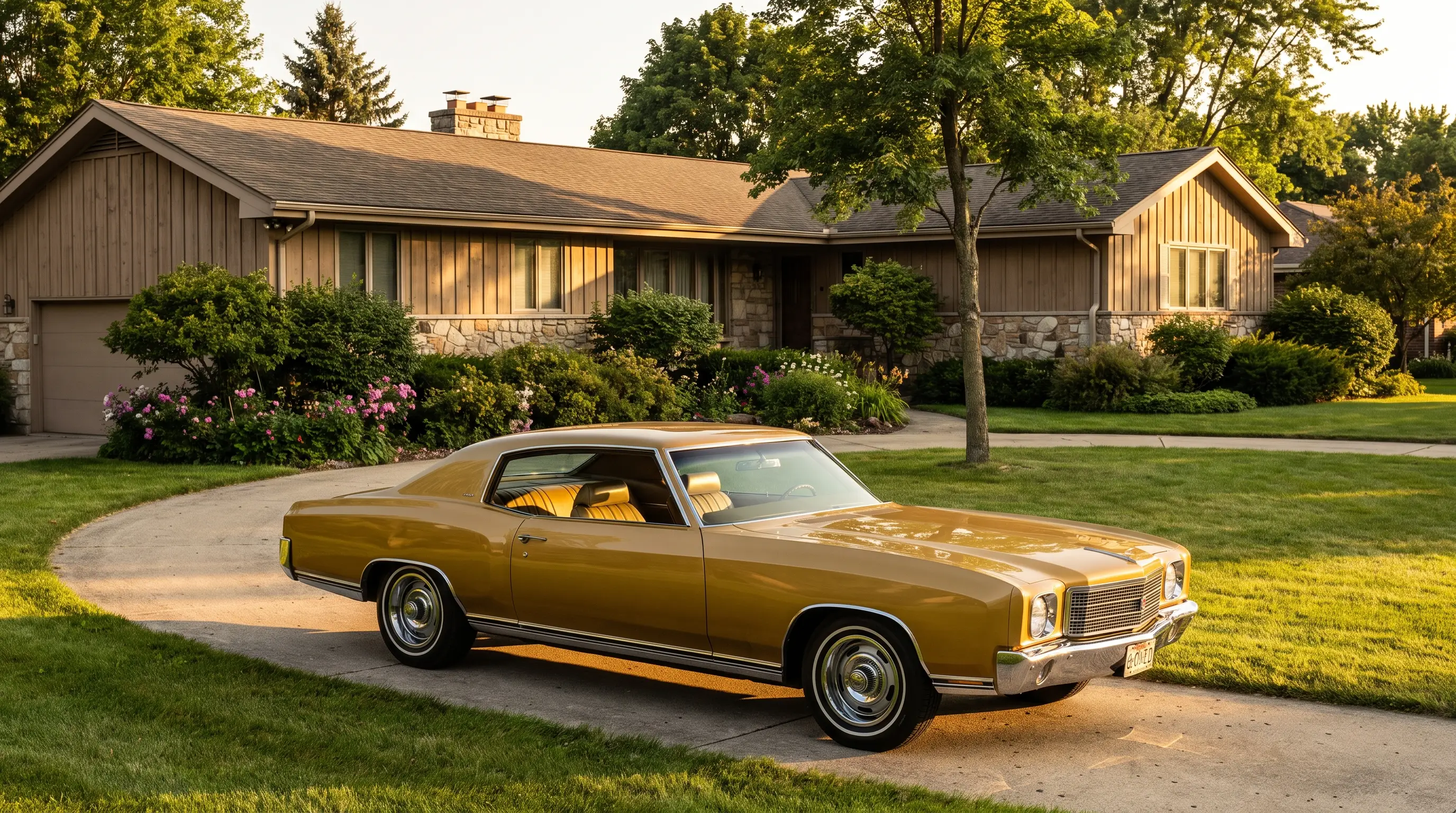
Reading through the monte carlo 1970 period road tests that ran when the car was new tells you something a spec sheet never can, how the automotive press actually reacted to a brand-new nameplate that didn't slot neatly into a category they already had a template for reviewing. The Monte Carlo wasn't a muscle car in the way Motor Trend and Car Life's readers usually expected from Chevrolet, and it wasn't a straight luxury car either. Period reviewers spent real column space just working out what to compare it against.
A new kind of Chevrolet, reviewed on its own terms
The recurring theme across period coverage of the 1970 Monte Carlo was that reviewers kept measuring it against Pontiac's Grand Prix, the personal luxury coupe that had already proven the segment worked within GM's own showroom. Writers generally credited the Monte Carlo with a longer hood and more distinctive proportions than its Chevelle-derived underpinnings might have suggested, while noting that the car's driving character leaned toward comfort over the sharper responses buyers expected from Chevrolet's performance nameplates. That was presented as a deliberate choice rather than a shortcoming, reviewers understood Chevrolet was chasing a different customer than the Chevelle SS crowd, and evaluated the car against that mission rather than against a muscle car yardstick it was never built to meet.
Ride quality drew consistent praise. The extra wheelbase and softer suspension tuning relative to the Chevelle translated into a noticeably smoother highway ride, and period writers frequently singled this out as the car's clearest advantage over its more performance-oriented siblings. Several reviews also noted the extensive sound deadening and how quiet the cabin stayed at speed, a detail Chevrolet had clearly prioritized given the personal luxury positioning.
Where the reviews got more mixed
Not every verdict was uniformly positive. Handling reviews of base and mid-trim Monte Carlos noted body lean through corners that the softer suspension tuning made more noticeable than on a Chevelle riding on firmer springs, a trade-off period writers generally accepted as consistent with the car's mission but still flagged for readers cross-shopping it against sportier alternatives. Some reviewers also commented on rear visibility given the car's semi-fastback roofline, a styling choice that looked good from outside but cost the driver some sightline over the rear deck compared to a more upright notchback design.
The SS 454 variant, when period publications got their hands on one, drew a different tone entirely. Reviewers testing the big block car generally reported it moved with real authority for a car this size and this comfort-oriented, framing it as proof the Monte Carlo could deliver genuine performance credentials whenever Chevrolet let it, even if that wasn't the primary story most buyers were shopping for.
What period testers got right about the car's real audience
Reading these reviews decades later, what stands out is how quickly period writers understood who Chevrolet had actually built this car for. Rather than treating the softer ride and quieter cabin as compromises the Monte Carlo settled for, most coverage framed those qualities as the entire point, a Chevrolet built for someone who wanted to arrive somewhere composed rather than someone chasing a stoplight. That framing has aged well. It's the same distinction collectors and historians still draw today when explaining why the Monte Carlo occupies different space in the market than the Chevelle it's mechanically related to.
Sales figures backed up what the reviews suggested buyers wanted. The Monte Carlo moved 145,976 units in its first year, an immediate commercial validation of the personal luxury pitch that period road tests had, in their own way, been describing all along.
Reading old road tests with the right context
Anyone going back to read these period reviews firsthand should keep in mind that automotive journalism in 1970 operated with different conventions than it does now, less independent instrumented testing in some cases, more reliance on manufacturer-supplied figures, and a house style at several publications that leaned toward enthusiasm for anything new from Detroit. None of that erases the value of these reviews as a historical record. It just means reading them as a snapshot of how the press and, by extension, the buying public understood the car in the moment, rather than as an objective performance benchmark by modern standards.
It also helps to remember that period publications served different audiences with different expectations. A magazine built around drag strip culture approached the Monte Carlo differently than a title with a broader, more general readership interested in comfort, styling, and everyday livability. Reading a single review in isolation risks mistaking one publication's house perspective for a consensus verdict that never actually existed. The fuller picture only comes into focus once several period sources are read against each other, which is exactly how serious researchers of this era of Chevrolet history approach the material today.
There's also value in noting what period reviewers didn't spend much time discussing. Fuel economy barely registered as a talking point in 1970 road tests, a detail that says as much about the era's priorities as anything reviewers actually wrote down. Safety equipment, likewise, drew only passing mention beyond noting what federal regulation now required as standard. Both omissions are reminders that a road test is a product of its moment, reflecting what mattered to that particular audience at that particular time, not a fixed checklist that translates cleanly to how a modern reviewer would evaluate the same car.
Comparative testing, when publications actually lined up multiple personal luxury coupes against each other rather than reviewing the Monte Carlo in isolation, tends to be the most useful surviving material for anyone trying to understand where the car genuinely stood relative to its rivals. Head-to-head coverage against the Grand Prix and against Ford's Thunderbird forced reviewers to be specific rather than impressionistic, naming exact strengths and weaknesses instead of offering the kind of generalized enthusiasm a solo review could get away with. Those comparative pieces are worth seeking out specifically for anyone doing serious research into how the car was actually received, since they tend to hold up better under scrutiny than single-car reviews written to fill space around new-model advertising.
"The reviewers who understood this car fastest were the ones who stopped comparing it to a Chevelle and started comparing it to a Grand Prix instead."
- Sarah Whitfield
Understanding how the press received the car when new fills in a piece of the story that a spec sheet or option list alone cannot provide. For the whole picture of that debut season, including how Chevrolet positioned and marketed the car alongside what reviewers were writing, the full history connects these period impressions to the decisions Chevrolet made building the car in the first place. And for anyone who's read enough about the car and wants to see one in person, you can find a classic Monte Carlo currently listed and judge the ride quality period reviewers praised for yourself.