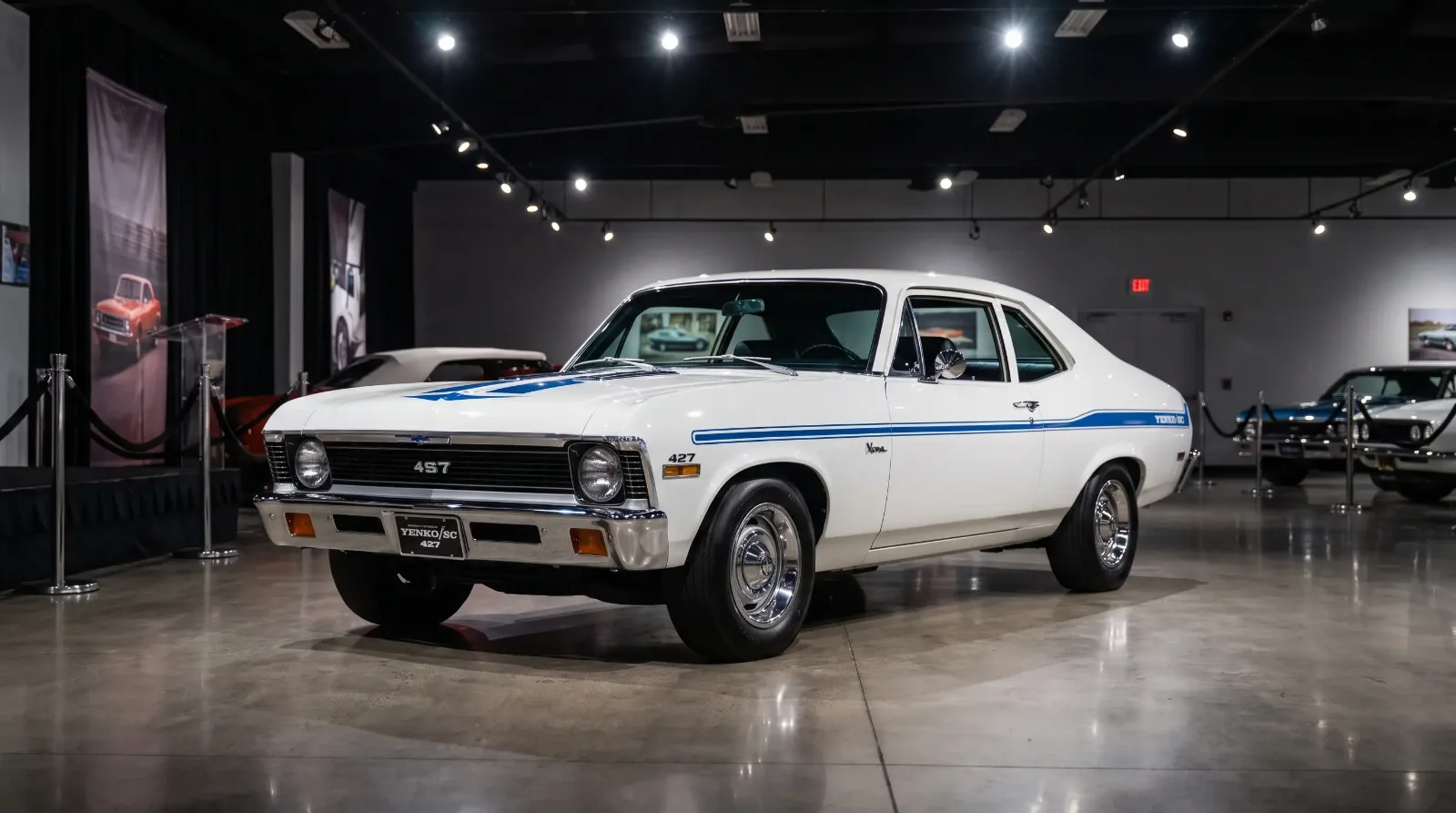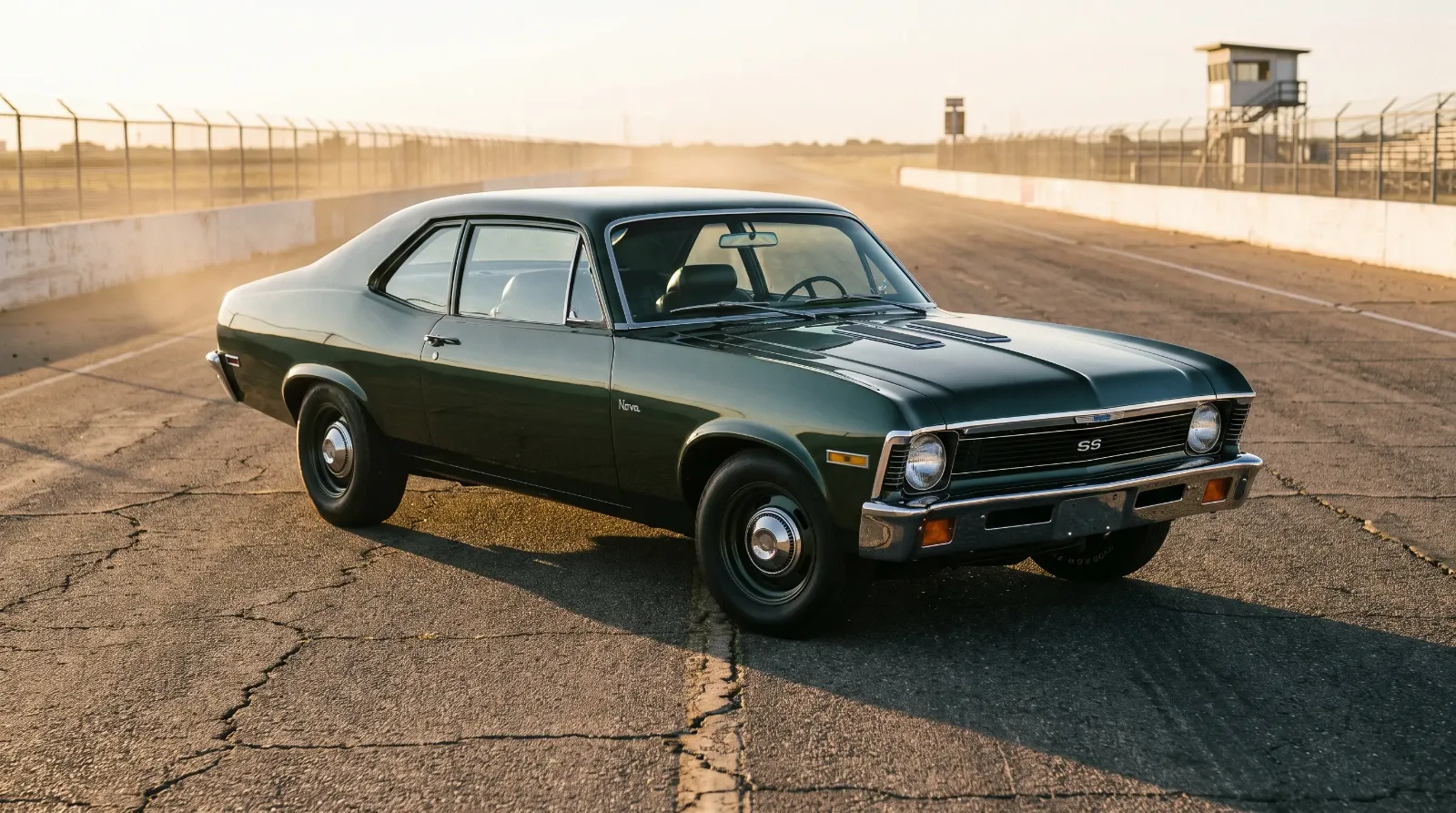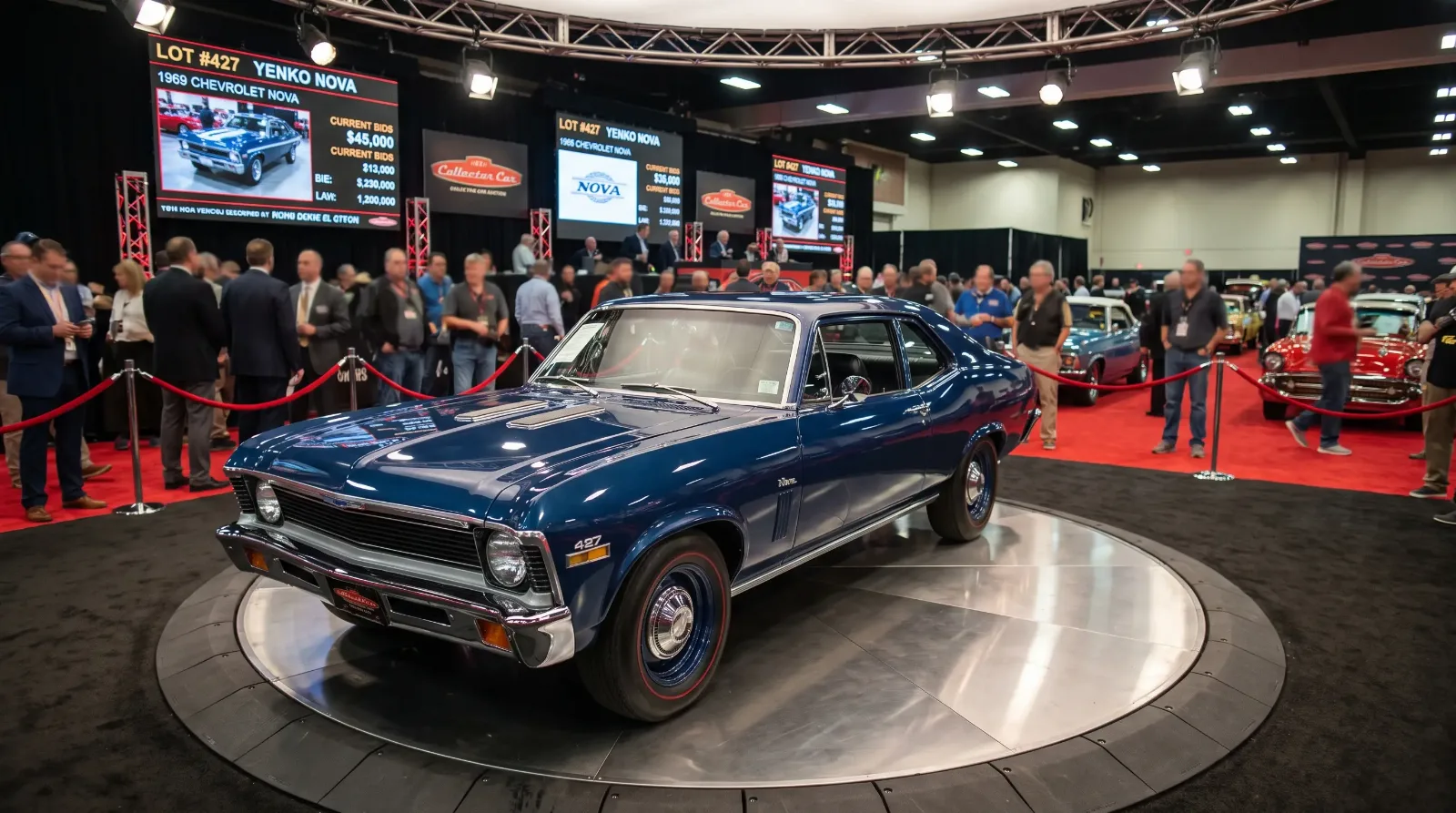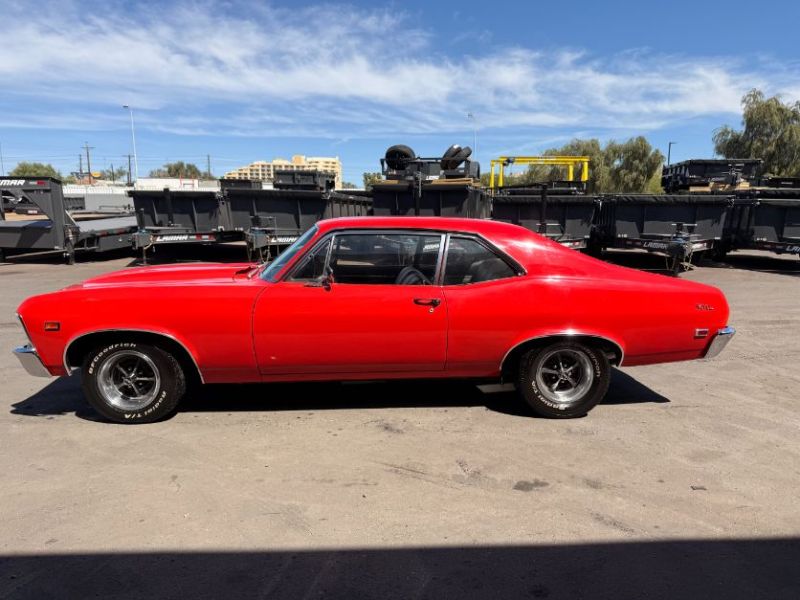
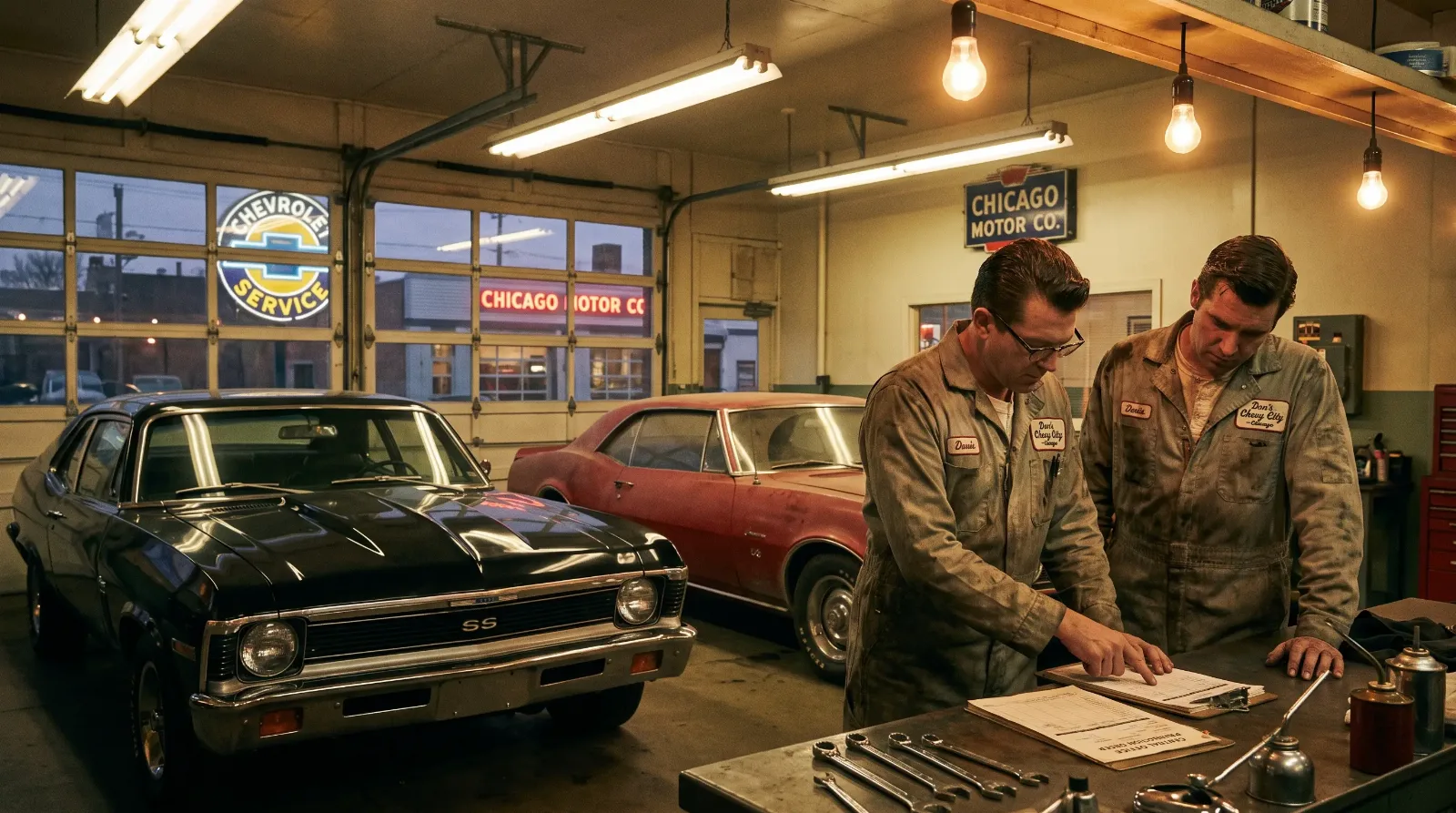
Don Yenko was not the only dealer building fast Novas out of his own showroom. Nickey Chevrolet in Chicago, Berger Chevrolet in Grand Rapids, and Baldwin-Motion out on Long Island were all doing the same kind of dealer-level performance work in the same era, and the nova dealer tuners story does not end with Canonsburg, Pennsylvania. It just gets less press.
Beyond Yenko: the other performance dealers
A handful of Chevrolet dealers in the late 1960s figured out that a factory car with a factory warranty and a dealer-installed engine upgrade was a business model, not just a hobby. Yenko got the name recognition, partly because he was aggressive about marketing his own brand on the cars, and partly because his COPO relationship with the factory was the most direct. But Nickey, Berger, and Baldwin-Motion were running comparable operations, and their work on Camaros and Chevelles is well established. Their Nova-specific output is smaller and thinner on documentation, which is exactly why I want buyers to understand what is verified and what is folklore before a price tag gets attached to either.
The pattern across all four operations is consistent even where the details differ. Each dealer had a relationship with Chevrolet that gave it some form of privileged access, whether that meant a direct COPO ordering channel or simply the volume and reputation to get engines and parts other dealers could not easily source. Each one marketed the resulting cars aggressively to a regional customer base rather than a national one. And in every case, the strength of what survives today in terms of paperwork depends heavily on how well that regional identity was documented at the time, which was rarely a priority for anyone involved back when these cars were simply new performance cars for sale, not future collectibles.
Nickey Chevrolet and the Chicago connection
Nickey Chevrolet built its reputation primarily on big-block Camaros and Chevelles moved through its Chicago dealership, using factory COPO ordering paths and its own aftermarket installations to get large-displacement engines into cars that did not come that way from the factory. Nickey's Nova work exists but is less central to the shop's identity than its Camaro business, and surviving documentation on Nickey-built Novas specifically is thinner than what exists for the Camaro side. No reliably sourced production count for Nickey-built Novas has surfaced in the collector record, so treat any specific figure quoted at a swap meet as folklore until paperwork proves otherwise.
Berger Chevrolet in Grand Rapids
Berger Chevrolet worked directly with Yenko on COPO orders for a period, acting as a second point of sale for cars built under the same program rather than running an entirely separate independent conversion business. That relationship means some genuinely factory-COPO Novas carry Berger paperwork rather than Yenko paperwork, which confuses buyers who assume every COPO car has to trace back to Canonsburg. It does not. Berger's role in the COPO chain is real, well documented for Berger's Camaro and Chevelle volume, and it is referenced in period Chevrolet correspondence, but no specific published count exists for Nova orders routed through Berger, so that number should stay unquoted rather than guessed at.
Baldwin-Motion and Joel Rosen's approach
Baldwin-Motion was a partnership between Baldwin Chevrolet in Baldwin, New York and Joel Rosen's Motion Performance shop, and it took a different approach than Yenko's factory-order strategy. Rosen built a business on aftermarket engine swaps and performance packages installed after a car left the factory, marketed under his own Motion branding rather than routed through a COPO code. That model gave Baldwin-Motion more flexibility on what could go into a given car, including Nova builds, but it also means the paper trail on any individual Baldwin-Motion Nova depends entirely on whatever invoice and correspondence survived, since there was no factory order number tying the build to a documented production run the way COPO did.
| Dealer | Location | Primary method | Nova documentation depth |
|---|---|---|---|
| Yenko Chevrolet | Canonsburg, PA | Factory COPO order, later dealer-installed | Strongest, best known |
| Nickey Chevrolet | Chicago, IL | COPO order and dealer installation | Thin, secondary to Camaro focus |
| Berger Chevrolet | Grand Rapids, MI | Secondary COPO point of sale with Yenko | Thin, tied to Yenko-era correspondence |
| Baldwin-Motion | Baldwin, NY | Aftermarket dealer conversion, no COPO code | Depends entirely on surviving invoices |
What their Nova work is worth today
None of these three shops command the recognition premium Yenko does on a Nova specifically, and that gap is partly reputation and partly documentation depth rather than a reflection of build quality. A verified Baldwin-Motion or Nickey Nova with surviving paperwork is a legitimate and desirable car. It simply sells into a smaller, less liquid pool of buyers than a comparably documented Yenko car, which matters if you are thinking about resale rather than just ownership.
Liquidity is the practical concern here, not just prestige. A Yenko Nova with clean paperwork has a deep enough pool of interested buyers that a sale can happen relatively quickly at a fair price. A documented Baldwin-Motion Nova, just as legitimate, may sit longer simply because fewer buyers are actively searching for that specific name. That is not a knock on the car. It is a market reality worth understanding before you buy one expecting it to move as fast as its more famous cousin, or price a sale assuming the same buyer pool is watching for it.
"Documentation depth tracks name recognition almost exactly in this segment. Yenko cars get scrutinized hardest because they get bought and sold most often. The other shops built real cars. They just built fewer of them, and fewer people have gone looking for the paperwork."
— David Mercer
If you are working through the Yenko and COPO story to understand how this market got built, these three shops are the context that explains why Yenko's name carries the premium it does. For the record-setting end of that same market, keep reading the series, and for the full model history behind all of it, our Nova retrospective covers the platform from its 1962 introduction forward.