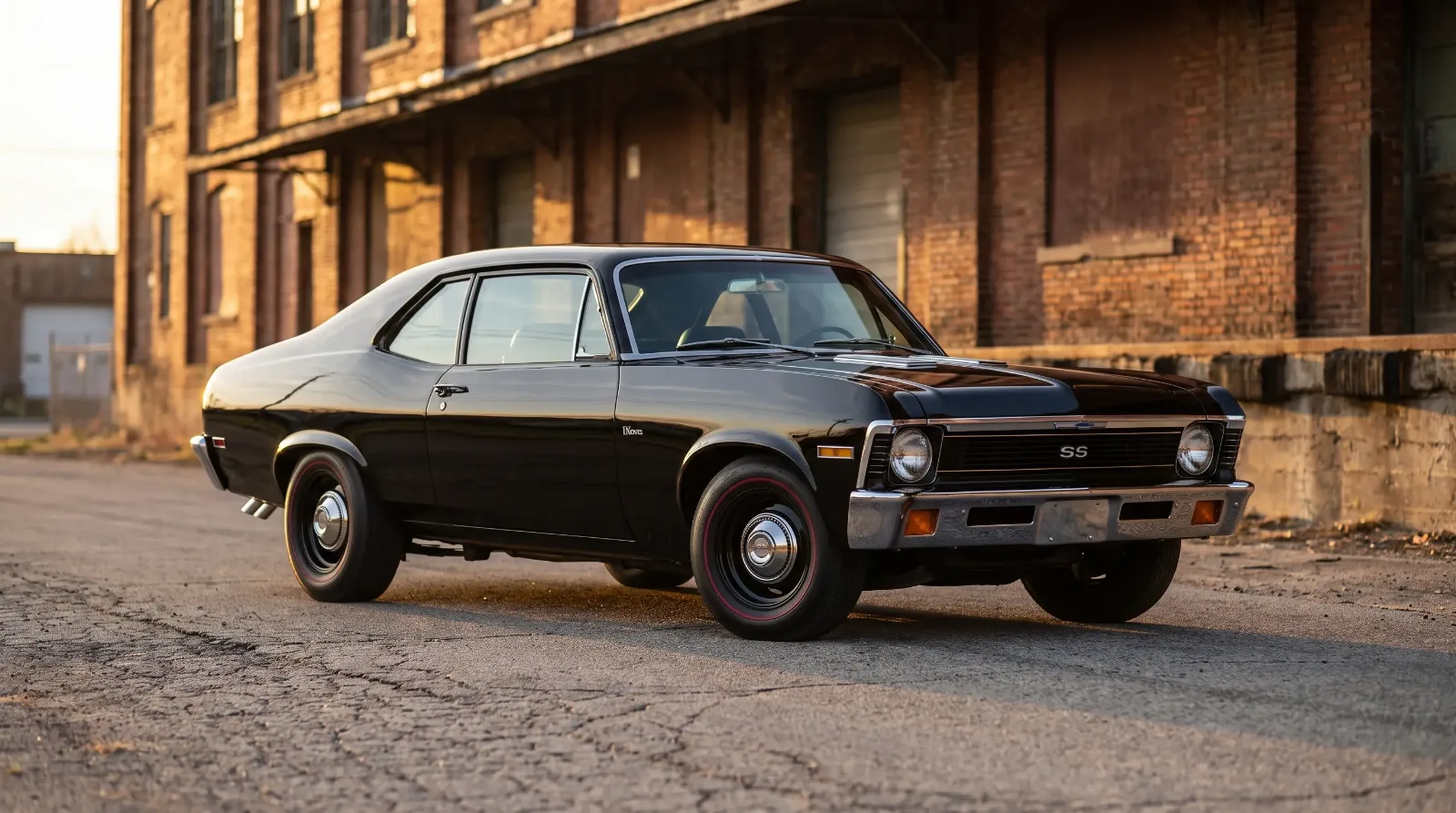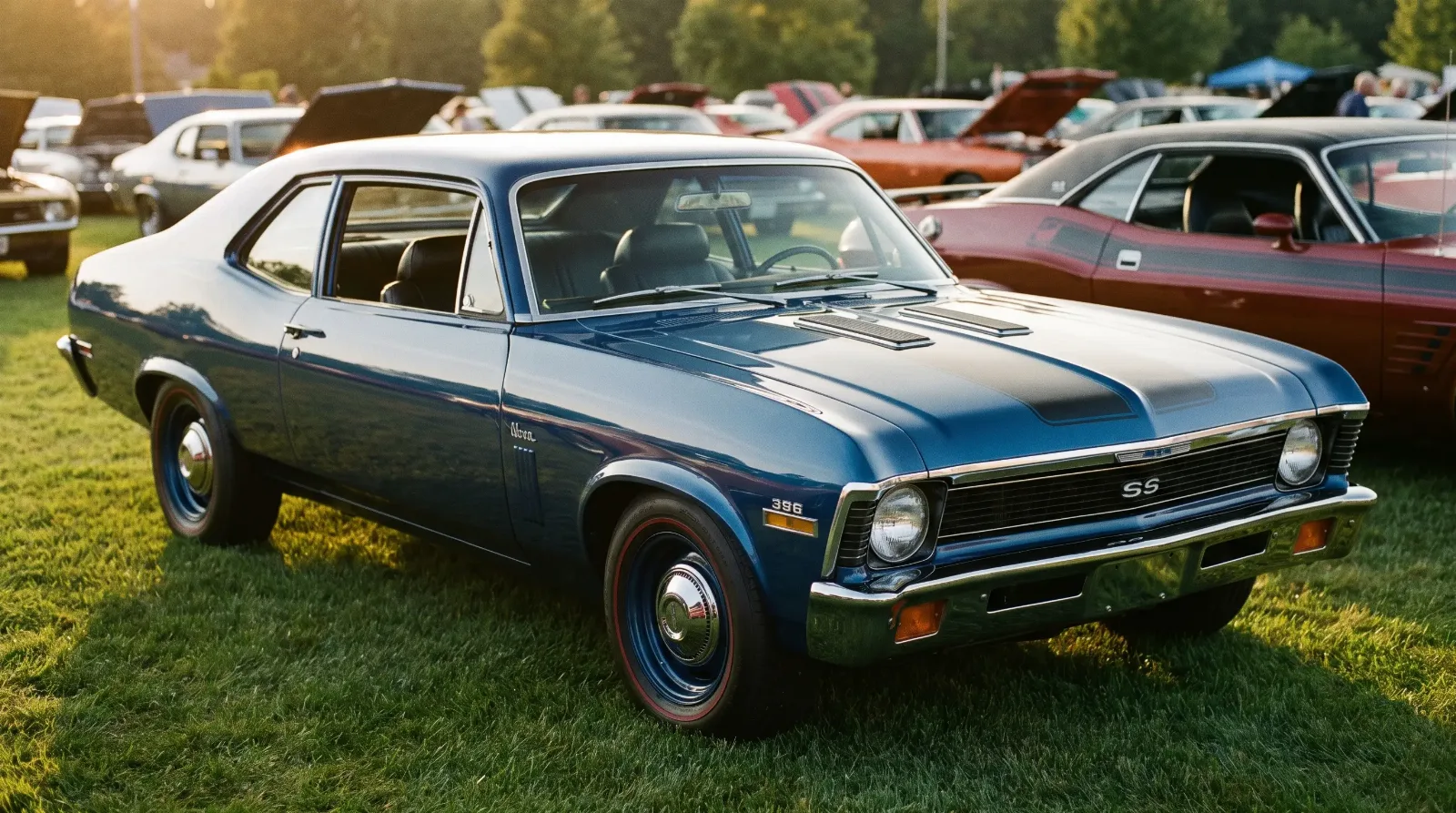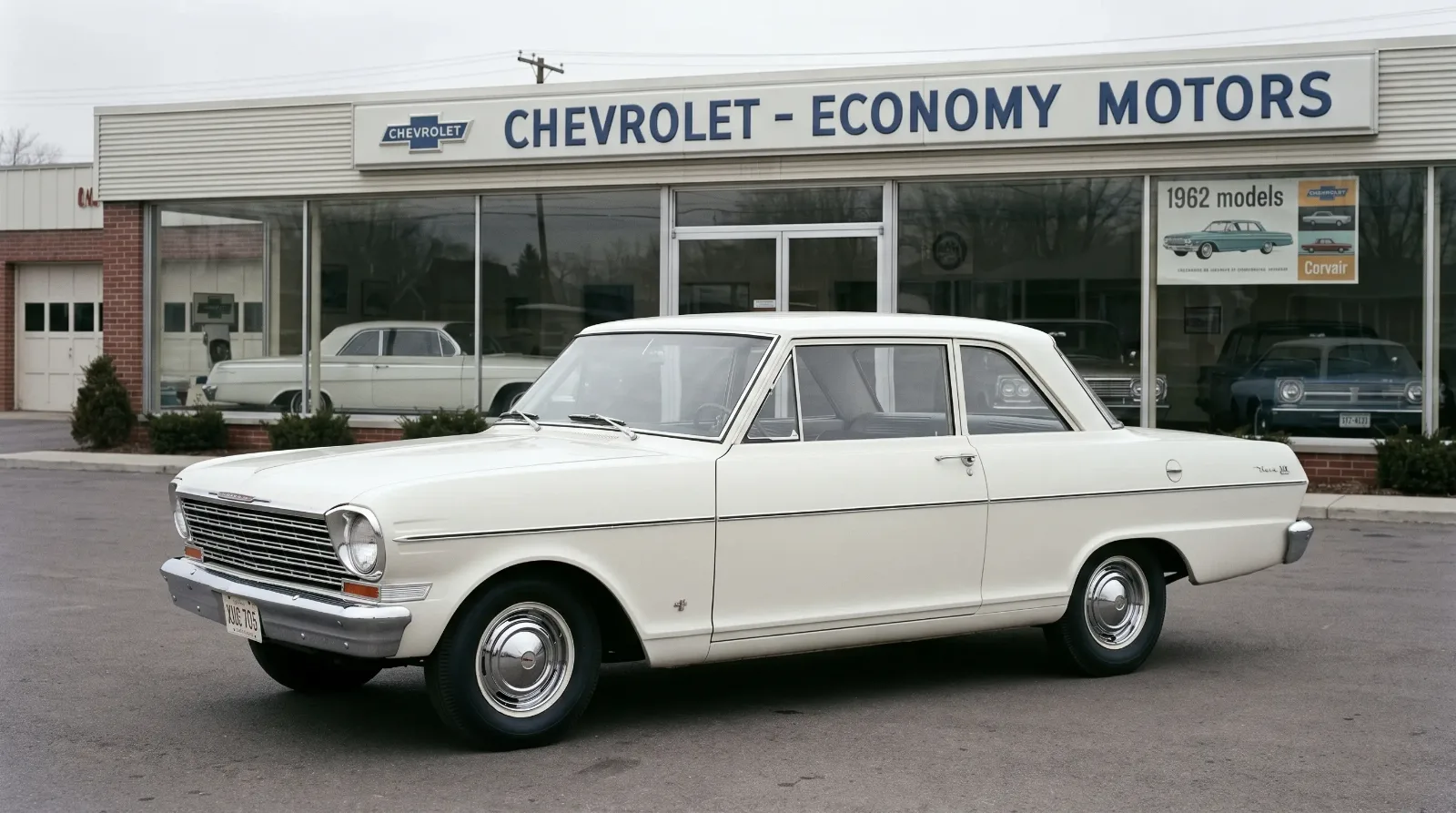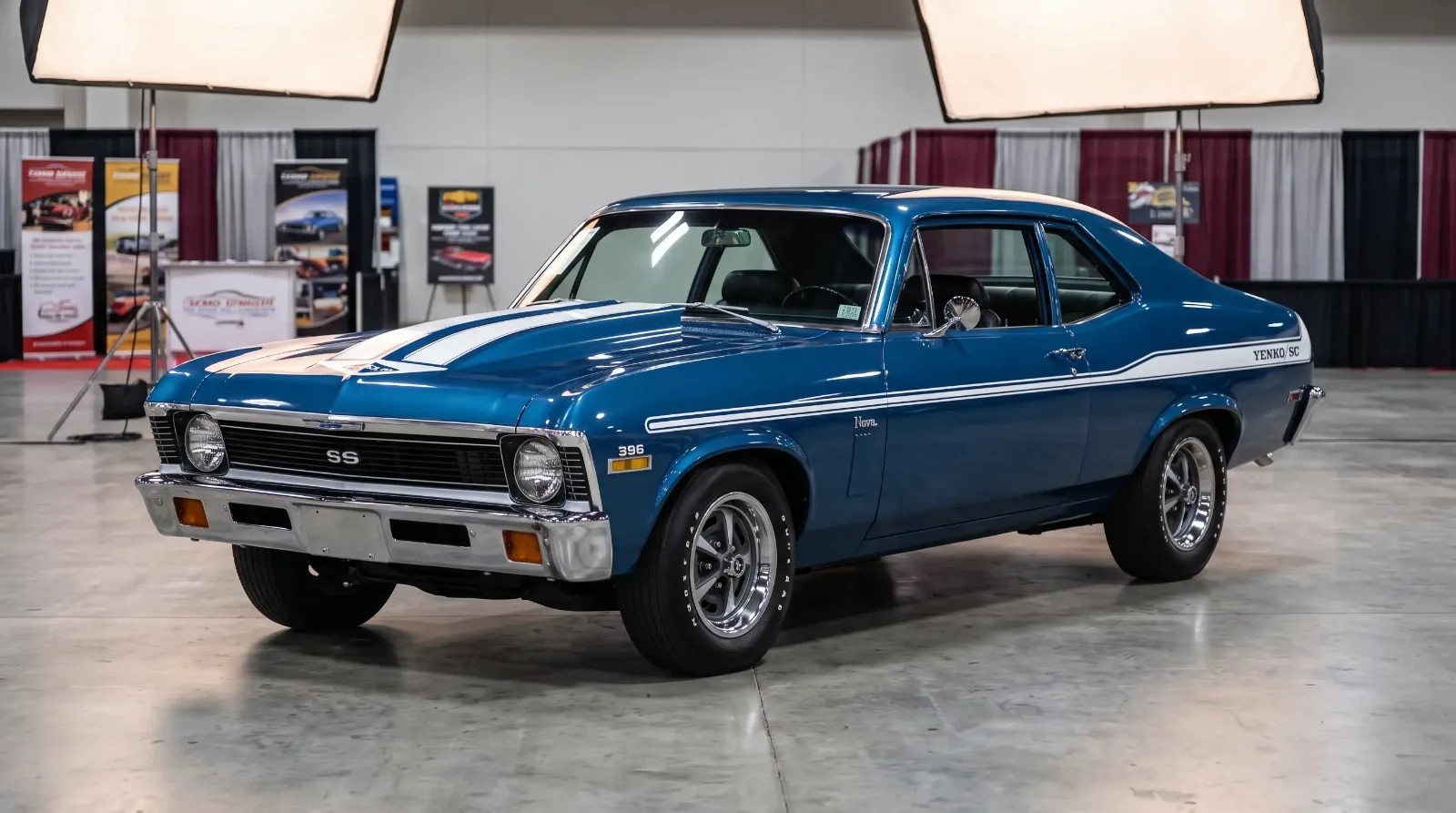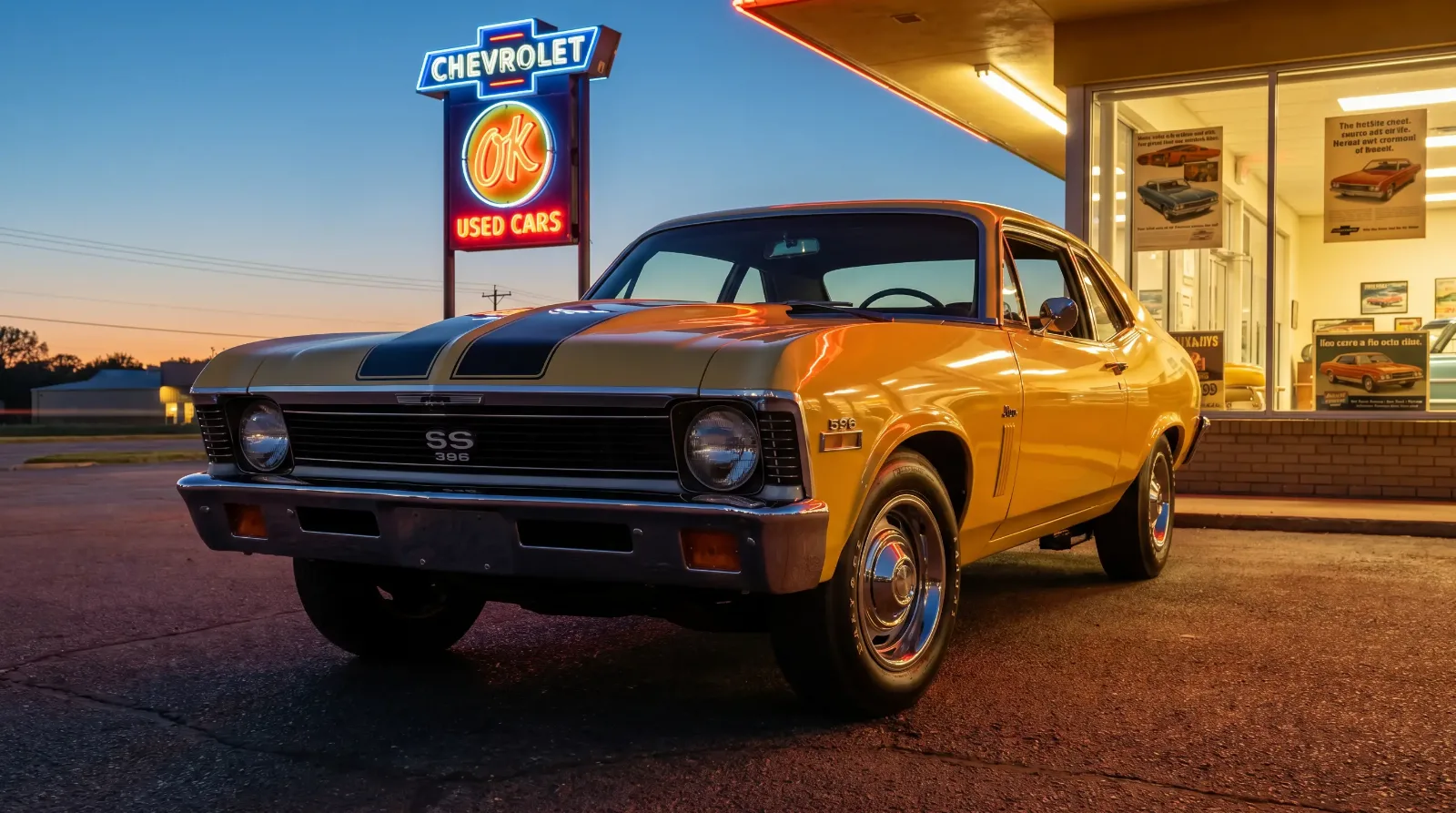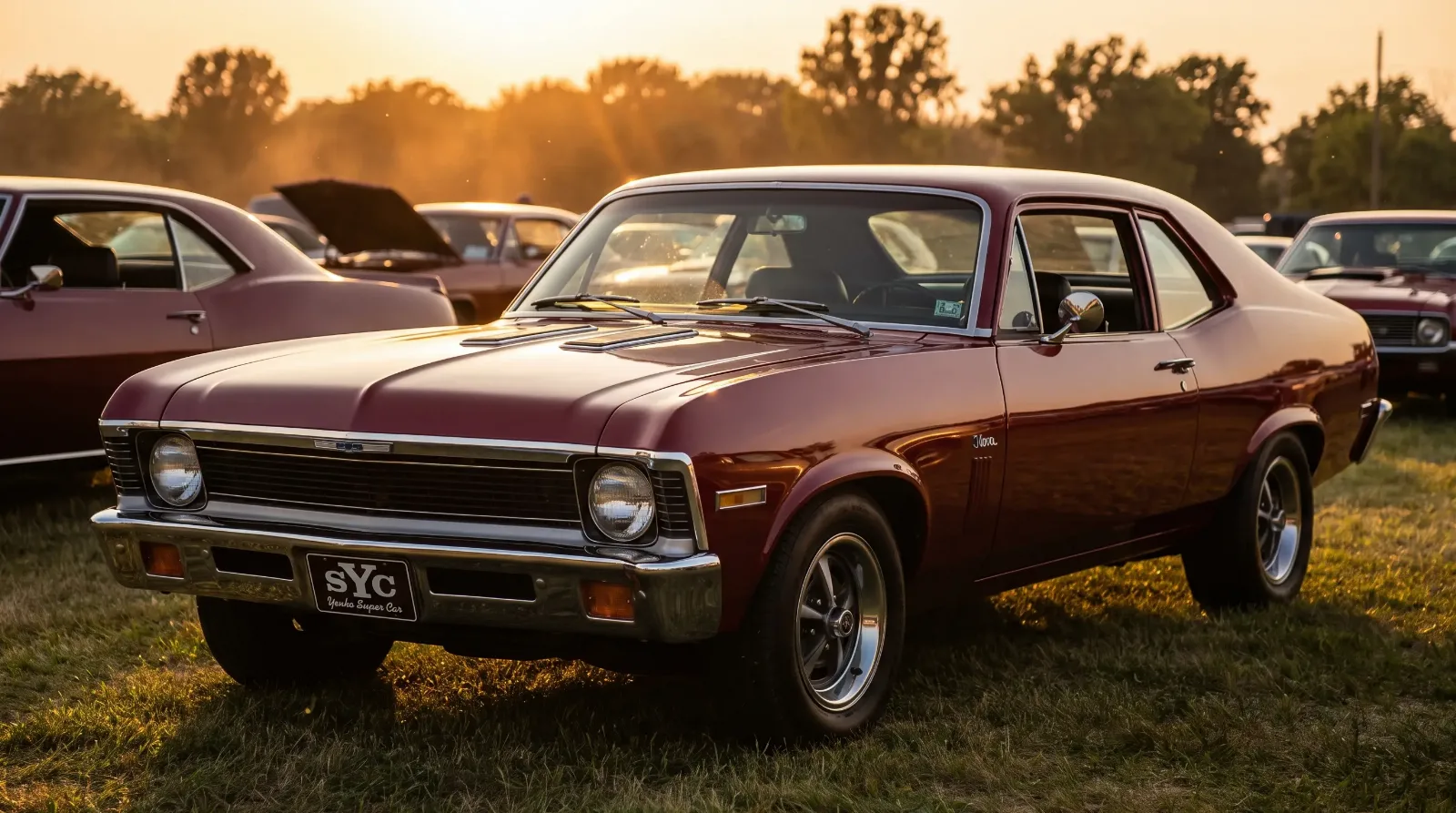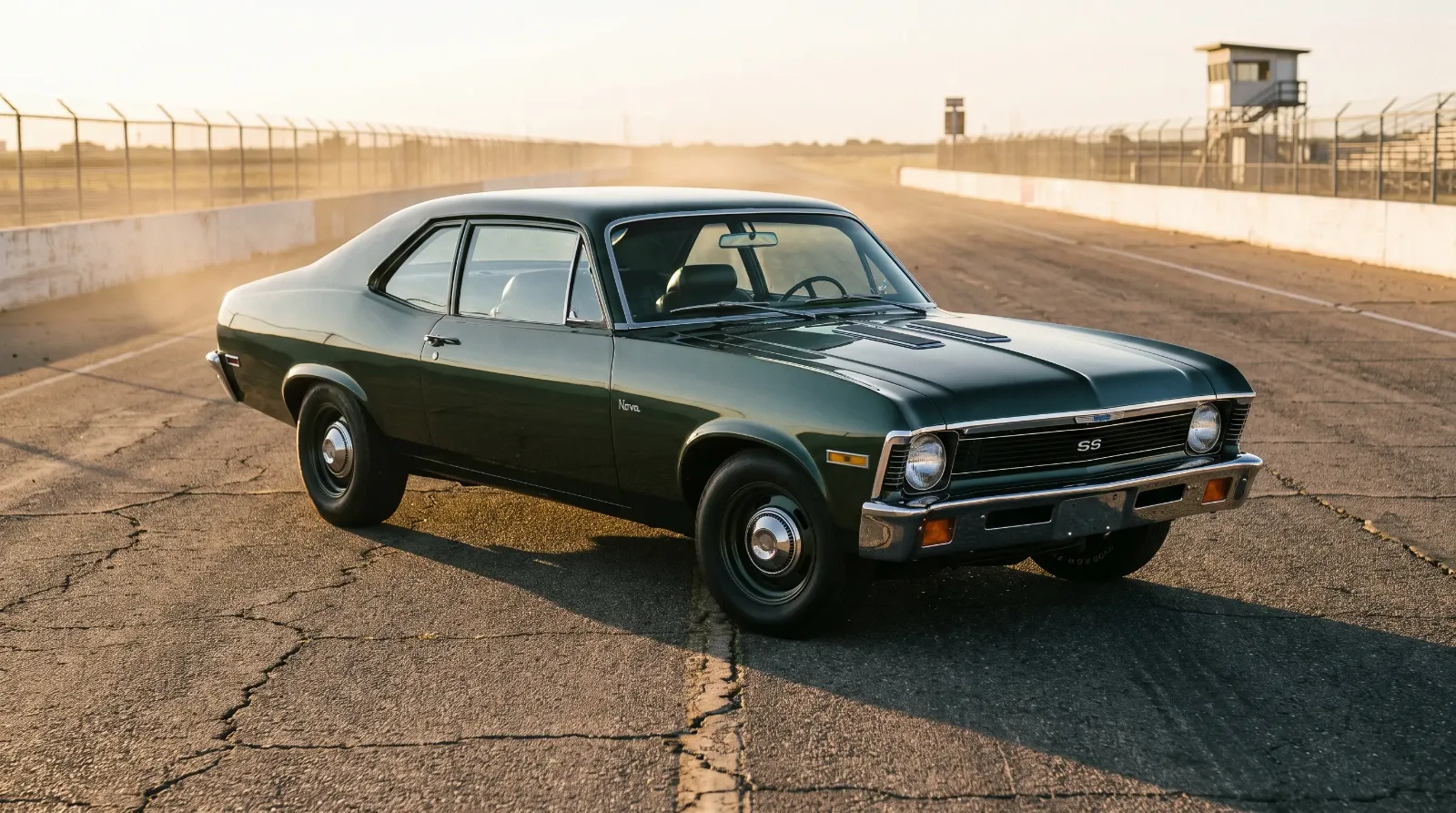
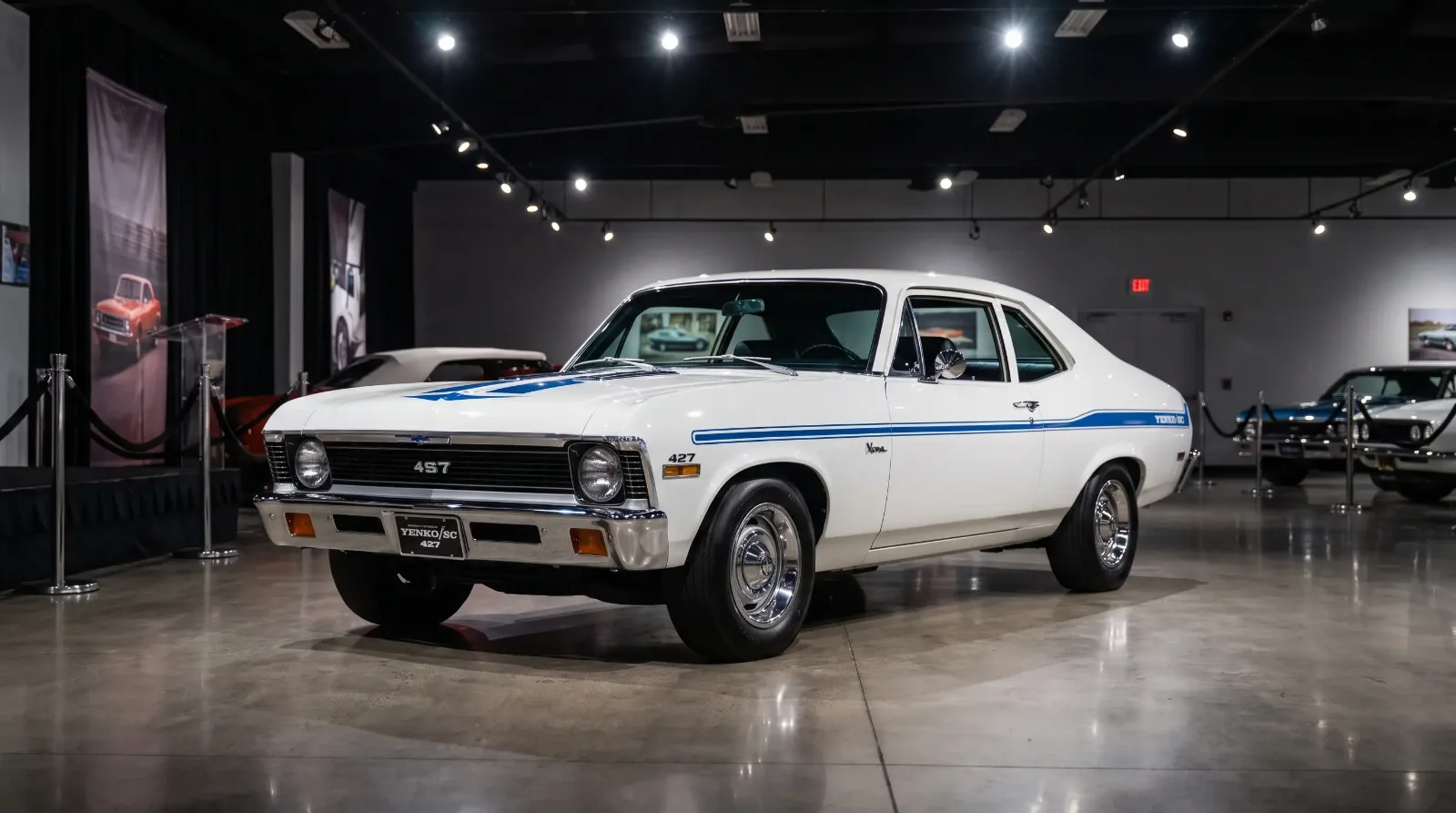
Every muscle-car market has a handful of cars that sit above the noise, and the Yenko Nova is one of them. Take a lightweight Chevy compact, delete the sensible engine, and bolt in a 427 that Chevrolet never officially offered in that body, and you get a car that behaves less like transportation and more like a controlled demolition. Fewer than four dozen of the 1969 cars were built. That scarcity, plus a real backstory and a paper trail that can be verified, is why the yenko nova commands prices that make a plain SS look like a bargain. This is the part of the Nova story where the numbers stop being sensible.
The short version: a Pennsylvania Chevrolet dealer figured out how to order cars the factory would not build for the general public, dropped the biggest available engine into the smallest available body, and sold the result with his own name on the fenders. To understand why collectors treat these as trophies, you have to understand the man, the ordering trick he used, and the two very different cars that wore the badge.
Don Yenko and the loophole he built a legend on
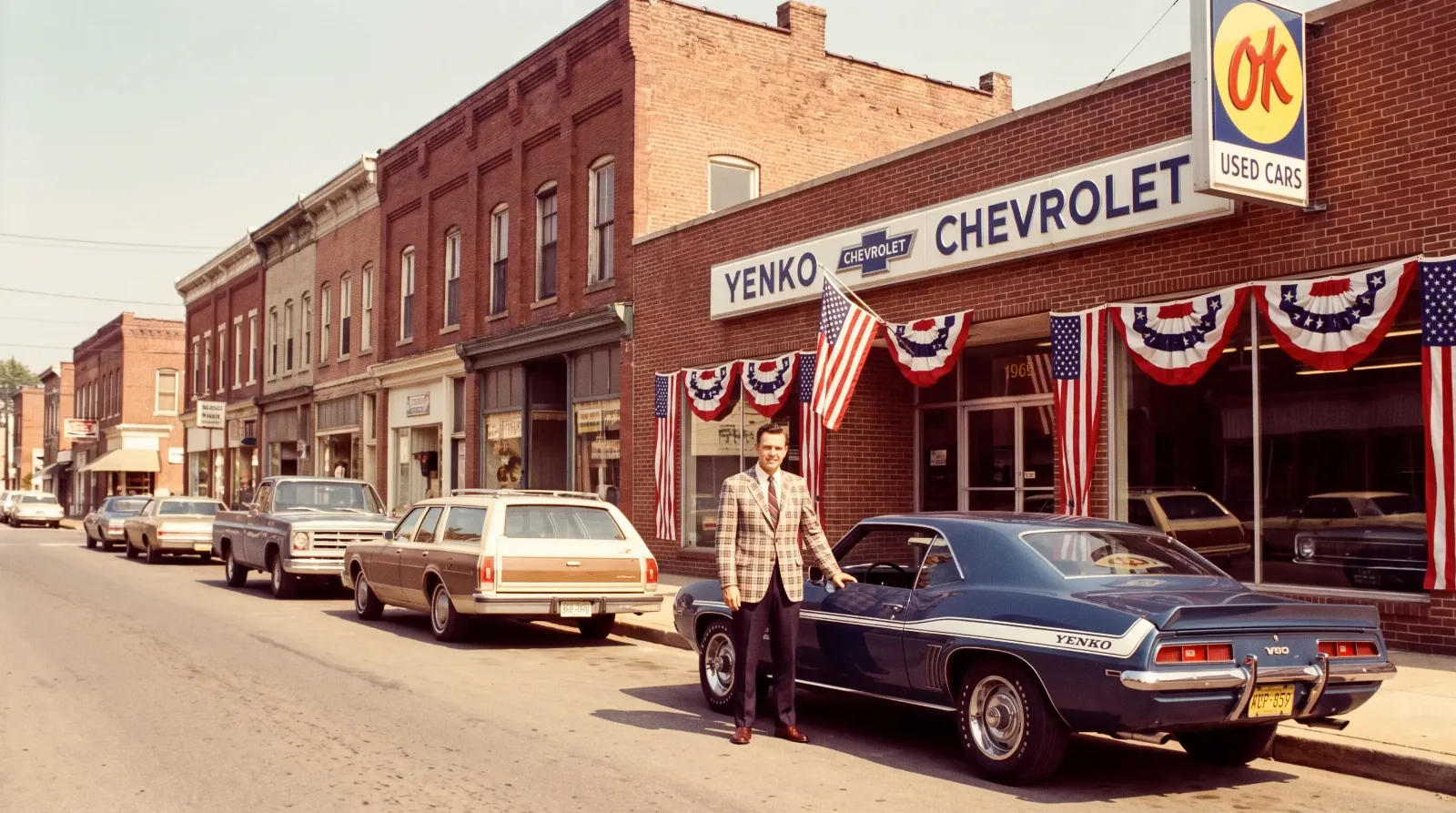
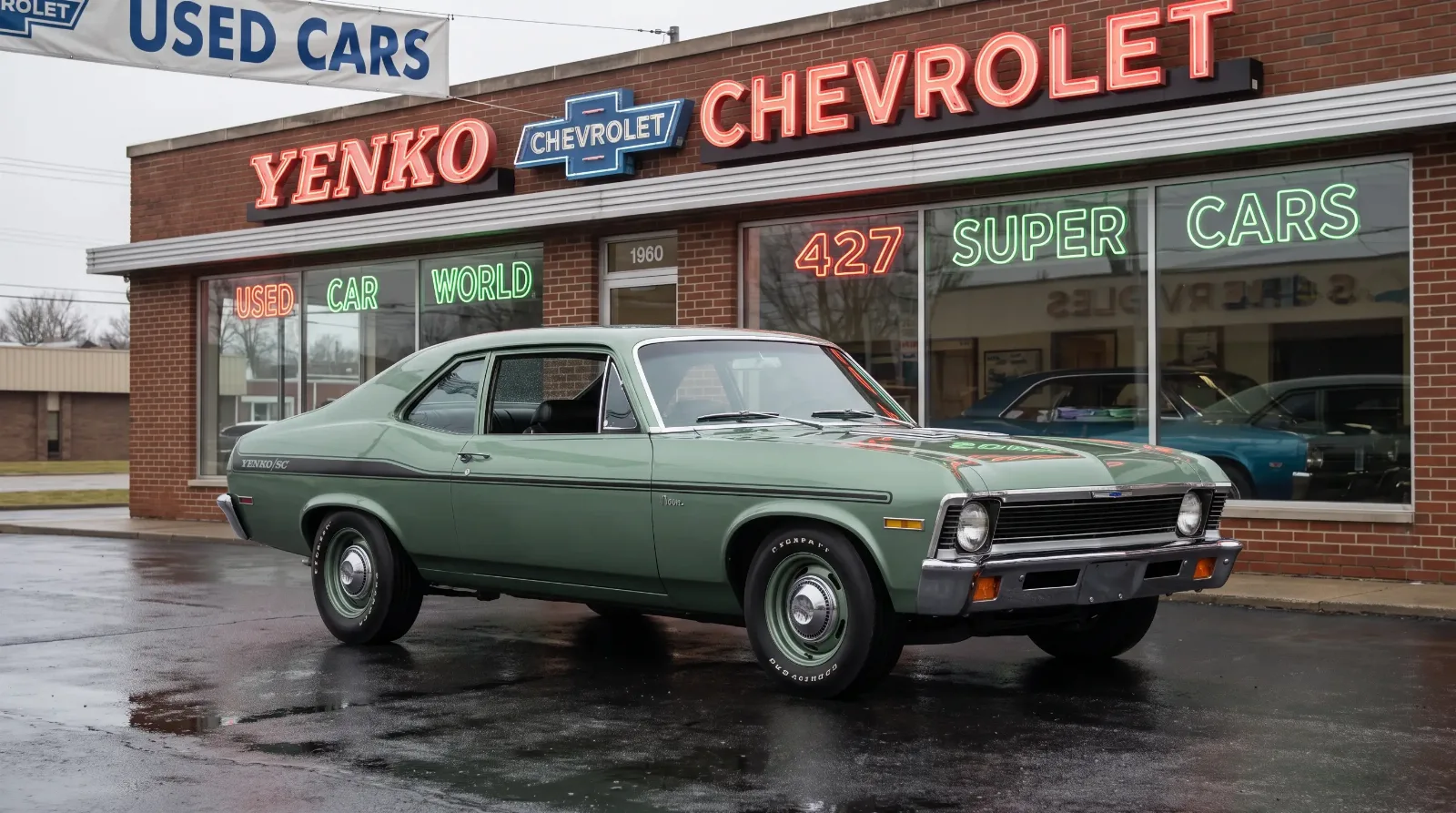
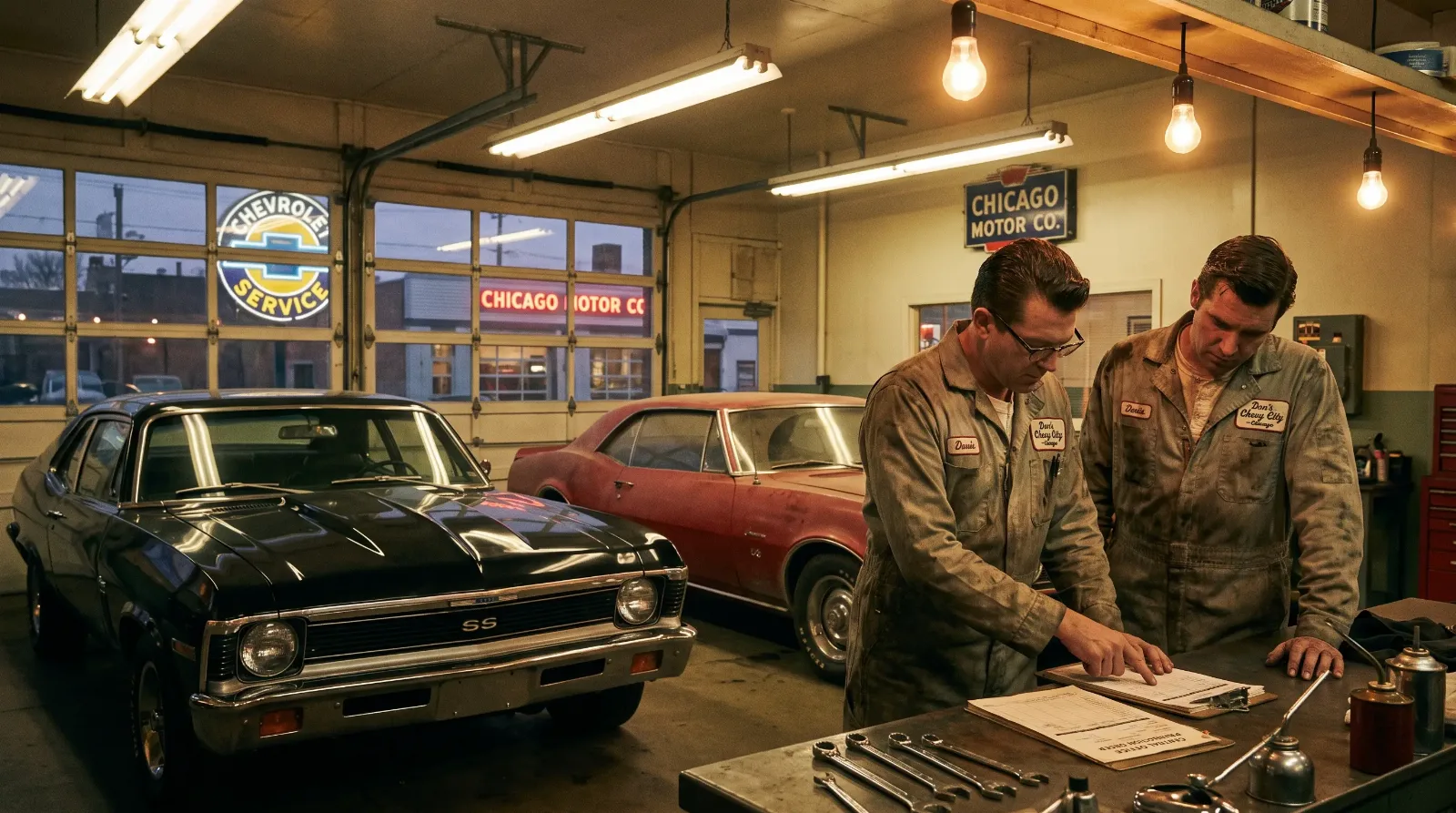
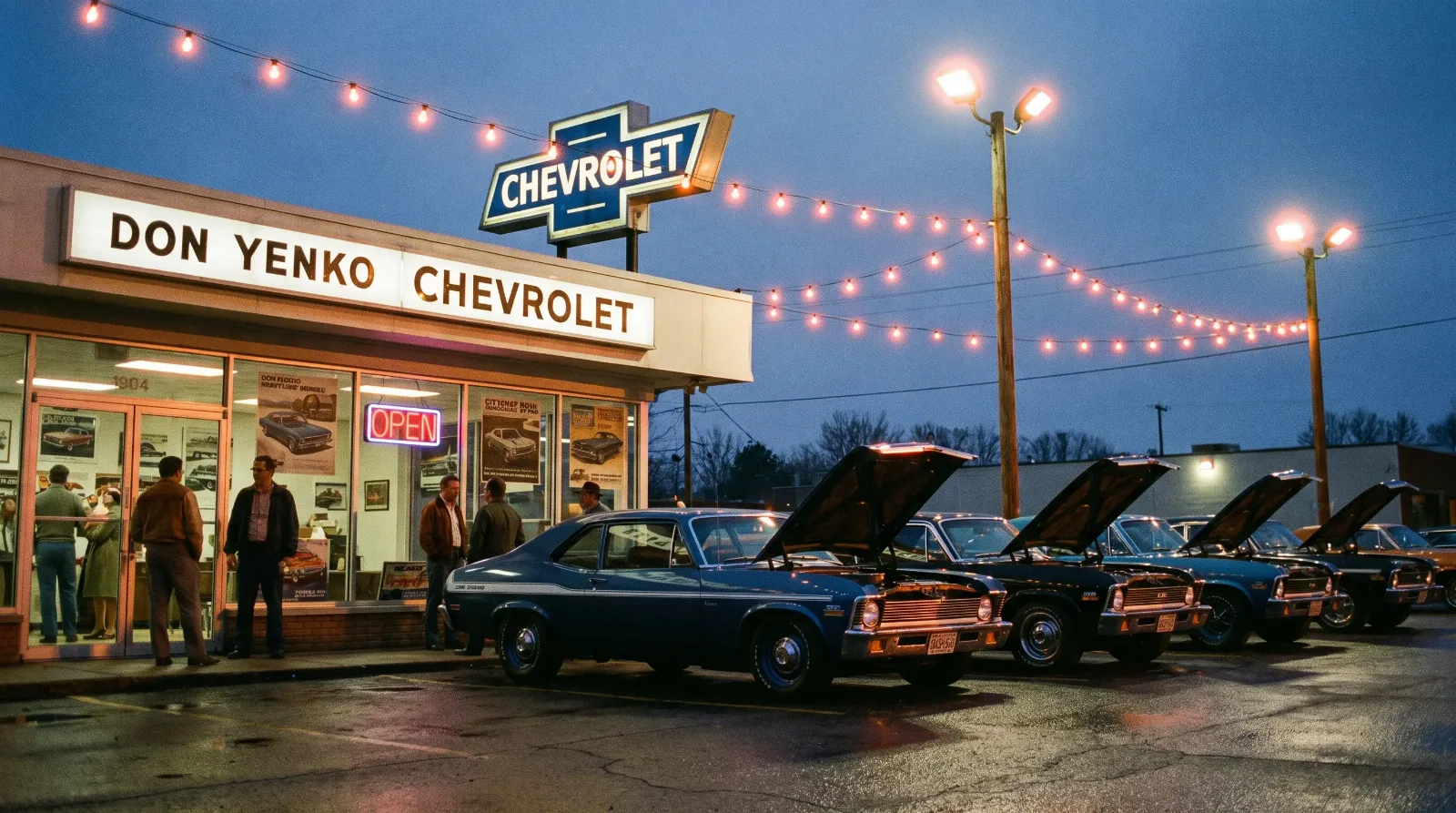
Don Yenko ran Yenko Chevrolet in Canonsburg, Pennsylvania, and he raced. That combination matters, because a racer who also controls a dealership can order factory hardware that a normal buyer cannot. Yenko started by building Corvair-based Stingers, then moved to Camaros, stuffing 427 big blocks into cars that left the factory with smaller engines. By 1969 he had found a cleaner path than swapping engines in his own shop.
That path was COPO, the Central Office Production Order. COPO existed so fleet buyers and dealers could order combinations outside the normal option sheet, taxi packages, heavy-duty pieces, unusual paint. Yenko realized the same system could be used to order muscle cars with engines the marketing department would never list. Instead of pulling a 396 and installing a 427 himself, he had Chevrolet build the cars with the big block already installed and warrantied. It was a factory hot rod ordered through a side door. If you want the wider mechanics of that ordering system and how it reshaped the whole model line, it connects directly to the complete Nova saga, but the Nova is where the idea got its purest expression.
The 1969 Yenko/SC 427 Nova: a dealer conversion, not a factory COPO
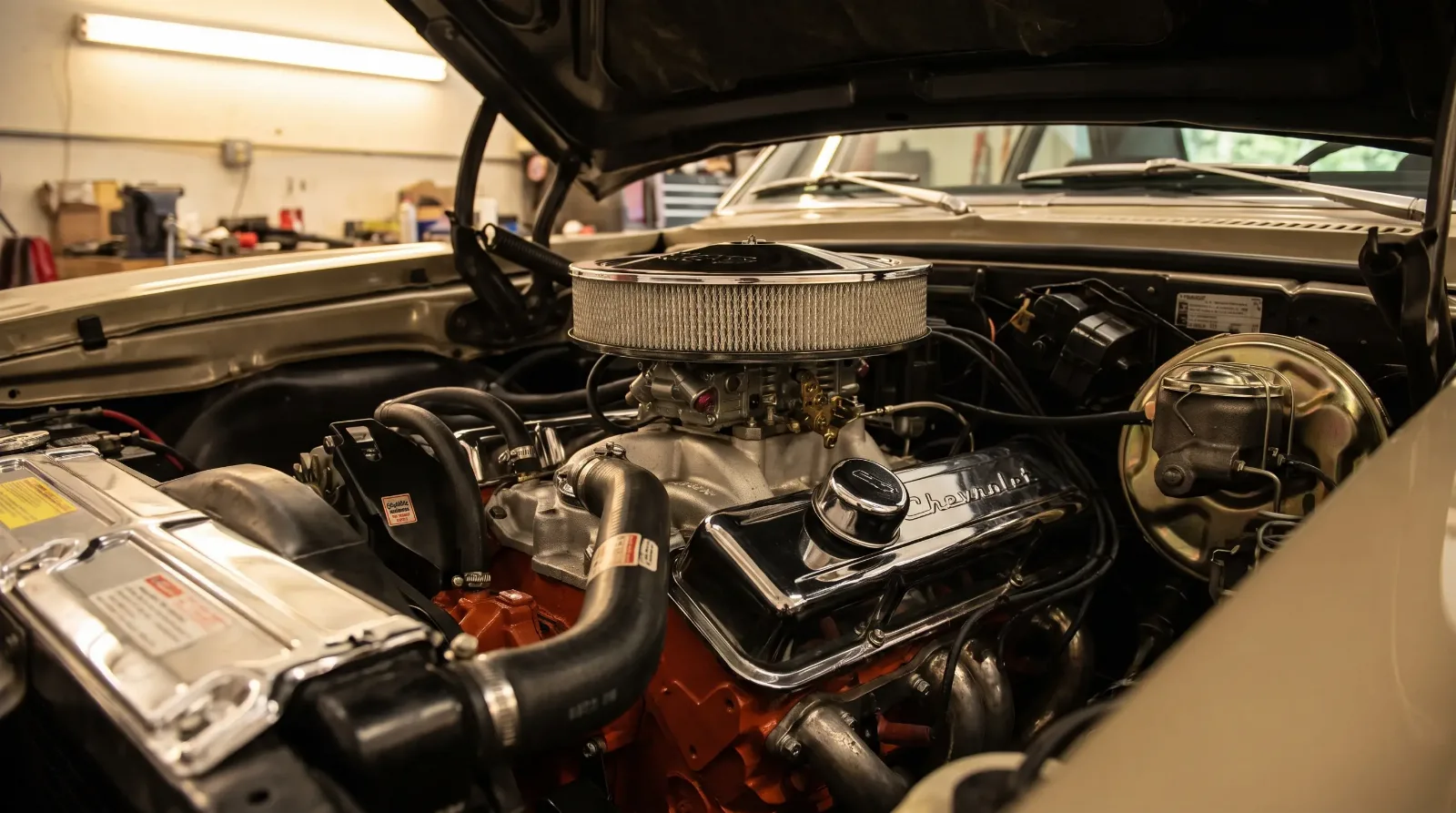
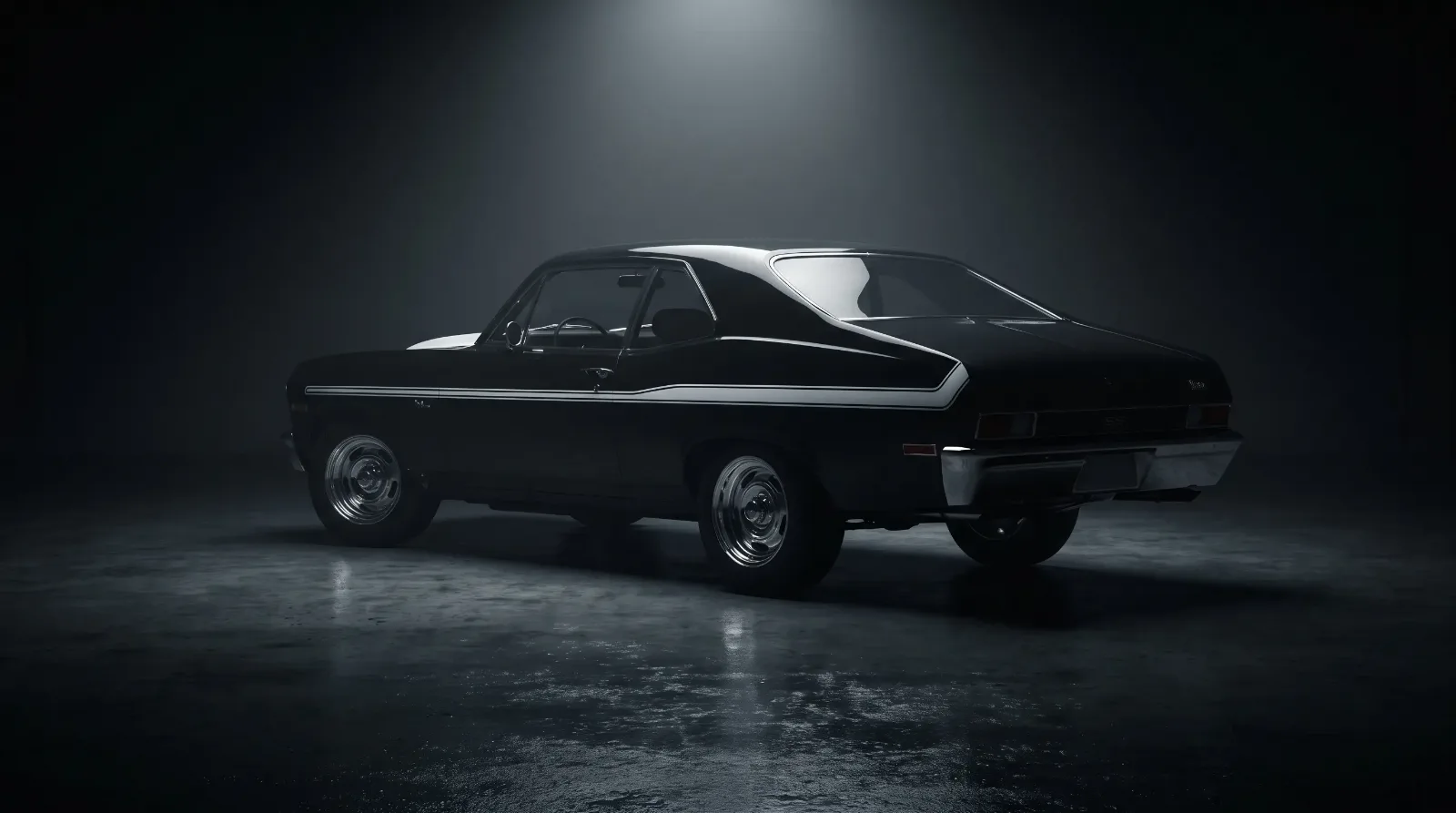
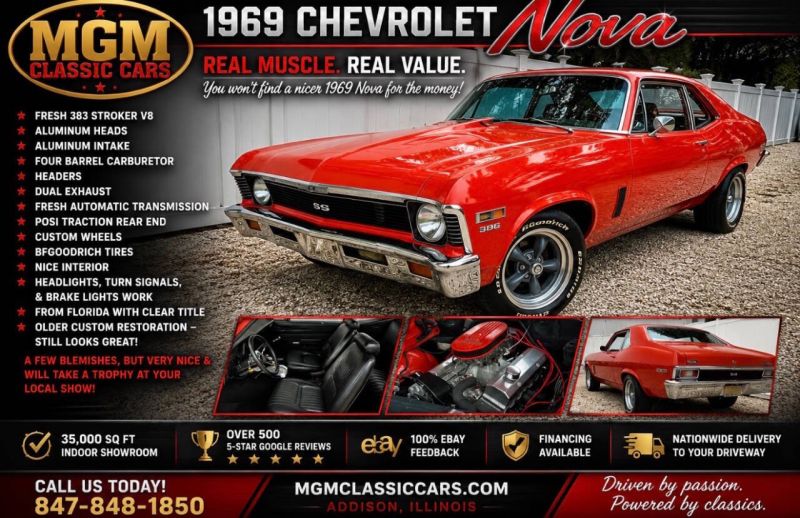
The car that started the mythology is the 1969 Yenko/SC 427 Nova, and here the popular story gets a key detail wrong. Chevrolet would not sell a factory 427 Nova for 1969 through any order code. Instead, Yenko ordered stock 1969 Nova SS cars equipped with the 375 hp L78 396, then had his own mechanics pull that engine and drop in the L72, a 427 cubic inch big block rated at 425 horsepower. It is the same engine family Yenko put in his Camaros and Chevelles, but here it arrived through a dealer-shop swap rather than a factory build sheet. COPO 9738, the order code some sources attach to this car, actually belongs to a different, earlier program: Chevrolet used it in 1968 to let Fred Gibb's dealership order a short run of L78 396 Novas paired with the Turbo Hydra-Matic automatic, a combination the regular option sheet did not allow. It has nothing to do with the 1969 427 conversions.
Yenko did not just take delivery and resell. The cars arrived and then got the Yenko treatment: badging, stripes, YSC identification, and a set of upgrades meant to make the package hang together. What buyers drove away in was a compact sedan with a big-block Corvette engine, a heavy-duty driveline, and almost nothing in the way of creature comforts to slow it down.
| Spec | 1969 Yenko/SC 427 Nova |
|---|---|
| Engine | L72 427 cu in V8, dealer-installed over a factory L78 396 |
| Rated power | 425 hp factory rating (real-world output closer to 450 hp) |
| Build method | Yenko dealership engine swap, not a factory COPO order |
| Transmission | Muncie M21 4-speed manual (Turbo Hydra-Matic also offered) |
| Approx. curb weight | ~3,000 lb |
| Production | 37 cars, plus one automatic-transmission prototype |
| Model year | 1969 |
Thirty-seven of these were built for retail sale, plus one automatic prototype, and that figure is the whole ballgame from a market standpoint. A production run that small means most collectors will never see one change hands in person, and by most counts fewer than ten are known to survive today. When one does surface with real documentation, it sets a benchmark rather than a market price, because there is no steady supply to average against.
Why the Nova was the most dangerous car Yenko sold
Put the same 427 in a Chevelle or a full-size car and you get something fast and heavy. Put it in the Nova and the math turns hostile. The Nova weighed a few hundred pounds less than the Chevelle, so the same 425 horsepower had less car to move. The result was a power-to-weight figure that embarrassed cars costing far more, and a chassis that was never engineered with that kind of output in mind.
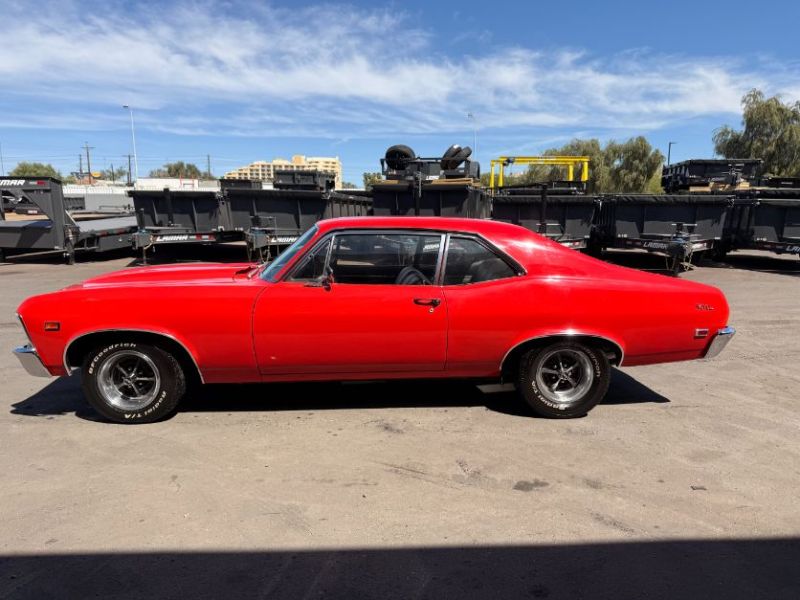
This is the honest part of the story. These were not balanced cars. Skinny tires, a light rear end, and drum brakes on some builds meant the Nova would light up its tires and step sideways with very little provocation. Contemporary buyers understood they were getting a straight-line weapon, not a corner carver. That rawness is exactly what makes the car desirable now, but it also explains why so many were wrecked or worn out. Attrition on a 37-car run is brutal, and every crashed example makes the survivors rarer.
"When I value one of these, I am really valuing three things at once: the rarity, the documentation, and the story. Strip away any one of them and the number falls apart. A Yenko Nova without paperwork is just a fast old compact with an expensive rumor attached."
— David Mercer
The 1970 Yenko Deuce and the insurance problem
By 1970 the 427 cars had a problem that had nothing to do with speed. Insurance companies had caught on. A young buyer trying to insure a 425 horsepower compact faced premiums that could rival the car payment, and the surcharges applied to big-block cars specifically. Yenko responded with a smarter package rather than a wilder one.
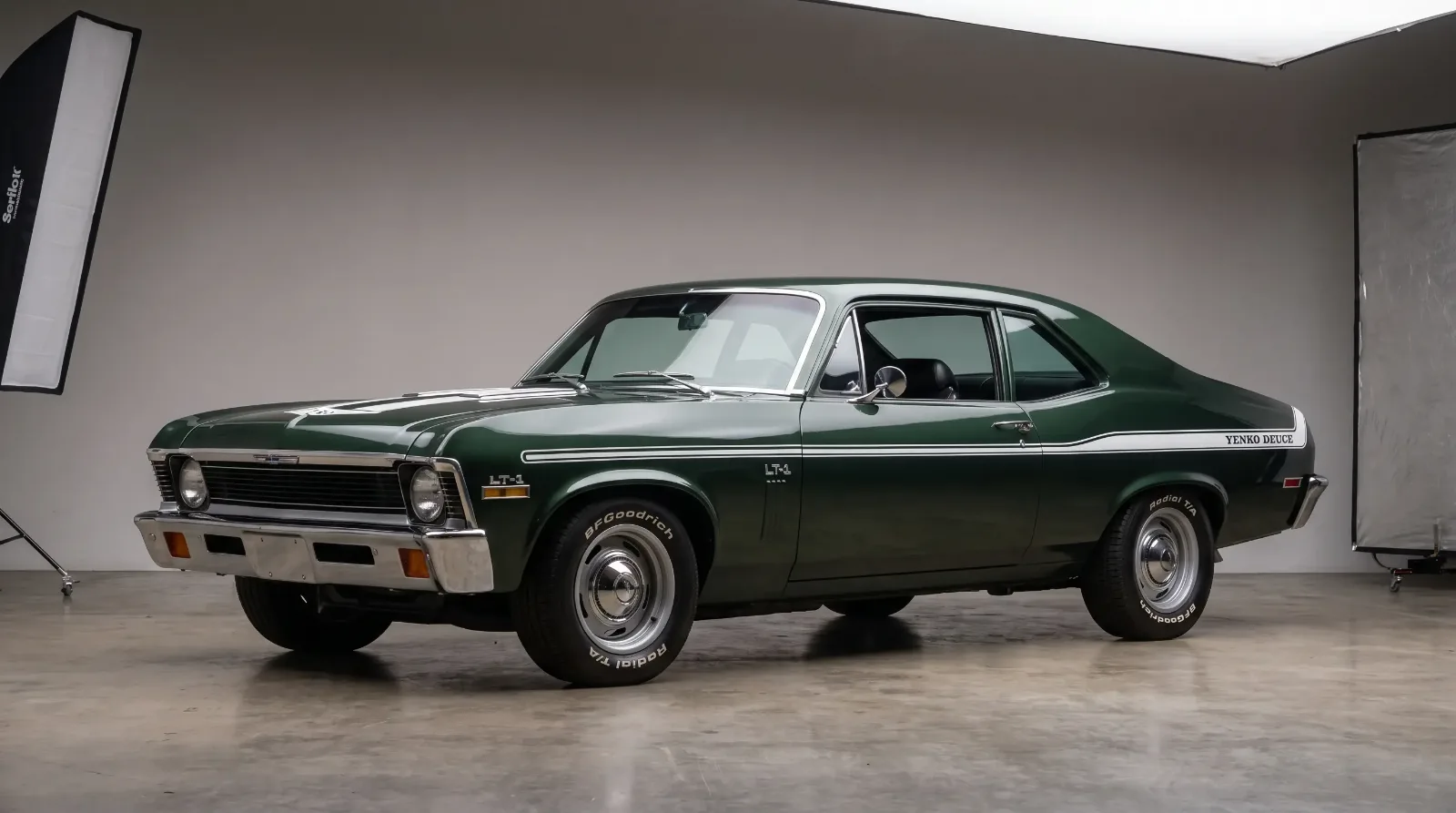
The 1970 Yenko Deuce used the LT1, the 350 cubic inch small block rated at 360 horsepower, the same high-output engine found in the Corvette and the Z28 Camaro. The LT1 install itself came through COPO 9010; a separate code, COPO 9737, added the Sports Car conversion package of F41 suspension and a 4.10 rear axle that could not otherwise be had on a Nova. Together those two codes, plus the Yenko dealership's own badging and prep, slotted the Deuce under the displacement thresholds that triggered the worst insurance penalties while still delivering serious performance. The name is a nod to the LT1 and the II in Chevy II heritage, depending on who is telling the story.
Production of the Deuce was higher than the 427 Nova, with roughly 177 COPO cars ordered and 175 actually converted by Yenko Chevrolet. That makes it rarer than most muscle cars but more attainable than the 1969 427, and it gives collectors a second, distinct target. The Deuce is a case study in reading the market of its own era: Yenko adjusted the product to the buyer's real constraint, which was cost of ownership, not top speed.
Real versus fake, and how the paperwork sets the price
Here is where buyers lose money. Because the Yenko package was largely badges, stripes, and a big engine, a convincing fake is not hard to build. A donor Nova, a period-correct 427, a set of reproduction stripes and YSC emblems, and you have something that photographs like the real thing. The number of cars claiming Yenko heritage far exceeds the number that were ever built, which tells you everything about the incentive to fake one.
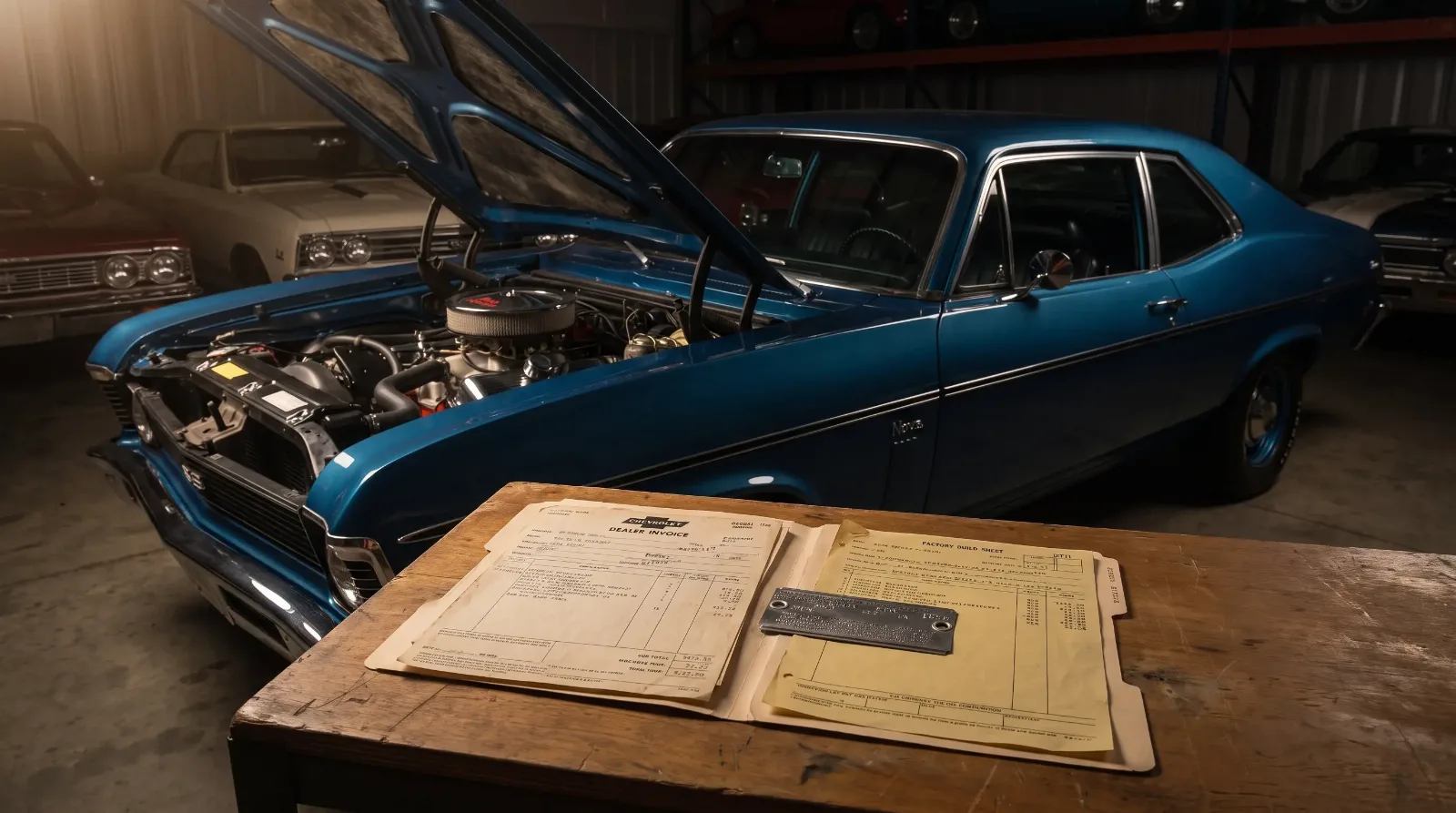
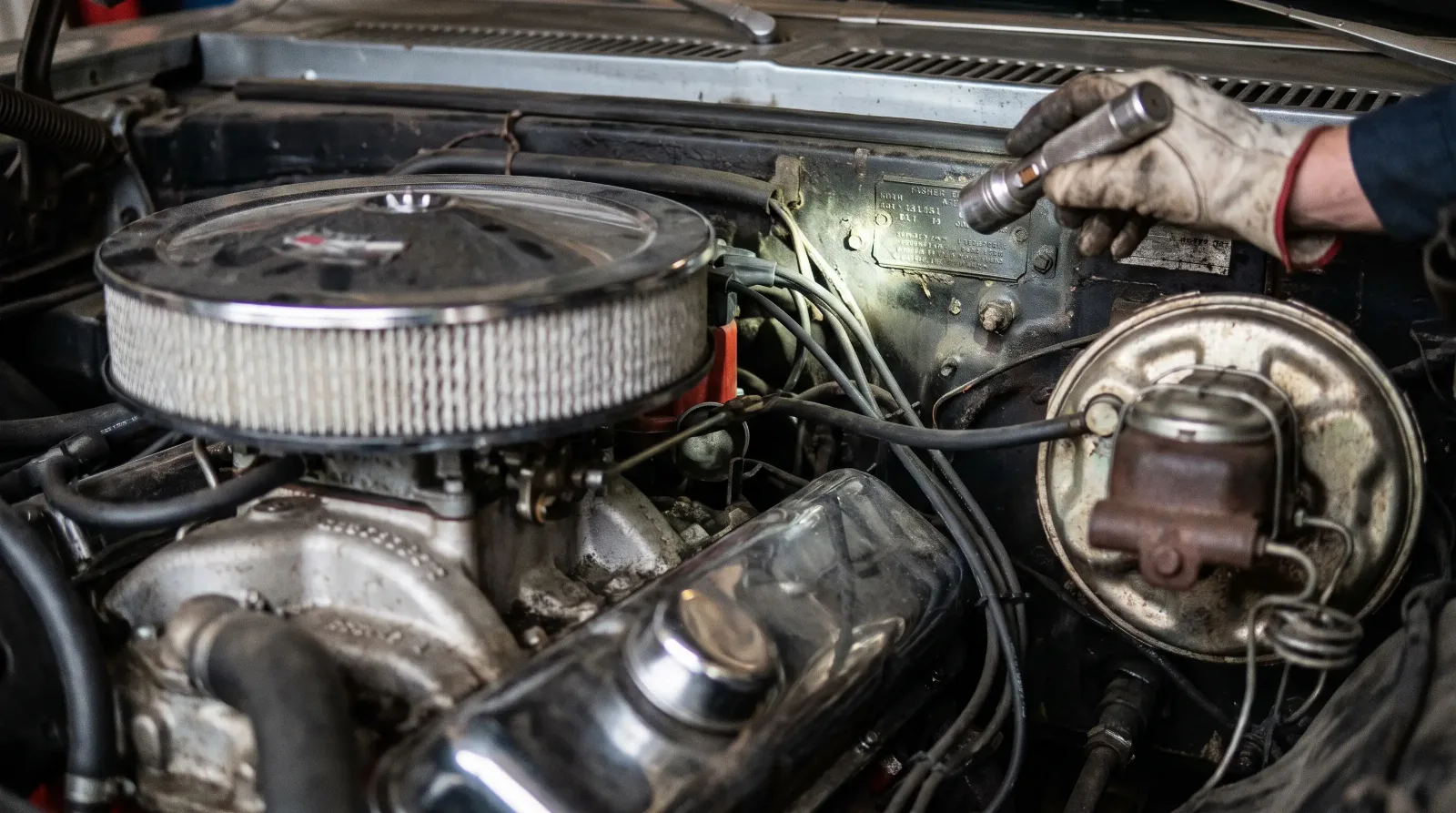
Authentication rests on documentation, not on what the car looks like. Serious buyers want to see the original COPO paperwork, the Yenko Sports Cars records, and where possible a place on the registries that track known cars by VIN. A car with an unbroken chain of ownership back to the dealership is a different asset than one with a good story and no paper. The two can look identical in a listing and differ by hundreds of thousands of dollars in value.
For anyone shopping this corner of the market, the practical advice is the same one appraisers give on every low-volume car: buy the documentation and let the metal follow. If you are browsing rare classic Novas for sale, the Yenko and COPO cars are the ones where a professional inspection and a registry check pay for themselves many times over.
What the Yenko and COPO Novas are worth now
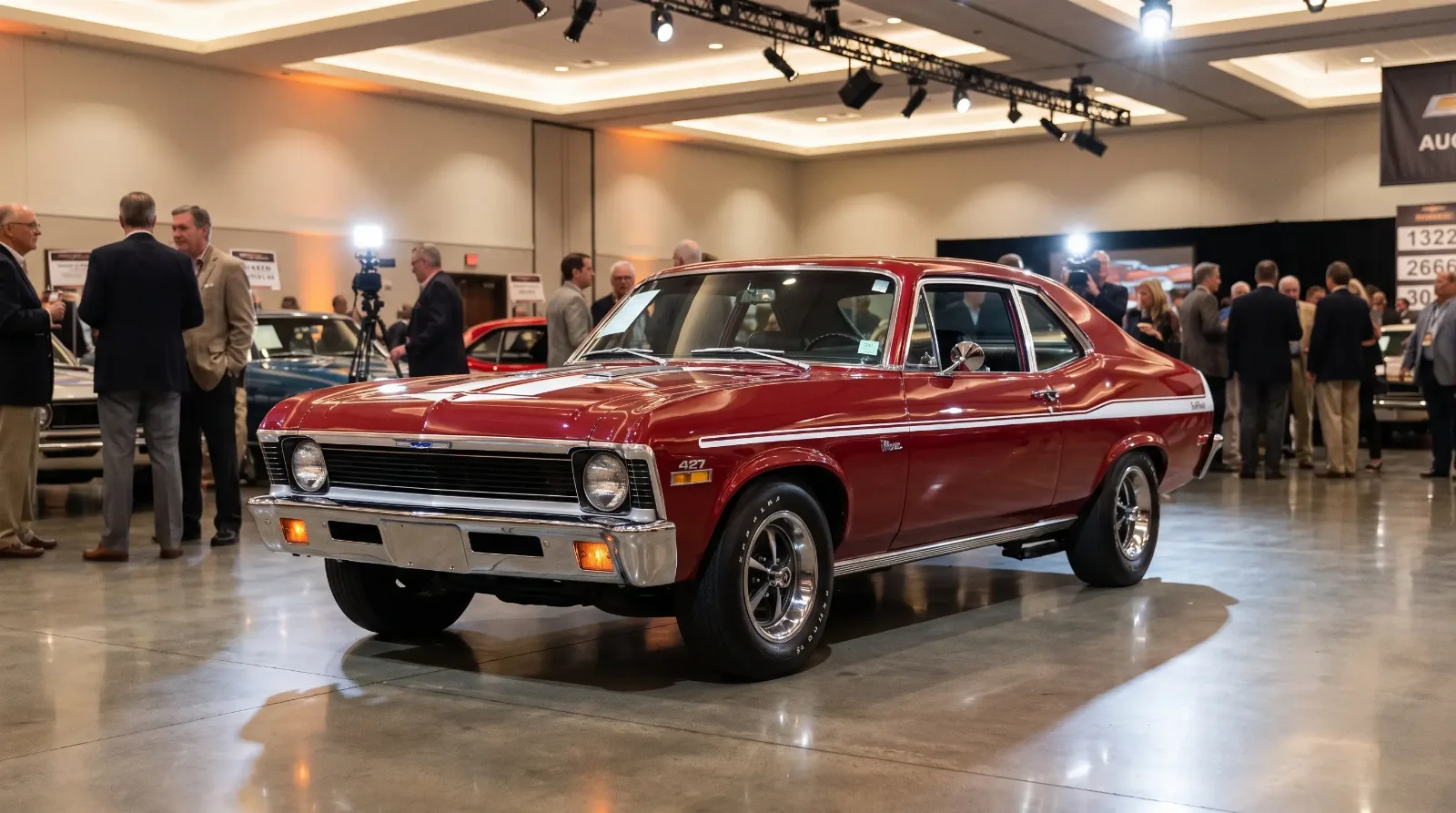
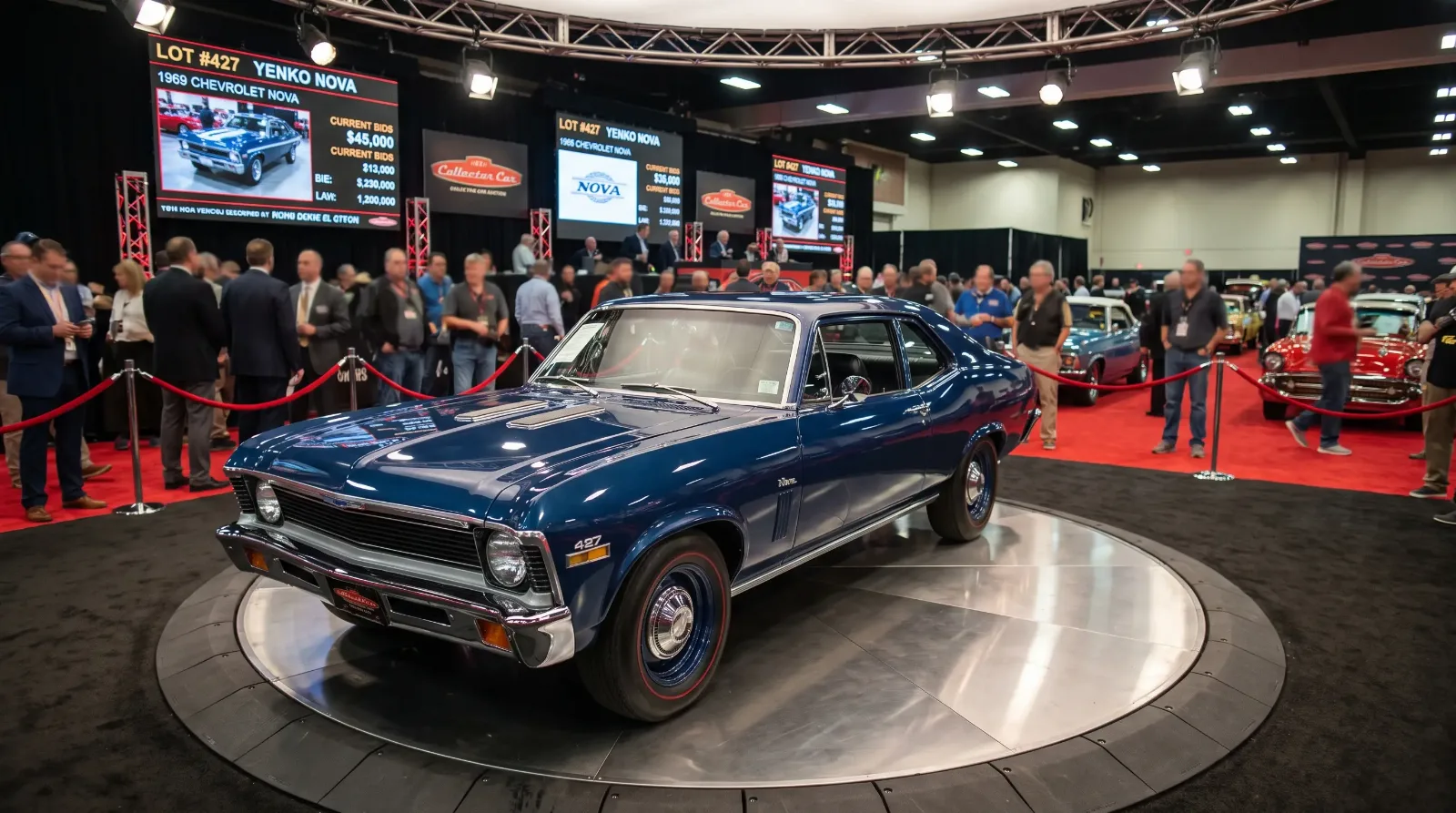
These cars live at the top of the Nova market and, on a good day, near the top of the muscle-car market overall. Verified 1969 Yenko/SC 427 Novas trade in the high six figures when they appear; a numbers-matching example with Muncie four-speed sold at Mecum for $775,000 hammer, $852,000 with buyer's premium, a benchmark result for the model. The Deuce sits below that but still commands strong money relative to a standard SS, reflecting its own scarcity.
The pattern here is worth understanding even if you never buy one. Value tracks documentation and provenance far more tightly than it tracks condition or restoration quality. A perfectly restored car with a weak paper trail can be worth a fraction of a rougher car with airtight history. That is unusual in the collector world, where cosmetics often drive price, and it is a direct result of how easy these cars are to fake. Scarcity plus verifiability is the whole formula.
The Yenko and COPO Novas are the exclamation point on the compact's performance history, the moment a practical economy car became a factory-blessed street brawler. They are also a clean lesson in how thin production and provable history compound into value. For the next chapter, where the Nova's identity gets built from the ground up, the next part of the story picks up where the badges and big blocks give way to the model's early years.
Sources and notes
- Rare Rides: The 1969 Yenko Nova S/C 427 - Street Muscle
- Super Rare '69 Yenko Nova 427 Proves a Handfull - Chevy Hardcore
- 1969 Chevrolet Yenko Nova With Matching L72 Engine Sells for Record Price - autoevolution
- 1 of 175: 1970 Chevrolet Nova Yenko Deuce - Barn Finds
- 1970 Chevrolet Nova "Yenko Deuce" - Audrain Auto Museum
- 1968 Chevrolet COPO Nova SS - Restomods