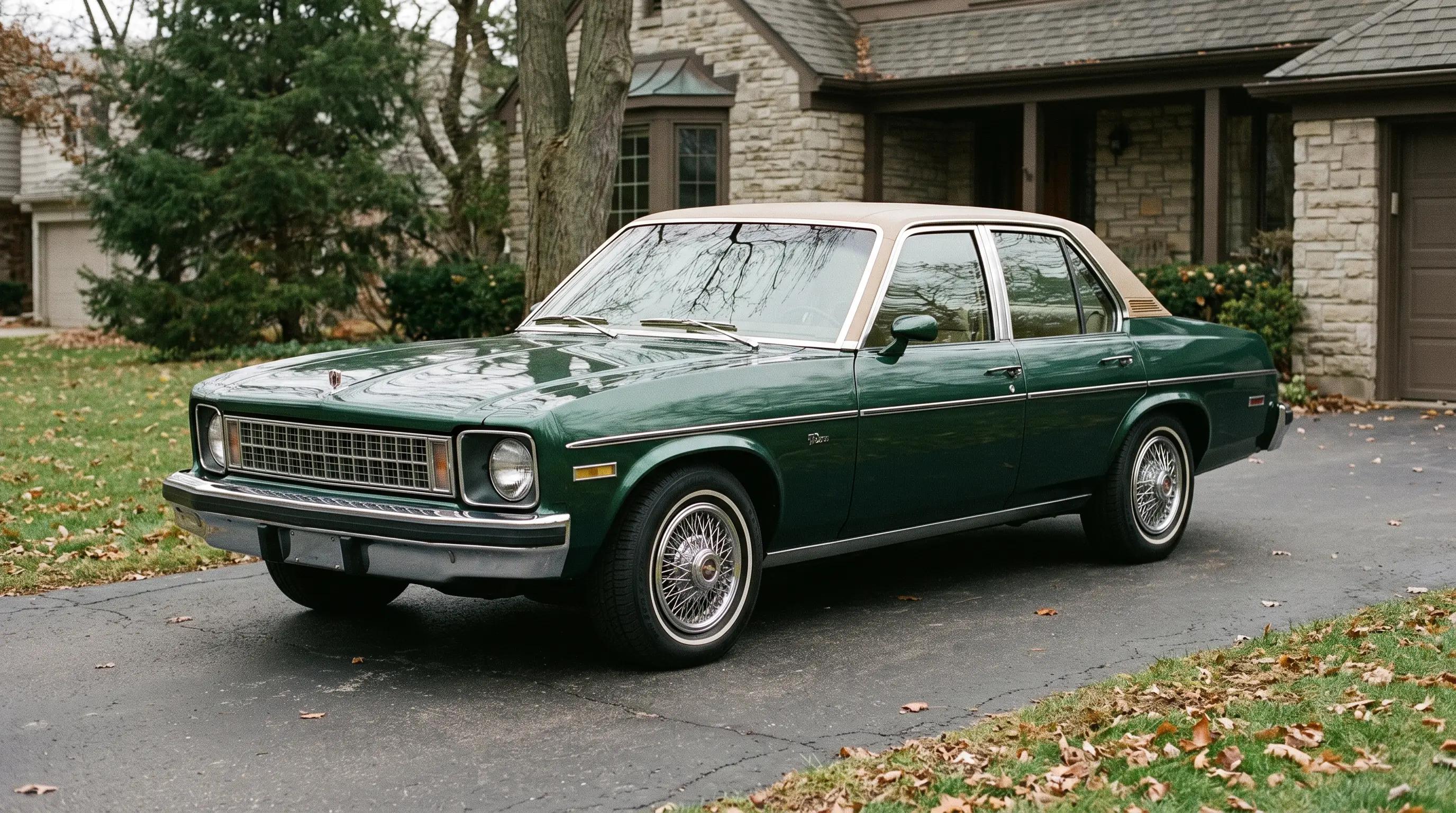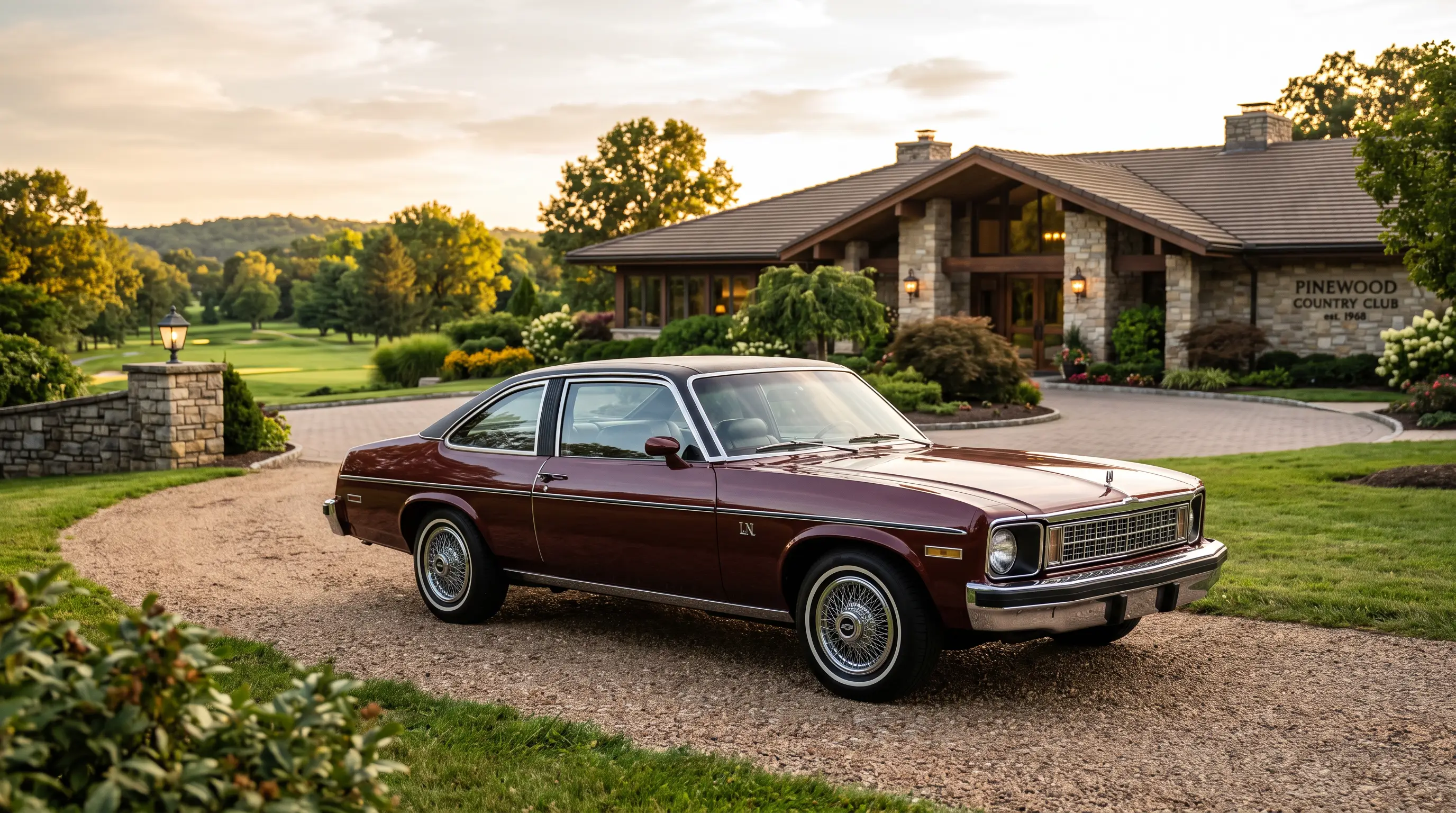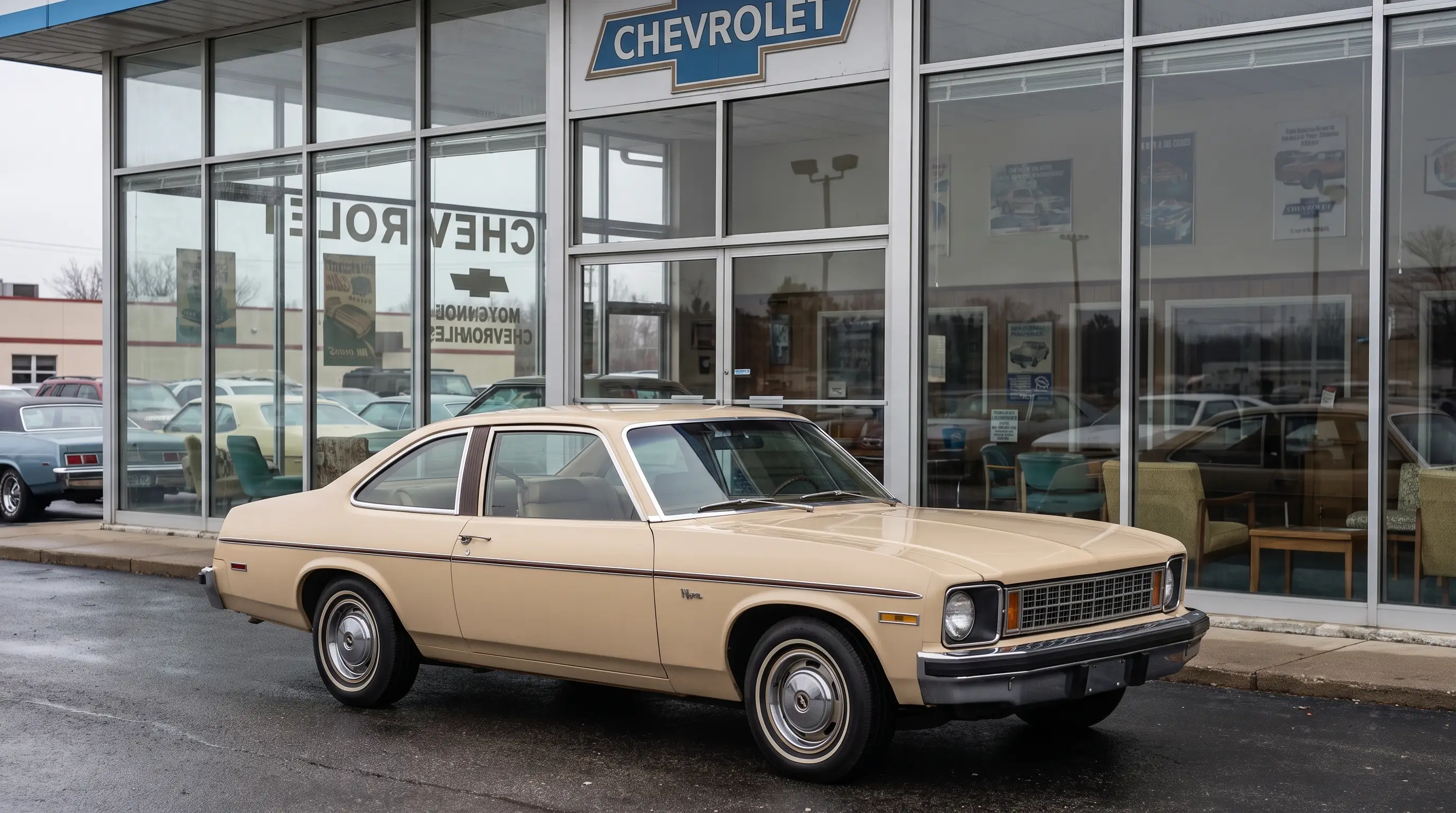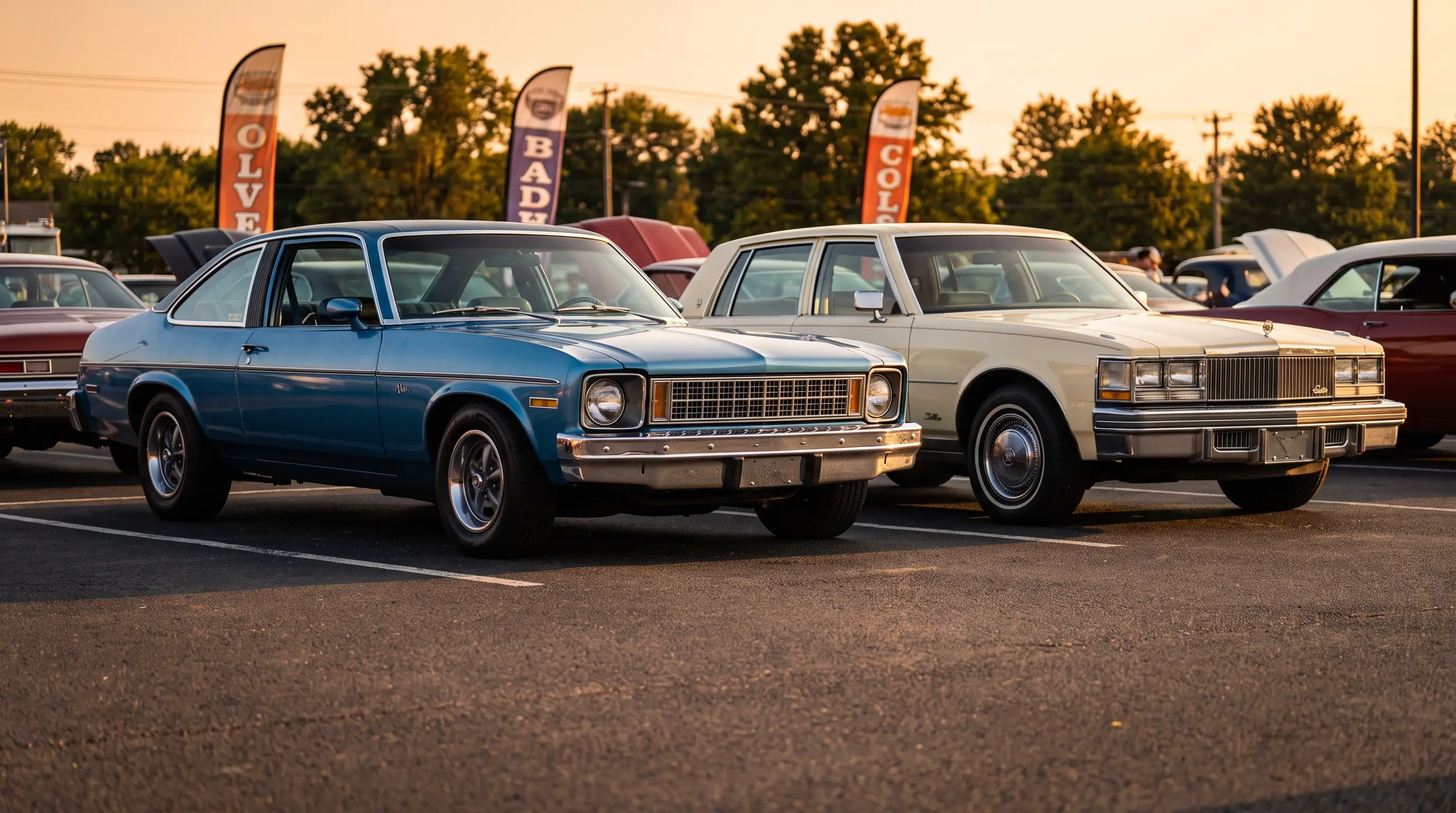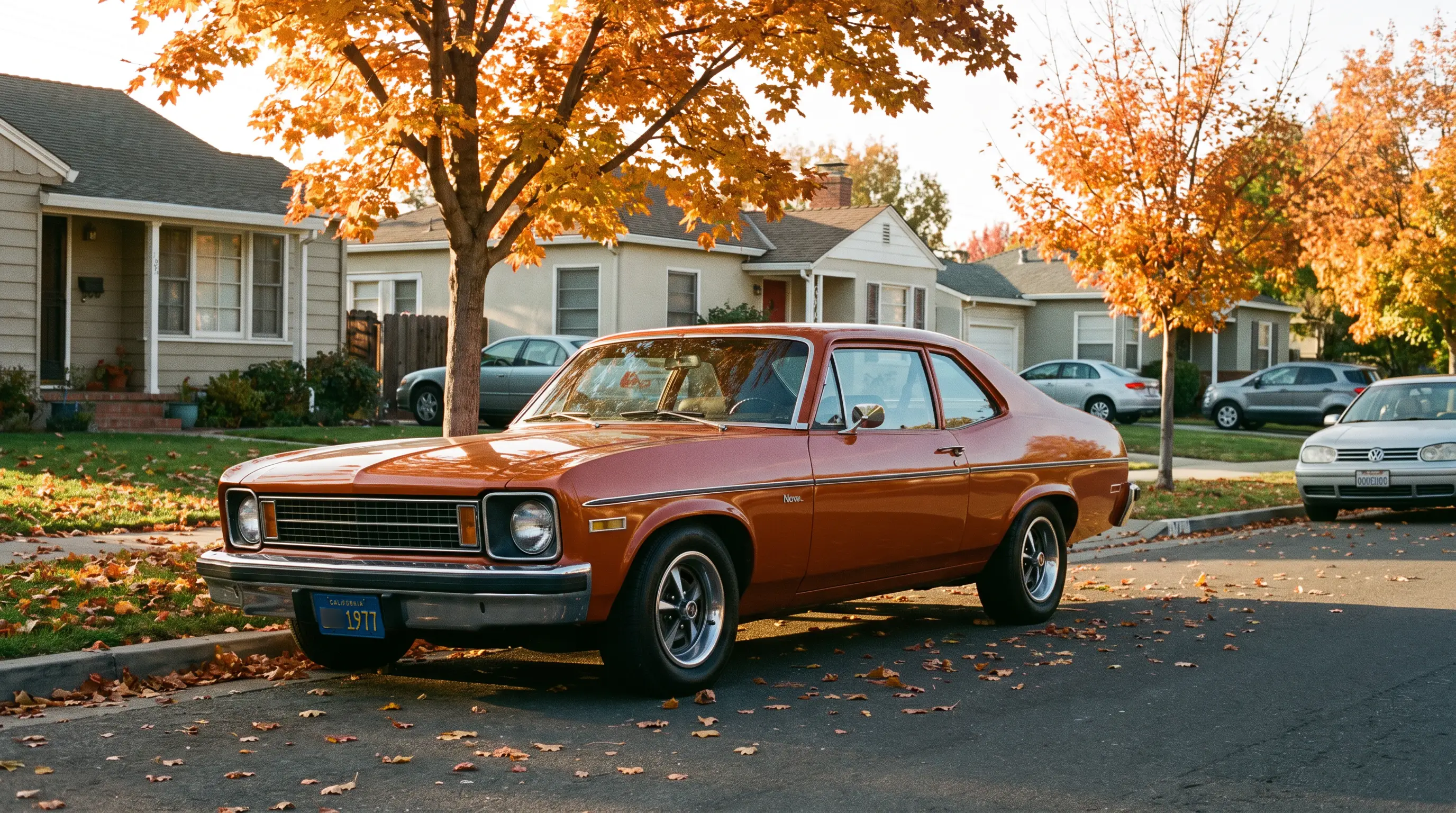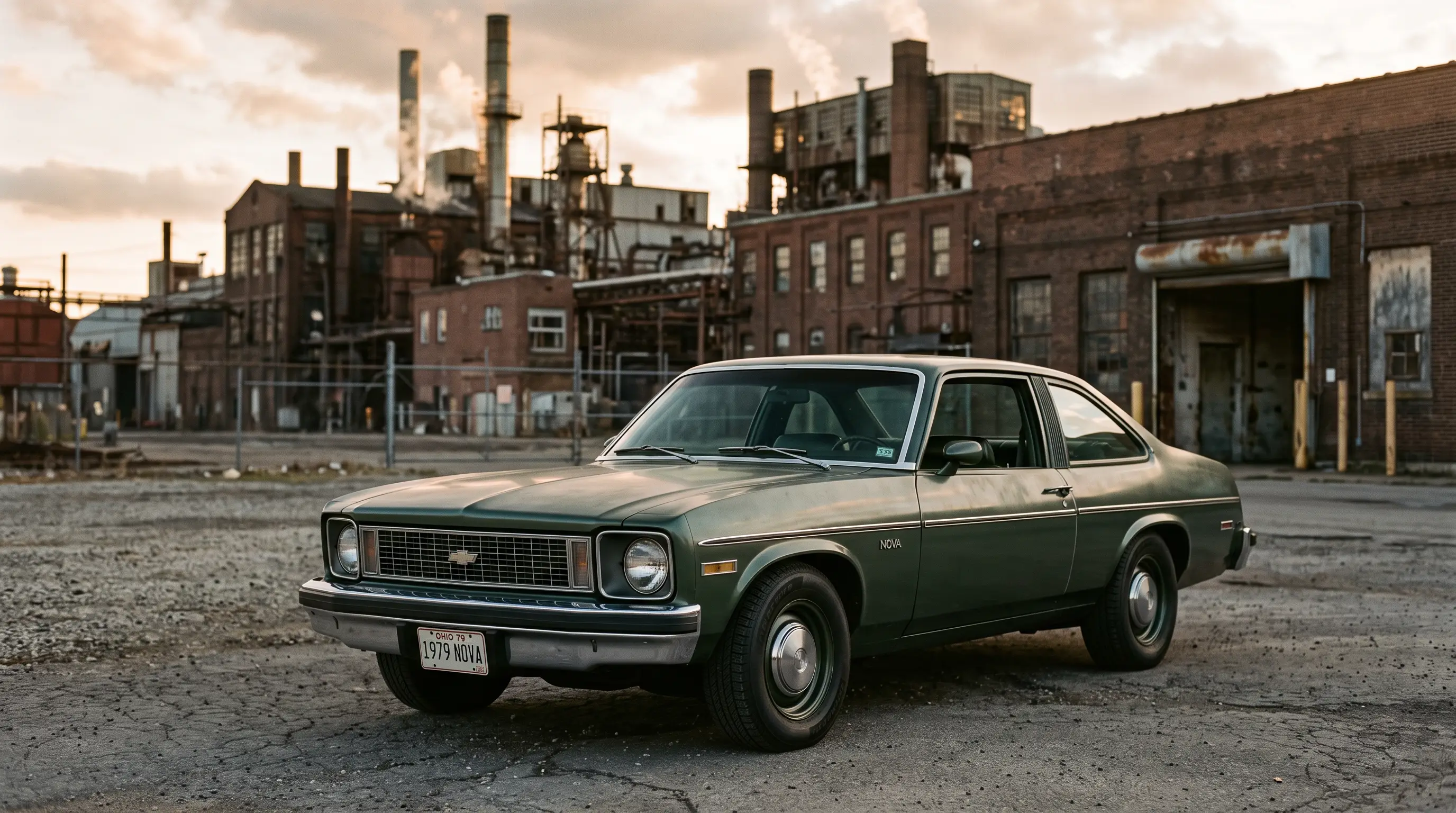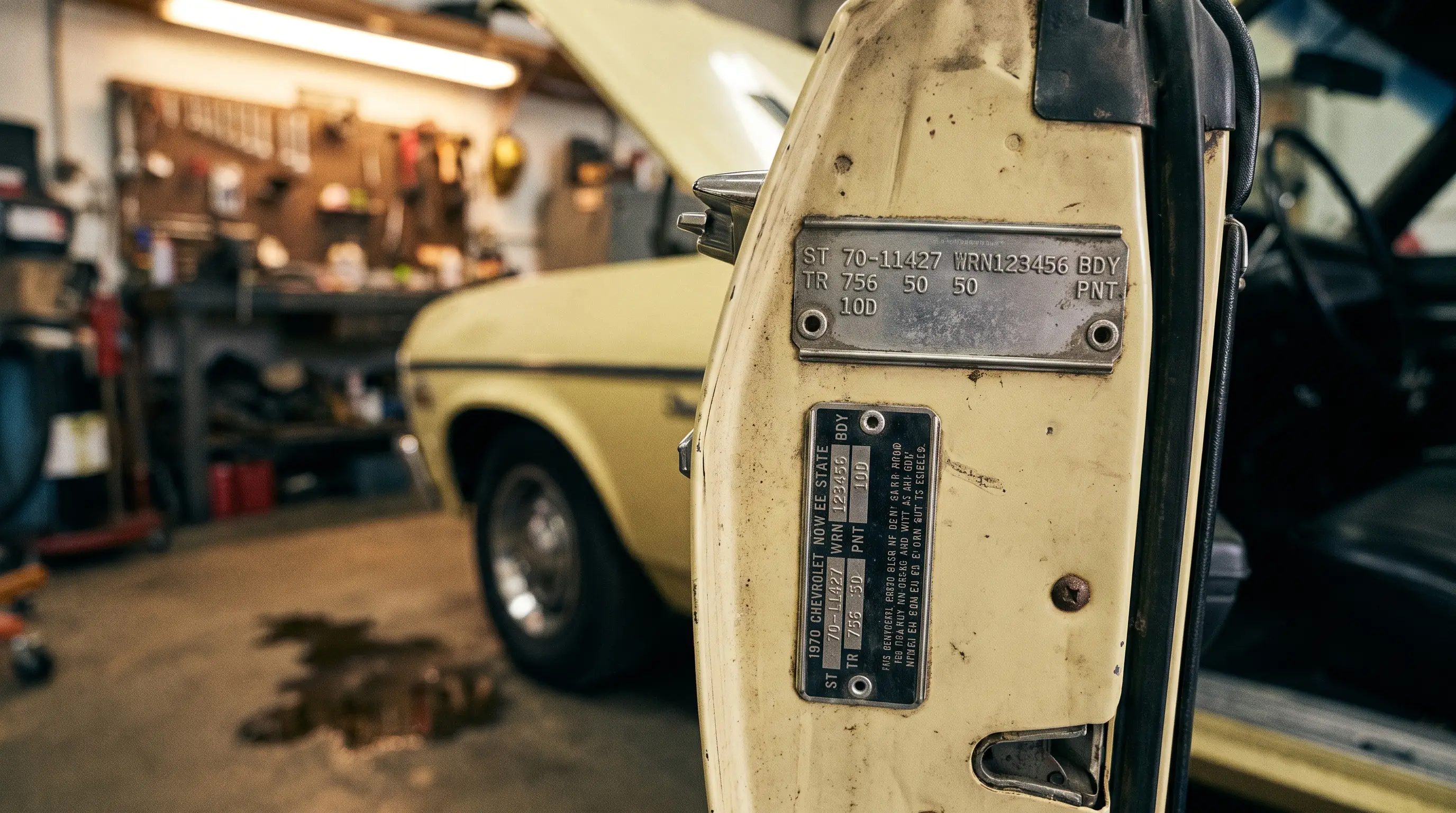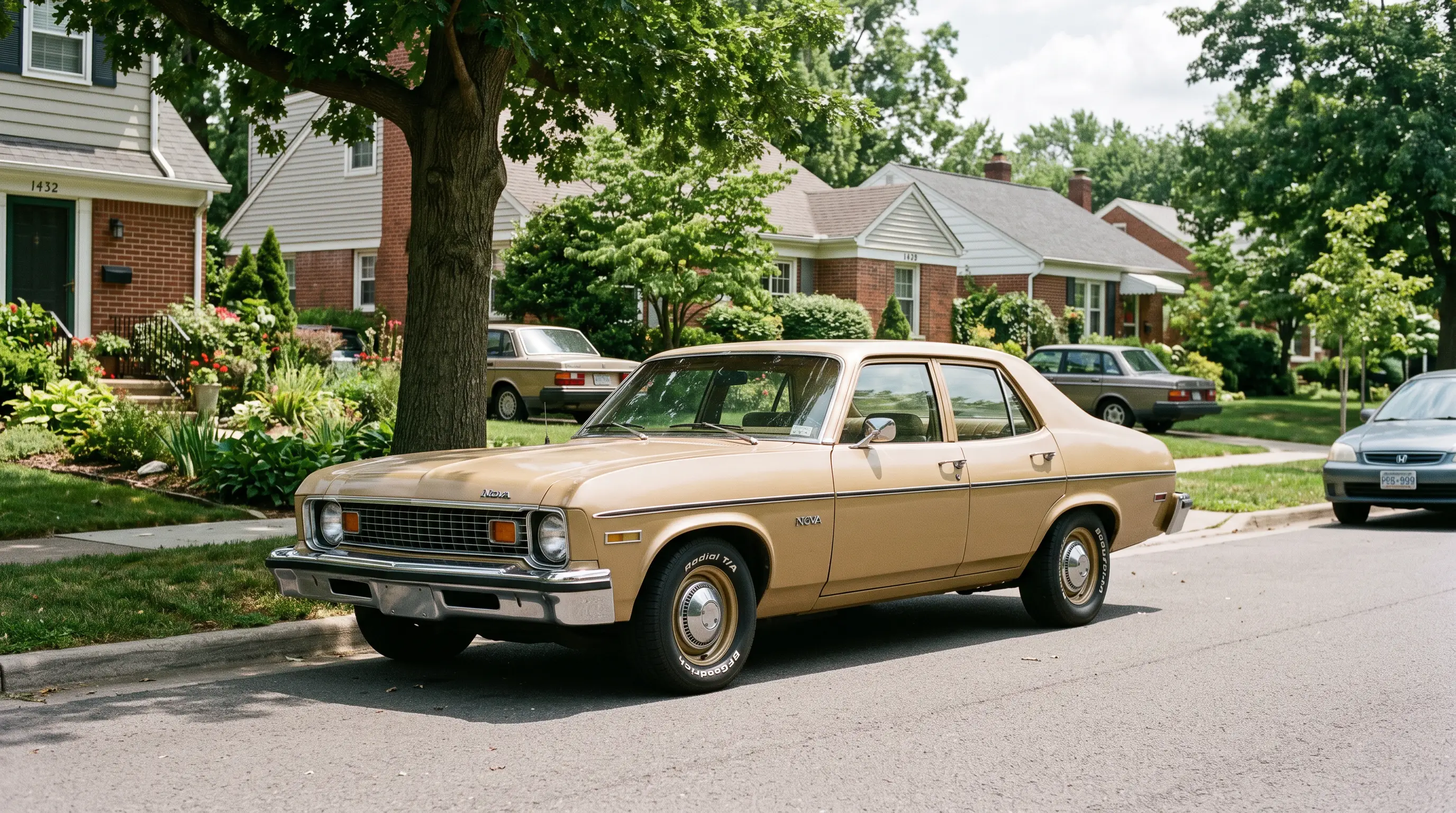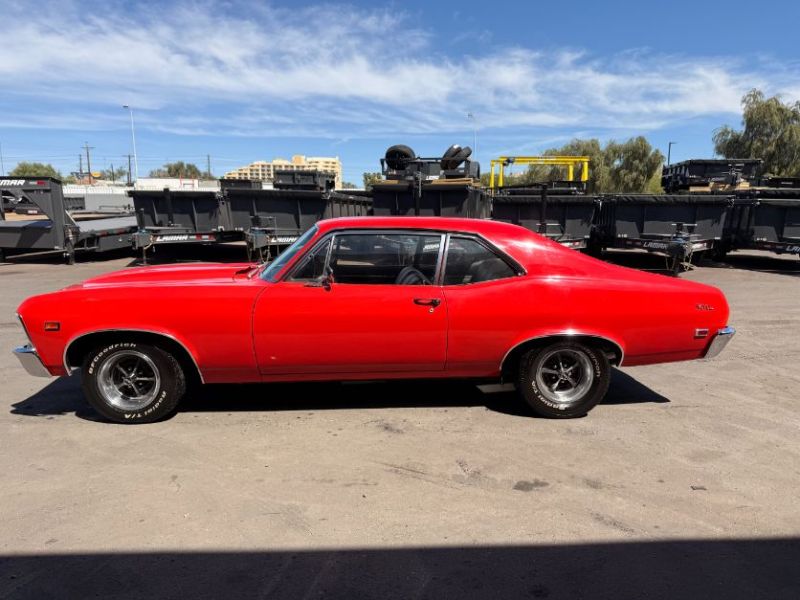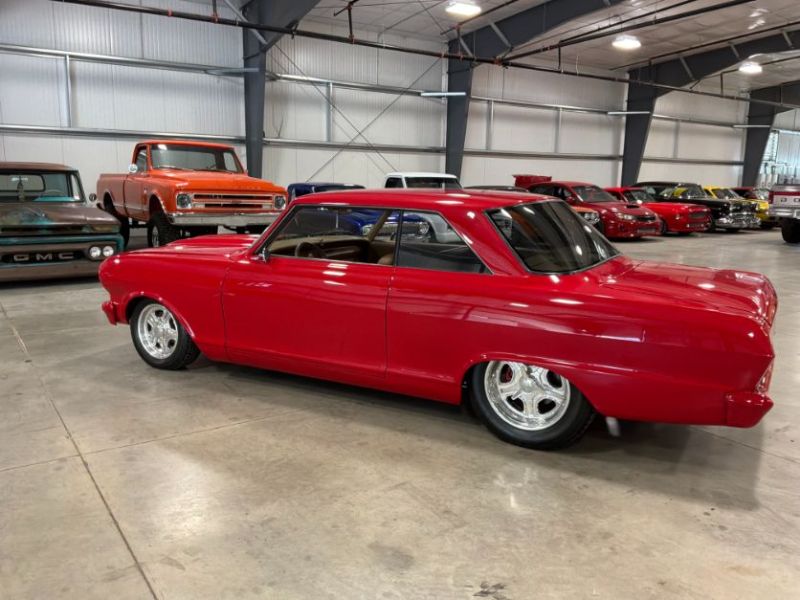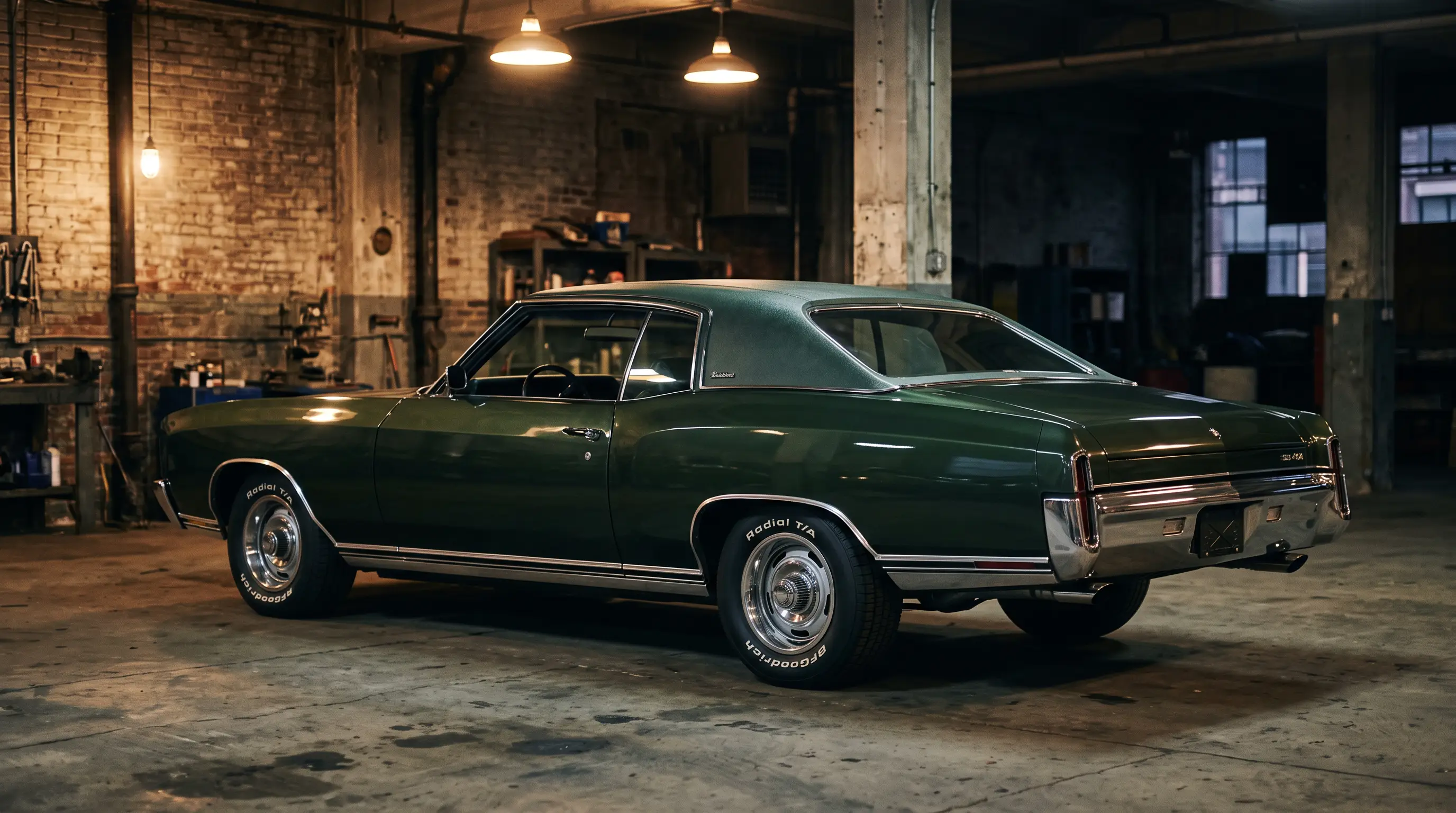
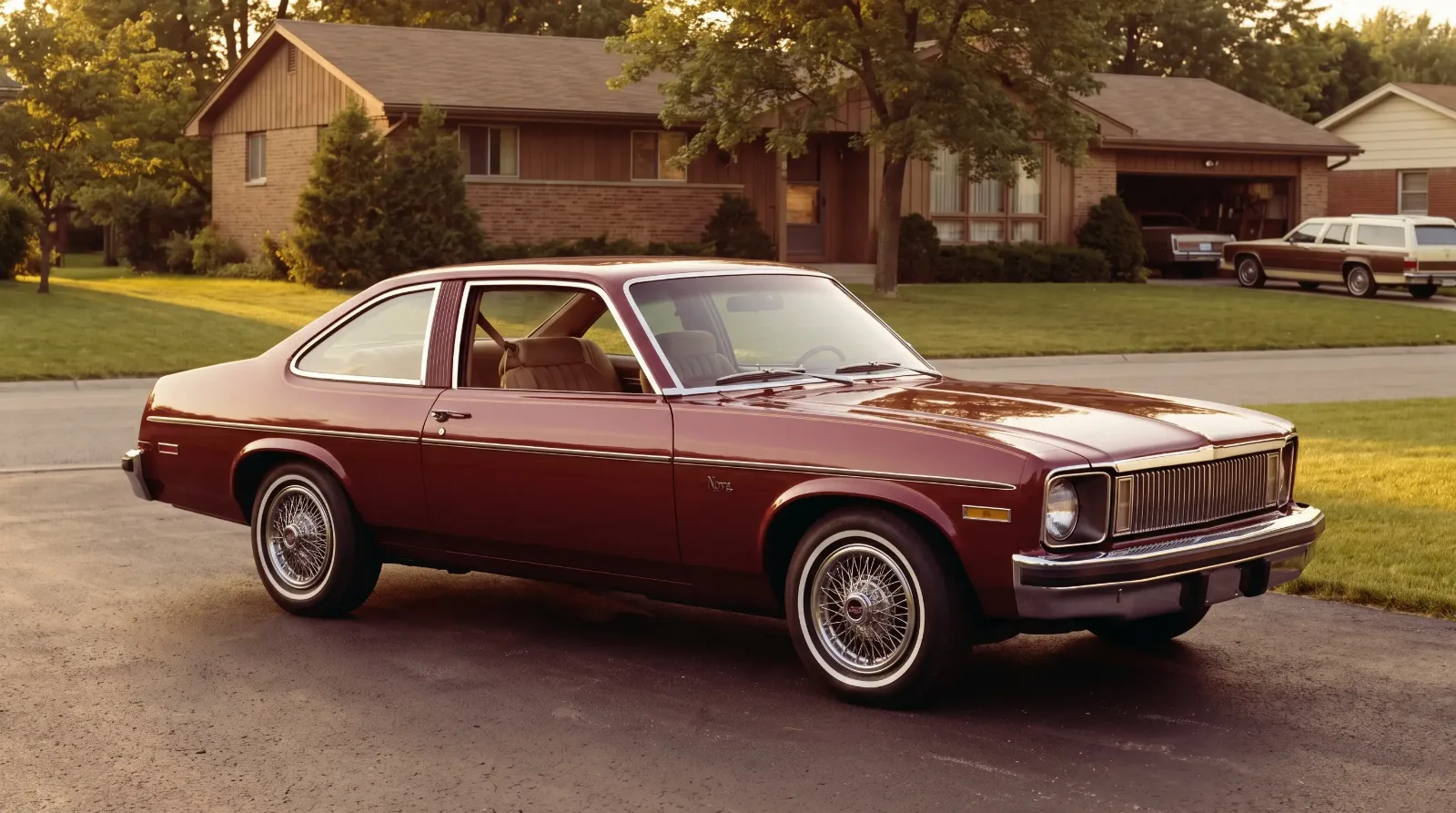
A few years back at a club swap meet, a member rolled in with a clean 1977 Nova coupe and parked it next to a row of tri-five Bel Airs. People walked right past it. One older gentleman finally stopped, looked it over, and said he had learned to drive in one exactly like it. Within ten minutes there were six people around the car trading stories, and the fellow who owned it could not stop grinning. That is the fourth generation Nova in a nutshell. Nobody puts it on a poster, but almost everybody has a memory attached to one, and the record shows it was a better car than its reputation suggests.
The fourth generation Nova ran from 1975 through 1979, and it was the last rear-drive car to wear the name. Built on Chevrolet's X-body platform, it arrived just as emissions rules and insurance surcharges were strangling the muscle era. That timing is why it gets dismissed. It is also why, decades later, it has become one of the more honest and affordable ways into 1970s Chevrolet ownership.
A cleaner shape for 1975
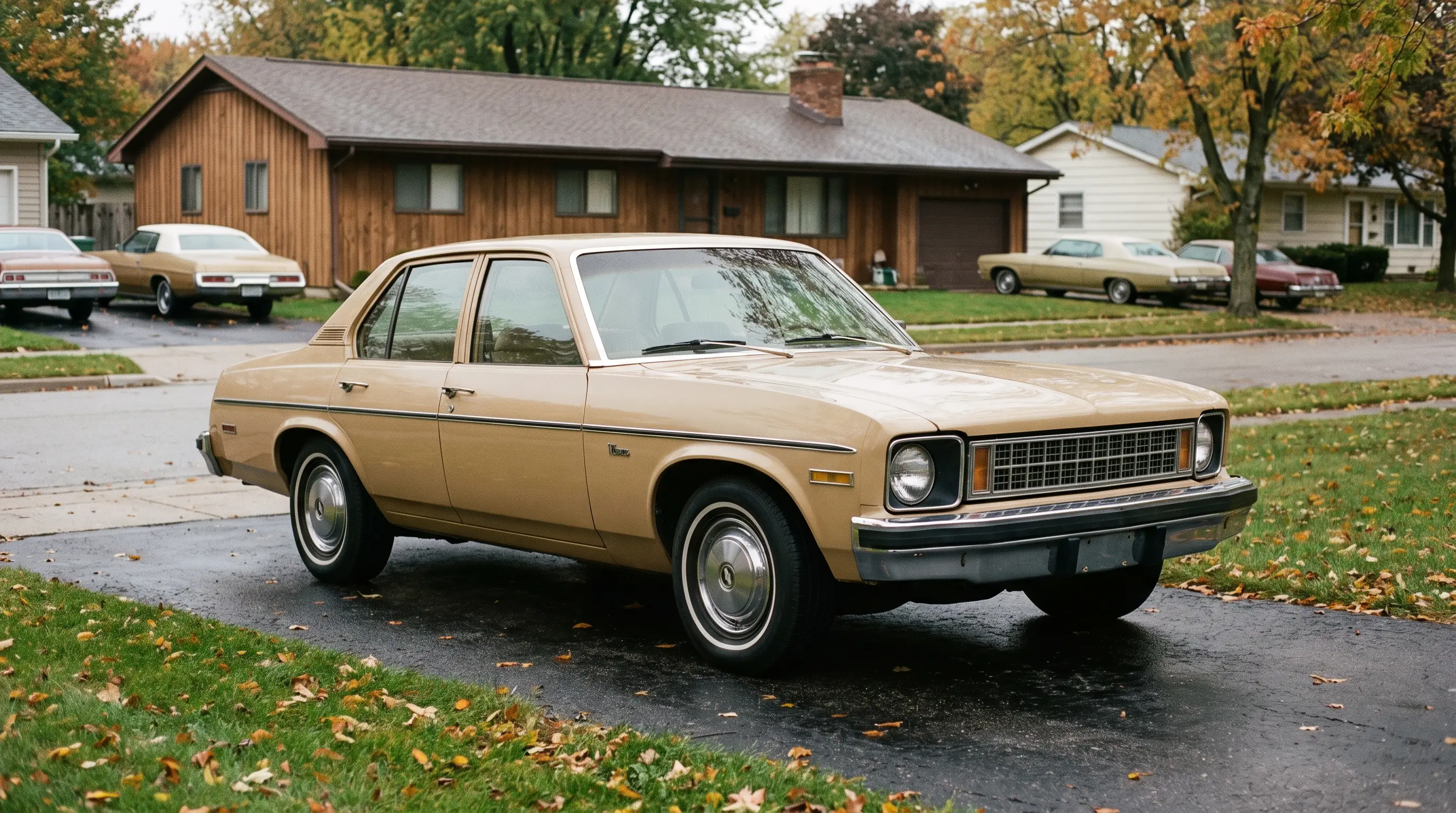
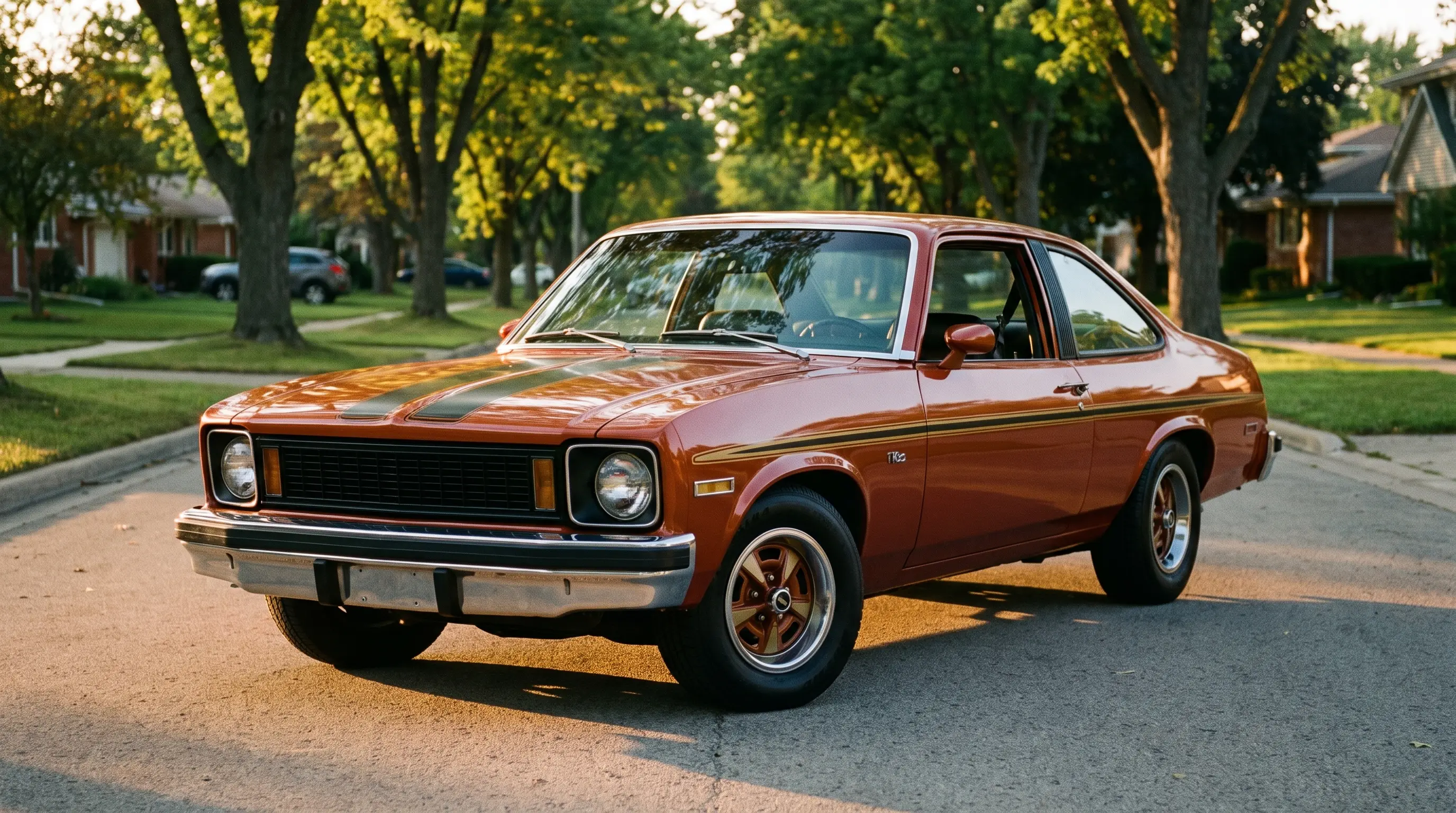
Chevrolet restyled the Nova for 1975, and to my eye it was the best-looking version of the whole run. The greenhouse grew, the beltline squared off, and the coupe picked up a large wraparound rear window that made the cabin feel airy. Bumpers got bigger to meet the federal 5-mph standard, which nobody loved, but the designers integrated them better than most rivals managed that year.
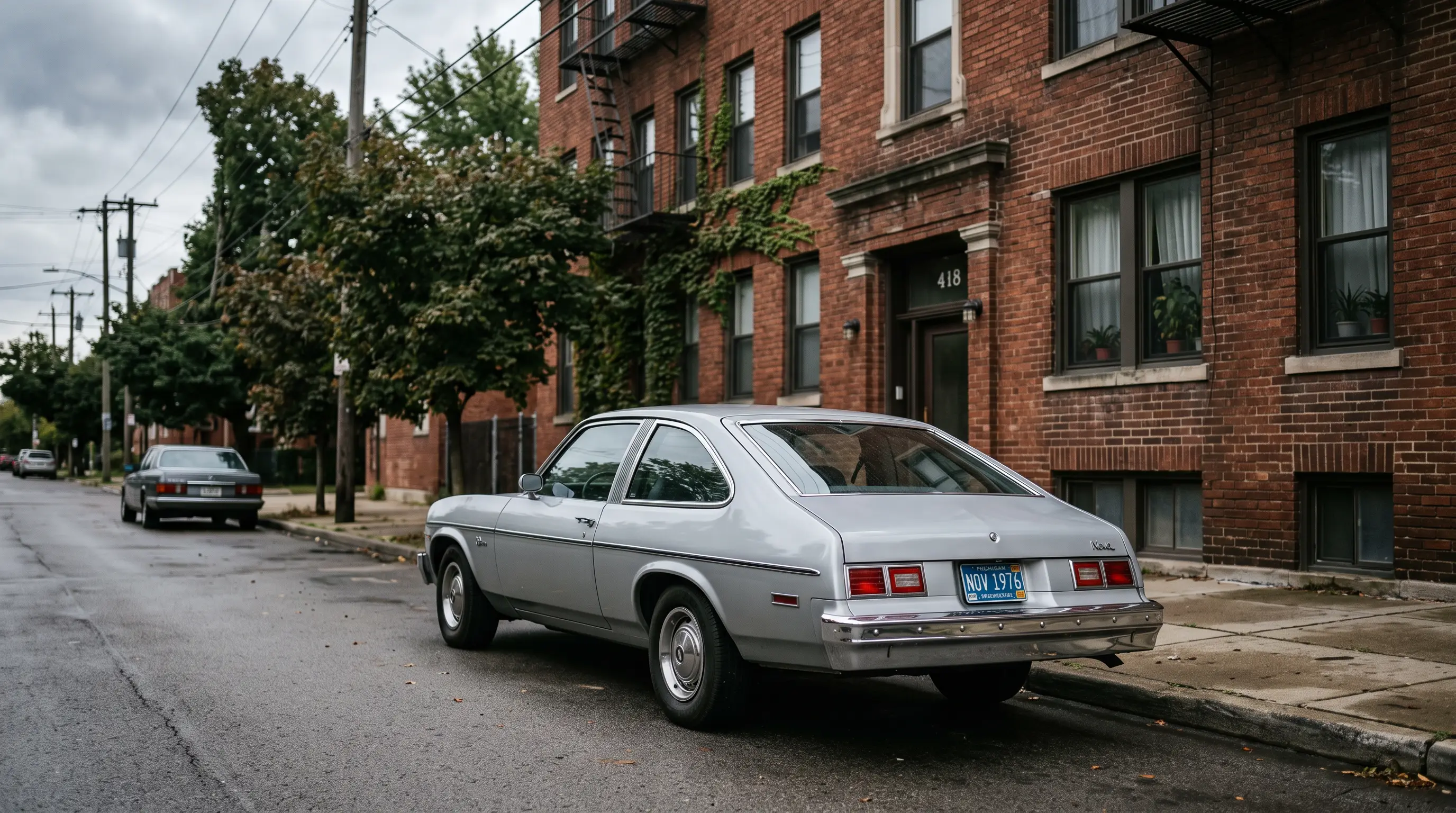
The lineup covered the usual body styles: a two-door coupe, a four-door sedan, and the hatchback that had joined the family in the previous generation. If you want the full account of how the Nova legend began, that story sits with the earlier cars. This generation was the mature one, built when the compact Chevy had nothing left to prove and simply had to be good.
Chevrolet made steady changes across the run rather than one big overhaul. The 1977 cars got a revised grille and detail tweaks, and interior appointments crept upmarket year by year. Front disc brakes were standard across the range, which was a real improvement over the drum-braked economy compacts a lot of buyers were cross-shopping. The suspension was conventional, a coil-spring front with a live rear axle, but it was tuned for a compliant ride and it holds up well on modern roads. None of this was exciting on paper. All of it made for a car that was easy to live with, and that is precisely the quality the survivors still trade on.
The Concours and the LN: Nova goes upscale
Here is where the fourth generation Nova surprises people. Chevrolet decided the compact could wear a coat and tie. The Concours trim, introduced for 1976, brought a formal grille, extra brightwork, wood-look interior trim, and more sound insulation. It was Chevrolet answering buyers who wanted a small car that did not feel cheap.
Before the Concours name settled in, the top trim went by LN, short for Luxury Nova, offered for 1975 before Chevrolet renamed it Concours the following year. Whatever the badge said, the intent was the same: velour or knit cloth seats, added carpeting, and a quieter ride. These were not stripped economy specials. A well-kept Concours coupe still feels like a genuine effort at a small personal-luxury car, and survivors of that trim are some of the nicest examples you will find today.
The Spirit of America, two years early
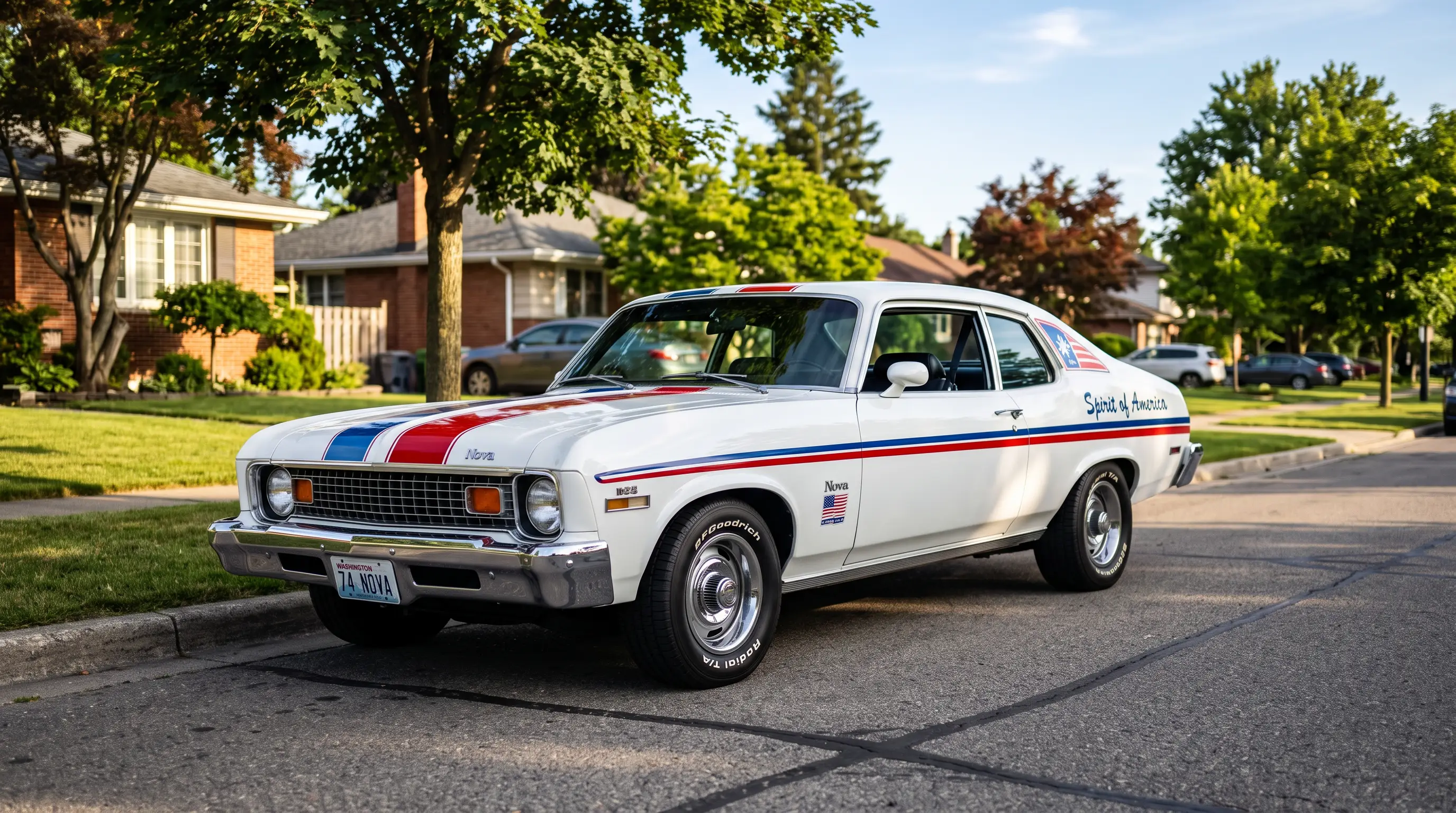
Detroit started celebrating the Bicentennial before the calendar caught up. Chevrolet's contribution to the Nova line was the Spirit of America edition, a dress-up package offered on the coupe for 1974, a full two years ahead of 1976. It came in white with red and blue accents, special striping, color-keyed wheels, and unique badging. Chevrolet ran the same Spirit of America theme across the Impala, El Camino, and Vega that year, so the Nova was part of a family effort rather than a one-off. The top engine available with the package was the 350 four-barrel V8, rated at 185 hp in 1974.
These were appearance packages, not performance cars, and that is exactly why they are fun now. A Spirit of America Nova is a rolling snapshot of pre-Bicentennial America, red-white-and-blue and proud of it. Chevrolet built 14,463 of them, which makes a documented one a genuine conversation starter at any show. I have watched one of these pull a bigger crowd than the big-block cars parked beside it, purely on nostalgia. By the actual Bicentennial year of 1976, dealers were still tossing around "Spirit of '76" literature, but that was general promotional talk, not a distinct factory package on the Nova.
The malaise-era SS, for what it was
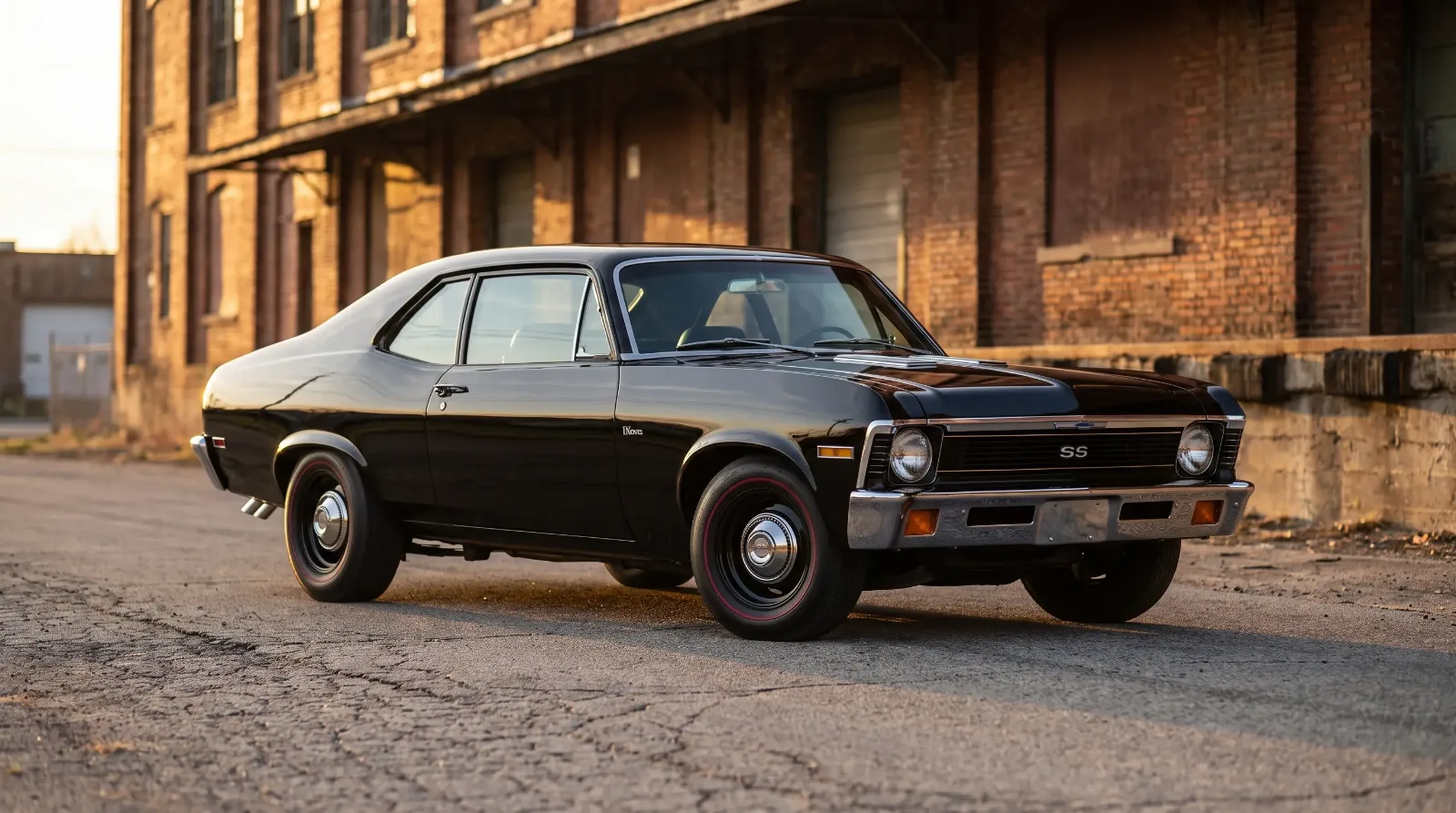
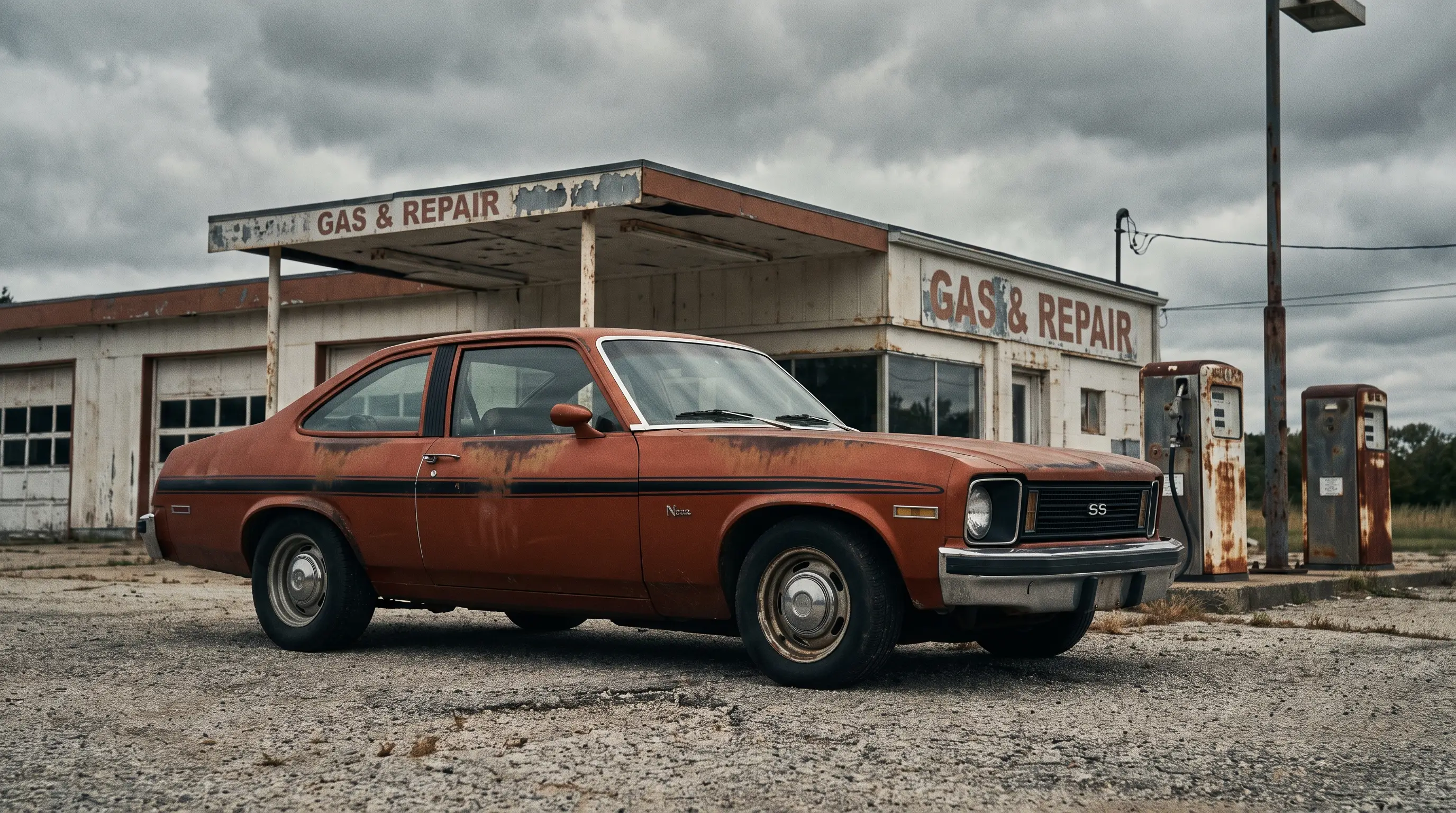
Let me be straight about the SS, because the club argues about this one every summer. By the mid-1970s, SS on a Nova was an appearance and handling package, not the high-compression terror of a decade earlier. It brought sport stripes, specific wheels, a firmer suspension tune, and SS badging. Under the hood you were choosing from the same catalog everyone else got.
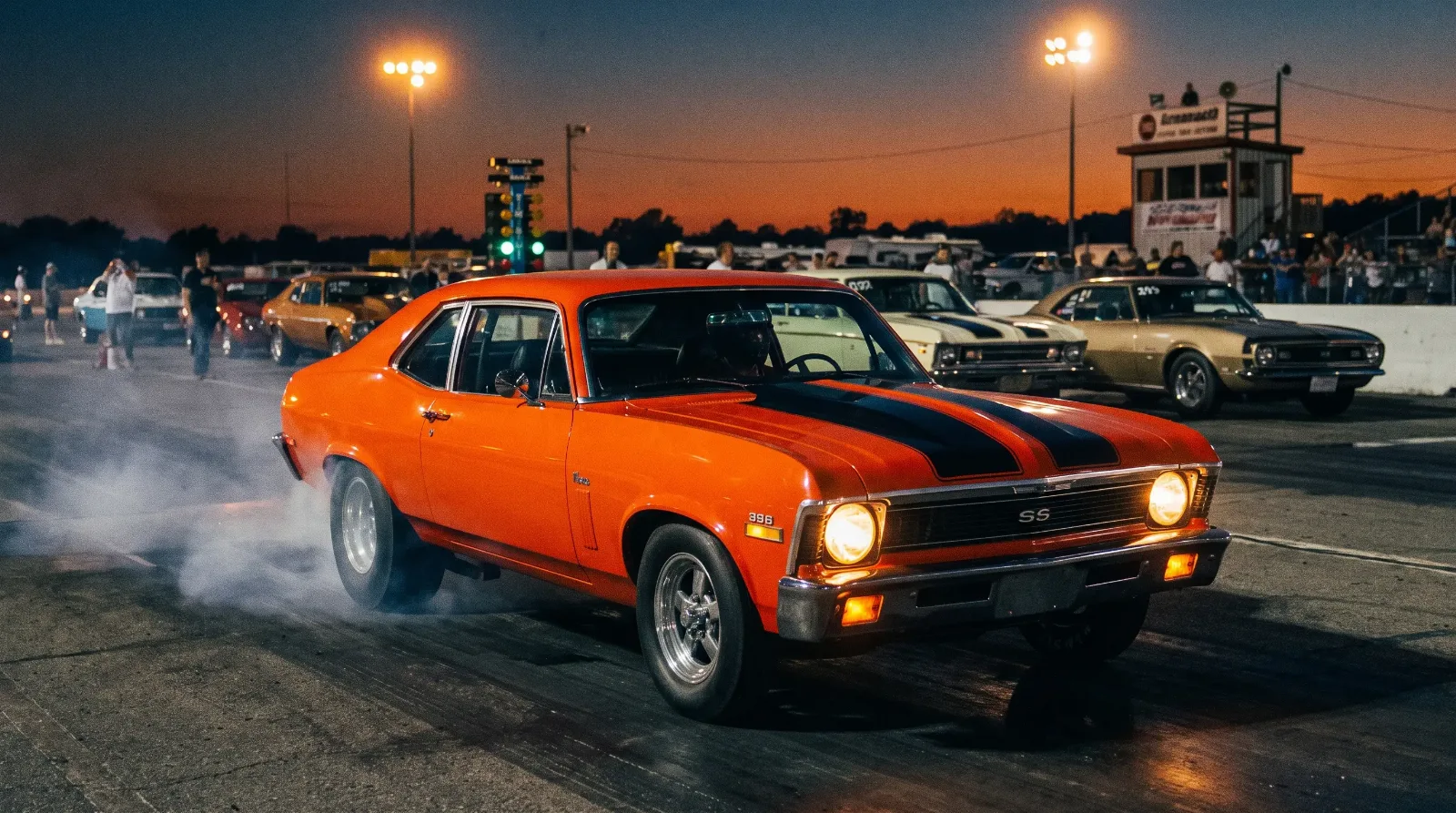
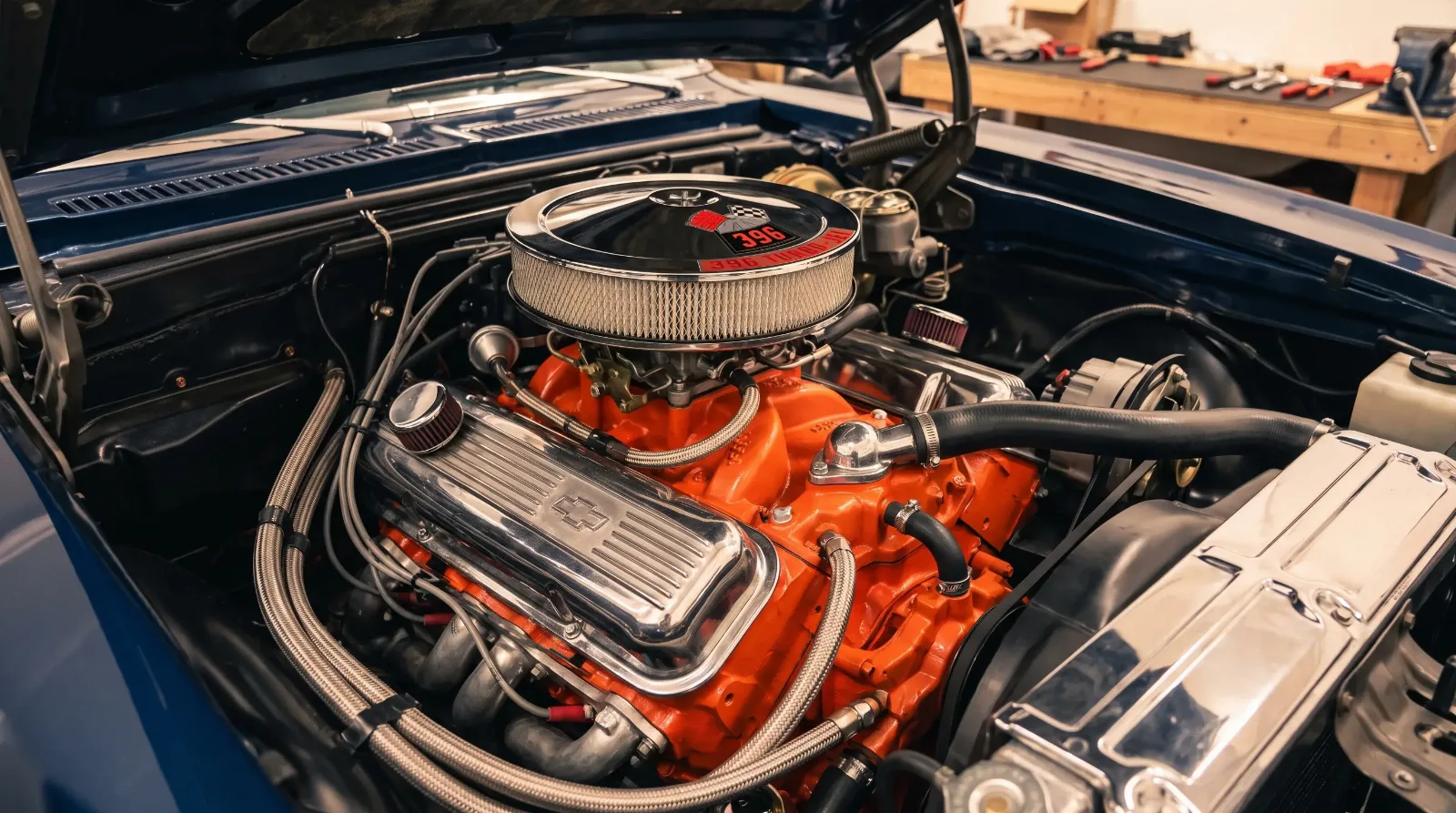
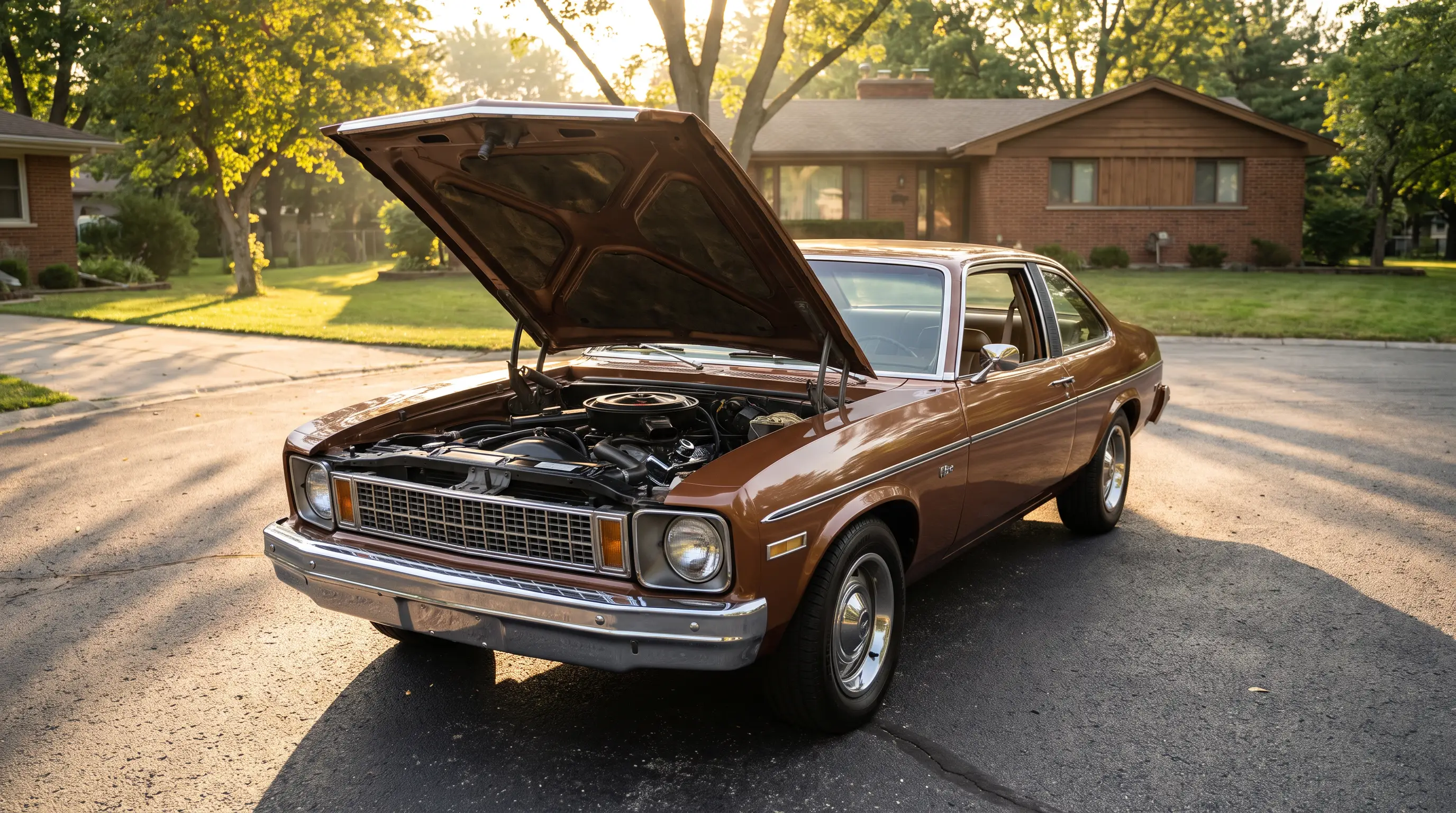
The engine roster tells the real story of the era. The base motor was the 250 cubic-inch inline six. V8 buyers could pick a 262, a 305, or the 350, though outputs were modest by any earlier standard. A 350 in one of these cars made anywhere from about 145 to 170 horsepower depending on year and tune, dropping as low as 165 hp by 1979. That is not a misprint. Compression was down, emissions gear was up, and the whole industry was in the same boat. Judge the car against its own decade and the SS package makes sense as a handling and looks upgrade, not a stoplight weapon. Anyone chasing the deeper story of what these motors could and could not do can keep exploring the engine history on its own.
"Half the debates I have refereed at the clubhouse end the same way. Somebody insists the 1970s SS was a fraud, then we pull the build sheet and find a genuine factory package with real suspension parts. It was never fast. It was honest about what it was, and that counts for something."
— Wayne Coburn
The Seville connection nobody expects
Here is the fact that wins bar bets. The humble Nova's X-body architecture underpinned the first Cadillac Seville, which arrived in 1975 as Cadillac's answer to imported luxury sedans. Cadillac heavily reworked and reinforced the platform and never advertised the family tree, but the bones trace back to the same X-body that carried the compact Chevrolet.
The X-body did a lot of quiet work in that era. Beyond the Nova and the Seville, it was shared with the Pontiac Ventura, the Oldsmobile Omega, and the Buick Apollo and Skylark. That corporate sharing is part of why parts availability stays reasonable today and why these cars are so approachable to own and repair.
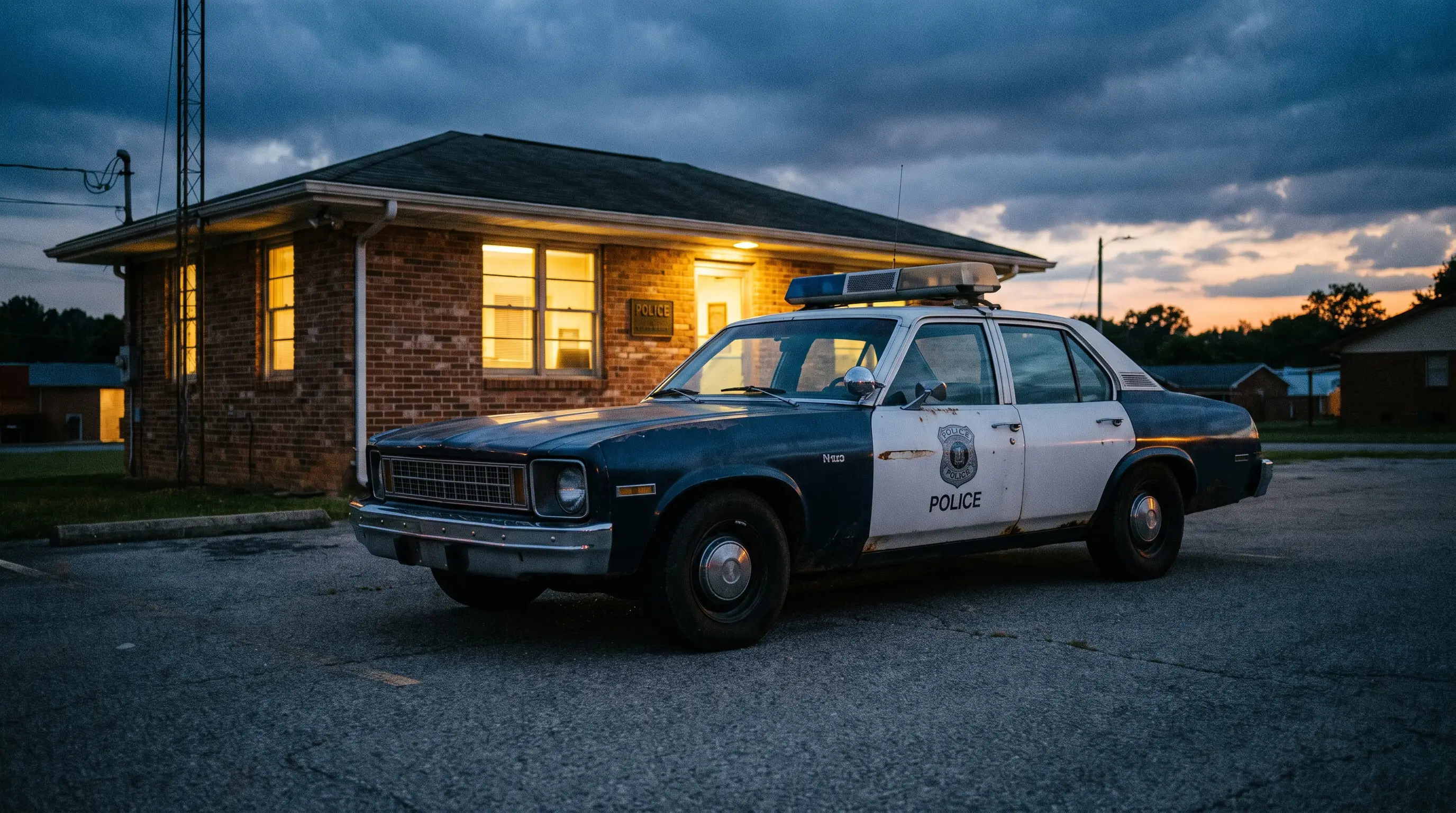
It also explains the Nova's second life as a police and taxi favorite. Fleet buyers wanted the nine-passenger practicality of a sedan with the durability of a proven driveline, and the Nova delivered both at a low price. Plenty of the sedans that survive today started as fleet cars, which is worth remembering when you look at a high-mileage four-door. A well-maintained ex-fleet car can be a bargain, since the mechanical parts were built to take abuse and the whole platform was designed to be serviced quickly.
| Detail | Fourth-generation Nova (1975-1979) |
|---|---|
| Platform | GM X-body, rear-wheel drive |
| Body styles | Coupe, four-door sedan, hatchback |
| Base engine | 250 cu in inline-six |
| V8 options | 262 cu in (1975 only), 305 cu in (1976-79), 350 cu in (all years) |
| Notable trims | Base, Custom, LN / Concours, SS package, Rally |
| Special edition | 1976 Spirit of America |
| Platform cousins | Pontiac Ventura, Oldsmobile Omega, Buick Apollo/Skylark, Cadillac Seville |
| Successor | Front-drive Chevrolet Citation (1980) |
Why the underrated Nova is worth a look now
The case for buying a fourth generation Nova today is simple. It is a straightforward, body-on-frame-era Chevrolet with a huge parts network, mechanicals shared across half the corporation, and prices that have not run away the way tri-five and first-gen Camaro money has. You can still find a driver-quality coupe for the price of a nice set of wheels on a fancier car.
The trims are what make it interesting. A Concours coupe gives you 1970s small-car luxury. A Spirit of America gives you Bicentennial character. A tidy SS gives you the look and the handling package without the collector-car premium. If any of that appeals, it is worth browsing the classic Chevy Novas for sale to see what these generations actually trade for, because condition and documentation vary widely.
The fourth generation Nova will never be the star of a high-dollar auction, and that is fine. It is the car people actually drove, learned on, and remember. Buy a good one, park it at a show, and watch how many folks stop to tell you their own version of the story. The record backs it up: this was a solid, well-built compact from a hard decade, and the affordable ones will not stay this affordable forever.
Sources and notes
- Try Not to Call it a Nova: The 1976-77 Chevrolet Concours - Mac's Motor City Garage
- Vintage Review: 1975 Chevrolet Nova LN - Curbside Classic
- NovaResource - 1974 Spirit of America Nova (RPO Z51)
- NovaResource - Nova Engine Statistics
- How the 1975 Chevrolet Nova Became A 1976 Cadillac Seville - Automotive Mileposts
- General Motors X platform (RWD) - Wikipedia