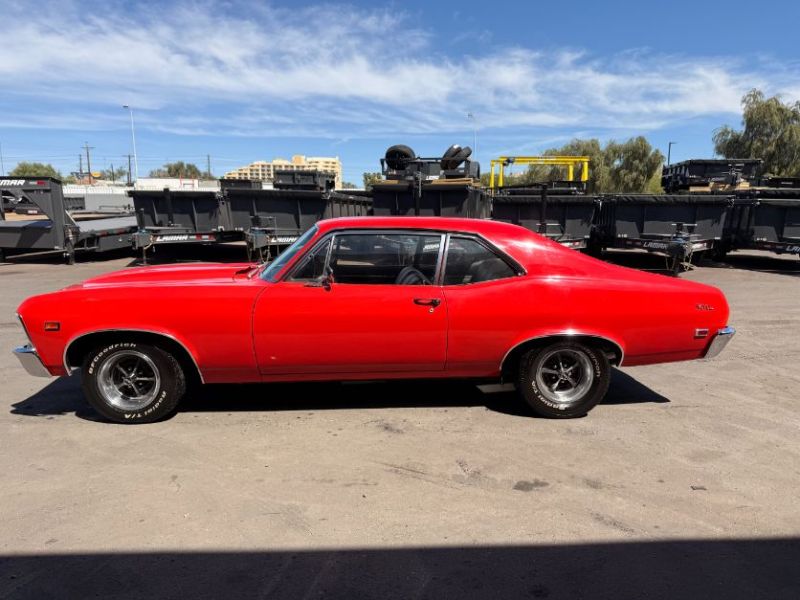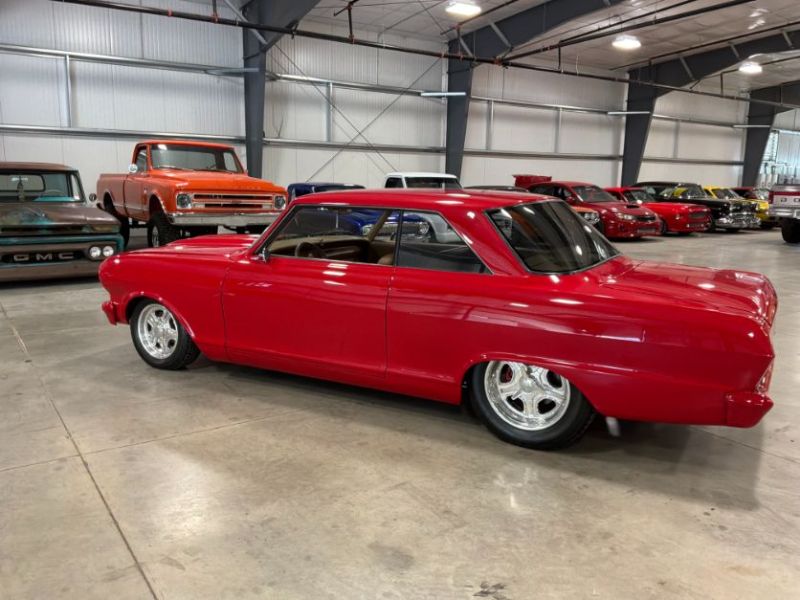
The Chevy Nova started life as an apology. Chevrolet bet big on the rear-engine Corvair and watched buyers walk to Ford showrooms for the plain, honest Falcon instead. So the company scrambled, and in about 18 months it built a conventional front-engine compact to stop the bleeding. That car was the Chevy II, and its top trim was the Nova. What began as a stopgap turned into one of the longest-running nameplates Chevrolet ever hung on a small car, and by the end of the 1960s it was quietly one of the meanest cars you could buy from a Chevy dealer.
This is the full story of the classic rear-drive Nova, from that panicked 1962 launch to the last one that rolled off the line in 1979. If you have ever looked at these cars and wondered why a boxy economy sedan commands real money today, stick around. The answer is under the hood.
Why the Chevy II and Nova existed in the first place
Chevrolet did not want to build a normal compact. Ed Cole loved the Corvair, and the Corvair was clever. Air-cooled flat-six in the back, independent suspension, the whole European idea. Buyers did not care about clever. They wanted cheap, roomy, and easy to fix, and the Falcon gave them exactly that while outselling the Corvair by a wide margin.
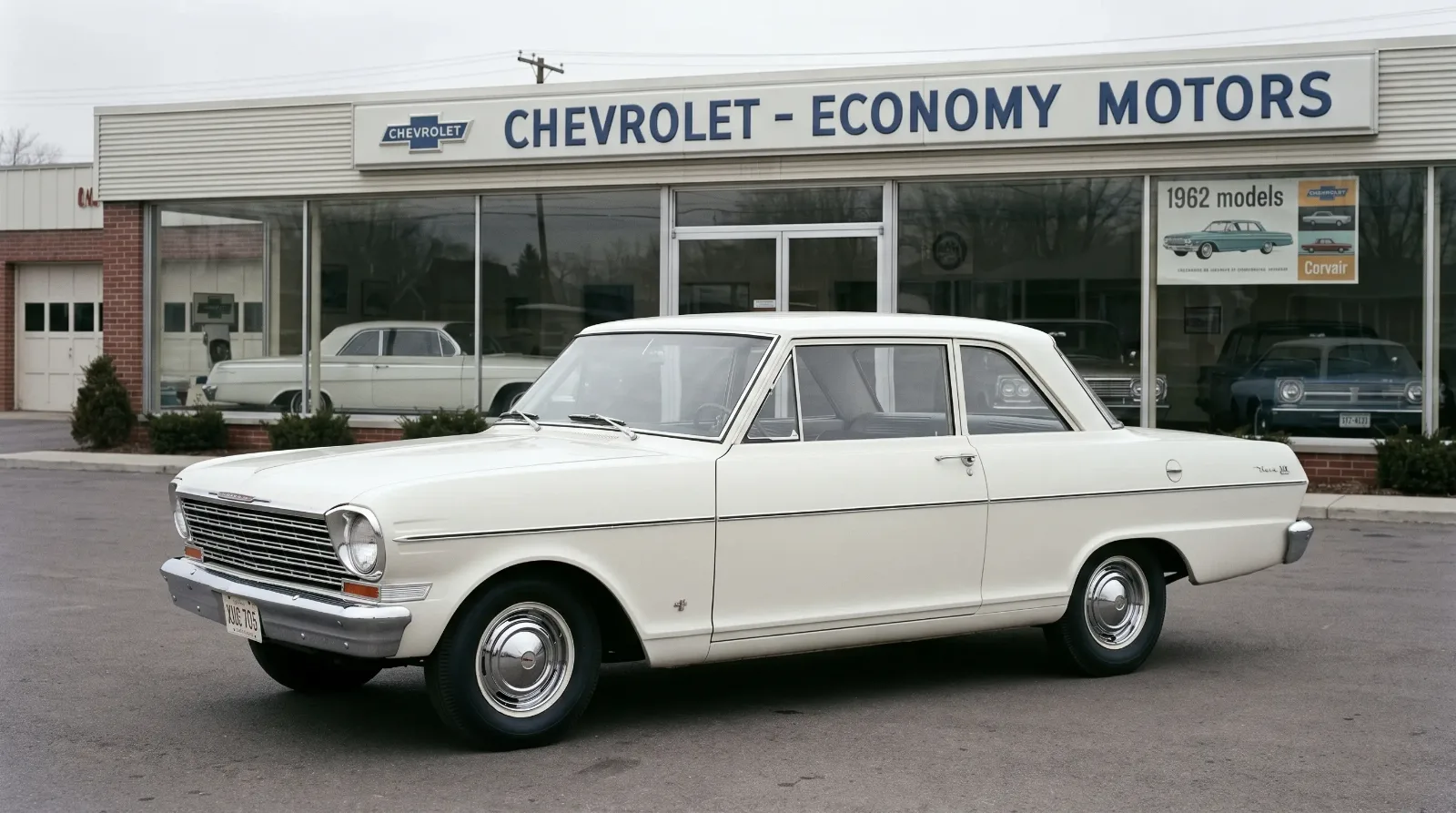
So Chevrolet did the sensible thing and copied the formula. The Chevy II arrived for the 1962 model year with a front engine, a solid rear axle, leaf springs, and a body-on-a-front-subframe layout that any small-town mechanic could understand. It came in three trim levels, and the fanciest one was the Nova 400. The four-cylinder base cars were transportation. The Nova was the one with the nicer interior and, eventually, the engine that mattered.
The name stuck fast. Within a few years everybody called the whole thing a Nova, and Chevrolet leaned into it. By 1969 the Chevy II badge was gone entirely and the car was just the Chevrolet Nova. That is the name enthusiasts use for all of them now, even the early cars that technically wore Chevy II script.
Where the Nova name actually came from
People assume the Nova name is a happy accident, and there is an old joke that in Spanish "no va" means "does not go," which supposedly hurt sales in Latin markets. That story is nonsense. The car sold fine in Spanish-speaking countries, and native speakers do not hear "nova" as "no va" any more than an English speaker hears "notable" as "no table."
The real story is boring, which usually means it is true. Chevrolet wanted a name that started with C to match Corvair, Corvette, and the rest, and the internal favorite was something in that family. Nova won because it sounded modern and meant a bright new star. Marketing overruled the C-name tradition, the top trim became the Nova 400, and the rest took care of itself. Sometimes a name is just a name.
First and second generation: 1962 to 1967
The first-generation Chevy II ran from 1962 through 1965. You could get it as a sedan, a coupe, a convertible, or a wagon, and the base engines were a 153 cubic inch four and a 194 cubic inch six. Neither one was going to scare anybody. The interesting part came in 1964, when Chevrolet finally dropped a V8 into the engine bay. That first V8 was a 283, and it turned a grocery-getter into something with a pulse.
That is the pattern with these cars. The chassis was always ready for more than the factory shipped. The engine bay that held a wheezy six had plenty of room for a small-block, and hot-rodders figured that out immediately.
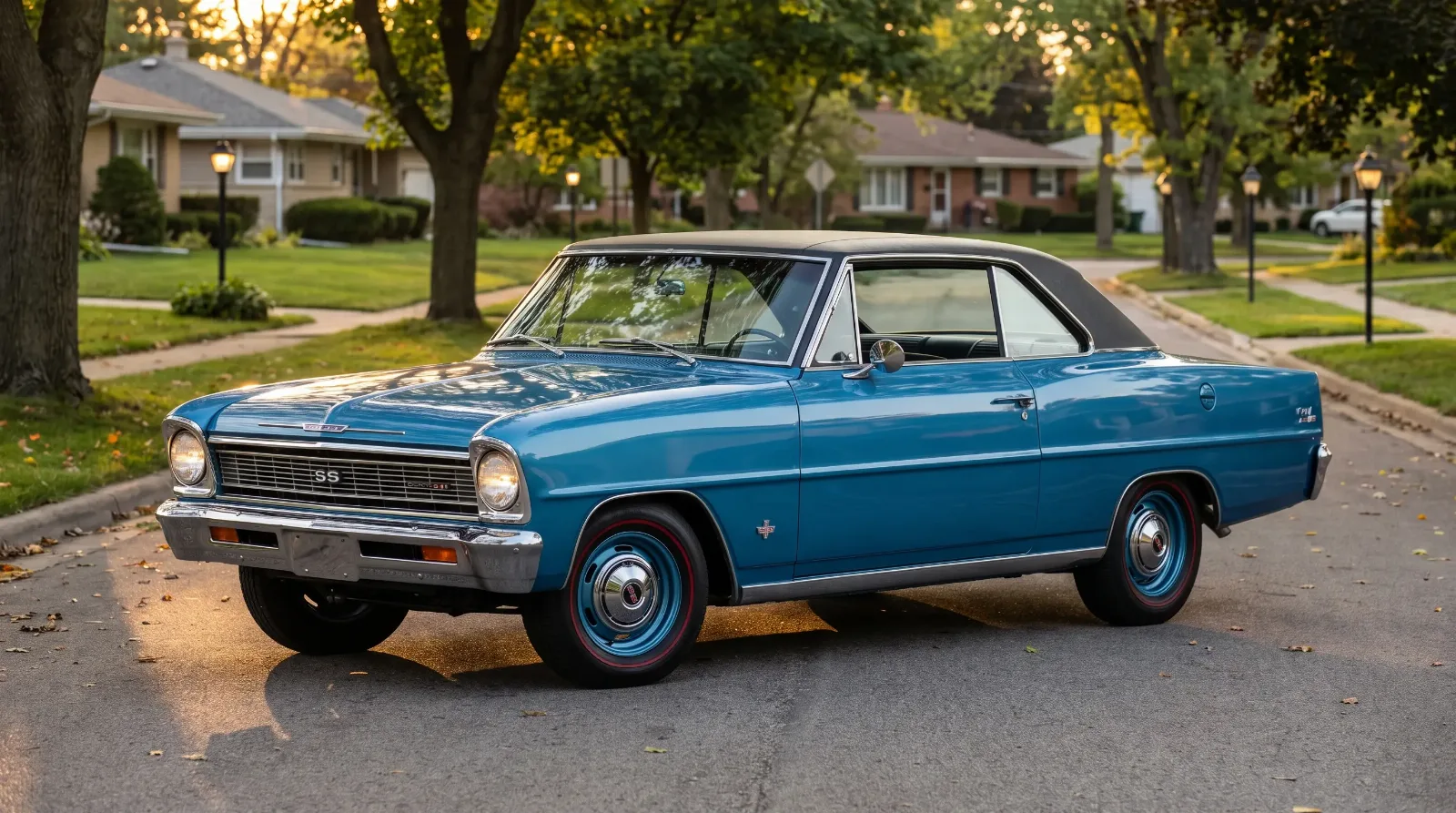
The second generation arrived for 1966 and ran through 1967. It was a cleaner, more squared-off design, and it is the one a lot of people picture when they hear "early Nova." Chevrolet offered the 327 small-block now, and the top L79 version made a rated 350 hp out of that 327. In a light compact, that was serious. The convertible disappeared after 1967, so if you want a drop-top Nova, the 1962 to 1967 cars are your only shot.
The third generation and the muscle car peak: 1968 to 1974
Here is where the Nova becomes a legend instead of a footnote. The 1968 redesign gave the car a longer, wider body on a 111 inch wheelbase, and Chevrolet only offered it as a two-door coupe or a four-door sedan. The convertible and wagon were gone. What replaced them was muscle.
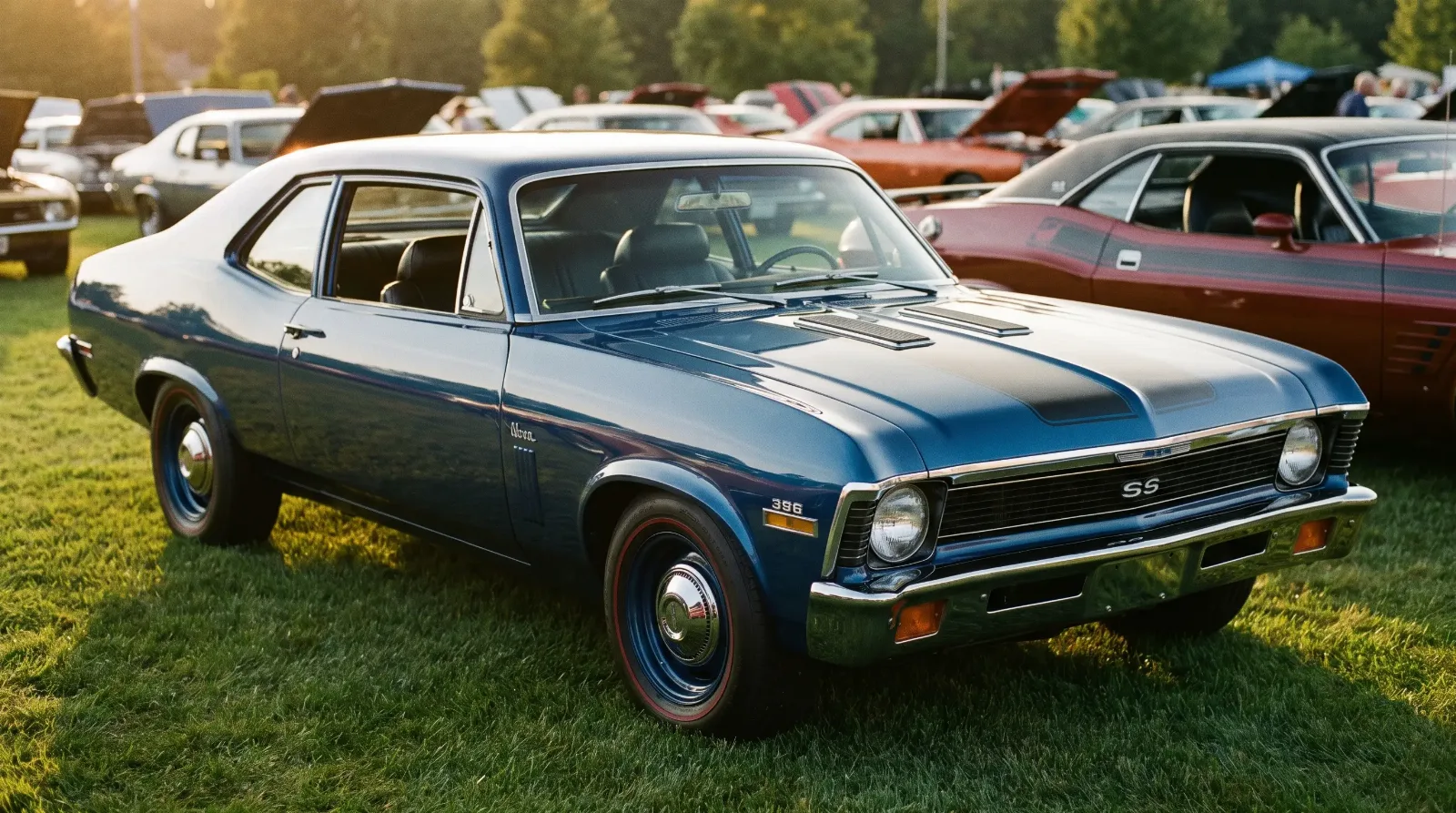
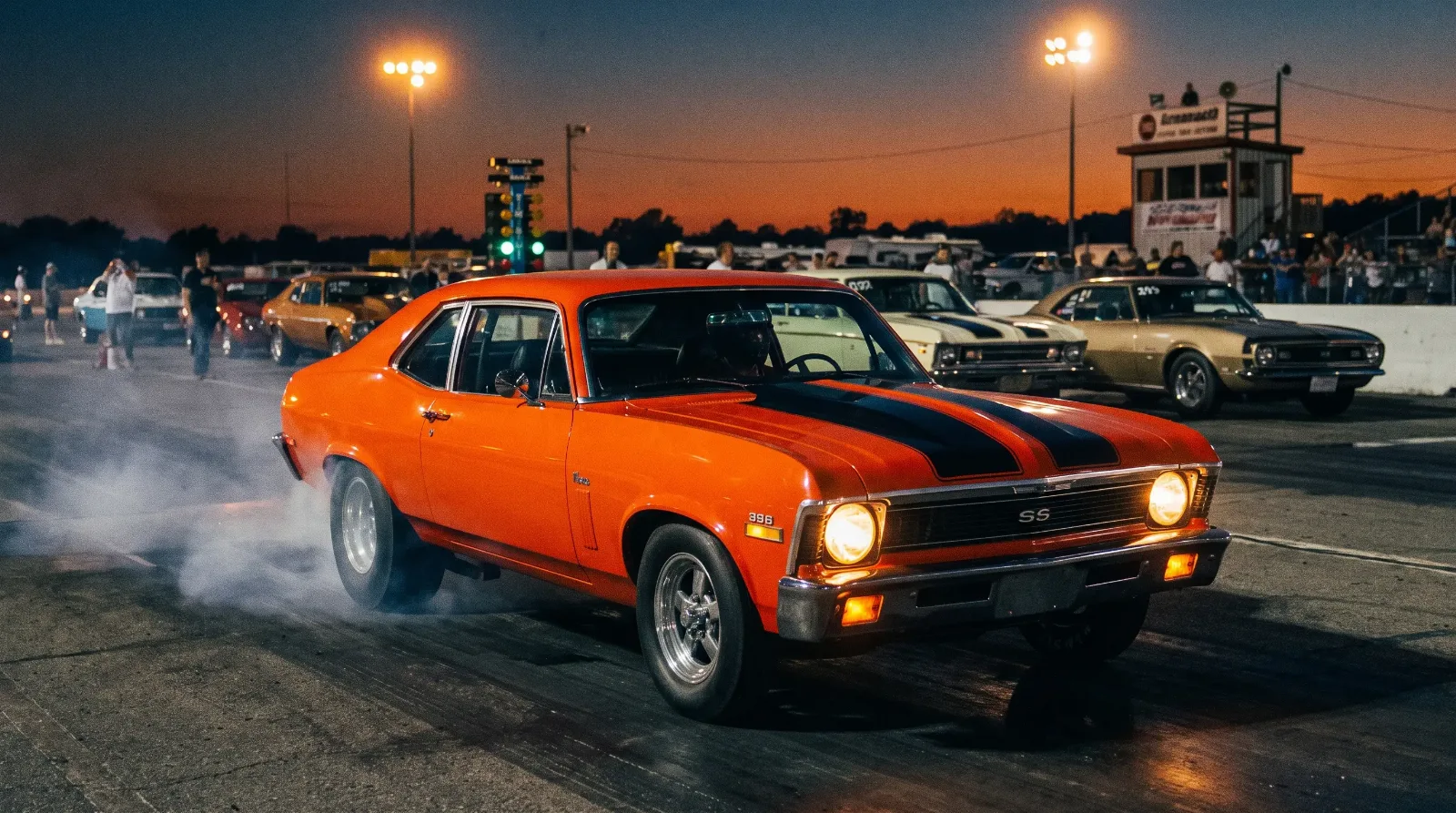
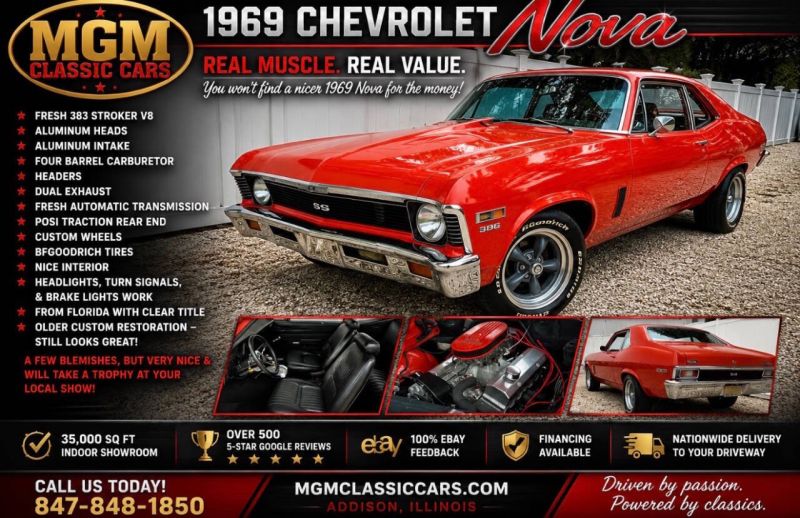
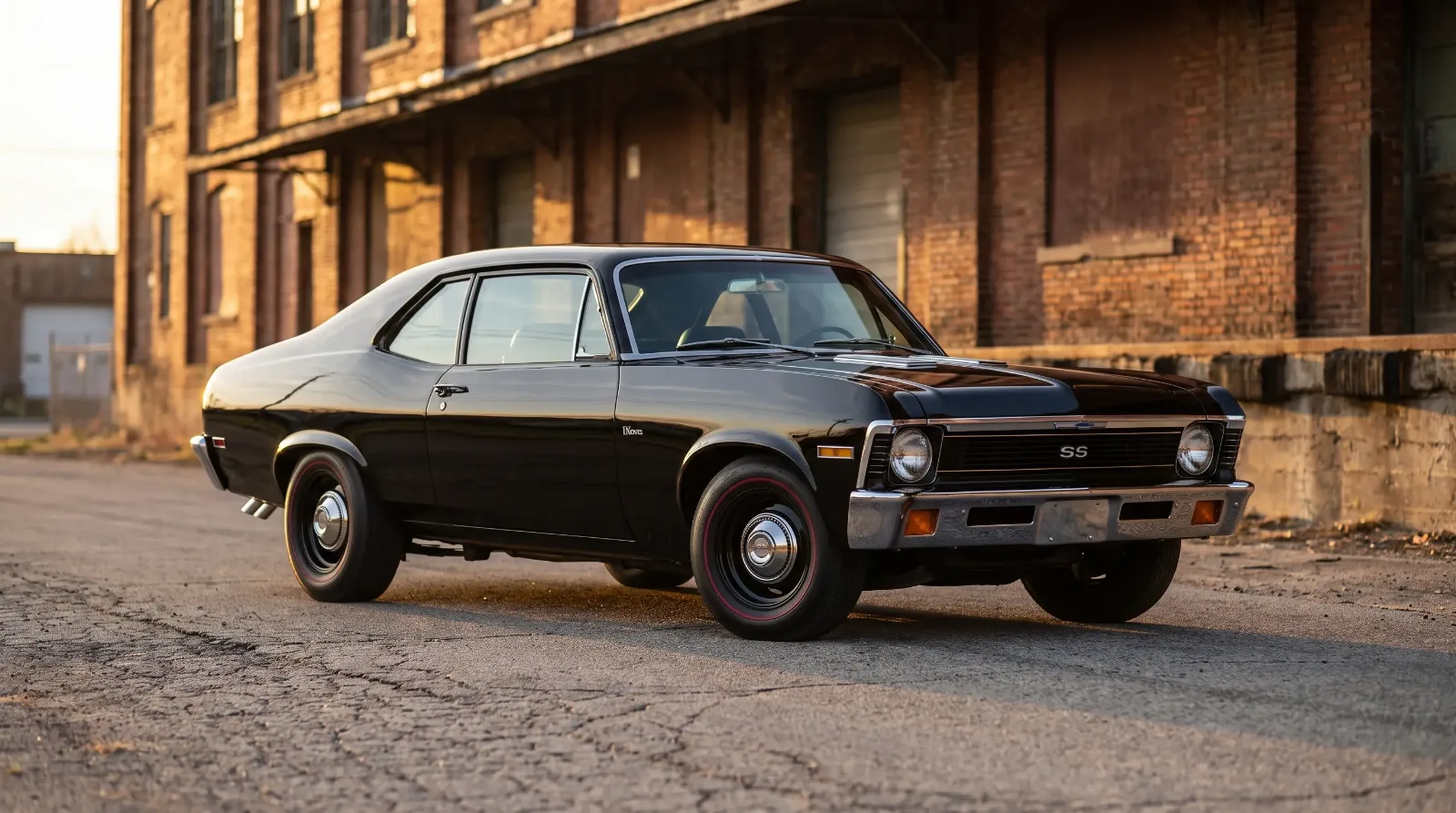
In 1968 you could order a Nova SS with the 396 big-block. Think about that. A compact economy car with the same big-block family that powered the Chevelle SS and the Camaro. The top L78 version of that 396 was rated at 375 hp, and in a car that weighed a good bit less than a full-size Chevy, it made the Nova one of the fastest ways out of a stoplight that money could buy.
The formula was pure hot-rod logic. Take the lightest body Chevrolet made, stuff in the biggest engine that fit, and keep the price reasonable. Guys who could not afford a loaded Chevelle bought a stripped Nova with the 396 and beat cars that cost a lot more. That is the whole appeal, and it is why these cars still get respect at any drag strip or cruise night.
Yenko, COPO, and the factory-hot-rod loophole
The wildest Novas never really came from Chevrolet's normal catalog. General Motors had a corporate rule capping engine size in its smaller cars, which is why the biggest factory Nova engine was the 396. Dealers and racers found ways around it, and the Central Office Production Order system, or COPO, was part of the story. In 1968 the Fred Gibb Chevrolet dealership in Illinois used COPO 9738 to order 50 Novas built right at the factory with the 375 hp L78 396, the same rule-bending trick that got Camaros and Chevelles their factory 427s. GM never put a 427 into a Nova on the assembly line, though. A handful of those 1968 COPO cars were later converted to 427 power outside the factory by Dick Harrell's shop.
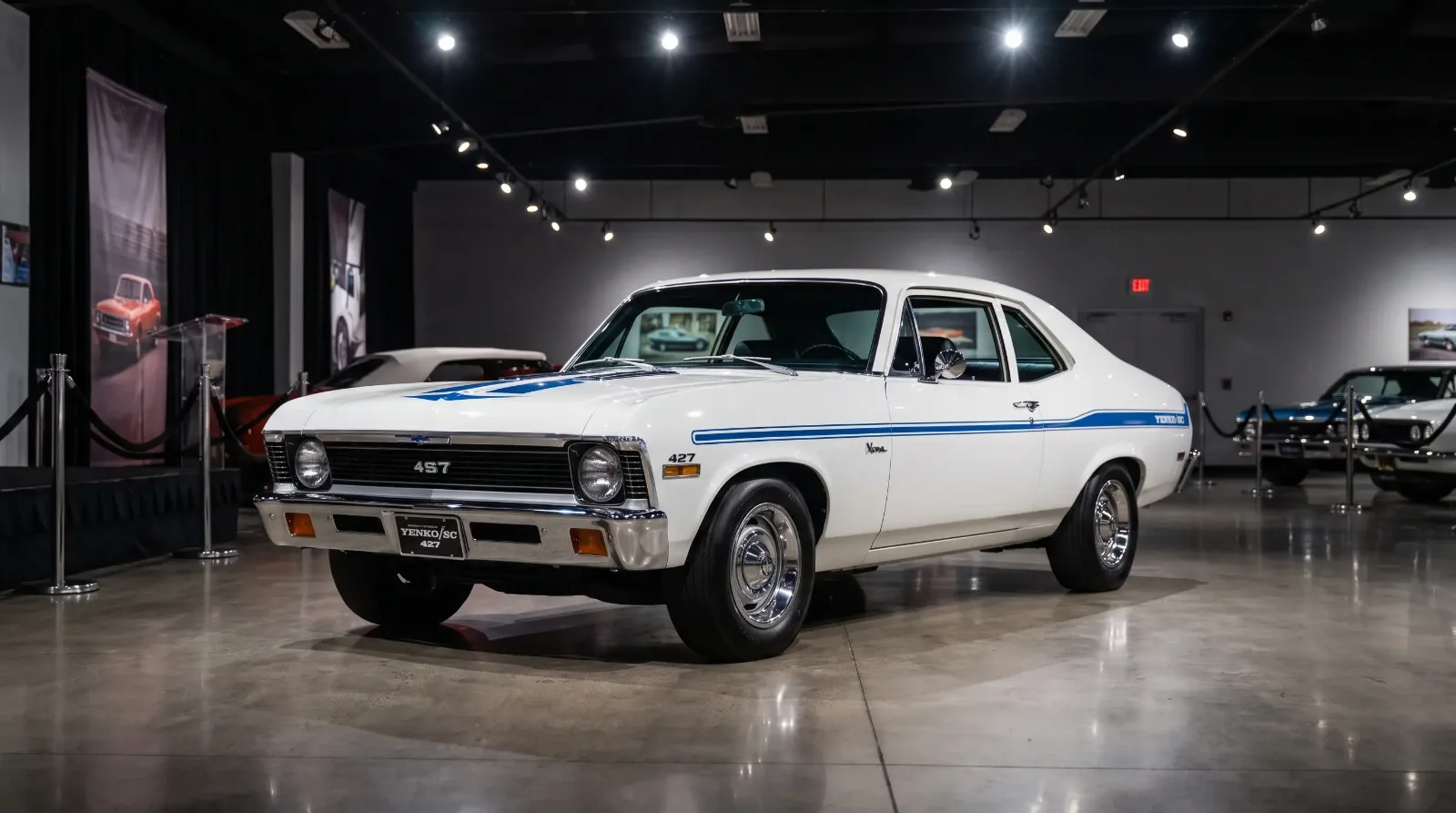
Don Yenko, the Pennsylvania Chevy dealer who already built 427 Camaros, wanted the same combination in a Nova, but Chevrolet would not build a factory 427 Nova for anybody, COPO or otherwise. So for 1969 Yenko bought Novas already built with the 396 and had his own shop swap in the L72 427, the 450 hp big-block used in full-size Chevrolets. These Yenko Novas were brutal, arguably too much engine for that chassis, and with only around 37 to 38 built they are among the rarest and most valuable Novas in existence. Because they were dealer conversions rather than factory-documented cars, if somebody offers you a "real" Yenko Nova, get the paperwork checked by someone who knows the history cold.
By the early 1970s the party was ending for everybody. Insurance surcharges on high-power cars, tightening emissions rules, and the switch to lower compression and net horsepower ratings knocked the big numbers down. The 1970 Nova could still be had with a 396, but after that the muscle drained out of the lineup fast. By 1974 the SS was more about looks than knockout power.
"People forget the Nova was a parts-bin special, and that is a compliment. Chevrolet already had the small-block, the big-block, the four-speed, and the rear axle sitting on the shelf. They just bolted the good stuff into the cheap body and let the customer sort out the traction."
— Mike Sullivan
Small-block and big-block: the engines that made it
The reason Novas are still a good project car comes down to the engines. Chevrolet built these cars around its most common, most supported powerplants, and that has not changed in 60 years.
On the small-block side you had the 283, then the 327, then the 350 that showed up around 1969 and became the workhorse. The 350 is the single most produced V8 in American history, parts are on every shelf, and a mild build makes an easy, reliable driver. If you want a Nova you can actually use, a 350 car is the smart pick.
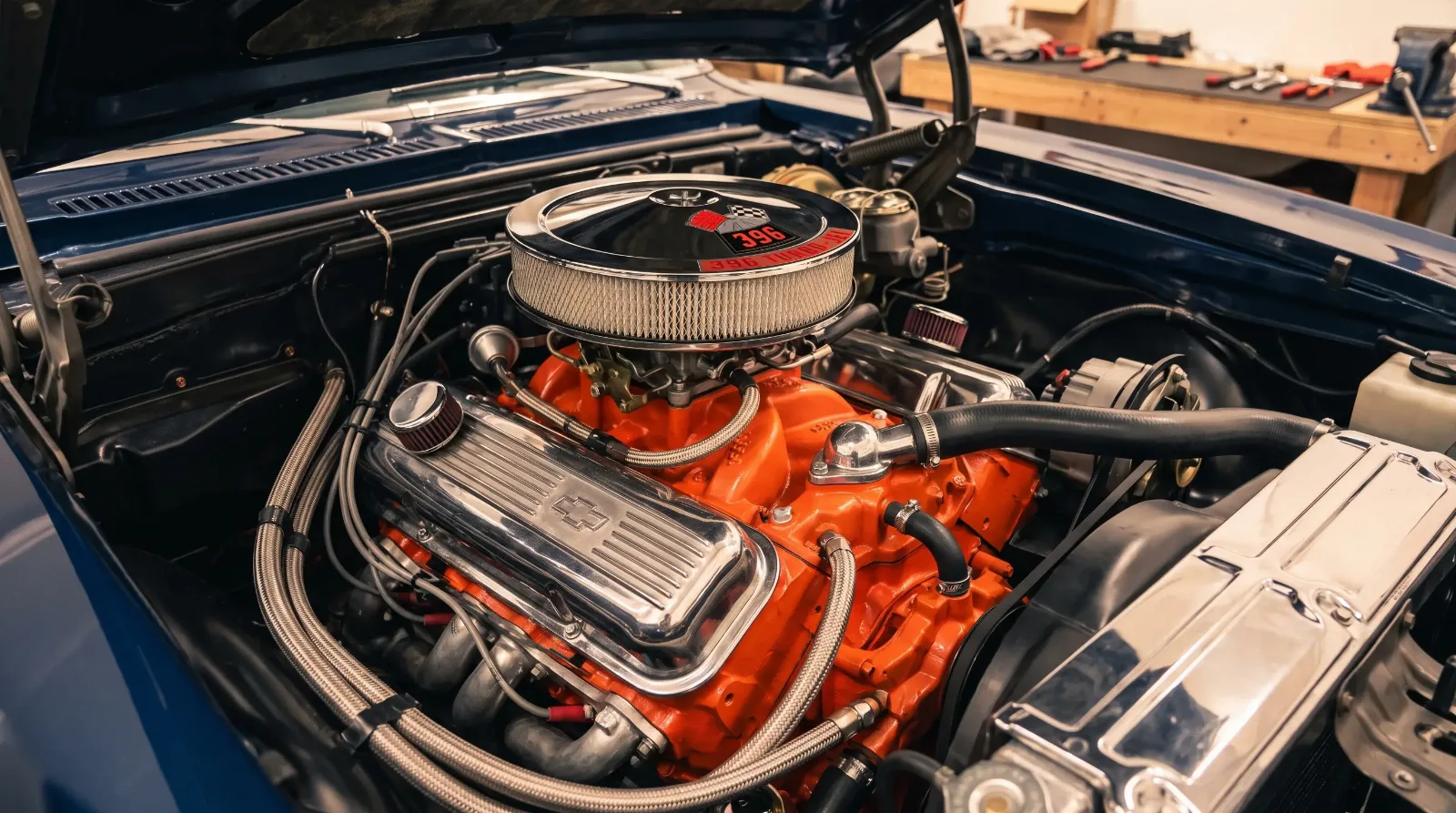
The big-block side is the 396, which in real cubic inches was often closer to 402 after a bore increase but kept the 396 badge for marketing. That engine is heavy, it makes the front end plow, and it is a handful in a light car. It is also the reason grown adults get misty over a 1968 to 1970 SS. Nobody buys a big-block Nova because it is sensible.
The transmission choices matched the engines. Base cars got a three-speed manual or the two-speed Powerglide automatic, which was tough but slow to shift. The cars you want came with a four-speed manual or, later, the three-speed Turbo-Hydramatic. If you are chasing a period-correct build, a Muncie four-speed behind a small-block is the combination most guys remember from the good years, and it is the one that makes the car feel alive.
One more thing about the small-block that matters for owners. Because the 350 stayed in production for decades in trucks and other cars, you can build one to almost any spec on a normal budget. Mild street cam, a decent intake, a set of headers, and you have a Nova that pulls hard, starts every morning, and does not empty your wallet on rebuild parts. That combination of cheap power and total parts support is why the platform never died in the hobby.
| Generation | Years | Body styles | Notable engines | Peak factory rating |
|---|---|---|---|---|
| First (Chevy II) | 1962-1965 | Sedan, coupe, convertible, wagon | 153 four, 194 six, 283 V8 (from 1964) | 220 hp (283) |
| Second | 1966-1967 | Sedan, coupe, convertible, wagon | 327 small-block (L79) | 350 hp (327 L79) |
| Third | 1968-1974 | Two-door coupe, four-door sedan | 350 small-block, 396 big-block (L78), 427 (Yenko/COPO) | 375 hp (396 L78) |
| Fourth | 1975-1979 | Coupe, sedan, hatchback | 250 six, 305 and 350 small-block | 170 hp (350, net) |
Drag strips, culture, and why gearheads love it
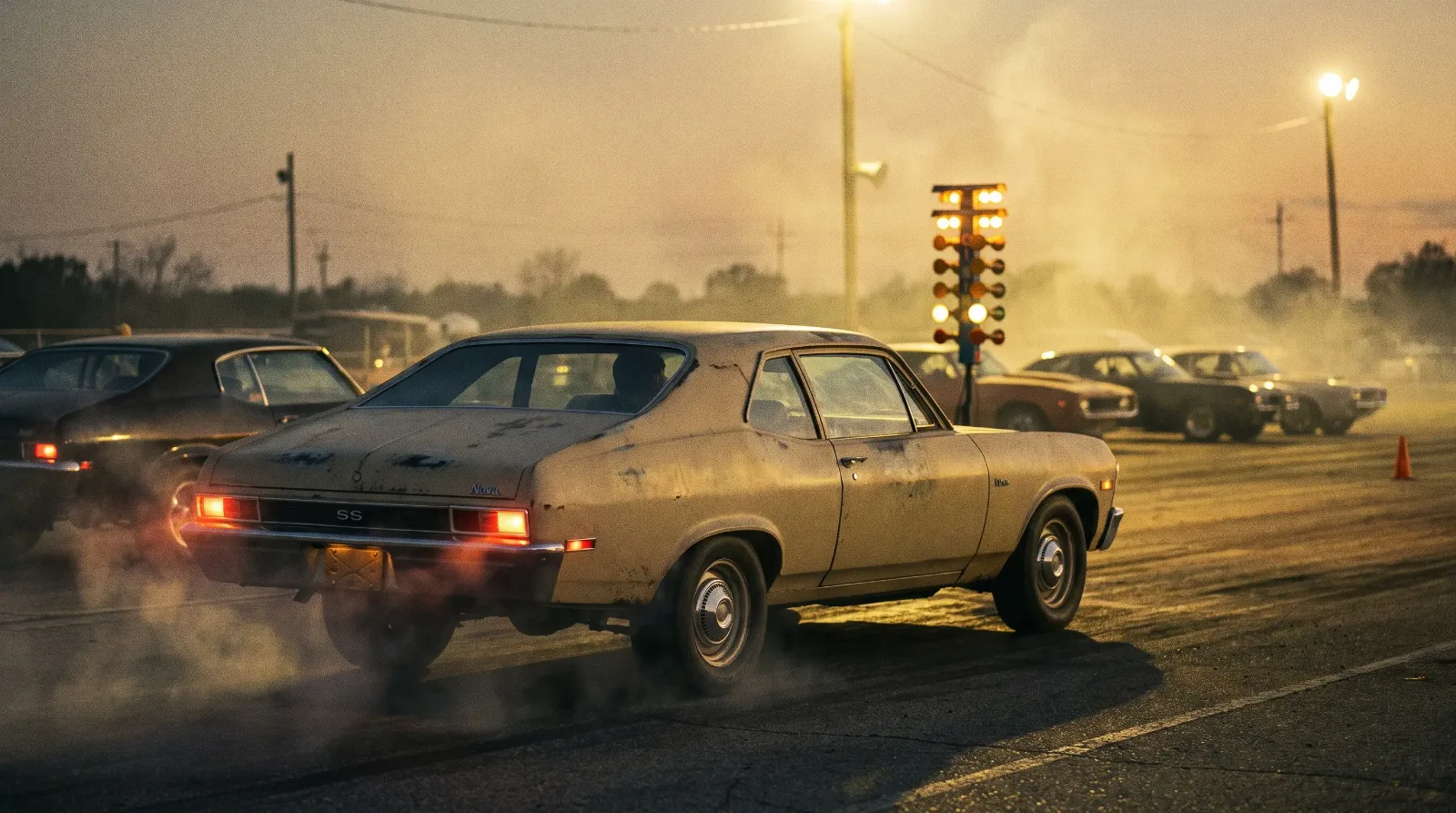
The Nova found its real home at the drag strip. It was light, it was cheap, and it took a big engine without complaint, which is the exact recipe a racer wants. Stock-class and bracket racers ran them by the thousands, and the aftermarket grew up around them. To this day the Nova is a default platform for a street or strip build because everything is available and nothing about it is exotic.
The culture around these cars is working-class, and that is the point. This was never a rich man's car when it was new. It was the car a young guy bought with a couple of paychecks and a plan. That honest, hot-rod origin is why the Nova still shows up at every cruise night and every grassroots race in the country. You do not have to explain a Nova to anybody. They already get it.
If the itch has set in and you want to see what survivors and project cars are actually trading for, browsing the current crop of classic Chevy Novas for sale is the fastest way to calibrate your expectations before you go looking in person.
What the classic Nova is worth now
Let me be blunt about the money, because this is where people make mistakes. The 1968 to 1970 SS cars, especially real big-block examples with documentation, are the ones that bring serious money. A genuine, documented Yenko is in a class by itself and priced like a rare muscle car, not a compact.
Everything else is more reasonable, and that is good news. A clean small-block third-gen coupe is still an attainable classic. The four-door sedans and the six-cylinder cars are the bargains, and there is nothing wrong with them if you want a driver instead of an investment. The trap is the tribute car dressed up to look like an SS. There are far more SS-badged Novas running around than Chevrolet ever built, so if you are paying SS money, you had better see the paperwork.
"The biggest mistake I see is a guy paying real-SS prices for a six-cylinder car with a stripe kit and a cowl hood. The badge is not the car. Check the VIN, check the cowl tag, and if the seller gets nervous when you ask, walk away. There is always another Nova."
— Mike Sullivan
The fourth generation and the quiet end in 1979
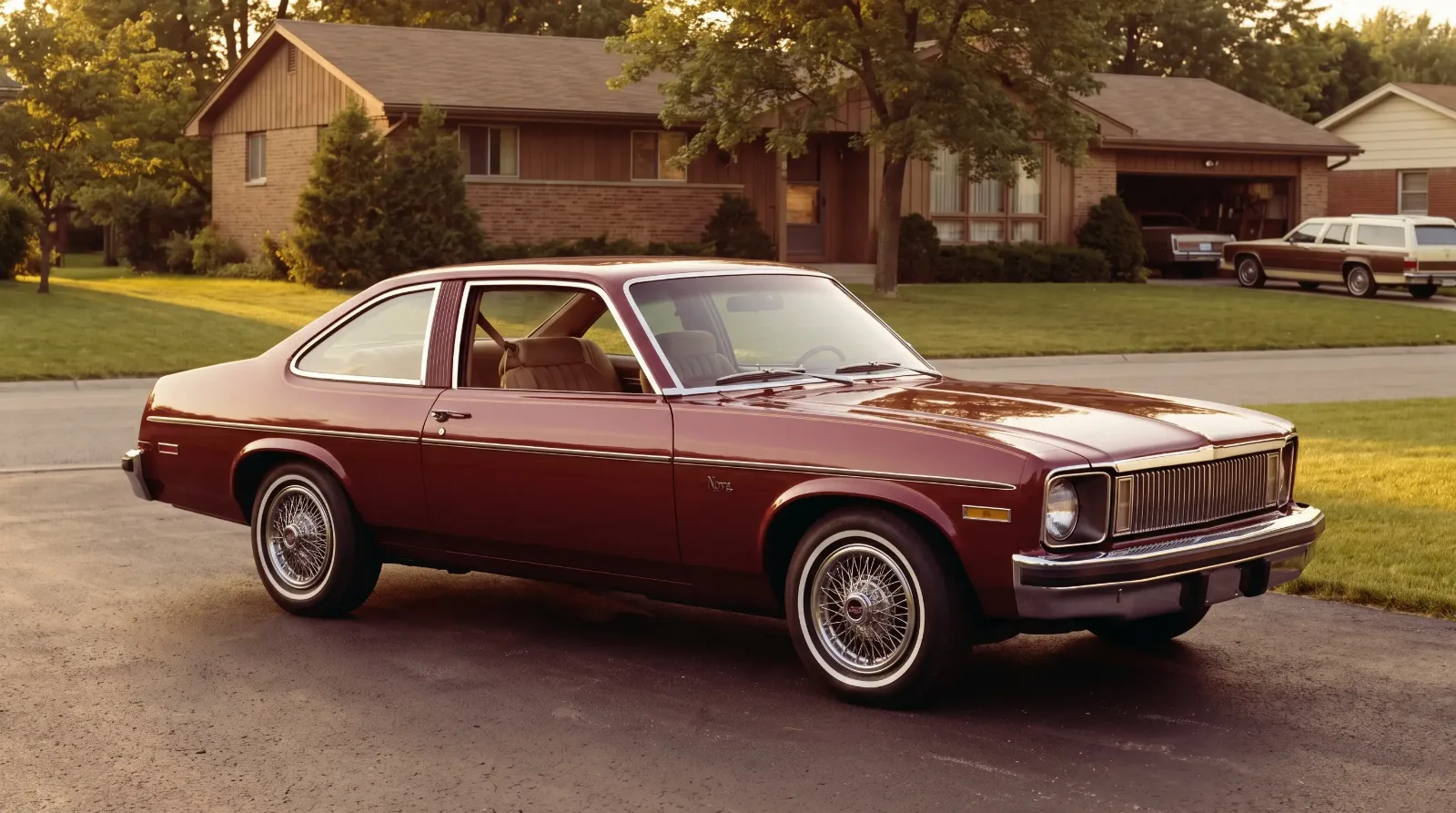
The last classic Nova generation ran from 1975 through 1979. It was a bigger, softer car that added a hatchback body and leaned toward comfort over muscle. The engines were choked down by emissions equipment, and the wild horsepower era was over. You could still get a 350, but it was a shadow of the L78 days.
That does not make these cars worthless. The 1975 to 1979 Novas are honest, easy to own, and cheap to get into, and the platform underpinned the Pontiac Ventura, Buick Apollo, and Oldsmobile Omega badge-engineered cousins, so parts are everywhere. The chassis also lived on under the Camaro of the era, which is why so many of these turn into capable pro-touring builds today.
Chevrolet ended the rear-drive Nova after 1979. The name came back in the 1980s on a front-drive economy car built with Toyota, and that car is a different animal that most enthusiasts politely ignore. When a gearhead says Nova, they mean the 1962 to 1979 rear-drive cars, and they usually mean the muscle years in the middle.
That is the arc. A rushed answer to the Falcon became a hot-rod icon, peaked with a big-block in a compact body, and bowed out as a mild-mannered commuter. The chevy nova earned its place the hard way, at the strip and in the driveway, and it is still one of the best value entries into classic American muscle for anybody willing to read a cowl tag before they sign the check.
Sources and notes
- Chevrolet Chevy II / Nova - Wikipedia
- Rare Rides: The 1968 Chevrolet COPO Nova SS 396 - Street Muscle
- Rare Rides: The 1969 Yenko Nova S/C 427 - Street Muscle
- 1969 Yenko 427 Novas - The Supercar Registry
- 1968 Chevrolet Chevy II Nova SS 396 375-hp Specs - Automobile Catalog
- 1964 Chevrolet Chevy II Nova SS 283 V-8 Specs - Automobile Catalog