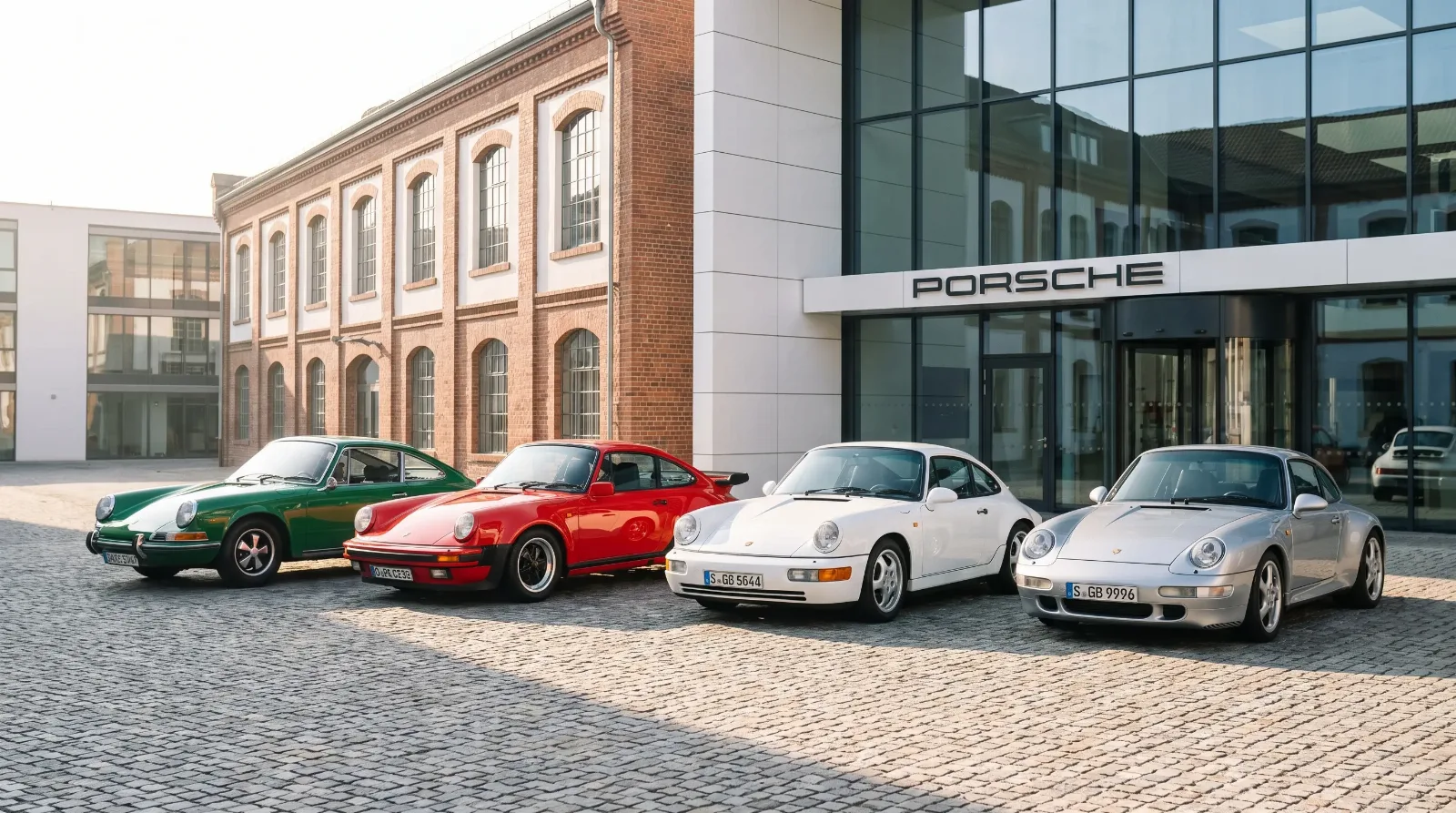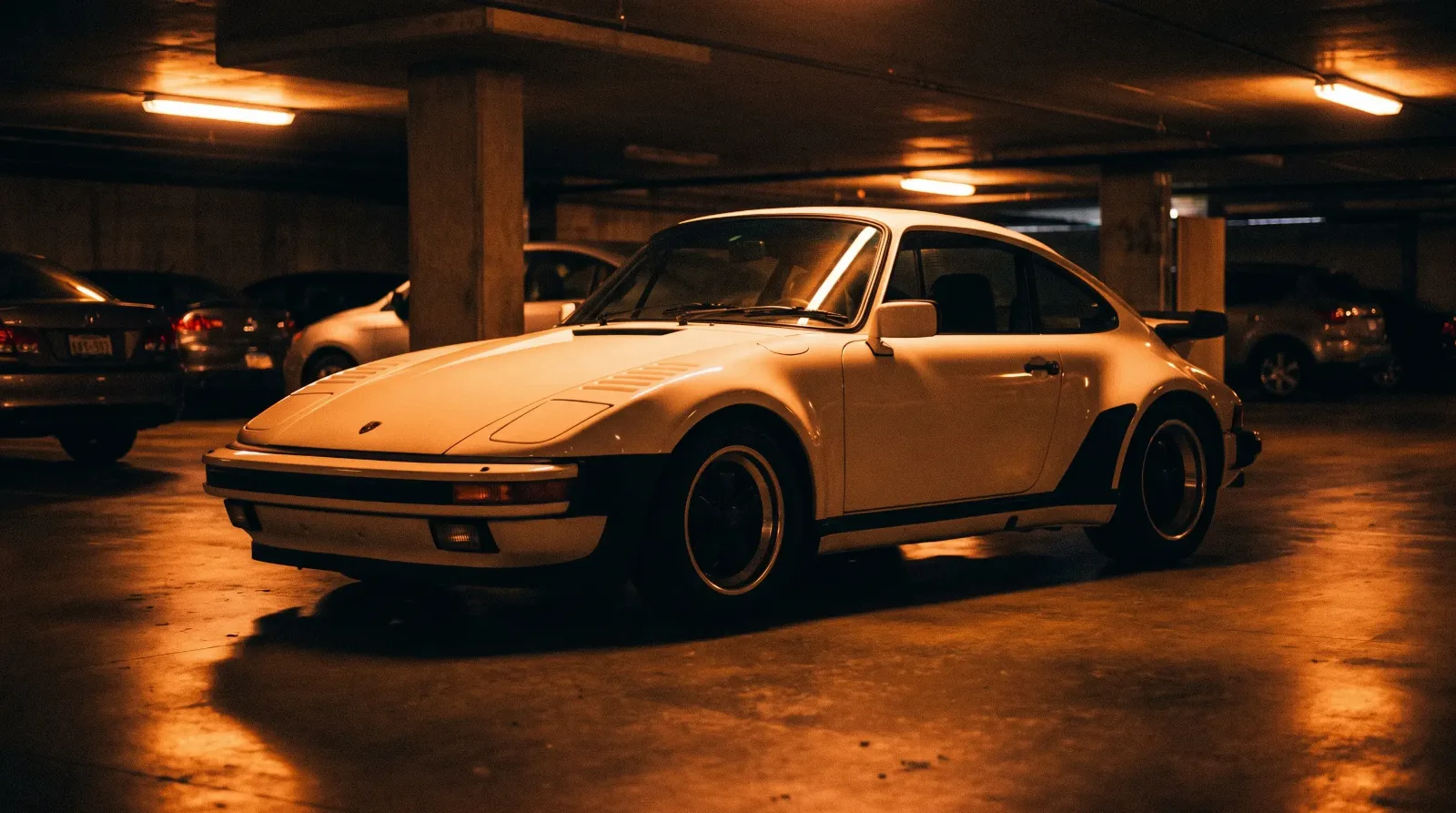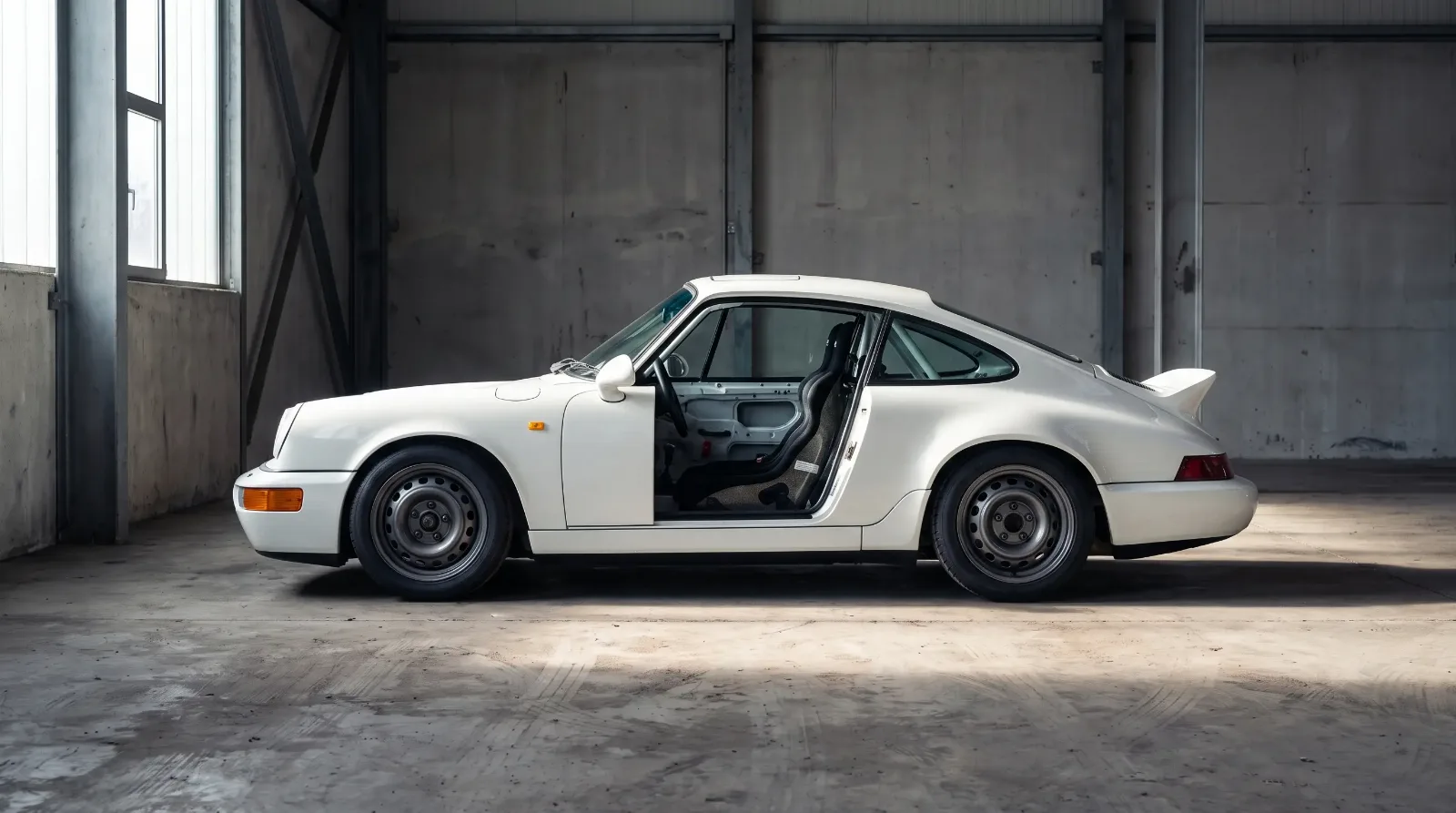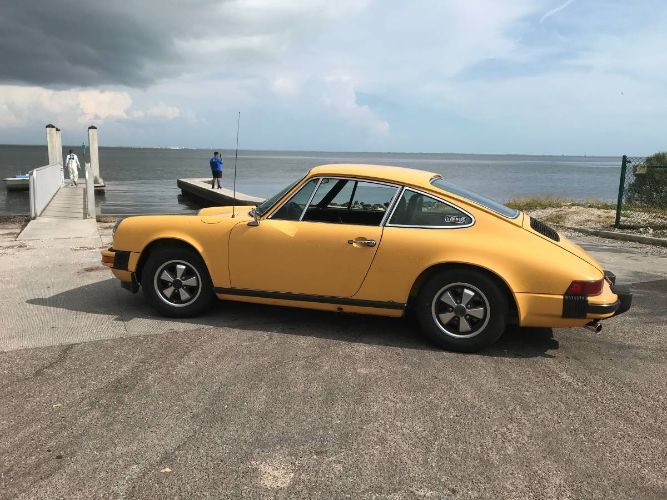
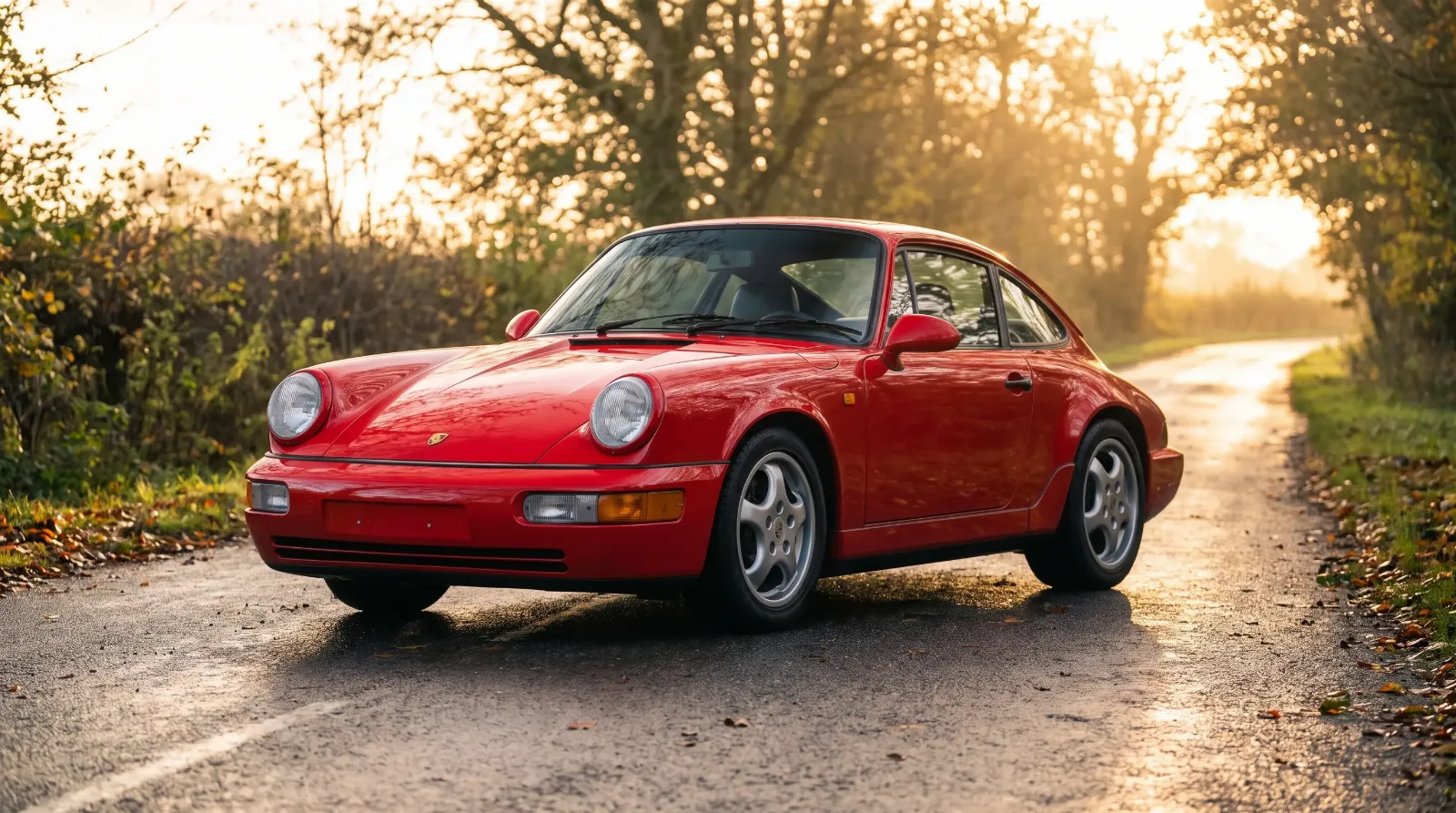
A friend of mine bought his first 911 in 2009, a tired 1990 Carrera 2 with a cracked dash and a suspension that clunked over every seam in the pavement. He didn't know much about Porsche history at the time. He just knew the car felt different from the air-cooled 911s his buddies drove, more composed, less nervous over bumps, easier to trust in the wet. What he'd stumbled into, without knowing the name for it yet, was the porsche 964, the generation Porsche built specifically to fix the things that scared people about owning a 911.
The 964 arrived for the 1989 model year carrying a reputation problem nobody at Porsche wanted to say out loud. The 911 by the late 1980s had a well earned image as a car that could bite an inexperienced driver, its rear engine layout making the tail come around fast if you lifted off the throttle mid corner. Porsche needed the 911 to survive into a new decade with tightening emissions rules, new competitors from Germany and Japan, and a buyer base that increasingly wanted usable performance rather than a machine that demanded respect. The 964 was the answer, and it changed more of the car than most owners realized at the time.
Eighty five percent new, in Porsche's own words
Porsche's marketing claimed the 964 was eighty five percent new compared to the outgoing G-series 911, and while that number was always going to be debated by engineers with calculators, the substance behind it was real. The torsion bar suspension that had defined every 911 since 1963 was gone, replaced by coil springs, a genuinely significant engineering shift for a car whose owners treated the torsion bar setup as sacred. Power steering arrived on a 911 for the first time. So did anti-lock brakes as standard equipment. The bumpers, previously bolt-on chrome affairs, were now body colored and integrated, softening the silhouette in a way that some purists resented and plenty of new buyers appreciated.
Under the rear decklid sat a new 3.6 liter flat six, up from the 3.2 liter unit in the last of the G-series cars, producing 247 hp (250 PS) in naturally aspirated Carrera form. It wasn't a dramatic power increase on paper. What mattered more was how the whole car now behaved together, chassis and engine and steering finally speaking the same language instead of asking the driver to manage a collection of separate compromises.
"Nobody at a cars and coffee meet gets excited pointing at a 964's coil springs. But that unglamorous suspension swap is the reason a whole generation of drivers who'd been warned off 911s by their friends actually bought one and kept it. Comfort sells cars. Reputation for biting you does not."
— Patrick Walsh
Carrera 4 changed the conversation about grip
The single biggest departure the 964 introduced wasn't visible from the outside at all. The Carrera 4, launched alongside the rear-drive Carrera 2, gave the 911 all-wheel drive for the first time in the model's history, a system developed with input from Porsche's success in rally and endurance racing. For a car whose entire personality had been built around the drama of a rear-engine, rear-drive layout, offering all-wheel drive was almost a philosophical statement. Porsche was telling a certain kind of buyer, the one who wanted year round usability more than a raw handling challenge, that the 911 could meet them halfway without losing what made it a 911.
The Carrera 2 arrived a year after the Carrera 4 and quickly became the volume seller, offering the more familiar rear-drive dynamics with all the 964's other improvements layered on top. Porsche also made a Tiptronic automatic transmission available on the Carrera 2, a decision that raised eyebrows among enthusiasts at the time but opened the car to buyers who'd never have considered a 911 with a manual gearbox as their daily driver.
The Turbo held on to its character while everything changed around it
While the naturally aspirated cars modernized aggressively, the early 964 Turbo initially carried over the 3.3 liter turbocharged engine from the outgoing 930, a deliberate choice that kept the Turbo's specific character intact while the rest of the lineup absorbed the new chassis and suspension. Porsche eventually brought the Turbo up to 3.6 liters partway through the 964's run, and the limited run Turbo S variants that followed pushed further still, aimed squarely at buyers who wanted the old car's ferocity wrapped in the new car's composure.
| Variant | Engine | Drivetrain |
|---|---|---|
| Carrera 2 | 3.6L flat six, 247 hp | Rear-wheel drive |
| Carrera 4 | 3.6L flat six, 247 hp | All-wheel drive |
| Turbo (early) | 3.3L turbocharged flat six (carried over) | Rear-wheel drive |
| Turbo (later) / Turbo S | 3.6L turbocharged flat six | Rear-wheel drive |
Where the 964 sits in the bigger story
It's easy, looking back from a couple of decades on, to treat the 964 as a footnote between the beloved original air-cooled cars and the water-cooled 996 that eventually replaced the format everyone associated with a real 911. That undersells what Porsche actually pulled off. The 964 kept the flat six, the silhouette, and the rear-engine layout intact while quietly rebuilding almost everything else underneath, and it did that at a moment when the company's own finances were shaky enough that a wrong bet here could have ended the 911 outright. Reading the 911 saga end to end, the 964 is the generation where Porsche proved the car could evolve without losing the thing that made people fall for it in the first place.
The 964 also set up one of the most respected performance variants in the whole model line. Porsche stripped weight and sharpened the chassis for the Carrera RS a couple of years into the 964's run, a car built for buyers who wanted none of the coil spring comfort and all of the old car's rawness back. For a related deep-dive on how Porsche built that lightweight counterpoint to the 964's daily-driver ambitions, it's worth reading alongside this one, since the two cars were built from the same platform pointed in almost opposite directions.
Buying a 964 today
Values on clean 964s have moved considerably since my friend's 12,000 dollar Carrera 2 in 2009, and the cars that command the strongest money now are documented, well maintained examples with service records that show the known weak points were addressed rather than ignored. The dual-mass flywheel and the engine's tendency toward oil leaks around certain seals are the two items worth budgeting for before you buy rather than after. A pre-purchase inspection from a shop that knows the 964 specifically, not just 911s generally, is money well spent given how much changed under the skin compared to the cars that came before it.