
Walk any American cars-and-coffee at seven in the morning and you can hear it before you see it. That flat, mechanical clatter, air whistling through cooling fins, an engine hung out behind the rear axle where every sensible engineer said it should never go. Then a Porsche 911 rolls into the light and the argument ends. This is the shape that refused to die, the one Porsche has spent sixty years trying to replace and never could. To understand why, you have to go back to the beginning, to a small company in Stuttgart with one good idea and the stubbornness to keep refining it.
Car Features
9 min read
The Porsche 911 Saga: Birth of an Icon (1964–1998)
From the 901 name fight to the last air-cooled 993, this is how one stubborn silhouette became the most recognizable sports car ever built.
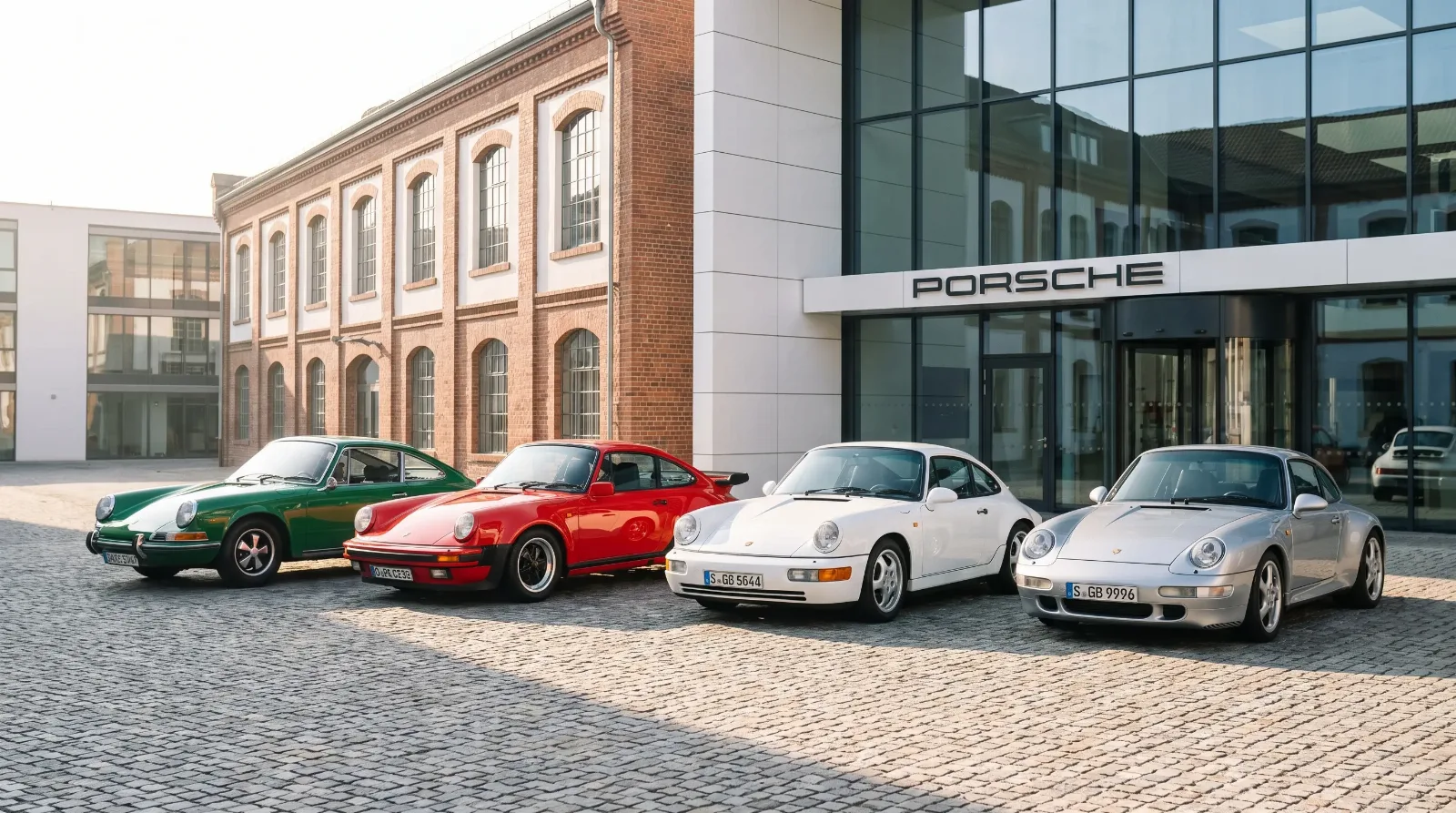
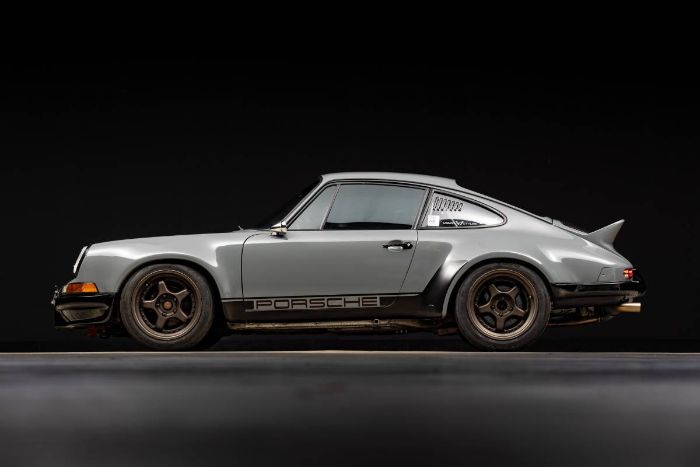
The story of the porsche 911 history is really the story of a single silhouette learning to survive. Between 1964 and 1998 the air-cooled 911 grew from a 130-horsepower coupe into a genuine supercar killer, and it did it without ever abandoning the basic layout it was born with. That is the part collectors and enthusiasts still find remarkable. If you want the full arc from Ferry Porsche's first sketches onward, read the complete Porsche history and then come back for the chapter that matters most.
The car that was almost called the 901
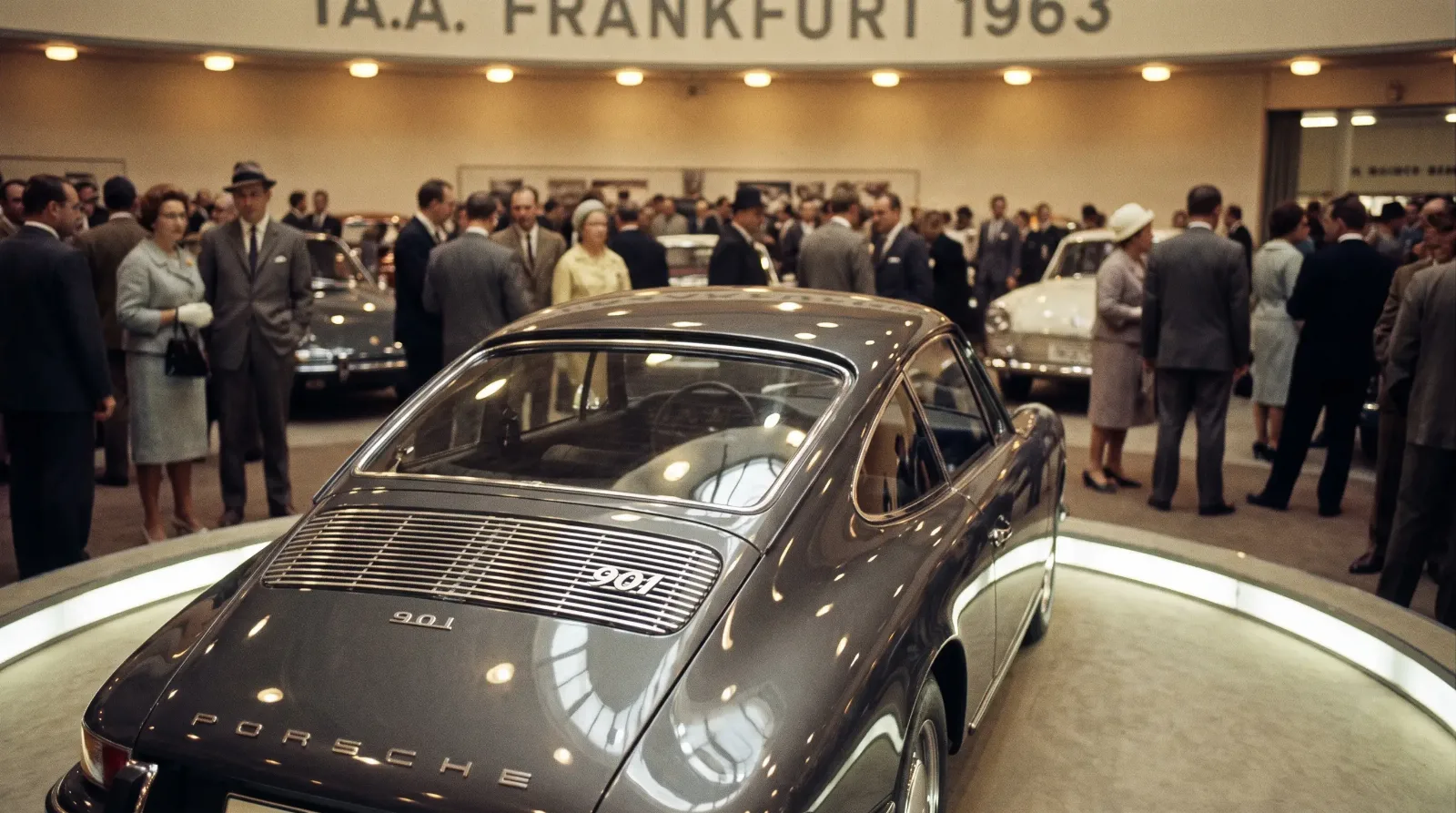
Porsche showed the new car at the Frankfurt motor show in September 1963, wearing the badge 901. It was meant to succeed the 356, the little curved-fender coupe that had carried the company through the 1950s. Ferdinand Alexander Porsche, known to everyone as Butzi and grandson of the founder, had drawn the body. It was longer and taller than the 356, with a fastback roofline and those four round headlamps that would become a signature no marketing department could improve on.
Then Peugeot got involved. The French company held trademark rights across Europe to three-digit car names with a zero in the middle, and it had used dozens of them. Porsche, rather than fight, simply swapped the middle digit. The 901 became the 911. Only 82 cars left the factory wearing the original 901 name before the change, which makes those early examples some of the most valuable Porsches on earth today.
Production proper began in 1964. The first 911 carried a 2.0-liter air-cooled flat-six making about 130 horsepower, a real jump over the four-cylinder 356 it replaced. For buyers who wanted the shape without the six-cylinder price, Porsche also sold the four-cylinder 912, but the six was always the heart of the thing. It sang. It revved. And it hung entirely behind the rear wheels, which gave the 911 both its unmistakable balance and its lifelong reputation for biting the careless.
The longhood years, 1964 to 1973
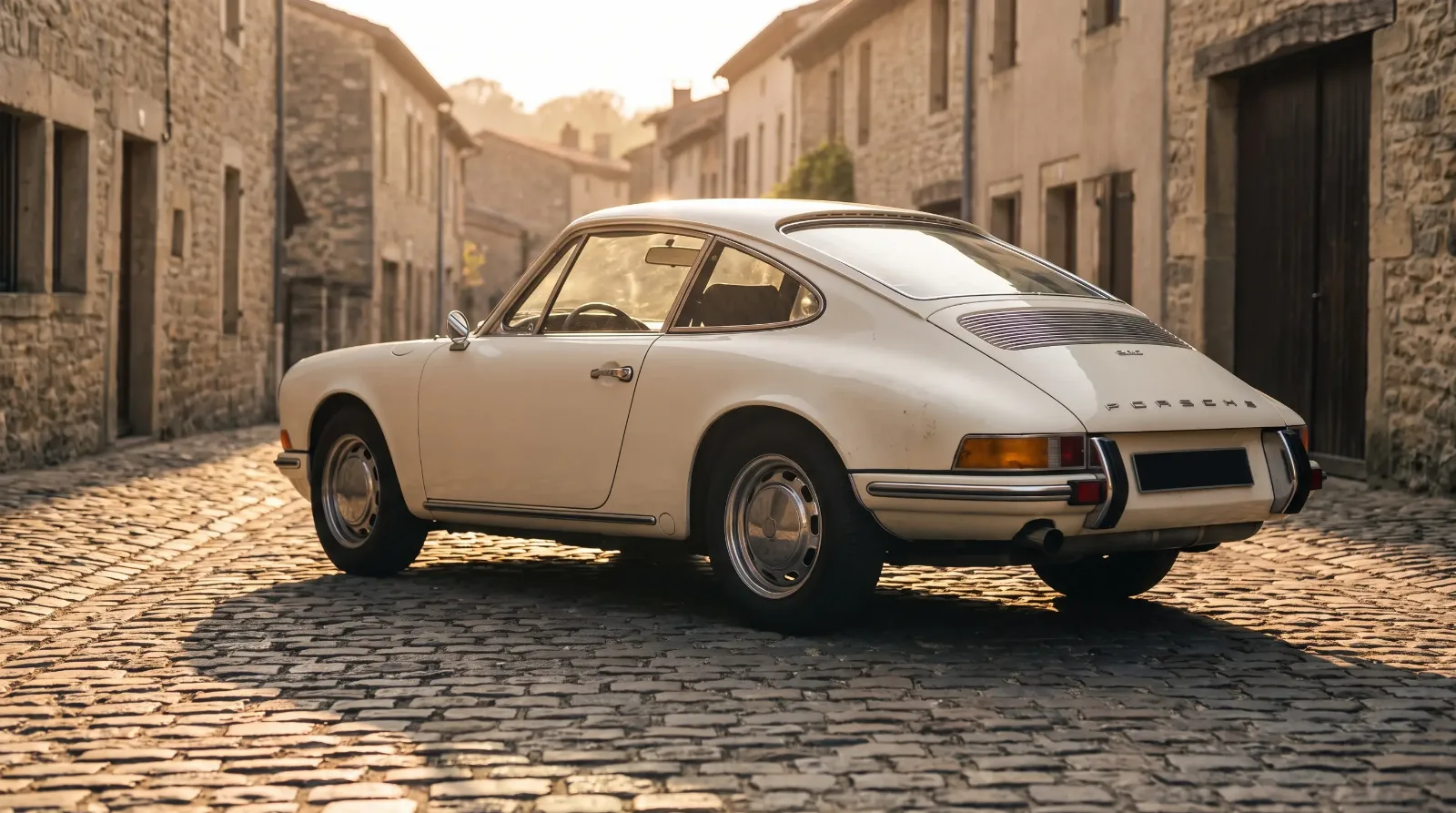
Enthusiasts call the earliest cars the longhoods, after the long front bonnet that ran uninterrupted before impact bumpers arrived. These are the purest 911s, and for many collectors the most beautiful. Over nine model years Porsche crept the displacement upward, from 2.0 to 2.2 to 2.4 liters, and stretched the wheelbase slightly in 1969 to calm the tail-happy handling that had frightened early testers.
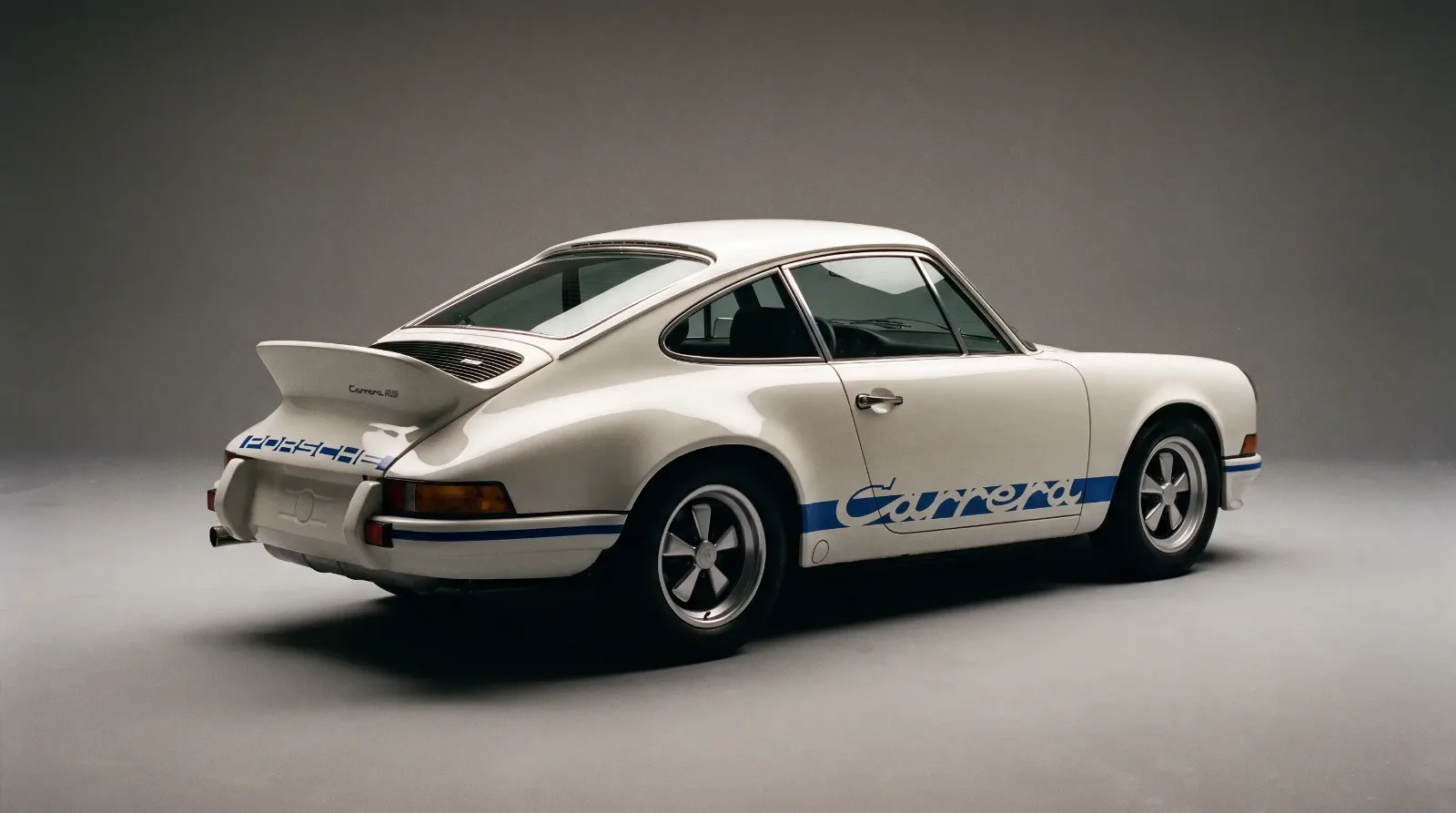
The longhood era gave us the first legends. The 911S arrived in 1966 with Fuchs alloy wheels, the forged five-spoke design that is now shorthand for classic Porsche cool. And in 1973 came the car that closed the chapter with an exclamation mark: the Carrera RS 2.7. Built to homologate the model for racing, it paired a 2.7-liter engine of roughly 210 horsepower with a lightweight body and the first factory ducktail spoiler. Porsche planned to build 500 cars to satisfy homologation rules. Demand forced them to make more than 1,580, and every one is now a seven-figure conversation.
Impact bumpers and the G-series survival act
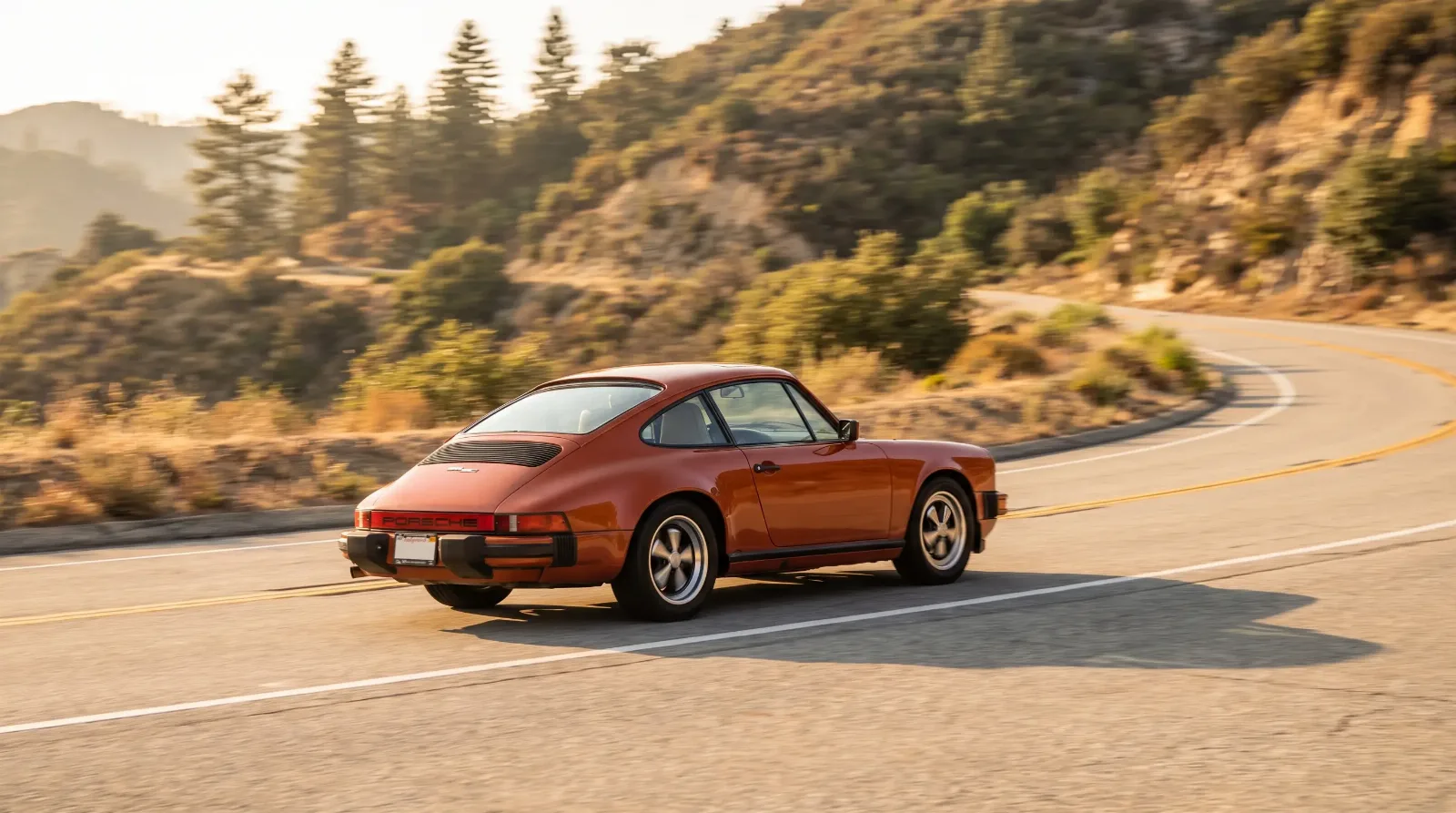
In 1974 the 911 changed in a way you can spot from across a parking lot. New United States regulations required bumpers that could survive a five-mile-per-hour hit, so Porsche redesigned the front and rear with accordion-bellows bumpers that tucked neatly into the body. This began the G-series, which ran in various forms all the way to 1989 and represents the longest single stretch of the air-cooled car's life.
It was not an easy decade to be a sports car. Fuel crises, emissions rules, and a management team that genuinely believed the 911 was finished all pressed down at once. Porsche developed the front-engined 928 to replace it. The 928 was brilliant, and it sold, but buyers kept coming back to the shape at the back of the showroom. The 911 outlived its intended successor and never looked back.
The G-series also gave the world the 911 Turbo, the 930, in 1975. With its whale-tail spoiler, flared arches, and violent boost delivery, the 930 defined the supercar of the late 1970s and earned a darker nickname, the widowmaker, for the way its turbo lag could snap the tail loose the instant you got greedy with the throttle. By the time the 911 SC arrived in 1978 with a 3.0-liter engine, and the Carrera 3.2 followed in 1984 with about 231 horsepower in European tune (207 in US emissions trim) and a fully galvanized rustproof body, the 911 had quietly become one of the best-built cars money could buy.
The 964 and the reinvention nobody noticed
By the late 1980s the 911 looked ancient on paper. So in 1989 Porsche launched the 964, and here is the trick they pulled: it looked almost identical to the car before it, yet the company claimed roughly 85 percent of the parts were new. Underneath the familiar body sat coil springs instead of torsion bars, power steering, ABS, and a smooth new 3.6-liter flat-six making around 247 horsepower.
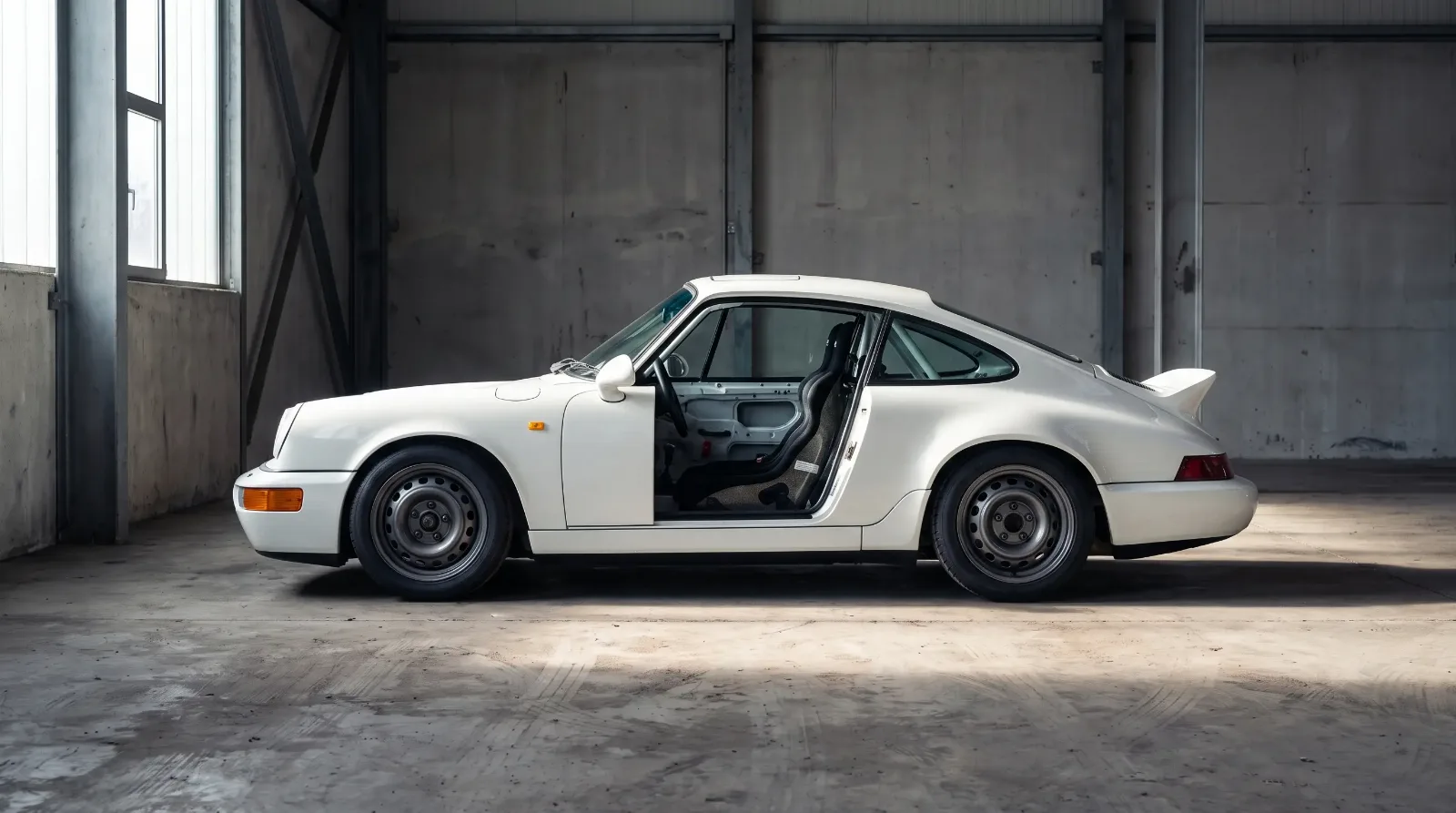
The headline car was the Carrera 4, the first all-wheel-drive 911, technology handed down from the wild 959 supercar. Suddenly the 911 could put its power down in the wet without demanding a test pilot behind the wheel. Purists grumbled that four-wheel drive diluted the character, and Porsche answered them with the rear-drive Carrera 2 and, better still, the stripped 964 Carrera RS, a lightweight throwback built for drivers who wanted the old sensations with the new hardware. The 964 was the bridge generation, the moment the 911 stopped being a stubborn relic and became a modern car in a vintage suit.
The 993 and the end of the air
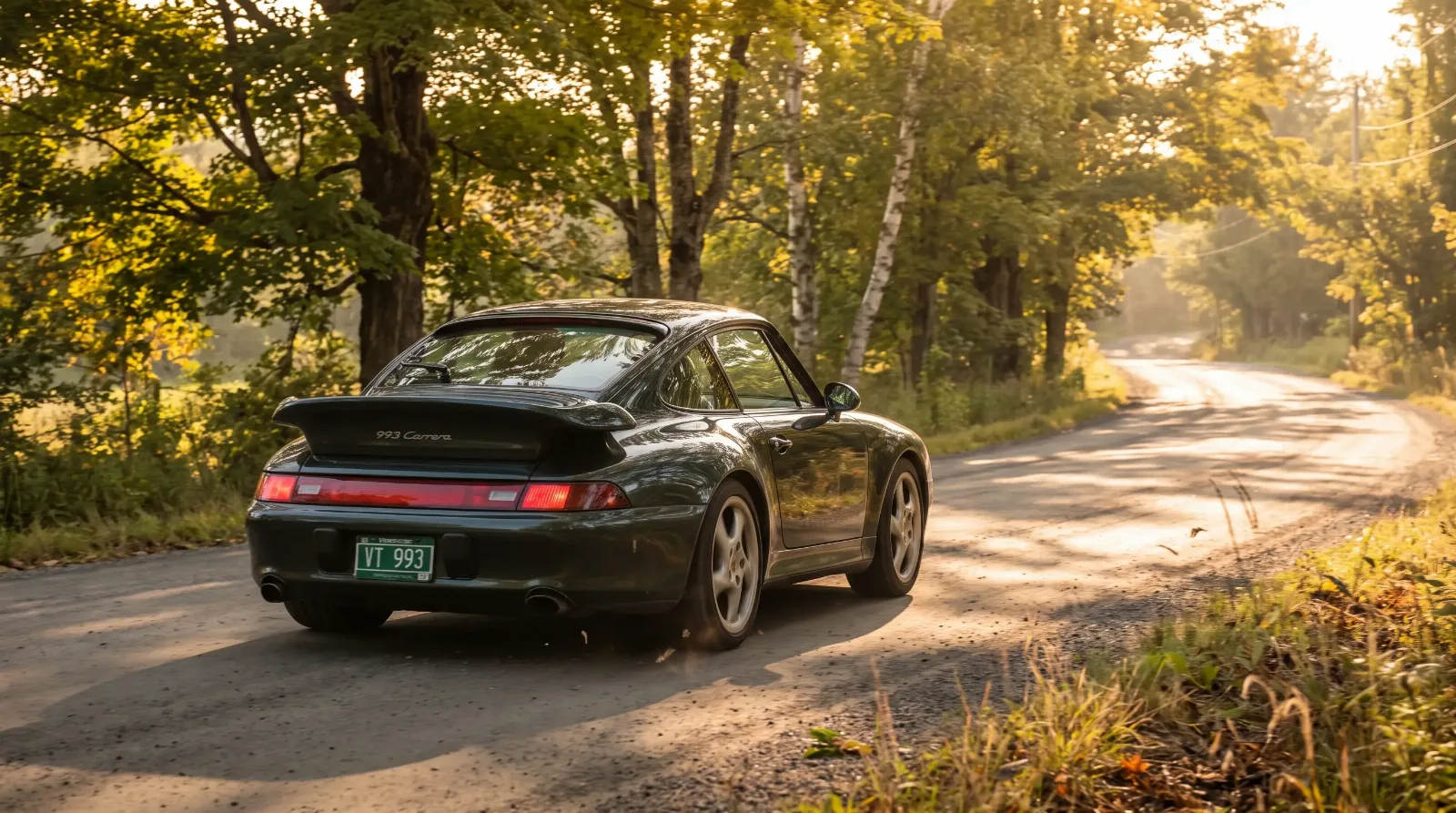
Then came the one everyone points to. The 993, sold from 1994 through 1998, is the last air-cooled 911, and time has been very kind to its reputation. Butzi's original roofline finally got new bodywork, softer and wider, with laid-back headlamps that gave the car a modern face while keeping the ancestral outline. More important was what happened at the back. The 993 introduced a multi-link rear suspension that finally tamed the lift-off oversteer that had defined, and occasionally destroyed, three decades of 911s.
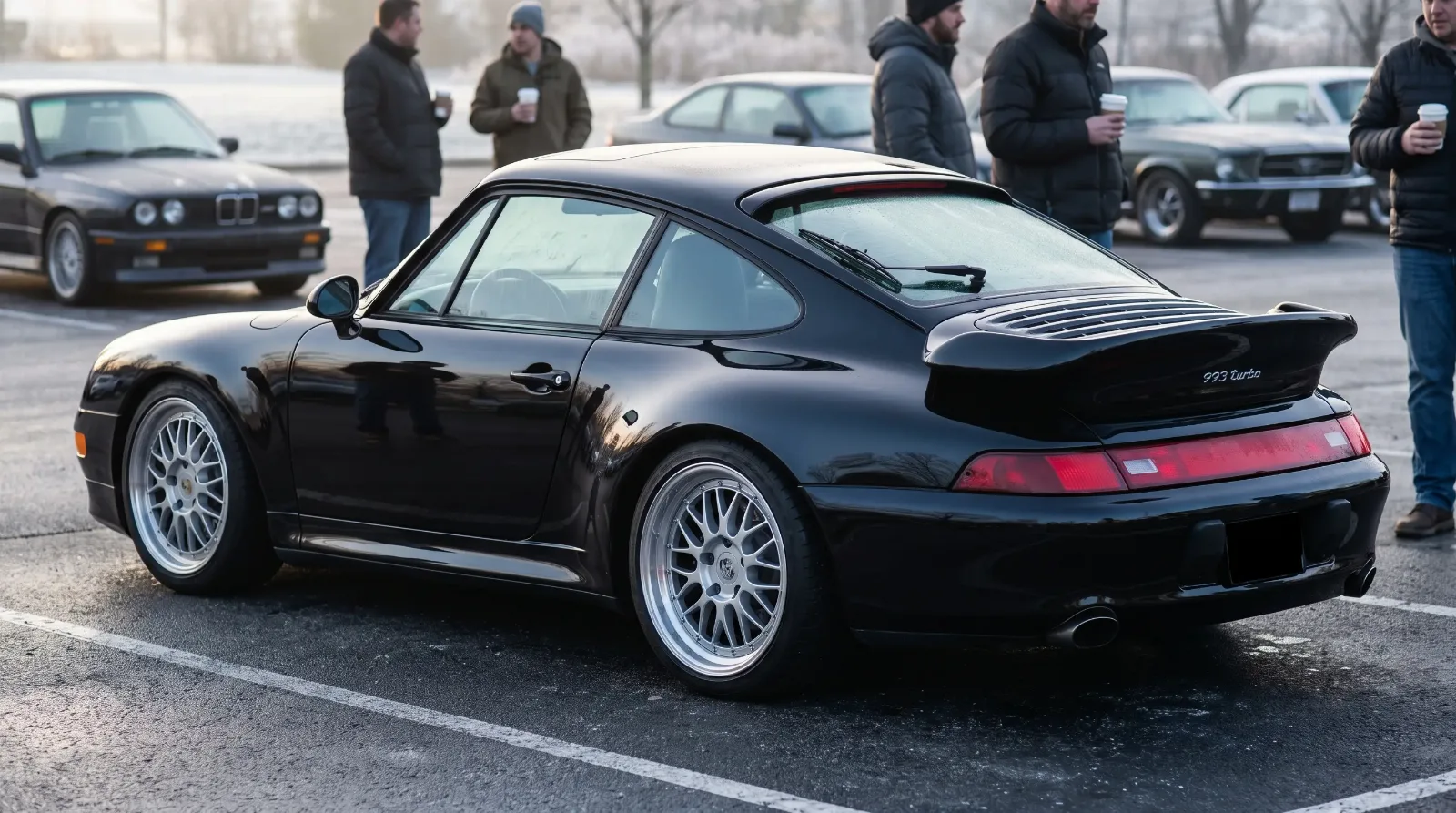
The 993 Turbo brought twin turbochargers and standard all-wheel drive, cracking supercar performance with everyday manners. But the car enthusiasts whisper about is the 993 Carrera RS and the track-only GT2, homologation specials that closed the air-cooled book at full sprint. When the water-cooled 996 arrived for 1998, an era ended. No more cooling fins, no more of that distinctive clatter cold on a winter morning. The 993 remains the sentimental peak for a reason.
"People ask me which air-cooled 911 they should buy, and I always tell them the same thing. Buy the era that speaks to you, not the one the spreadsheet says will appreciate fastest. A longhood feels like a different animal than a 993, and both are correct. That is the gift of a car that spent thirty-four years refusing to change and changing completely at the same time."
Patrick Walsh
How the air-cooled generations line up
Half the fun of learning the porsche 911 history is being able to spot a generation at a glance and know roughly what is under the decklid. Here is the shorthand every enthusiast eventually memorizes.
| Generation | Years | Engine | Signature trait |
|---|---|---|---|
| Longhood | 1964 to 1973 | 2.0 to 2.4L flat-six | Slim bumpers, purest shape, RS 2.7 finale |
| G-series | 1974 to 1989 | 2.7 to 3.2L flat-six | Impact bumpers, 930 Turbo, galvanized body |
| 964 | 1989 to 1994 | 3.6L flat-six | All-wheel-drive option, coil springs, ABS |
| 993 | 1994 to 1998 | 3.6L flat-six | Last air-cooled, multi-link rear, twin-turbo |
Every one of these still turns up for sale, from tired project longhoods to concours 993s wearing paint-to-sample colors. If reading this has you reaching for the classifieds, browse the current crop of classic 911s for sale and see which generation calls loudest.
Why the shape outlived everything around it
The remarkable thing is not that the 911 changed. It is that it changed so much while appearing to change so little. Porsche moved the engine, added drive to the front wheels, fixed the handling, doubled the power, and switched from air to water, yet the profile that Butzi drew in the early 1960s survived every one of those revolutions intact. That continuity is why a nine-year-old can point at a 911 from any decade and name it, and why the air-cooled cars now command the prices they do.
The 911 was never the obvious answer. It was too tail-heavy, too expensive, too odd. And it won anyway, on racetracks and back roads and eventually in the hearts of people who never thought they cared about sports cars. It is the rare machine that got better without getting different. To see where it all sprang from, the humble four-cylinder coupe that made Stuttgart brave enough to build a six, read the next part of the story. The 356 is where the shape was born. The 911 is where it became immortal.
Sources and notes
Related Reading
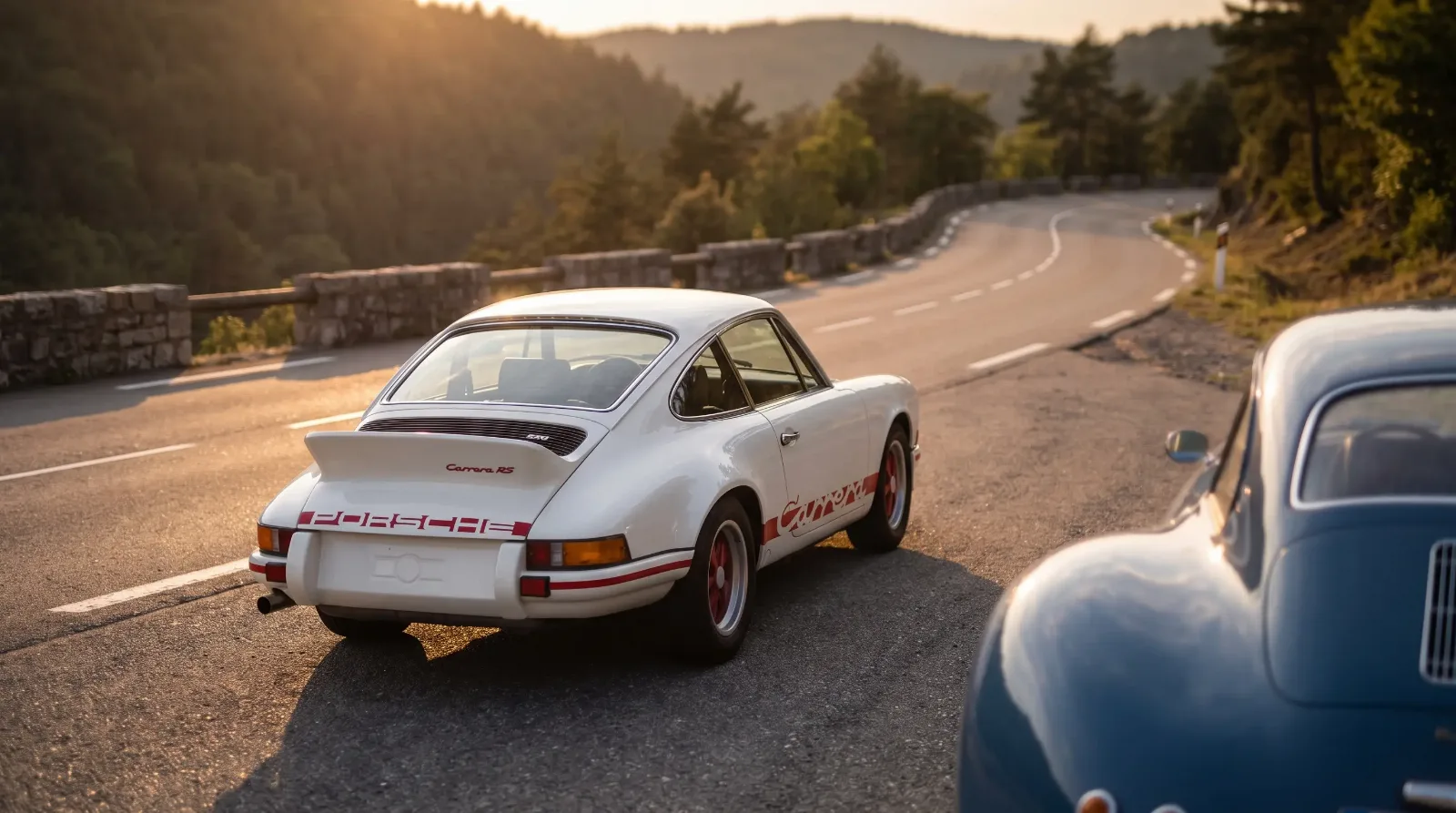
Article
The Classic Porsche Story: From 356 to the Air-Cooled Icons
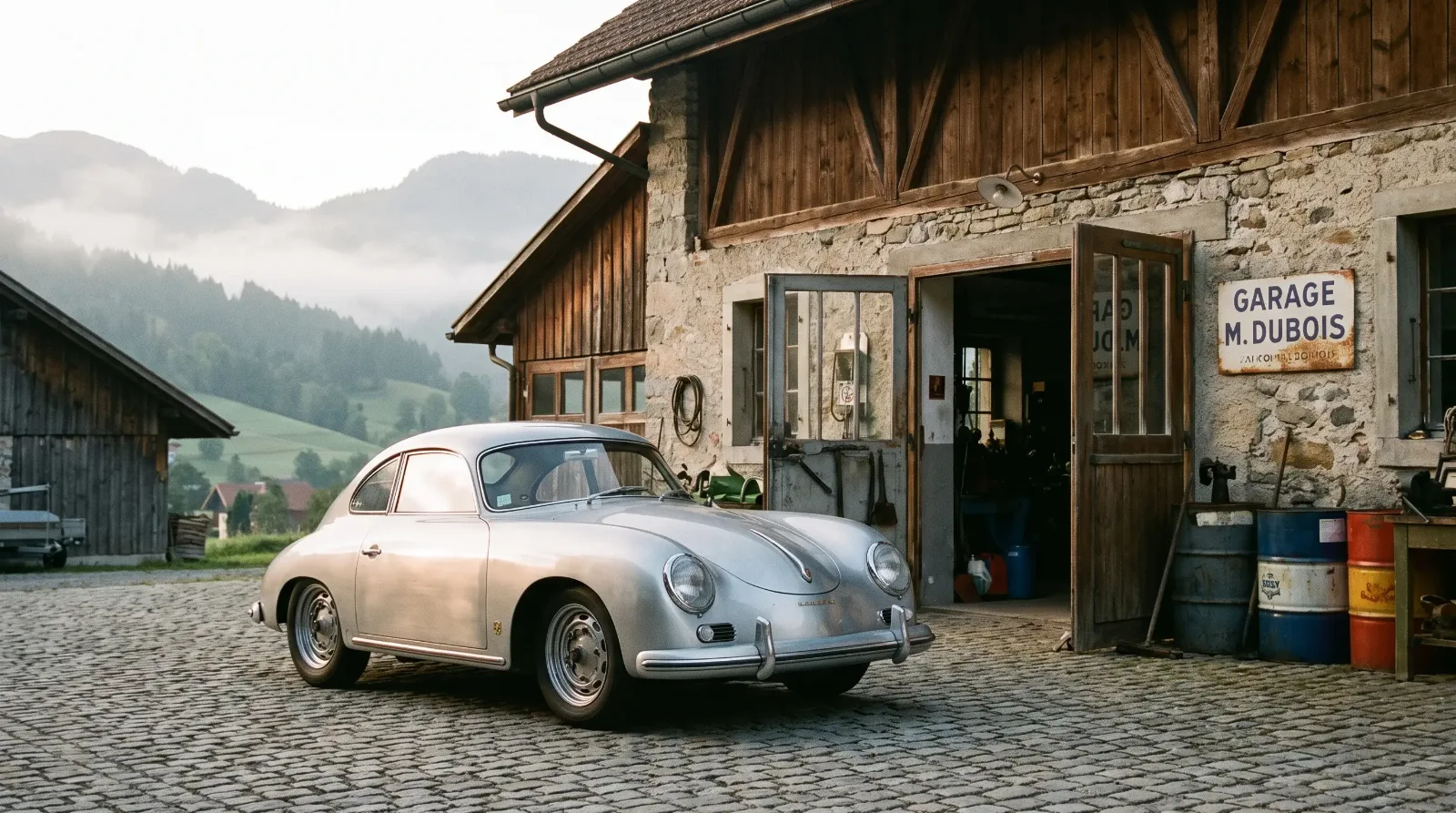
Article
Porsche 356: The Car That Started Everything
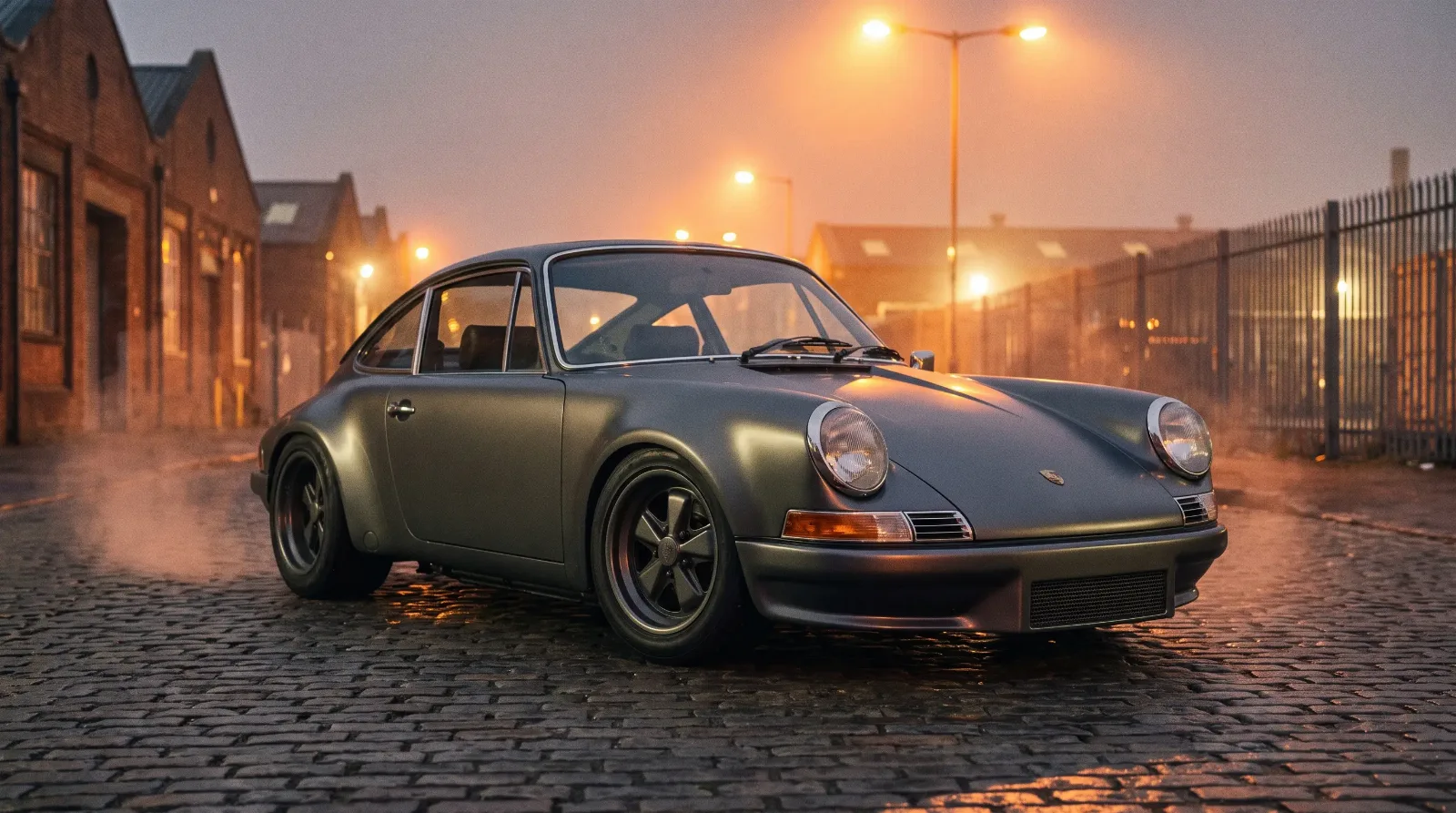
Article
The Outlaw Movement: Rebels Who Reinvented the Classic Porsche
Article
Porsche 901 to 911: The Name Fight With Peugeot
Article
The Longhood Years: Early 911 Design 1964–1973
Article
The 1973 Carrera RS 2.7: The 911 That Changed Everything
Article
Porsche 911 SC: The Everyman Air-Cooled Icon
Article
The 911 Carrera 3.2 & the G-Series Twilight
Article
Porsche 930 Turbo: The Widowmaker Legend
Article
The 911 Slantnose (Flachbau) Story
Article
Porsche 964: How the 911 Went Modern
Article
The 964 Carrera RS: Lightweight Purity Returns
Article
Porsche 993: The Last Air-Cooled 911
Article
The 993 Turbo & the End of an Era
Article
The Porsche 911 Targa: Safety Rules & a Style Icon
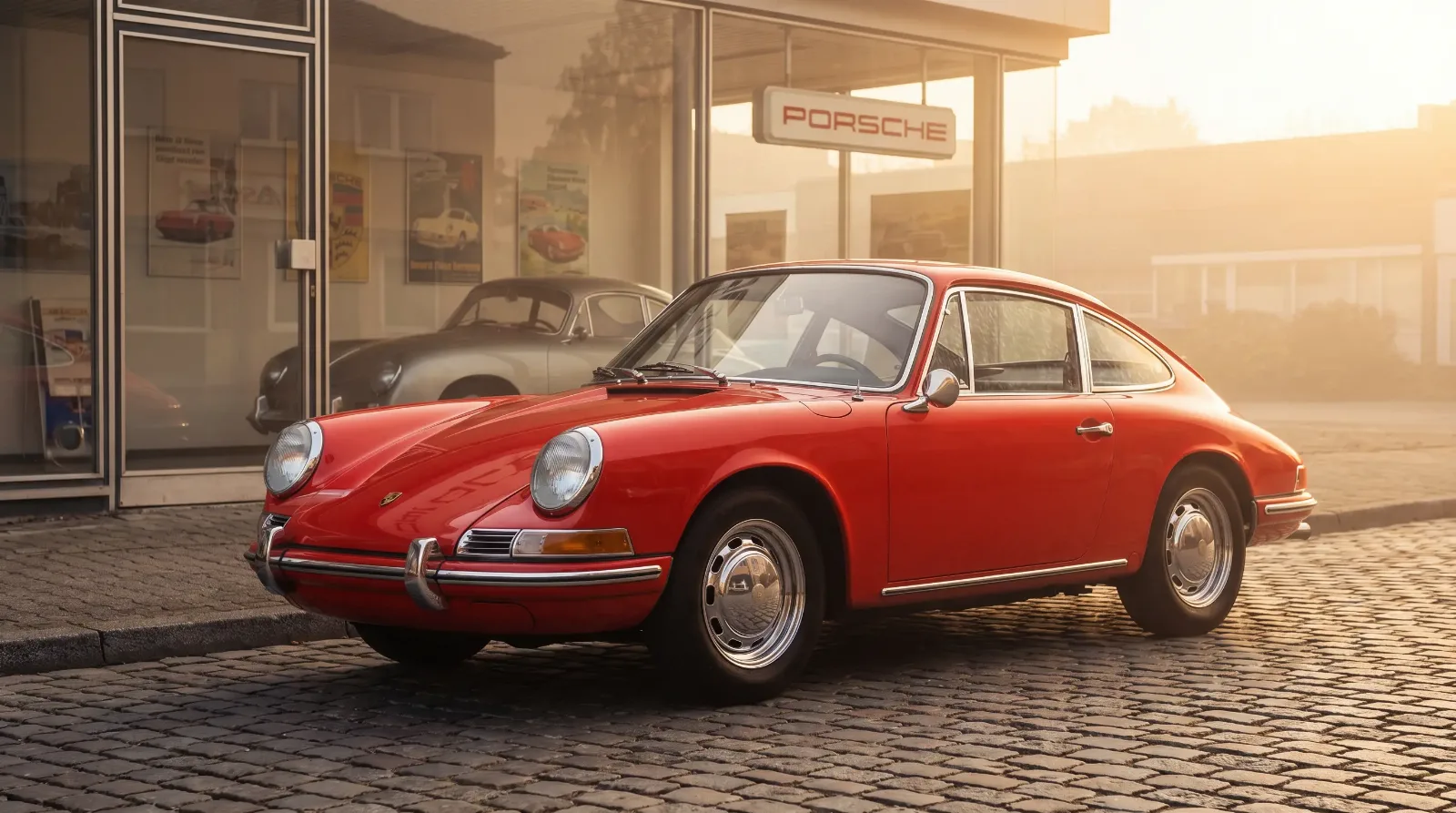
Article
Porsche 912: The Four-Cylinder Purist's 911
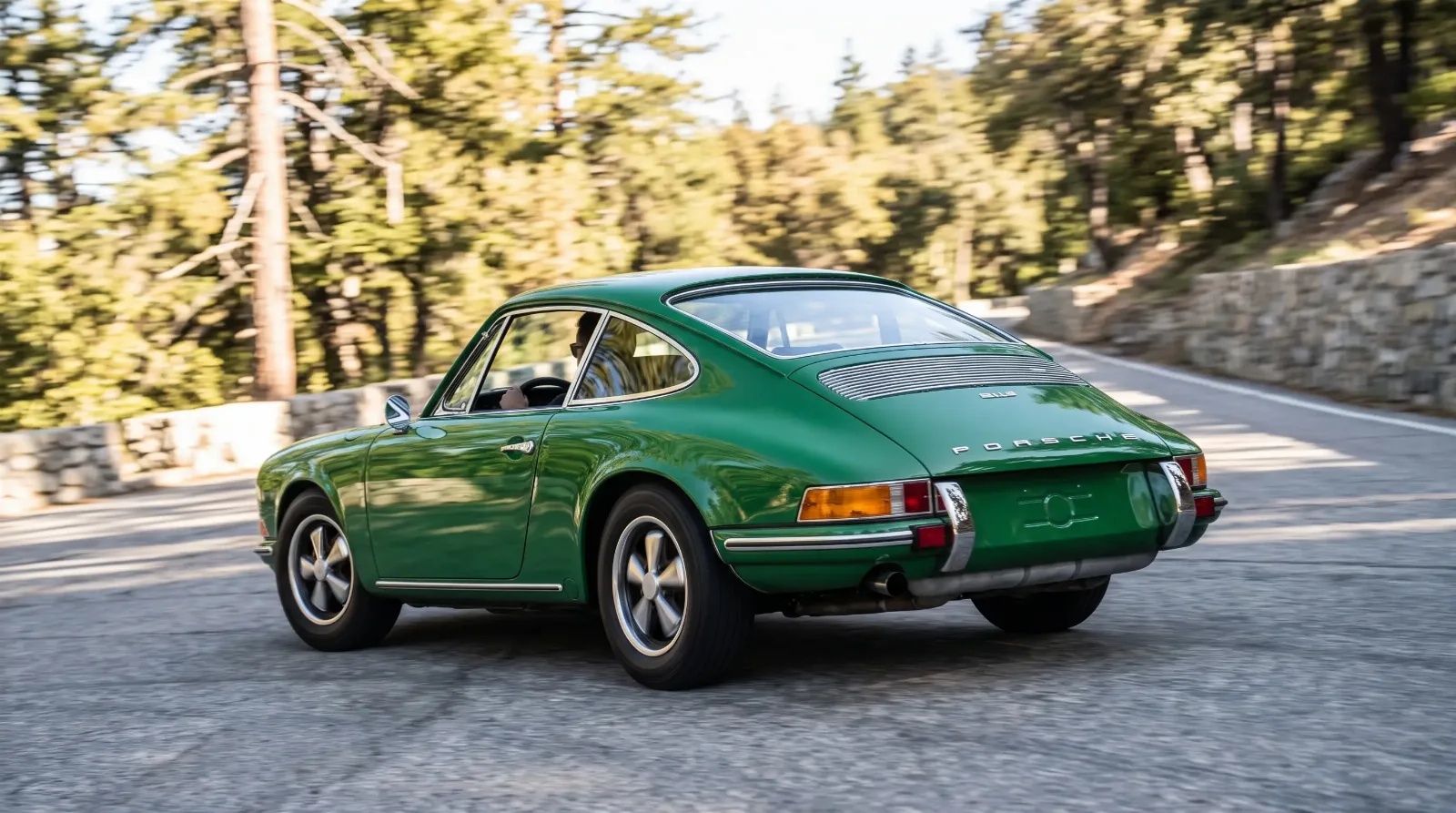
Article
Short-Wheelbase vs Long: Why Early 911s Drive Different
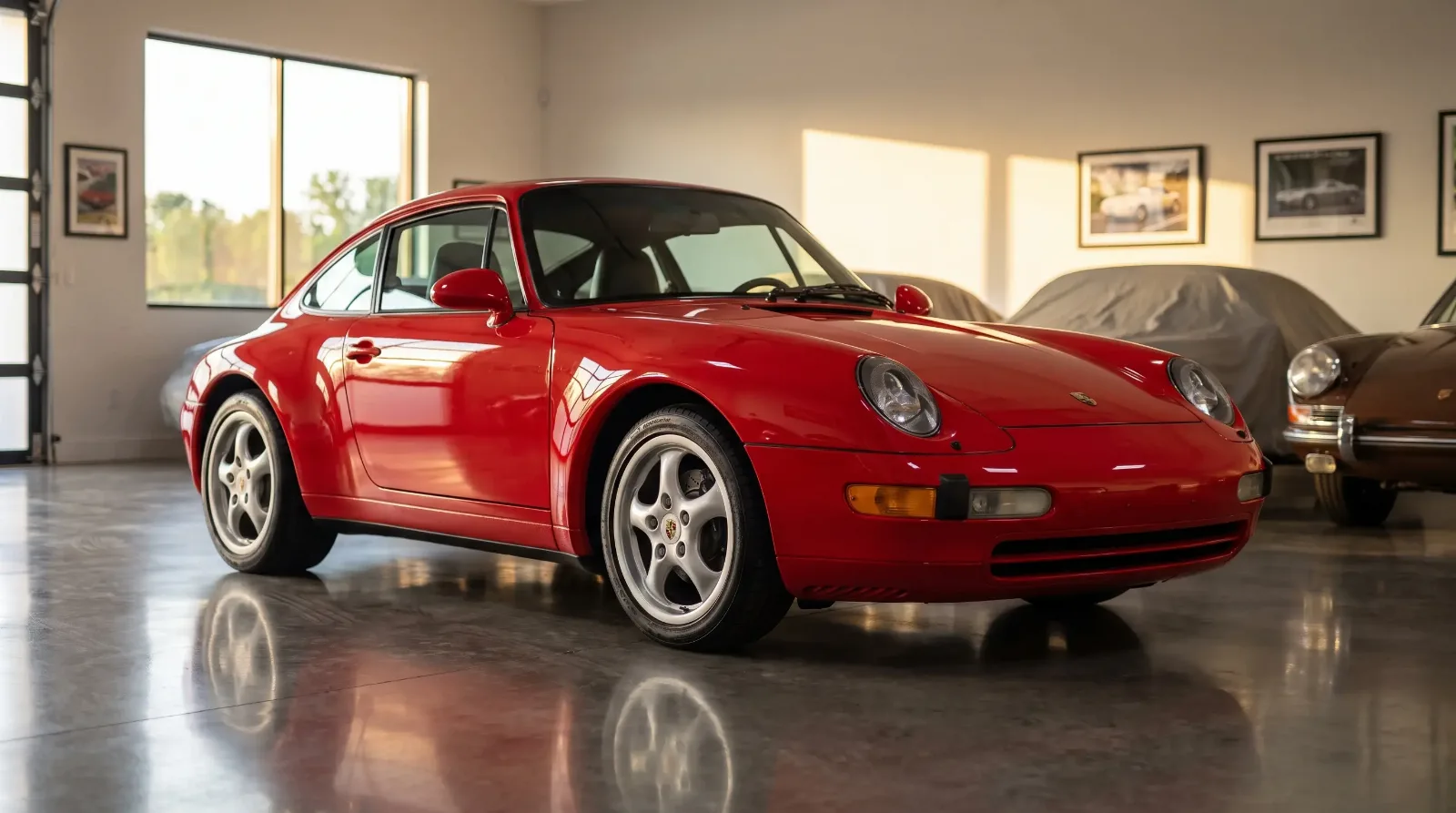
Article
Why Air-Cooled 911s Became So Collectible
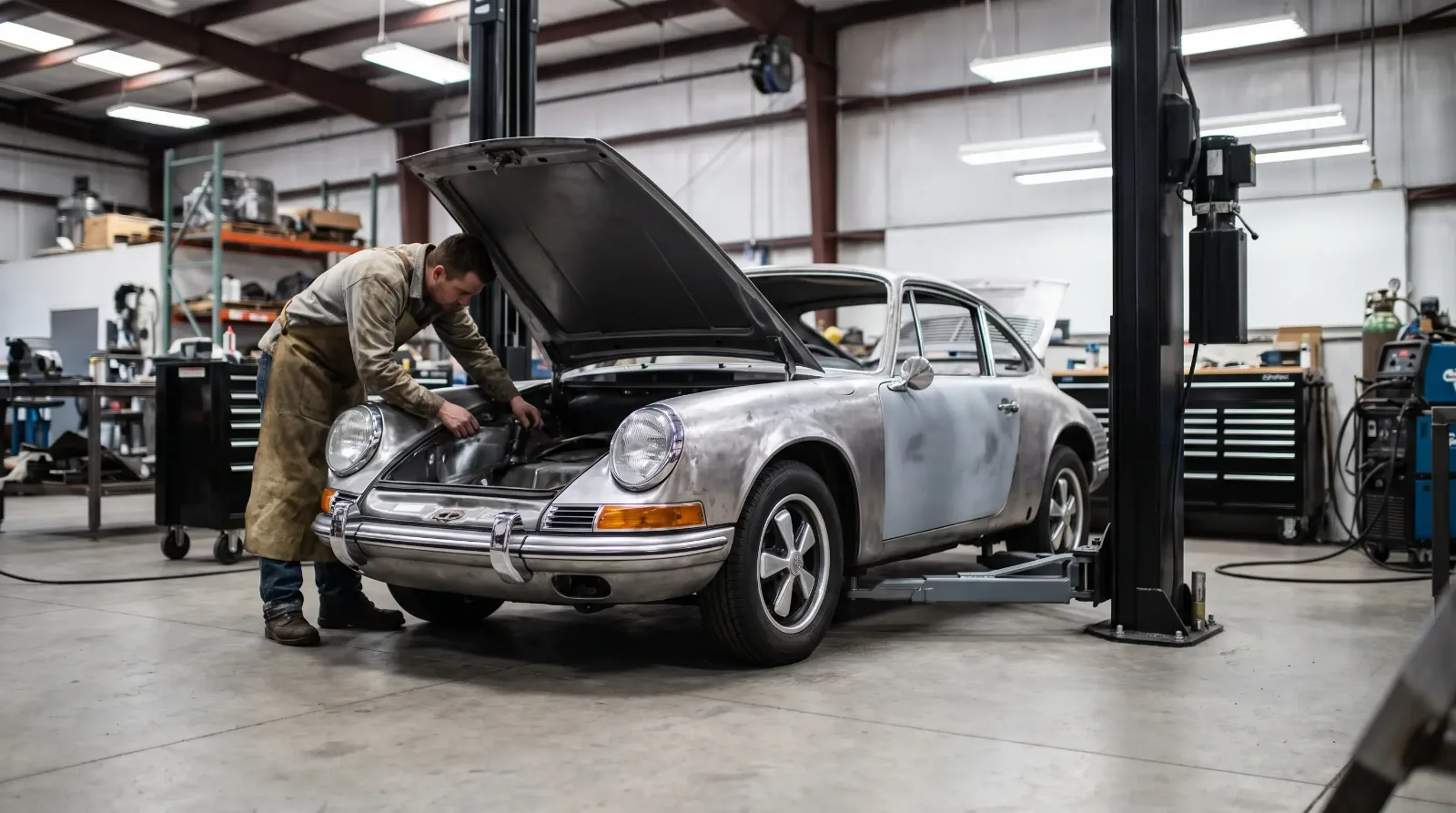
Article
The Backdate Craze: Turning New 911s Into Old Ones
Article
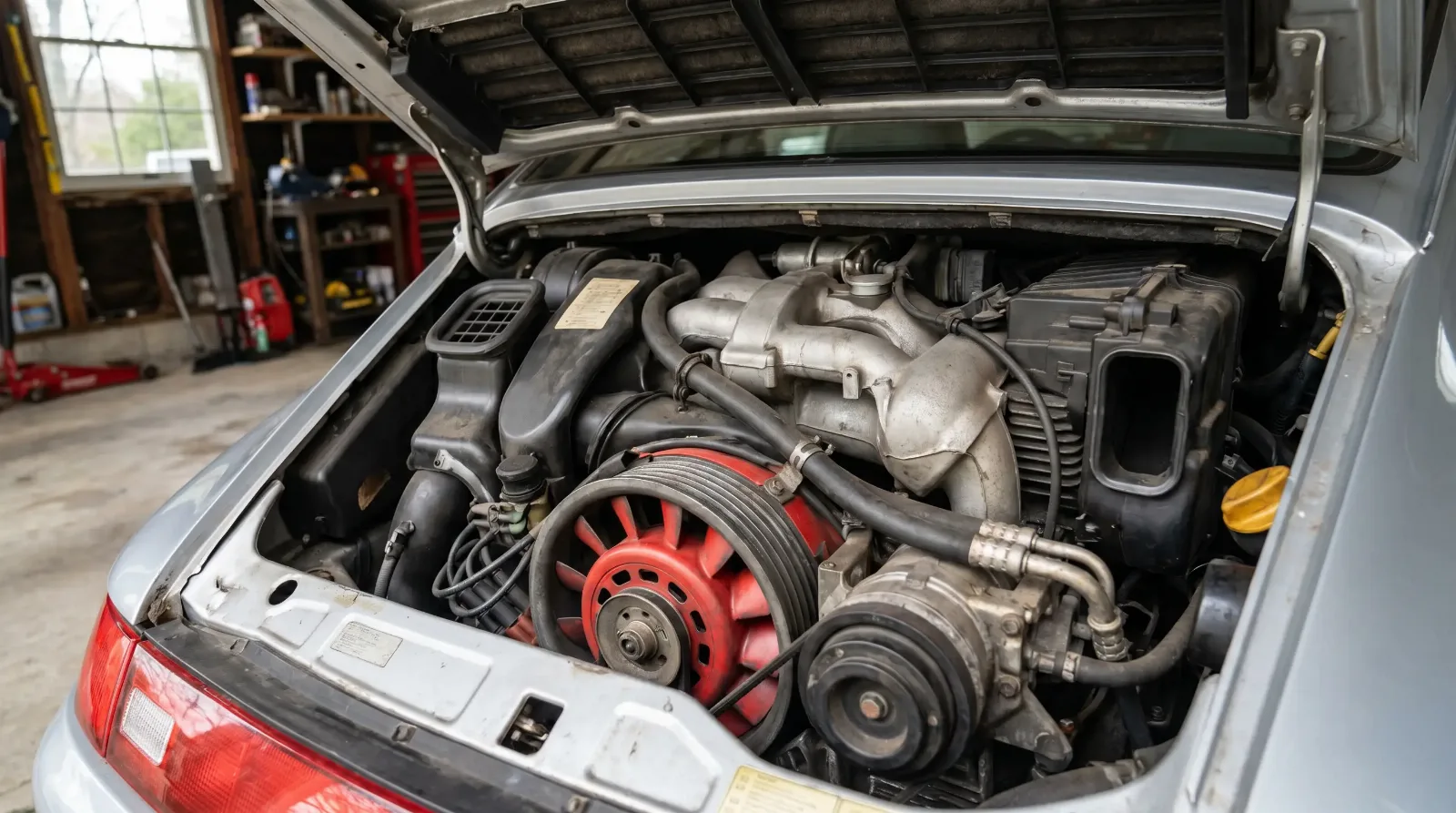
The Evolution of the Air-Cooled Flat-Six
Article
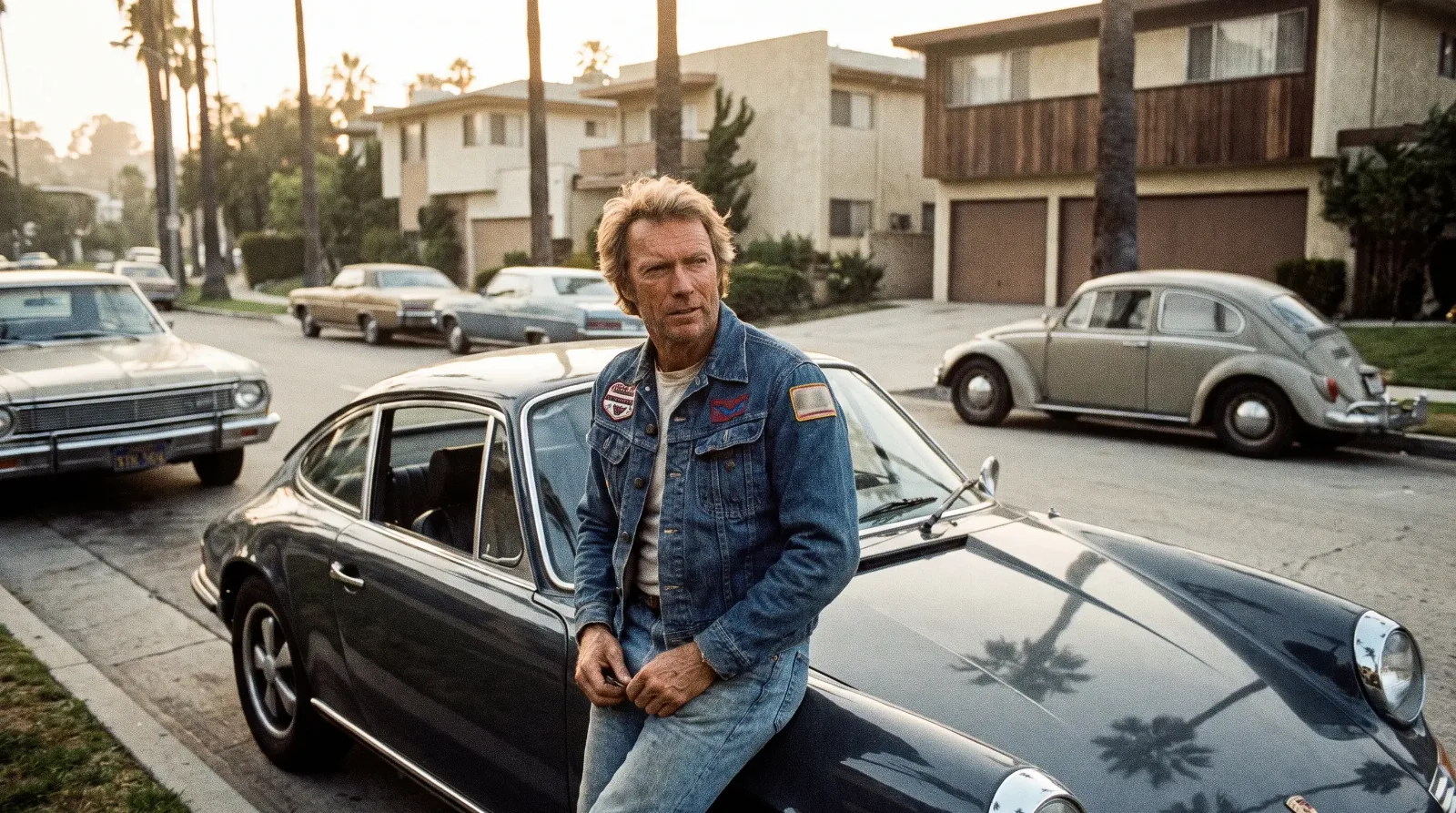
Steve McQueen's Porsches: The 911 Obsession
Have a
Porsche
for Sale?
Reach thousands of serious classic car collectors across the US.
Sell It Here →
Are You a Classic Car Dealer?
List your full inventory and connect with targeted classic car buyers.
Join as a Dealer →

About the author
Patrick Walsh
Automotive journalist covering classic car shows, events, and the enthusiast community across North America.
Related Listings - Porsche




Comments (1)
H
Hank Weaver
2 months ago
Watching the pre-war segment pick up quietly while everyone focuses on muscle cars. Smart money seems to be looking at different things than the auction headlines.