
Ask a Porsche mechanic which car in the collection he'd grab first if the shop caught fire, and a surprising number of them skip past the obvious Turbo answer and name something smaller, lighter, and a good deal less comfortable to actually live with. The porsche 964 carrera rs tends to come up in that conversation more than its modest sticker price back in 1992 would ever have suggested it should. It was Porsche's answer to a question the regular 964 had started raising among its own engineers: had the 911 gotten too civilized?
Car Features
6 min read
The 964 Carrera RS: Lightweight Purity Returns
Stripped interior, a close-ratio gearbox, and a revived RS badge: the Porsche 964 Carrera RS proved the modernized 911 could still deliver the old car's raw feel.
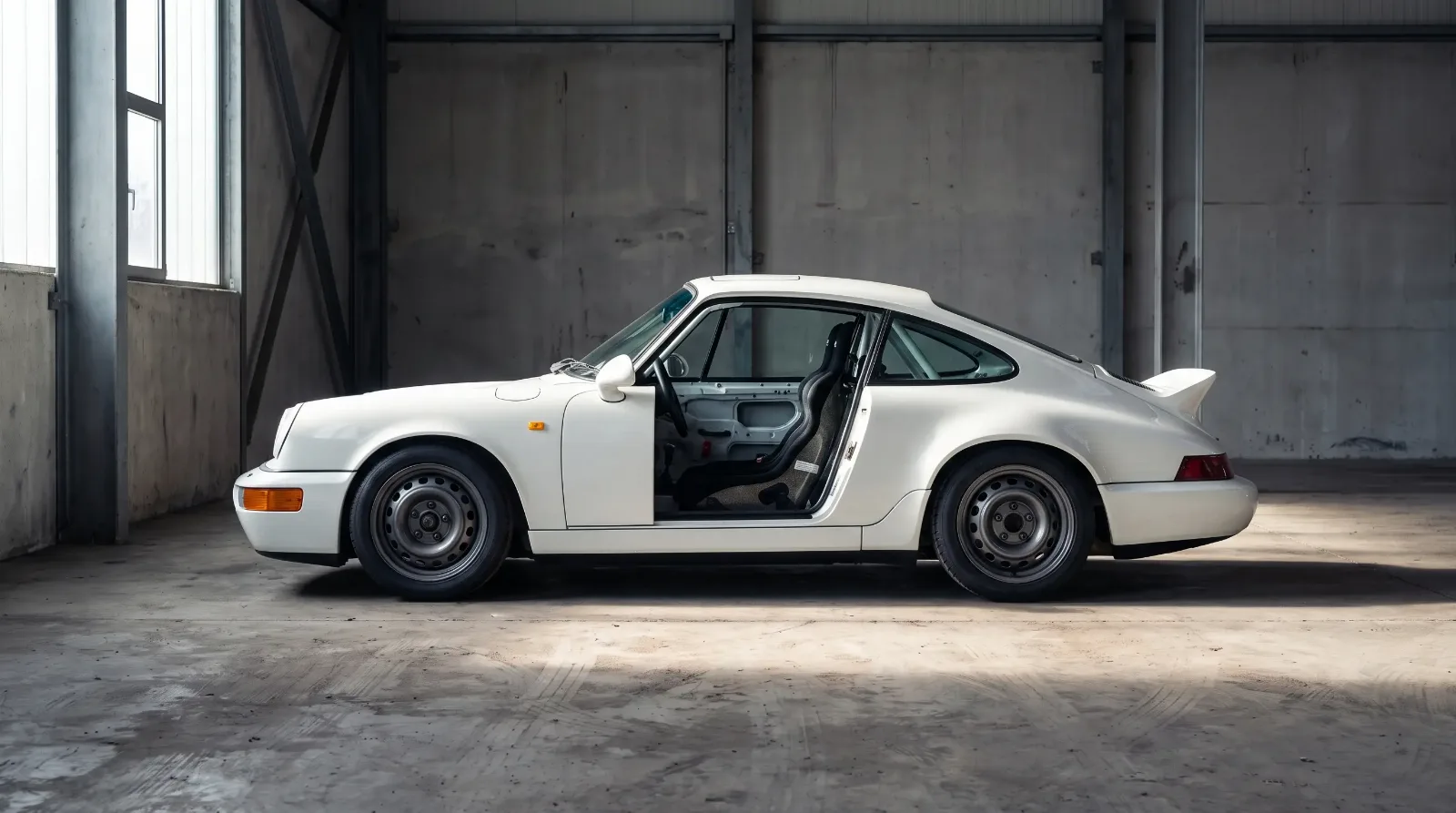
The standard 964, covered in depth elsewhere on this site, had done exactly what Porsche needed it to do. Coil springs replaced torsion bars, power steering arrived, anti-lock brakes came standard, and the whole car became measurably easier to live with day to day. For a certain kind of buyer and, frankly, for a certain kind of engineer inside Porsche who'd grown up on the raw feel of earlier 911s, all of that comfort came at a cost. The Carrera RS was Porsche's way of proving the underlying chassis could still deliver the old sensation when the company stripped the comfort back out.
Stripping the car down on purpose
The Carrera RS launched in 1991 for the European market, reviving a name Porsche had used sparingly and only for cars it considered genuinely special since the original 1973 Carrera RS. That naming decision alone told buyers what to expect. Porsche pulled sound deadening, deleted the rear seats, thinned the door panels, and in many cases fitted lighter glass and a smaller battery, all in service of a car that weighed meaningfully less than a standard Carrera 2. Air conditioning, power windows, and power steering were either deleted outright or offered back as a cost option for buyers who wanted a bit of their comfort returned, an unusual inversion of how options typically work on a production car.
Underneath, Porsche fitted a revised version of the 3.6 liter flat six (engine code M64/03) tuned to produce 260 PS (256 bhp), a modest bump over the standard Carrera, paired with a close-ratio gearbox and a notably stiffer suspension setup with less compliance built in on purpose. Larger front brakes, borrowed from the Turbo, gave the lighter car the stopping power to match the sharper turn-in. None of it was subtle. All of it was intentional.
"The regular 964 proved Porsche could make the 911 comfortable without losing the thing that made it a 911. The Carrera RS proved the reverse, that underneath all that new comfort, the old rawness was still sitting right there waiting for someone to ask for it back."
Patrick Walsh
Not one car, but a small family of them
Porsche didn't stop at a single Carrera RS specification, and this is where the model gets genuinely interesting for anyone trying to understand what they're looking at in a listing today. The base Carrera RS was the entry point into the stripped-down philosophy. The RS Touring softened things slightly, adding back some interior comfort for buyers who wanted the chassis improvements without living quite so austerely. At the sharper end sat the N/GT and later Carrera Cup variants, built explicitly for club racing and one-make series competition, with even less in the way of road car niceties. The RSR, built in smaller numbers still, pushed further into pure competition territory with a larger displacement engine and racing-specific preparation.
That range matters enormously to anyone shopping one now, because the difference between a Touring car and a stripped N/GT variant is not cosmetic. It changes the ownership experience entirely, from a car you could plausibly use for a spirited weekend drive to something closer to a trailer queen built for a stopwatch.
| Variant | Character | Notable spec |
|---|---|---|
| Carrera RS | Base lightweight specification | Stripped interior, 260 PS 3.6L flat six |
| RS Touring | Comfort added back over the base RS | Same chassis, softer daily usability |
| N/GT / Carrera Cup | Club racing specification | Further weight reduction, competition prep |
| RSR | Full competition build | Larger displacement, race-only preparation |
Why it never officially came to America
Porsche built the Carrera RS to European specification and never federalized it for United States sale, which is a large part of why the car carries an air of forbidden fruit among American enthusiasts who came up reading about it in magazines without ever seeing one at a local dealership. Cars have since arrived in the US through grey-market import processes as they've aged past the federal import threshold, but that history means provenance and import documentation matter even more than usual when one of these comes up for sale stateside. A clean paper trail showing a legal import, rather than a car quietly slipped through the cracks, is worth real money to a serious buyer.
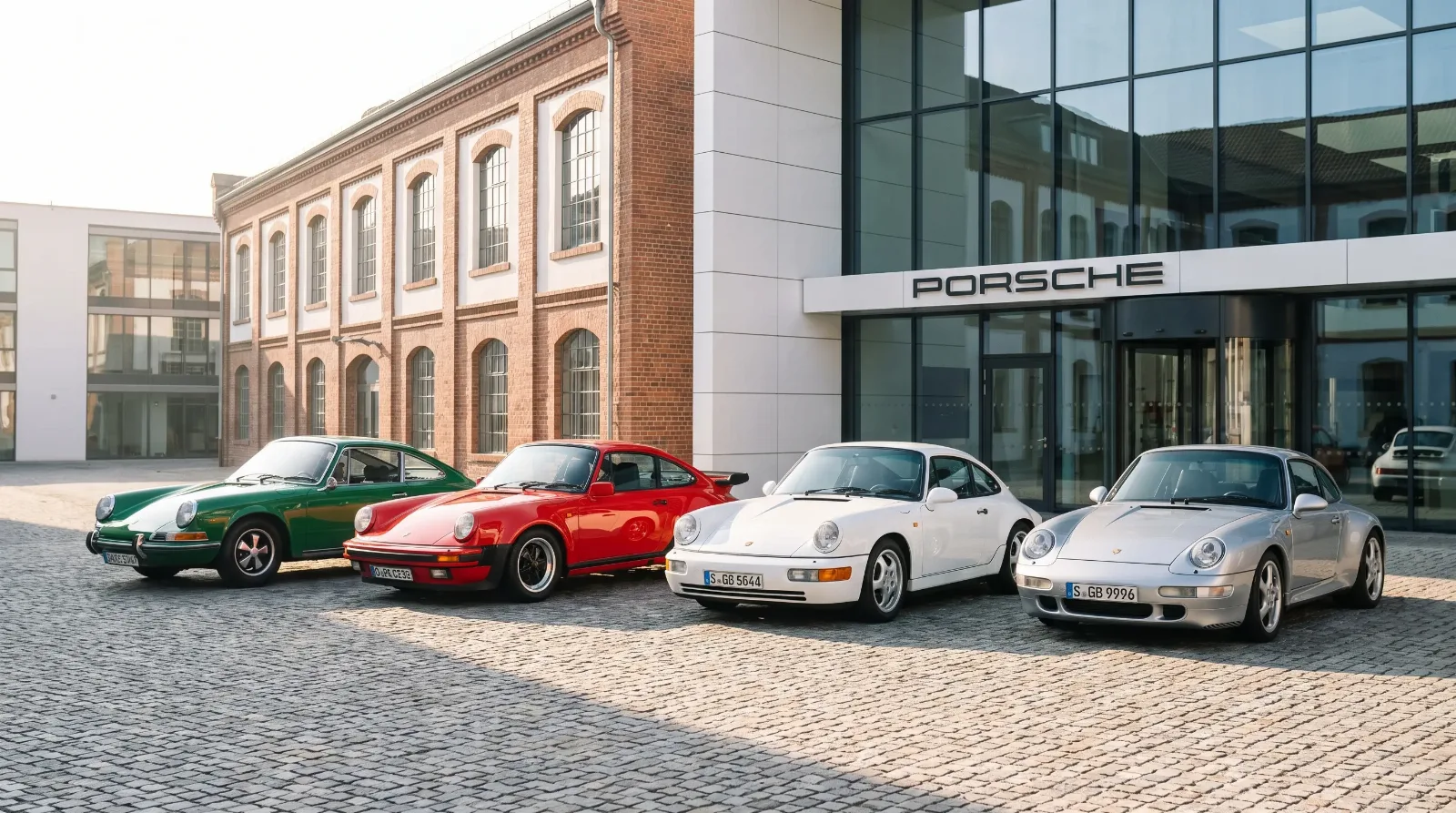
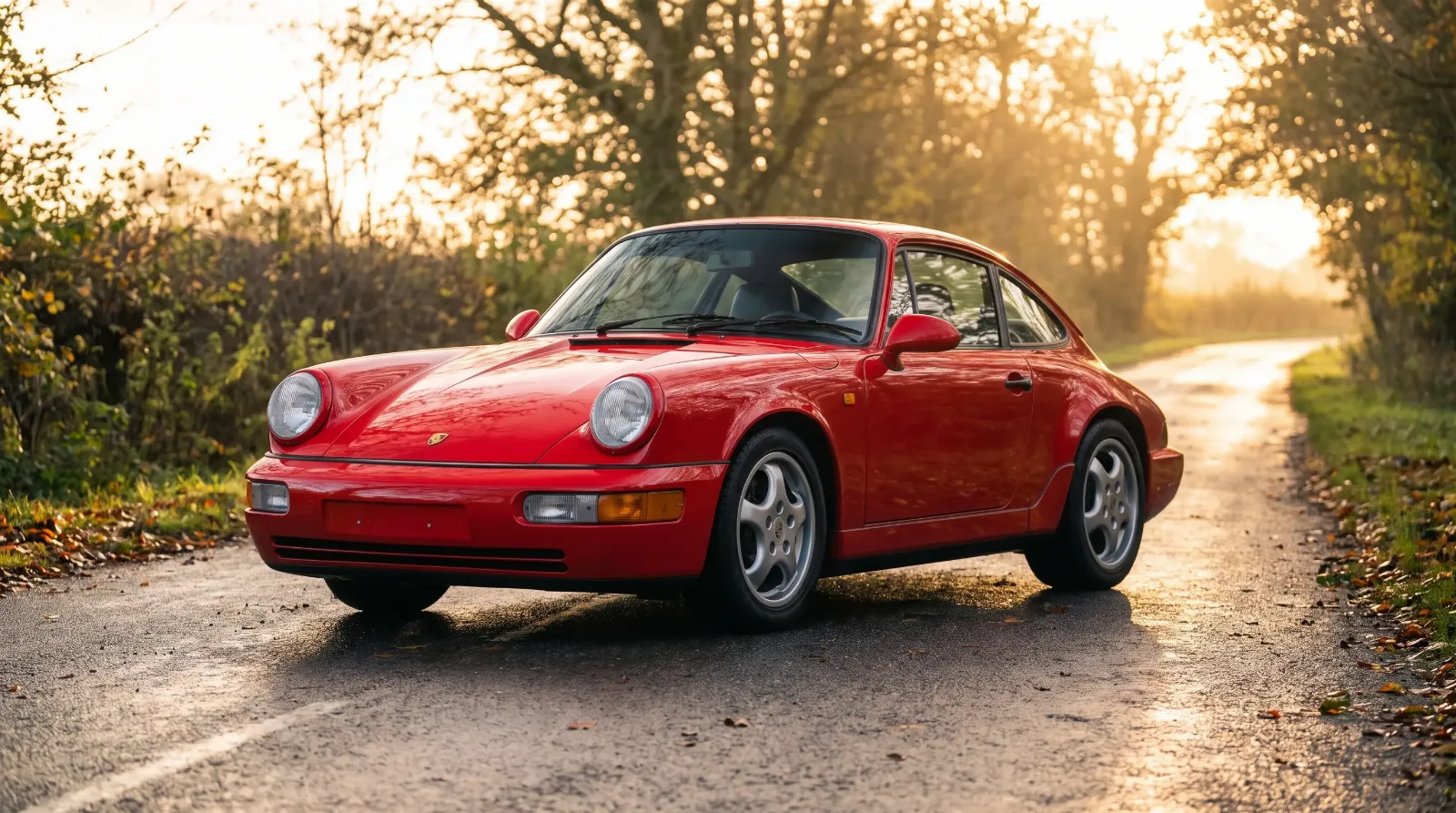
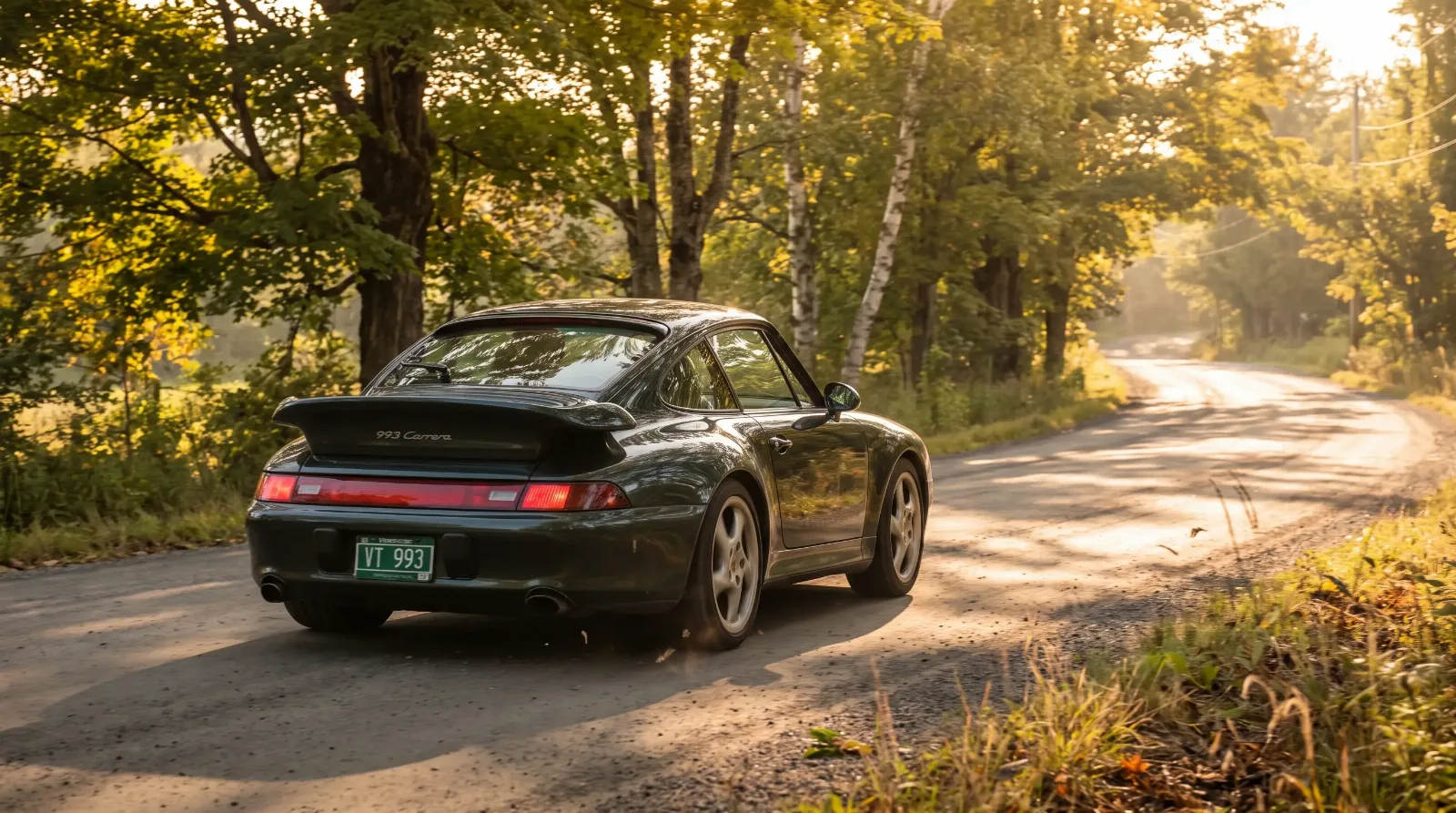
This is also a car best understood in the context of everything else happening around the model. Reading the air-cooled 911 story makes clear how much the RS represents a deliberate correction inside a single generation, Porsche pulling weight and comfort back out of a car it had just spent enormous engineering effort making more comfortable in the first place. It is also worth putting alongside another angle on the same car, since the 993 that followed the 964 took some of these lightweight lessons forward even as it moved the 911 toward the end of the air-cooled era entirely.
What to look for if you're actually buying one
Because the Carrera RS was built in limited numbers and never sold new in the US, fakes and reproductions are a real risk in this segment, more so than with almost any other 964 variant. Verify chassis numbers against Porsche's own records, confirm the car's specific sub-variant against factory documentation rather than a seller's description alone, and have a specialist check that the lightweight components, thinner glass, deleted sound deadening, the smaller battery, are genuinely present and not simply removed by a later owner chasing a look rather than a documented build.
The mechanical side holds up well if maintained, sharing most service needs with the standard 964, though the stiffer suspension and lack of power steering on base cars change the ownership experience more than the spec sheet suggests. This is not a car for someone who wants a comfortable grand tourer. It's a car for someone who read the classic Porsche story and decided the raw, difficult, uncompromising version of the 911 was the one they actually wanted all along.
Sources and notes
Related Reading
Have a
Porsche
for Sale?
Reach thousands of serious classic car collectors across the US.
Sell It Here →
Are You a Classic Car Dealer?
List your full inventory and connect with targeted classic car buyers.
Join as a Dealer →

About the author
Patrick Walsh
Automotive journalist covering classic car shows, events, and the enthusiast community across North America.
Related Listings - Porsche
Comments
Be the first to comment on this article.