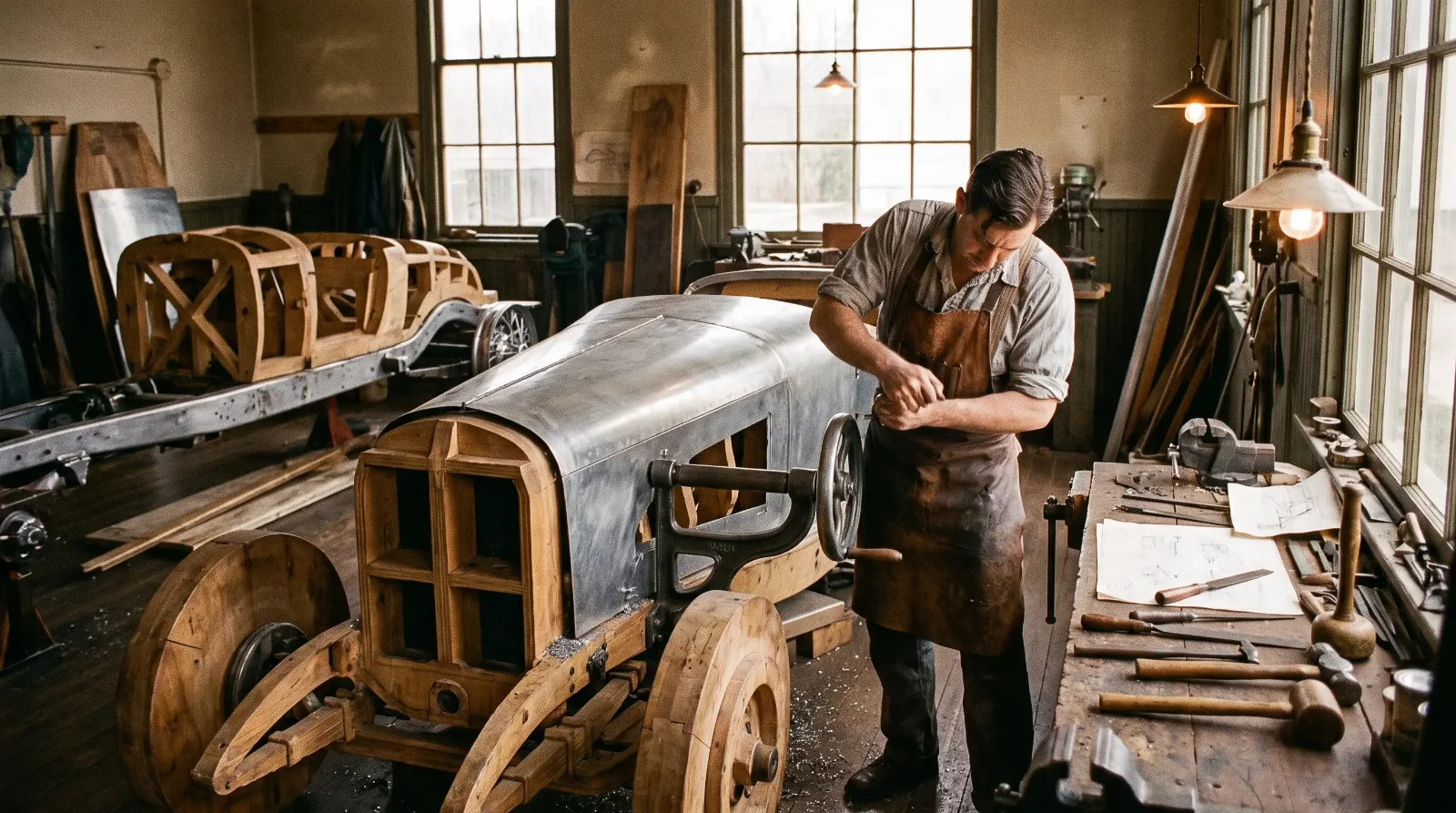
In the spring of 1938, a coachbuilder's foreman in a workshop outside Paris stood back from a nearly finished body and worried about a detail no one else would ever notice: whether the wing line matched the sketch a duke's private secretary had approved four months earlier. That kind of anxious precision was routine when the client was a member of a royal household. The car did not just need to run. It needed to arrive at a state occasion and say something true about the family riding in it, and the people building it knew that the smallest fault would be noticed by exactly the people who mattered most.
Royalty and the emerging aristocracy of industry were the customers who kept the top of the coachbuilding trade alive between the wars. For the fuller story of how that whole custom-body world worked, from chassis to finished car, the royal family vintage cars guide is worth reading alongside this one.
Cars as instruments of state
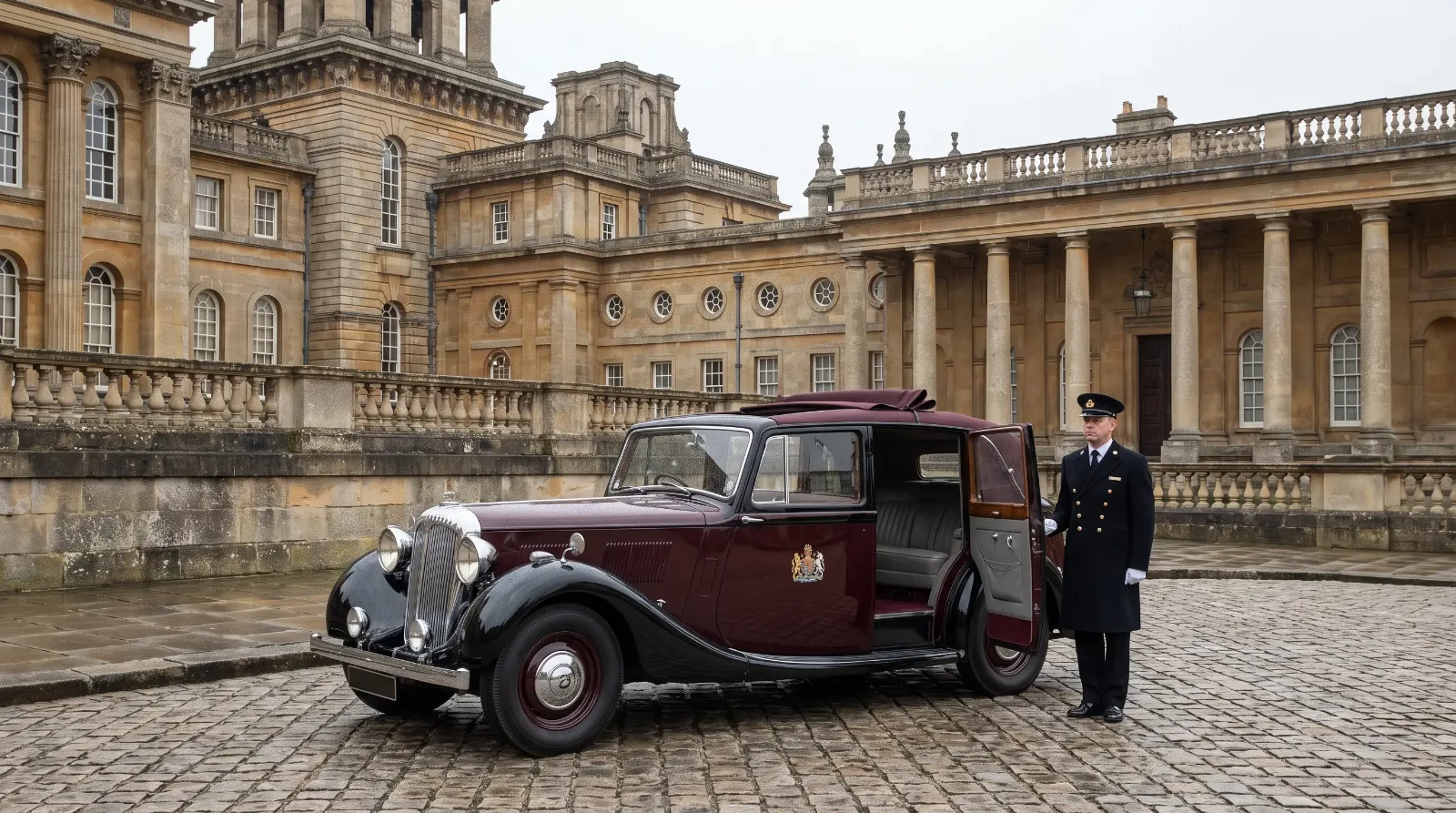
A royal car in the 1920s and 1930s was rarely just transportation. It appeared at coronations, funerals, state visits, and public processions where thousands of people would see it and draw conclusions about the family that owned it. Britain's royal household favored Daimler for decades, a relationship that predated the automobile itself in the sense of loyalty it carried, while other European courts leaned toward Mercedes-Benz, Hispano-Suiza, or Rolls-Royce depending on politics as much as preference. Choosing a marque was sometimes a diplomatic act, not a shopping decision.
The bodies on these chassis were built to project formality above all else. Landaulets, with a folding rear roof section that let the passengers be seen while shielding them from weather, were a favorite for parade appearances. A ruler could ride through a crowd visible from the waist up, roof folded back, while the chauffeur's compartment stayed enclosed ahead of the divider. It was theater, engineered in steel and leather.
King George V and the Daimler tradition
The relationship between a royal household and its chosen coachbuilder often outlasted individual monarchs, passing from one reign to the next along with the staff who managed the household's transport. A coachbuilder who earned a royal commission understood that the work came with an unusual kind of continuity, an expectation that the next car would honor the conventions the last one set, down to details like the precise angle of a landau roof or the exact shade of a family's livery color. That continuity is part of why royal cars from this era feel so consistent as a category, even across different marques and different countries, more than the ordinary churn of automotive fashion would otherwise explain.
George V's household ran almost exclusively on Daimler chassis, partly out of habit and partly because Daimler's sleeve-valve engines ran remarkably quietly, a detail that mattered enormously for a monarch who wanted to be heard speaking to a crowd, not drowned out by his own car's exhaust. The relationship ran deep enough that Daimler became known in Britain as the royal marque long before the phrase was ever printed on an advertisement.
The continental courts and Hispano-Suiza
Spain's King Alfonso XIII was an early and enthusiastic Hispano-Suiza customer, buying into the company as a shareholder within its first decade and lending his name to one of its most celebrated models, and the marque's cars carried a level of engineering ambition that matched the ceremonial weight expected of them. Elsewhere on the continent, various royal and noble households commissioned one-off bodies from French and Belgian coachbuilders, often specifying family crests worked into the coachwork, custom paint colors tied to a house's heraldry, and interior fittings that referenced a family's history rather than simply following the fashion of the year.
What set these commissions apart from a wealthy industrialist's coachbuilt order was the layer of symbolism attached to every choice. A private buyer picked a color because he liked it. A royal household picked a color because it was the family's color, and had been for generations, and the coachbuilder was expected to know that without being told twice.
"You could always tell a royal commission from a wealthy private one, not by the price tag but by the restraint. The families with nothing to prove asked for less ornament, not more, and let the proportions do the talking."
— Patrick Walsh
Security and privacy shaped these cars as much as ceremony did. Several royal commissions specified reinforced floor pans or thicker glass, quiet requests routed through a private secretary rather than announced publicly, at a time when the automobile had already proven itself a target for both accident and attack against prominent figures. Coachbuilders accommodated these requests without advertising them, since a household that wanted the extra protection generally did not want it discussed. That mix of visible ceremony and invisible caution is part of what made royal commissions unlike almost any other coachbuilt order of the period, luxury and vulnerability solved by the same set of hands in the same workshop.
Where these cars ended up
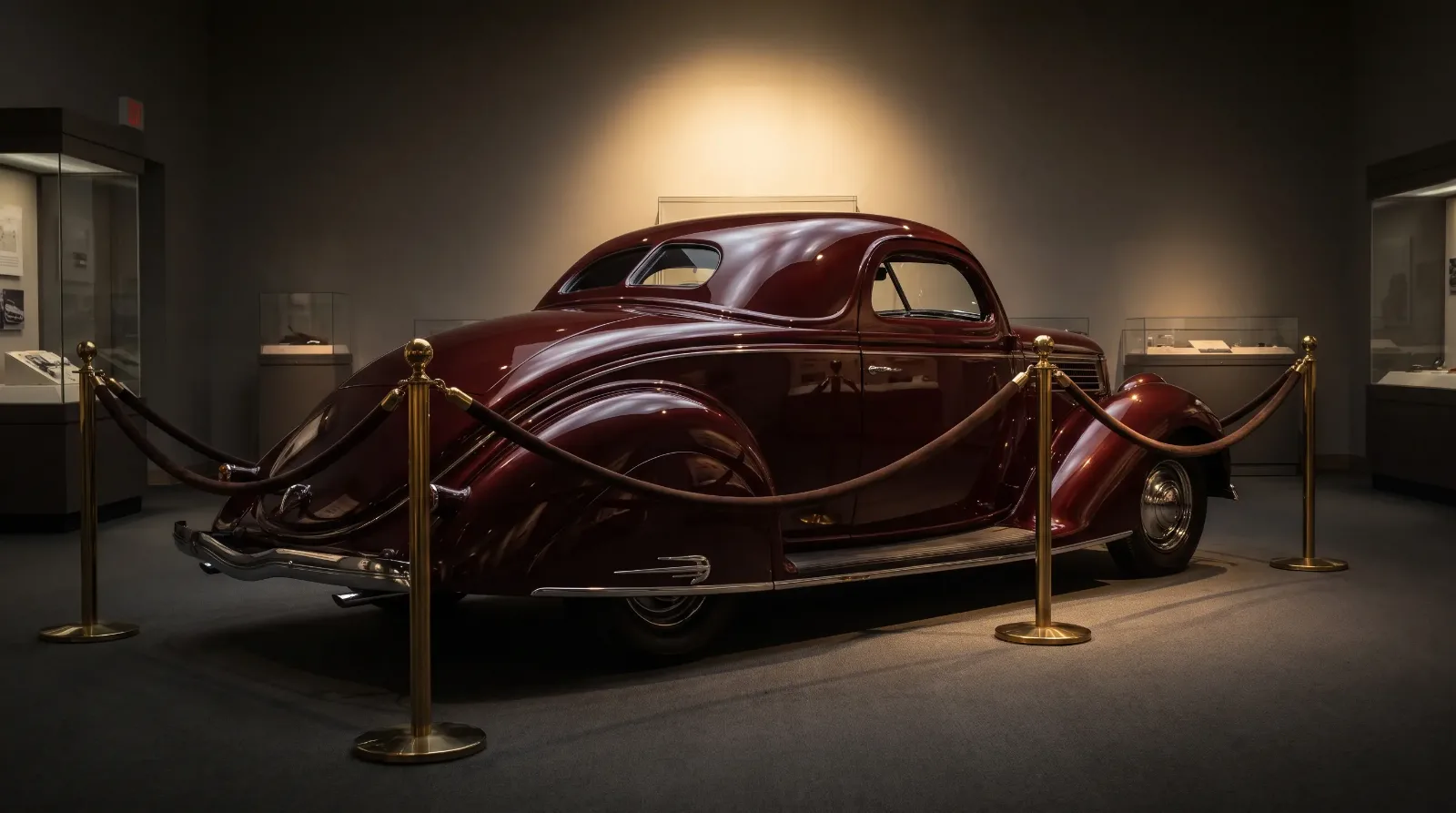
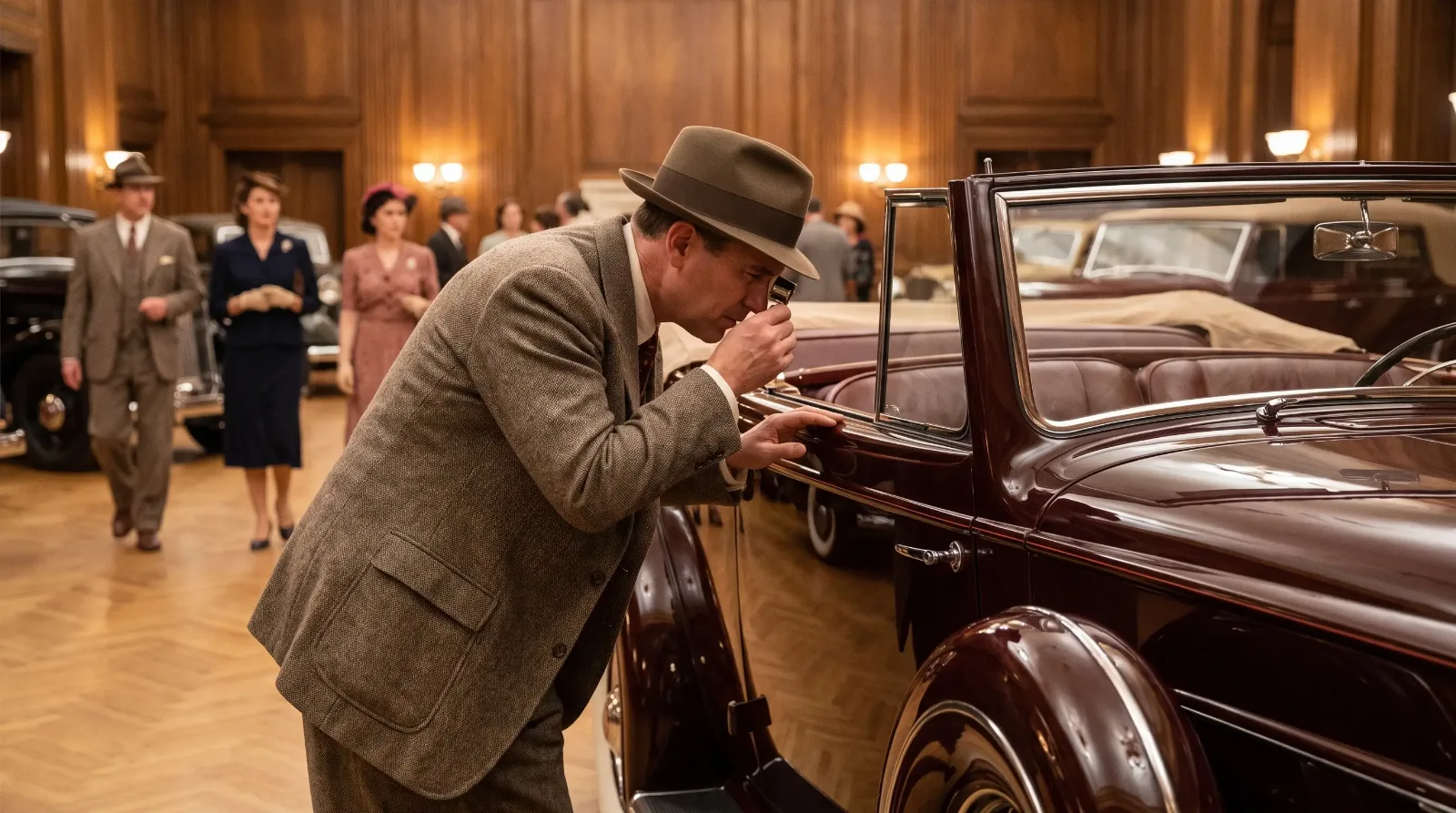
Many royal and state cars from the pre-war years survive today in museum collections, some still owned by the households that commissioned them, others sold off in the decades of upheaval that followed the Second World War when several European monarchies were abolished outright. A handful ended up in private collections, their royal history intact in the documentation and adding a layer of interest that no ordinary provenance chain can match. Understanding how that kind of documented history actually translates into a valuation today is its own subject, and one worth following if a royal provenance car ever crosses your path. a related read walks through exactly how appraisers weigh that kind of history against condition and comps.
What stays with me about these cars is not the grandeur, which is easy to photograph and easier to overstate. It is the discipline behind them, the sense that every panel and every fitting had to answer to an audience far larger and less forgiving than any private buyer would ever face. A royal commission left almost no room for a coachbuilder's ego. It left room only for getting it exactly right.