
A coachbuilt car is two things bolted together: a chassis from a manufacturer and a body from someone else entirely. In the pre-war years, that arrangement was normal at the top of the market. You bought a rolling chassis, engine and running gear complete, then took it to a coachbuilder who built the body to order. What you got back was a one-off, or close to it. That is why no two survive quite the same, and why the good ones sit in a valuation bracket all their own.
Car Features
9 min read
Coachbuilt Classics: The Lost Art of the Custom Body
A chassis from the factory, a body from someone else entirely. Inside the craft, the great coachbuilders, and what a documented custom body is really worth.
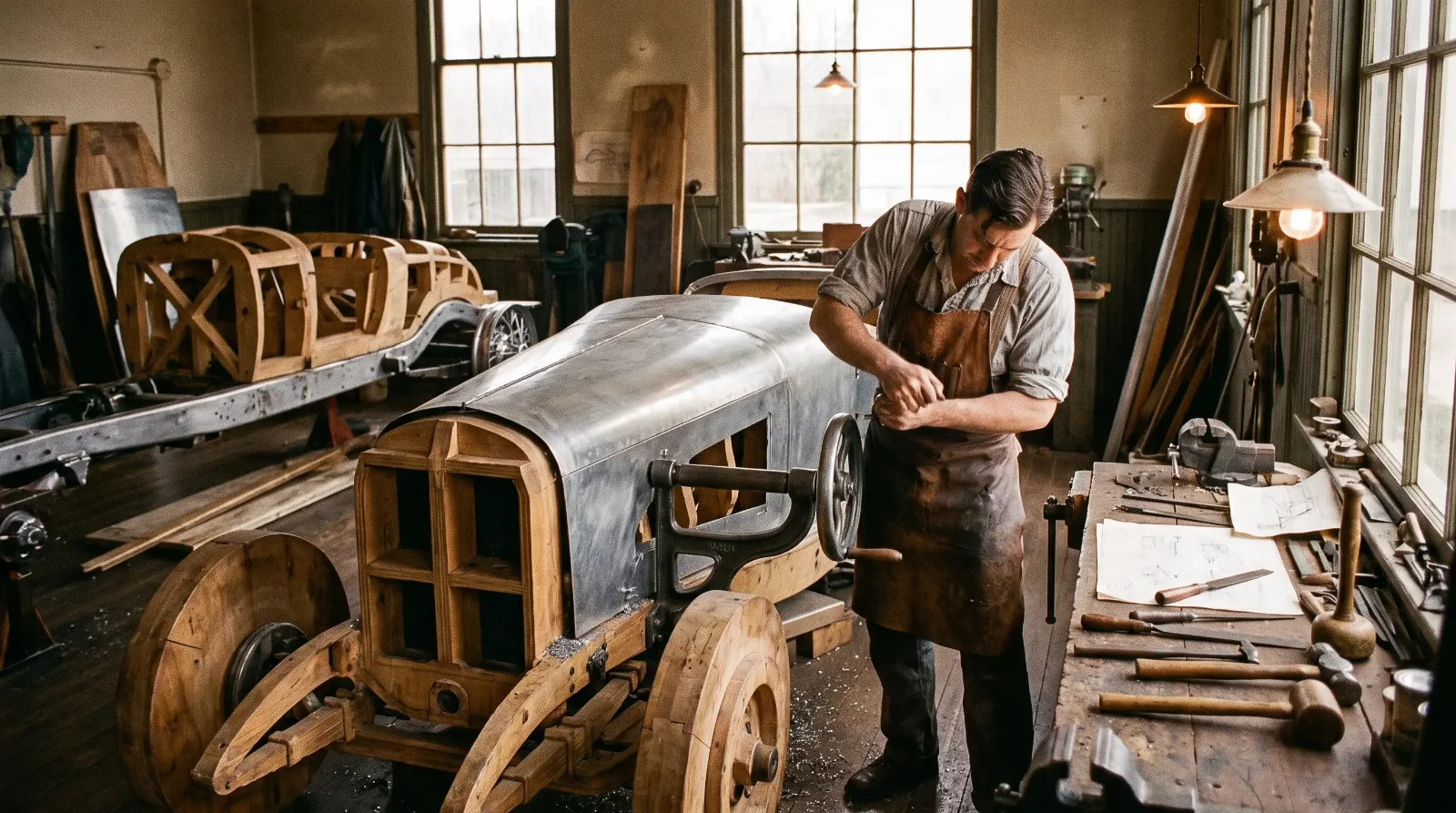
I appraise these cars for a living, so I will be blunt about where the money is and where the traps are. The craft is genuinely remarkable. It is also the single hardest thing to authenticate in the pre-war world, and authentication is most of what determines the number on the appraisal. If you want the wider era first, start with the pre-war classics story and come back for the bodies.
What coachbuilt actually means
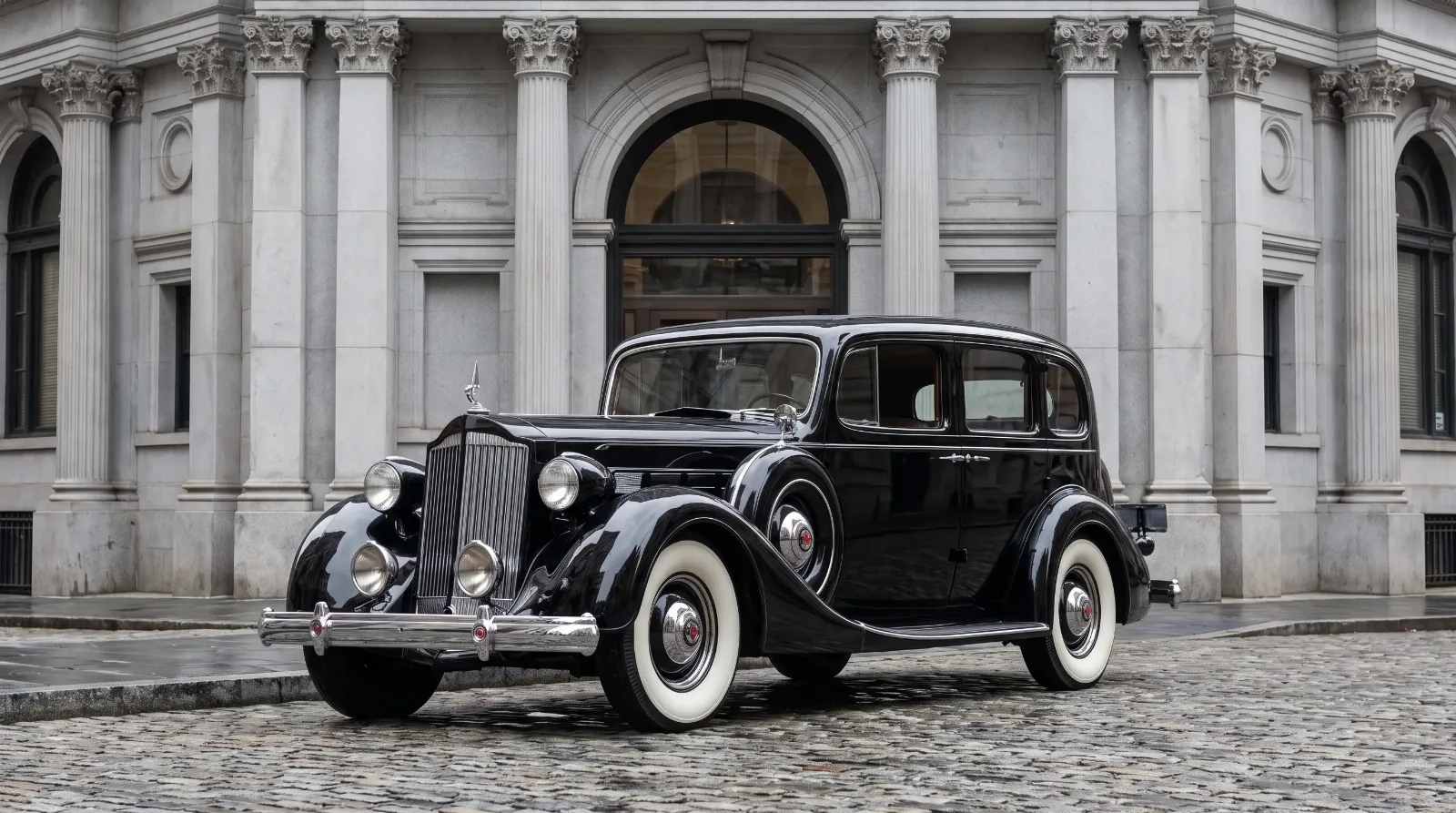
The word comes from the horse-drawn trade. Before cars, a coachbuilder built carriages, and the skills carried straight over: a wooden frame, metal panels worked by hand, upholstery and paint done in-house. When the automobile arrived, the luxury manufacturers sold chassis and let the customer handle the body. Rolls-Royce did this. So did Duesenberg, Packard, Cadillac, and most of the European grandees.
That is the key distinction for a buyer. A production car left the factory finished. A coachbuilt car left the factory as a chassis and became a finished car somewhere else, under a different roof, with a different name on the body plate. The manufacturer badge tells you the mechanicals. The coachbuilder tells you the body, and often the value.
It helps to know why the arrangement existed at all. A wealthy buyer in the 1920s and 1930s did not want the same car as his neighbor, and the luxury makers were happy to oblige by selling the engineering and outsourcing the art. A single chassis type could wear a formal town car for one client, a rakish roadster for another, and a heavy limousine for a third. The chassis was the constant. Everything you actually saw was a variable, chosen by the buyer and executed by hand. That is the reason a model name alone tells you almost nothing about a coachbuilt car until you know who bodied it.
How a custom body was built
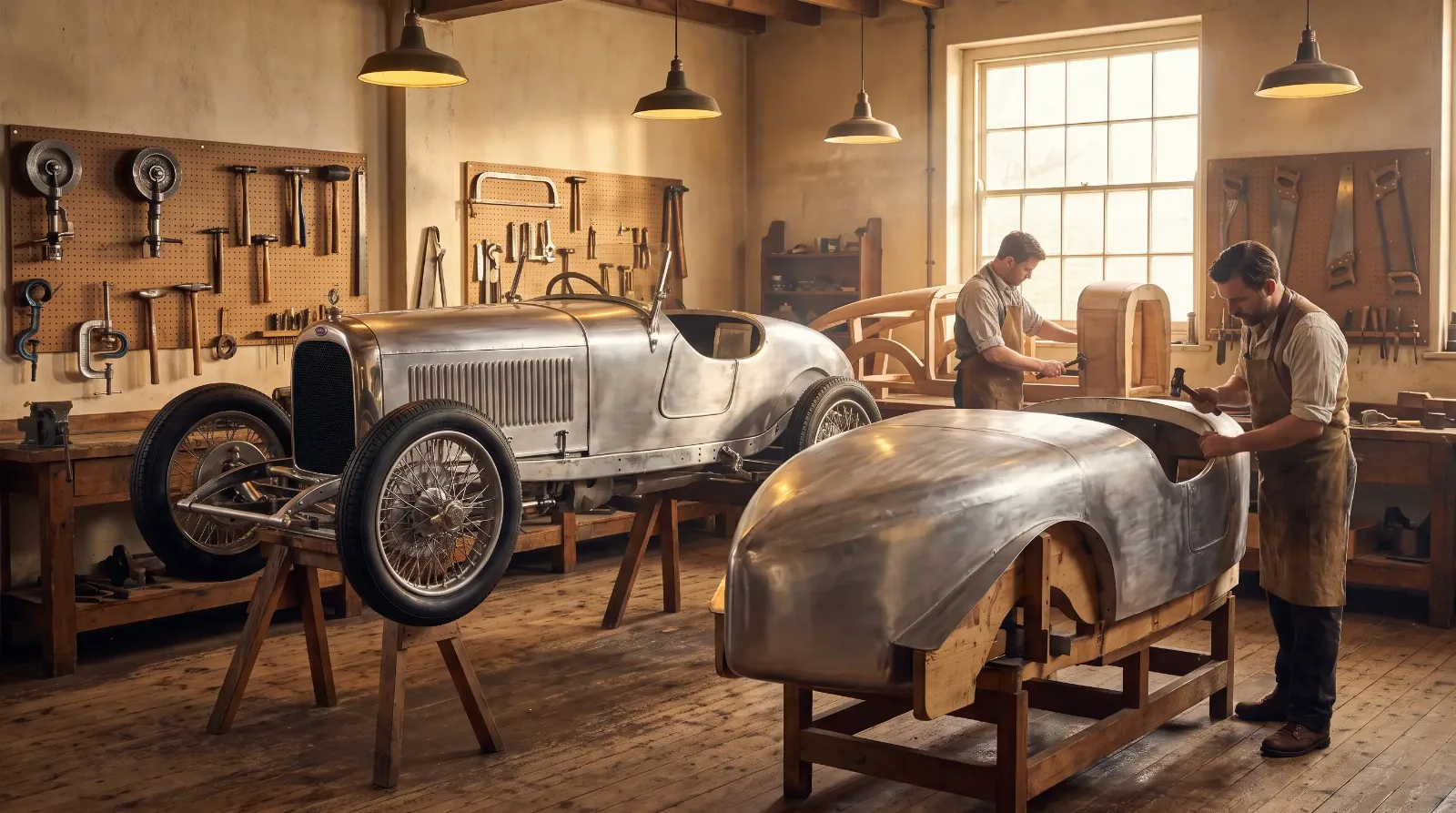
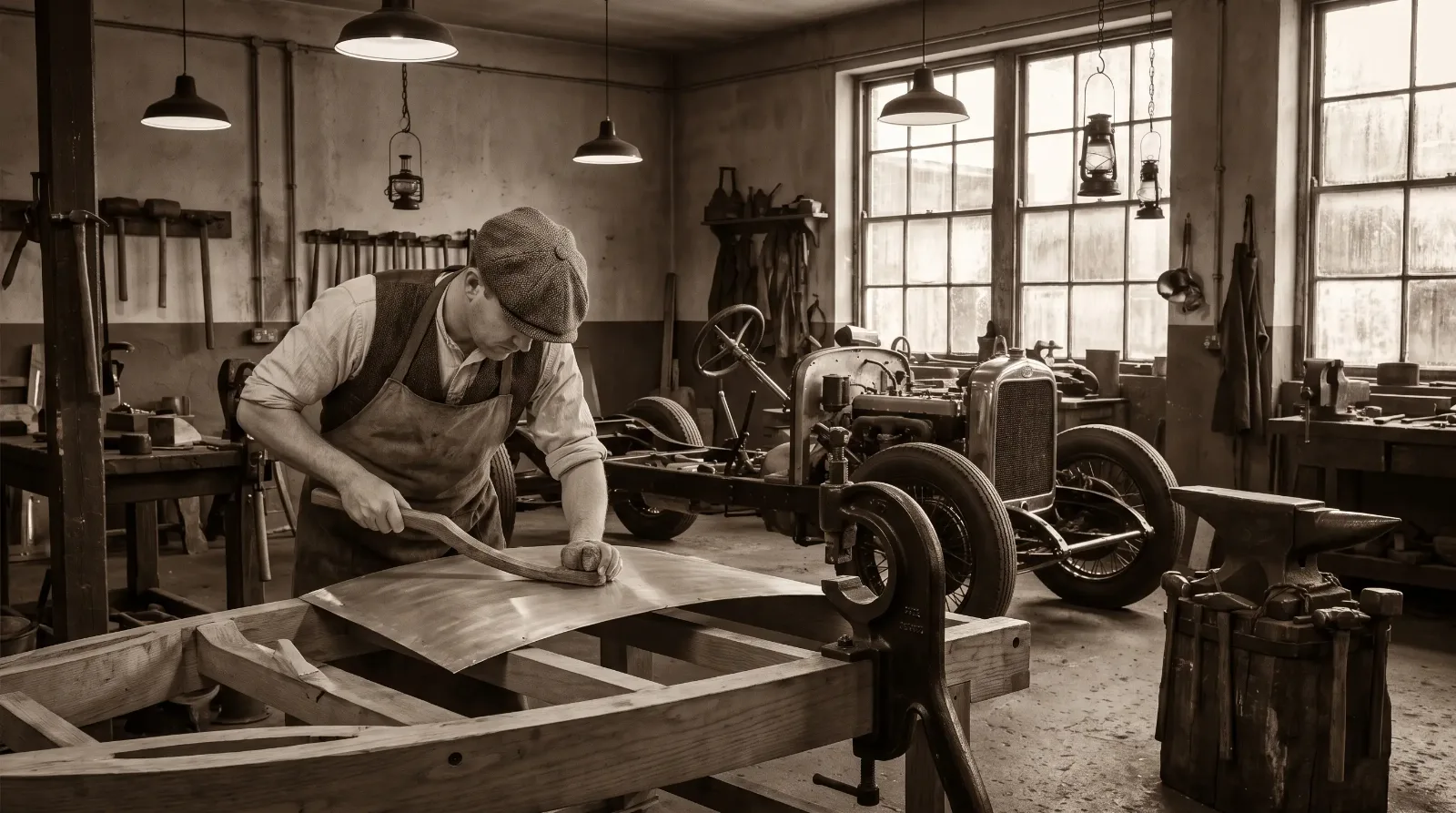
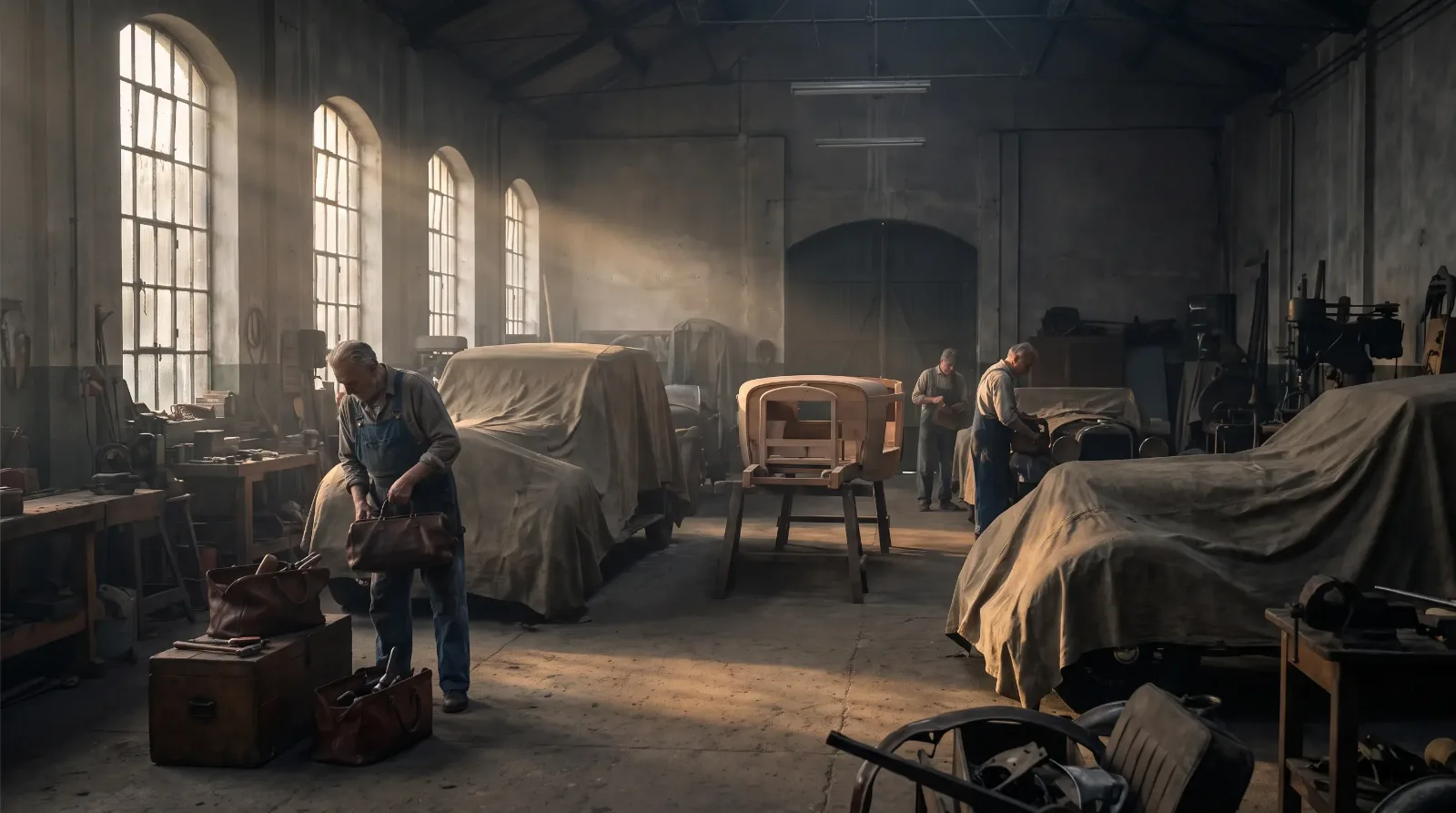
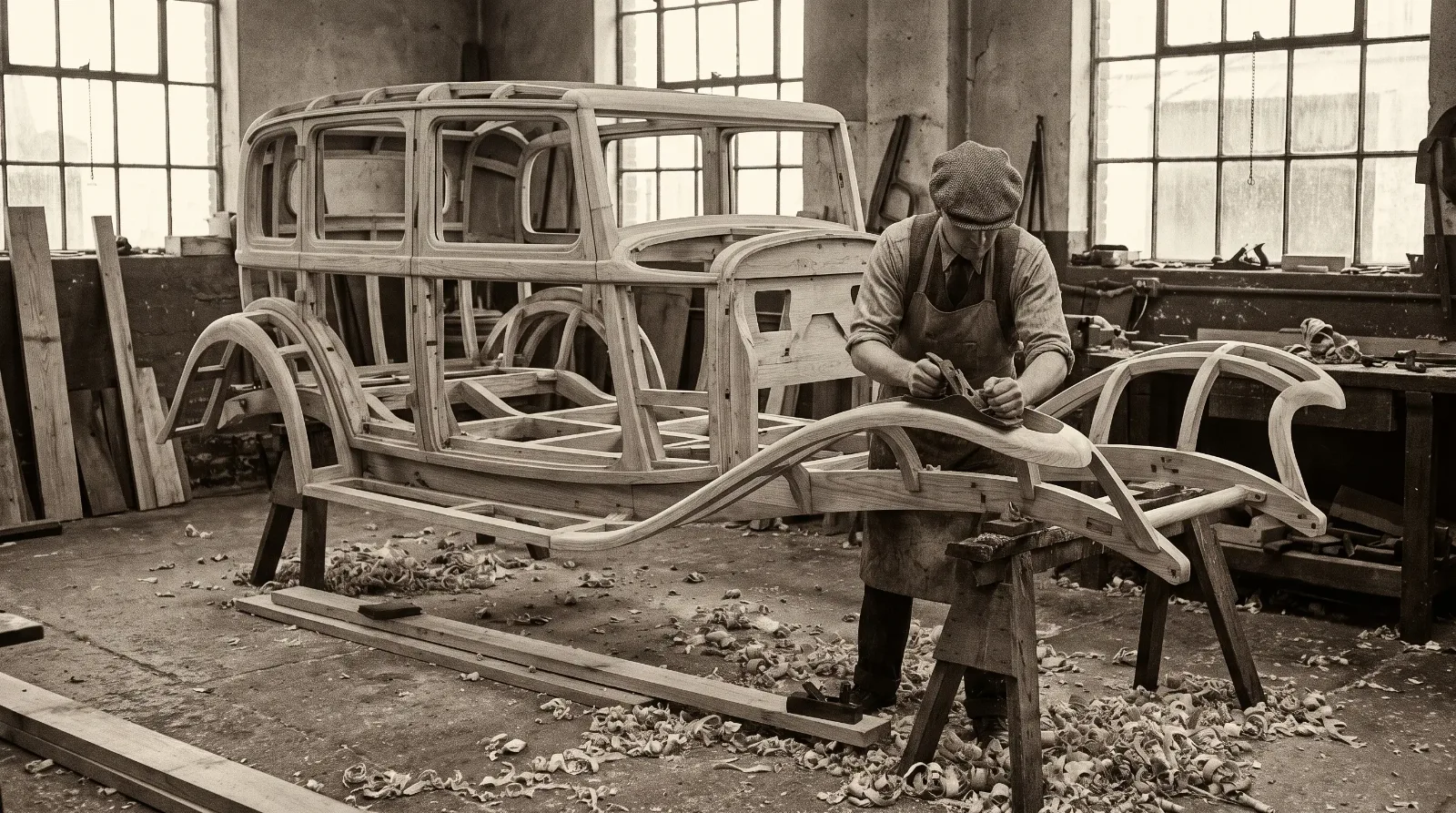
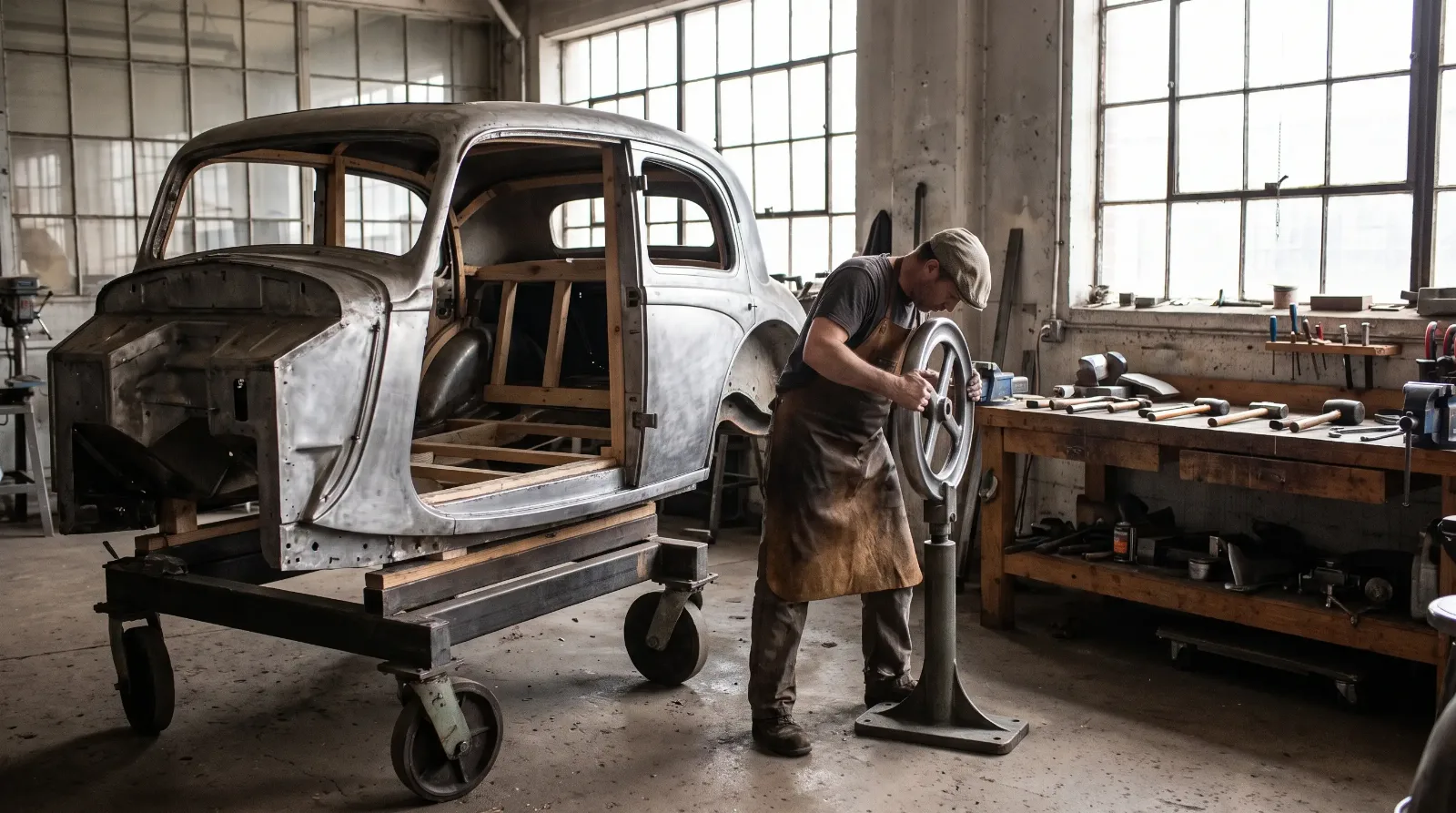
The process was slow and skilled. A body started as a wooden buck, an ash or oak frame shaped to the design. Steel or aluminum panels were then hammered and wheeled over that frame, one panel at a time, worked by hand until they sat right. Aluminum was common on the lighter, more expensive bodies because it saved weight and moved easily under the wheeling machine.
Fitting the body to the chassis took weeks. Doors were hung and rehung until the gaps were even. Then came primer, block sanding, more primer, and paint built up in many thin coats, each one flatted back before the next. A single body could carry fifteen to twenty coats of hand-rubbed lacquer, each one flatted back before the next went on. Interiors were leather or fine cloth, cut and stitched to fit the specific car. A single coachbuilt body could take several months from buck to finished paint.
None of this was done to a drawing you could photocopy. The best coachbuilders worked partly from a rendering and partly from the eye of the man shaping the metal, which is why two bodies to the same nominal design can differ in the set of a fender or the sweep of a roofline. For an appraiser, that hand variation cuts both ways. It makes each car genuinely individual, and it makes proving what a specific car originally looked like harder than buyers expect.
The great coachbuilders
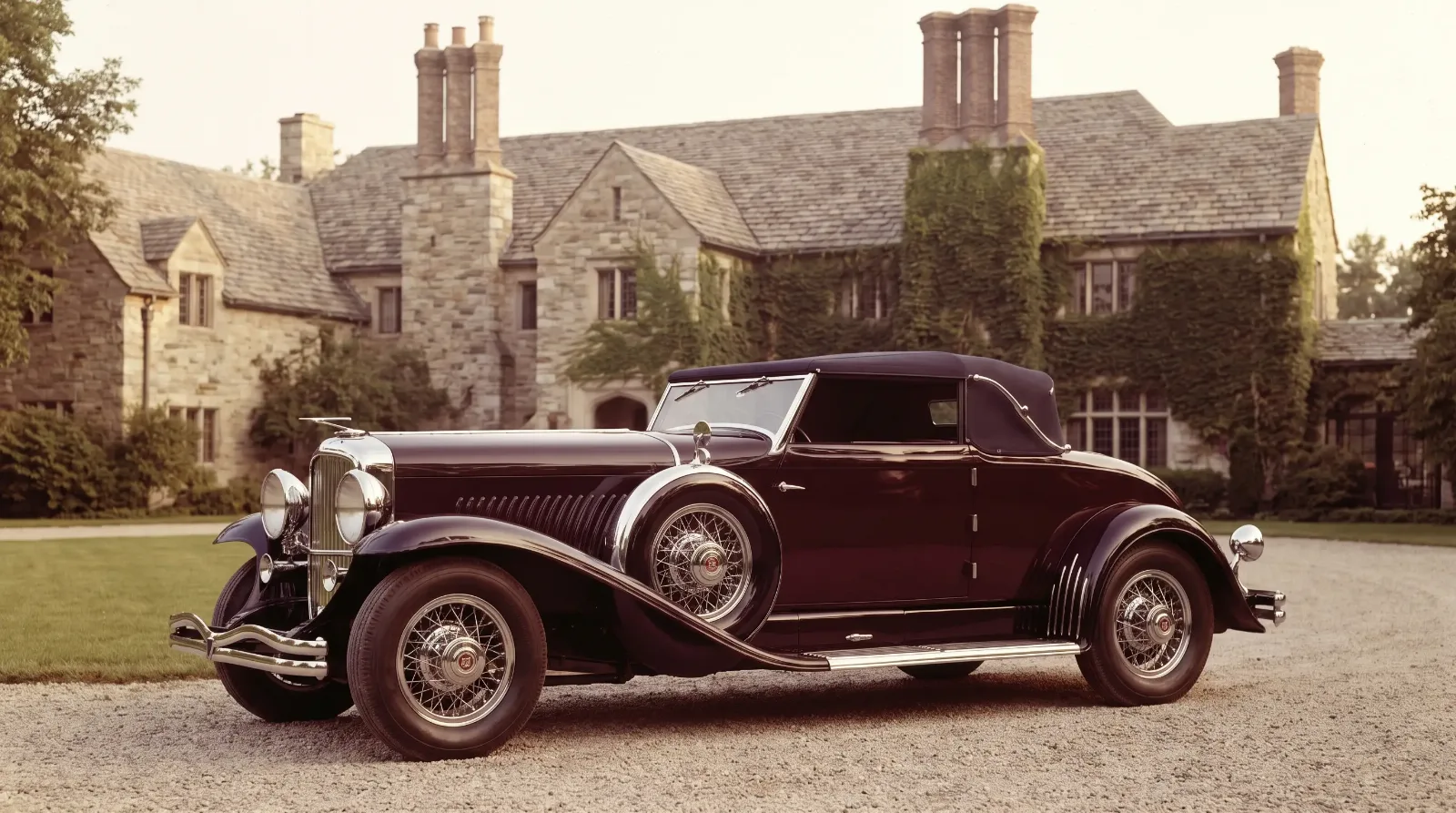
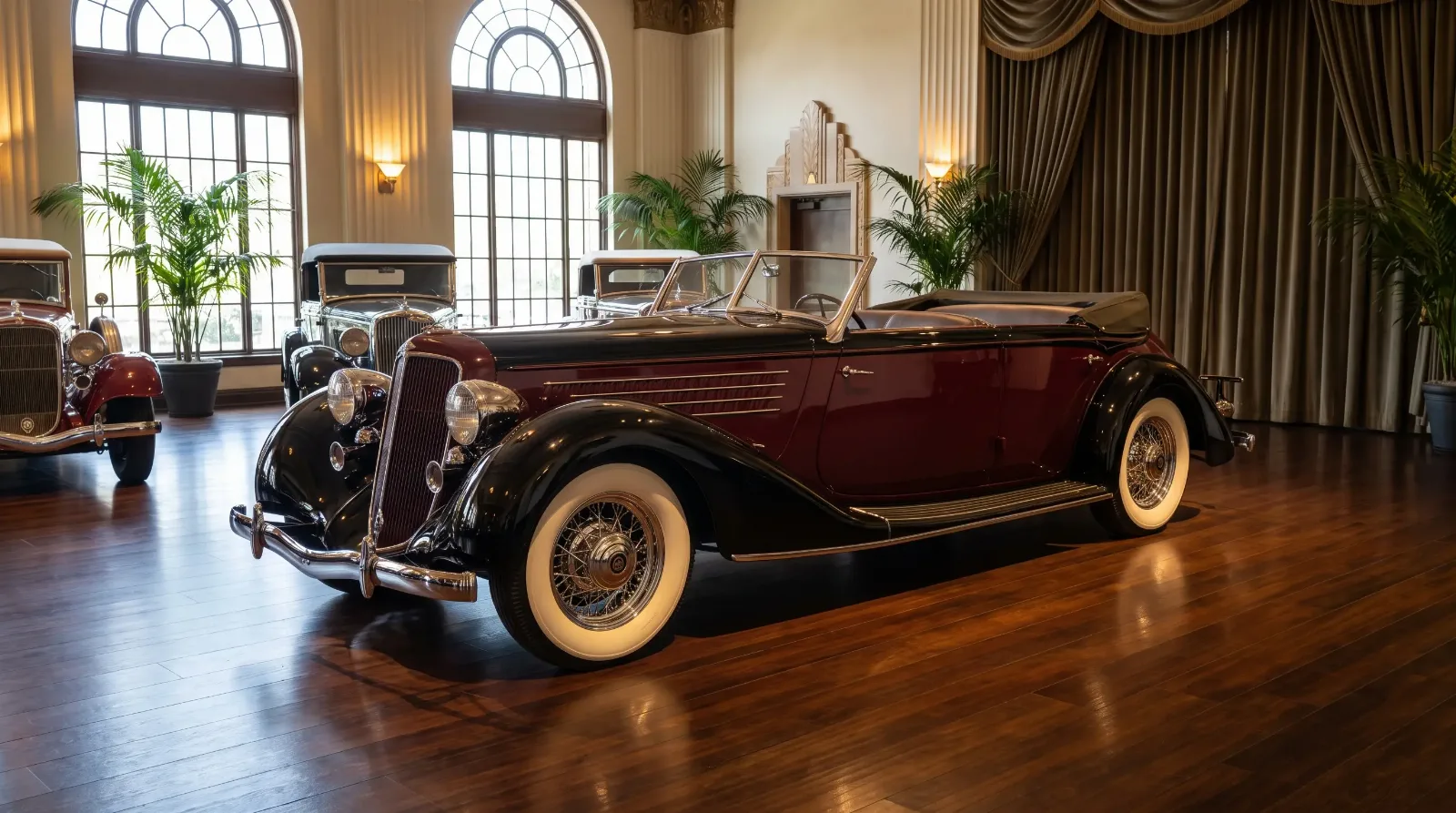
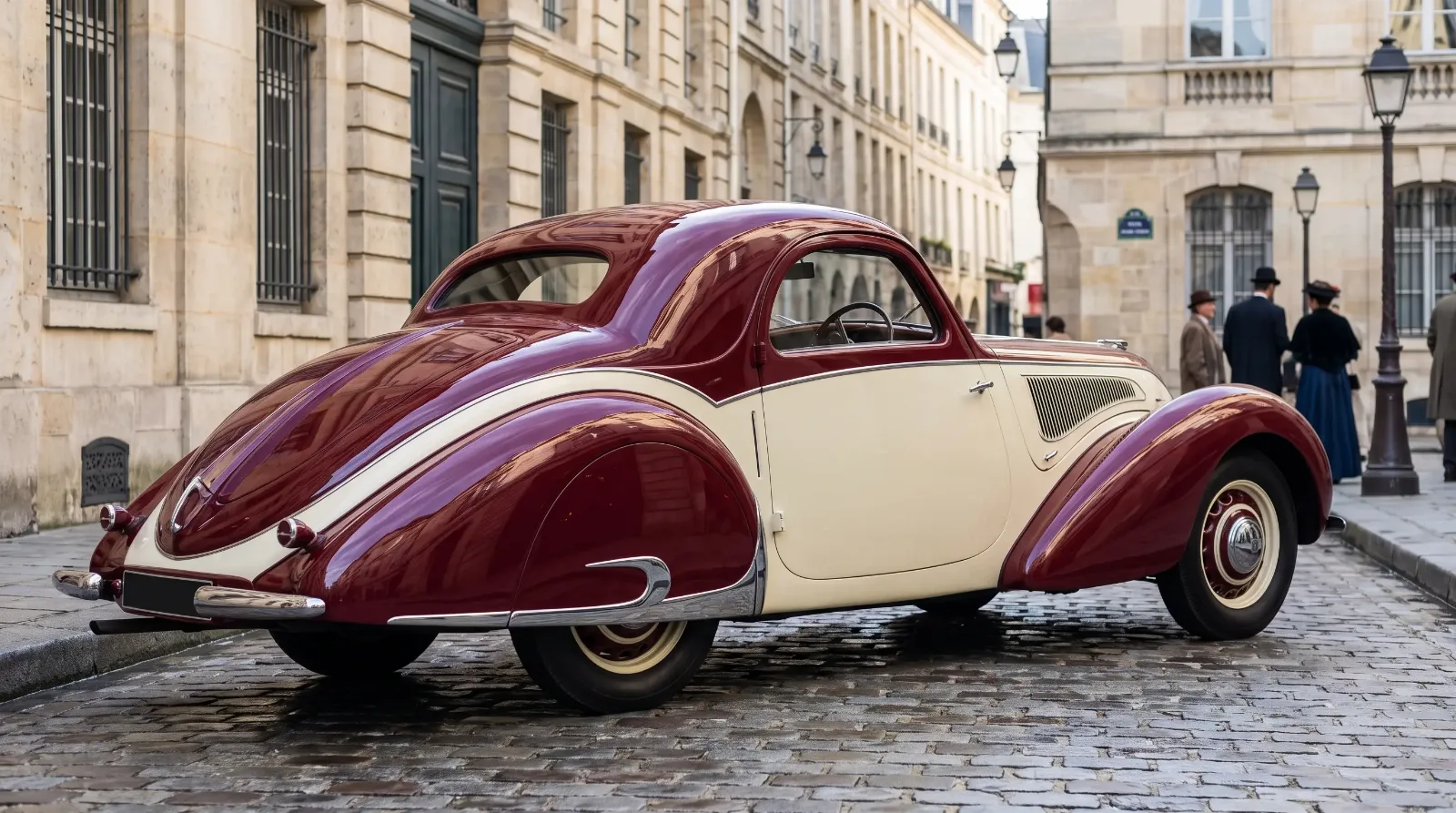
A handful of firms defined the field, and their names still move the market. On the American side, LeBaron, Murphy, Brunn, Dietrich, and Rollston bodied the finest Duesenberg, Packard, and Lincoln chassis. In Europe, the roll call includes Figoni et Falaschi, Saoutchik, and Franay in France, plus the great Italian and British houses. Each had a house style, and collectors learn to read a body the way you read handwriting.
The marque depth behind these bodies is a study on its own, since the same coachbuilder often worked across several luxury chassis. For the appraisal, what matters is the pairing: a celebrated coachbuilder on a celebrated chassis is where the top numbers live.
| Coachbuilder | Base | Known for | Typical valuation tier |
|---|---|---|---|
| Murphy | Pasadena, USA | Duesenberg convertible coupes, clean lines | #1 to #2 |
| LeBaron | USA | Formal and sporting bodies, wide chassis range | #1 to #2 |
| Brunn | USA | Formal town cars, Lincoln and Packard | #2 |
| Figoni et Falaschi | France | Flowing aerodynamic bodies, teardrop forms | #1 |
| Saoutchik | France | Dramatic, ornate coachwork | #1 |
Read the tiers as shorthand, not gospel. A #1 car is concours condition with strong documentation. A #4 car is a driver or a project. The same coachbuilder can land anywhere on that scale depending on the individual car, so the name gets you in the room, not to the number.
What separates a real coachbuilt car from a rebody
This is where appraisals get difficult. Pre-war coachbuilt cars were valuable enough that, over the decades, bodies were swapped, copied, and recreated. A rebody is a car wearing coachwork it did not leave the workshop with, sometimes a genuine period body from a scrapped car, sometimes a modern recreation. Both can be beautiful. Neither is worth what a documented original body is worth.
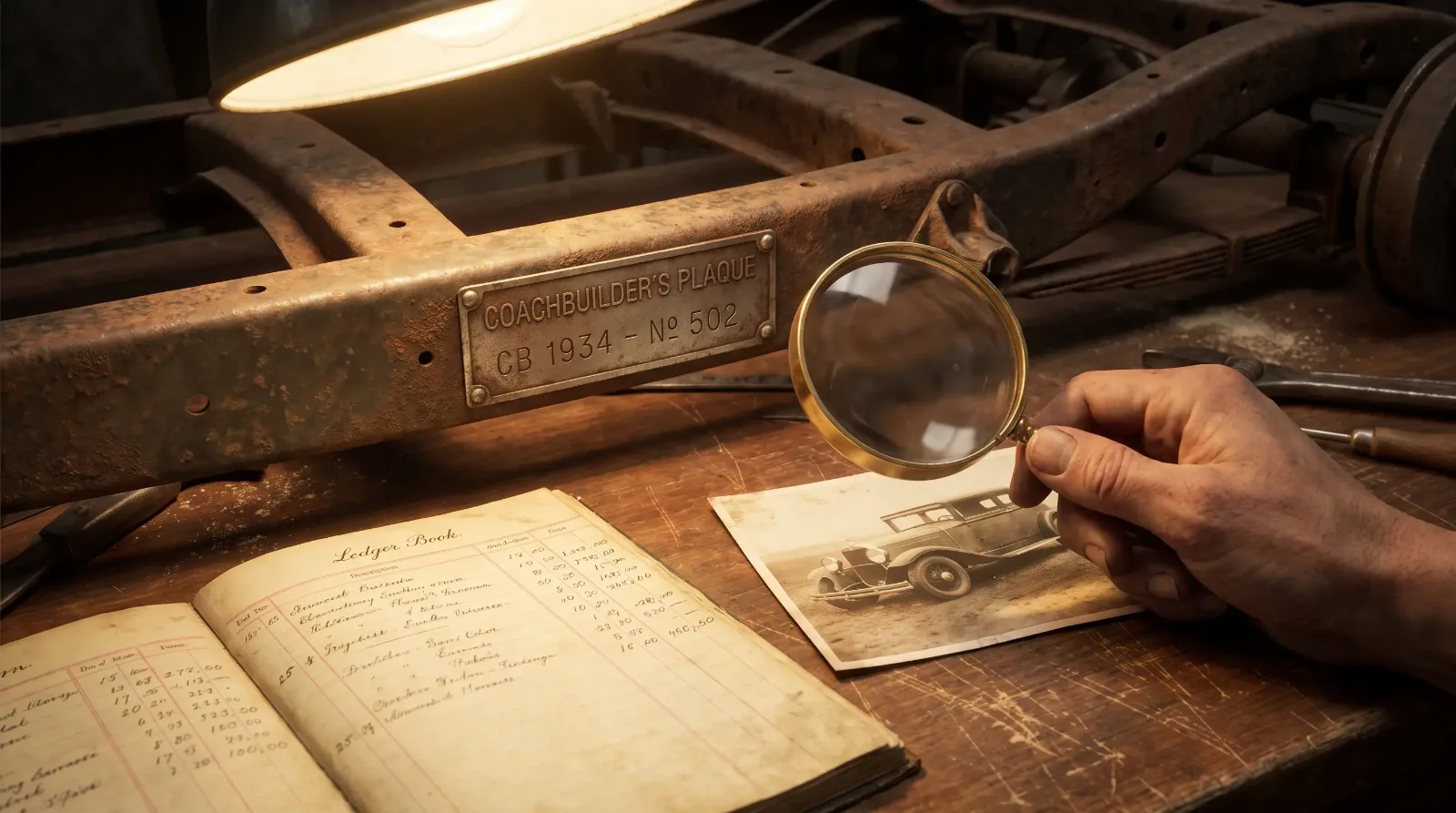
Value on these cars rests on four things: condition, documentation, liquidity, and downside. Condition you can see. Documentation is the hard part, and it carries the most weight. Liquidity means how many serious buyers exist for that exact pairing, which is thinner than it looks. Downside is what you lose if the body story falls apart under scrutiny, and on a rebody that loss can be severe.
"I will give you a value on a coachbuilt car in one sentence, then spend an hour on the caveat. The sentence is the easy part. The caveat is the body number, the build records, and whether the story survives a phone call to someone who knows the marque."
Marcus Feld
What coachbuilt cars are worth today
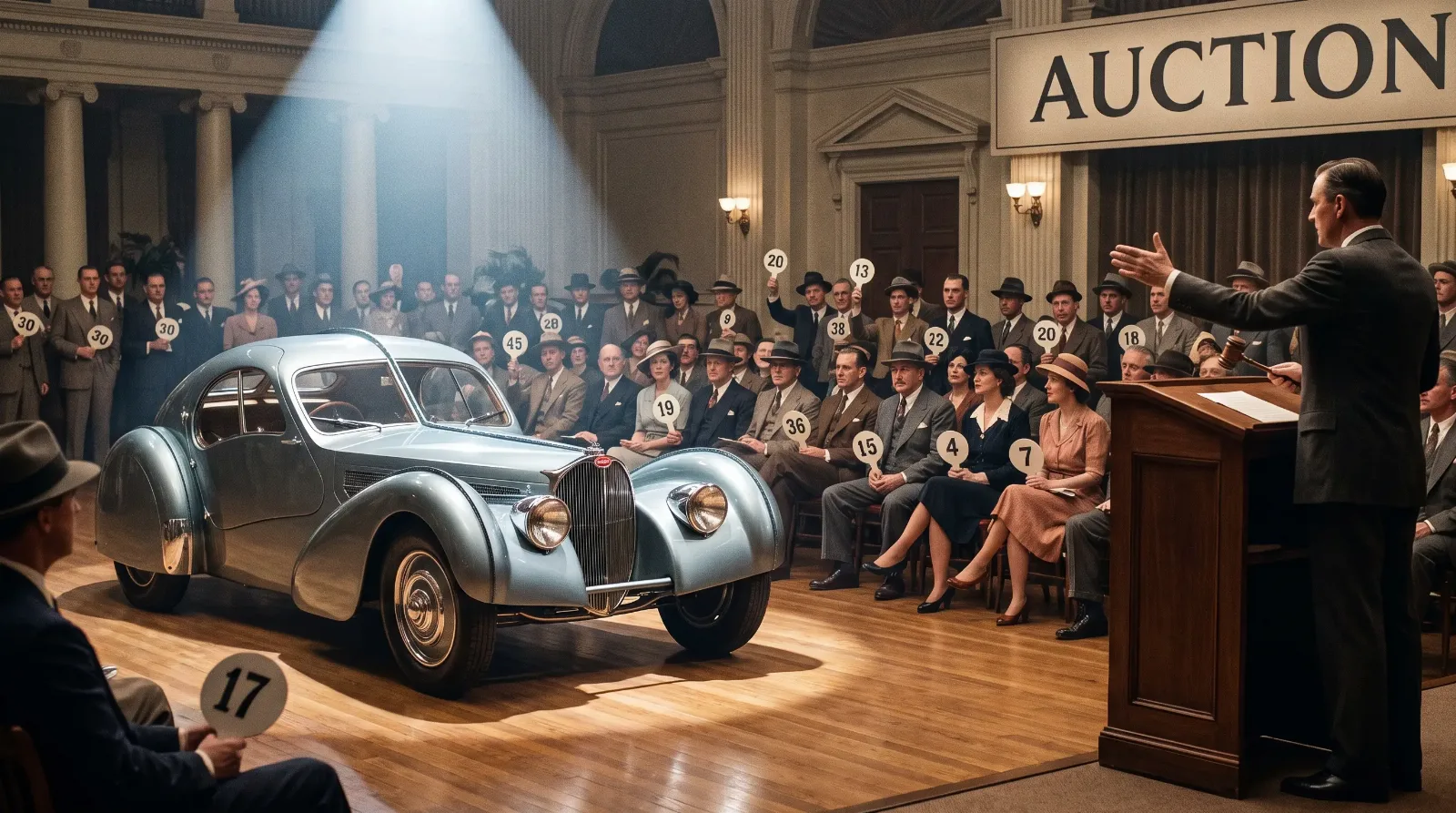
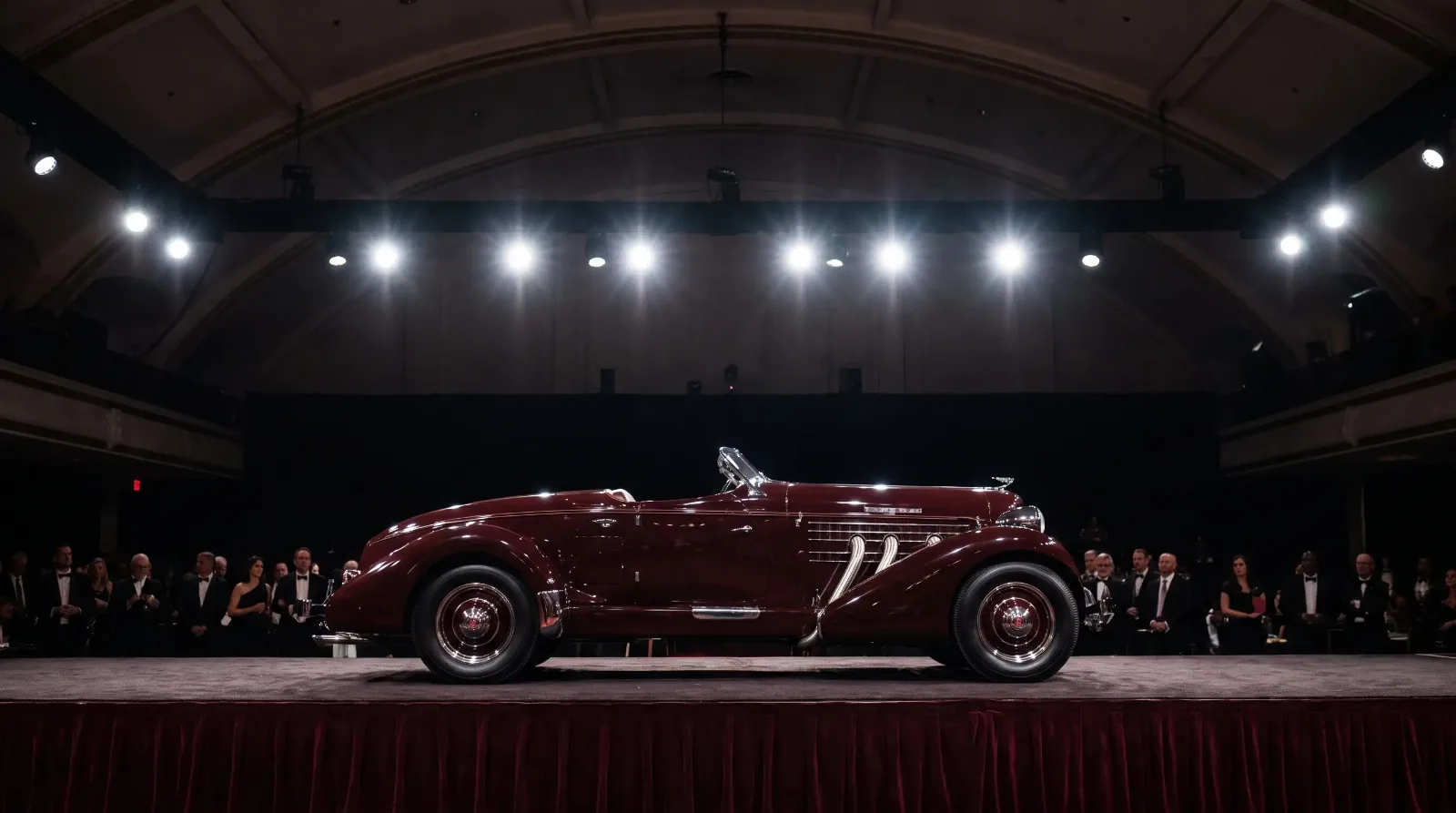
The range is wide, and I want to keep the figures honest rather than round them up. A documented Murphy-bodied Duesenberg in strong condition trades in the high seven figures at auction, and the very best cars have crossed into eight figures, a record-setting Murphy-bodied Model J sold for just over $10 million at a Monterey auction in 2011. Mid-tier American coachbuilt cars, a solid Packard or Lincoln with good but not exceptional coachwork, sit far below that, often in the low-to-mid six figures, roughly $150,000 to $400,000 depending on the year and body style. The gap between a #1 documented car and a #3 driver of the same basic type is large, sometimes several multiples.
What moves the number is provenance and comps. Provenance means the chain of ownership, the build records, and the show history. Comps mean recent sales of genuinely comparable cars, which are scarce, because these were near one-offs to begin with. When there are no clean comps, the appraisal widens, and a wide appraisal favors the seller less than they hope. If you want the full authentication and valuation method, that is the next chapter.
Buying a coachbuilt car: what to check
If you are shopping, treat the body as the asset and verify it like one. Get the body number and match it against records before you fall in love. Ask for the ownership chain in writing. Look under the paint and trim for the wooden frame, because a rotten buck is a rebuild, not a touch-up. And price the downside in, not just the upside, since a body story that unravels takes the value with it.
🔧 Inspection Priorities
- Body number and records. Confirm the coachbuilder's number matches documented build records. A mismatch or a missing plate points to a rebody and a very different value.
- Wooden frame condition. Probe for rot at the sills, door bottoms, and roof rails. Reframing a body is major work and often runs well into five figures.
- Panel originality. Look for hand-worked panels versus modern replacements. Recreated panels are not fatal but change the number.
- Provenance chain. A gap of decades with no history is a risk. Documented continuous ownership supports the top of the range.
- Chassis and body pairing. Verify the body belongs to that chassis, not a period-correct body transplanted from another car.
The craft here is worth admiring on its own terms. As an asset, though, a coachbuilt car is only as strong as its paperwork, and the paperwork is what most sellers gloss over. Do the verification first. When you are ready to see what is actually available, browse the vintage listings and compare the documented cars against the hopeful ones. The difference will be in the records, not the photos.
Sources and notes
- Motor Authority: Murphy-bodied Duesenberg Model J auction sale
- Old Cars Weekly: The record Murphy-bodied Duesenberg coupe sale
- Conceptcarz: Duesenberg Model J Murphy auction results and sales data
- American Coatings Association: A brief history of automotive coatings technology
- Hagerty: Packard valuation tools
- Wikipedia: Duesenberg, coachbuilt production history
Related Reading
Article
Pre-War Classic Cars: The Golden Age of the American Automobile (1900-1942)
Article
Cars of the 1940s: The Pre-War Tail and the Wartime Pause
Article
Antique Car Valuation & Restoration: Authenticating and Preserving History
Article
What Is a Coachbuilt Automobile?
Article
Famous Coachbuilders: Murphy, LeBaron, Brunn
Article
Hand-Built Cars Before Mass Production
Article
Why Coachbuilding Disappeared
Article
The World's Most Expensive Pre-War Cars
Article
American Coachbuilt Luxury: Duesenberg, Packard, Pierce-Arrow
Article
European Coachbuilding: Figoni, Saoutchik, Pininfarina
Article
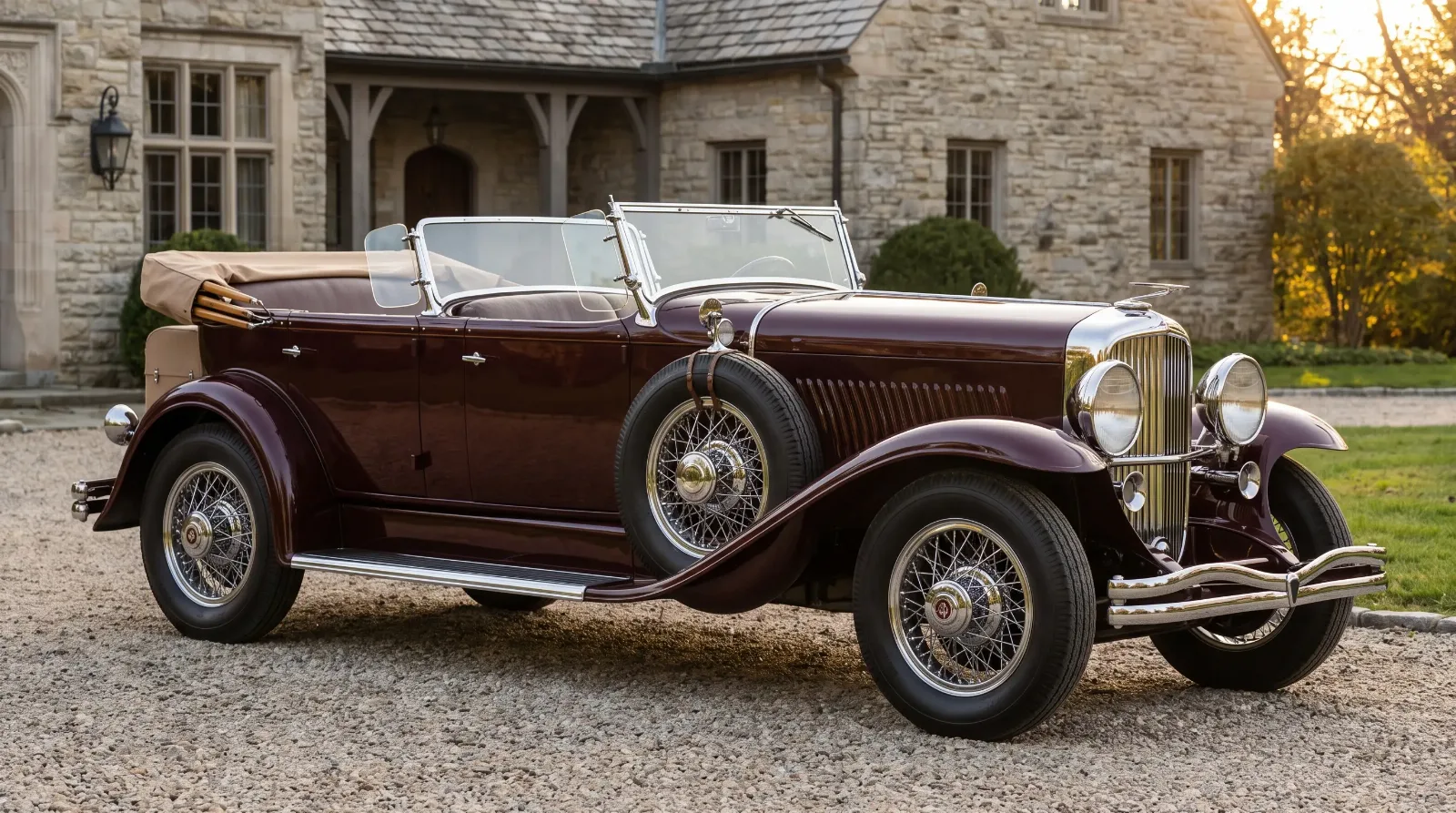
Dual-Cowl Phaetons & Bespoke Body Styles
Article
The Rarest Coachbuilt Automobiles Ever Made
Article
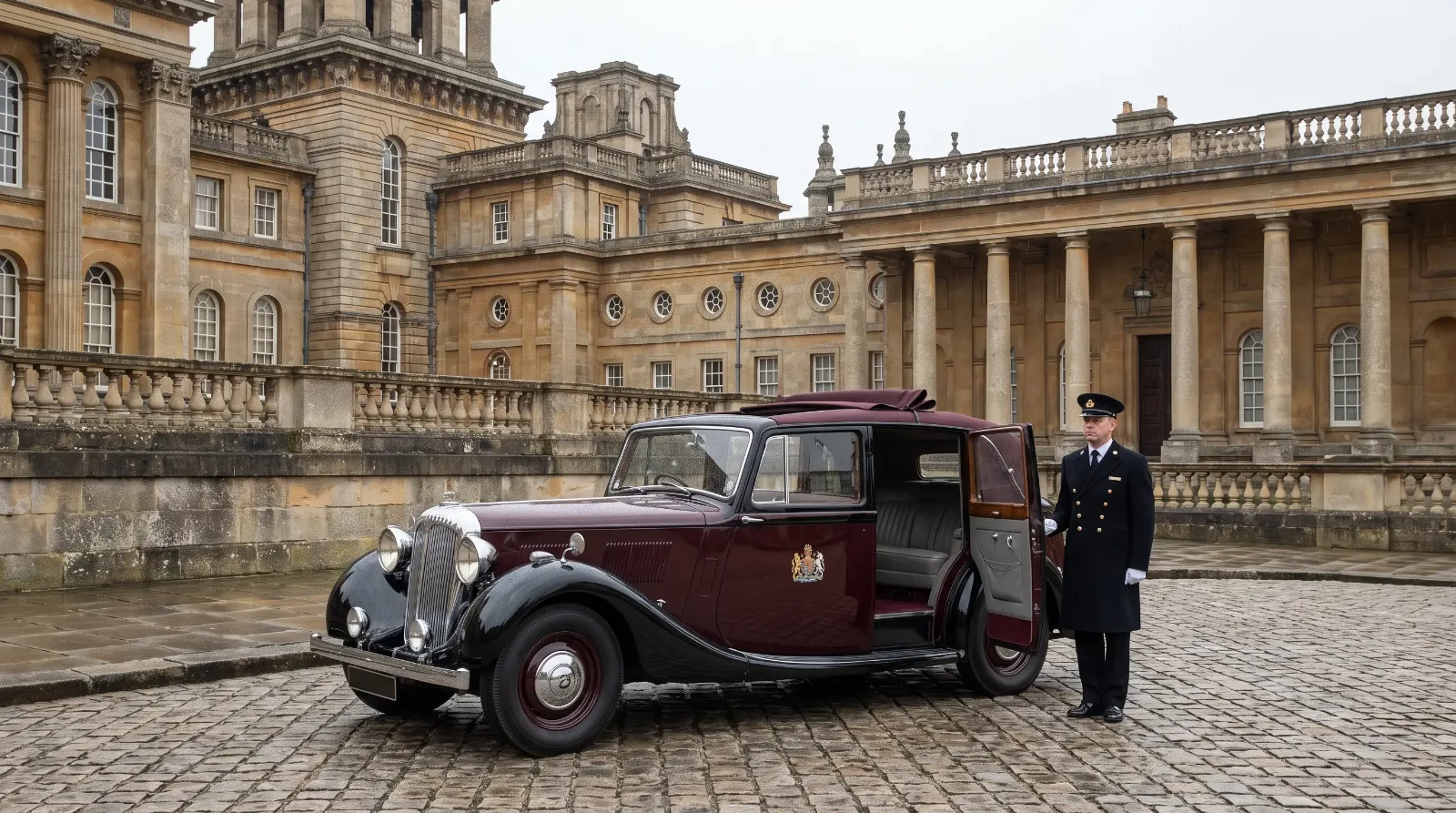
Cars Owned by Royalty Before WWII
Article
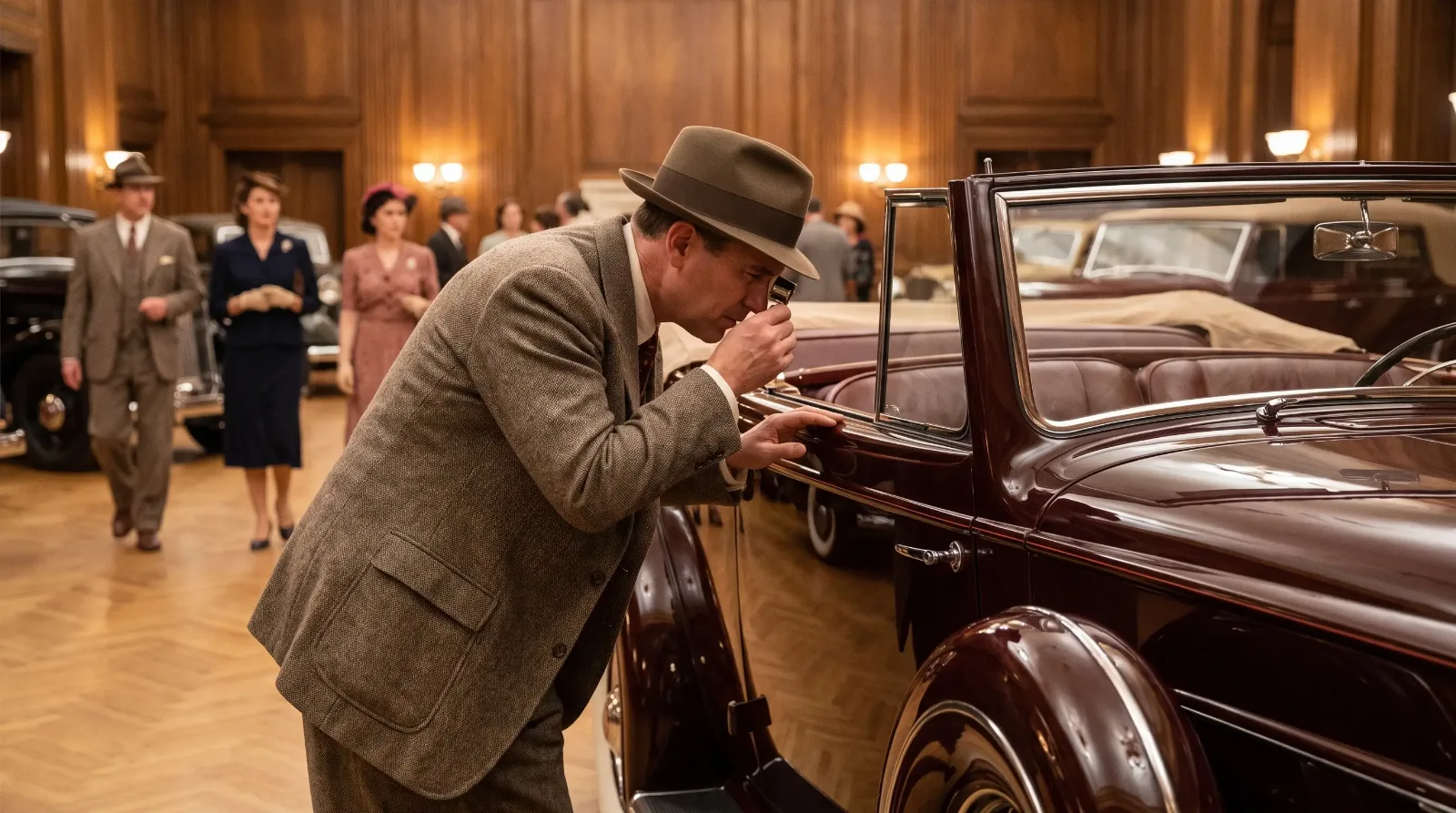
How to Value a Coachbuilt Classic Today
Article
Wood-Framed Bodywork: How It Was Built
Article
Restoring a Coachbuilt Body: The Lost Skills
Article
Authenticating a Coachbuilt Car's Provenance
Have a
Classic Car
for Sale?
Reach thousands of serious classic car collectors across the US.
Sell It Here →
Are You a Classic Car Dealer?
List your full inventory and connect with targeted classic car buyers.
Join as a Dealer →

About the author
Marcus Feld
Accredited collector-car appraiser who reads the market through hammer prices, condition tiers and risk.
Comments
Be the first to comment on this article.