
Ask me what a coachbuilt classic is worth and I will ask you four questions back before I give you a number. What is the condition, really, not the seller's description of it. What documentation exists for the body, not just the chassis. How many serious buyers exist for that exact pairing of coachbuilder and marque. And what happens to the number if the story behind the car does not hold up. Those four questions, condition, documentation, liquidity, and downside, are the whole method. Everything else is detail.
Car Features
6 min read
How to Value a Coachbuilt Classic Today
Four questions build every coachbuilt appraisal I write. Here is the method, step by step, and why the paperwork matters more than the paint.
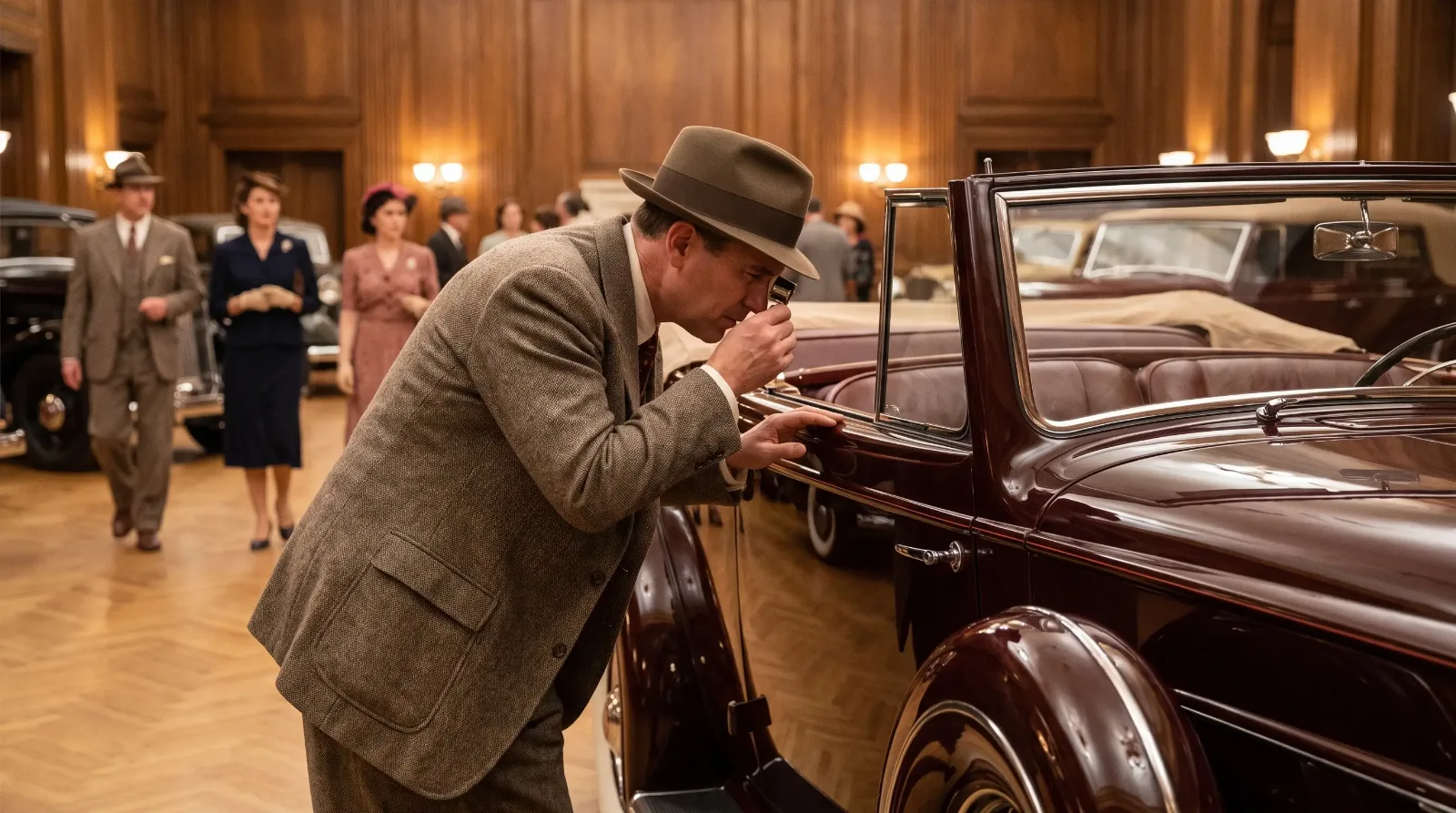
If you have not already read how coachbuilt cars came to exist in the first place, the coachbuilt car values story covers that ground. Here I want to walk through how I actually build a number, step by step, the way I would for a client sitting across the desk from me.
Condition: the part everyone gets half right
Most buyers judge condition by eye, and the eye is easily fooled on a coachbuilt car. Paint and chrome tell you almost nothing about what matters, which is the wooden frame under the panels, the mechanical originality of the chassis, and whether the body still fits the car the way it did when it left the coachbuilder's shop. A car that looks like a #1 in photographs can hide a rotted sill or a replaced panel that only shows up on a hands-on inspection. I always want to see a car before I finalize a number, and I always want to see it with a trim panel off if the seller will allow it.
Documentation: where most of the real work happens
This is the step buyers underestimate most. A coachbuilt car needs its body number matched against surviving factory or coachbuilder records, a continuous or well-explained ownership chain, and ideally period photographs showing the car as originally built. Without that paper trail, you are valuing a car on faith, and faith does not hold up when it comes time to resell. I have seen beautifully restored cars lose real money at auction because the body's originality could not be proven, while a rougher car with airtight records outsold it.
Liquidity: fewer buyers than the hype suggests
A headline auction result can make a coachbuilt niche look hot, but the buyer pool for any specific pairing of coachbuilder and chassis is genuinely small. There might be a dozen serious collectors worldwide who actively want a Murphy-bodied Duesenberg, and far fewer who want one in a specific color or body style. That thin pool means prices can swing hard on a single motivated buyer showing up, or fail to move at all when that buyer is not currently in the market. I tell clients to expect a wider range of outcomes on these cars than on a mainstream muscle car or a common sports car, simply because there are fewer bidders setting the price.
| Factor | Raises value | Lowers value |
|---|---|---|
| Documentation | Body number matched to records, continuous ownership chain | Gaps in history, no matching records |
| Condition | Original or correctly restored wooden frame and panels | Undocumented panel replacement or rot |
| Coachbuilder pairing | Celebrated coachbuilder on a celebrated chassis | Lesser-known coachbuilder or mismatched chassis |
| Comps | Recent sales of genuinely comparable cars | No comps, forcing a wider and less confident estimate |
Coachbuilder tier matters inside the liquidity question too, and it is worth separating from documentation because buyers often conflate the two. A car can have flawless paperwork and still sit in a thinner buyer pool simply because the coachbuilder who built it, however skilled, never achieved the name recognition of Murphy or LeBaron. That is not a knock on the craftsmanship. It is a market reality, and I price it in separately from the documentation question, because a well-documented car from a lesser-known coachbuilder can still sell for meaningfully less than an equally well-documented car from a celebrated one on the same chassis.
Downside: what a buyer stands to lose
The last question is the one sellers hate most. If the body's originality gets challenged after purchase, what does the owner actually lose? On a coachbuilt car, that downside can be severe, sometimes half the value or more, because so much of the price was paying for a specific documented story rather than the mechanicals alone. I always price a car with the downside in mind, not just the best-case story the seller is telling.
"Every coachbuilt appraisal I write has a number and a paragraph. Clients want the number. The paragraph is what actually protects them, because it tells them exactly what has to stay true for that number to hold."
Marcus Feld
Putting a number on it
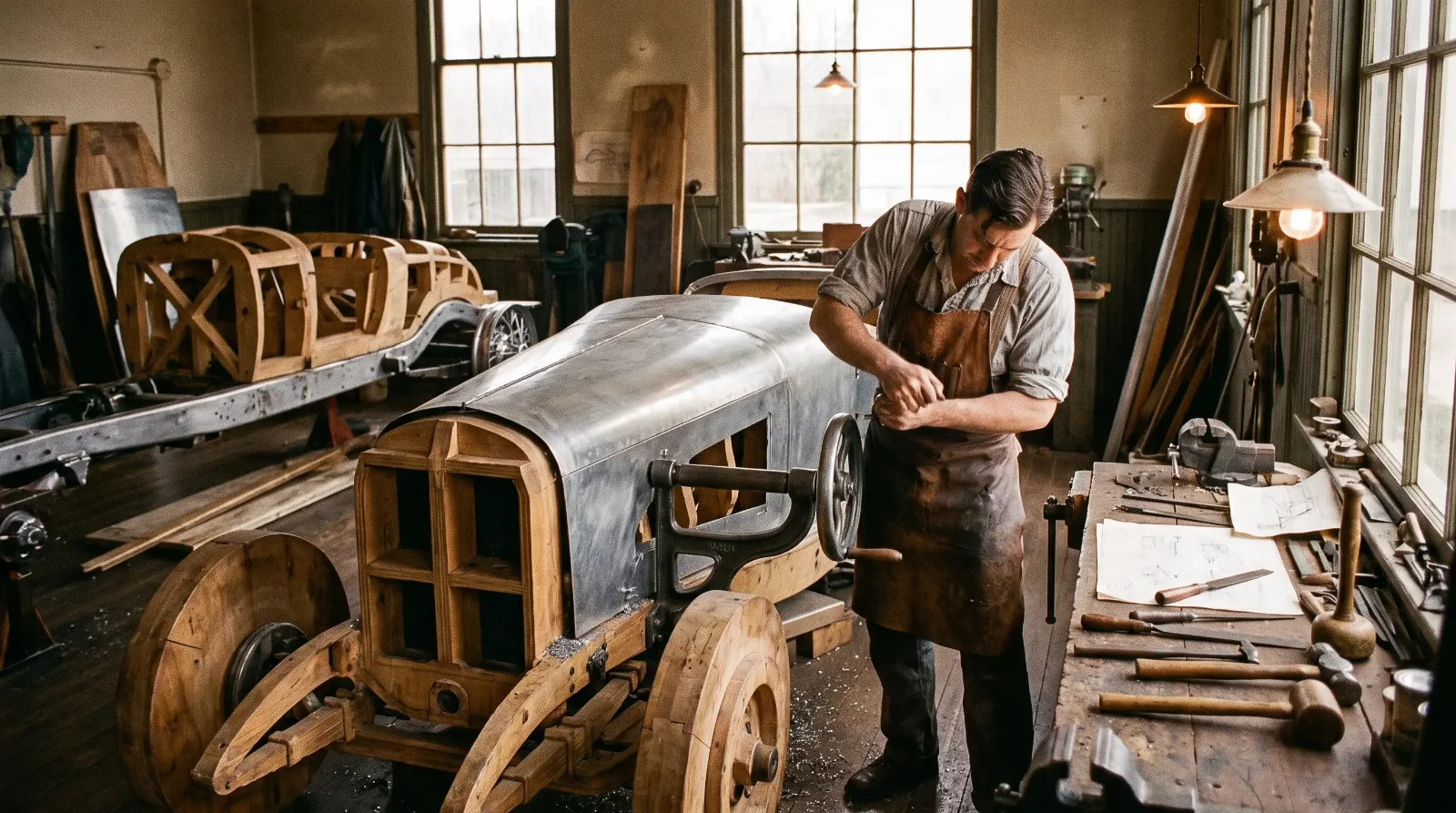
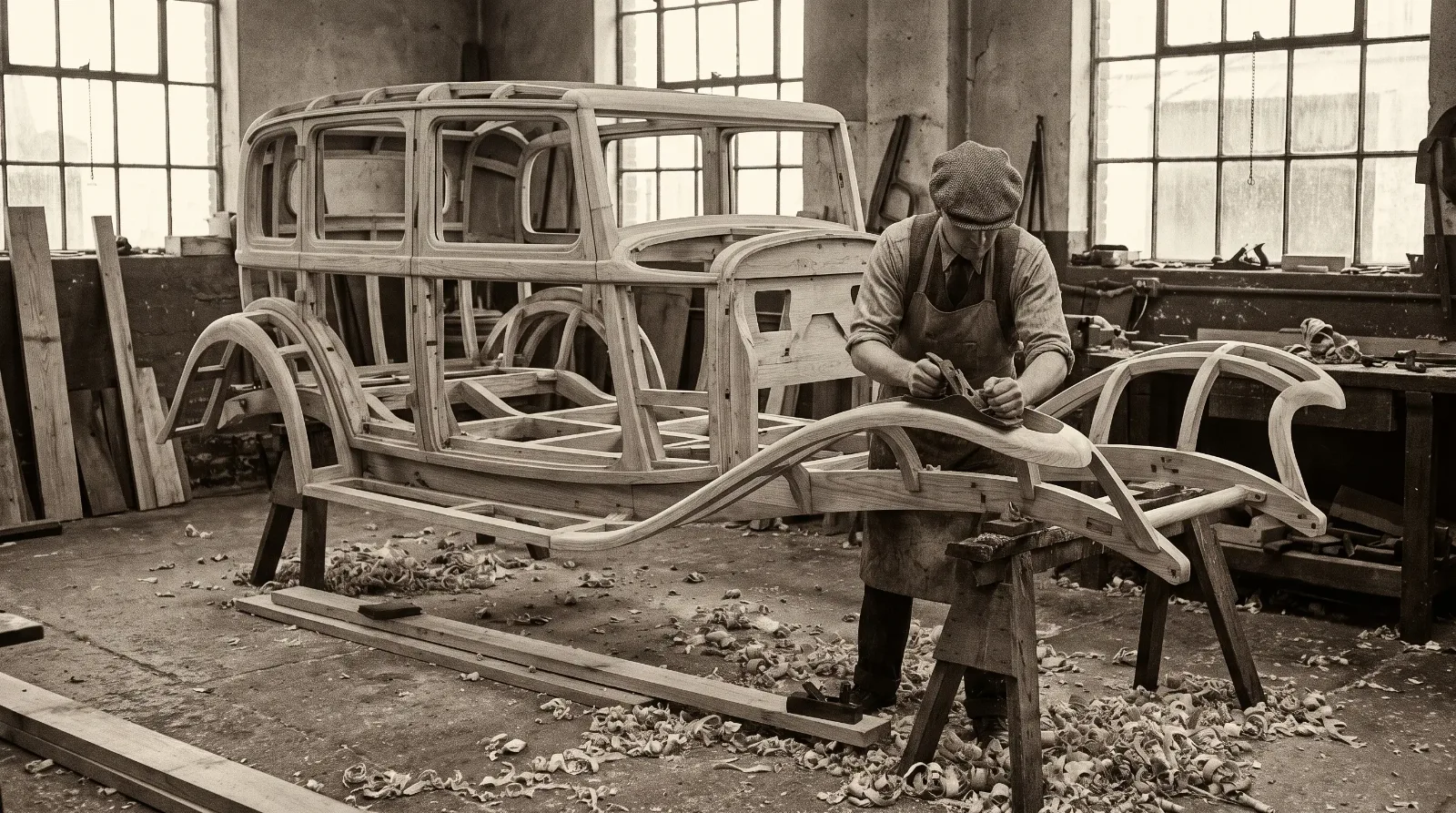
Once condition, documentation, and liquidity are established, I compare against the closest genuine comps I can find, adjusting for coachbuilder tier, body style desirability, and any restoration quality difference. The gap between a fully documented #1 car and a #3 driver of the same nominal type is often several multiples, not a modest percentage, which surprises buyers used to thinking about depreciation on ordinary cars. For the wider market context these values sit inside, the golden age of the automobile is useful background. And if the mechanical craft behind these bodies interests you as much as the numbers do, the woodworking that held these cars together is a story of its own, one read on that I would point any serious buyer toward before they commit to a purchase.
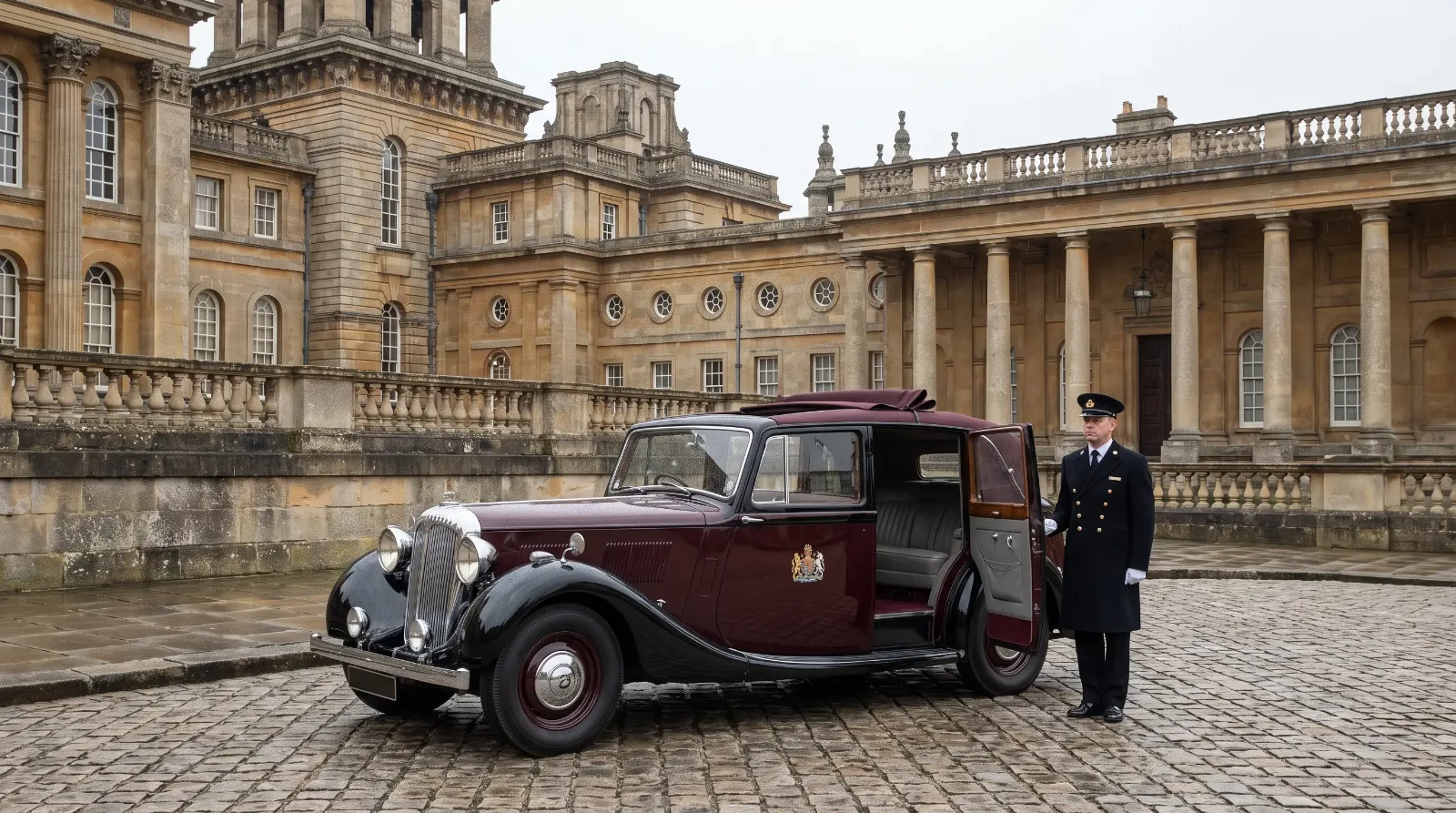
When clients ask me where to actually find one of these cars, I tell them to start by comparing documented examples against hopeful ones side by side. You can browse the vintage listings and see the spread yourself. The difference between a well-documented coachbuilt car and an undocumented one rarely shows in the photographs. It shows in the paperwork, and that is where the real appraisal work happens.
Sources and notes
Related Reading
Have a
Classic Car
for Sale?
Reach thousands of serious classic car collectors across the US.
Sell It Here →
Are You a Classic Car Dealer?
List your full inventory and connect with targeted classic car buyers.
Join as a Dealer →
#collector cars
#pre-war classics
#coachbuilt cars
#car valuation
#car appraisal
#coachbuilt car values

About the author
Marcus Feld
Accredited collector-car appraiser who reads the market through hammer prices, condition tiers and risk.




Comments
Be the first to comment on this article.