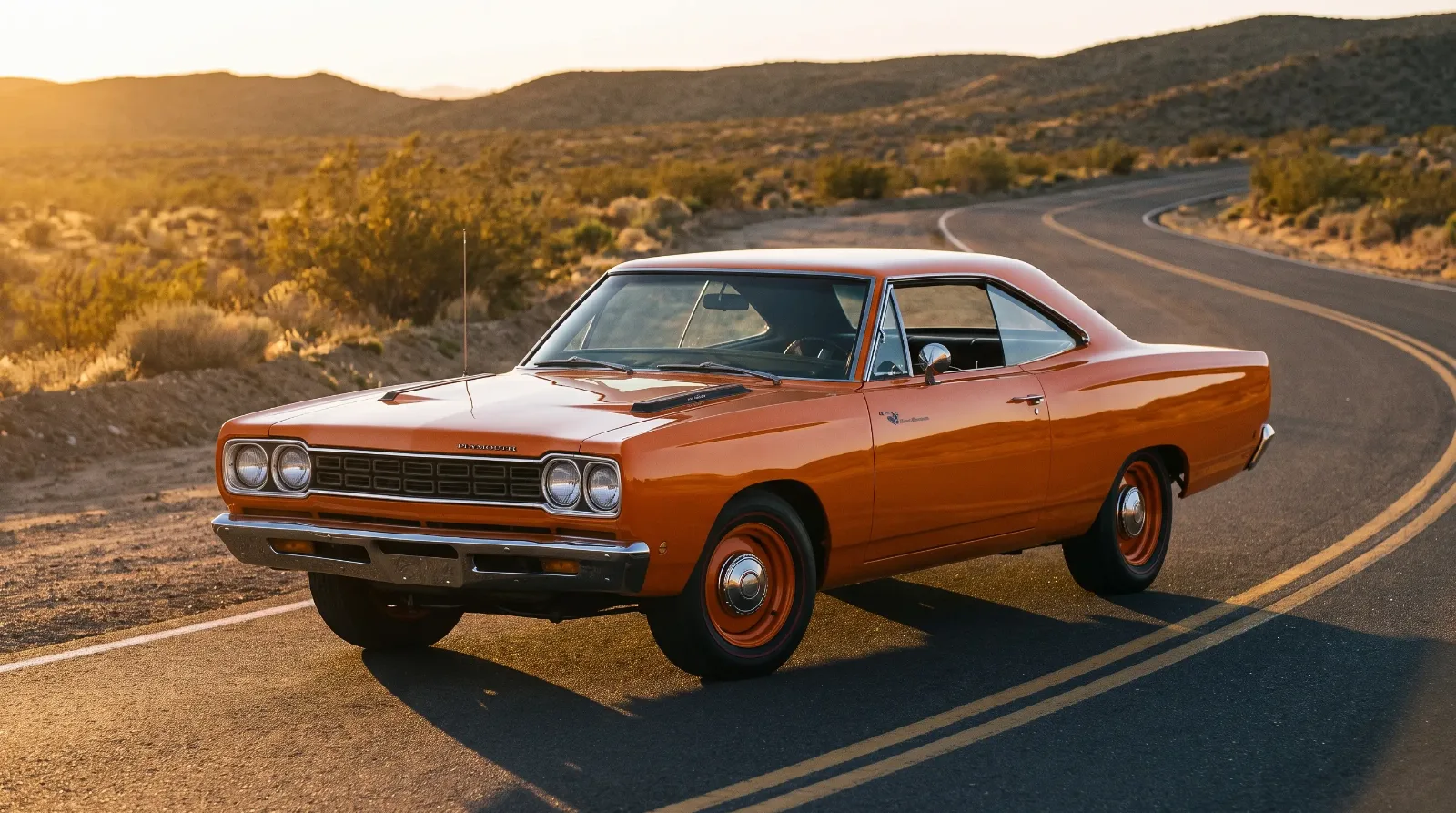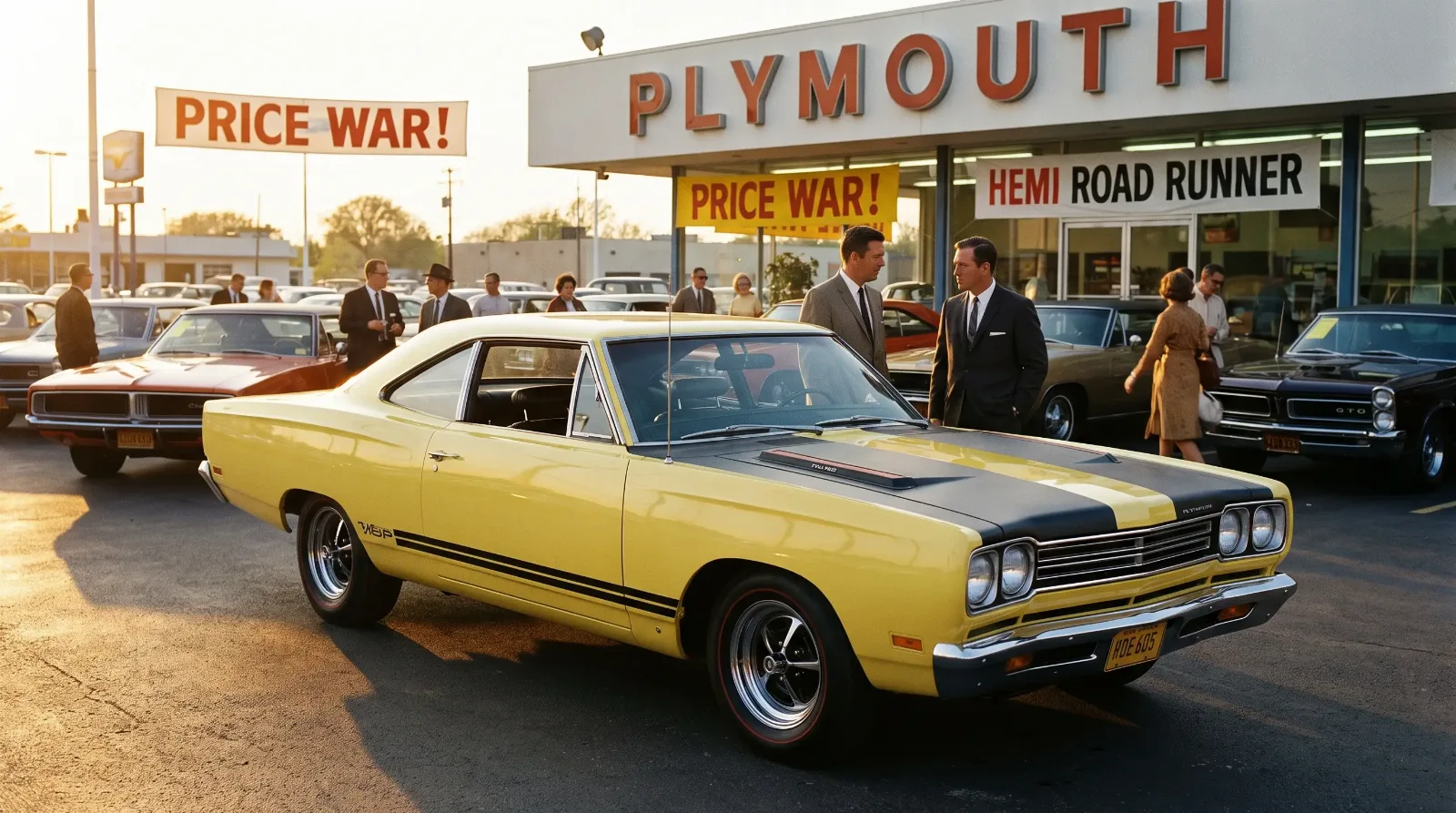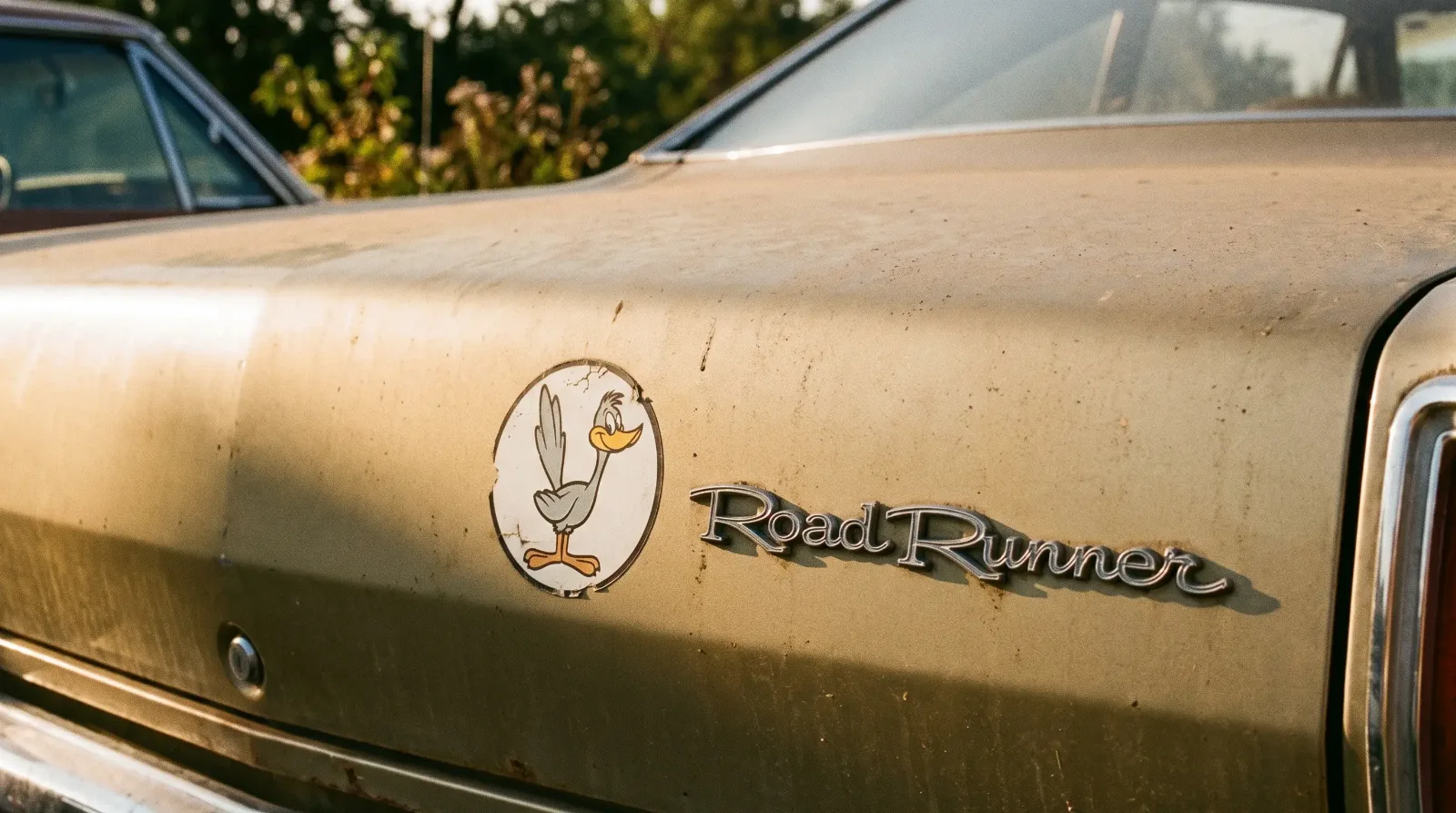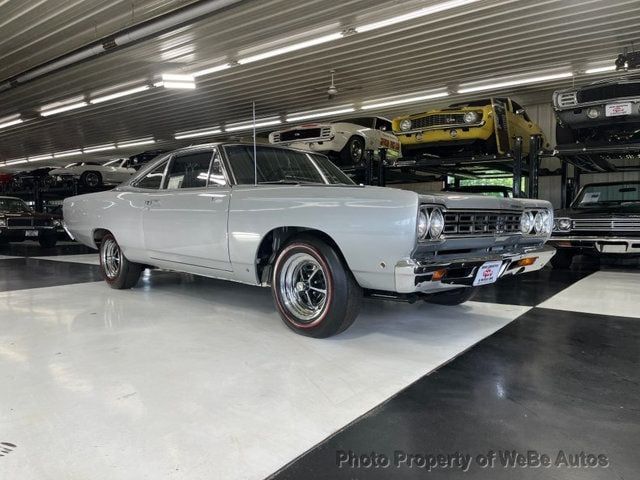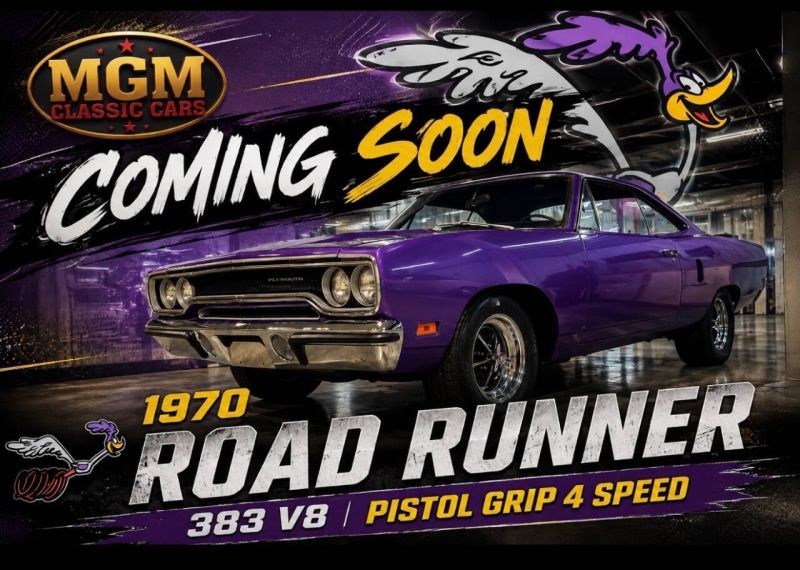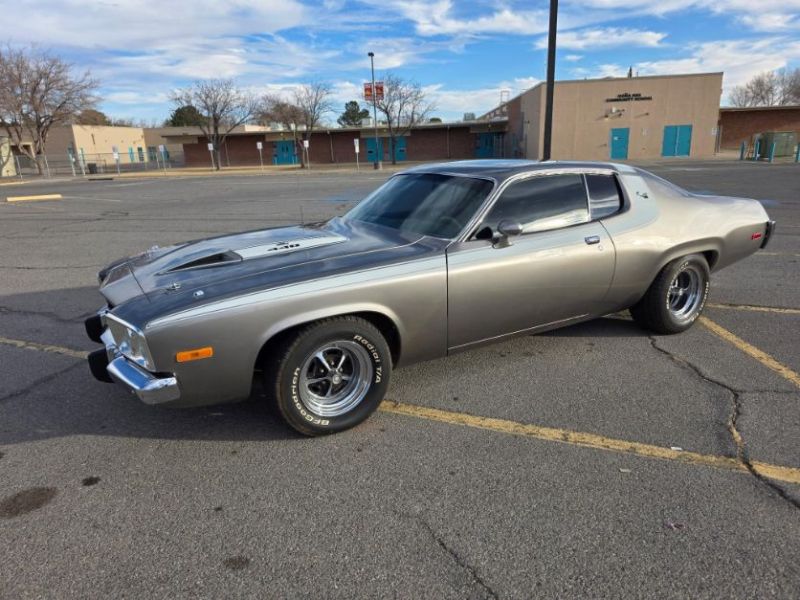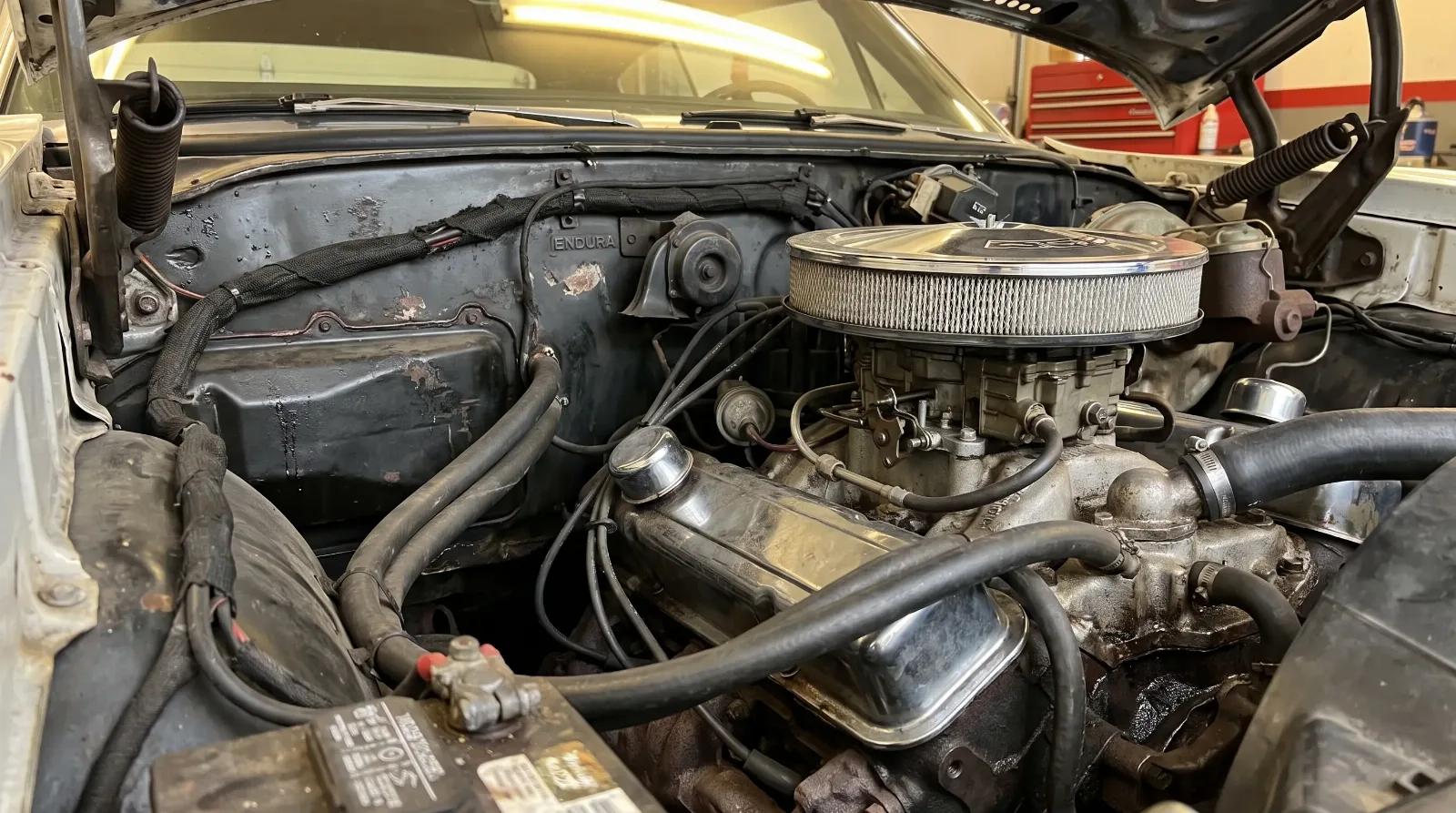
The 1968 Road Runner production numbers tell a story Plymouth's own marketing team did not fully believe until the order banks started filling. Chrysler had budgeted for a modest run, a cheap muscle car aimed at buyers who wanted a stoplight winner without the trim and the payments that came with a GTO. Instead the division sold roughly 45,000 Road Runners in the car's first model year, a figure that blew past every internal estimate and turned a cartoon-branded experiment into one of the most consequential launches in Chrysler's postwar history.
Getting to that number required a plan Plymouth had never really tried before: sell horsepower without the options list. The launch story explains the origin, but the production ledger is where the gamble either pays off or gets quietly buried. It paid off.
What the order banks actually showed
Plymouth's regional zone offices began forwarding dealer orders for the Road Runner in late 1967, months before the car reached showrooms as a 1968 model. The early paperwork worried some product planners because so many orders specified the base coupe with the 383 cubic inch V8 and nothing else, no power steering, no console, no bucket seats. Chrysler had priced the Road Runner to start around $2,896, a figure low enough that a buyer could walk in, order the four speed manual and the Hurst shifter, and drive out with a genuine muscle car for less than a loaded Belvedere.
By the time the 1968 model year closed, Plymouth had built somewhere near 44,599 hardtops and coupes combined, with the pillared coupe outselling the hardtop by a wide margin in the car's debut year, a reversal of what most muscle car nameplates experienced. Buyers wanted the cheapest, lightest body style, and Plymouth had built exactly that.
Coupe versus hardtop, and why the split mattered
The two body styles split roughly along the lines Plymouth's marketing department had hoped for but had not guaranteed. The pillared coupe, stripped and cheap, sold to buyers chasing raw value and drag strip credibility. The hardtop, added partway through the year for buyers who wanted the notchback look without the B pillar, carried a higher price and drew a slightly different customer, one closer to the traditional muscle car shopper cross-shopping a GTO or a Chevelle SS.
| Body style | Approx. 1968 production | Starting notes |
|---|---|---|
| Pillared coupe | 29,240 units | Base engine, minimal trim, lowest sticker price |
| Hardtop | 15,359 units | Added mid-year, higher base price, more standard chrome |
| Hemi-equipped (both styles) | Approx. 1,019 units | Rare, ordered almost exclusively for the strip |
The Hemi cars are the outlier in every production discussion, and rightly so. Plymouth sold the 426 as an option on the Road Runner from the beginning, but few buyers checked that box. The Hemi added real money to a car whose entire pitch was cheapness, and most shoppers who wanted maximum output for minimum dollars stuck with the 383, or waited a year for the 440 six barrel to arrive.
Why the factory kept revising its own forecast
Internal Chrysler production planning for 1968 treated the Road Runner as a secondary line, something built alongside the Belvedere and Satellite on the same Lynch Road assembly floor rather than a dedicated program. That decision looked conservative in September 1967 and looked like a mistake by February 1968, when zone managers were calling in asking for more allocation. Plymouth revised its build schedule at least twice during the model year to keep pace, shifting line time away from other B-body variants to cover Road Runner orders.
That kind of mid-year scramble was unusual for Chrysler, a company not known for nimble production planning in the 1960s. It happened because the Road Runner had accidentally solved a problem the rest of the industry hadn't noticed yet: a huge slice of the muscle car market wanted the performance and did not care about the badge prestige or the options list. Ford and GM were still selling image. Plymouth was selling a number, and it turned out the number sold itself.
"Every production record from that first year has the same fingerprint. Somebody in Highland Park kept underestimating how many people just wanted the cheap, fast one, and kept getting proven wrong."
- Tom Ramirez
What the numbers meant for the rest of the muscle car era
The scale of 1968 Road Runner production reshaped how every domestic manufacturer approached the low-price performance segment for the next several years. Pontiac had the GTO Judge coming. Chevrolet doubled down on the Nova SS and the Chevelle. Dodge, watching its sister division outsell projections by a wide margin, greenlit the Super Bee before the 1968 model year had even finished. None of that happens without the production figures Plymouth posted in that first run.
The story also explains why surviving 1968 cars carry the weight they do among collectors today. A car built in large numbers should, in theory, be common and cheap decades later. The Road Runner mostly avoided that fate because a large share of the original production run was driven hard, raced, wrecked, or simply used up by owners who bought the car specifically to abuse it. Attrition did what rarity alone could not, and clean survivors now draw serious money at auction.
For anyone tracing the full arc of the nameplate, the production story only makes sense next to the debut itself, where the badge, the horn, and the pricing strategy all came together. Read the 1968 launch coverage for the whole picture, and if the numbers above have you thinking about ownership rather than history, you can shop classic Runner listings and see what survives on the market today.
How Lynch Road kept up with demand
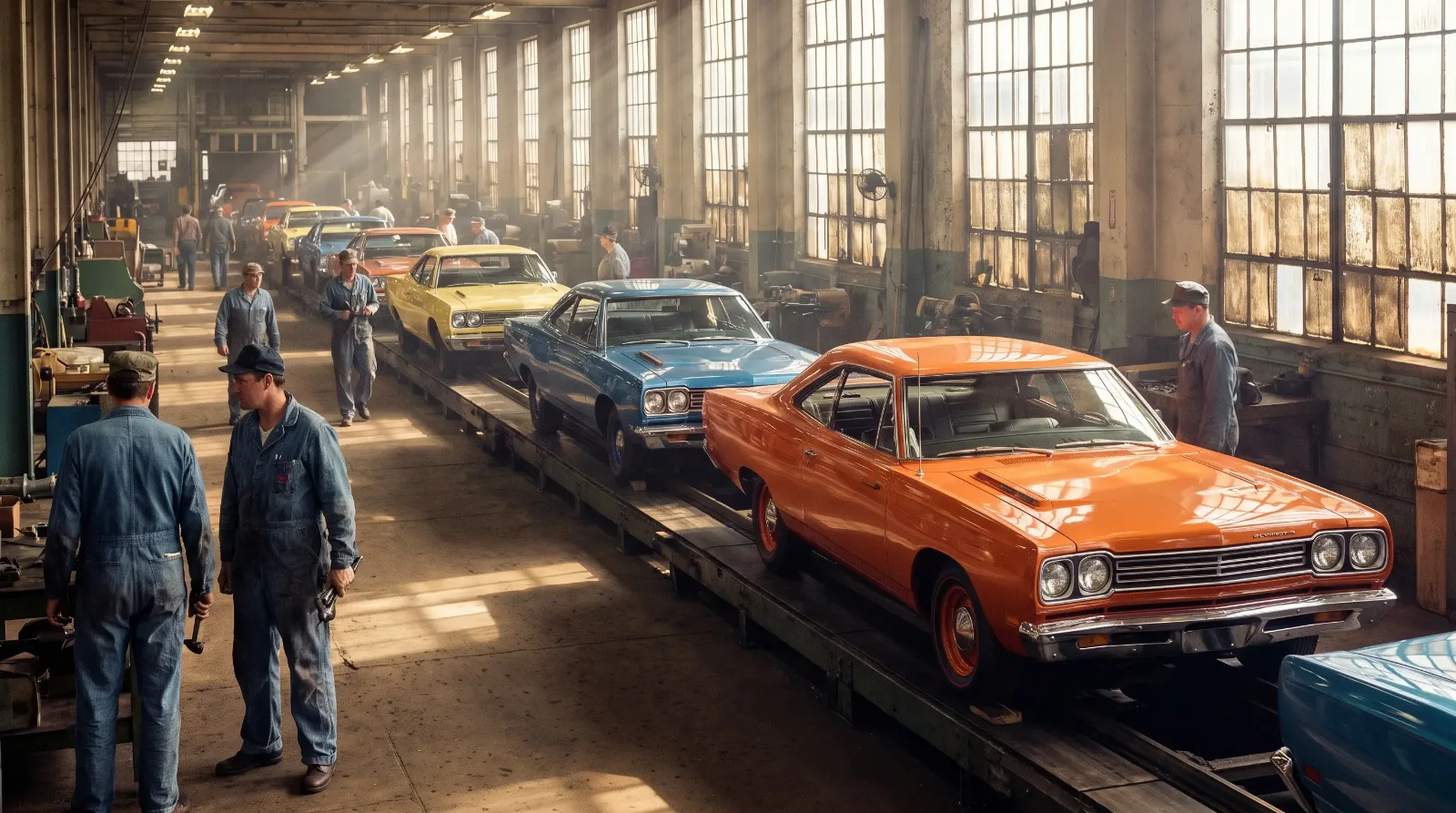
Chrysler built the 1968 Road Runner primarily at its Lynch Road assembly plant in Detroit, sharing floor space with several other B-body Plymouth and Dodge models built on the same platform. That shared line was efficient when demand stayed predictable, and it became a genuine headache once Road Runner orders started outpacing every other nameplate built alongside it. Line supervisors had to juggle parts sequencing, paint booth scheduling, and trim allocation in ways the original 1968 production plan never anticipated.
Workers on the floor noticed the shift before management's own reports caught up with it. Orders for stripped, low-content cars kept arriving in volumes nobody had modeled, which meant simpler build sheets moving through stations designed to handle a mix of trim levels. In an odd way, the plainness of the car that made it cheap to buy also made it easier to build quickly once the plant adjusted its rhythm to the demand.
Reading the production numbers today
Collectors researching a specific 1968 Road Runner should treat the production figures as a starting point, not a verdict. Broadcast sheets, fender tags, and Chrysler's own build records remain the only reliable way to confirm whether a given car left the factory with the options its current owner claims. The overall 1968 road runner production run was large enough that documentation matters more than rarity claims, and small enough that a well-papered Hemi car still commands serious attention whenever one surfaces.
What the 1968 numbers ultimately prove is that Plymouth had, almost by accident, found the formula the rest of the muscle car era would spend the next six years trying to copy: take away everything but the engine, price it low, and let the buyers do the marketing.
Sources and notes
- Plymouth Road Runner - Wikipedia
- 1968 Plymouth Road Runner - Hagerty Valuation Tools
- Vintage Car Life Review: 1968 Plymouth Road Runner 383 - Curbside Classic
- 1968 Four-Speed Road Runner: Go Hemi or Go Home - autoevolution
- 1968 Plymouth Road Runner: A Profile of a Muscle Car - HowStuffWorks
- 1968 Plymouth Road Runner Specifications - conceptcarz.com