
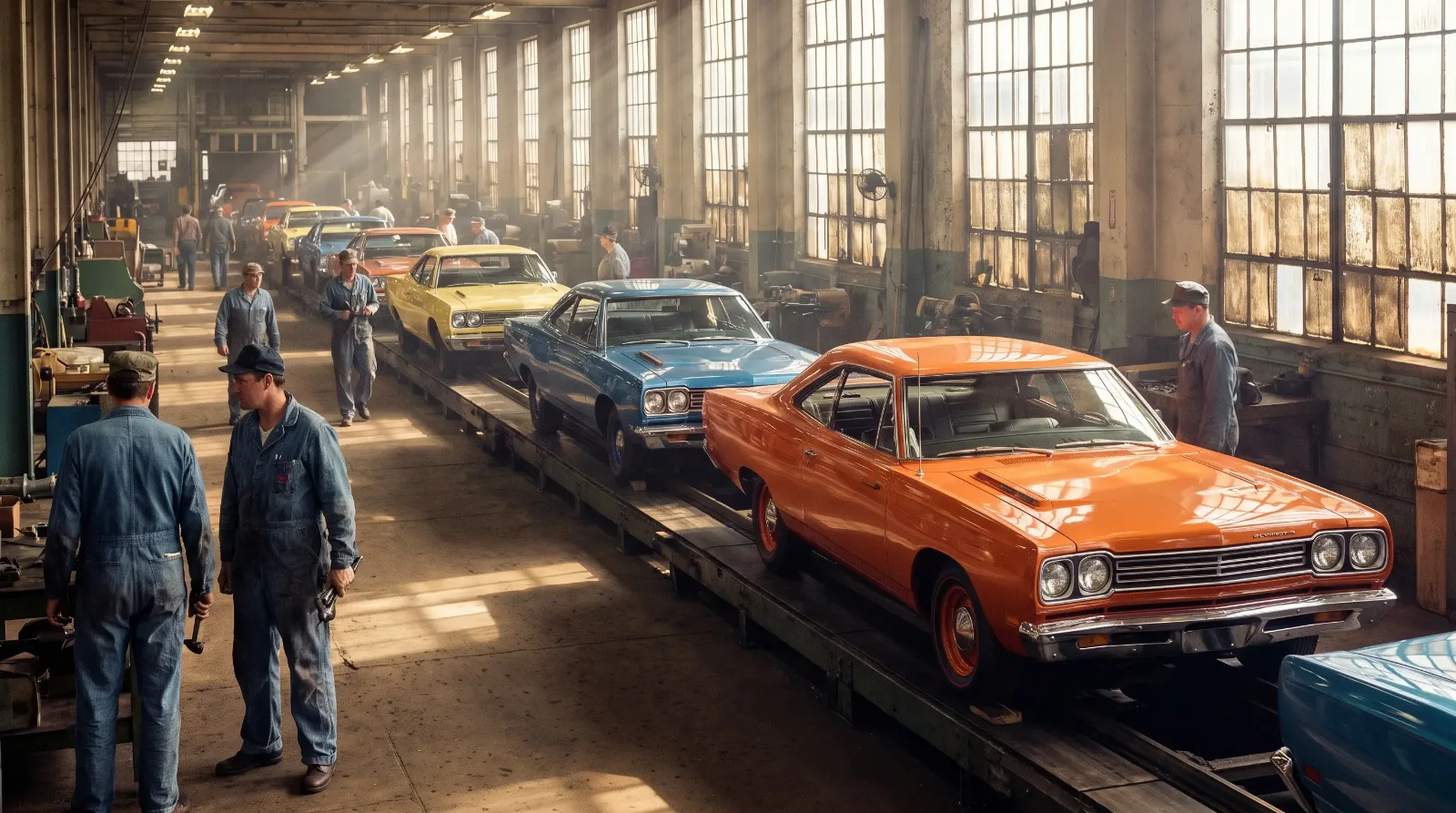
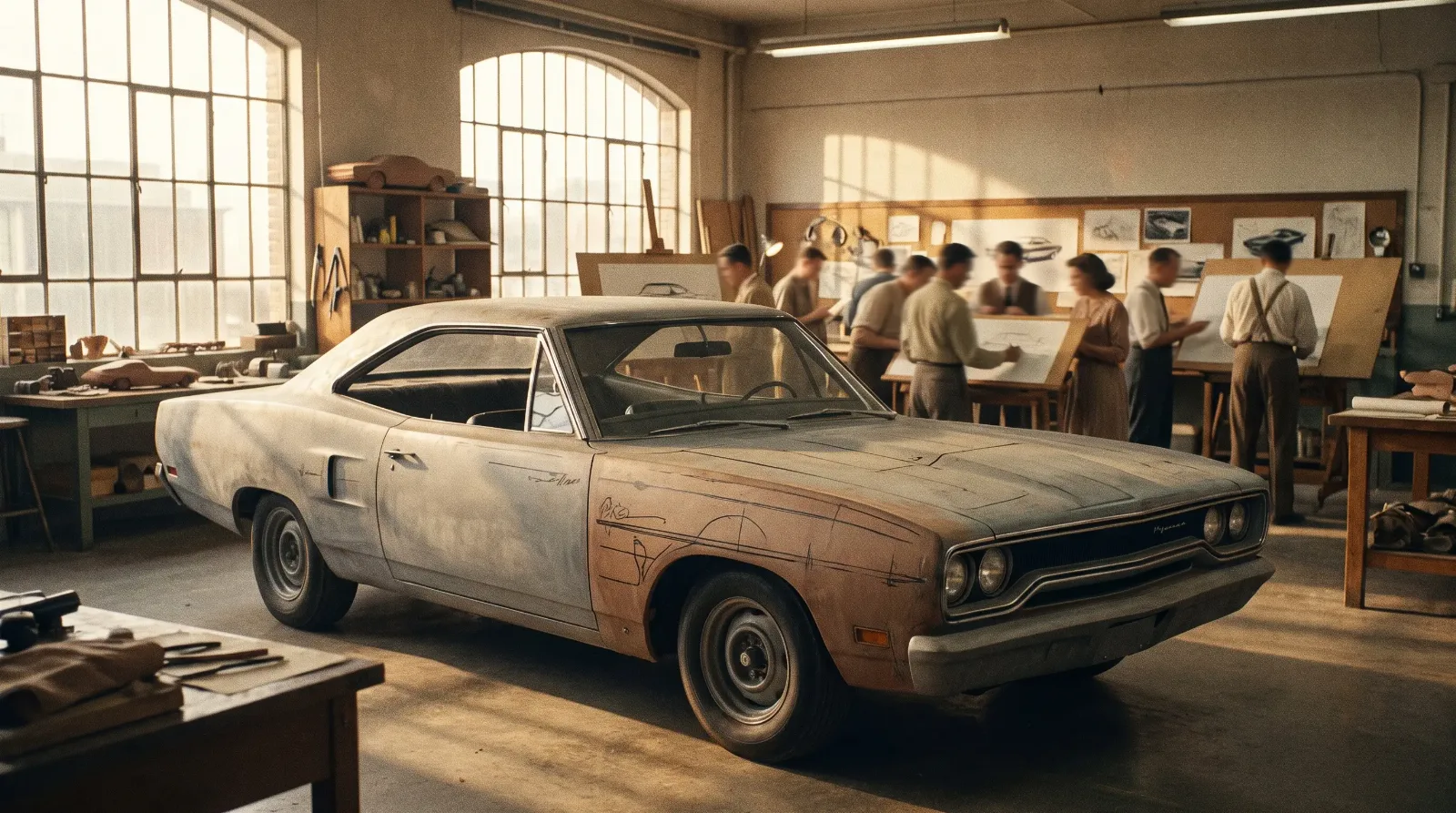
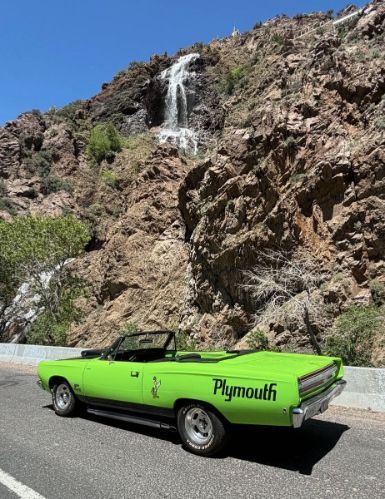
Somewhere in Detroit in early 1967, a Plymouth product planner named Jack Smith reportedly paid Warner Bros. a modest licensing fee for the rights to a cartoon bird, and with that signature the 1968 Plymouth Road Runner stopped being a memo and became one of the most honest muscle cars anyone ever built. The idea was almost insulting in its simplicity. Take a mid-size Belvedere, drop in a big engine, throw out everything a young buyer could not afford, and sell the whole thing for less money than the competition charged for a nicely optioned six-cylinder commuter. No stripes you had to pay extra for. No carpet where a rubber mat would do. Just speed you could actually buy.
Car Features
10 min read
The 1968 Road Runner: The Budget Muscle Car That Changed Everything
Plymouth bet on a stripped-down muscle car named after a cartoon bird, and the 1968 Road Runner rewrote the rules for how fast a working budget could go.
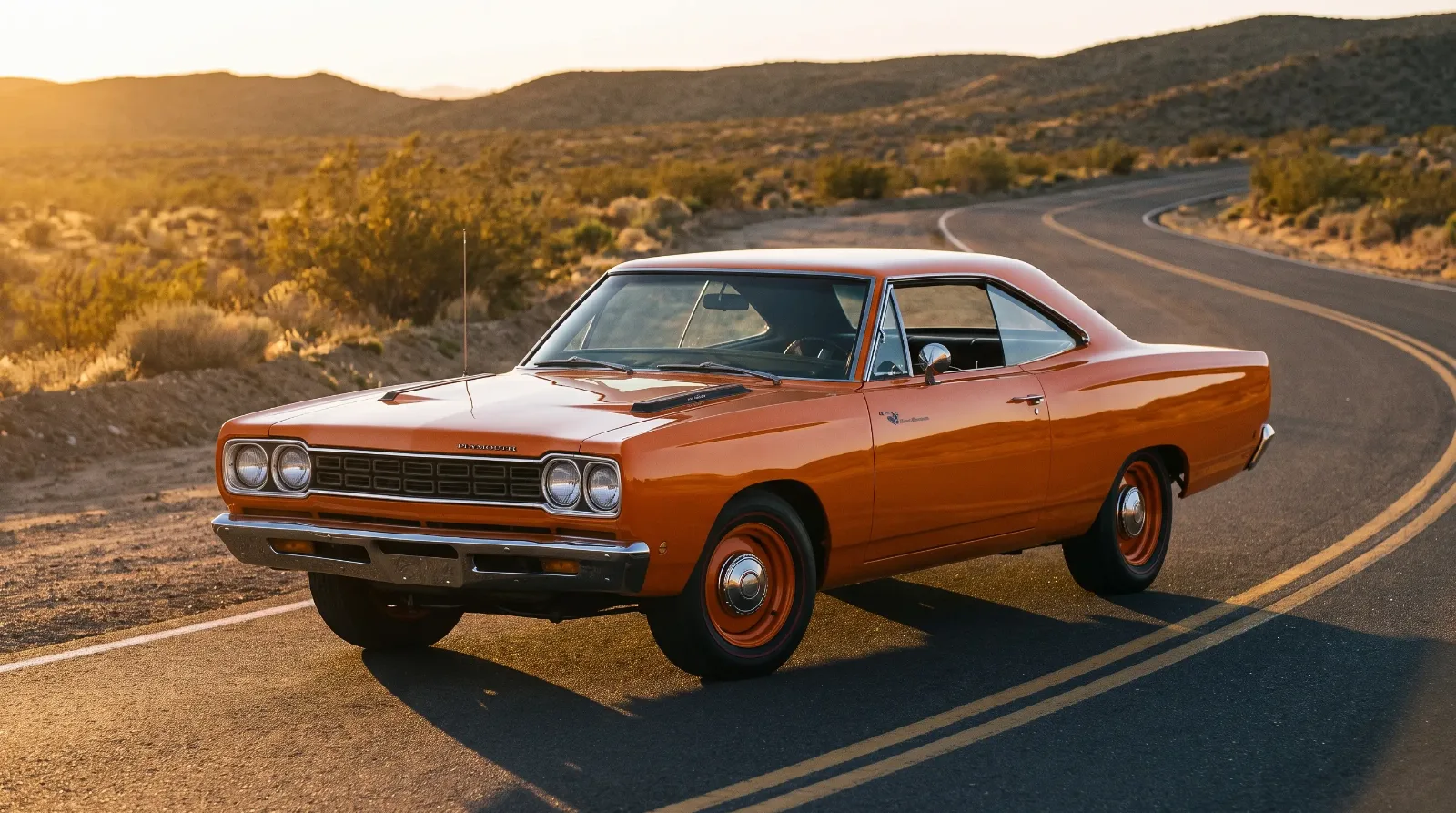
What Plymouth understood, and what the rest of the industry took another year to admit, was that the muscle car had drifted away from the people who made it a phenomenon in the first place. By 1967 a GTO or a 4-4-2 was creeping toward premium territory, loaded with comfort and image and a price tag to match. The kids reading the magazines could dream about those cars. They could not write the check. The Road Runner was Plymouth calling that bluff.
A car built by subtraction
The engineering brief for the 1968 model reads like a list of things left out. There was no bright trim to speak of. The bench seat was flat and plain. The door panels were basic. Roll-up windows, a column shifter on the standard car, and a horn that went beep-beep because Plymouth had paid for the joke and intended to use it. The base price landed just under 3,000 dollars, which in 1968 money put a genuine 383-cubic-inch muscle car within reach of a factory worker or a recent graduate with a steady paycheck.
The standard engine was not some detuned economy mill. It was a 383 with heads, camshaft, and intake borrowed from the bigger 440, rated at 335 horsepower. That number alone made the Road Runner quicker than plenty of cars costing far more. For the buyer who wanted the ceiling rather than the floor, Plymouth offered the 426 Hemi as an option, and a small number of people were brave enough or rich enough to check that box. A car this cheap should not have been able to swallow the most feared engine in Chrysler's catalog. That it could was the whole point.
If you want the longer arc of how this machine fit into the brand's story, the full plymouth road runner history is worth your time, because the 1968 car is really chapter one of something that ran for years.
| Detail | 1968 Road Runner |
|---|---|
| Body | Mid-size B-body, coupe and later hardtop |
| Standard engine | 383 cu in V8, 335 hp |
| Top option | 426 Hemi V8, 425 hp |
| Base price | Around 2,896 dollars for the coupe |
| Transmission | 4-speed manual standard, TorqueFlite automatic optional |
| Standard extras | Almost none, by design |
The name nobody expected to work
Marketing a serious performance car around a Saturday morning cartoon was a gamble, and inside Plymouth there were people who thought it would flop. Muscle cars in the mid-1960s traded on menace. They had names like Marauder and Charger and GTO, borrowed from racing and aviation and Italian exotica. The Road Runner did the opposite. It made a joke of itself before you even turned the key.
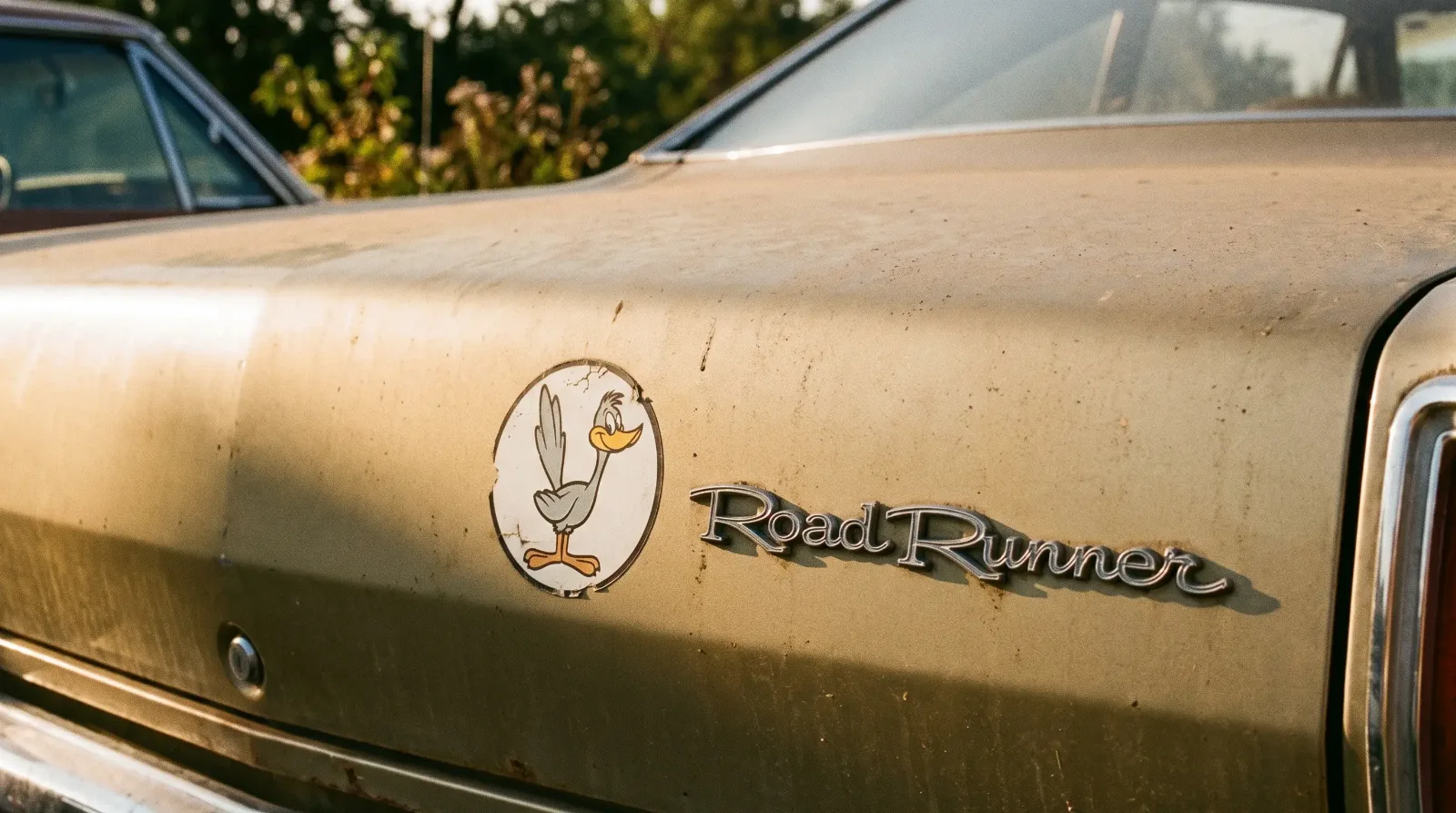
The joke landed because the car backed it up. A buyer who chuckled at the horn and the little decal on the door was not laughing when the light turned green. Plymouth spent real money getting the sound of that horn right, and the story goes that the tone went through several attempts before it matched the cartoon closely enough to satisfy the licensing agreement. It was a small detail that told you the company understood exactly what it was selling. The whole car was in on the bit.
Who actually bought one
The Road Runner found its buyer immediately, and it was not the buyer Detroit had been chasing. This was a car for the person who read every road test, memorized quarter-mile times, and had no interest in paying for a vinyl roof or a center console. It sold to young men mostly, though not only, and it sold in numbers that embarrassed the sales projections. Plymouth had guessed at a modest run of around 20,000 cars. The real figure ran well past that in the first year alone, landing near 44,600 units.
Part of the appeal was social. Pulling up in a loaded luxury muscle car said one thing. Pulling up in a stripped Road Runner said something else, something closer to a wink. You had spent your money on the parts that made it fast and skipped the rest, and everyone at the drive-in knew it. The car had a kind of working-class swagger that the more expensive competition could not buy. It was proof that you understood the assignment.
There was a generational shift buried in those sales figures too. The buyers coming of age in 1968 had grown up on the muscle car magazines and the drag strip, and they had watched the cars they idolized drift toward price tags their older brothers could barely justify. The Road Runner spoke directly to that frustration. It said, in effect, that speed did not have to graduate into a status symbol to be worth having. For a lot of young buyers that message was the difference between reading about a fast car and actually parking one in the driveway. Plymouth had read the room correctly, and the checks came in to prove it.
The performance that justified the noise
Numbers matter here because the Road Runner was sold on them. The standard 383 car ran the quarter mile in the low 15-second range in period testing, quick enough to run with cars wearing much bigger price tags. Order the Hemi and you were into a different conversation entirely, with quarter-mile times that put the little bird among the fastest street cars money could buy in 1968. Magazine writers, who had every reason to be cynical about a car named after a cartoon, mostly came away impressed. The performance was not a gimmick wrapped around a joke. The joke was wrapped around genuine speed.
Just as important was how the car delivered that speed. There was no pretense of refinement to get in the way. The suspension was firm, the steering direct enough, and the whole package felt purpose-built rather than dressed up. You sat in a plain cabin, gripped a plain wheel, and pointed a large-displacement V8 down the road. For a certain kind of driver that honesty was the entire attraction.
The road testers of the day approached the car ready to be unimpressed, and most of them left won over. Car Life, Motor Trend, and the rest put the 383 car through the usual battery of acceleration runs and came back with times that embarrassed cars costing hundreds of dollars more. What the writers kept circling back to was the value. Here was a machine that gave up nothing important in a straight line and asked for very little in return. The reviews read almost like confessions, as if the authors were surprised to find themselves recommending a car built around a cartoon.
The advertising that leaned into the joke
Plymouth's marketing department did something brave with the launch. Instead of hiding the cartoon connection behind serious talk of horsepower, it put the bird front and center. The ads showed the little decal, played up the horn, and treated the whole thing with a wink that matched the car itself. The tone was cheeky rather than boastful, and it worked because the underlying product was so genuinely quick that the humor read as confidence rather than apology.
The horn deserves its own moment here. Plymouth licensed the beep-beep sound and then went to real trouble to reproduce it, tuning the note until it satisfied the agreement with Warner Bros. A performance car company spending engineering hours on a novelty horn sounds absurd on paper. In practice it was exactly the right instinct. That horn told every buyer that Plymouth was committed to the bit, that the joke was not a marketing afterthought bolted onto a serious car but part of the car's whole reason for being. People remembered the sound long after they forgot the quarter-mile times.
Why 1968 still matters
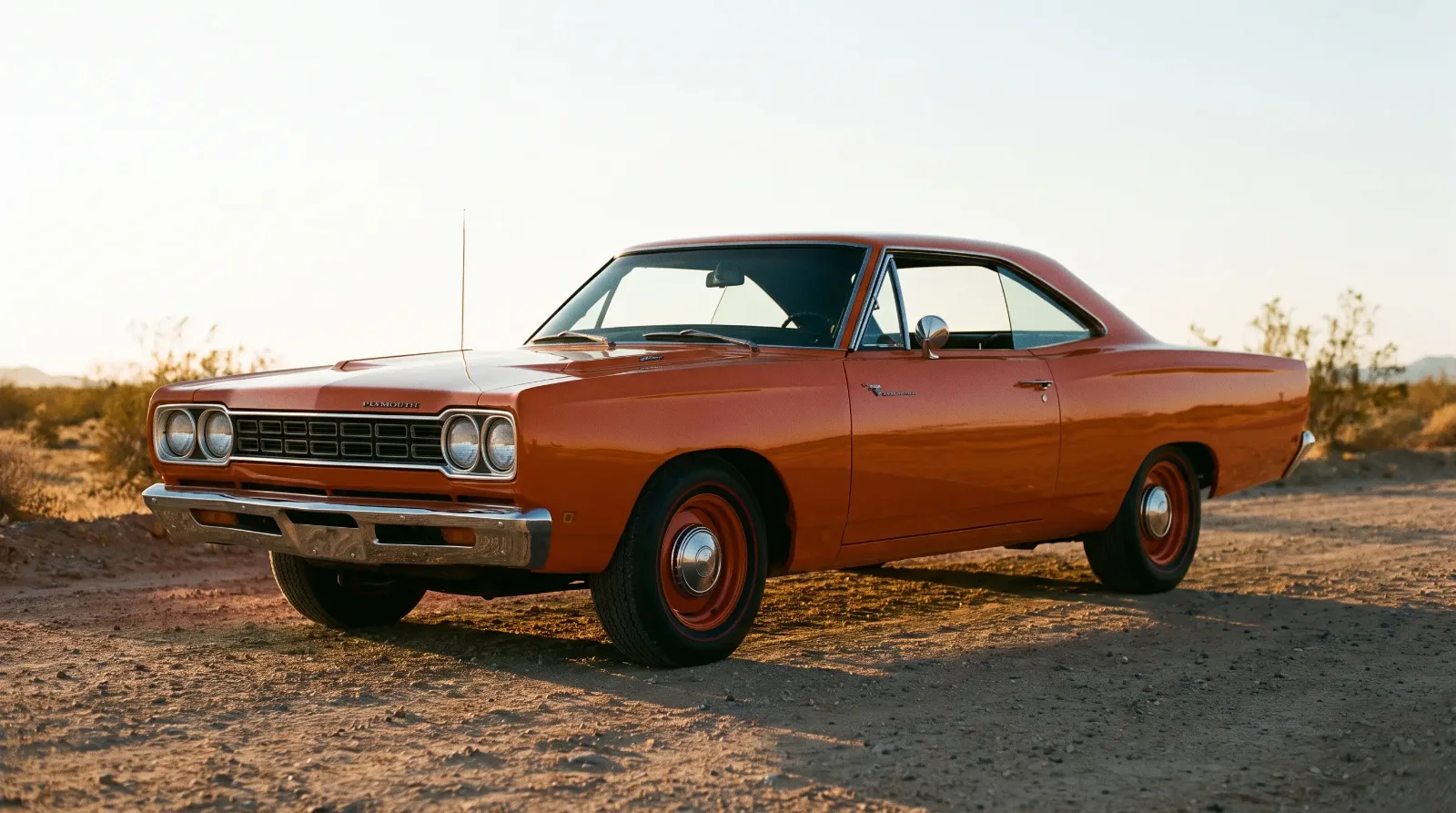
The 1968 Plymouth Road Runner did not invent the muscle car, but it corrected its course. It reminded the industry that the appeal of these machines had always been about access, about the promise that raw speed did not have to be a luxury good. Within a year every major maker had a budget performance answer of some kind, and the market Plymouth had gambled on turned out to be enormous. The car that planners feared would embarrass the company instead defined it for a generation.
There is a purity to the first-year car that the later, heavier, more optioned versions never quite recaptured. In 1968 the concept was fresh and unapologetic. Nobody had yet started adding the comforts and the price increases that would slowly soften the idea. This was the Road Runner at its most stubborn and its most true. If the concept grabs you and you want to see where the story went next, you can always keep exploring the year the formula reached its full stride.
"Every so often a car company builds exactly what people want instead of what it thinks they should want. The 1968 Road Runner was one of those rare, clear-eyed moments, and you can feel that clarity the instant you climb in."
- Patrick Walsh
Collecting the first bird
For collectors, the 1968 model occupies a specific and important place. It is the origin point, the car that started the run, and that alone gives it standing that no later variant can claim. The Hemi cars are the trophies, scarce and expensive and chased hard whenever one surfaces. The 383 cars are the soul of the thing, the version most buyers actually drove home, and they remain the most sensible entry into the story for anyone who cares about the history rather than the headline.
Values have climbed steadily as the muscle era has settled into its status as genuine American folk history. A clean, honest 383 coupe with real paperwork carries a premium precisely because it represents the idea in its original form. When you are ready to see what survives from that first year, it is worth browsing what is out there and finding a classic Runner for sale that still wears its plain-spoken character honestly. The good ones do not need to shout. They already made their point in 1968, and they have been making it ever since.
Sources and notes
- Plymouth Road Runner - Wikipedia
- Budget Muscle: The Plymouth Road Runner Started a Trend - Hagerty Media
- 1968 Plymouth Road Runner Base - Hagerty Valuation Tools
- 1968 Plymouth Road Runner Specifications - Conceptcarz
- Road Runner Production Figures
- Plymouth Road Runner: Evolution of the Roadrunner - Muscle Cars Illustrated
Related Reading
Article
The Plymouth Road Runner Story: How a Cartoon Bird Became Budget Muscle King
Article
The 1969 Road Runner: Peak Beep-Beep
Article
Beep-Beep and Beyond: The Road Runner in Cartoon and Muscle Culture
Article
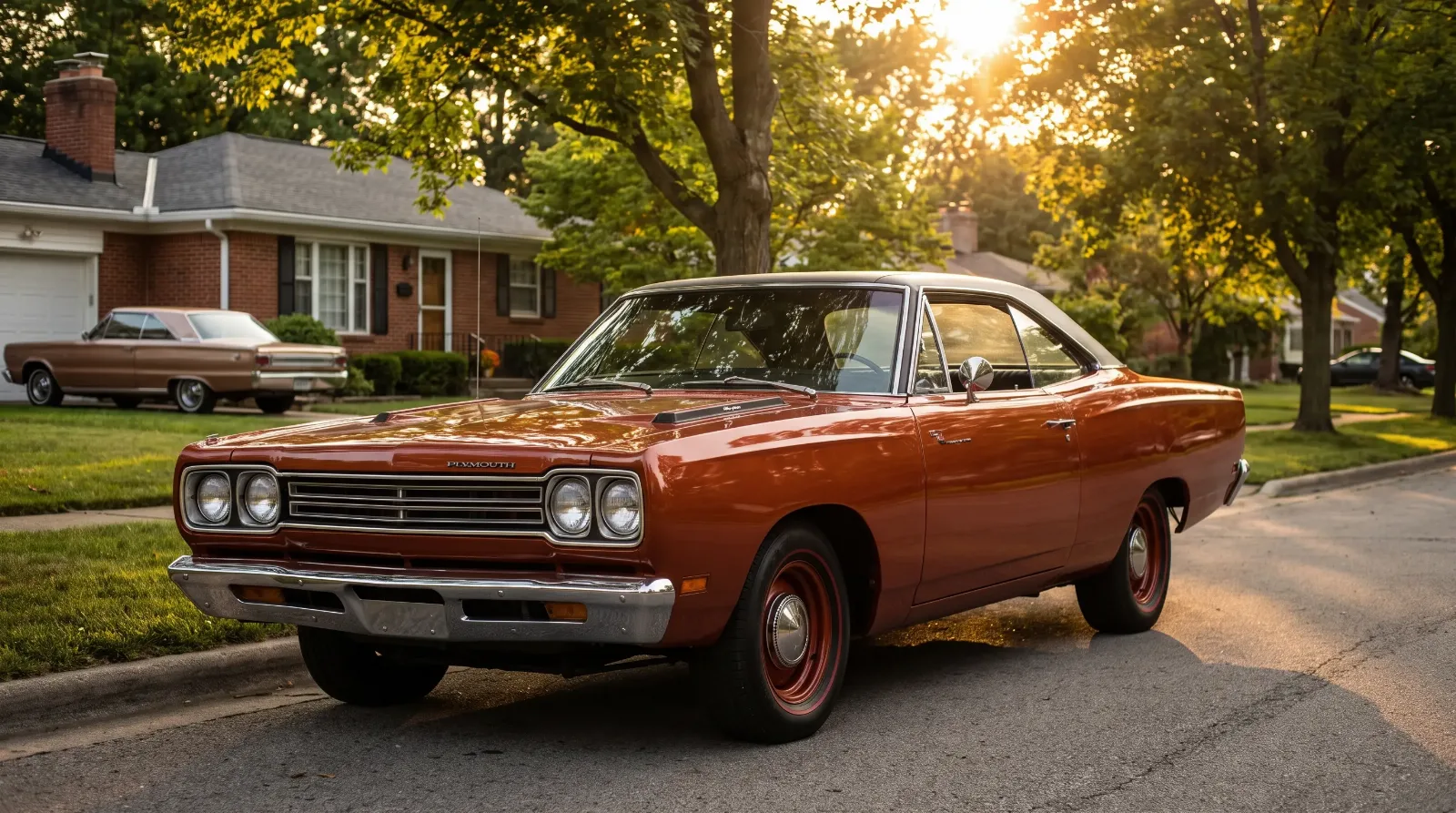
The 1968 Road Runner: Muscle for the Masses
Article
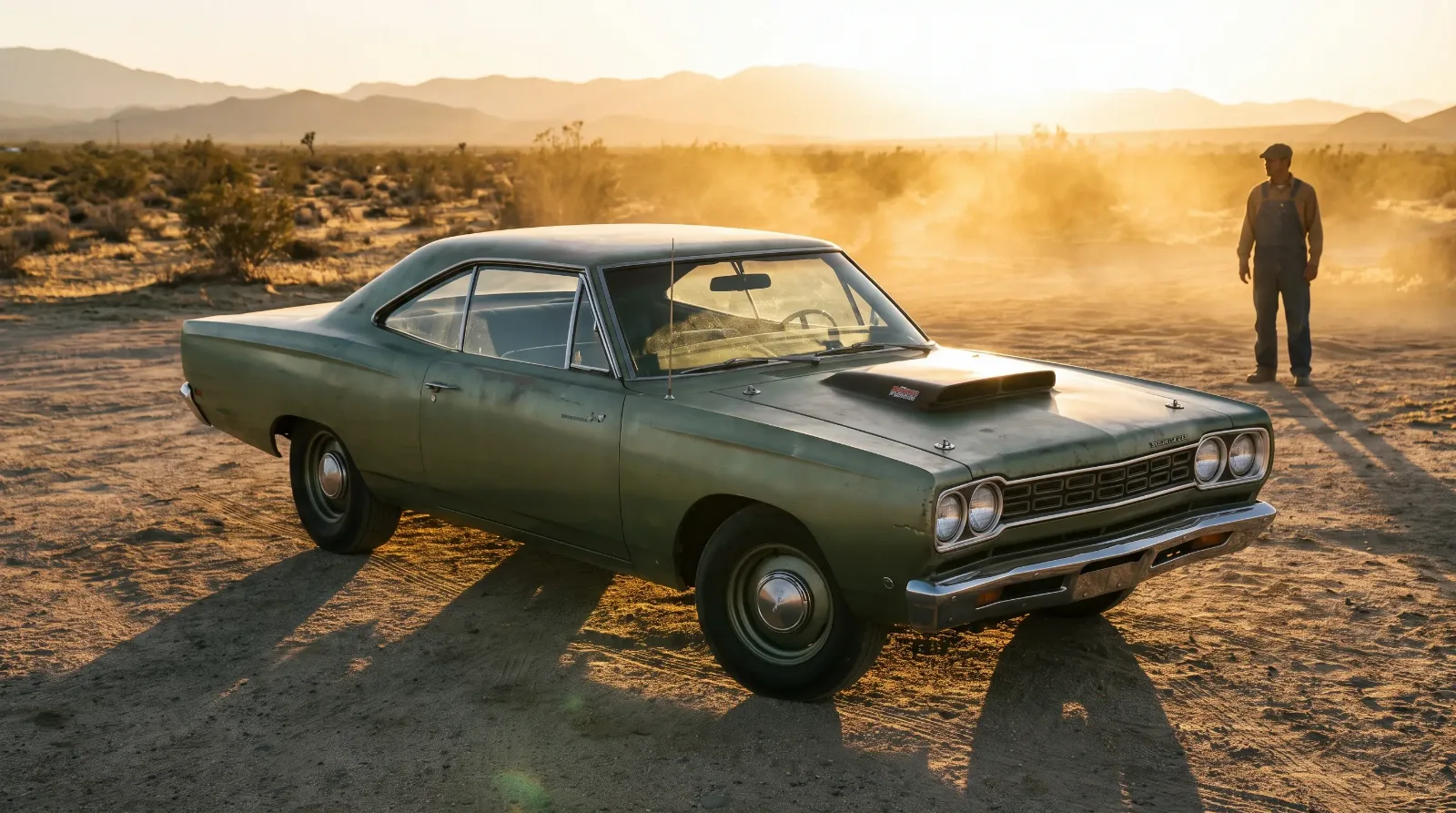
How Plymouth Invented the Budget Muscle Car
Article
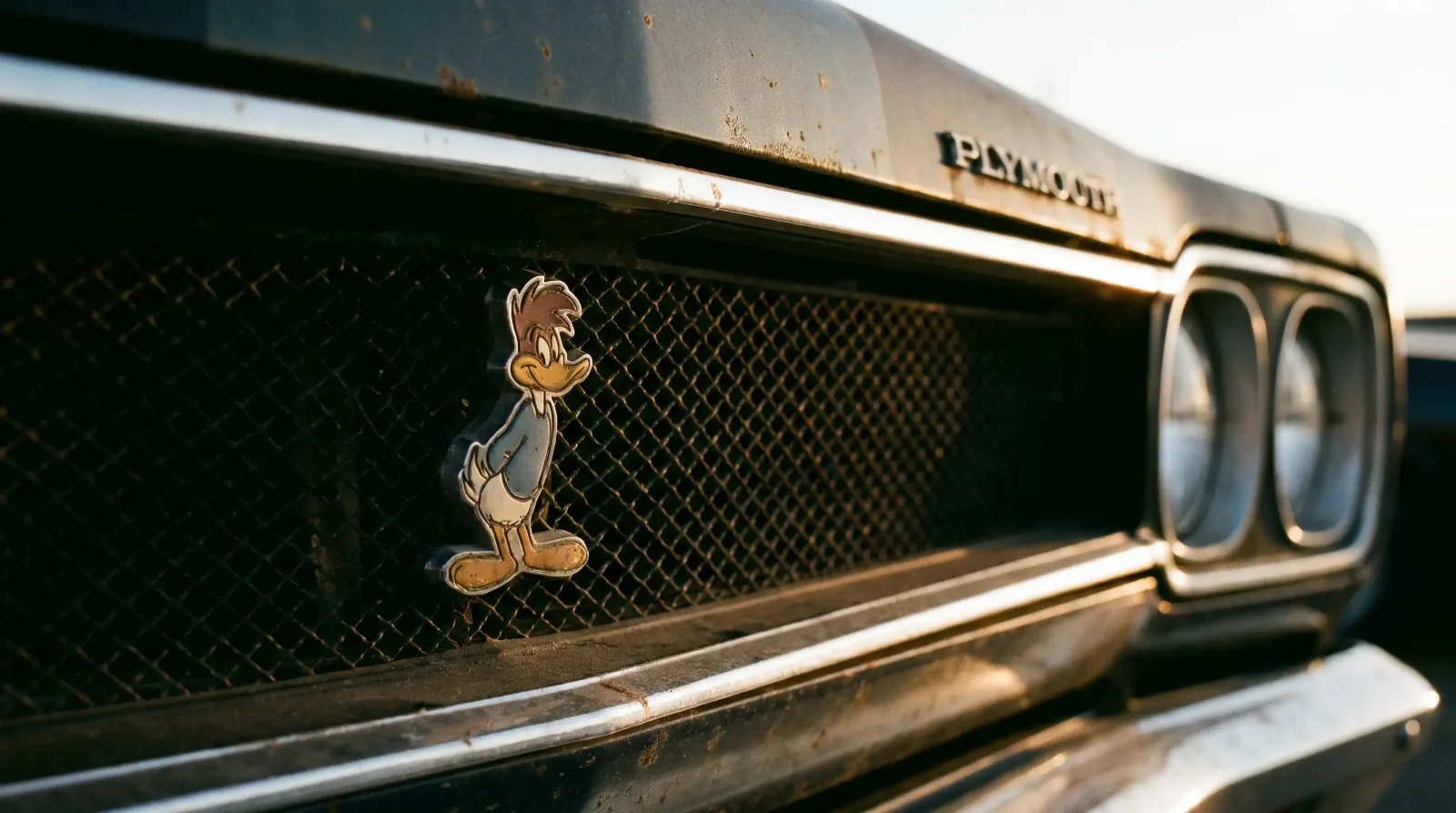
The Beep-Beep Horn: The Road Runner's Signature Sound
Article
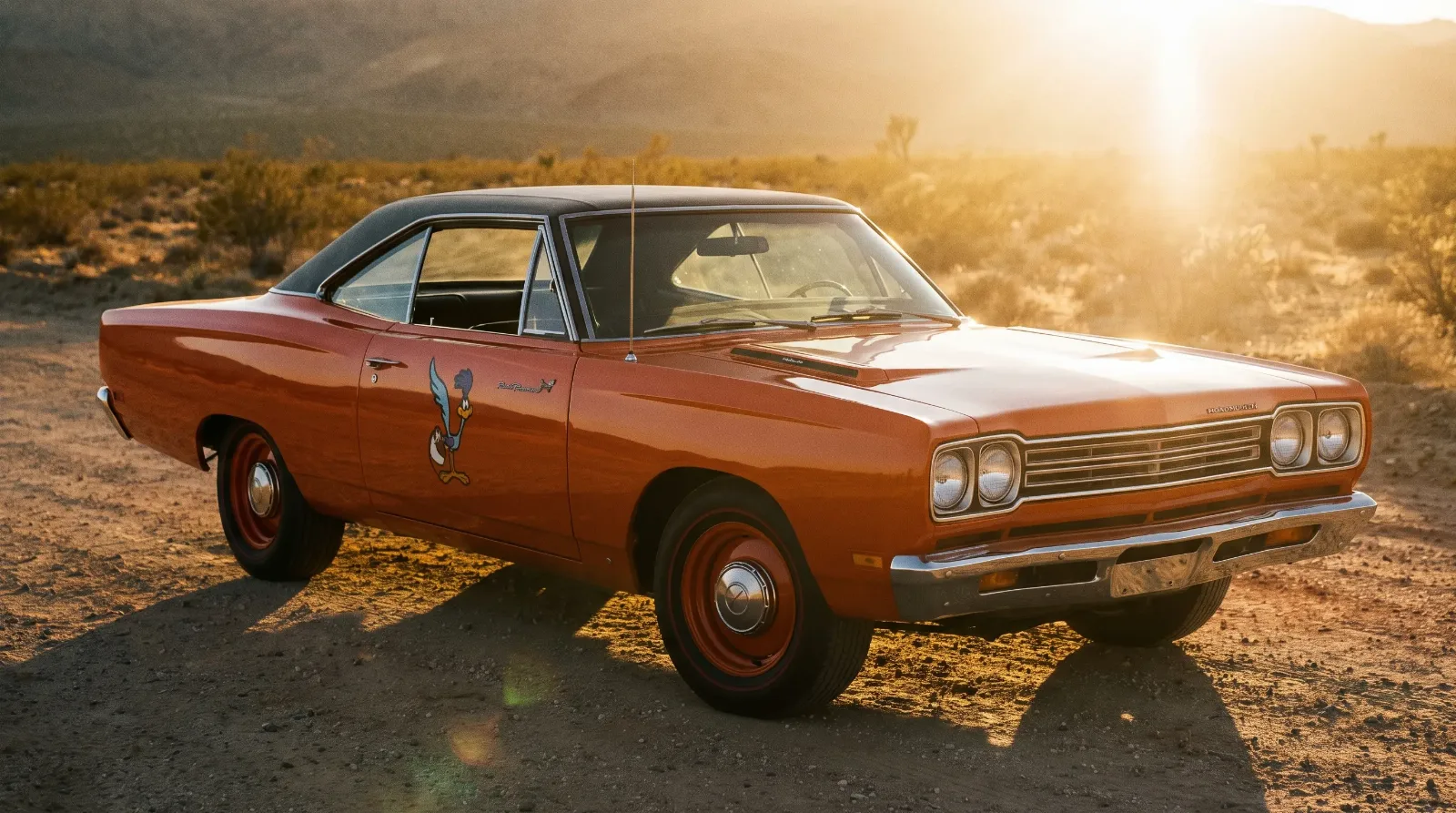
Licensing Looney Tunes: The Warner Bros Deal
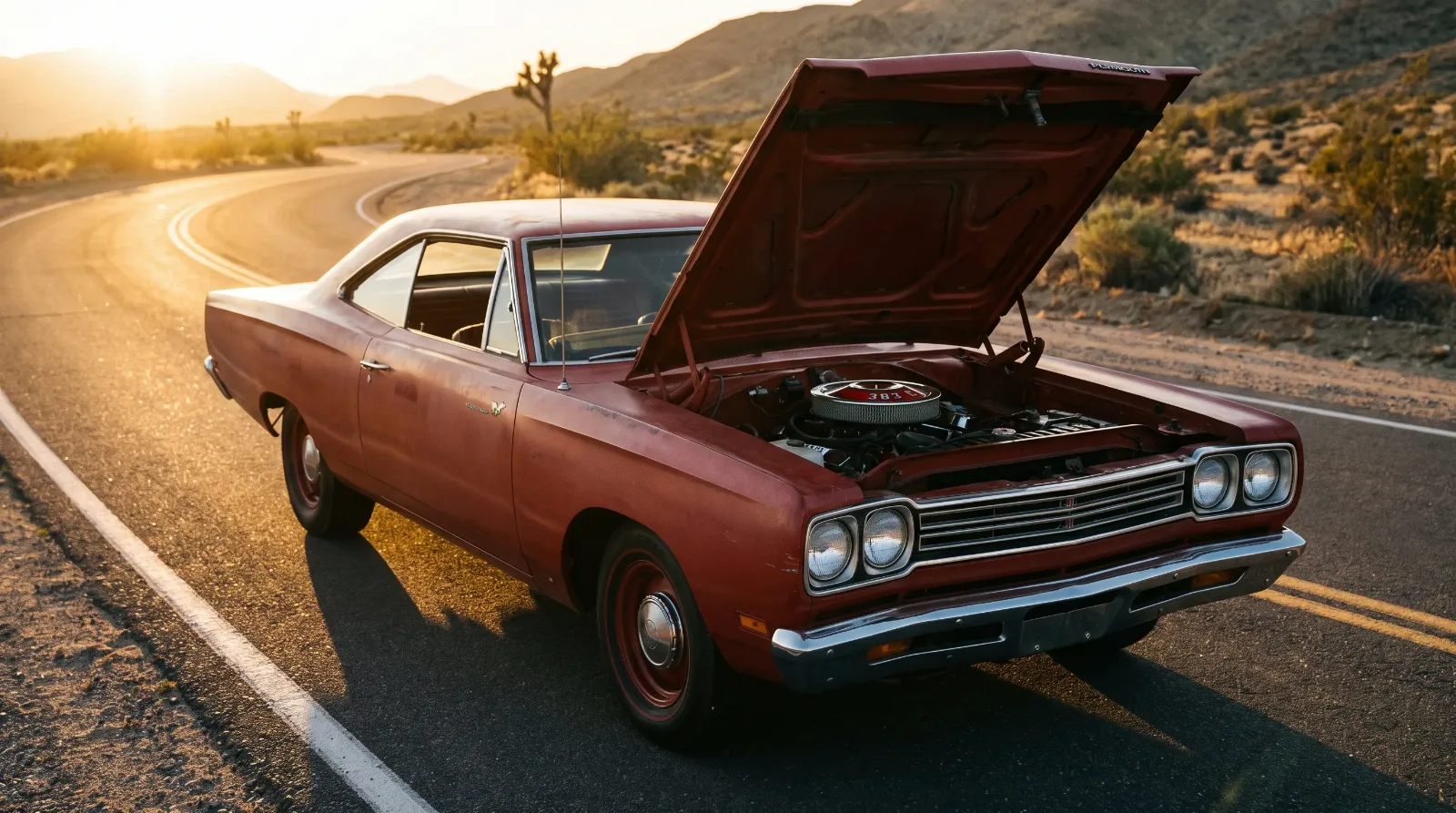
Article
The 383 Road Runner: The Standard Engine
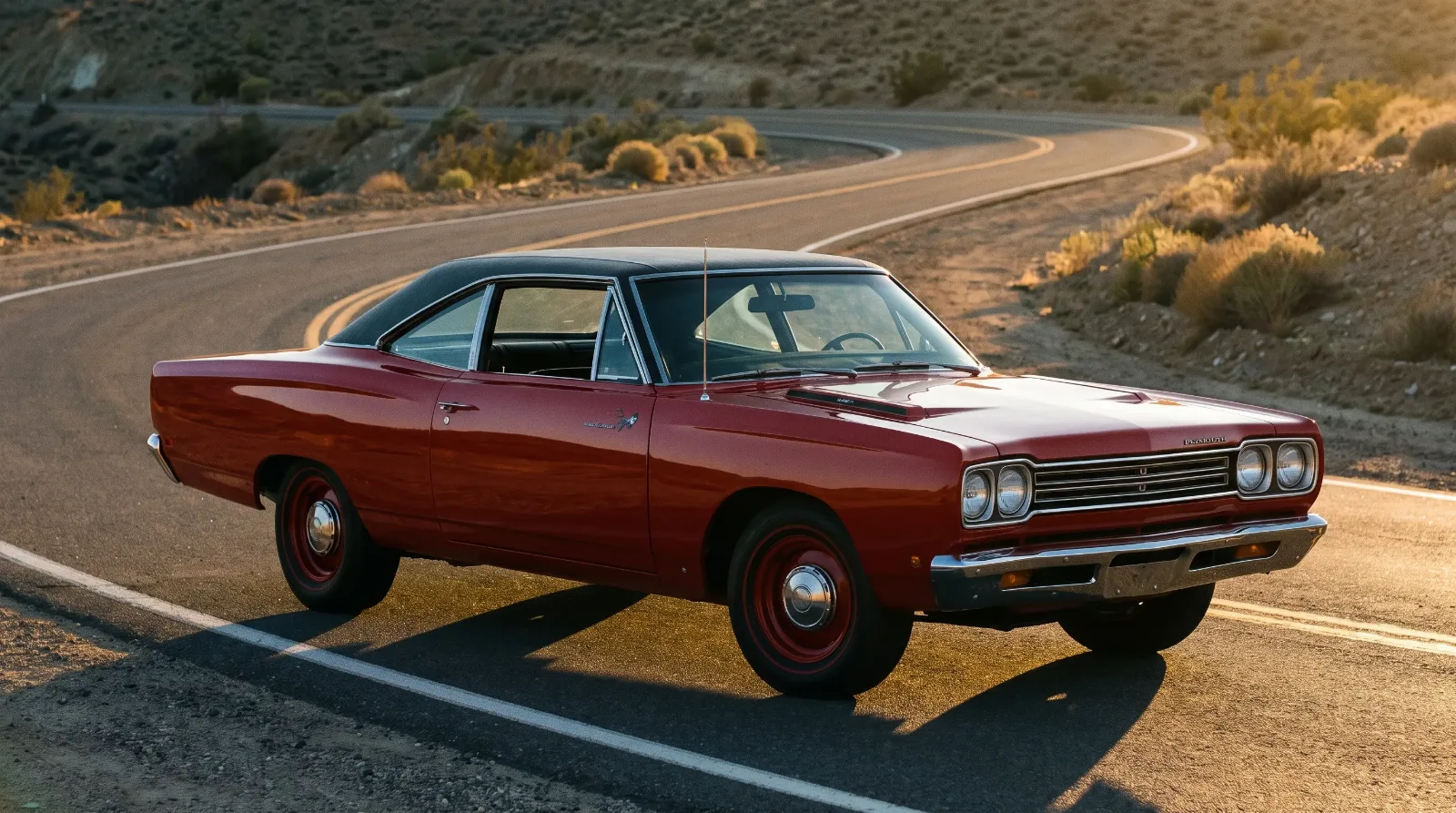
Article
The 1968 Coupe vs Hardtop
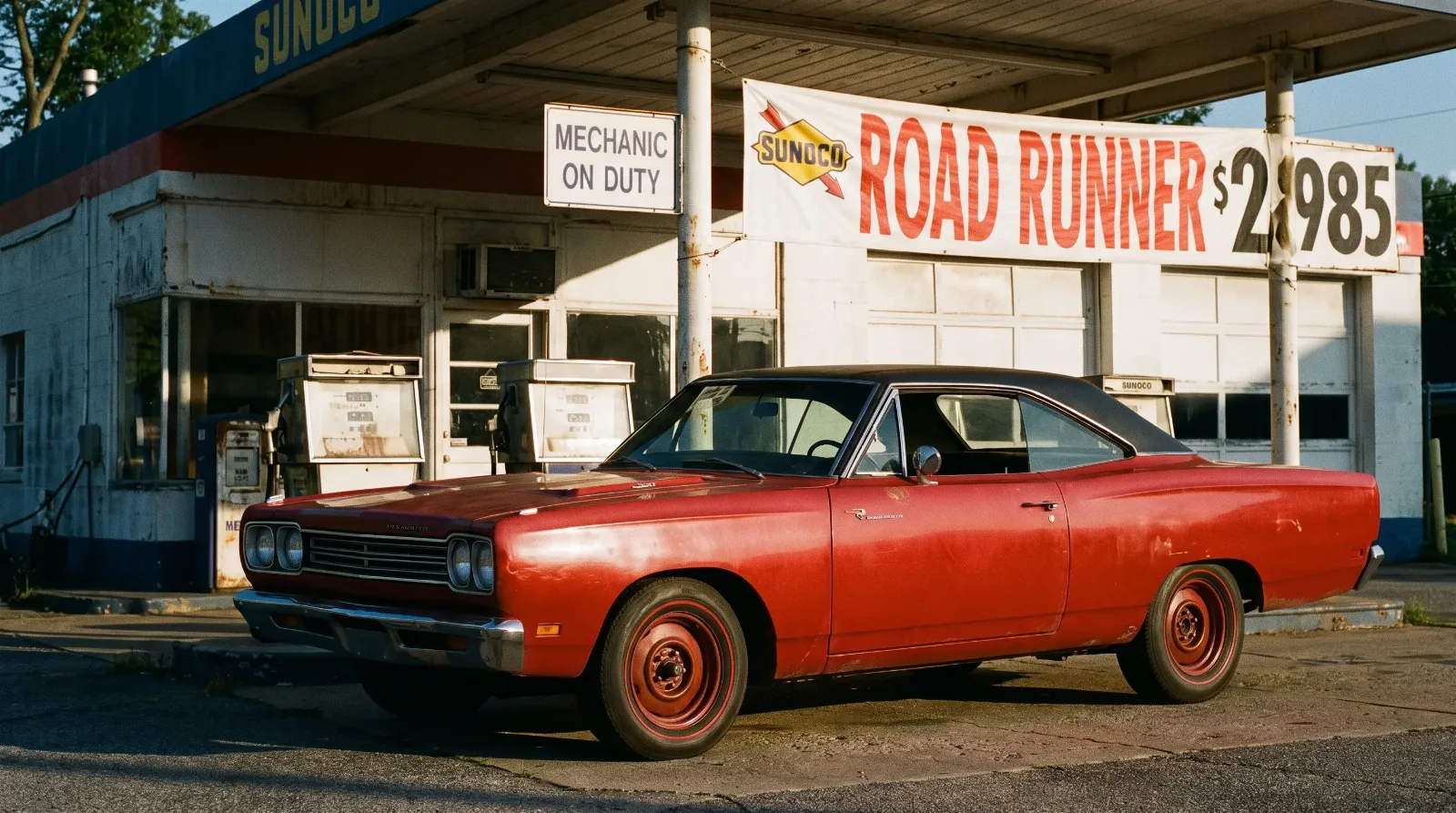
Article
Why the Road Runner Undercut the GTO
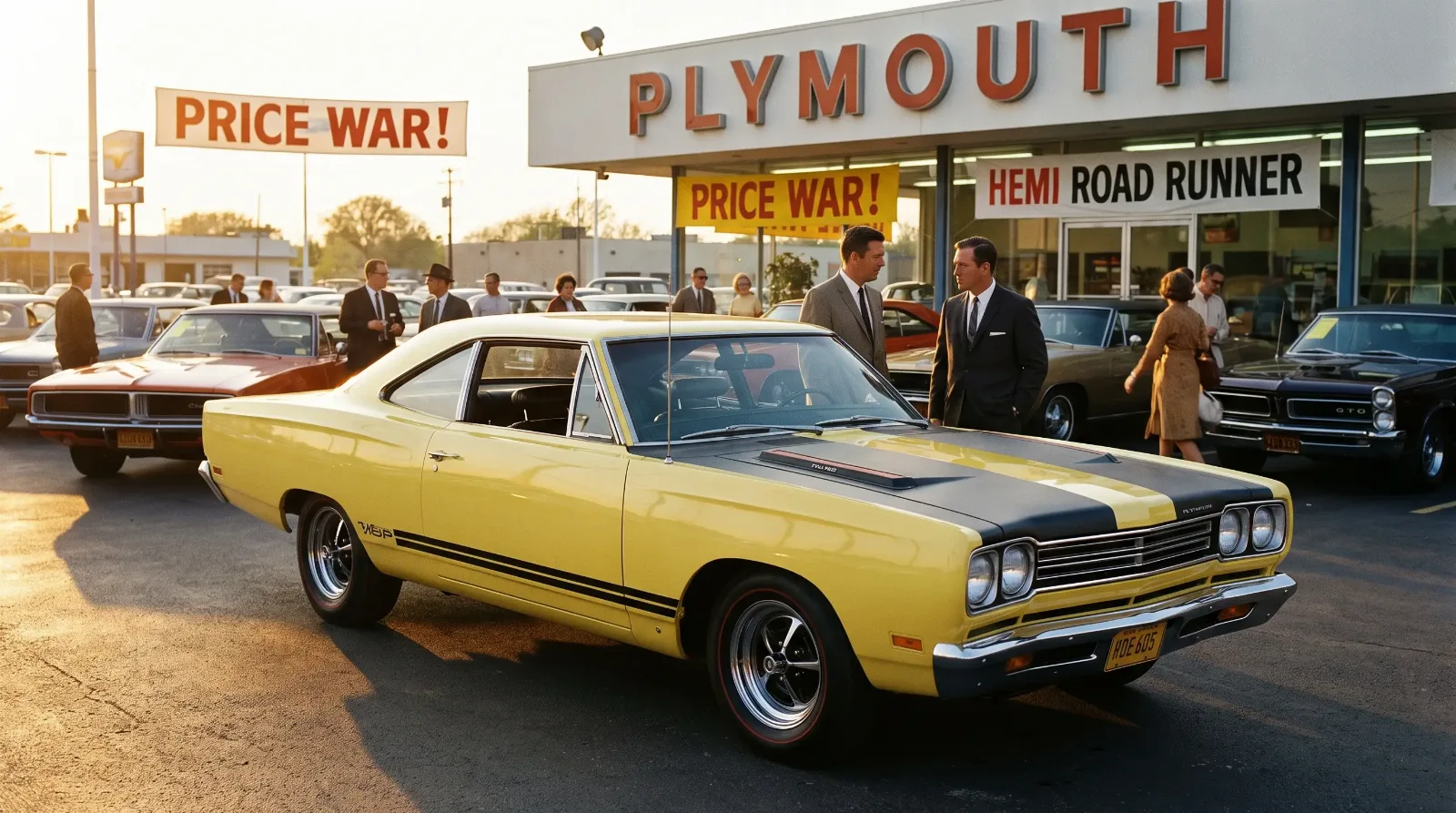
Article
The 1968 Road Runner and the Muscle Price War
Article
1968 Road Runner Production Numbers
Article
The Cartoon Bird Decals and Badging
Article
1968 Road Runner Colors
Article
The Road Runner Concept: Plymouth's Rebellion
Article
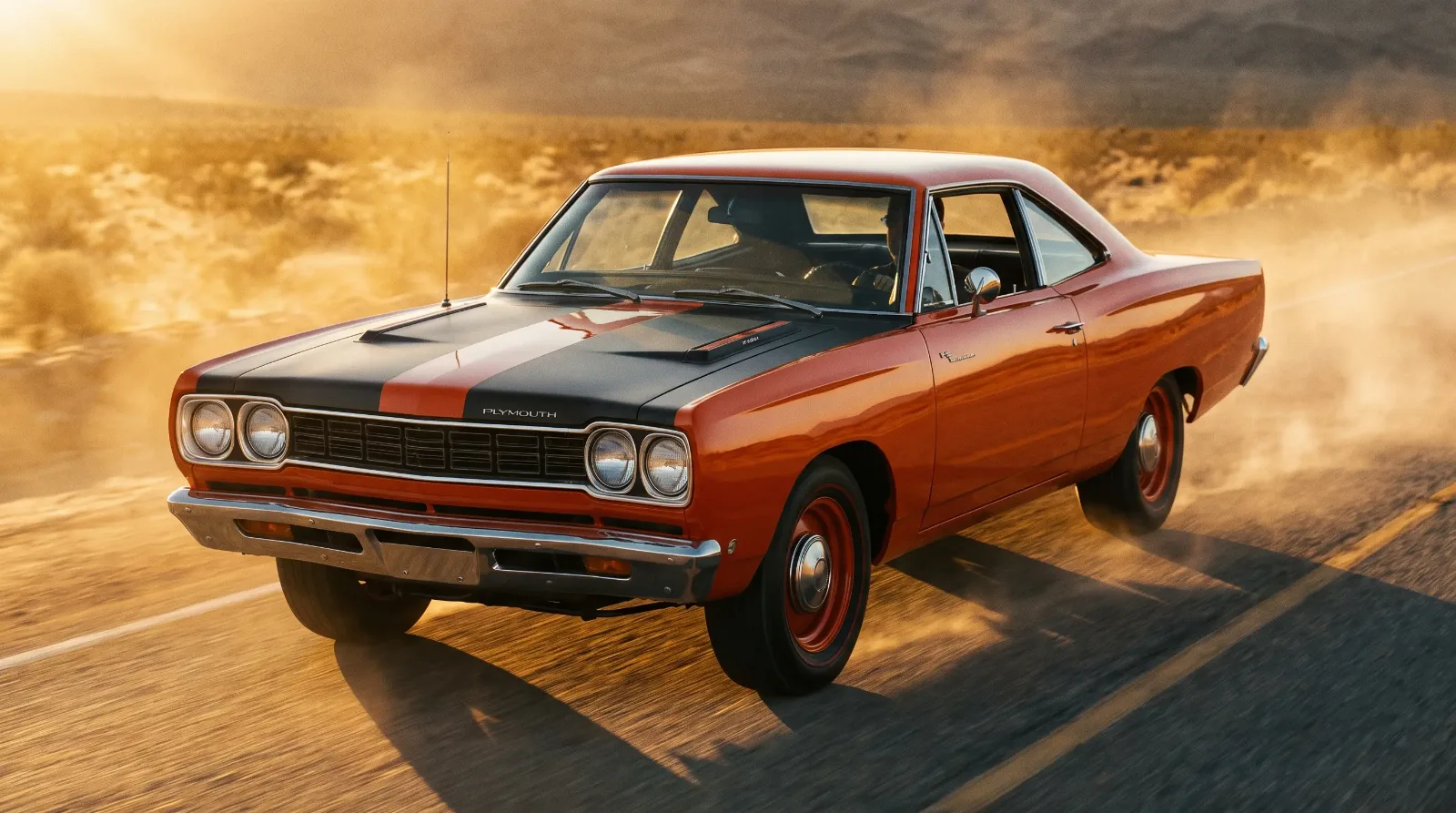
Collecting the 1968 Road Runner
Article
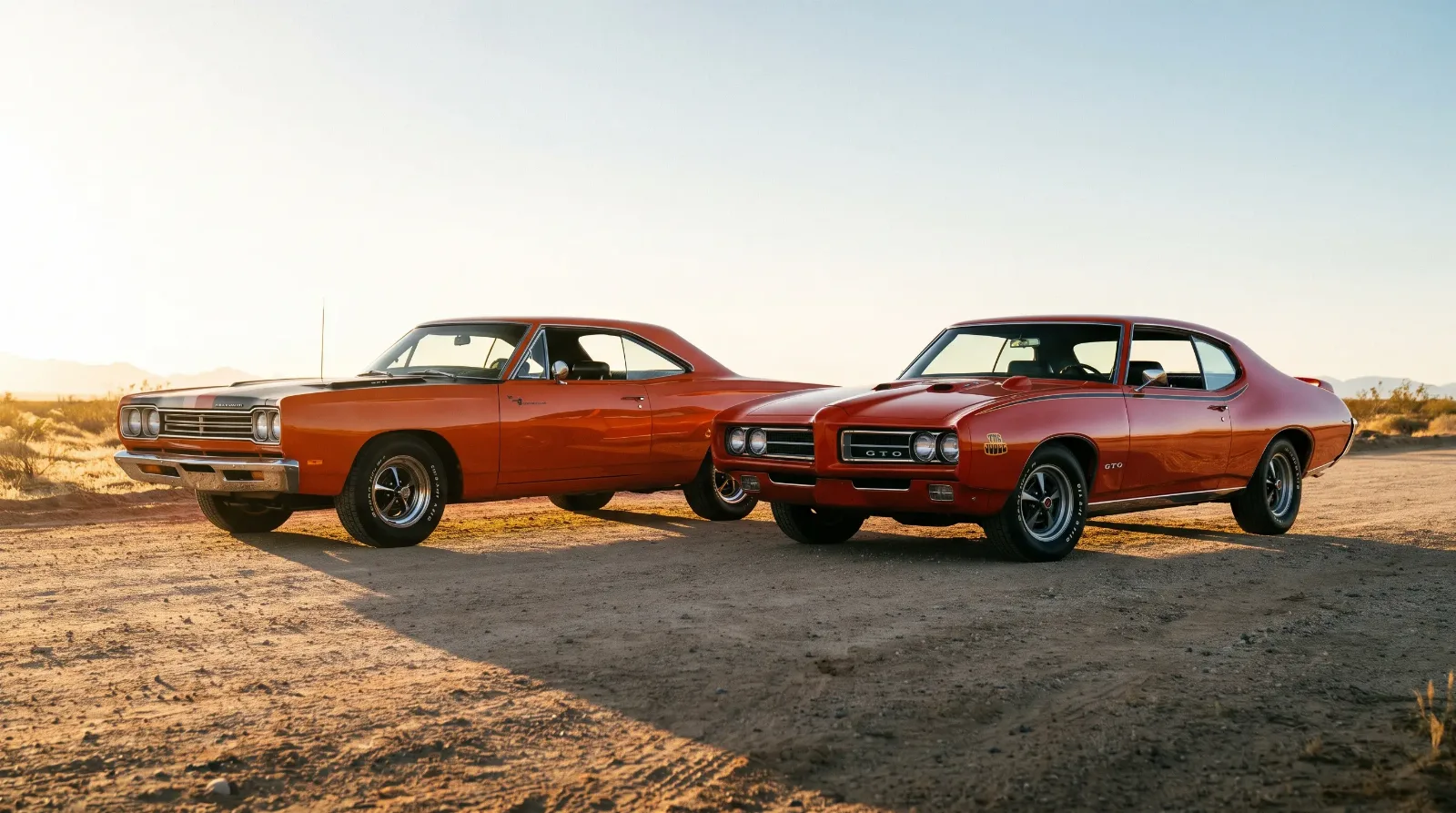
How the Road Runner Outsold the Pontiac GTO
Have a
Plymouth Road Runner
for Sale?
Reach thousands of serious classic car collectors across the US.
Sell It Here →
Are You a Classic Car Dealer?
List your full inventory and connect with targeted classic car buyers.
Join as a Dealer →

About the author
Patrick Walsh
Automotive journalist covering classic car shows, events, and the enthusiast community across North America.
Related Listings - Plymouth Road Runner

Comments
Be the first to comment on this article.