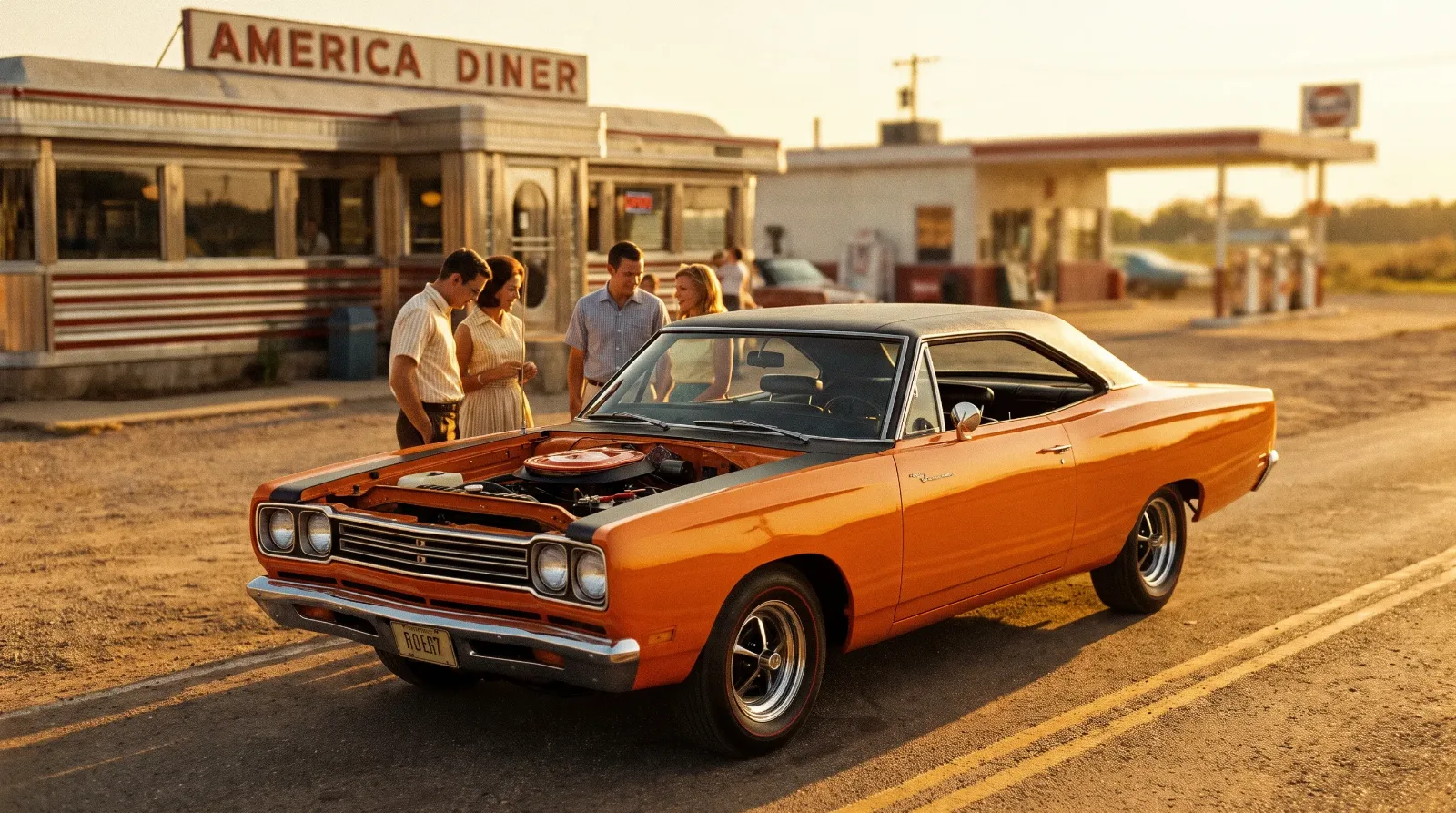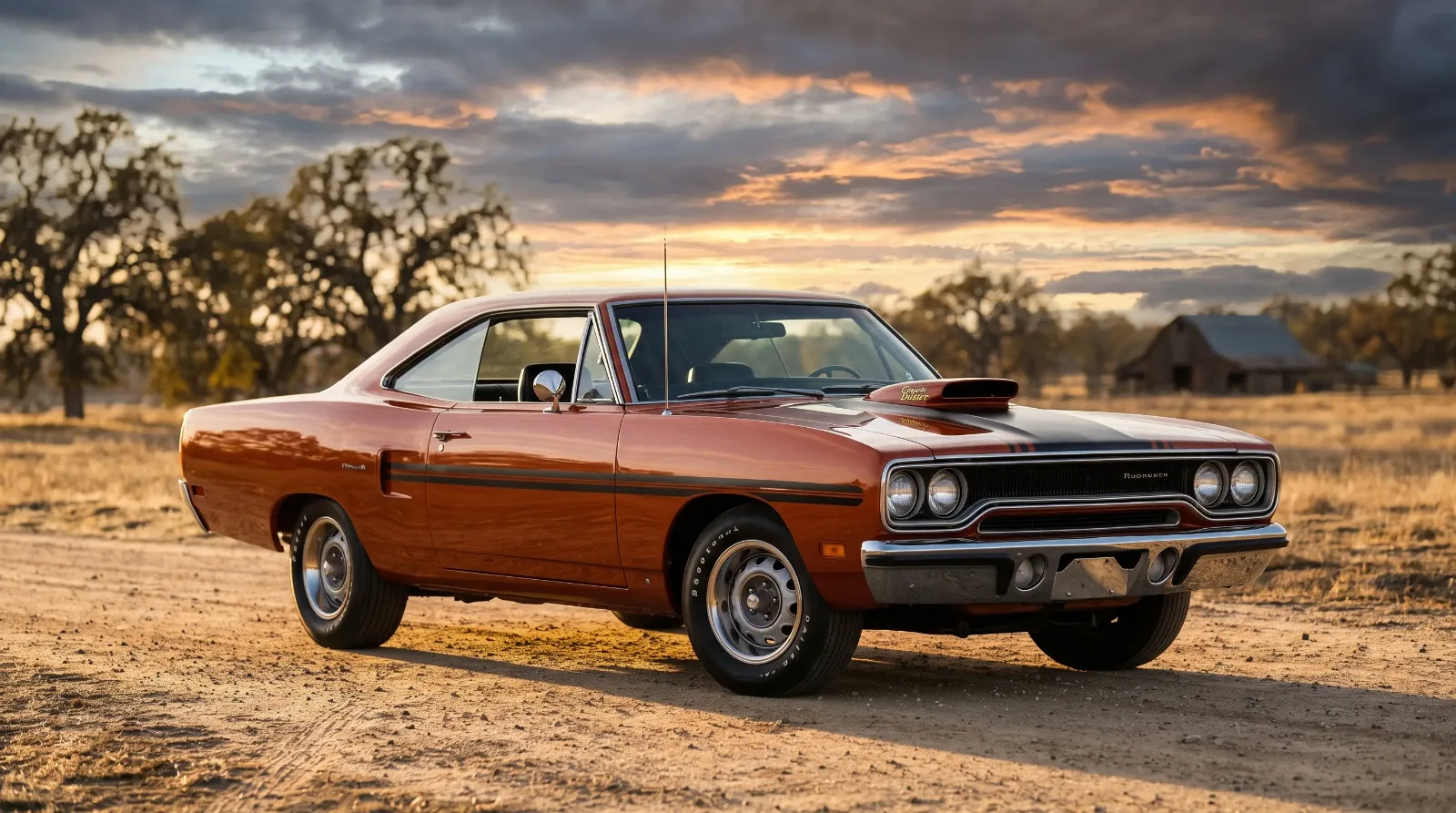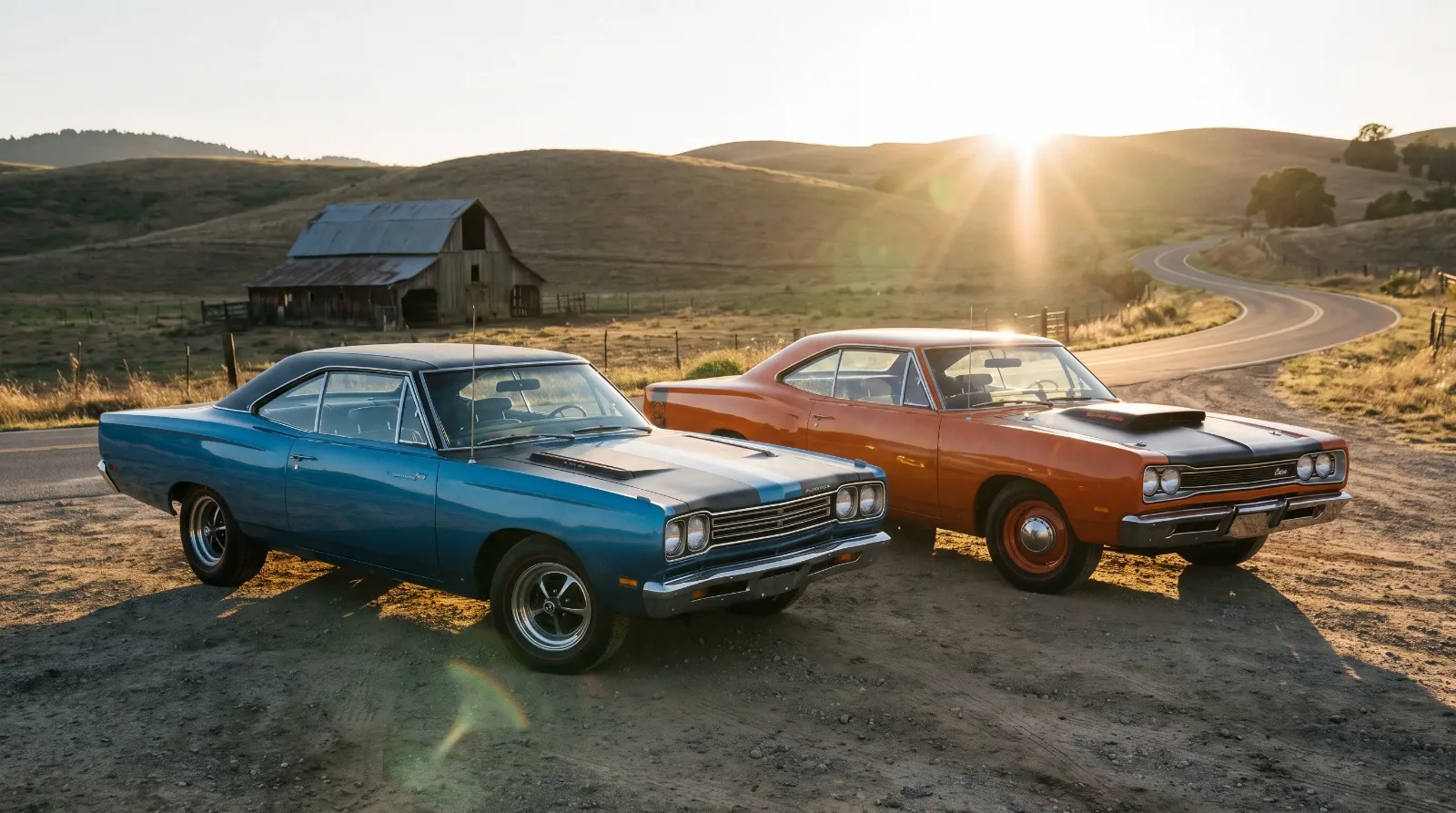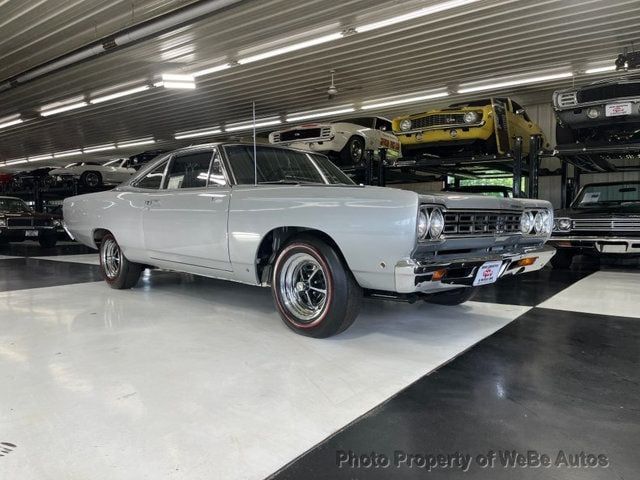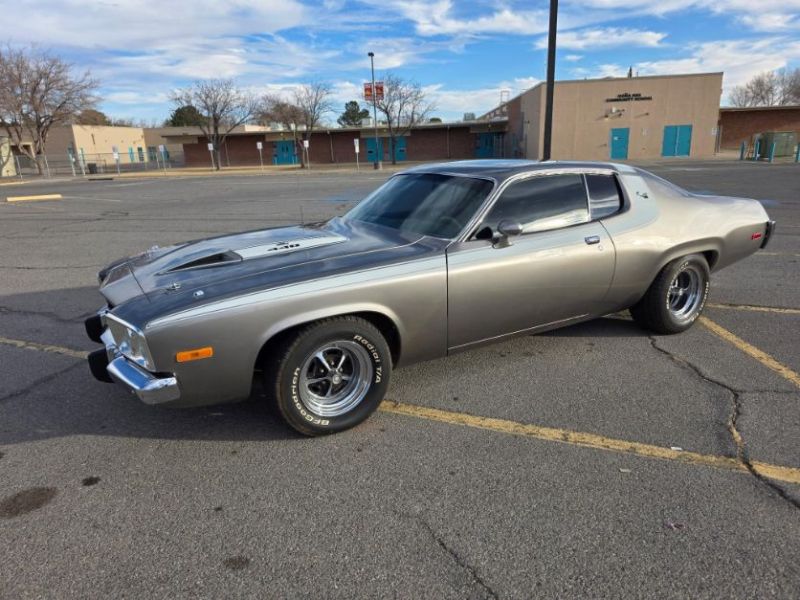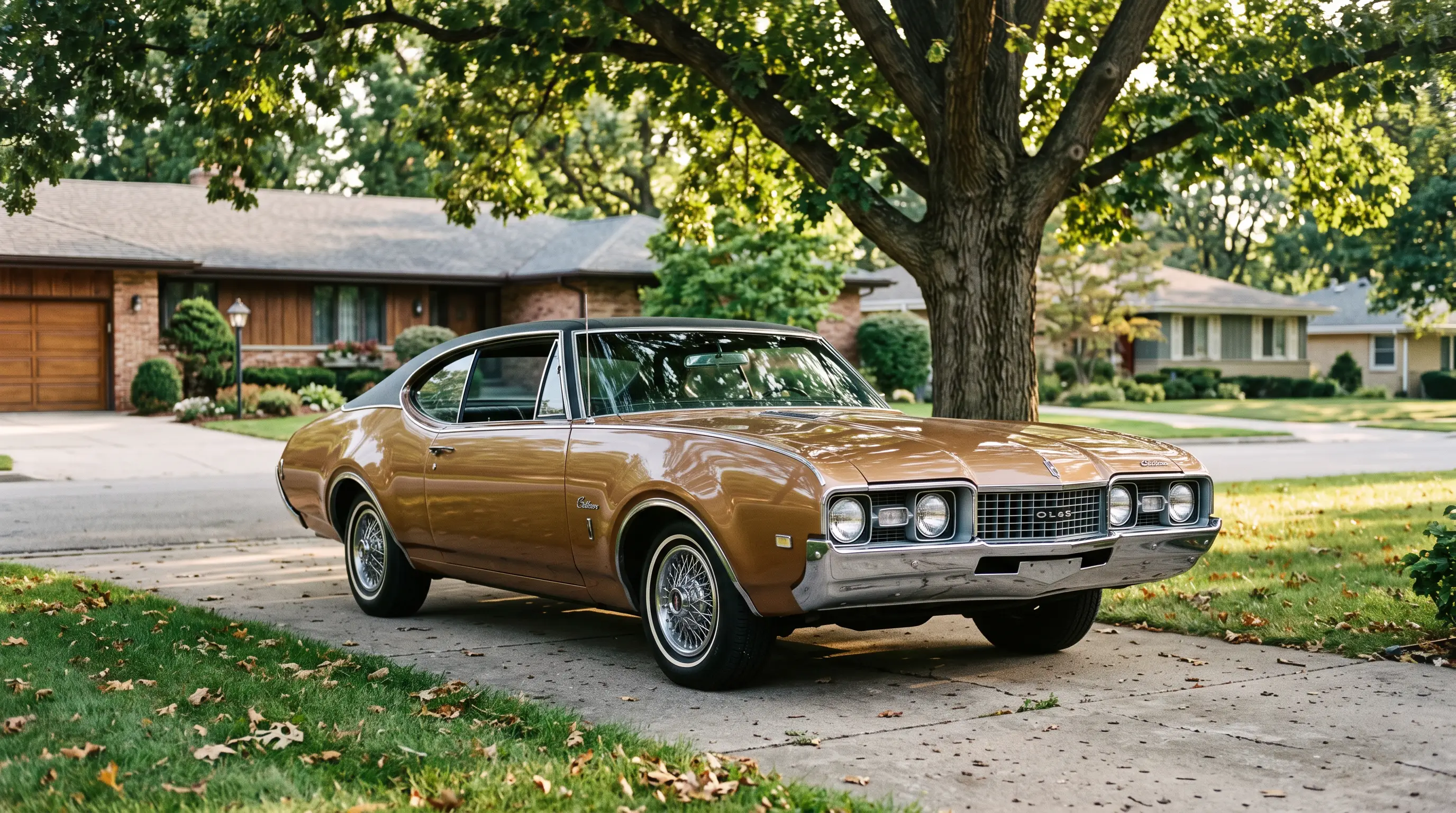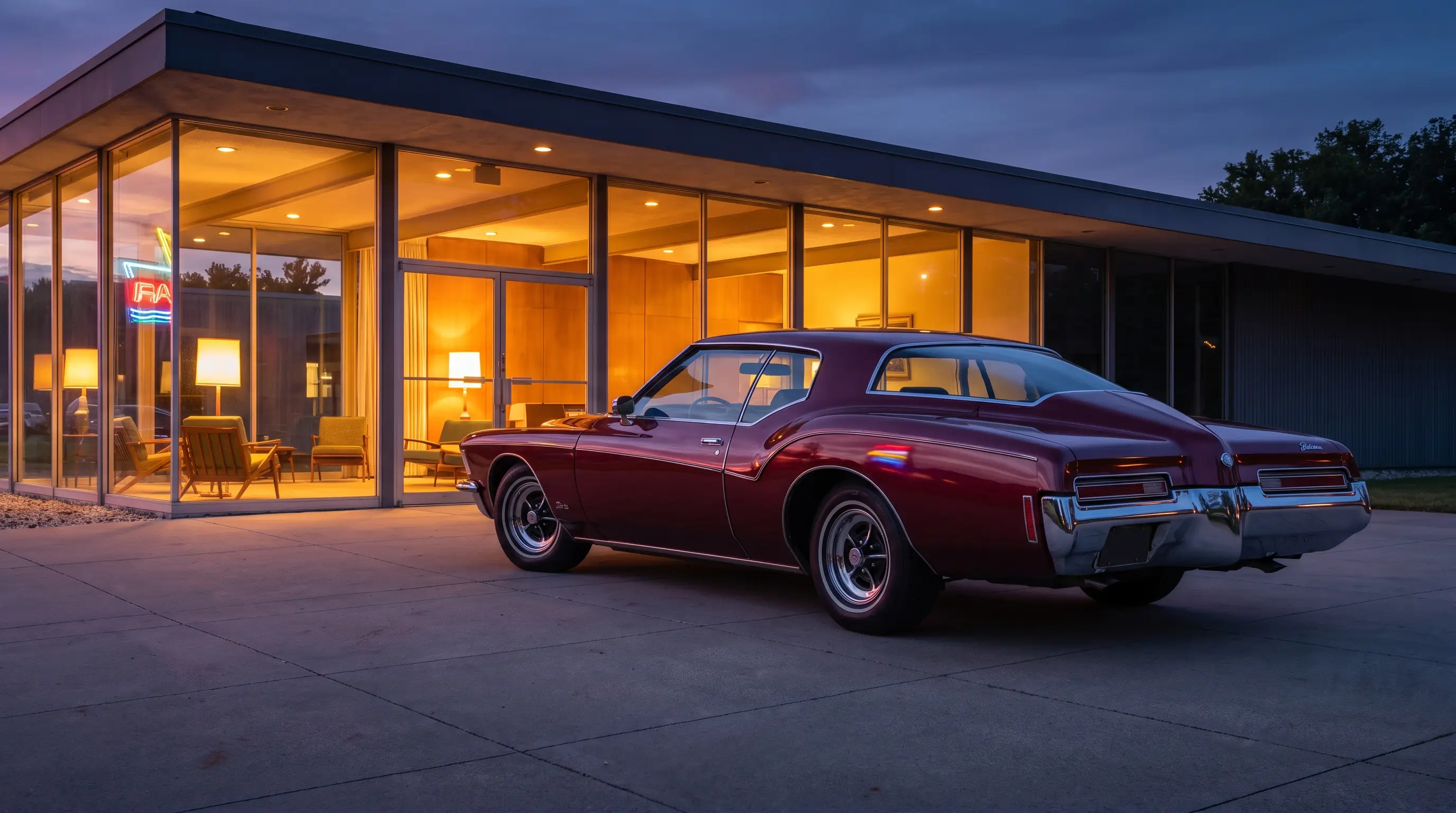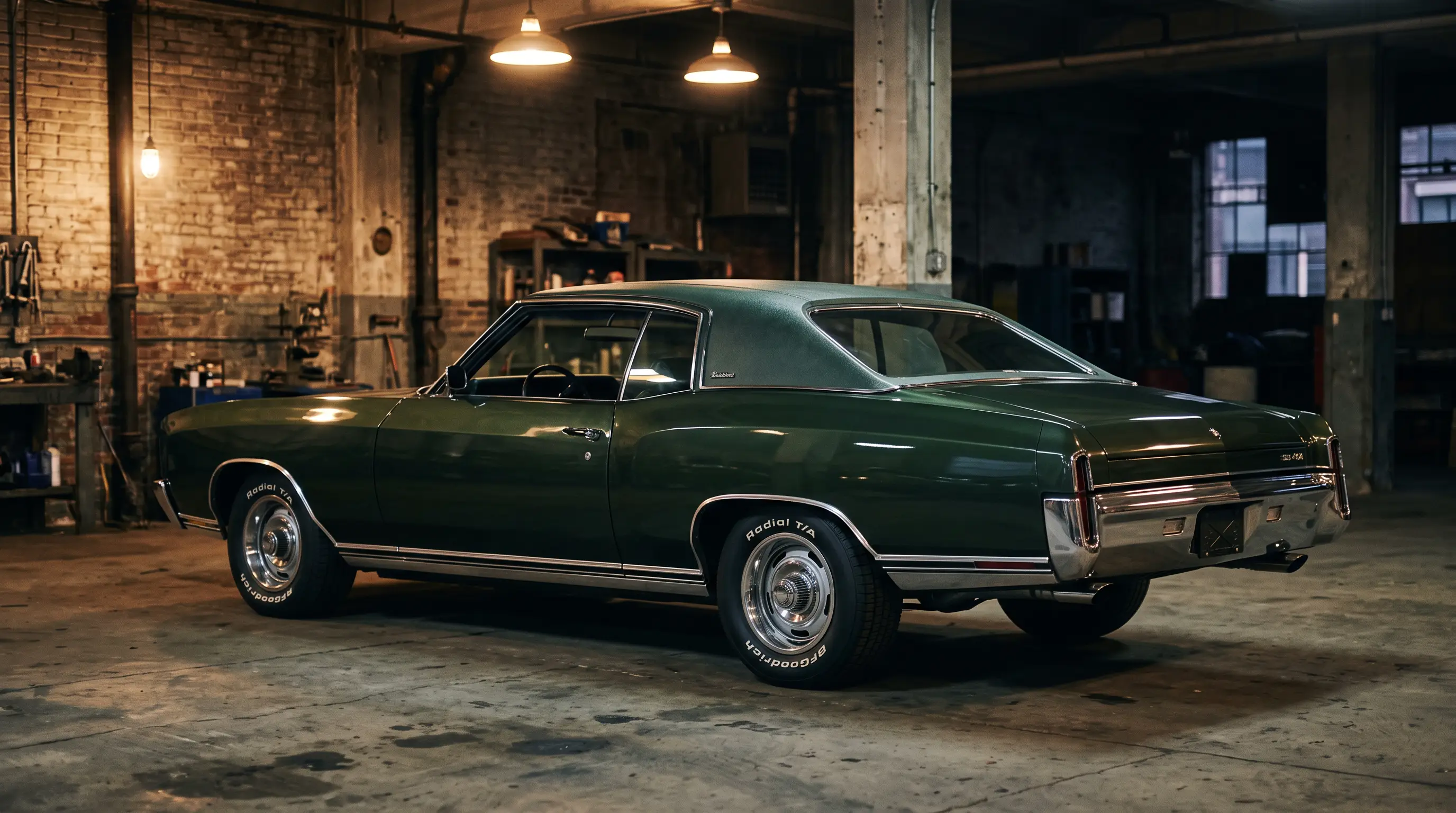
Ask ten guys in a body shop about 1969 road runner colors and you will get ten opinions, but every one of them will tell you the same basic truth: Plymouth built this car in some of the loudest colors Detroit ever put on a fender, and getting the shade right on a restoration is harder than most owners expect. I have stripped enough 1969 Road Runners down to bare metal to know that the paint code stamped on the fender tag is only the start of the story. What actually left the factory, and what a car wears today after fifty plus years and probably two or three repaints, are frequently two very different things.
The palette Plymouth actually offered
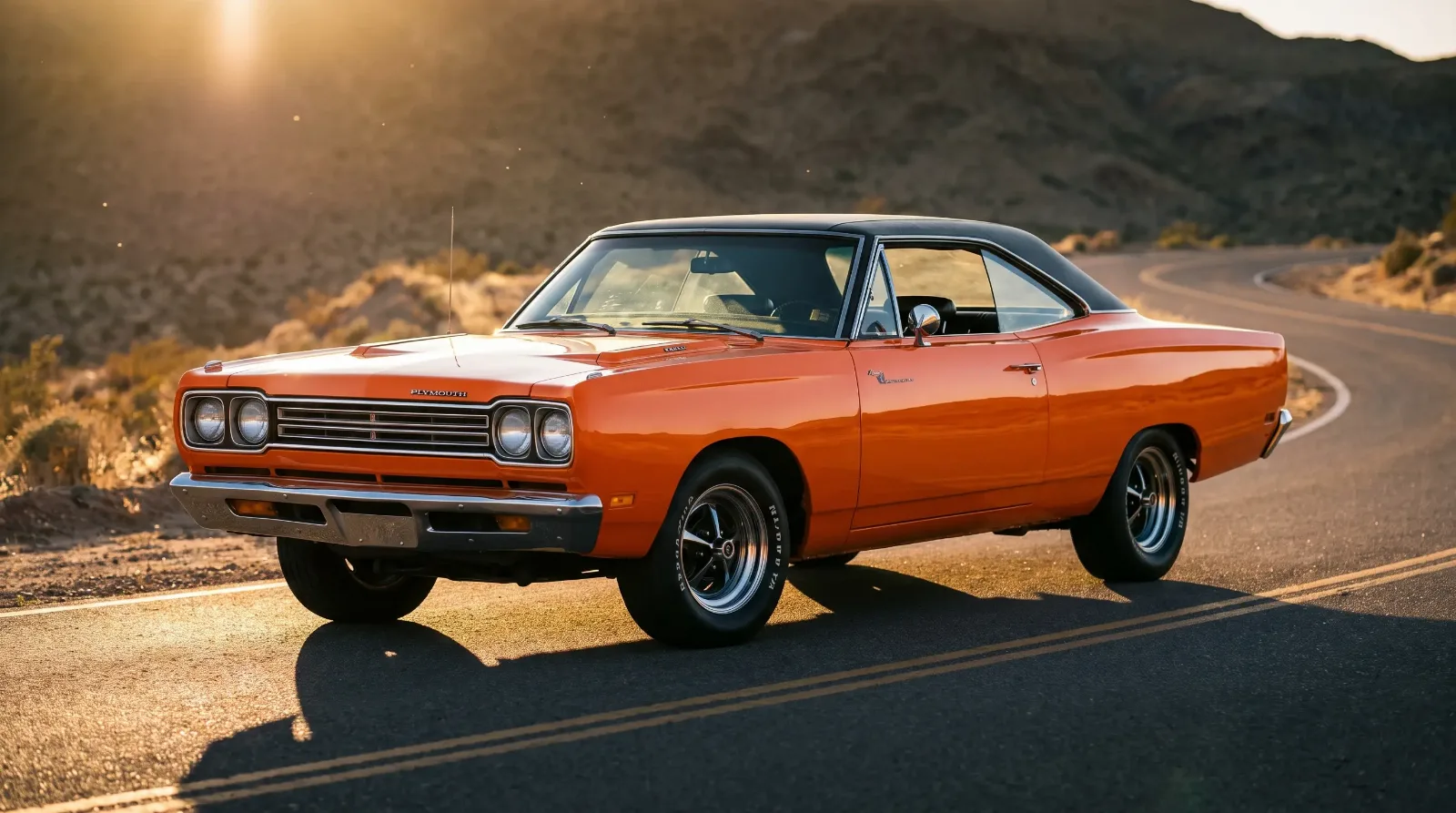
Plymouth's 1969 color chart for the Road Runner leaned hard into the era's high impact naming and high saturation formulas, well before the official High Impact color program hit its full stride the following year. Buyers could order the car in straightforward tones like Bright Red, various blues, and a range of greens, but the colors that get talked about at every show I have ever judged are the loud ones: the deep purples, the eye searing yellows, and the oranges that look like they belong on a traffic cone more than a passenger car. That was intentional. Road Runner was built to be seen and heard, from the horn to the paint, and the color chart backed up that whole personality.
Interior colors followed a more restrained pattern than the exterior chart, mostly black, white, and a handful of period appropriate tones designed to work sensibly against whatever loud exterior shade a buyer picked. That contrast, wild outside, practical inside, tells you Plymouth understood exactly what kind of statement this car was supposed to make and where to spend the flash.
| Category | 1969 Road Runner color notes |
|---|---|
| Standard tones | Reds, blues, greens, white, black |
| High impact shades | Deep purples, bright yellows, oranges |
| Interior colors | Mostly black and white, restrained relative to exterior chart |
| Verification source | Fender tag paint code, cross checked against build sheet |
Why the fender tag code is only step one
Any restorer worth their reputation will tell you the paint code on the fender tag is a starting point, not gospel. Chrysler's paint formulas from this era do not always mix up exactly the same today as they did off the line in 1969, thanks to changes in pigment availability, environmental regulations on solvents, and the honest reality that modern paint suppliers are working from reverse engineered formulas rather than the exact factory batch sheets. A shop chasing a truly period correct respray cross references the fender tag code against period paint chip references and, where possible, an untouched original paint sample from somewhere on the car the sun and weather never reached, like inside a door jamb or under a trim piece.
I have seen more than one car come through a shop with a fender tag claiming one color and a body clearly wearing a different shade entirely, sometimes because a previous owner repainted it to their own taste decades ago and never bothered updating anyone, and sometimes because the car simply is not what the tag claims it is. Either way, that mismatch is exactly the kind of detail that separates a car worth real money from one that just looks the part in photos.
Period correct versus poseur paint jobs
This is where I get opinionated, and I make no apology for it. A period correct respray means matching the original paint code documented on that specific car, using application methods and finish levels that reflect what a 1969 assembly line actually produced, not a modern show quality mirror finish sprayed on with clear coat technology that did not exist when the car was built. Factory paint from this era had real texture and orange peel, applied fast on a moving line by workers hitting a quota, not hand rubbed to a glass finish by a restoration shop chasing a concours trophy.
A poseur paint job, in my book, is a car resprayed in whatever color the current owner likes best, sometimes a shade that never appeared on Plymouth's actual chart, dressed up with modern clear coat and buffed to a shine no factory Road Runner ever had rolling off the line. There is nothing wrong with a nice custom respray if that is what an owner wants and they are honest about it. What bothers me is when that car gets represented to a buyer as original or period correct when it is neither, because that misrepresentation costs somebody real money down the line when the truth comes out.
"Paint tells you more about a car's honesty than almost anything else on it, because it is the first thing everybody sees and the last thing most buyers actually verify before they hand over a deposit."
- Jim Vasquez
How color choice tracked engine and trim choices
One pattern I have noticed after enough cars through the shop is that certain colors seem to cluster with certain engine and option combinations more than pure chance would explain, though I would treat that as a shop observation rather than a documented statistic. Buyers who ordered the loudest shades often ordered the loudest drivetrains to match, the 440 or the mid year Six Barrel package rather than the base 383, since a buyer paying extra for a color that could not be ignored in a parking lot was usually the same buyer who wanted a car that could not be ignored off the line either. That is not a hard rule, plenty of base engine cars left the factory in wild colors and plenty of big block cars wore conservative white or black, but it is a pattern worth keeping in mind when evaluating whether a particular color and drivetrain combination on a car in front of you feels consistent with how these cars actually left the factory.
What this means for buyers and restorers
If you are shopping for a 1969 Road Runner and the color is a big part of the appeal, get the fender tag verified against the actual paint before you get emotionally attached to the shade. If you are restoring one and chasing period accuracy, budget the extra time and money to source a genuine color match rather than settling for whatever the paint counter hands you off a modern computer formula without cross checking it against a real sample. The color chart Plymouth offered in 1969 is part of what made this car culturally significant, and getting it right, or at minimum being honest about when it is not original, matters to anyone who takes the car seriously.
For the fuller context on how the color program fit into everything else happening with the Road Runner that year, from body styles to engine options, the whole picture covers the model year in complete detail. And if you are ready to start comparing actual cars rather than just reading about paint codes, you can shop classic Runner listings and start asking sellers the same questions I ask every car that rolls into my shop.
Sources and notes
- Plymouth Road Runner - Wikipedia
- High-Impact Colors: When Hot Muscle Cars Got Some Crazy Paint - Hagerty Media
- The 10 Mopar High-Impact Colors: Complete Guide - autoevolution
- Chrysler Plymouth and Dodge High Impact Colors - Maxwedge
- Mopar Paint: Dodge & Plymouth High-Impact Paint Colors - Classic Industries