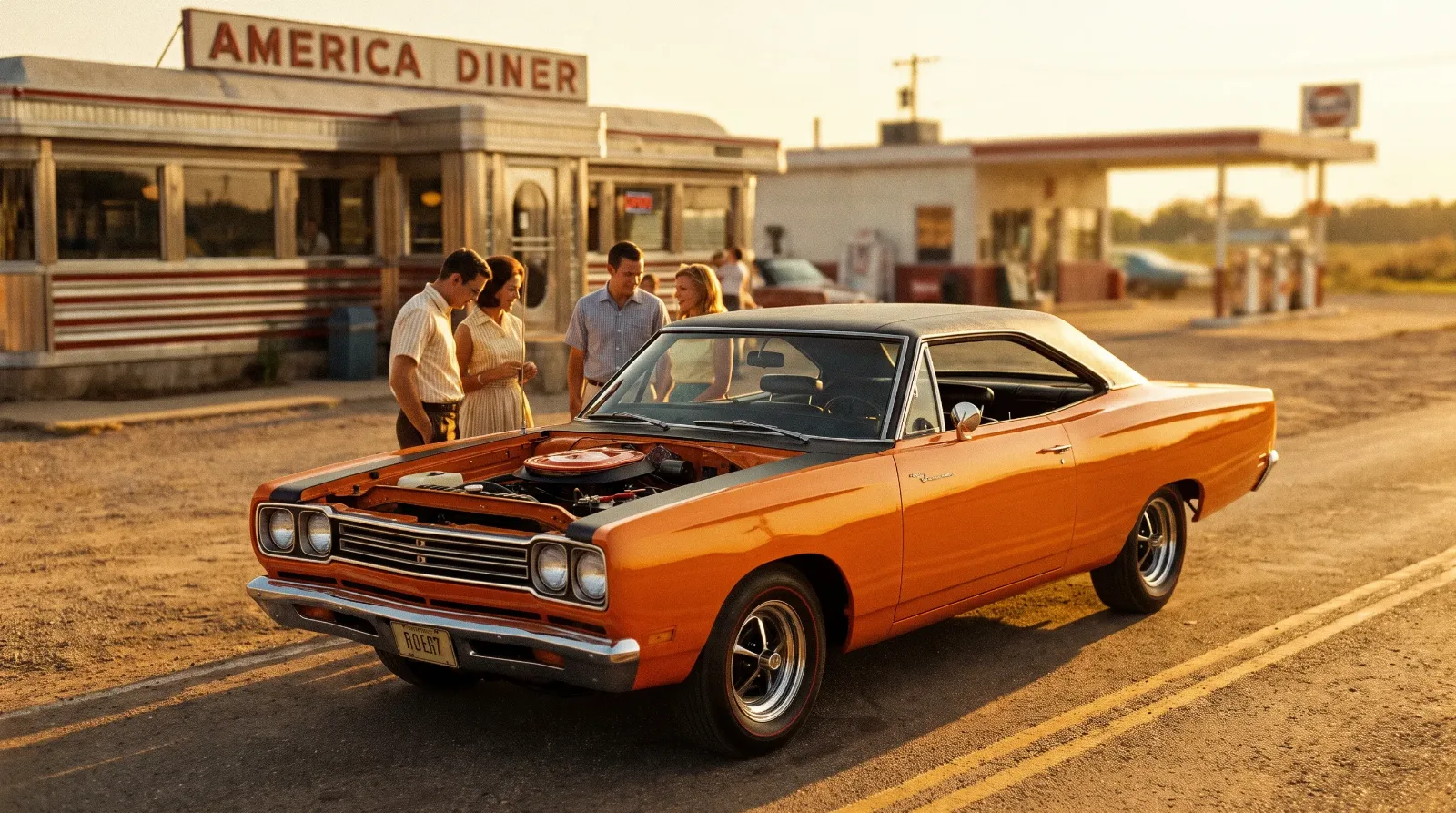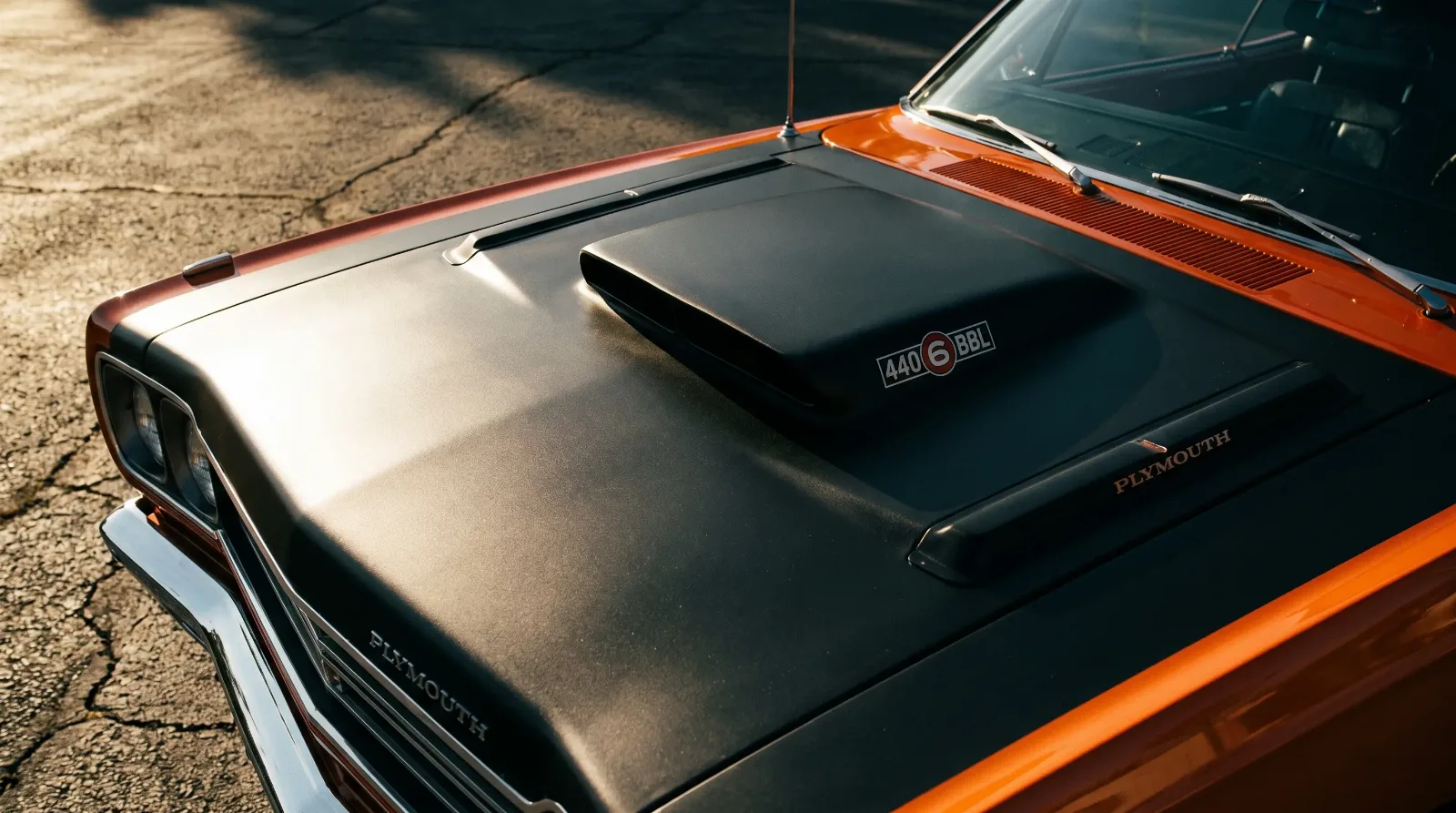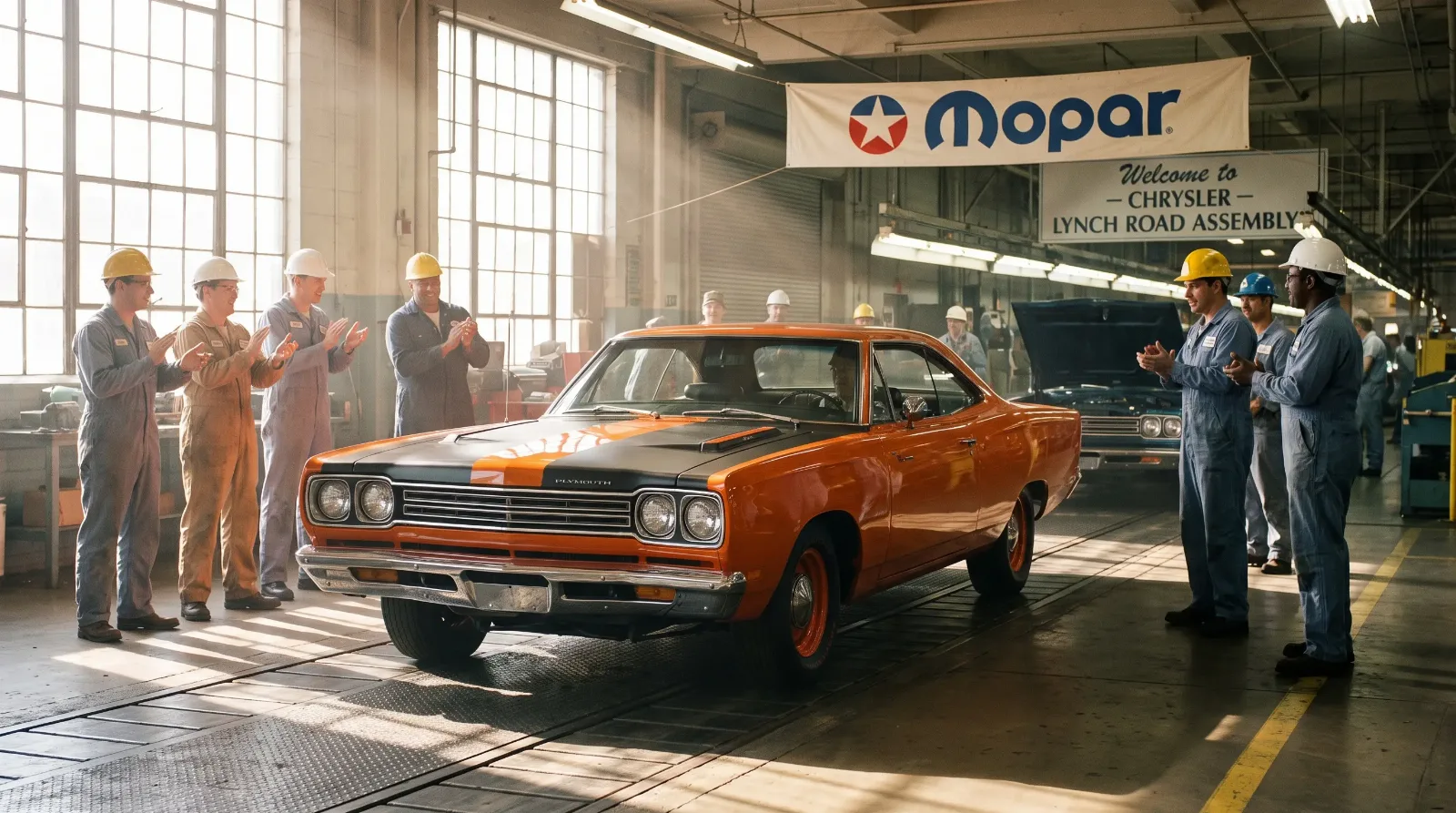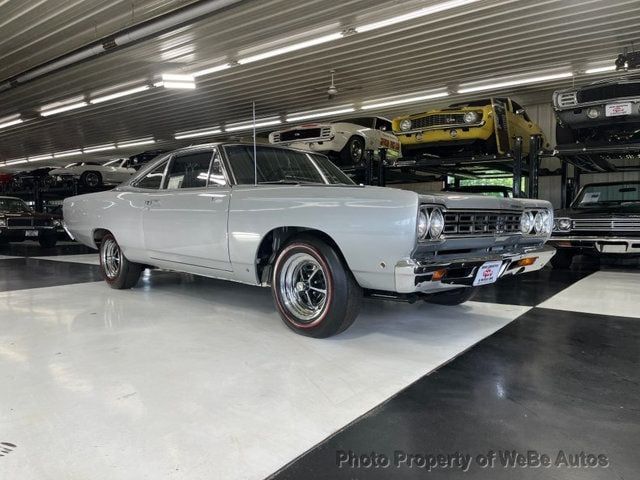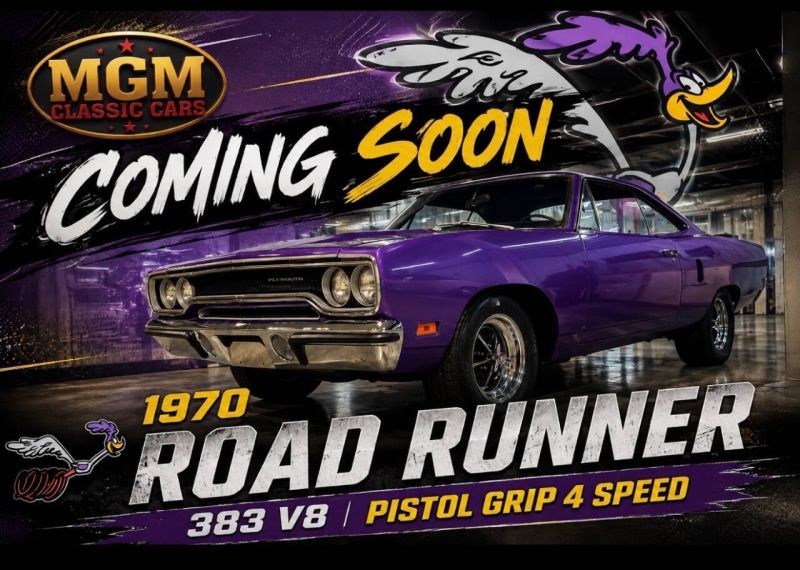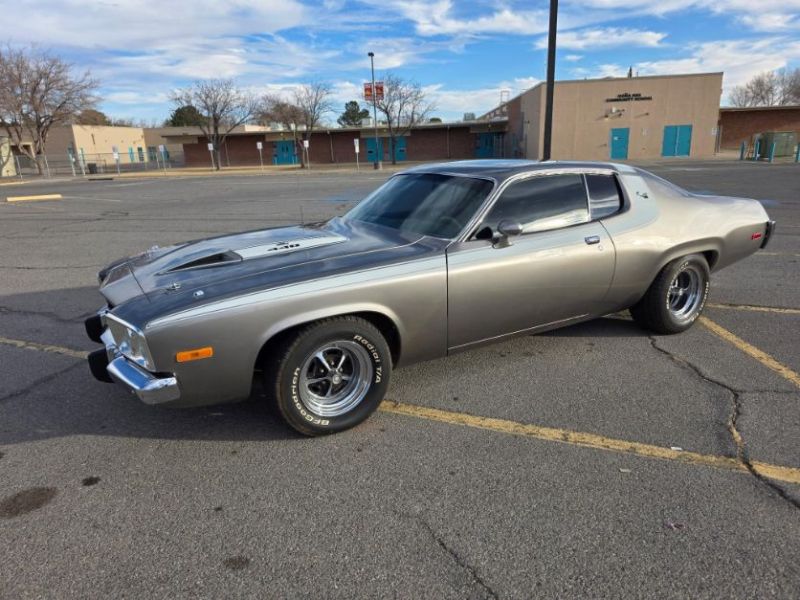
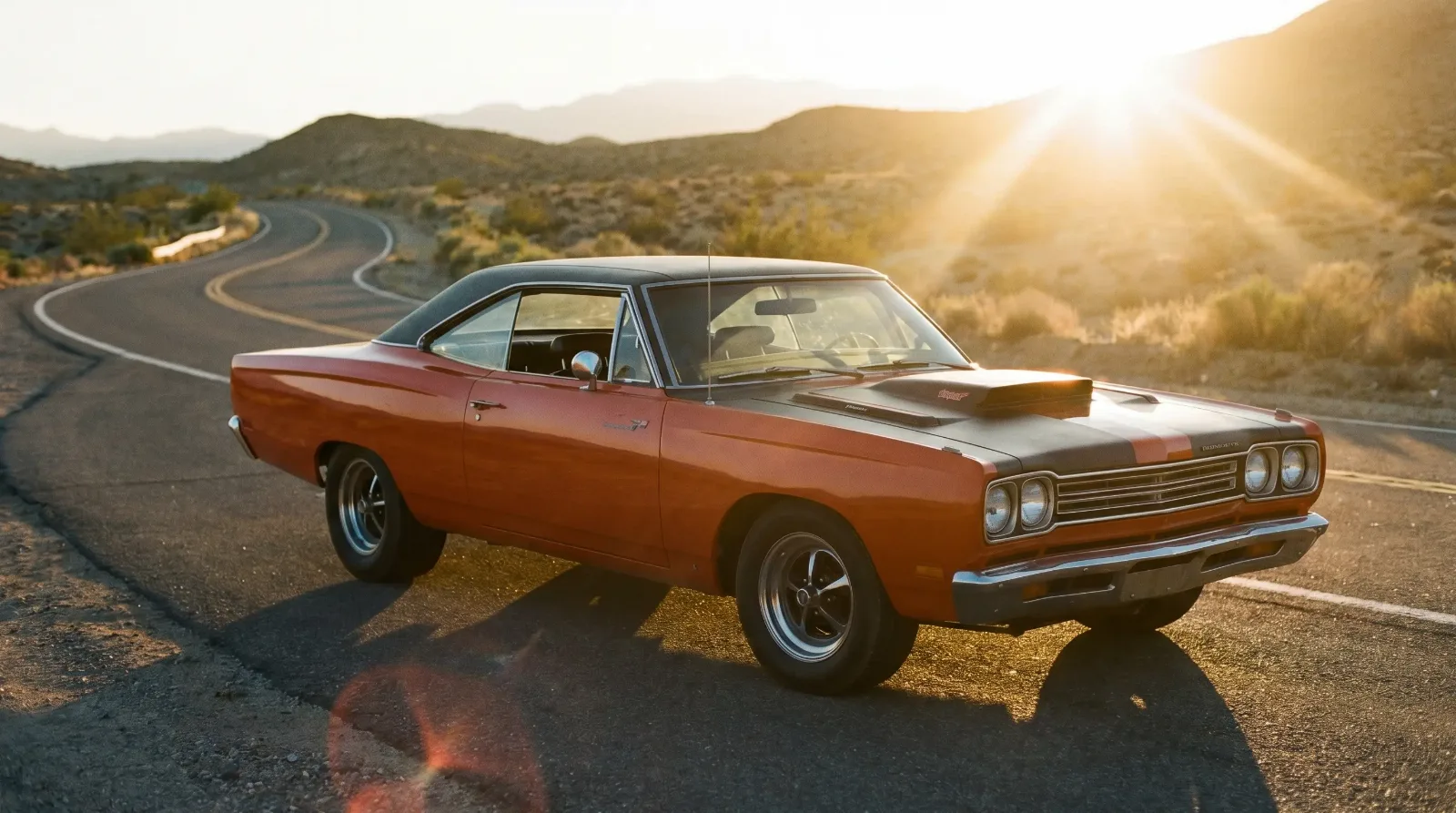
The 1969 Road Runner hardtop is the body style that made the nameplate a genuine sales phenomenon rather than a curiosity confined to the pillared coupe that launched the car a year earlier. Plymouth introduced the hardtop for the second model year, pairing the existing two door coupe with a pillarless roofline that gave the Road Runner a sleeker profile and, more importantly for the accountants in Highland Park, a body style buyers actually wanted in far greater numbers than the original.
How the hardtop joined the lineup
When Road Runner debuted for 1968, Plymouth built it strictly as a two door sedan, a pillared body chosen deliberately to keep costs down and to echo the stripped down, no frills character the whole car was built around. That coupe sold well beyond initial projections, and Plymouth's product planners moved quickly to broaden the body style offering for 1969. The hardtop arrived alongside a new convertible, giving the Road Runner three distinct shapes for the first time and putting it on more even footing with rival intermediates that had offered hardtop roofs from the start of the muscle car era.
The pillarless design removed the fixed B-pillar between the front and rear side windows, so with both windows down the side of the car opened into a single uninterrupted glass area. That look, borrowed from more expensive personal luxury coupes of the period, gave the Road Runner a visual sophistication the original coupe never had, even as the car underneath remained mechanically identical in its performance intent.
Structural and cost considerations behind the roofline
Removing the B-pillar is not a cosmetic decision alone. Engineers had to compensate for the lost structural rigidity elsewhere in the body, typically through reinforced rocker panels, a stiffer floor pan, and careful attention to door fit and seal design so the car did not develop the cowl shake and wind noise problems that plagued early pillarless designs from other manufacturers. Chrysler's engineering team had years of hardtop experience across other B-body models by 1969, so the Road Runner hardtop benefited from lessons already learned on the Belvedere, Satellite, and GTX platforms it shared its architecture with.
That shared engineering base kept development costs manageable, letting Plymouth offer the hardtop without a significant price premium over the coupe, which mattered enormously to a car whose entire sales pitch rested on value. A buyer could step up to the pillarless roofline for only a modest increase over the base coupe price, a detail that helped drive the hardtop to become the dominant body style within the Road Runner lineup almost immediately.
| Detail | 1969 Road Runner hardtop |
|---|---|
| Body style status | New for 1969, alongside coupe and convertible |
| Roof design | Pillarless, B-pillar removed for open glass area |
| Platform | Chrysler B-body, shared with Belvedere and GTX |
| Sales position | Became the volume body style for the model year |
| Engines offered | 383 standard, 440 optional, 440 Six Barrel mid year, Hemi rare |
Documentation and how researchers verify a genuine example
From a concours and authentication standpoint, the hardtop presents its own particular research challenges compared to the coupe or convertible. Because it became the highest volume body style of the year, surviving examples are more numerous, which sounds like good news for buyers but actually means the pool of parts cars, incomplete restorations, and reconstructed examples circulating in the hobby is larger too. Careful researchers cross reference the fender tag's body code against the VIN's body style digit, confirm the trim tag matches factory paint and interior codes, and where possible pull the original broadcast sheet to verify the drivetrain and options match what the seller represents.
Roof stamping details also matter to serious restorers. Because the hardtop shared its basic shell dimensions with the coupe apart from the roof and window structure, a body that has suffered significant rust or collision damage over the decades occasionally gets repaired using coupe roof sections or aftermarket panels that do not perfectly replicate factory stamping lines. A trained eye checking drip rail contours and seam locations can often spot inconsistencies that a casual buyer would miss entirely.
Why the hardtop defines the model year in the public imagination
When people picture a 1969 Road Runner today, in magazines, in scale model kits, or on a poster in a garage, they are almost always picturing the hardtop. Its combination of the open glass profile, the cartoon badging, and the availability of every engine from the base 383 up through the rare Hemi made it the version most photographed, most raced, and most remembered from that model year. The coupe still had its die hard buyers chasing the lowest possible price, and the convertible carved out its own rare niche, but the hardtop became the default expression of what a Road Runner was supposed to look like.
"When I am asked to authenticate a Road Runner, the hardtop is almost always the body style in front of me, simply because it is the one Plymouth built and sold in the greatest numbers, and that volume is exactly why the paper trail matters so much."
- Sarah Whitfield
Restoration considerations specific to the hardtop
Anyone taking on a hardtop restoration needs to pay particular attention to window regulator function and door seal fit, both areas that suffer more wear on a pillarless design than on a pillared coupe simply because the doors and glass carry more of the structural sealing burden without a fixed center post to lean on. Weatherstripping quality matters more here than on the coupe, and a hardtop with sagging doors or misaligned glass often points to worn hinges or a body that has flexed over the decades from accumulated rust in the rocker panels and floor supports. Getting those fundamentals right before addressing cosmetic details like paint and trim tends to save restorers significant rework later, since chasing wind noise or water leaks after a fresh paint job is far more frustrating than solving it while the body is already apart.
Placing the hardtop in the wider 1969 story
The 1969 road runner hardtop cannot really be separated from the broader arc of that model year, which brought the convertible, the mid year A12 engine package, and the sales peak that made 1969 the high water mark for the entire nameplate before emissions and insurance pressures began reshaping the muscle car market in the years that followed. Readers who want the full story of how those pieces fit together will find the hardtop sitting at the center of it, the body style that carried the Road Runner name to its widest audience.
For anyone researching or shopping this specific body style today, the smartest approach is treating documentation as seriously as condition. A clean, well restored hardtop with a matching fender tag and broadcast sheet is a fundamentally different asset than a car assembled from parts wearing the right badges. Buyers who want to compare what is currently available can browse classic Runner listings and weigh documented cars against undocumented ones before deciding where a particular example truly falls on that spectrum.