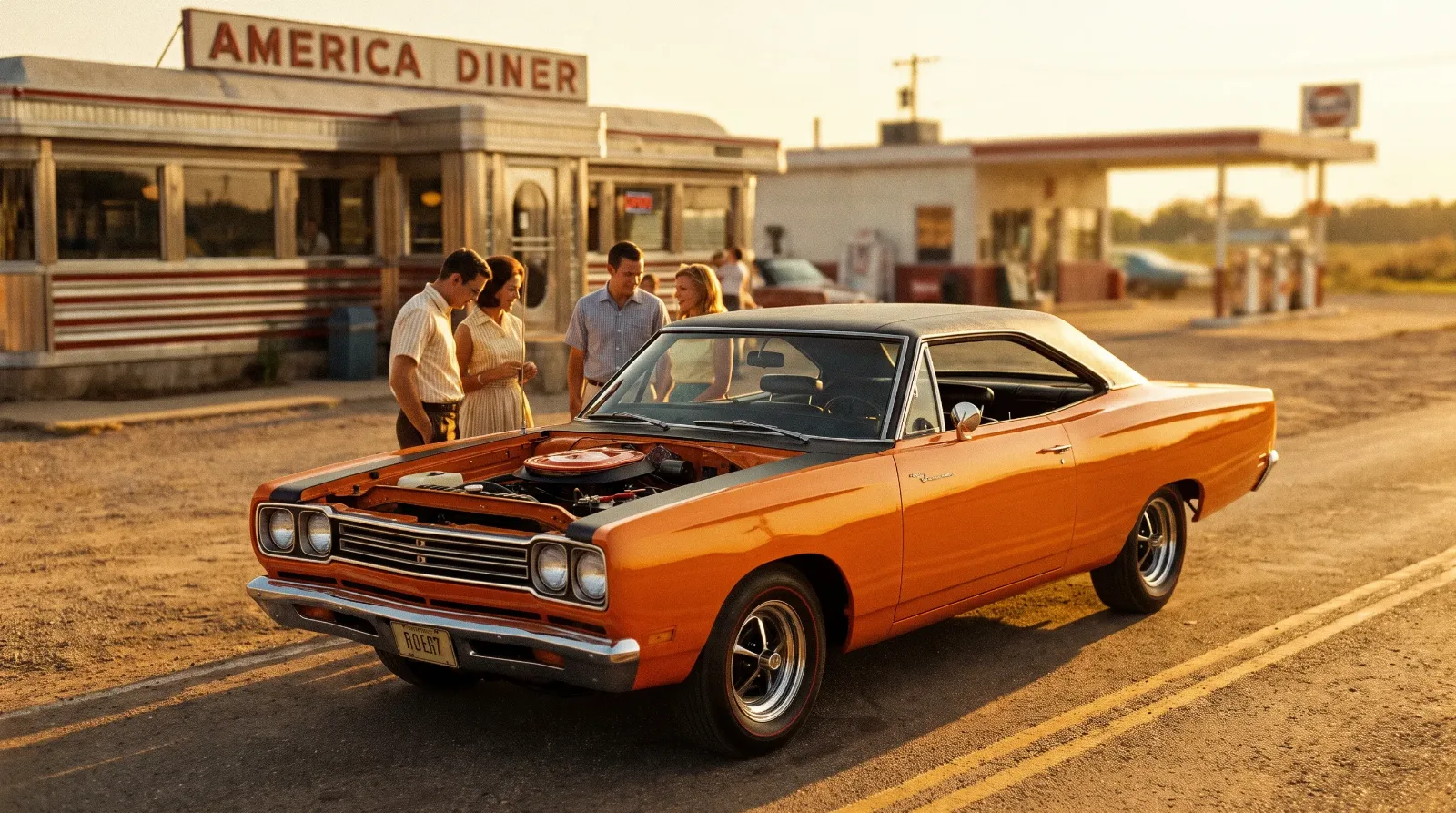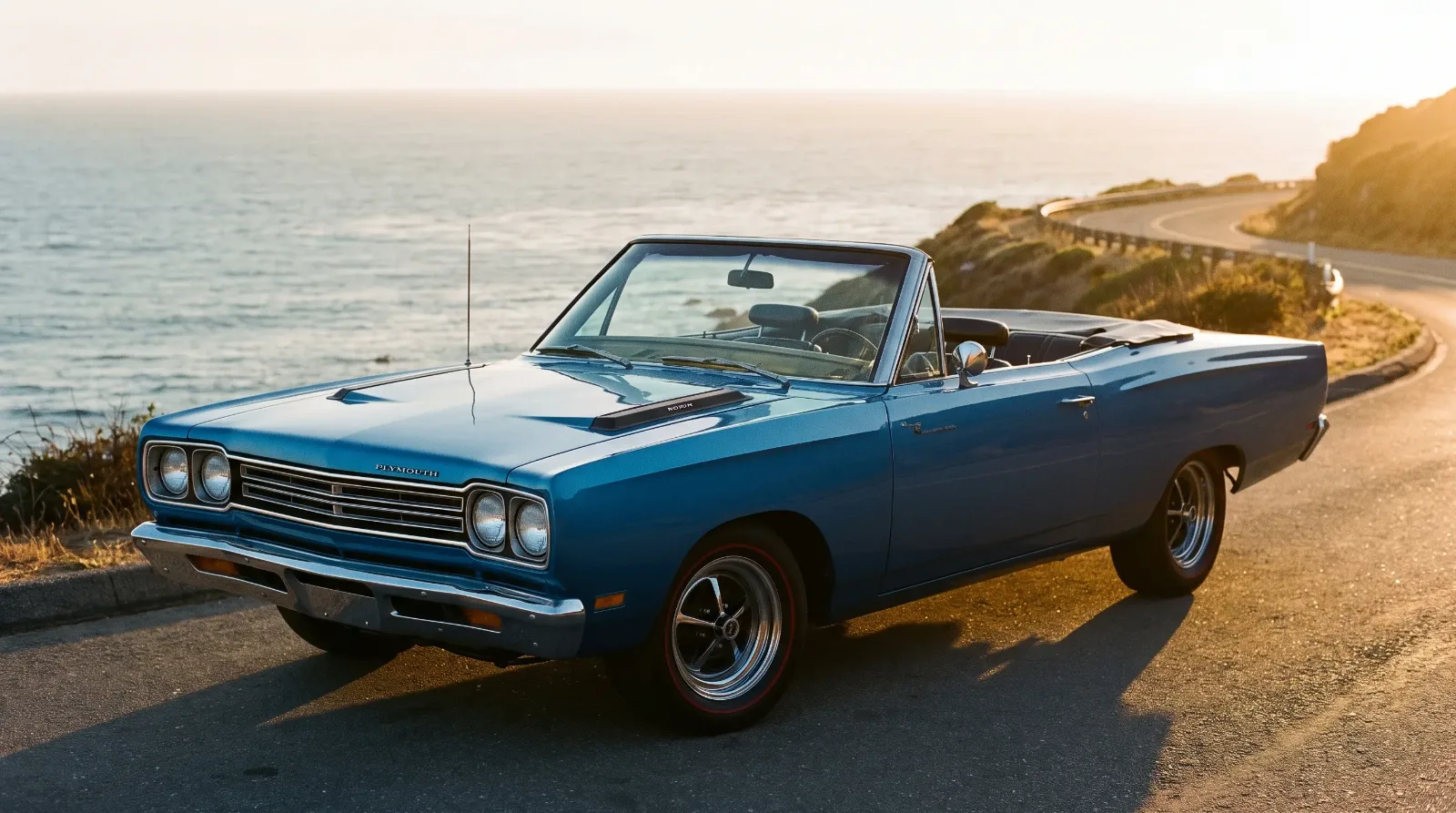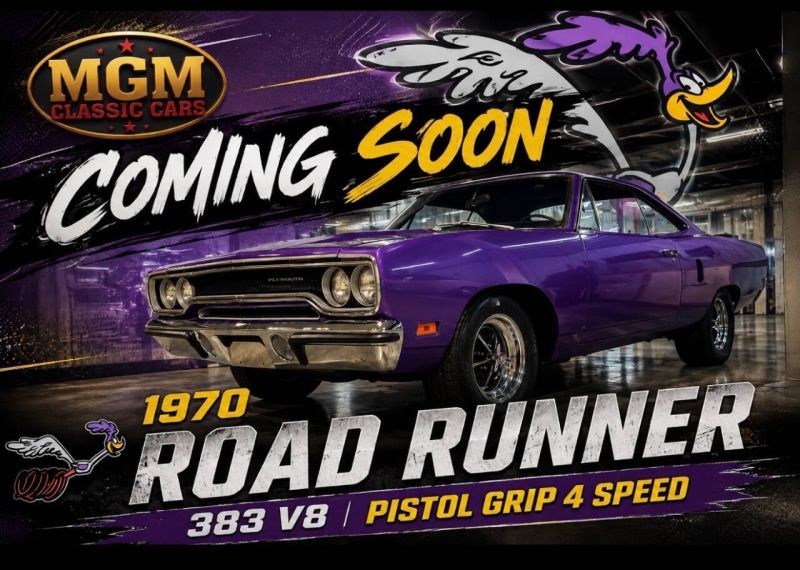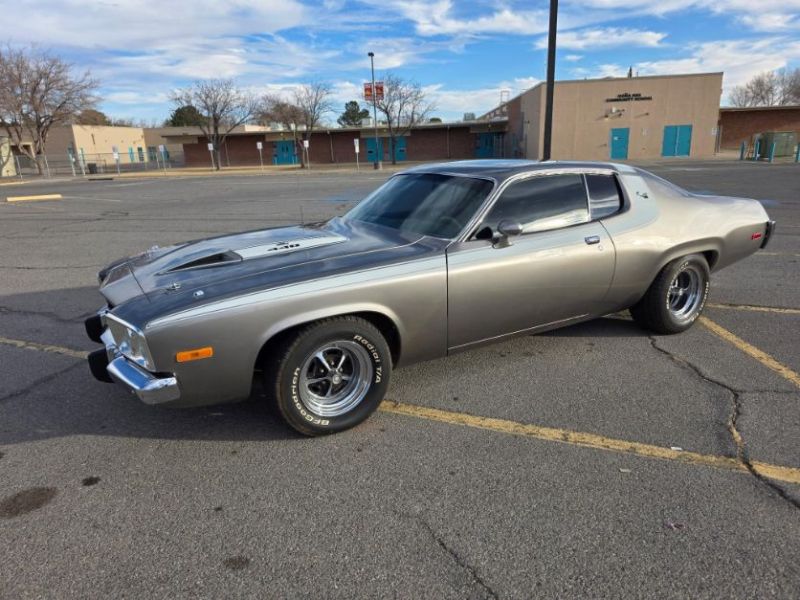
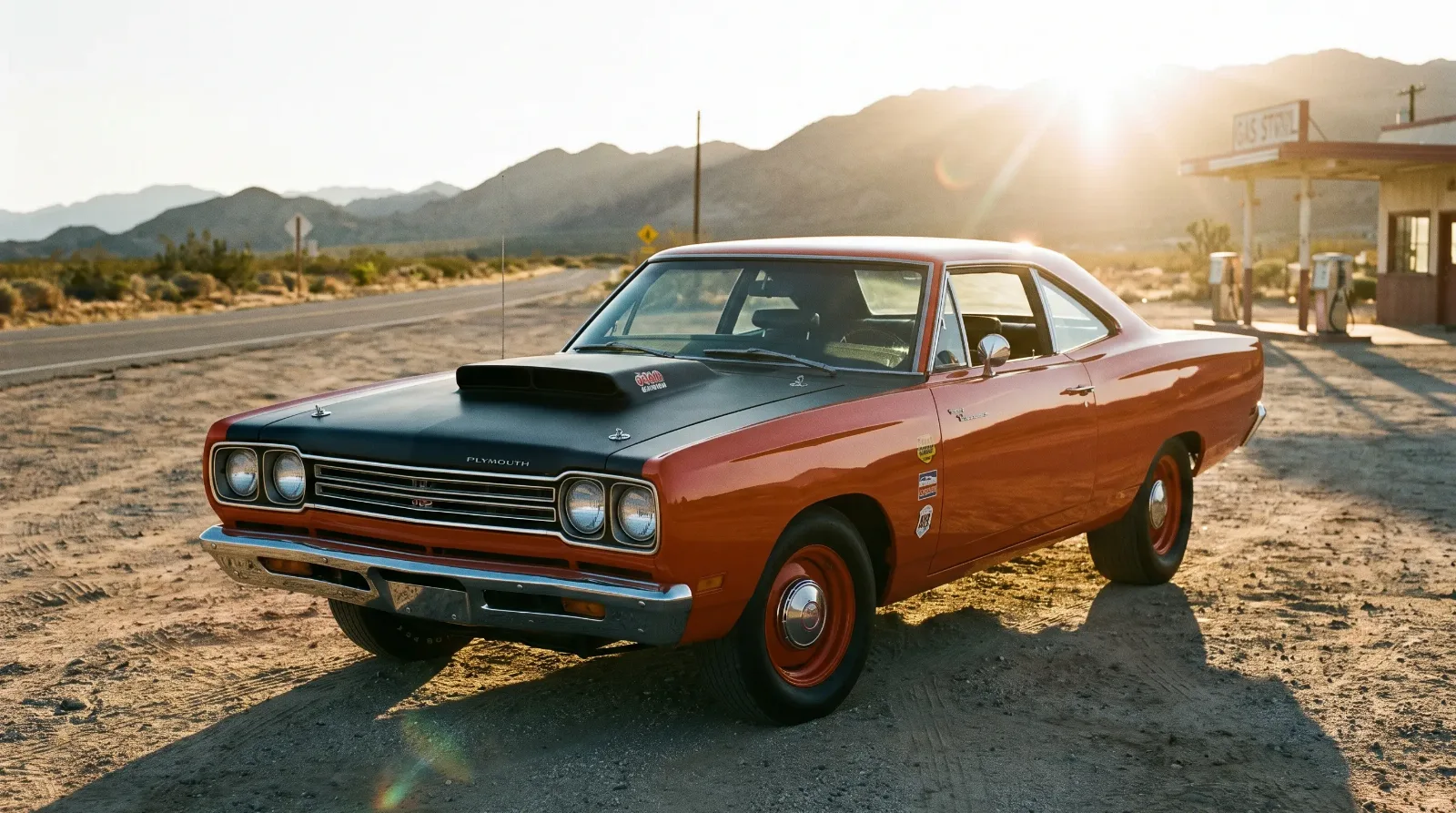
Midway through the 1969 model year, Plymouth engineers dropped a second big block option onto the Road Runner order sheet, and the numbers behind it explain why enthusiasts still argue about it decades later. The 1969 road runner 440 six barrel, built under the internal designation A12, took the existing 440 cubic inch wedge and fed it through three two barrel Holley carburetors on an aluminum intake manifold instead of the standard single four barrel setup. The result was a factory rated 390 horsepower package that arrived as a mid year addition rather than a lineup fixture from day one, and that timing alone tells you something about how it was built.
Why a mid year engine option existed
Plymouth did not plan the A12 as a showroom centerpiece. It came out of a rules gap. NHRA and other sanctioning bodies classified cars for Super Stock and similar drag racing categories partly by what a manufacturer offered on the regular production order form, and Chrysler's engineers understood that a genuinely street legal, dealer orderable big block with triple carburetion and minimal weight could slot into a favorable class. So the 440 Six Barrel Road Runner was built fast, in limited numbers, aimed at racers and serious enthusiasts who read the fine print in Plymouth's option books rather than casual buyers browsing a showroom floor.
The engineering approach was blunt and effective. Take the reliable, already proven 440 wedge, bolt on the triple two barrel induction system borrowed conceptually from the Six Pack setups Chrysler had been developing across its performance line, and skip the extra weight and complexity of exotic head work. The 440 wedge's big displacement and generous torque made the triple carb setup work without the tuning headaches a smaller displacement engine might have needed to make the combination breathe properly.
The lift off fiberglass hood
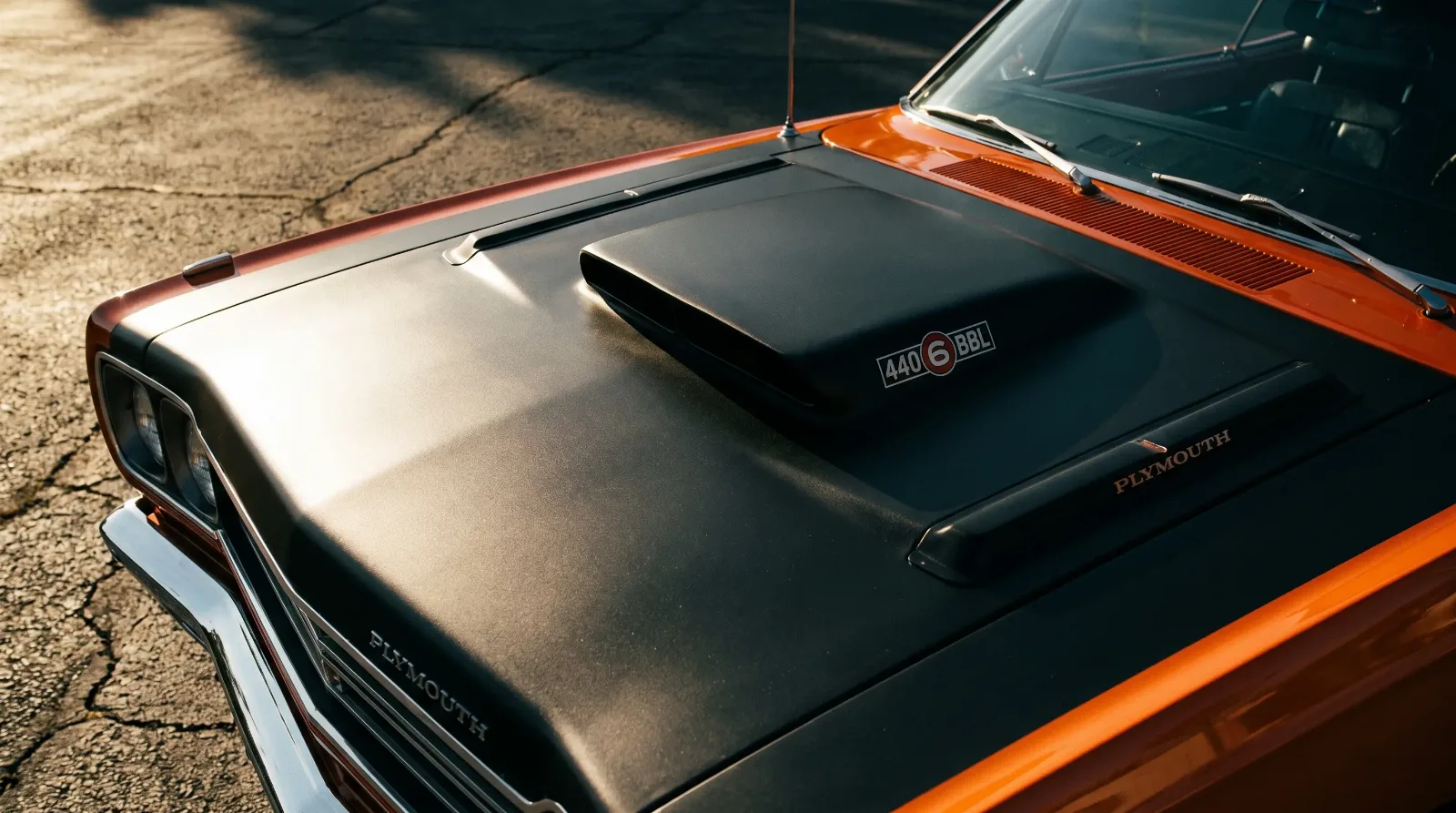
Cars ordered with the A12 package arrived with a distinctive lift off fiberglass hood, held down by four hood pins instead of a standard hinged setup, and stamped with a scooped intake shape feeding the carburetors below. This was not styling for its own sake. The hood saved weight over a steel piece and improved underhood airflow to the triple carb setup, both details that mattered on a car built with drag strip performance as a design brief rather than an afterthought. Painted matte black on most examples, the hood became the visual signature that separates a genuine A12 car from a standard 440 Road Runner at a glance, assuming the hood and its pins have survived intact, which is not always the case on cars that changed hands several times over fifty years.
| Spec | 440 Six Barrel (A12) detail |
|---|---|
| Displacement | 440 cubic inches |
| Induction | Three Holley two barrel carburetors, aluminum intake |
| Rated output | 390 hp at 4,700 rpm, 490 lb-ft at 3,200 rpm (factory rating) |
| Hood | Lift off fiberglass, four pin mounted |
| Availability | Mid year 1969 addition, limited production run |
How it compares against the standard 440 and the Hemi
On paper the standard single four barrel 440 and the triple carb A12 shared a factory horsepower rating close enough that a casual reader might wonder why Plymouth bothered with the added complexity. The real difference showed up in how the engine delivered power. The center carburetor on the A12 setup ran at partial throttle for normal driving, keeping fuel economy reasonable for a big block, while the two outer carburetors opened under hard acceleration to feed the engine's full appetite. That staged approach gave the car a docile character in traffic and a sharp step in output once the driver got into the throttle, a trait street racers of the era valued as much as the peak number itself.
Against the 426 Hemi, the A12 was never meant to compete directly. The Hemi carried a higher list price, more exotic head design, and a reputation that made it the halo engine across the entire Chrysler performance range. The 440 Six Barrel instead offered a lower cost path to comparable straight line performance for buyers who wanted results without the Hemi's premium and its notoriously fussy street manners. For a deeper look at how the 1969 Road Runner as a whole fit into that engine hierarchy, more on the 1969 plymouth road runner covers the full model year picture beyond just this one engine option.
Production numbers and why documentation matters
Because the 440 Six Barrel arrived mid year and targeted a narrow buyer, factory production numbers for A12 equipped Road Runners are small next to the total run of standard 440 and 383 cars. That scarcity means two things for anyone shopping this specific engine option today. First, a genuine, numbers matching A12 car commands a real premium over a standard 440 Road Runner, sometimes a substantial one depending on condition and documentation. Second, the combination of a desirable engine and a distinctive hood has made this one of the more commonly cloned configurations in the Mopar hobby, so a broadcast sheet, fender tag, or other period paperwork carries real weight in verifying what a given car actually is.
"The triple carburetor setup was not about squeezing out a few extra horsepower on a dyno sheet. It was about giving a big torque engine a way to idle politely and then hit hard the moment a driver asked for it, which is a very different engineering problem than just chasing a bigger number."
- Emily Chen
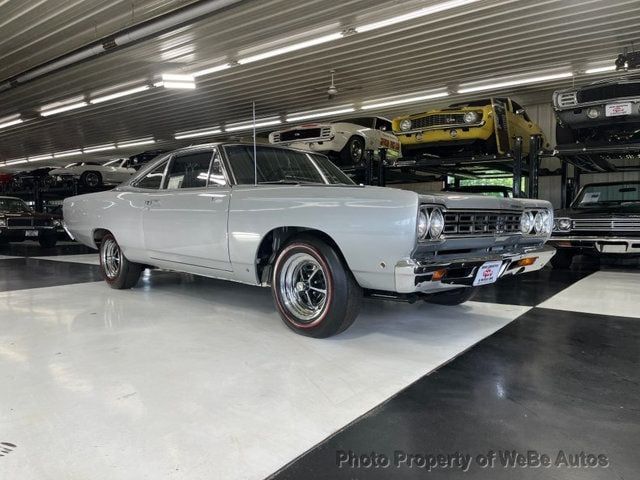
The Road Runner nameplate itself started as a simpler idea two years earlier, and understanding where this started helps explain why an engine like the A12 fit so naturally into the car's identity as a value focused performance machine rather than a luxury muscle car. Buyers today interested in finding a documented example, or simply wanting to compare a Six Barrel car against other 1969 offerings, can browse classic Runners on the market to see how condition and paperwork affect asking prices across the model year.
What the A12 tells us about Chrysler's engineering priorities
Looking back, the 440 Six Barrel Road Runner reads less like a marketing exercise and more like a focused engineering response to a specific set of racing rules and a specific customer who wanted a fast, honest, relatively affordable car. It did not chase the Hemi's prestige, did not add unnecessary weight, and solved the induction problem with parts the corporation already understood well. That kind of restraint, building exactly what a narrow set of buyers needed rather than what looked impressive in a brochure, is why the A12 still gets serious attention from engineers and collectors studying period Mopar performance parts today.
There is also a practical lesson in how Chrysler's engineers treated cost control on this package. Rather than developing a new cylinder head or a new block casting, the team reused existing 440 architecture and focused development time and budget on the induction and cooling side of the equation, where the triple carburetor setup actually needed attention to run cleanly on the street. That decision kept the A12 affordable enough to reach a wider slice of performance buyers than the Hemi ever could, while still delivering a car capable of holding its own against nearly anything else on the street in 1969. Fifty plus years on, that same restraint is part of why parts availability and rebuild knowledge for the 440 wedge remain far more accessible than for the more temperamental Hemi, a detail that matters to anyone weighing ownership costs today rather than just chasing a headline horsepower figure.