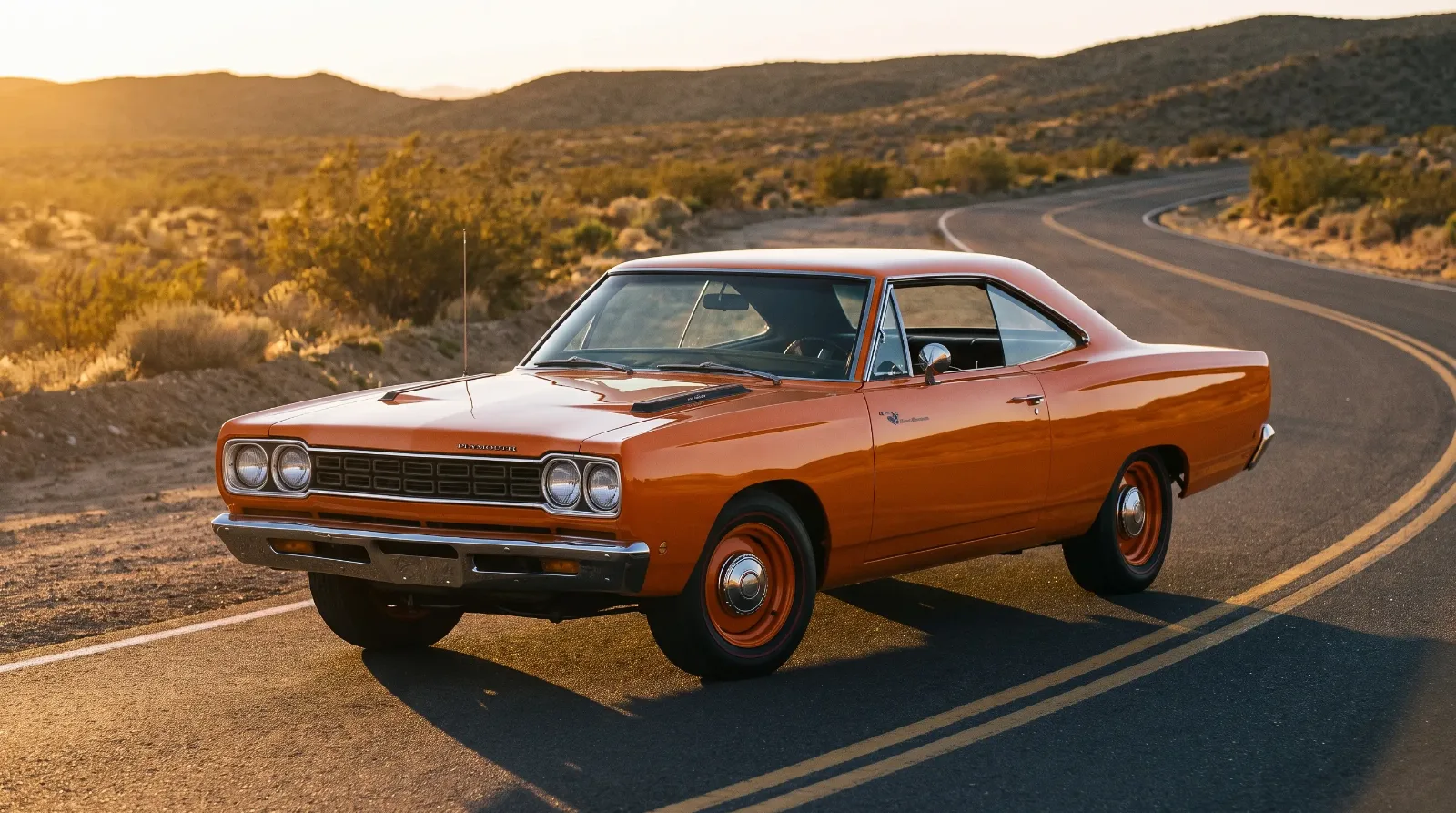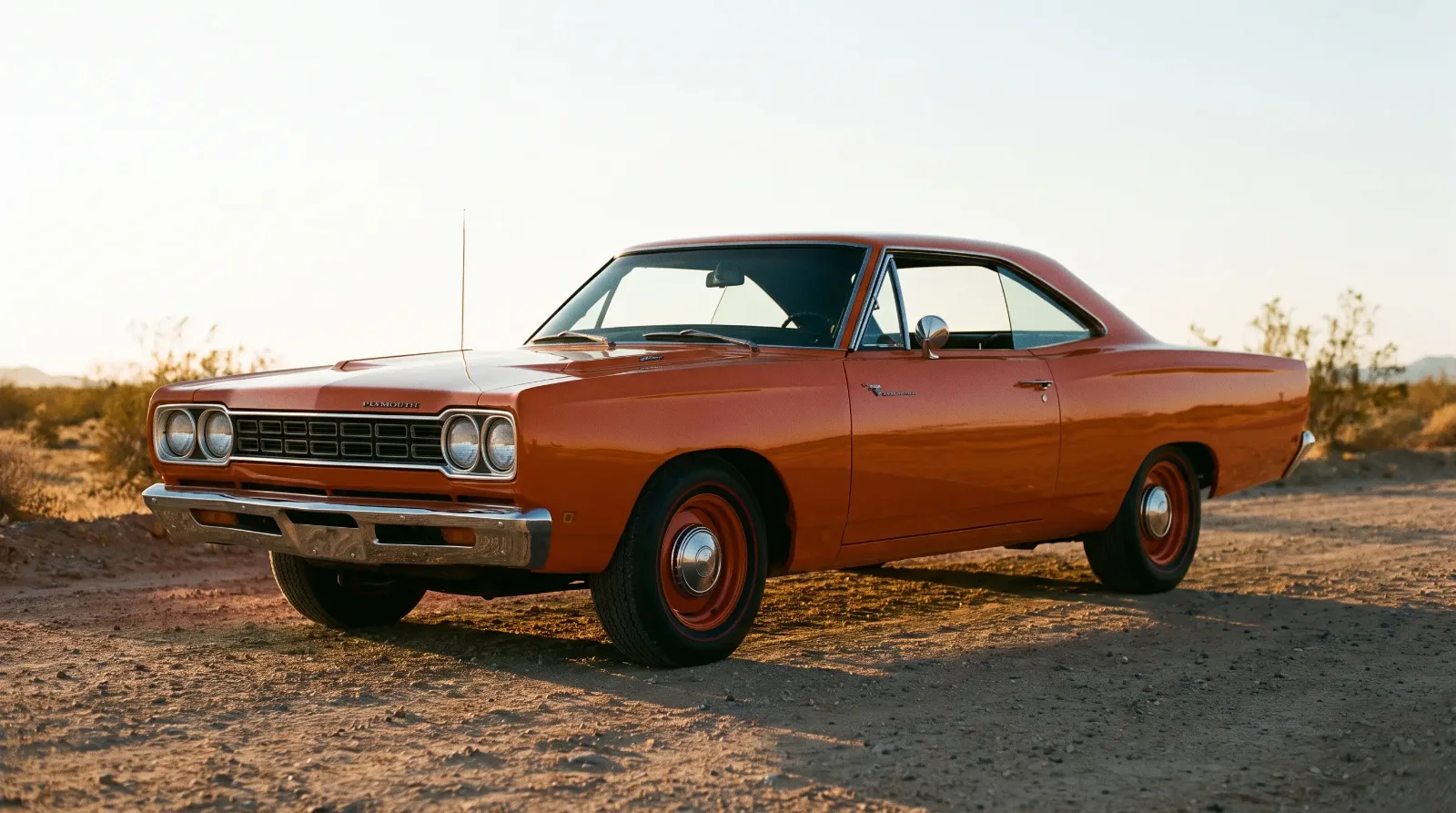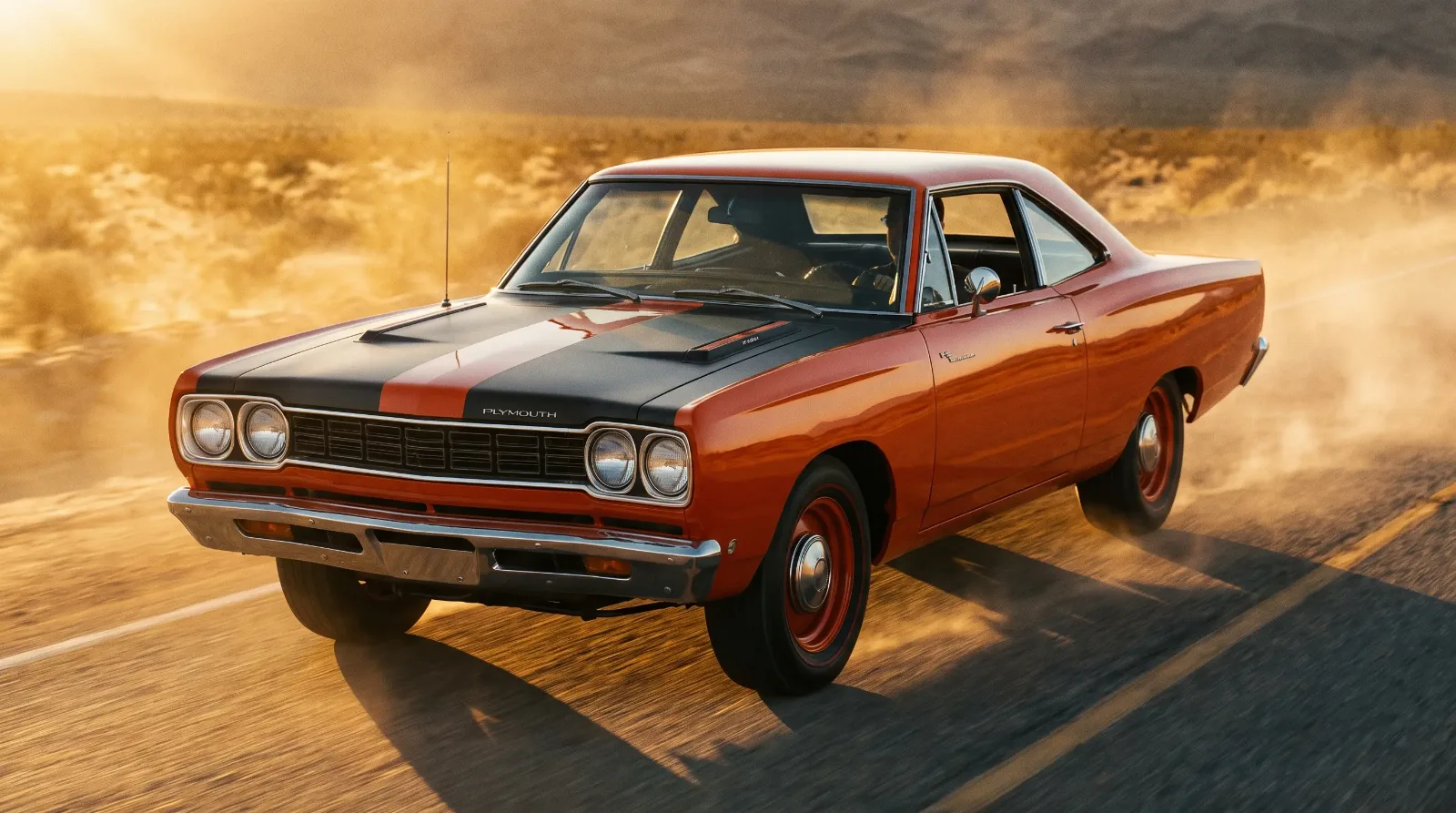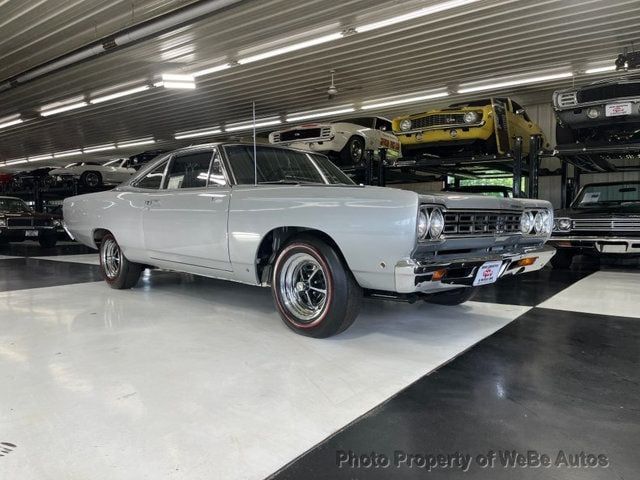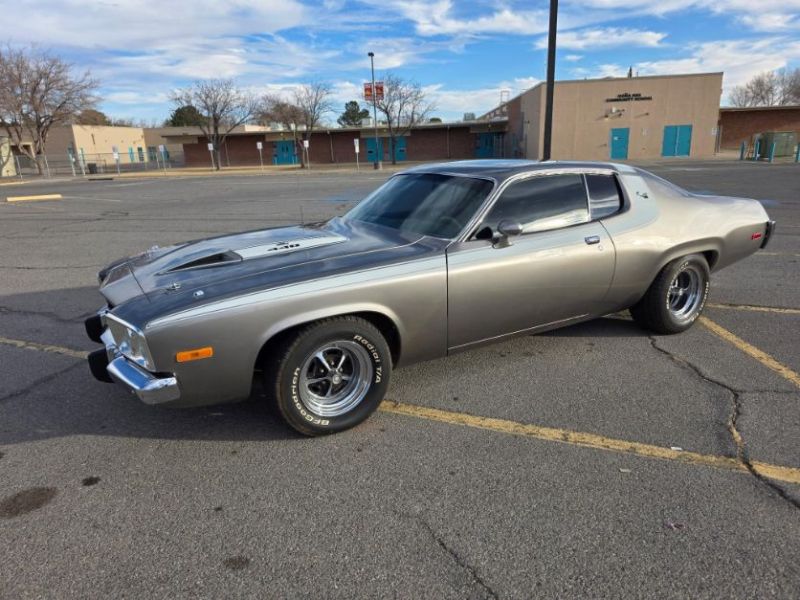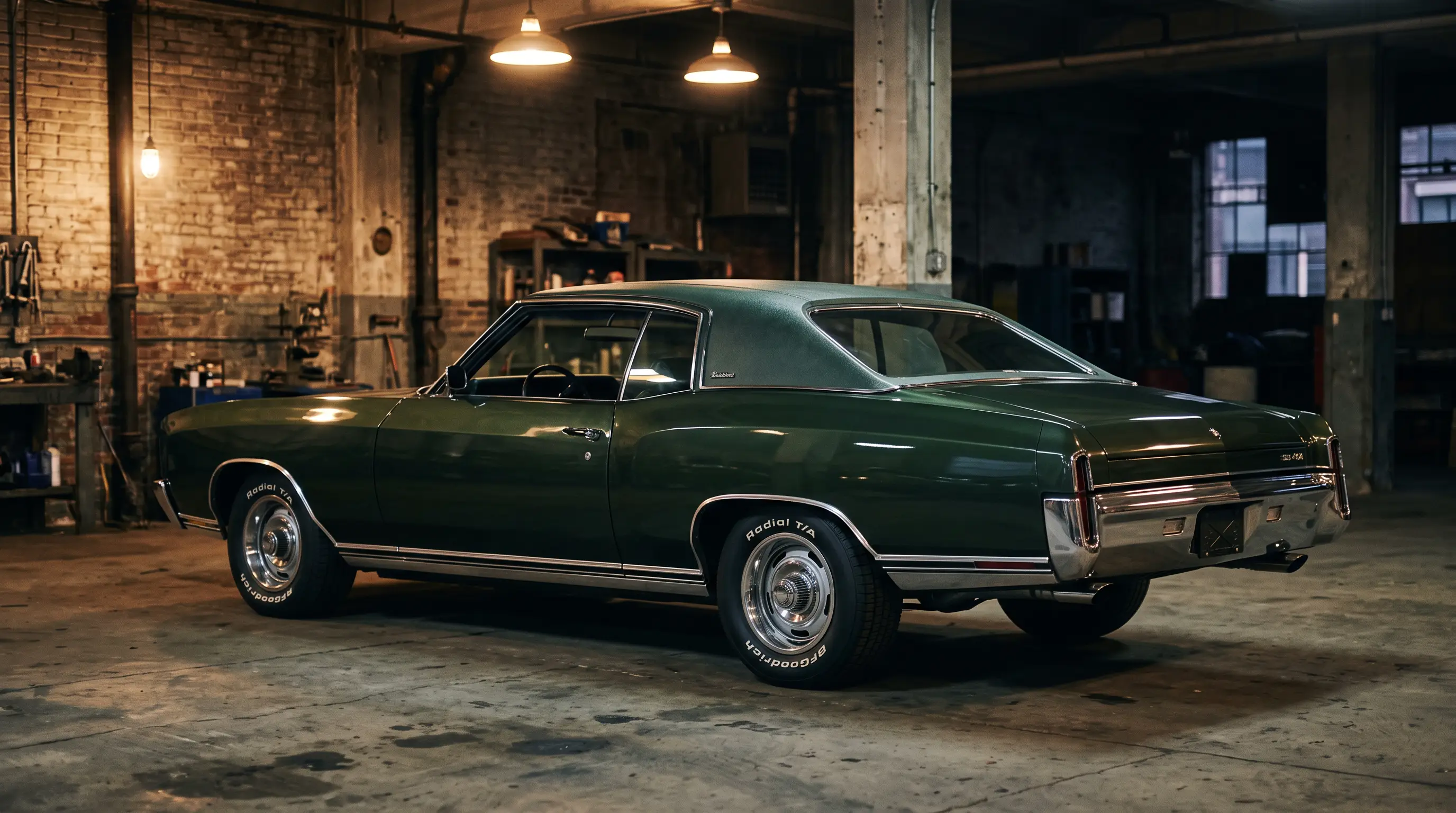
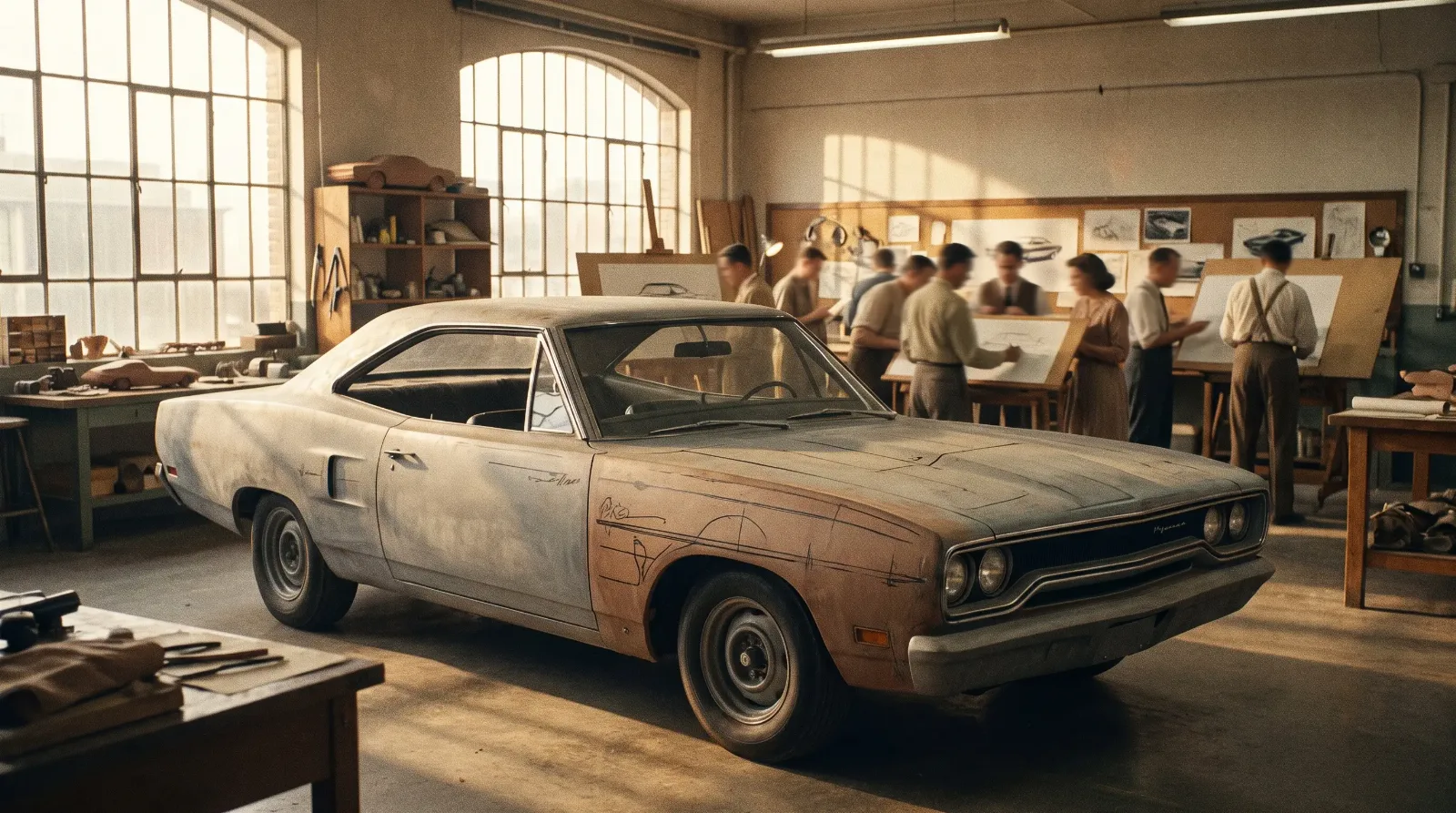
Plymouth didn't build the Road Runner because a market study told them to. That's the part people forget when they talk about the road runner concept plymouth engineers and product planners pieced together in the mid-1960s. By 1966 the muscle car world was drowning in options lists, vinyl roofs, and trim packages that pushed sticker prices further from what a working guy could actually afford. Plymouth looked at that trend and decided to build the opposite car on purpose.
I've had my hands inside enough of these engines to tell you the concept wasn't complicated, and that was the point. Take a mid-size body, drop in a big cheap V8, strip out anything that didn't make the car faster or lighter, and sell it for less money than anybody thought a real muscle car should cost.
A rebellion against the options list
By the mid-1960s, GM and Ford had both figured out that buyers would pay a premium for image, and both companies loaded their muscle cars with trim, badges, and convenience options that padded the invoice well past the base price advertised in the magazines. Plymouth's planners, led in part by product planning manager Jack Smith and assistant product planner Gordon Cherry, pitched something different internally: what if the car sold on raw performance per dollar instead of chrome and prestige.
That pitch ran against the grain of how Detroit sold cars in that decade. Convincing Chrysler's leadership to greenlight a deliberately stripped-down, cheap performance car took real internal selling, because the natural instinct at every domestic manufacturer at the time was to add content, not remove it. The Road Runner concept succeeded because it treated the removal of options as the actual product, not a compromise buyers had to accept.
Stripped by design, not by accident
Every deleted option on the original concept was a deliberate weight and cost decision, not a corner cut carelessly. No carpet where rubber floor mats would do. A bench seat as the base configuration instead of buckets. Manual drum brakes standard, with front discs offered only as an option most buyers skipped to save money. Sound insulation got thinned out. Even the exterior trim got simplified compared to other B-body Plymouths built on the same line.
None of that reads as glamorous on paper, and it wasn't meant to. The whole engineering exercise was about protecting a low price point while still delivering a genuinely quick car once the big V8 went in. That combination, cheap and fast, had not really existed together at that scale before, and it is the reason the concept worked as well as it did once the finished product hit dealer lots.
The engine had to do the talking
With so much stripped out of the car, the standard engine carried the entire sales pitch. Plymouth specified the 383 cubic inch V8 as the base engine, tuned with heads and cam work borrowed from the 440, giving the Road Runner a standard engine that punched well above what most buyers expected from an entry-level muscle car. The 426 Hemi sat above it as an option for buyers chasing maximum output, but the concept never depended on the Hemi to sell. It depended on the 383 being genuinely quick in a car that weighed less than most of its badge-heavy competitors.
"Everybody wanted to talk about the Hemi option, but the whole concept lived or died on that base 383. Take away the fancy engine and this car still had to be fast enough to matter, and it was."
- Mike Sullivan
Betting the concept on buyers who did their own work
Plymouth's target buyer for this concept wasn't the guy who wanted a car loaded with power windows and a vinyl roof. It was the guy who'd rather spend the savings on a set of tires, headers, or a weekend at the strip, and who didn't mind rolling down his own window by hand if it meant a faster car for less money. That's a buyer I understand, because it's the same guy who still shows up to Mopar meets today with grease under his nails and strong opinions about carburetor jetting.
The concept respected that buyer instead of trying to upsell him into options he didn't want. Every deleted comfort feature was a message: this car is about the drivetrain, not the dashboard. It's a philosophy you don't see much in new cars anymore, and it's part of why these Road Runners still draw a specific kind of owner decades later, somebody who wants the mechanical honesty as much as the performance.
Selling minimalism to a dealer network built on options
Convincing dealers to embrace the concept took almost as much effort as convincing Chrysler's own leadership. Dealers made real money on option packages, and a car engineered from the ground up to be sold with as few boxes checked as possible threatened a piece of their margin. Plymouth's sales training material for the launch spent real time walking dealers through why a lower-margin, higher-volume car could still work in their favor, betting that turnover and word of mouth would make up for the thinner per-unit profit.
That bet paid off once showroom traffic picked up. A cheap, fast car that people wanted to talk about brought buyers into the store who might never have walked in for a heavily optioned GTO competitor. Some of those buyers left with a loaded Satellite instead once they were on the lot, which meant the stripped-down concept was quietly generating upsell traffic even for buyers who didn't end up driving home in a Road Runner at all.
How the concept became a production car worth remembering
What started as an internal pitch to strip a mid-size Plymouth down to its performance essentials turned into one of the defining muscle cars of its era, and the concept's success reshaped how the rest of the industry thought about the low-price performance segment for years afterward. For a full breakdown of how that concept translated into the finished 1968 production car, our complete history covers the pricing, the options list, and the launch numbers in detail.
Anybody who wants to see what survives from that original stripped-down formula can browse classic Runner listings and get a feel for how many of these cars still carry the bare-bones spirit the concept was built around, even the ones that have picked up a few extras over the decades since they left the factory floor.
The road runner concept plymouth engineers built wasn't a compromise or a budget afterthought. It was a genuine rebellion against how the rest of the industry was selling performance, and it worked precisely because Plymouth had the nerve to take things away instead of piling them on.