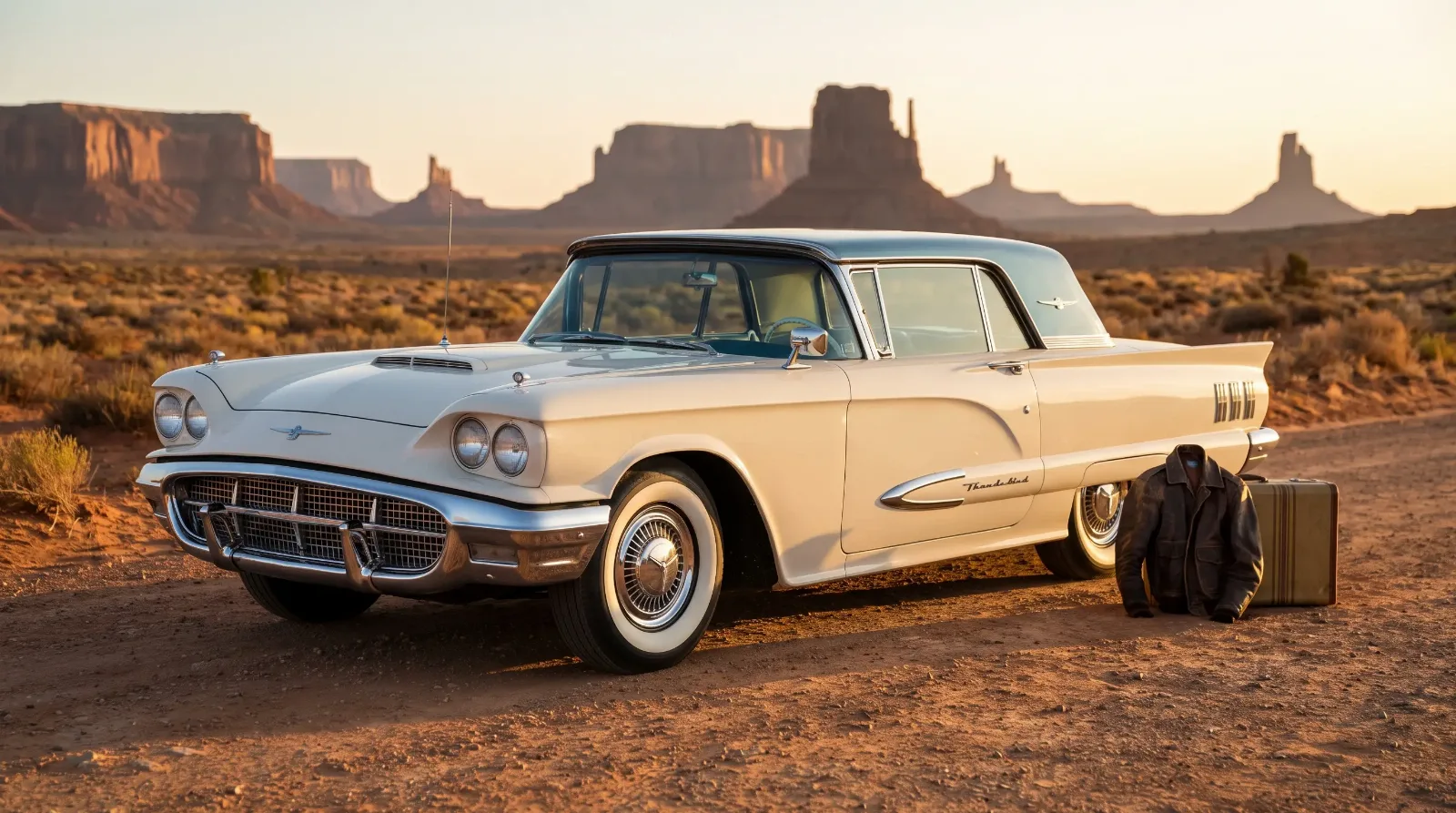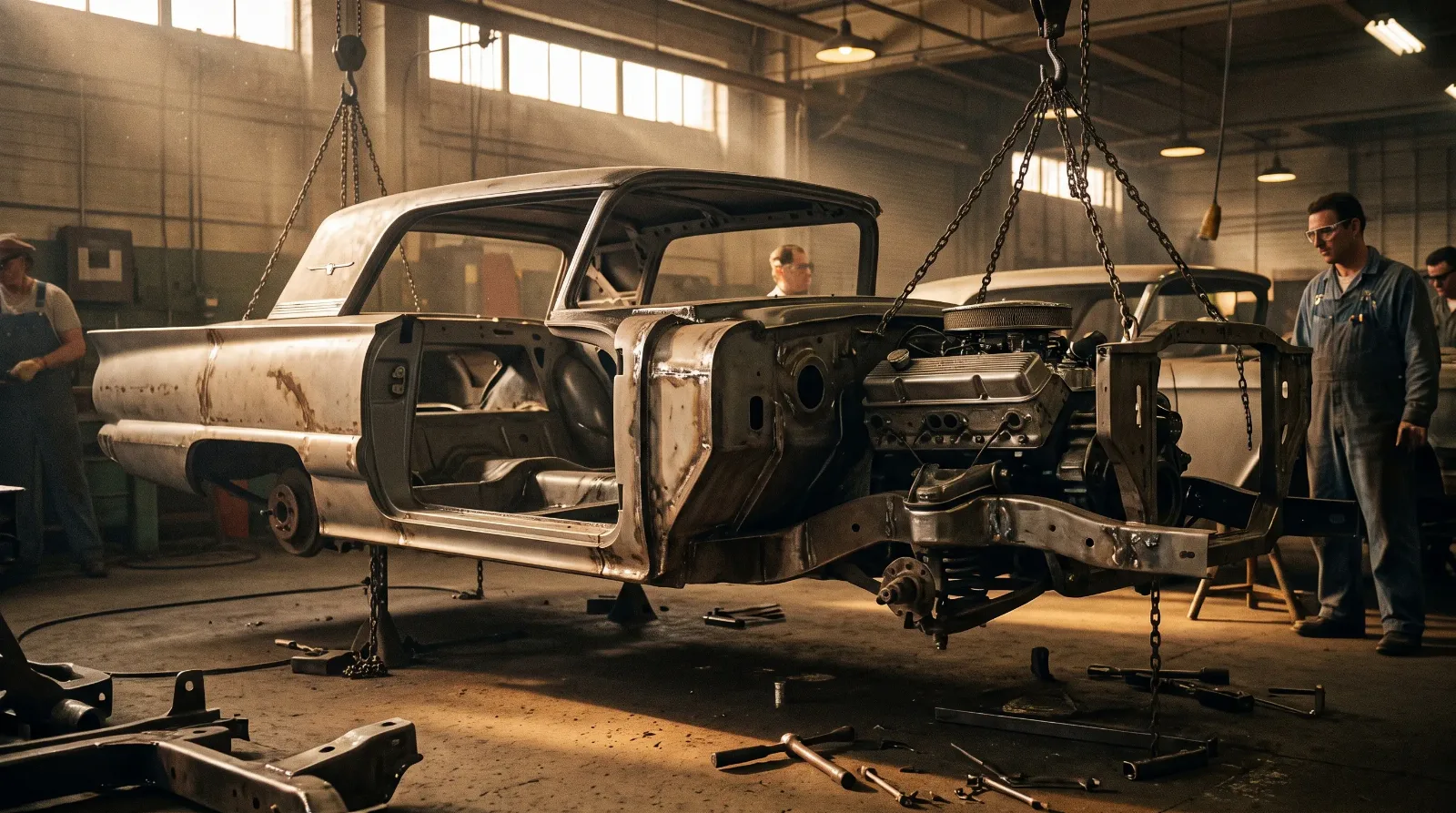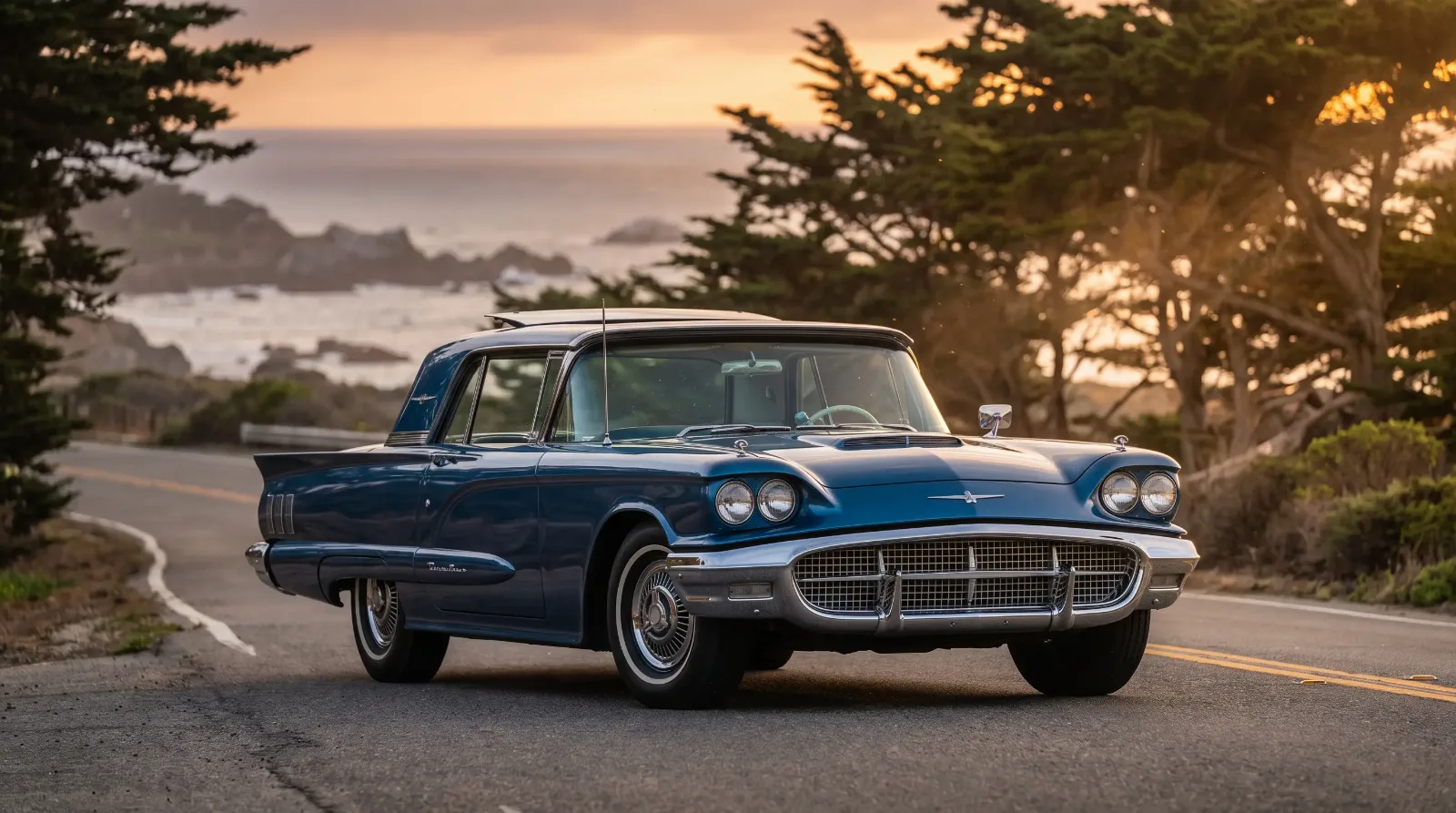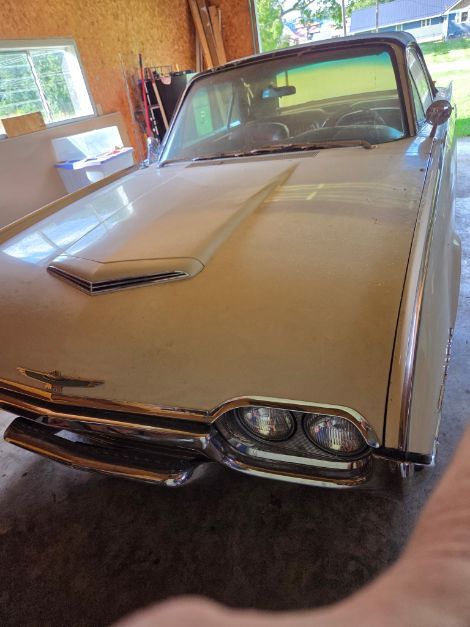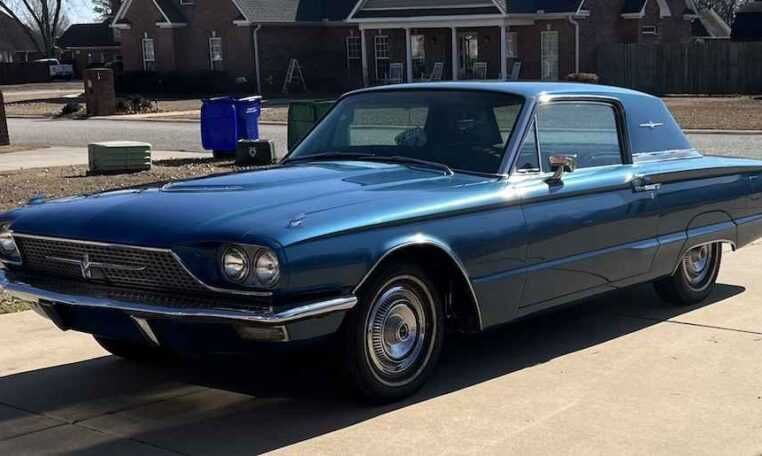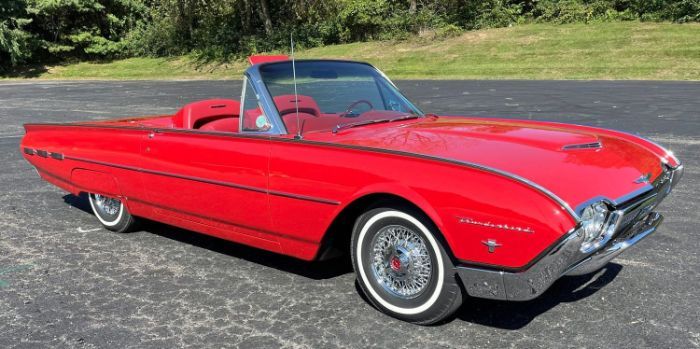
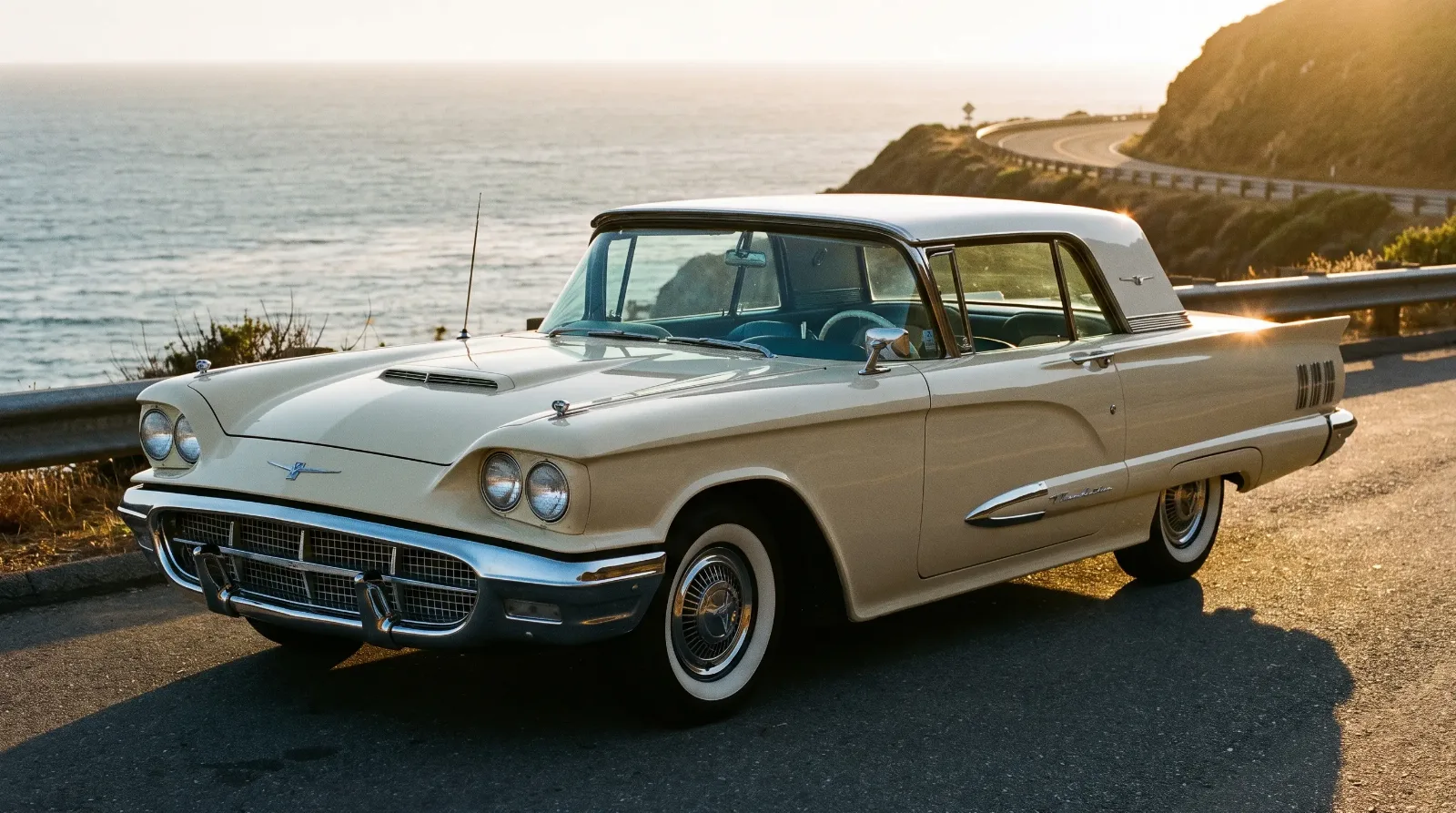
The 1959 Ford Thunderbird sits in an awkward spot in most retellings of the marque's history, wedged between the headline-grabbing debut of the four-seat Square Bird in 1958 and the more heavily restyled 1960 model that followed it. Cataloging survivors of this specific model year, I find that gap in attention unfair. The 1959 car carries real refinements the debut year did not have, and the production record shows Ford using this season to correct and polish rather than simply hold the line.
A second year, not a repeat year
Ford rarely leaves a first-year design untouched for its second season, and the 1959 Thunderbird follows that pattern closely. The basic architecture, the 113 inch wheelbase and unibody structure introduced for 1958, carried over, but the details underneath and around it changed in ways that mattered to period buyers even if they look subtle in photographs six decades later. The grille received a revised treatment, the taillight design was refined, and Ford addressed several early production issues that had shown up on 1958 cars during their first year in the field, a normal and expected part of any new platform's maturation.
The bigger news for 1959 sat under the hood. Ford introduced the 430 cubic inch V8 as the top engine option, badged the Lincoln-sourced MEL series, rated at 350 horsepower and 490 lb-ft of torque, delivering considerably more torque than the standard 352 offered. This was Ford's response to buyer feedback that the four-seat car, heavier than the two-seater it replaced, could use more power on tap, particularly for buyers who wanted the Thunderbird's comfort without sacrificing effortless acceleration.
| Engine | Displacement | Availability |
|---|---|---|
| Base V8 | 352 cid | Standard, coupe and convertible |
| Optional V8 | 430 cid (MEL) | New for 1959, top option |
| Transmission | 3-speed manual or automatic | Automatic most common |
Production numbers tell their own story
The 1959 model year closed with production around 67,000 units, a substantial increase over 1958's already strong 37,892, confirming that the four-seat formula was not a one-year fluke but a durable shift in what Thunderbird buyers wanted. Convertibles remained a smaller share of total production than hardtops and coupes, which is consistent across nearly every model year of this era and part of why surviving 1959 convertibles command a real premium among collectors today compared to their hardtop counterparts.
For anyone wanting the full context of how the four-seat platform underneath the 1959 car came to exist in the first place, more on the 1958 ford thunderbird history covers the redesign that made this second-year refinement possible.
Quality also improved measurably between the two model years, which is exactly what you would expect from a car built on a platform entering its second production cycle. Ford's stamping and welding processes for the unibody structure had a full year of real-world feedback to draw on by the time 1959 tooling ran, and owners who have compared panel fit and structural tightness between early 1958 cars and 1959 cars often note the later car feels the more finished of the two, even though the underlying architecture is nearly identical. That kind of incremental refinement rarely makes it into a marketing brochure, but it is the sort of thing a careful buyer or restorer notices immediately when comparing two cars side by side.
What buyers noticed at the dealership
Period sales literature leaned heavily on comfort and convenience for 1959, features that mattered more to the buyer this car was actually targeting than raw horsepower figures did. Options like power steering, power brakes, and a factory record player, an unusual and short-lived option Ford offered across a few model years, were positioned as the reasons to choose a Thunderbird over a mainstream Ford or a competing personal car from another manufacturer. The 1959 model also continued offering both a removable hardtop configuration on the convertible and the fixed-roof coupe body, giving buyers real flexibility that a strict two-body lineup would not have.
Interior trim options expanded for 1959 as well, with additional two-tone combinations and upgraded upholstery choices that pushed the car further from its two-seat origins and closer to a genuine small luxury car in feel, if not in Ford's own internal pricing tier.
Color and trim choices for 1959 also reflected a broader shift in what Ford believed its Thunderbird buyer wanted. Where the 1958 launch year leaned on a fairly conservative palette to introduce the redesigned car without too much visual risk, 1959 expanded the available exterior colors and added richer two-tone interior schemes, giving buyers more room to personalize a car that was, underneath the trim, mechanically very similar to the year before. That expanded personalization is part of why surviving 1959 cars today show more variety in original color combinations than the 1958 model does, a detail concours judges weigh carefully when assessing originality.
Collecting a 1959 today
The 1959 Thunderbird tends to sell for slightly less than a comparable 1958 in the current market, largely because the 1958 carries the "first year" and Motor Trend Car of the Year story that collectors gravitate toward. That gap can work in a buyer's favor. A well-documented 1959 car, particularly one with the 430 cubic inch engine or a well-preserved convertible top mechanism, offers most of what makes the Square Bird generation desirable at a price that has not fully caught up to the 1958 model's reputation.
Rust remains the primary structural concern on any car from this generation given the unibody construction, and a thorough inspection of the floor pans, torque boxes, and rocker panels should take priority over cosmetic condition when evaluating a specific 1959 example. The 430 cubic inch engine option is worth confirming against the build sheet rather than taking a seller's word for it, since swaps and substitutions have occurred over sixty-plus years of ownership history, and a car advertised with the larger engine but lacking documentation should be priced and negotiated as though it carries the base 352 until proven otherwise.
Convertible examples deserve particular scrutiny of the top mechanism and the removable hardtop's fit, since replacement parts for the folding top hardware are scarce and expensive when they can be found at all. A convertible with a functioning original top mechanism, verified in person rather than taken on faith, is worth a real premium over one where that system needs rebuilding.
An additional consideration for buyers targeting 1959 specifically over 1958 or 1960 is parts interchangeability. Because the 1959 shares its core unibody structure and much of its running gear with the 1958 model, sourcing certain mechanical parts is somewhat easier than for the more heavily revised 1960 model, a practical factor that can matter as much as any styling preference when it comes to long-term ownership costs.
A prepurchase inspection focused on frame rail integrity where the unibody meets the front and rear subframes catches most of the serious problems before they become expensive surprises after a sale closes.
"The 1959 car gets treated like a footnote to 1958, and that has never sat right with me. It is where Ford proved the four-seat idea was not a fluke. Proving a theory a second time is not as exciting as proving it the first time, but it is arguably more important."
- Sarah Whitfield
To understand where this whole story begins, before the four-seat redesign and before the unibody shift, where this started with the original two-seat Thunderbird fills in the earliest chapter. For those ready to shop rather than just read, classic Thunderbirds on the market from this generation turn up regularly and reward buyers who know what to look for in a 1959 specifically.
Sources and notes
- Automobile Catalog - 1959 Ford Thunderbird 430 Special V-8 Specs
- Ford MEL engine - Wikipedia
- Squarebirds.org - 1959 Ford Thunderbird Production Numbers
- Automotive Mileposts - 1959 Ford Thunderbird Production Numbers
- Ford Thunderbird (second generation) - Wikipedia
- Hagerty - Thunderbird Buyer's Guide