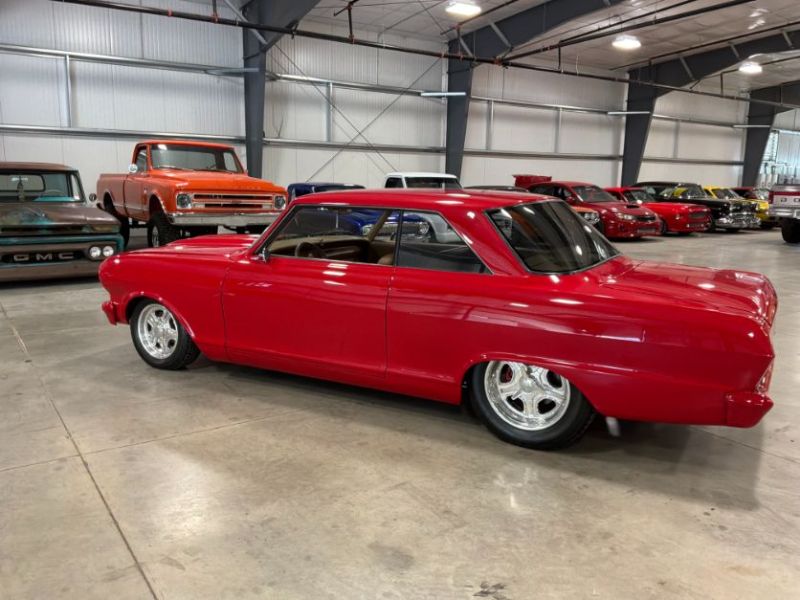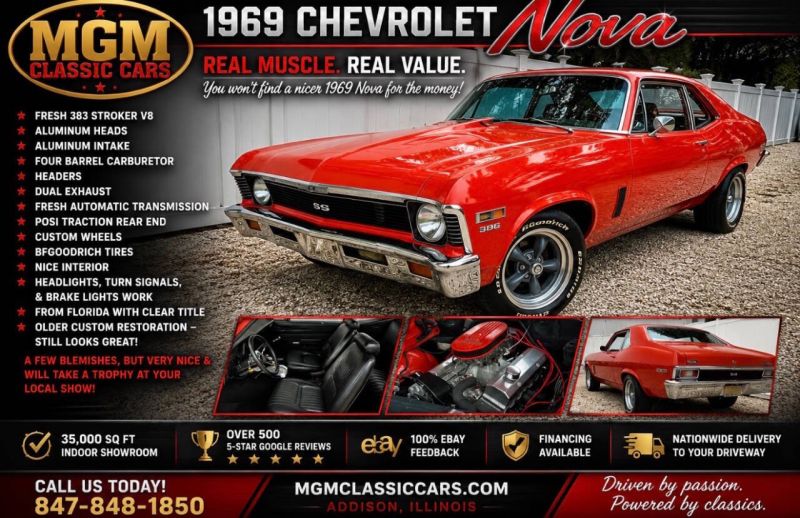
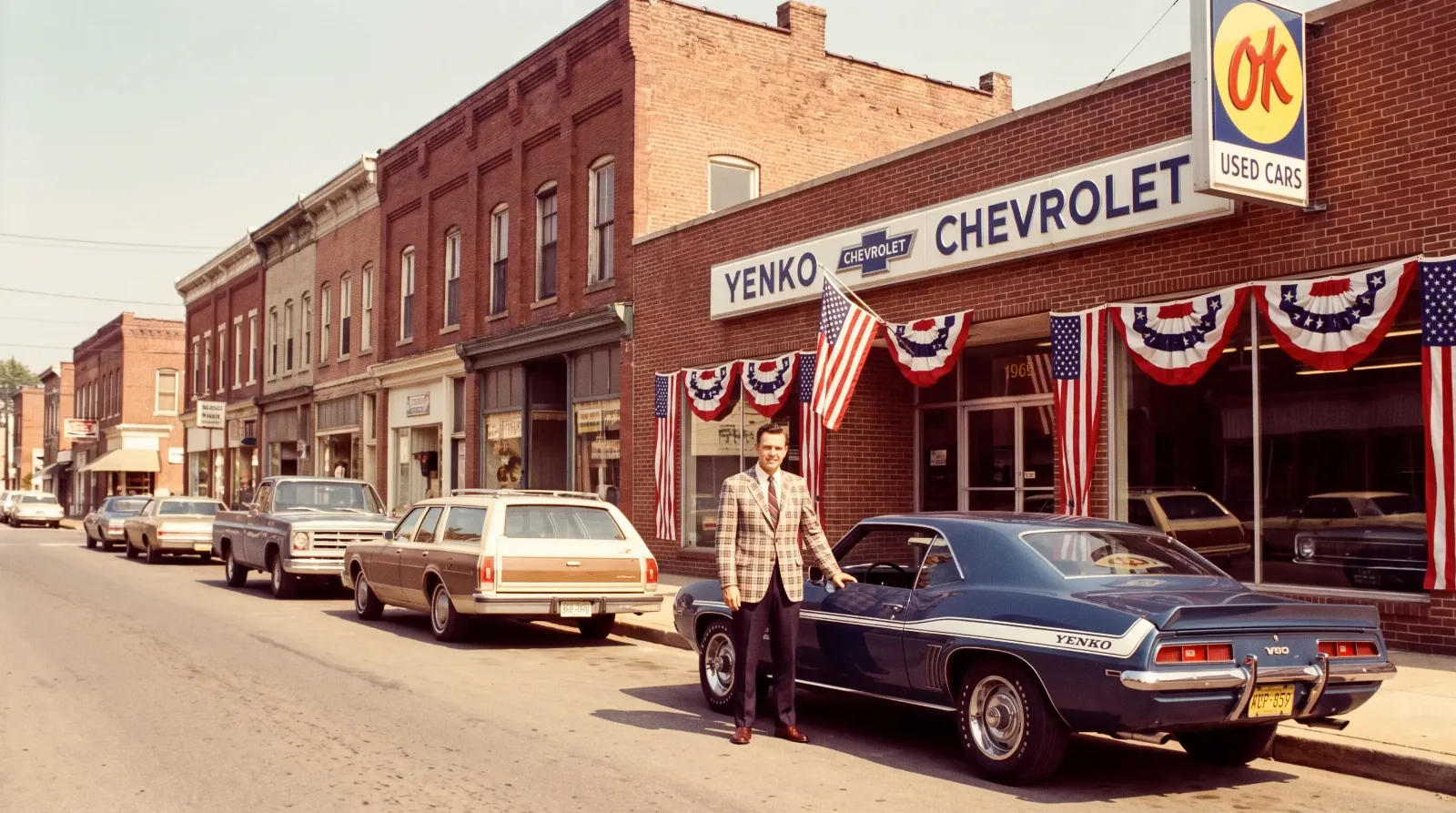
Don Yenko ran a Chevrolet dealership in a small Pennsylvania town, and from that dealership he built one of the most consequential performance brands in American car history without ever putting his name on a factory assembly line. Understanding don yenko as a figure matters if you want to understand why certain Novas and Camaros carry premiums that dwarf their factory-stock siblings today. The value isn't just in the parts. It's in what one dealer decided to do when Detroit's own rulebook got in his way.
I look at a lot of dealer-built muscle cars in this business, and Yenko's operation is the clearest case of a used-car lot outmaneuvering corporate policy for profit and reputation at the same time. The data on how these cars trade today reflects that history directly.
A racer who became a dealer, not the other way around
Yenko was a competitive racer before he was known as a car builder, running Corvettes in road racing through the early 1960s. That background shaped how he approached his family's Chevrolet dealership in Canonsburg. Rather than simply selling what the factory sent him, he saw an opportunity in the gap between what Chevrolet's engineers were capable of building and what corporate policy actually allowed onto dealer lots.
General Motors had an internal policy limiting how much engine could go into its smaller, lighter body styles, a rule aimed at controlling insurance costs and internal competition between divisions. Yenko treated that policy as a business opportunity rather than an obstacle. If the factory wouldn't build the car buyers wanted, his dealership would finish the job itself.
He wasn't the only dealer working this angle. Nickey Chevrolet in Chicago and Baldwin-Motion on Long Island ran similar operations around the same years, and all three built genuine reputations doing work Chevrolet's own retail order guide wouldn't permit. What separated Yenko from that field over the long run was consistency of documentation and the volume of programs he ran across multiple platforms rather than a single hero car, which is part of why his name carries more weight in today's market than most of his contemporaries.
The Corvair Stinger came first
Before Yenko's name became synonymous with big-block Camaros, his dealership was modifying Corvairs into the Yenko Stinger, a handling-focused sports car built for SCCA competition rather than straight-line speed. That early work established the template his shop would follow for the rest of the decade: take a factory platform, apply serious mechanical upgrades beyond what the factory offered, and sell the result through his own dealership network with proper documentation.
That documentation habit is exactly why Yenko-built cars hold their value today in a way that plenty of other "dealer special" claims from the era don't. Buyers of genuine Yenko cars received invoices and paperwork tying the car to the modification program, something a lot of copycat dealer builds from the period never bothered with.
Why the Nova needed a workaround at all
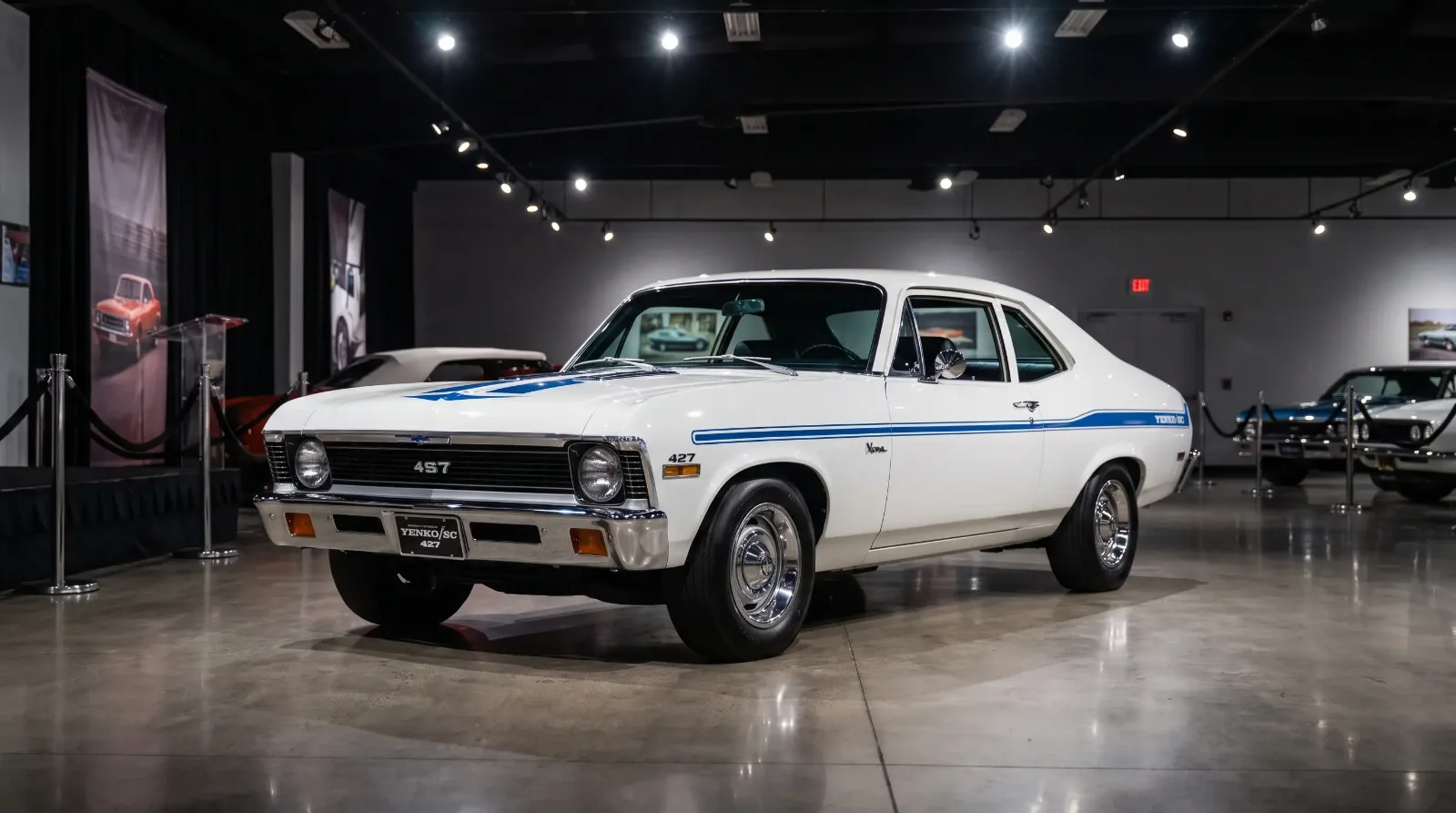
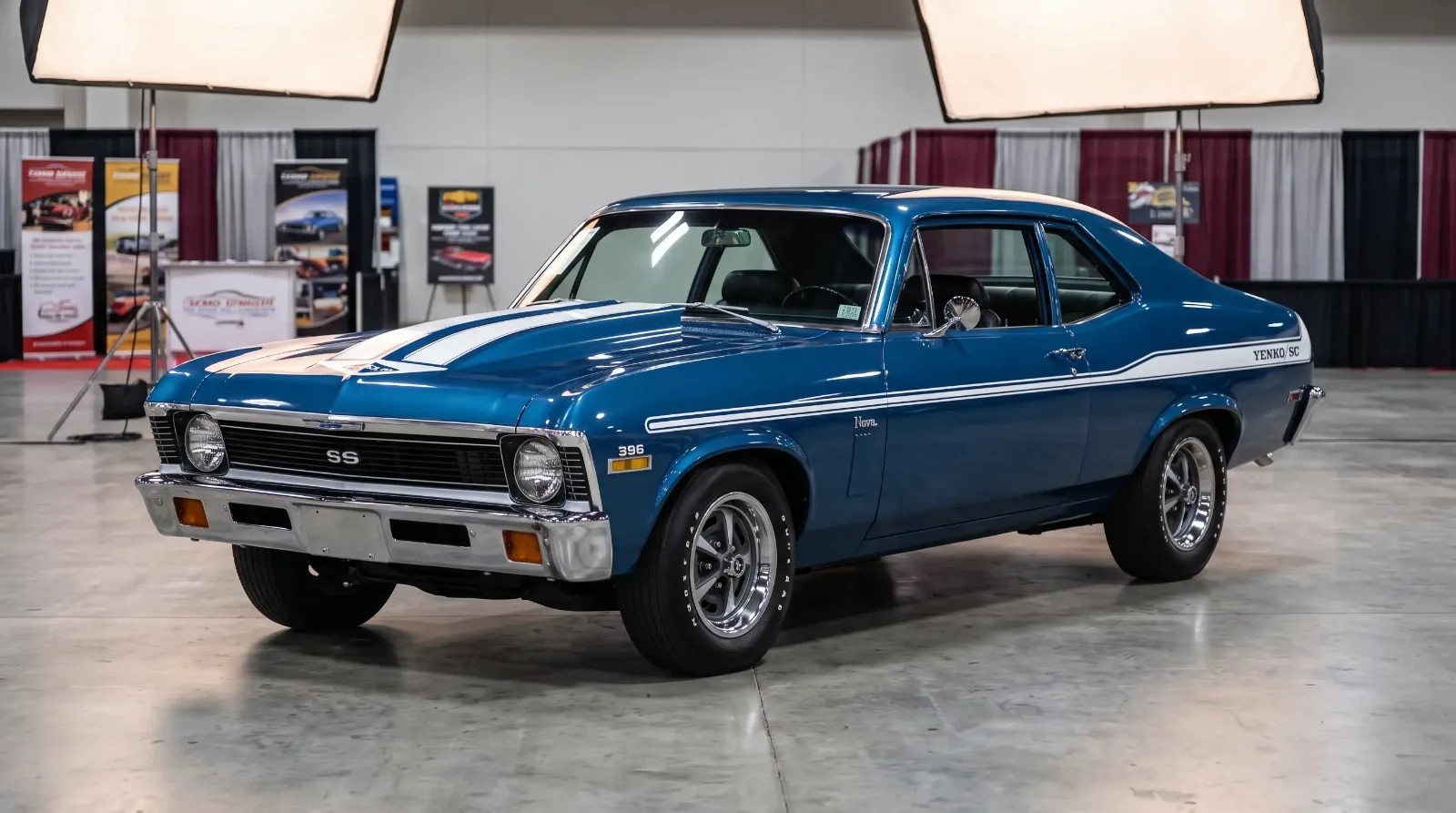
The Nova specifically ran into GM's displacement policy hard in 1970. The factory would sell you a Nova SS with a big-block, but corporate rules capped what independent dealers could order through standard channels for the platform that year, pushing Yenko toward a different solution than the COPO big-block route he'd used successfully on the Camaro. His shop built the "Deuce" Nova instead, using a high-output small-block rather than fighting the big-block restriction directly, and marketed it aggressively as a genuine performance alternative for buyers who wanted a Yenko car but couldn't get a big-block Nova through normal channels.
Production numbers on the Yenko Deuce Nova are small, around 175 cars for the 1970 model year, which is part of why documented examples draw serious premiums whenever one surfaces at auction today.
The Deuce name itself was a deliberate piece of marketing, playing on the small-block's displacement designation while signaling to buyers that this was still a genuine Yenko performance product rather than a stripped-down substitute. Dealership advertising from the period leaned into that positioning hard, framing the Deuce as the smart buyer's alternative rather than a consolation prize, and the approach worked well enough that Yenko-badged small-block Novas developed their own following separate from the big-block Camaros that made his name nationally.
| Program | Platform | Approach |
|---|---|---|
| Yenko Stinger | Corvair | SCCA-focused handling and engine upgrades |
| Yenko Super Camaro (YSC) | Camaro | COPO-ordered big-block, dealer-installed extras |
| Yenko Deuce | Nova | High-output small-block workaround to GM displacement policy |
What his name means to buyers now
A verified Yenko build commands a real premium over an equivalent factory-stock car, and the gap has grown as documentation standards have tightened across the whole muscle car market. That premium reflects genuine scarcity, but it also reflects something the data can't fully capture: Yenko's cars represent a moment when a single dealer's ambition pushed further than the manufacturer itself was willing to go on paper, and collectors are paying for that story as much as the hardware.
"Yenko wasn't building cars nobody else could build. He was building cars Chevrolet's own rulebook wouldn't let it sell directly. That distinction is worth real money to the right buyer, and it always has been."
— David Mercer
For buyers evaluating a claimed Yenko car, the standard applies regardless of platform: paperwork first, badge second. Verified invoices, factory order documentation, or a credible paper trail through the dealership's own records separate a legitimate Yenko build from a car simply wearing the right decals. If you're specifically weighing a Nova build against Yenko's broader COPO work on the Camaro, the Yenko chapter covers how those programs compare directly. For more on the specific Nova big-block variant that pushed GM's policy the hardest, a related deep-dive is worth reading next, and the Classic Cars Arena Nova guide ties this history back into the model's full production story.
Sources and notes
- Wikipedia: Don Yenko
- OnAllCylinders: Who Was Don Yenko?
- Audrain Automobile Museum: 1970 Chevrolet Nova Yenko Deuce
- Hagerty: How Dealers Bulked Up Factory Muscle to Create Street-Racing Monsters
- HotCars: How a Chicago Chevy Dealer Beat GM's Own COPO Program
- Classic Industries: 427 Camaro History, Yenko, Baldwin, Nickey, and More