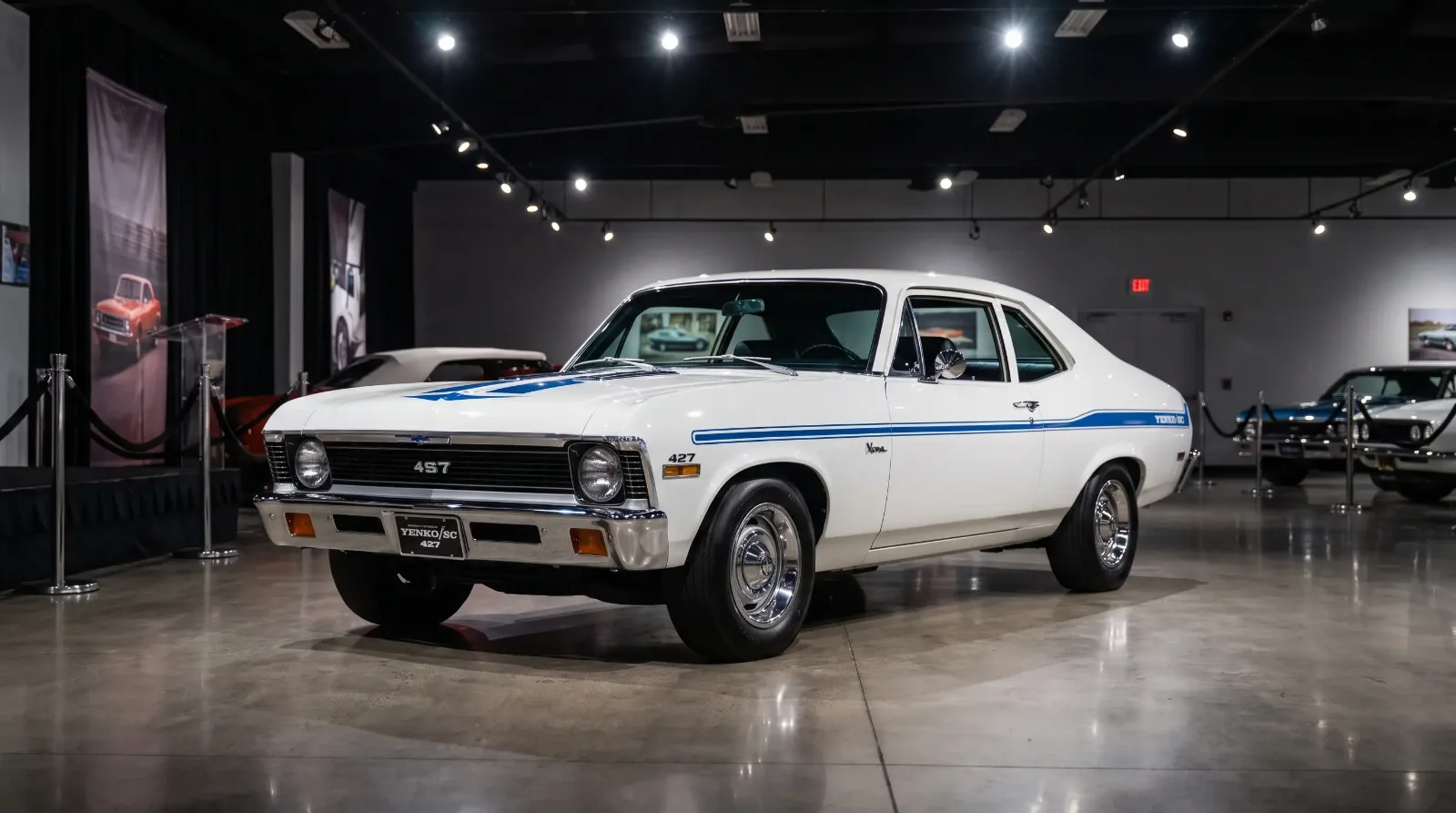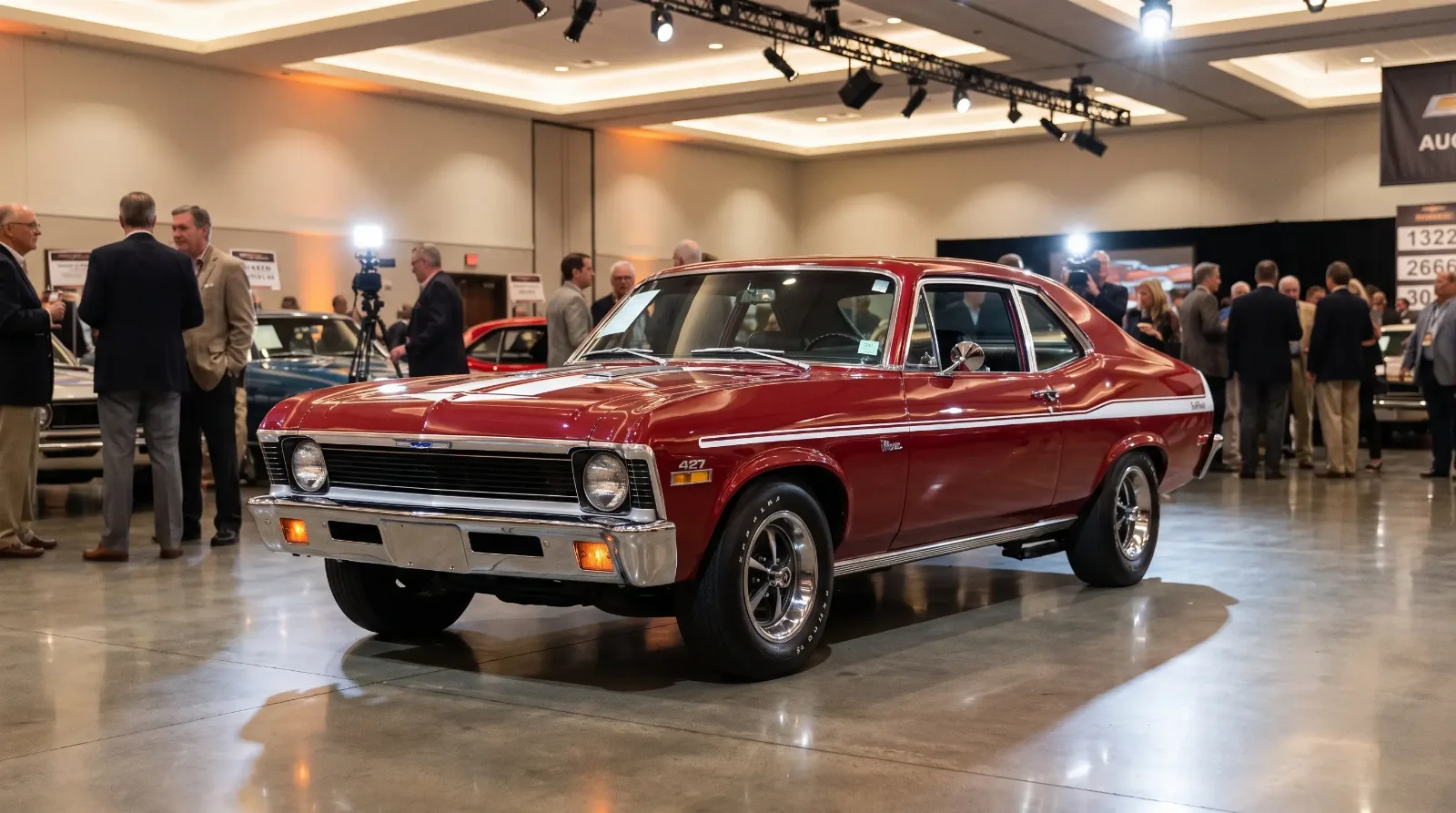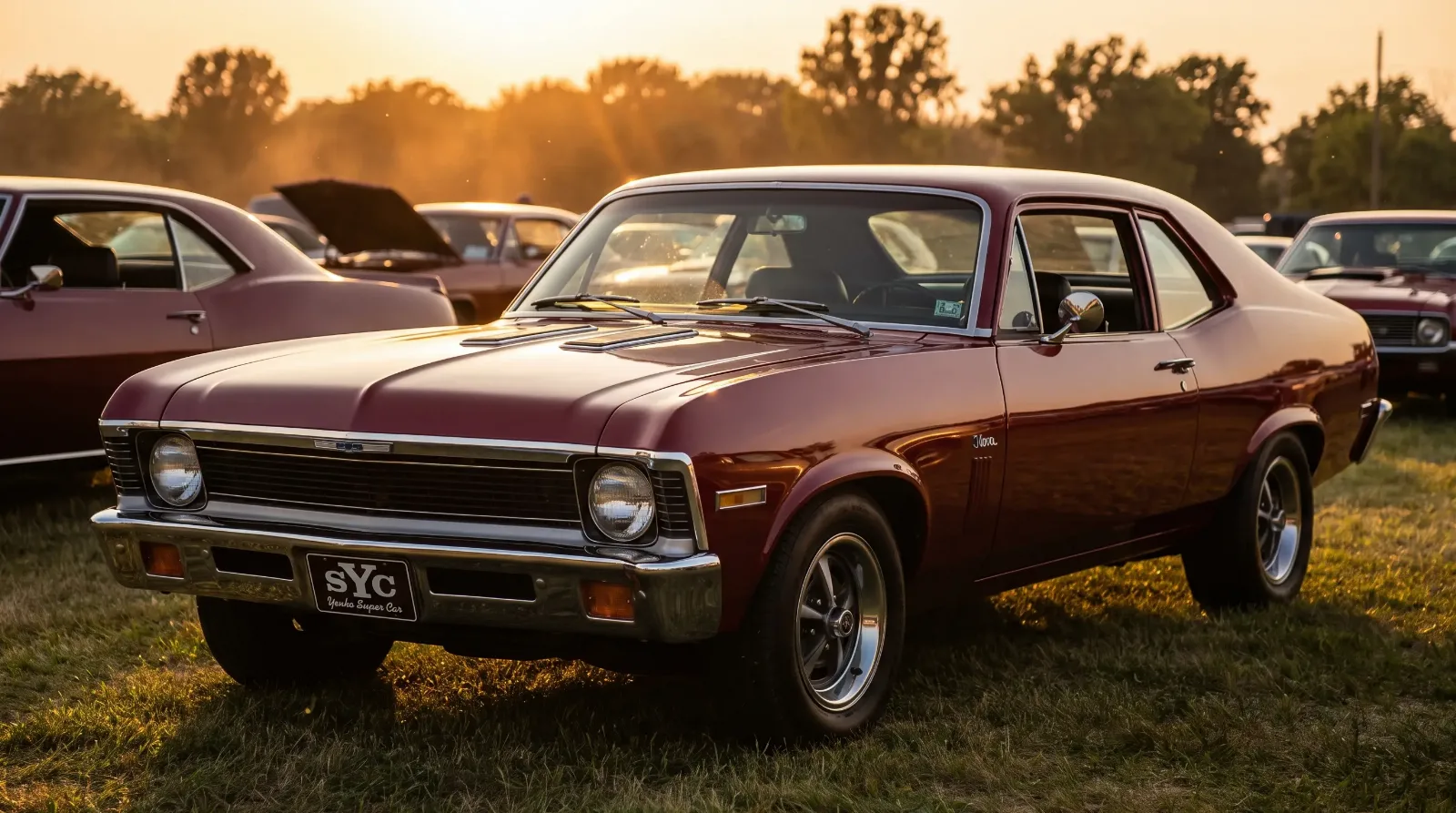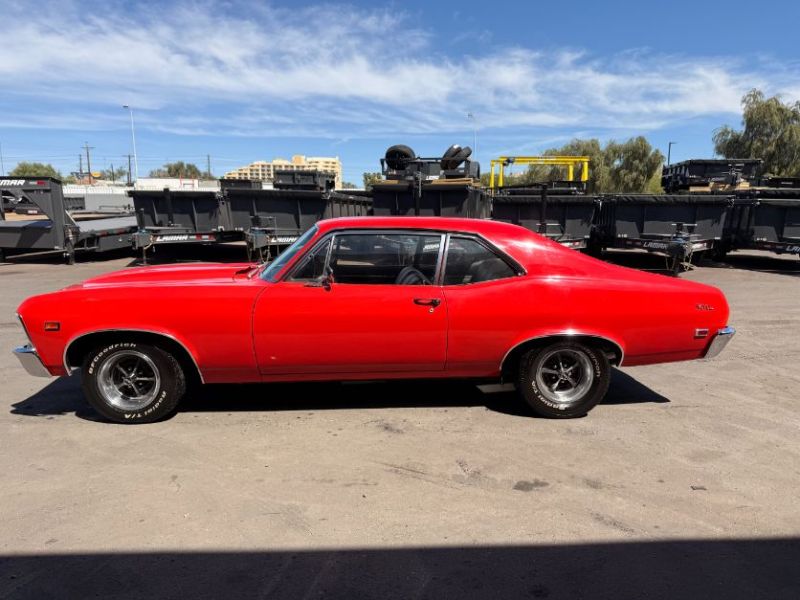
Every segment of the collector market with a five and six figure premium attached to a name eventually attracts cars that borrow that name without earning it, and the Yenko Nova is no exception. I have looked at enough of these over the years to say the fakes are not always crude. Some are built carefully enough to fool a buyer who only checks the obvious things. The real authentication work happens in the paperwork, not the badge on the fender.
Why this market attracts tribute cars and worse
Only 37 to 38 Novas were ever converted to 427 power by Yenko's dealership in 1969, and none of them came through a factory COPO order; Chevrolet never put a 427 on the Nova's order sheet through any channel. Cars with a genuinely documented Yenko dealer trail are a small, fixed pool, and that scarcity, combined with a real price gap between a documented car and an ordinary Nova SS, creates an obvious incentive. A well-built L72 427 swap into a standard Nova, dressed with the right stripe kit and badging, can look convincing in photographs and even in person to a buyer who does not know what to check.
None of this makes the resulting car worthless. A well-executed tribute build with a period-correct L72 can be a genuinely enjoyable car to own and drive. The problem is exclusively about price. A tribute car sold as a documented original costs the buyer the difference between what a real Yenko Nova commands and what an ordinary, if well-built, Nova is actually worth.
The paperwork that actually matters
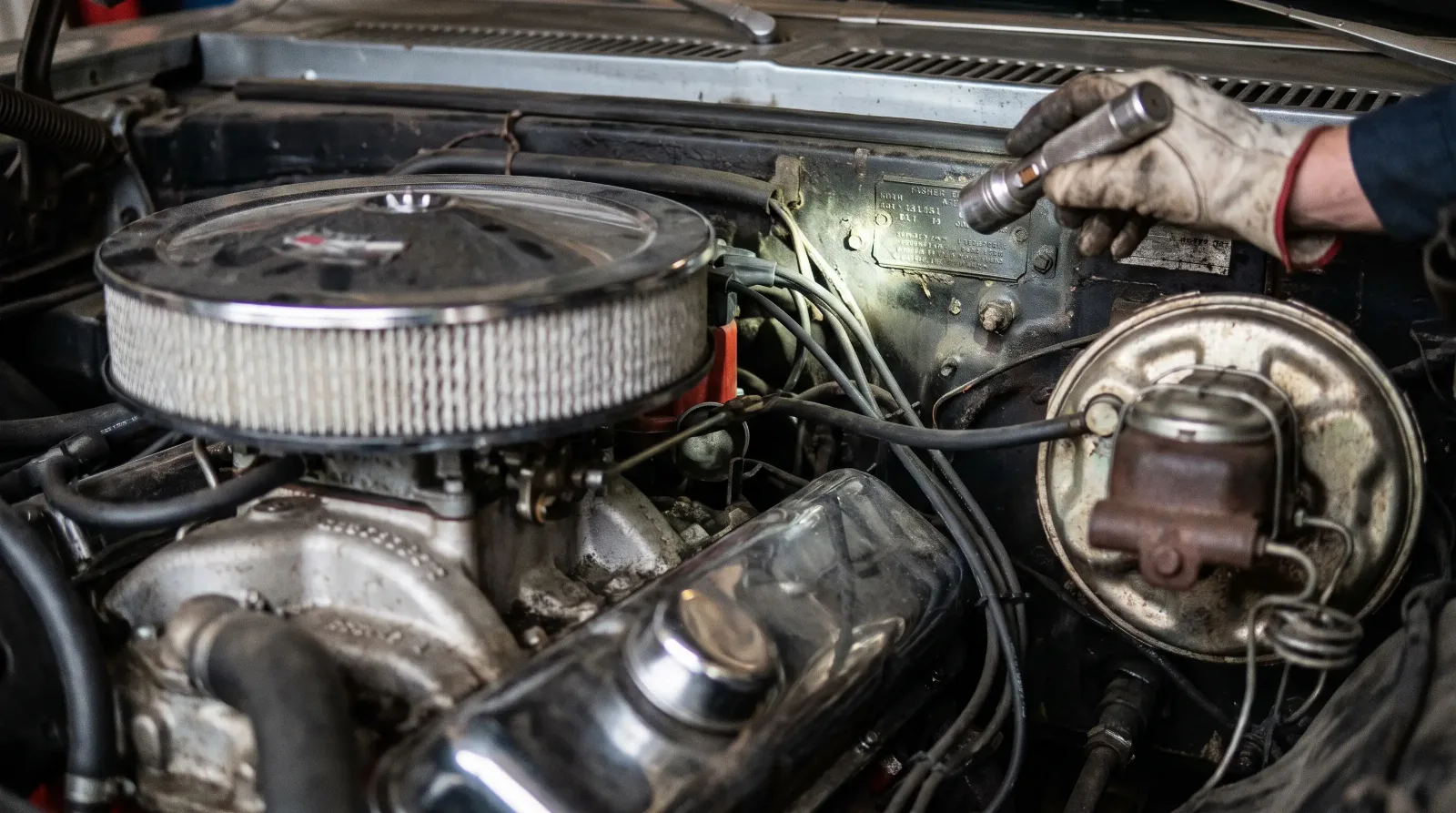
Start with the Fisher body tag. It should list the correct plant code, trim level, and build sequence consistent with a 1969 SS396 Nova, and any inconsistency there is disqualifying on its own. Because Chevrolet never issued a factory order for a 427 Nova, there is no COPO code to trace on this car the way there is on a COPO Camaro or the 1968 COPO 9738 Nova. A genuine Yenko Nova 427 started life as an ordinary factory SS396, and the tag and tank sticker should reflect that 396-spec build, not a 427. Proof of the swap itself has to come from Yenko's own paperwork, not the factory record.
A surviving tank sticker helps confirm the car started life as a genuine factory SS396 Nova, which is the necessary starting point, and it is far harder to fabricate convincingly than a repainted body tag, but it cannot by itself prove the 427 conversion, since that work happened after the car left the factory. For the swap itself, look for a documented chain of ownership with invoices, period photographs, or dealer records tying the car specifically to Yenko Chevrolet in Canonsburg. A plaque or a decal proves nothing on its own. Plenty of cars have Yenko-style badging applied decades after the fact.
🔧 Inspection Priorities
- Fisher body tag consistency. Any mismatch between the tag's stamped codes and the car's actual trim, plant, or build date is the single fastest way to rule a car out, and it costs nothing to check before you spend money on anything else.
- Base-car verification. Confirm the tag and tank sticker match a genuine factory SS396 Nova, since that is the car Yenko started with. There is no COPO order number to trace on the 427 conversion itself, and a seller who cites one is describing a different car.
- Tank sticker survival. If one exists, it confirms the factory-built SS396 specification and is the hardest single item to fake convincingly, though it cannot verify the 427 swap on its own.
- Dealer paperwork trail. Invoices, period correspondence, or documented ownership history connecting the car to Yenko Chevrolet matter more than any badge, decal, or plaque bolted on later.
- Drivetrain numbers matching. A non-matching or clearly incorrect-casting engine does not automatically disqualify the car, but it changes the value conversation significantly and should be reflected in the price.
Red flags that should stop a deal
A seller who cannot produce documentation beyond the car's current appearance, who describes provenance in vague terms like "family always said," or who resists a specialist inspection before sale should be treated as a serious warning sign in this segment specifically, because the financial stakes of getting it wrong are high enough to justify walking away. I have also seen sellers lean on a plaque from a registry that does not actually authenticate COPO or Yenko history, only membership, and buyers sometimes mistake that plaque for proof it is not.
Price itself can be a signal too. A car priced meaningfully below what documented Yenko Novas have brought at auction, offered as a can't-miss deal, usually reflects the seller's own uncertainty about the car's history rather than a bargain waiting to be found.
How to protect yourself as a buyer
Get an independent specialist to review the body tag, order number, and any surviving tank sticker before you commit to a price, not after. Cross-reference any claimed dealer history against known Yenko records rather than accepting a seller's account at face value. And be willing to walk away from a car that cannot produce documentation proportional to its asking price, no matter how good the story sounds in person.
We covered the full background on how COPO and Yenko intersect in the Yenko and COPO story, which is worth reading in full before you evaluate any specific car's claims. If you are ready to look at what is actually available right now, rare classic Novas for sale gives you a current view of the market rather than a single seller's pitch.
"I have never seen a genuine Yenko Nova get worse the more paperwork you threw at it. The real ones hold up to scrutiny every time. That is the test, not how good the story sounds over coffee."
— David Mercer
The bottom line
A fake or undocumented Yenko Nova is not always a bad car, but it is only worth what an ordinary Nova with a period big block is worth, not what a documented example commands. The entire premium in this segment rides on paperwork that survives scrutiny, and that paperwork either exists or it does not. For the wider legacy of what these cars represent inside Chevrolet's history, our Classic Cars Arena feature traces the Nova's arc from economy car to accidental performance legend, and the next story in this set looks at how Yenko's broader Super Car legacy extended well beyond this one model.
Sources and notes
- 1969 Yenko 427 Novas, The Supercar Registry
- 1969 Yenko Nova: The Incredibly Rare 427-Powered "Almost Lethal" Nova, Skillset
- Here Is The Rarest Chevy Nova Ever Produced, HotCars
- CRG Research Report - COPO 427, camaros.org
- 2026 Mecum Kissimmee Sale Top Auction Results
- 1968 Chevrolet COPO Nova SS, Restomods