
If you ask me which five years produced the best all-around Chevelle, I'm not picking anything outside 1968 to 1972. That's not nostalgia talking. That's just where the platform, the engine options, and the styling all lined up at the same time, before emissions rules started taking the compression down and before the whole muscle car era got squeezed out by insurance companies that finally figured out what these cars could do.
History & Heritage
8 min read
The Second-Generation Chevelle (1968-1972): Muscle's Golden Years
Year-by-year breakdown of the 1968-1972 Chevelle, from the coke-bottle redesign through the 1970 LS6 454, plus a buyer's inspection checklist.
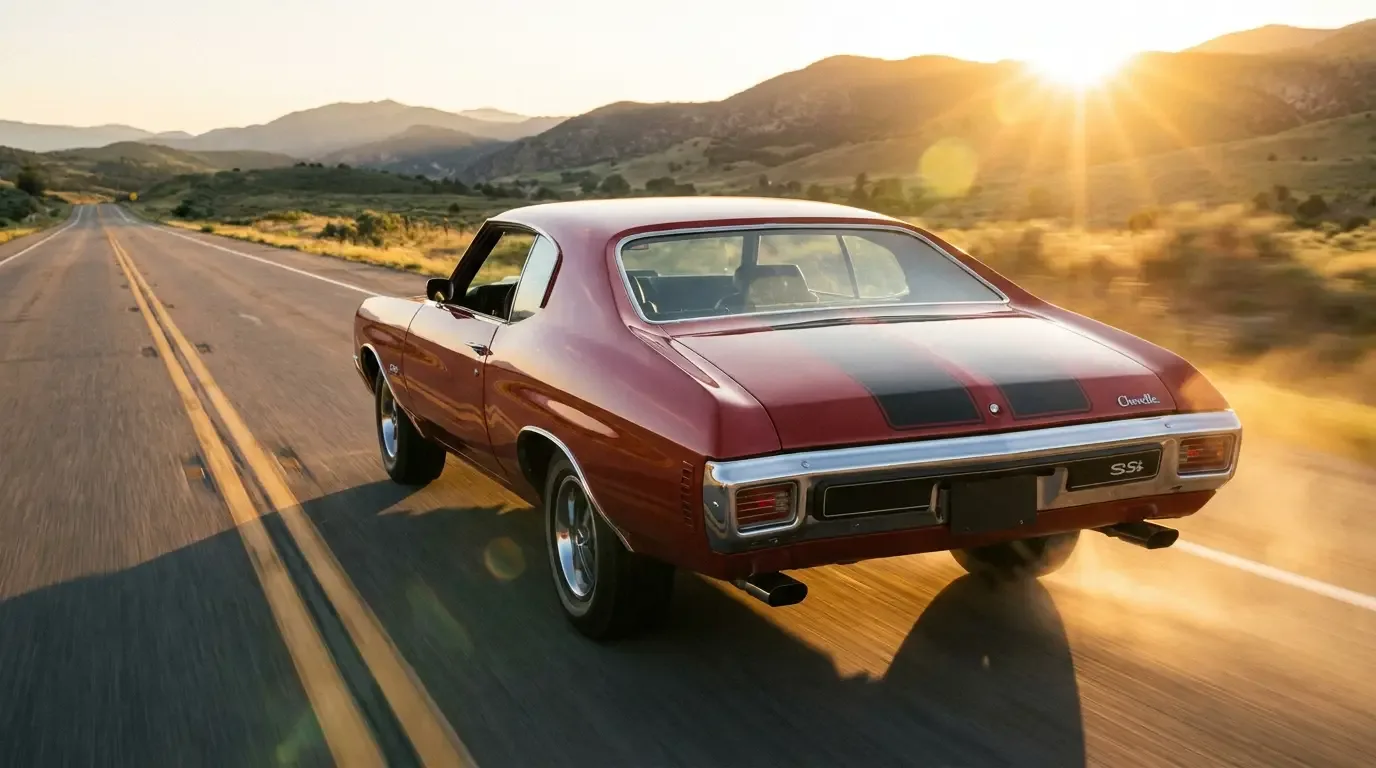
This is the generation most people picture when they hear "Chevelle," and for good reason. I want to walk through what changed year to year, what the sheet metal and the engine bay were actually doing, and what a serious buyer needs to check before paying real money for one of these today. For the broader arc connecting this generation to what came before and after, the full Chevelle story covers the whole nameplate.
1968: the redesign and why the body matters as much as the engine
Chevrolet redesigned the Chevelle for 1968 with a longer hood, shorter deck, and the coke-bottle styling that still turns heads at cruise nights today. This wasn't just a styling refresh. The SS package moved to its own model designation this year, and the fastback SS coupe roofline gave the car a stance that looked fast standing still. I've worked on plenty of these and the body-over-frame construction held up well for its era, though fifty-plus years of road salt and moisture have found their way into the usual spots regardless of how well the car was built originally.
Engine-wise, 1968 carried forward the 396 in L34 and L78 form, and it's a genuinely strong combination. The L78 in particular, rated at 375 hp, is an engine I'd put up against most factory big-blocks from any manufacturer in this era.
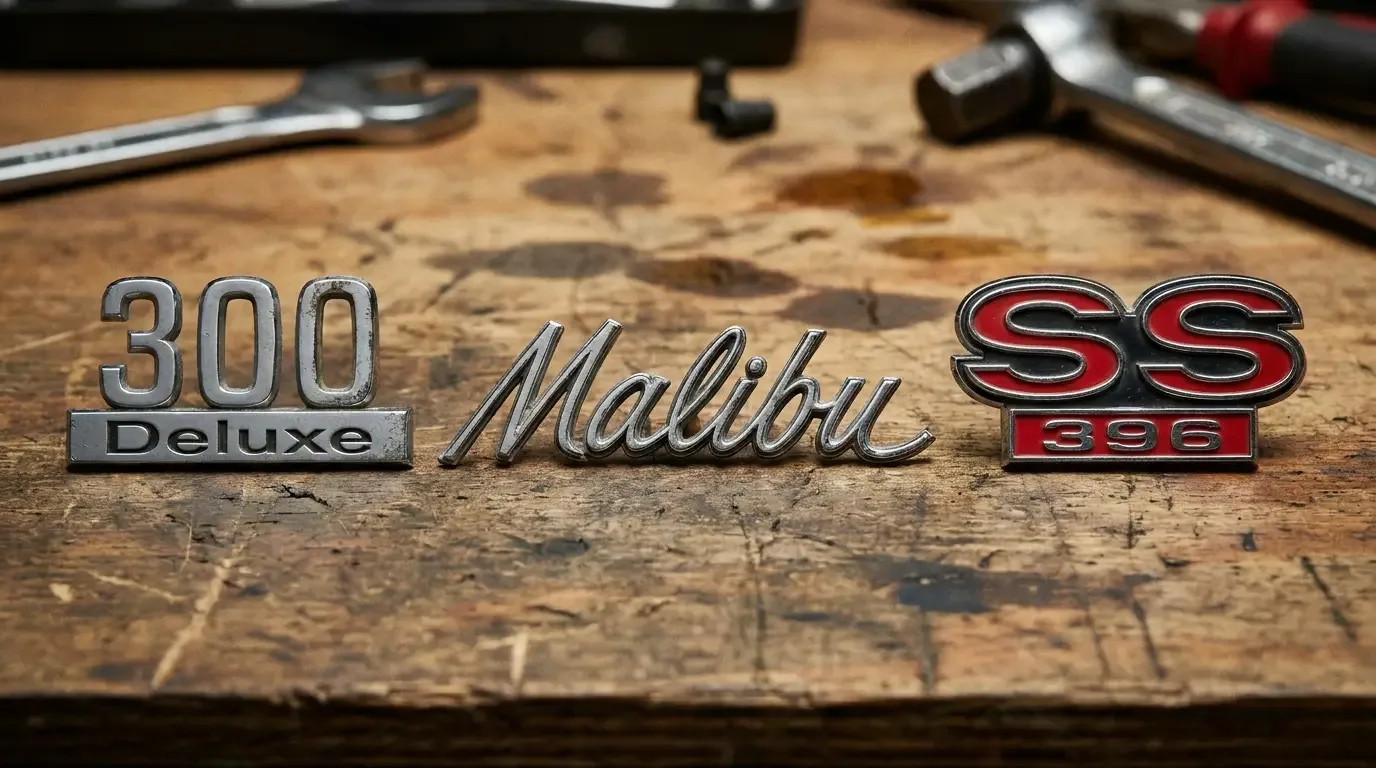
The trim ladder also expanded this year, with the base Malibu, the SS package, and additional appearance packages aimed at buyers who wanted the look without the big-block price tag. That's part of why this generation left behind such a wide spread of surviving cars in such different states of originality. Plenty of small-block Malibus got dressed up with SS-style trim over the decades, which is exactly why casting numbers and cowl tags matter so much when you're trying to figure out what's actually sitting in front of you.
1969: refinement without a full redesign
1969 was mostly a running change year, minor trim and grille updates over the 1968 body, but the engine lineup stayed strong with the 396-family engines still leading the SS package. This is a year that gets skipped over by people chasing the biggest headline numbers, and that's a mistake in my book. A well-sorted 1969 SS396 is a genuinely good driver, and because it doesn't carry the same demand as the 1970 cars, you can sometimes find one for real money instead of auction money.
1970: the LS6 454 and the year everything came together
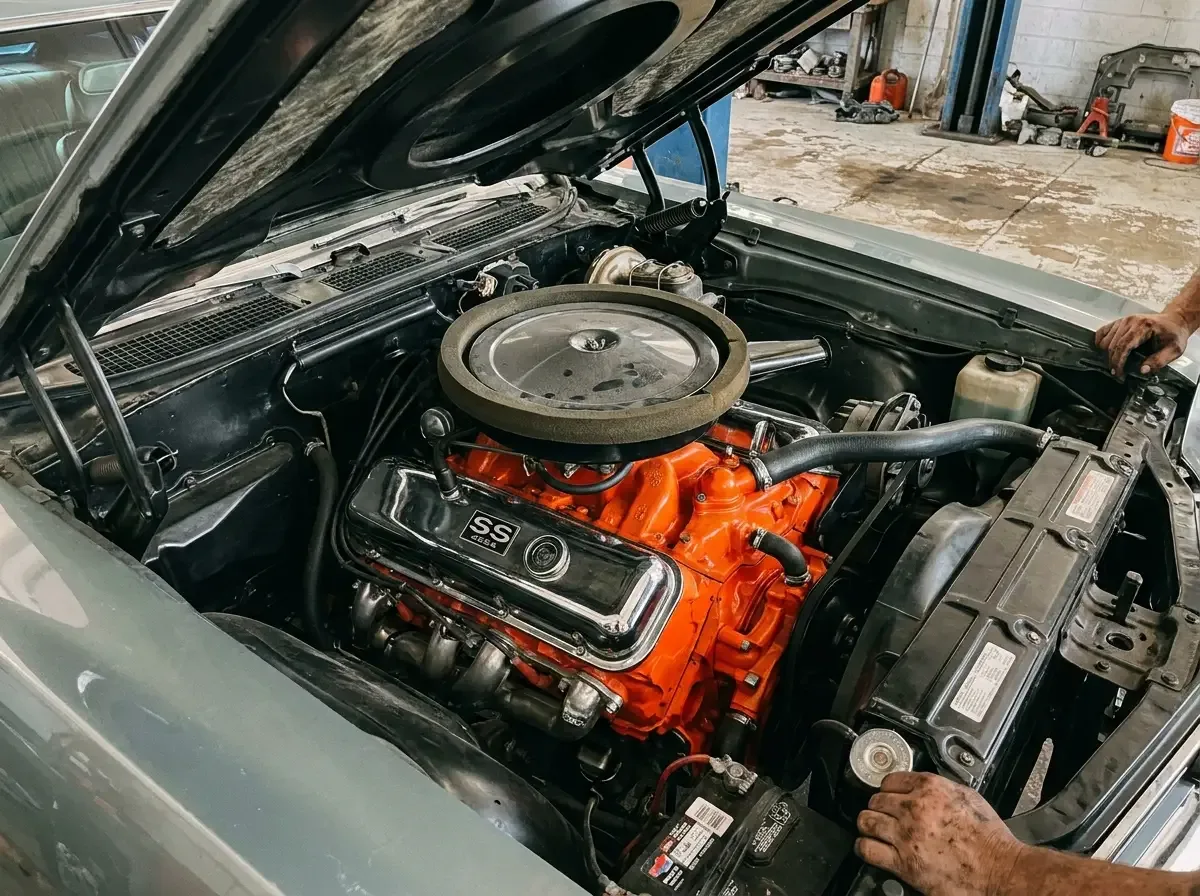
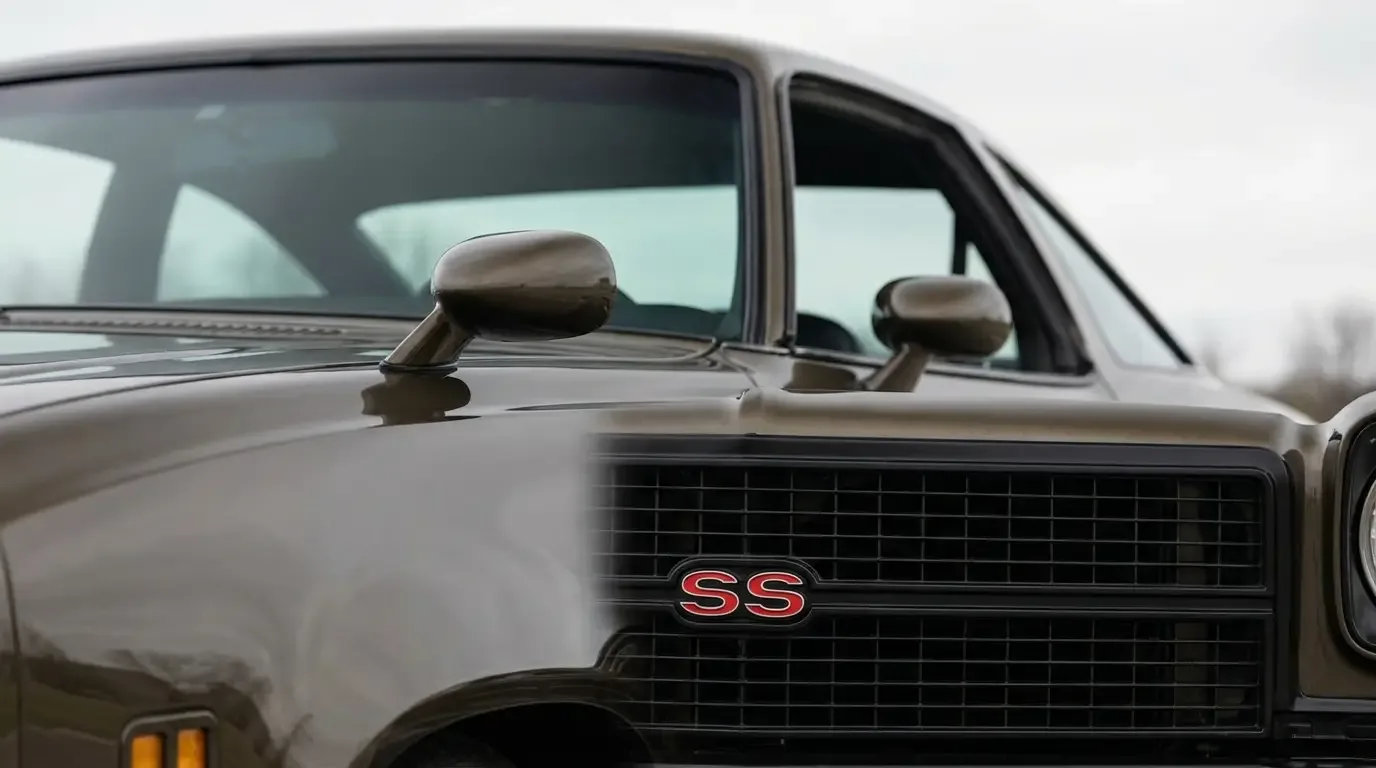
1970 is the one everybody wants, and I understand why. The 454 big-block arrived in LS5 and LS6 form, with the LS6 rated at 450 hp SAE gross, one of the highest factory ratings Chevrolet ever put on paper for a production engine. The styling had matured, the SS454 package pulled the whole car together, and this is the model year most collectors point to as the platform's absolute peak before emissions regulations started taking their toll.
I've had a few of these LS6 cars in my shop over the years and the thing that strikes me every time is how much torque is on tap at low RPM. It's not a peaky engine that needs to be wound out to make its power. It just shoves. If you've never driven a documented LS6, it's worth finding someone who'll let you ride along, because the numbers on paper don't fully prepare you for how the car actually moves.
The suspension underneath got real attention this year too, not just the engine bay. Heavy-duty springs, a larger front sway bar on the SS package, and better shock valving than the earlier cars carried. None of it makes the Chevelle handle like a modern car, and nobody should expect that, but it's a noticeable step up from the softer setup on the base Malibu, and it's part of why the SS454 feels planted at speed in a way a lot of period rivals didn't manage.
| Model year | Top big-block option | Notable change |
|---|---|---|
| 1968 | 396 L78 | Full redesign, SS becomes its own model |
| 1969 | 396 L78 | Trim and grille refresh over 1968 body |
| 1970 | 454 LS6 | Peak year, highest factory horsepower rating |
| 1971 | 454 LS5 | Compression drops for unleaded fuel prep |
| 1972 | 454 LS5 | Net horsepower ratings begin, final year of this body |
1971-1972: compression drops, but the car doesn't disappear
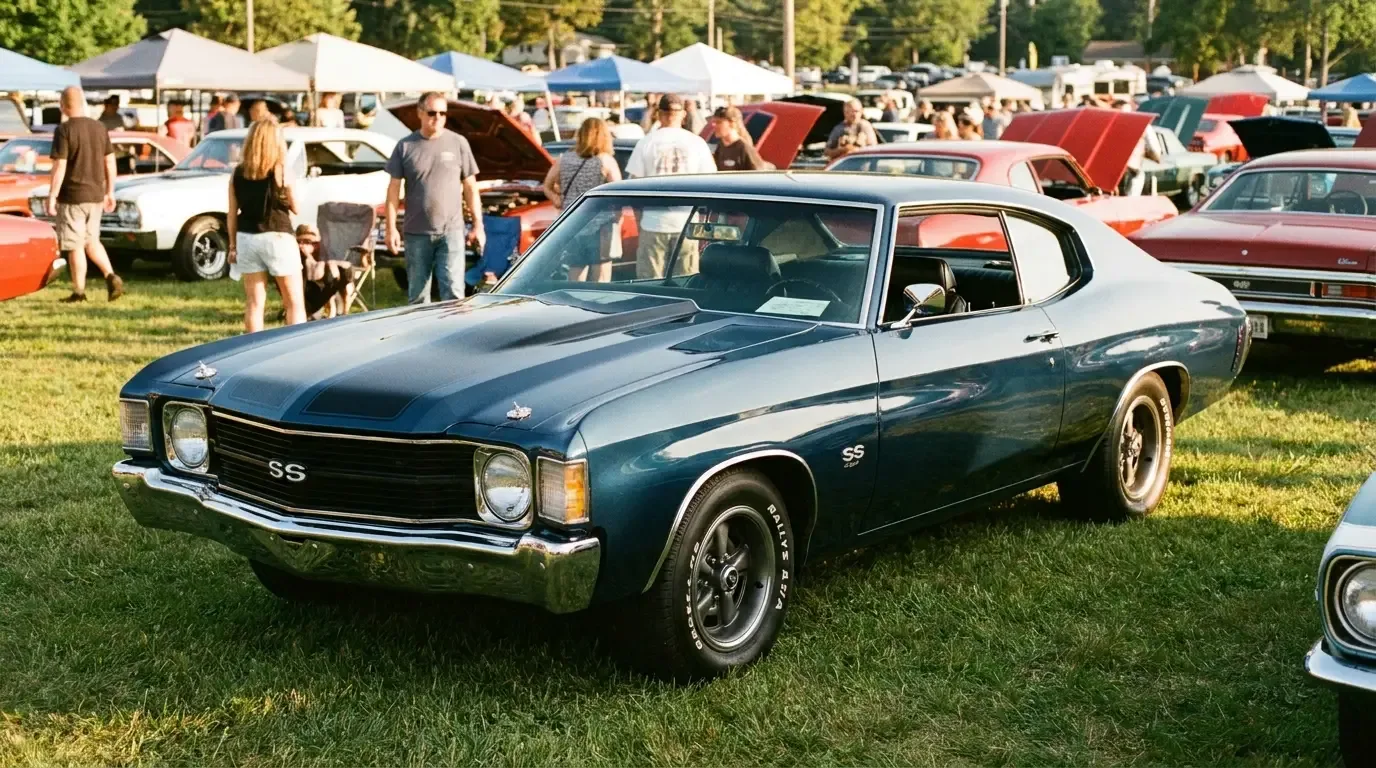
Chevrolet dropped compression ratios across the board starting in 1971 to prepare for unleaded fuel, and horsepower ratings took a visible hit as a result. The 454 was still available as the LS5, and it's still a genuinely quick car, but the LS6 was gone and the paper numbers tell a story of an industry already bracing for what was coming next. 1972 was the last year of this body style before the heavier Colonnade redesign arrived for 1973, and it's also the first year Chevrolet published net rather than gross horsepower figures, which makes comparing 1972 ratings against earlier years a little misleading if you don't account for the measurement change.
I don't want anyone reading this to write off a 1971 or 1972 as a lesser car just because the sticker numbers dropped. They're still full-frame, full-size-feeling muscle cars with the same basic bones as the 1970 LS6. If you can't afford or can't find a documented 1970, a well-sorted 1971 or 1972 is a smart alternative that doesn't carry the same premium.
I've had customers come in convinced a 1972 was some kind of consolation prize compared to a 1970, and I always push back on that a little. The frame's the same. The body's the same. The 454 is still under the hood, just tuned differently for the fuel and emissions requirements coming down the pipe. If you're building a driver rather than chasing an auction number, the money you save on a 1971 or 1972 buys you a lot of the restoration work a tired 1970 might still need.
🔧 Inspection Priorities
- Cowl and floor pan rust. Water gets in through the cowl vent seal on every year of this body style. Pull the carpet if you can.
- Casting numbers on the 454. LS6 documentation moves real money. Verify before you negotiate, not after.
- Front subframe condition. The bolt-on front subframe on this generation can hide rust at the mounting points that a quick look under the car won't reveal.
- Cooling system adequacy. Big-block cars run hot in stop-and-go traffic on the factory-correct radiator. Ask what's actually in there now.
"I've pulled apart enough of these 1970 and 1971 big-blocks to tell you the difference between a documented LS6 and a good-looking clone isn't visible from across the shop. It's in the casting numbers and the date codes, and that's exactly where I tell every buyer to start looking before they start talking price."
Mike Sullivan
What to pay attention to before you buy one
Beyond the documentation question, treat every one of these cars as a rust inspection first and an engine inspection second. The front subframe bolts to the body on this platform, and the mounting points are a common spot for hidden corrosion that doesn't show up unless you're looking for it specifically. Check the trunk floor and the lower quarter panels too. A fresh coat of paint hides a lot of sins at fifteen feet, and I've seen plenty of cars that looked show-ready until somebody got a light and a pick underneath them.
Don't skip the trim and glass either. Chrome for this generation isn't as expensive to reproduce as some of the rarer first-generation trim, but original glass with the correct date codes and factory tinting is getting harder to source every year, and a car missing its original glass isn't a dealbreaker, just something to factor into what you're willing to pay. Same goes for interior parts. Dash pads crack from decades of sun exposure, and a lot of reproduction pieces fit close but not perfect, which matters if you're chasing a numbers-matching, concours-level restoration rather than just a solid driver.
If you're shopping seriously for a car from this exact window, there's real inventory worth comparing. Current onward to The LS6 454 covers that specific engine in depth if you want to go deeper on the numbers and documentation side, and browsing 1970 Chevelle listings is the fastest way to see what condition and documentation are actually commanding in today's market.
Sources and notes
- Autoevolution: 1968 Chevrolet Chevelle SS L78, 375 hp rating
- Heacock Classic: The 1970 LS6 Chevelle and its 450 hp SAE gross rating
- Team Chevelle forum: LS6 454 factory horsepower discussion
- Chevy Hardcore: Horsepower ratings, gross versus net explained
- ClassicCars.com Journal: 1971 Chevrolet Chevelle SS 454 LS5 specs
- MotoGallery: 1970-1972 Chevrolet Chevelle SS 454 specs and history
Related Reading
Article
The Classic Chevrolet Chevelle Story
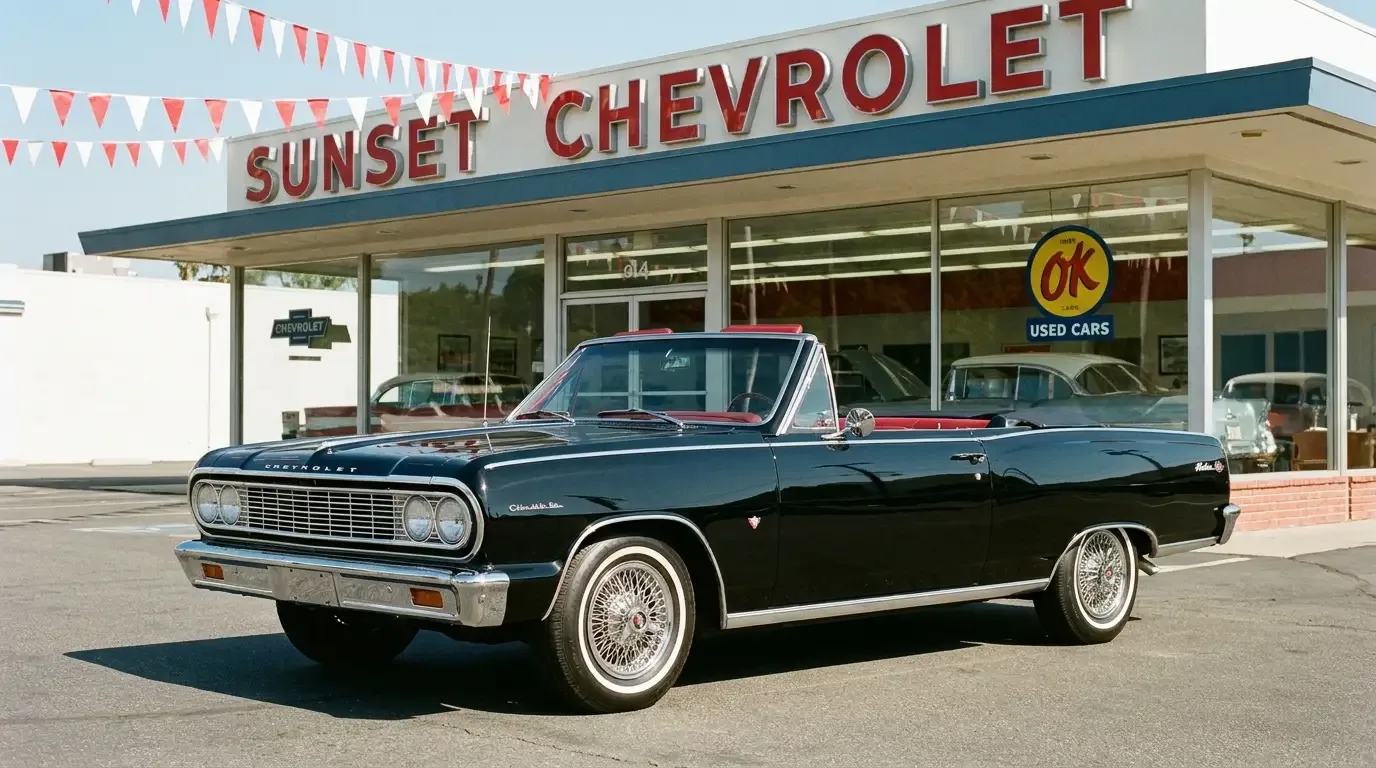
Article
First-Generation Chevelle (1964-1967): The A-Body Is Born
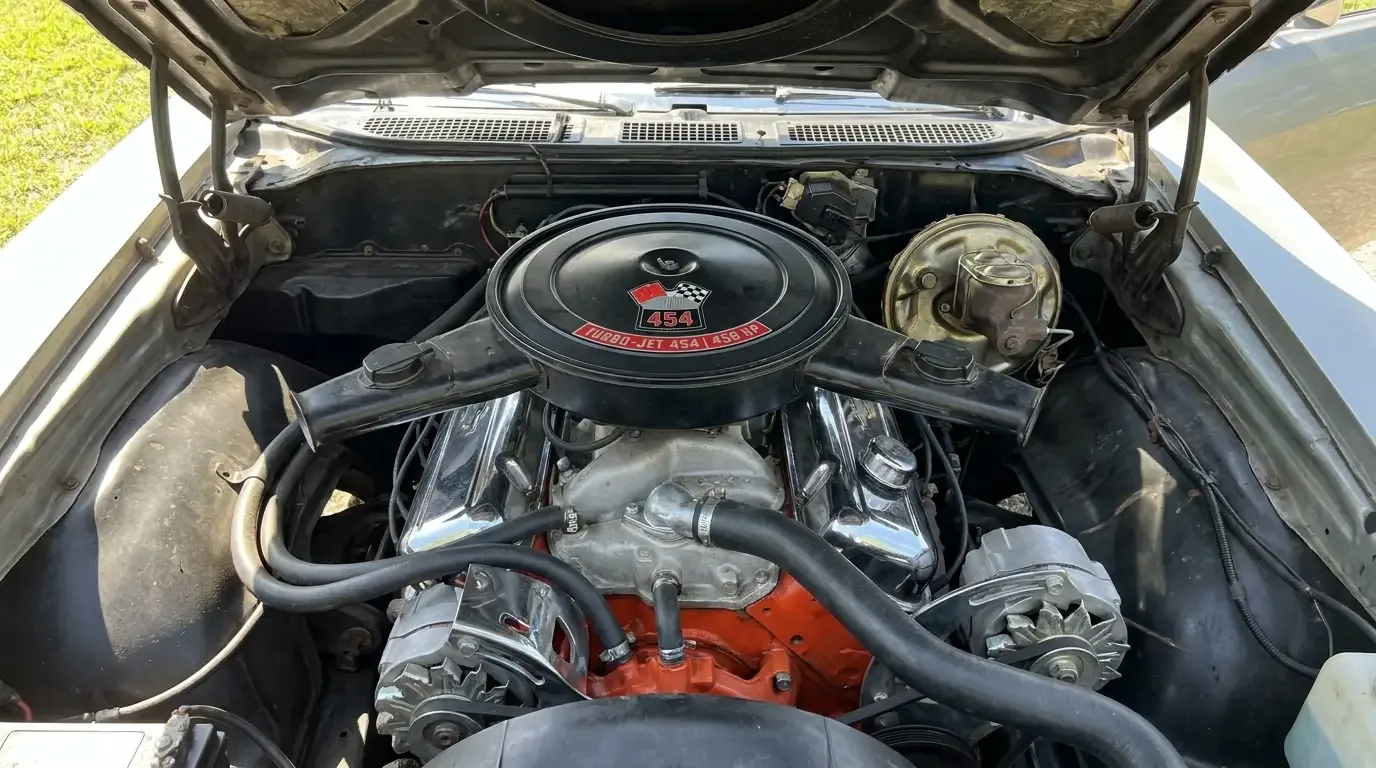
Article
The LS6 454: Chevelle's Big-Block Legend
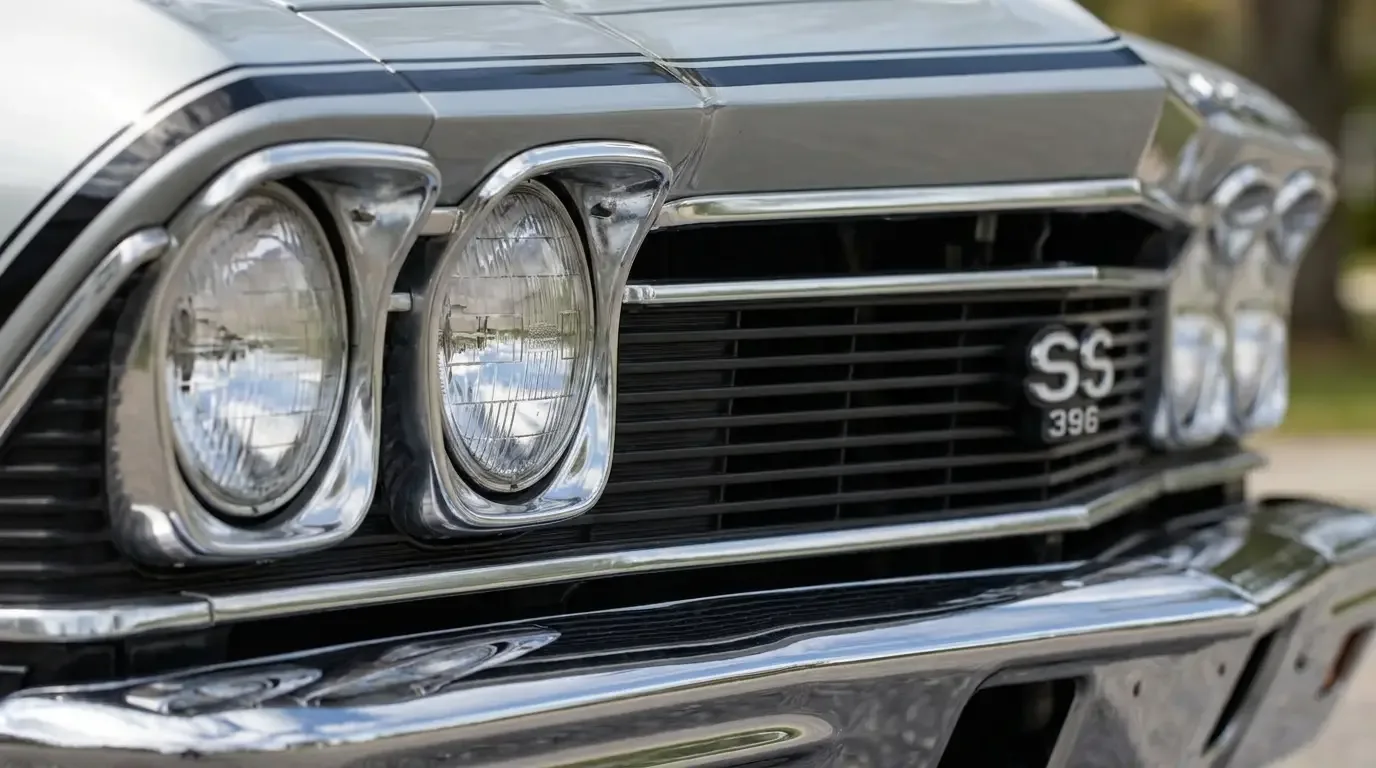
Article
1968: All-New Body, Split Wheelbase
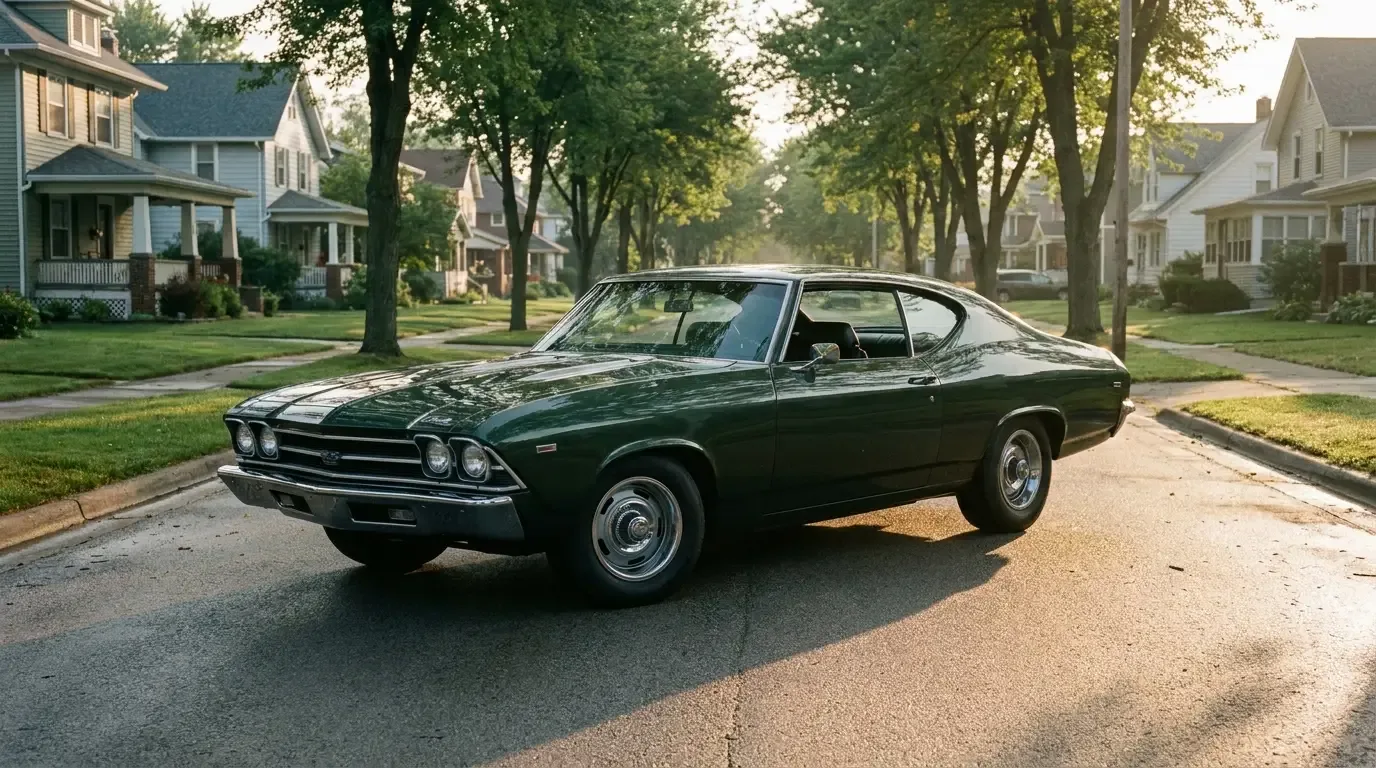
Article
1969 Chevelle and Malibu: The Quiet Refinement Year
Article
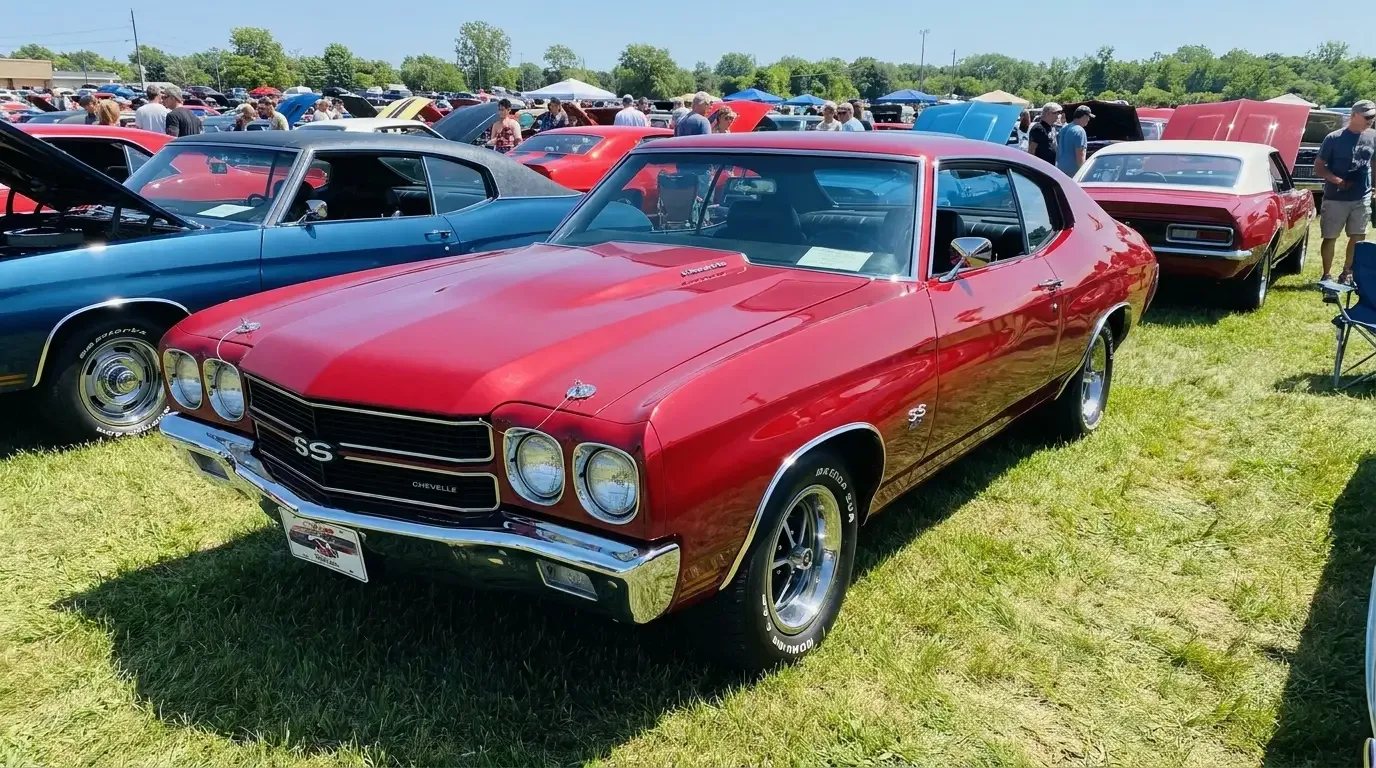
Why 1970 Is Considered the Peak Chevelle Year
Article
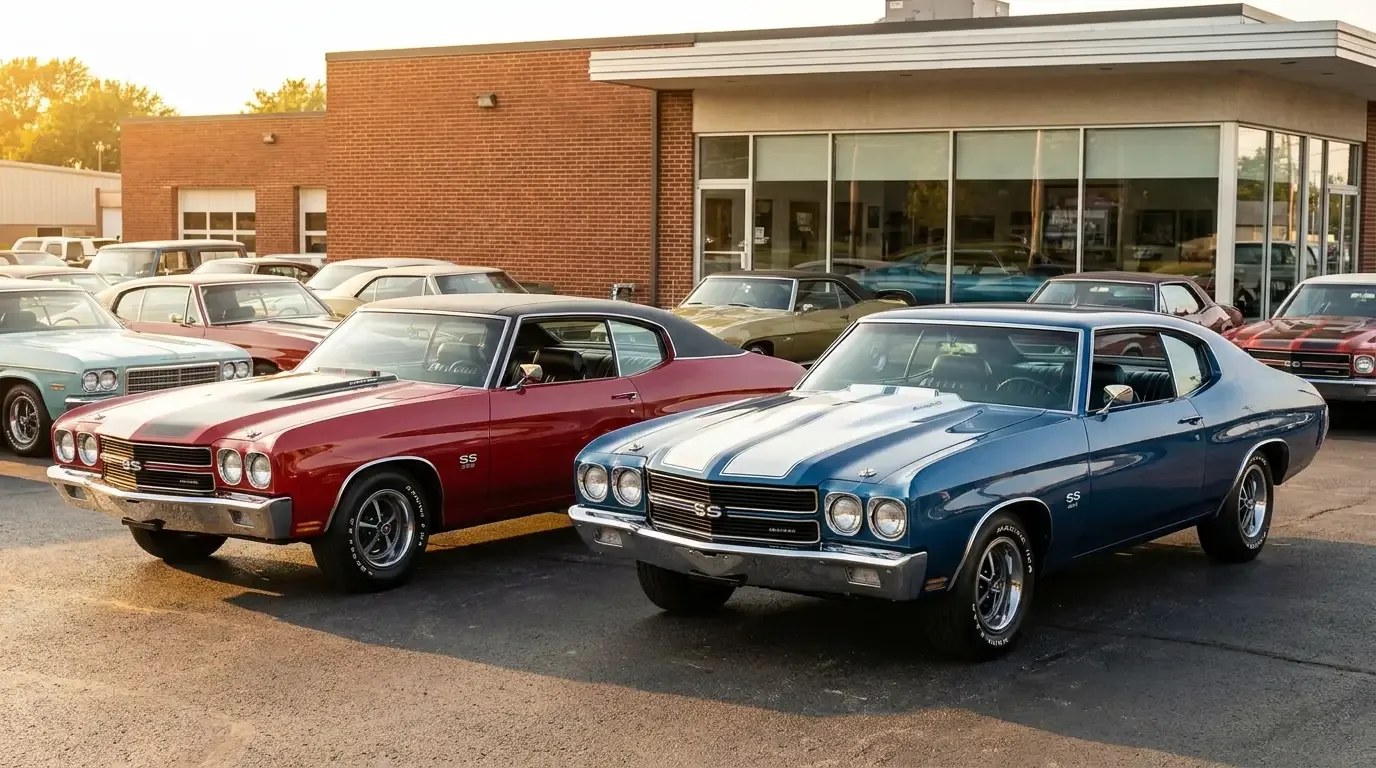
SS454 vs SS396: Chevelle's 1970 Identity Crisis
Article
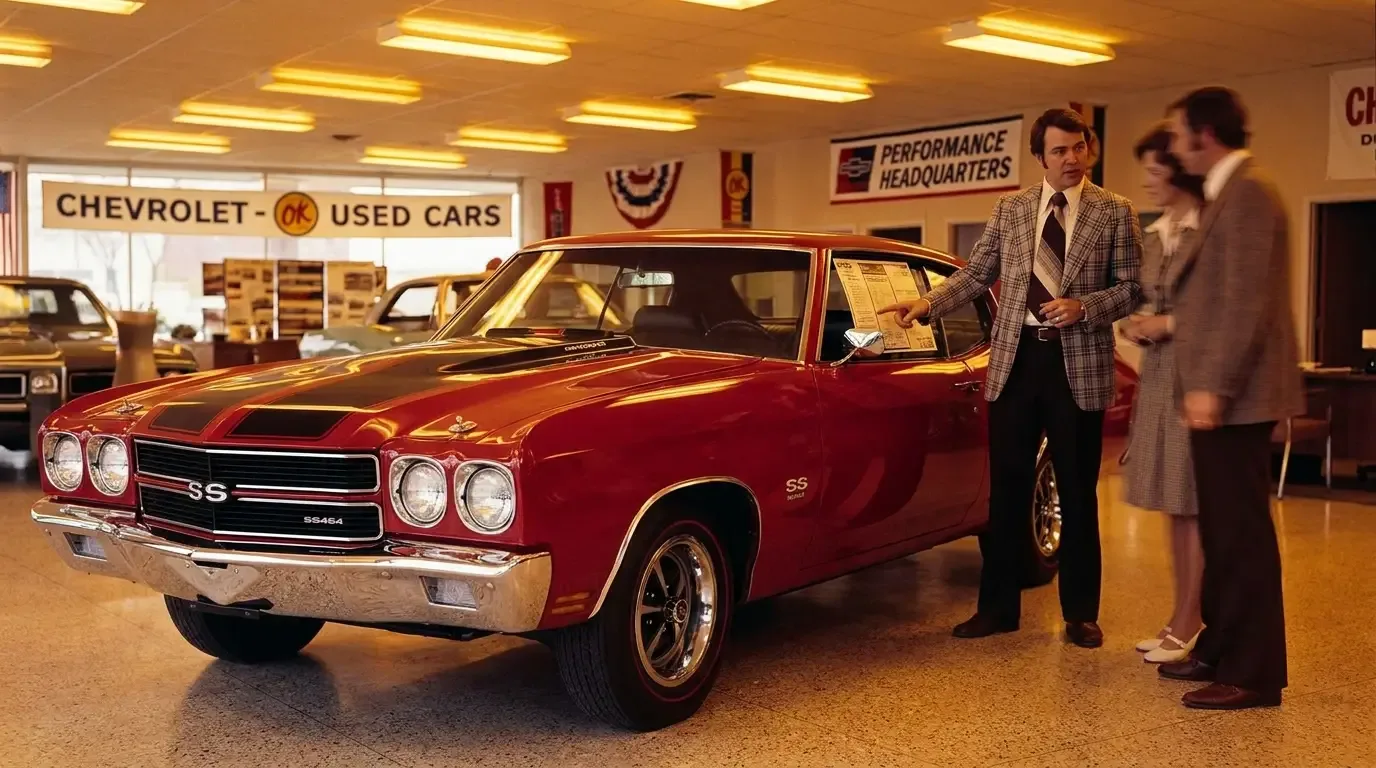
1970: The Year GM Lifted the Displacement Cap
Article
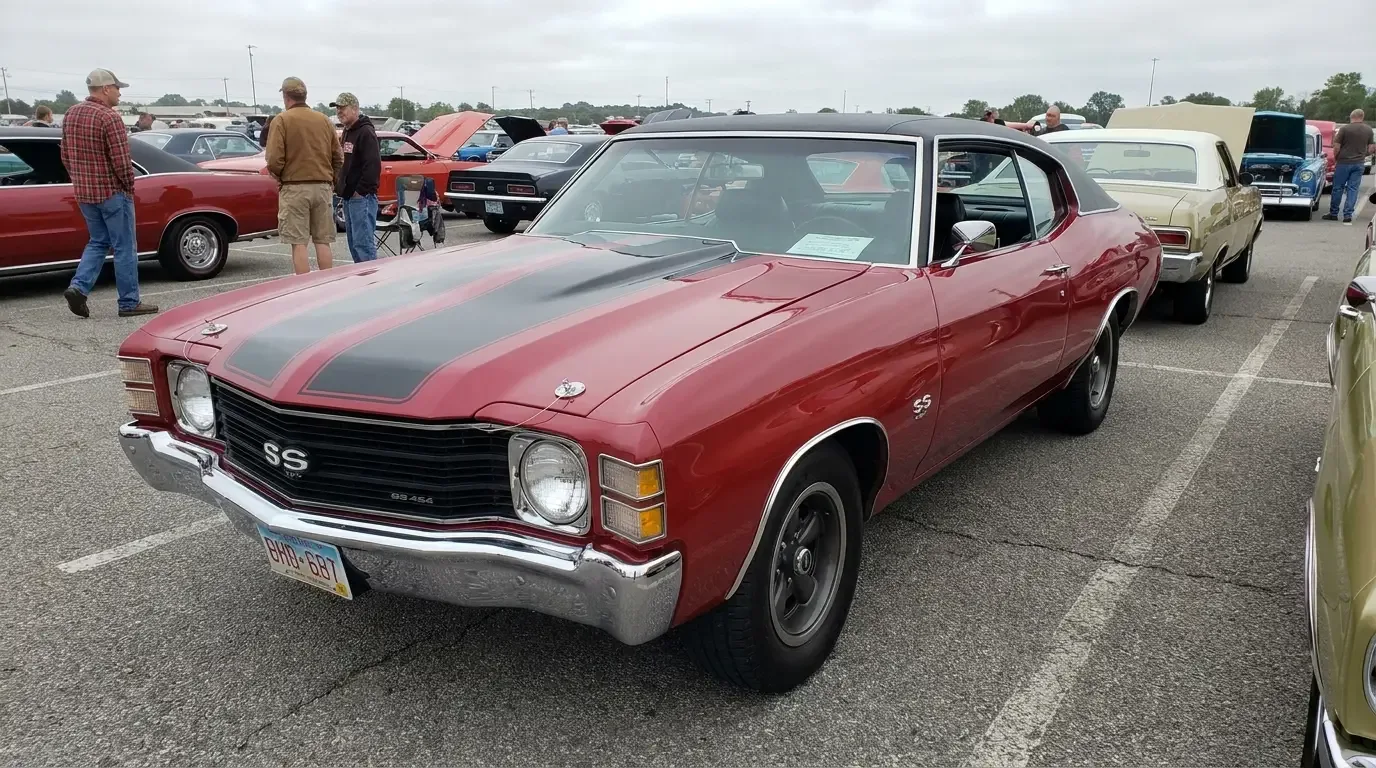
1971 Restyle: Single Headlamps and the Compression Comedown
Article
1972: Chevelle's Last Big-Block Year
Article
Heavy Chevy 1971-72: Budget Muscle
Article
The 1969 300 Deluxe SS: Chevelle's Sleeper Muscle Car
Article
Second-Gen Convertibles: Chevelle's Open-Air Muscle Years
Article
The 4-Speed That Wouldn't Quit
Article
Interior Evolution 1968-72: How the Cabin Grew Up
Article
Emissions Tightening 1971-72: The Slow Squeeze on Power
Article
The Concours Wagon: Second-Gen's Family Hauler Side
Article
Malibu, 300, or SS: Second-Gen's Trim-Level Language
Have a
Chevrolet Chevelle
for Sale?
Reach thousands of serious classic car collectors across the US.
Sell It Here →
Are You a Classic Car Dealer?
List your full inventory and connect with targeted classic car buyers.
Join as a Dealer →

About the author
Mike Sullivan
Detroit-area muscle car enthusiast and restoration specialist with three decades of hands-on experience working on American iron.
Related Listings - Chevrolet Chevelle
More in History & Heritage
Comments
Be the first to comment on this article.