Ask which brand won the Cadillac-Lincoln fight and most people answer from memory, not from the ledger. The ledger is blunt. For almost the entire classic era, from the 1930s through the 1980s, Cadillac outsold Lincoln by a wide margin, often two, three, or four cars to one. That is not a close contest. If sales volume is the scoreboard, Cadillac won the century and it was not particularly close for most of it. The interesting part is what the raw numbers hide, and where the gap finally closed.
The rivalry itself is the larger subject of America's luxury war, and the sales figures are the part of that story people argue about most, usually with the wrong numbers. So it is worth laying out what actually happened decade by decade, with the honest caveat that period figures vary by source and are best read as approximate and directional rather than exact.
The decades Cadillac owned outright
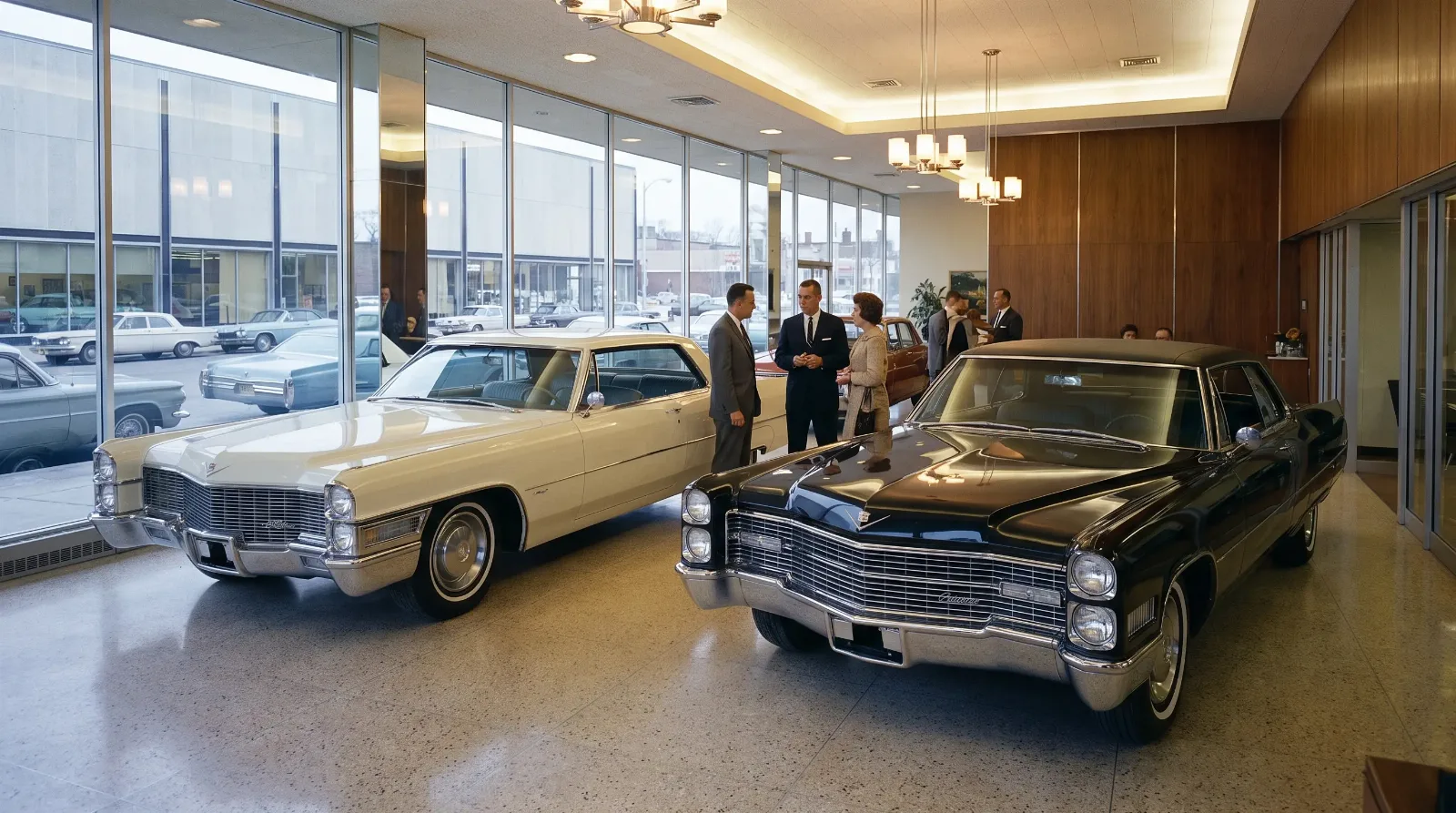
Through the 1950s and 1960s, this was not a rivalry so much as a leader and a distant follower. Cadillac routinely sold somewhere in the range of 140,000 to 200,000 cars a year in that era, while Lincoln often moved a fraction of that, frequently under 50,000 units annually. The reasons were structural. Cadillac had a broader lineup, a denser dealer network, and by this point a brand name that had become a synonym for the best of anything. Lincoln built excellent cars, and in some years arguably better-engineered ones, but it never had the distribution or the volume to match.
Cadillac's high-water mark came at the end of the 1970s. The brand's peak sales year was 1978, when it moved roughly 350,000 cars, a staggering number for a luxury marque and one Lincoln could not approach. To understand why Cadillac carried that kind of momentum for so long, it helps to read the classic luxury car story, because the brand's dominance was built over decades before the numbers peaked.
The 1980s, when the gap started closing
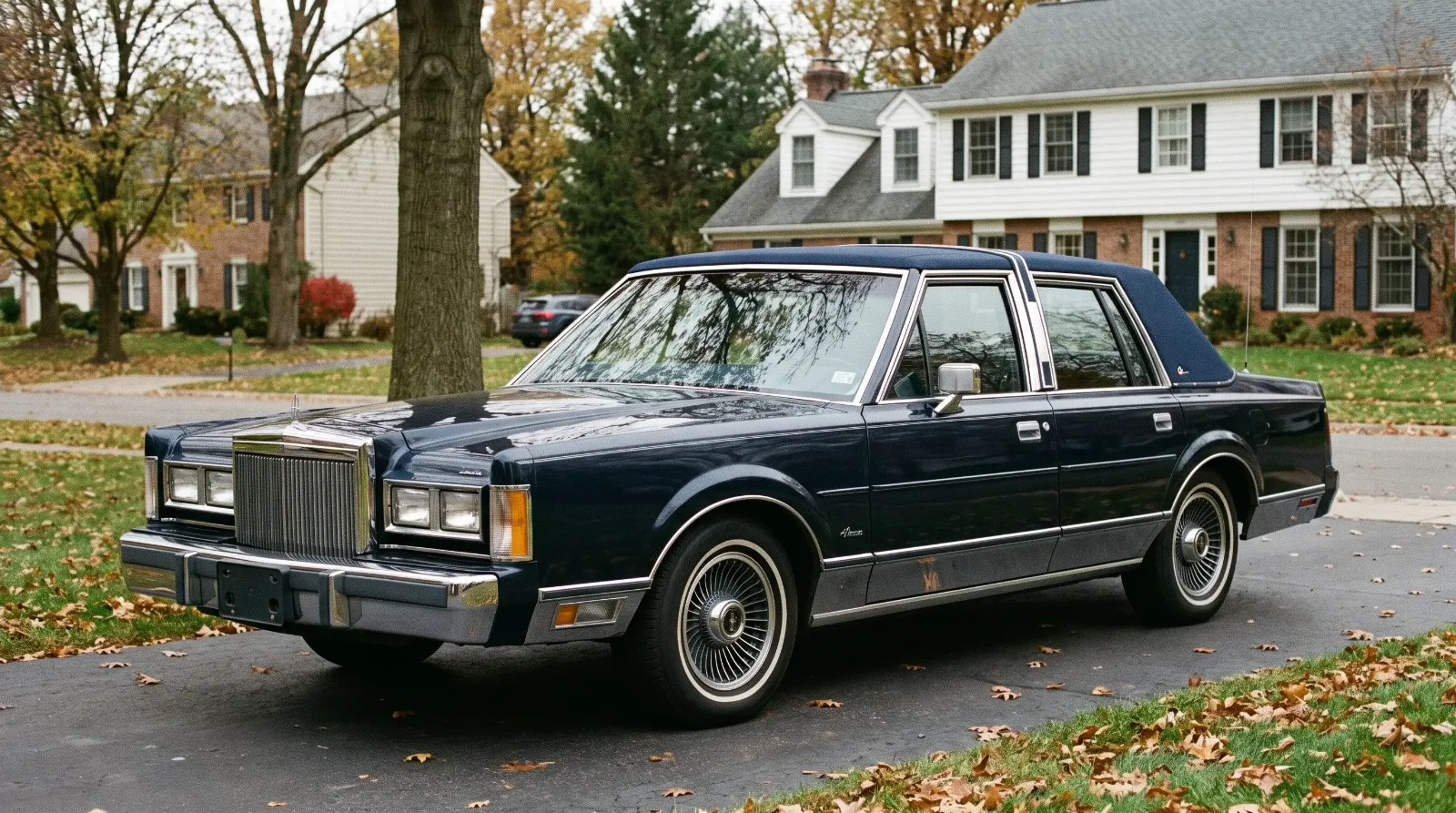
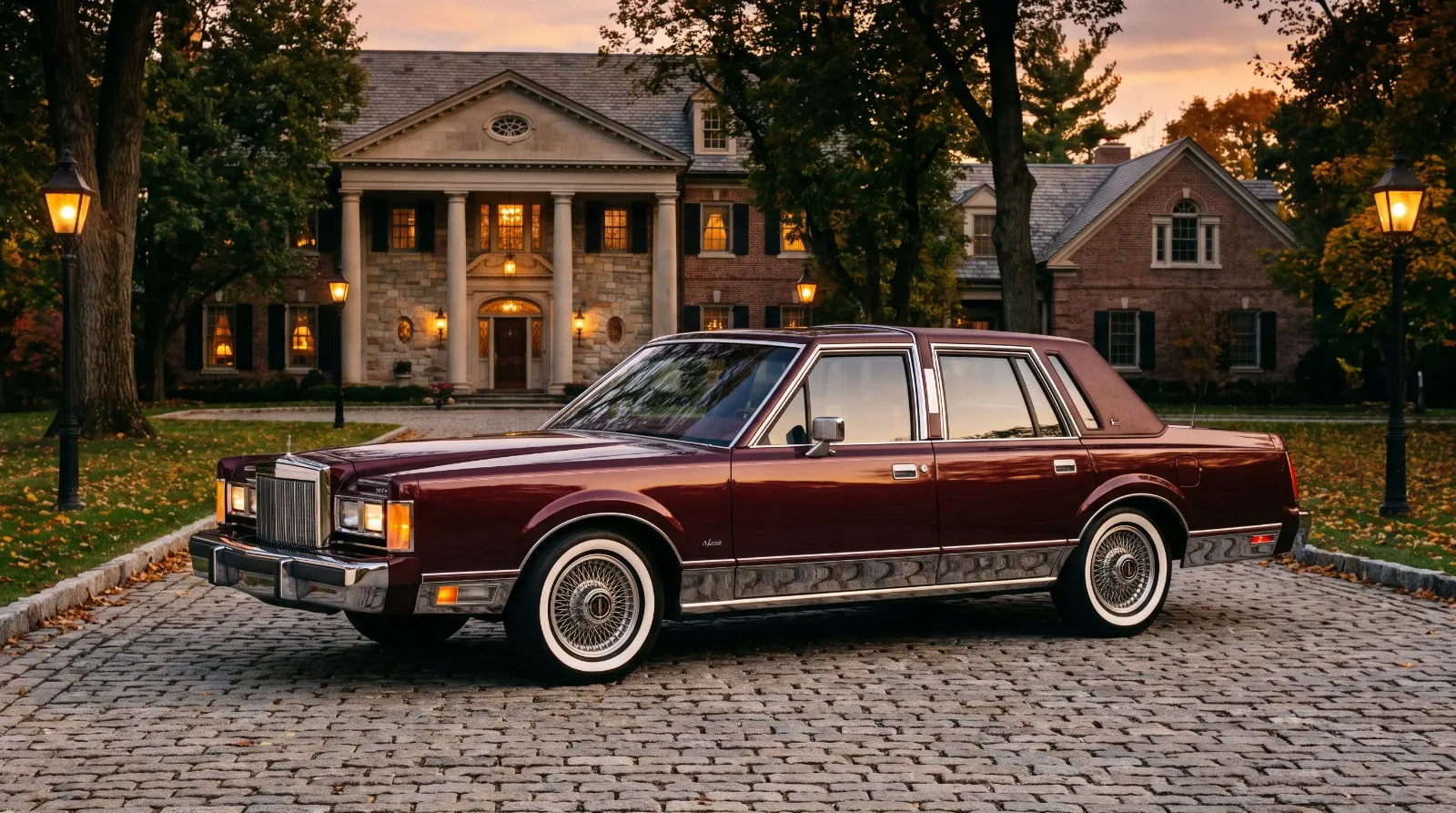
The story changes in the 1980s, and it changes for two reasons that point in opposite directions. Cadillac wounded itself with badge engineering, downsizing, and weak engines, which cost it credibility even as its volume stayed high. Lincoln, meanwhile, held the traditional body-on-frame Town Car steady and let it become the default big American luxury sedan. Cadillac was still selling more cars, often in the 250,000 to 300,000 range across the decade, but Lincoln was climbing toward and past the 200,000 mark and gaining on a brand that was busy alienating its own buyers.
By the numbers Cadillac still led the 1980s. By momentum, Lincoln clearly won it. That distinction matters because sales figures are a trailing indicator. A brand can outsell a rival for years on reputation alone while quietly losing the customers who set the next decade's totals. That is exactly what was happening. Cadillac was spending the equity it had built, and Lincoln was collecting the buyers it drove away.
The mix of what each brand sold matters as much as the totals. A large share of Lincoln's volume came from one model, the Town Car, which held a clear and consistent identity. Cadillac's volume was spread across a fractured lineup that included the compromised Cimarron, the shrunken de Ville and Fleetwood, and the downsized Eldorado, several of which actively confused buyers about what a Cadillac was supposed to be. Two brands can post similar numbers and be in very different health, and here the composition of the sales favored Lincoln even in the years Cadillac still led the count.
"People treat a sales chart like a verdict, but it is really a rear-view mirror. Cadillac led the volume race for fifty years and still managed to lose the argument, because the 1980s numbers were paid for with a reputation the brand was actively spending. The scoreboard lagged the story by a full decade."
— David Mercer
The reckoning at the end of the century
The gap finally closed in the late 1990s. Powered by the Town Car and the new Navigator SUV, Lincoln's volume caught Cadillac, and in 1998 Lincoln passed Cadillac to stand as the best-selling luxury brand in the United States, something that would have been unthinkable in 1965. It did not last, and both brands would spend the following years being overtaken by German and Japanese rivals, but the symbolic moment was real. The follower had drawn level with the leader for the first time in the modern era.
So who actually won? On cumulative volume across the classic era, Cadillac, decisively and for a very long time. On the trajectory that mattered heading into the modern market, Lincoln, which climbed from a distant second to a genuine equal. Both answers are true, which is why the argument never really ends.
How the eras line up
The approximate annual volumes, read as ranges rather than precise counts, show the shape of it clearly.
| Era | Cadillac (approx/yr) | Lincoln (approx/yr) | Leader |
|---|---|---|---|
| 1950s | ~140,000-160,000 | ~30,000-40,000 | Cadillac |
| 1960s | ~150,000-200,000 | ~30,000-55,000 | Cadillac |
| 1978 peak | ~350,000 | well below Cadillac | Cadillac |
| late 1980s | ~250,000-300,000 | ~200,000+ | Cadillac, gap closing |
| 1998 | ~180,000 | ~187,000 | Lincoln, by a narrow margin |
For a collector, the takeaway is not really about who topped a chart. It is that Cadillac's decades of volume mean survivors are plentiful and generally affordable, while lower-production Lincolns from the leaner years can be genuinely scarce. Scarcity is not the same as value, but it changes what you will find when you go looking. Anyone shopping the era can see both marques represented among classic luxury cars for sale, and the supply mix still reflects who was building more cars back then.
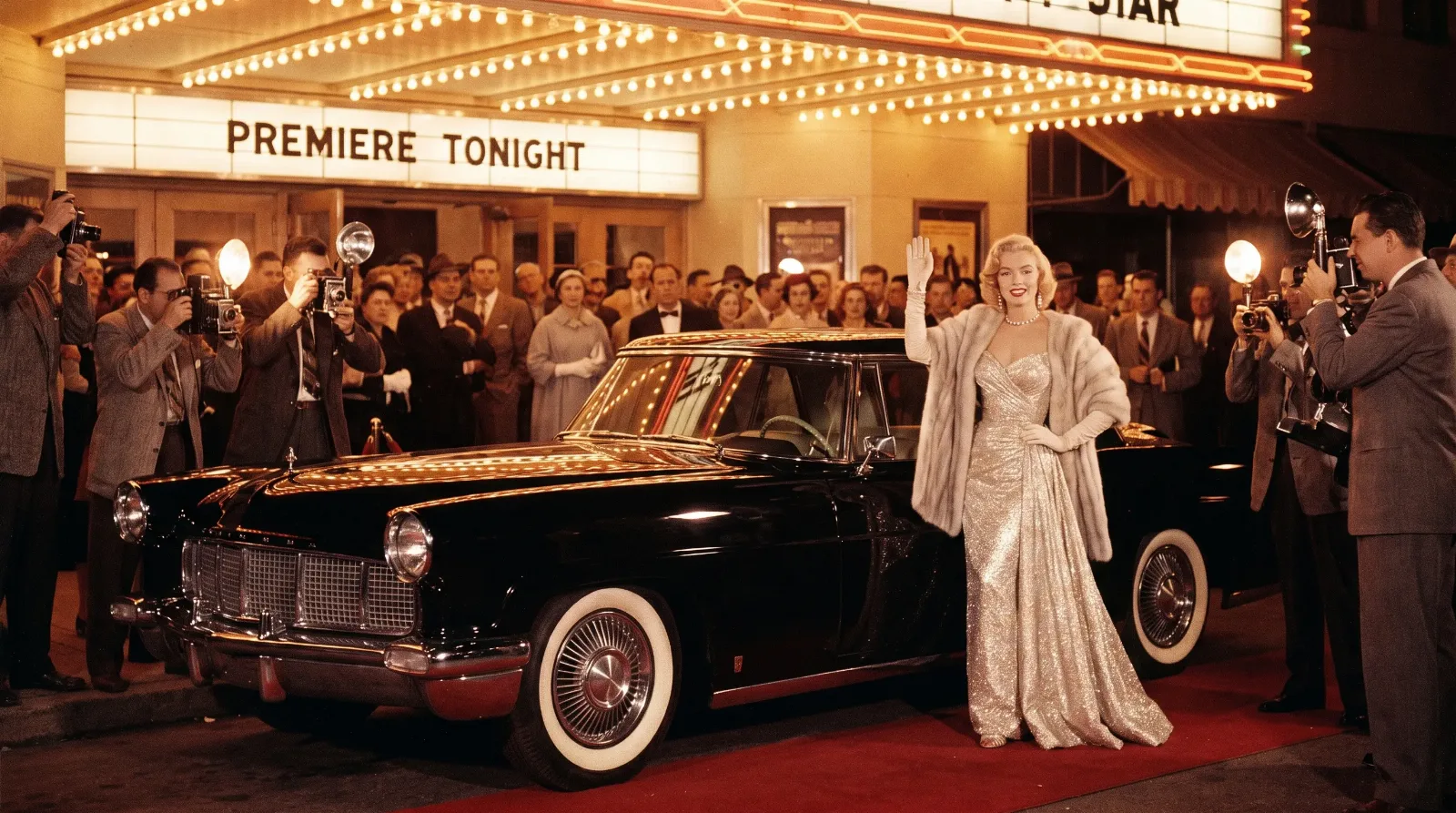
Sales were only one battlefield. The two brands also fought for something less measurable and arguably more valuable, which is who Hollywood chose to be seen in. That is next: Hollywood's Choice, where image mattered more than volume ever did.