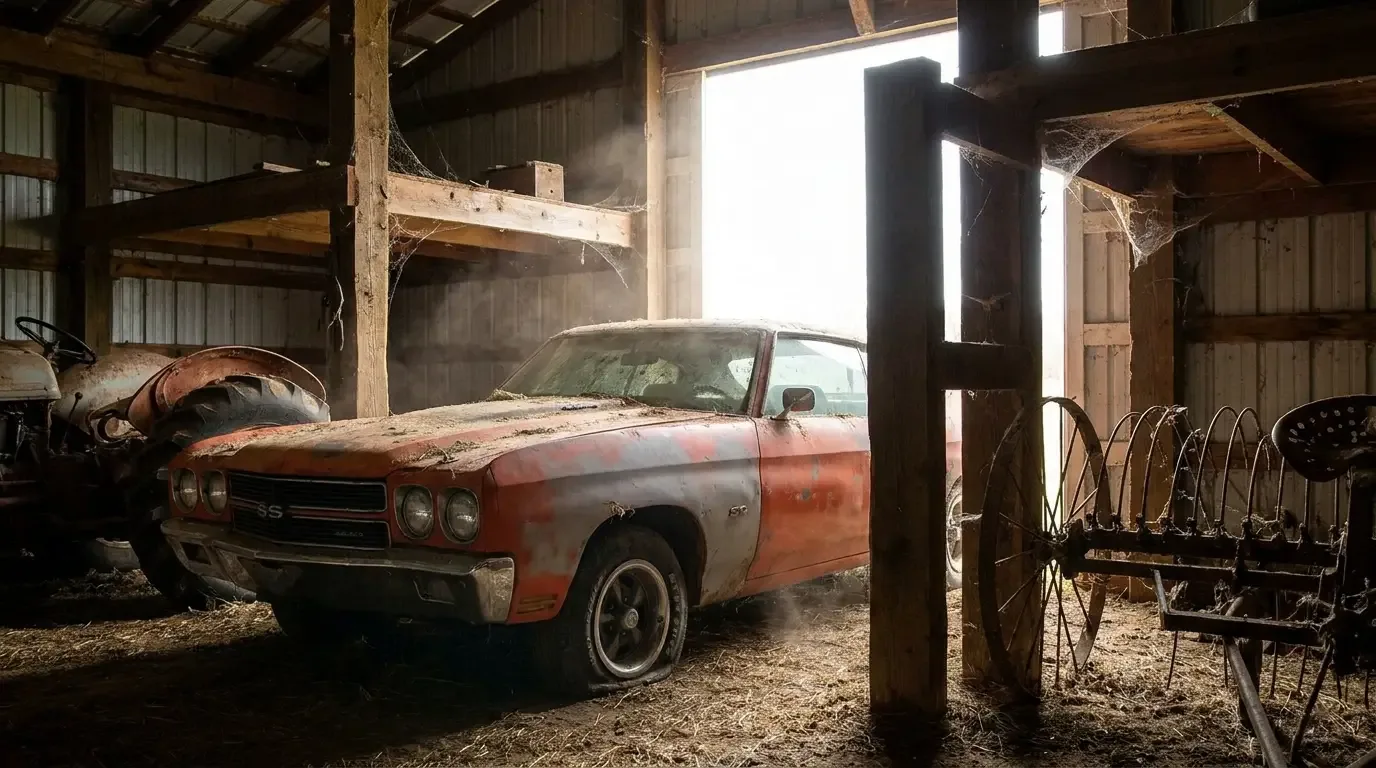
Most barn finds are worth less than the seller thinks and more than the buyer wants to admit in the moment they see them. That tension is the whole business. A Chevelle sitting under grain dust for thirty years is not a mystery car, it is a set of facts waiting to be confirmed, and the facts determine whether a rusted shell is a six-figure recovery or an expensive lesson. A handful of these discoveries have moved the market itself, not just the individual sale price. Those are the ones worth walking through.
What separates a shocking barn find from a forgettable one is not the dust or the flat tires. It is documentation intersecting with rarity at the exact moment someone with the right knowledge happens to look underneath the cobwebs. Take those two variables away and a barn find is just an old car that needs everything.
The find that resets expectations
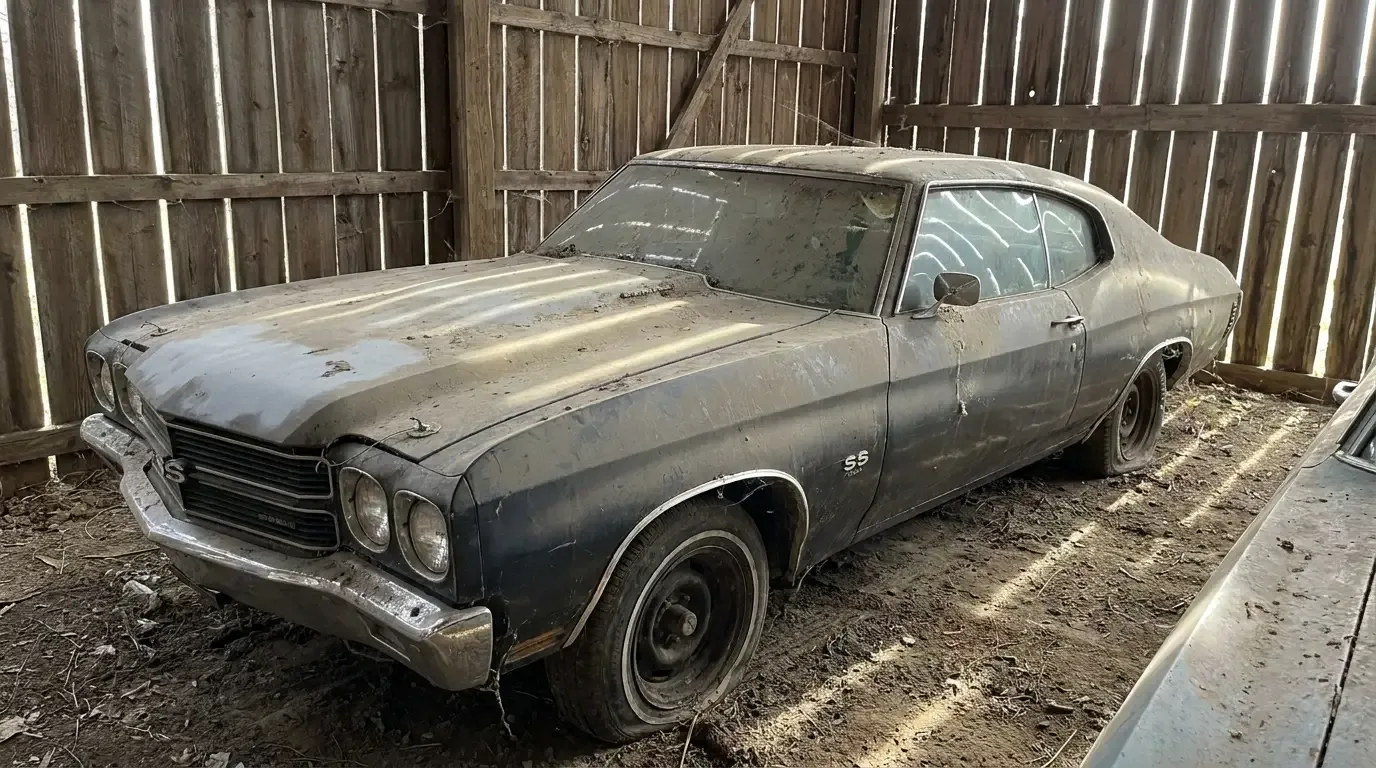
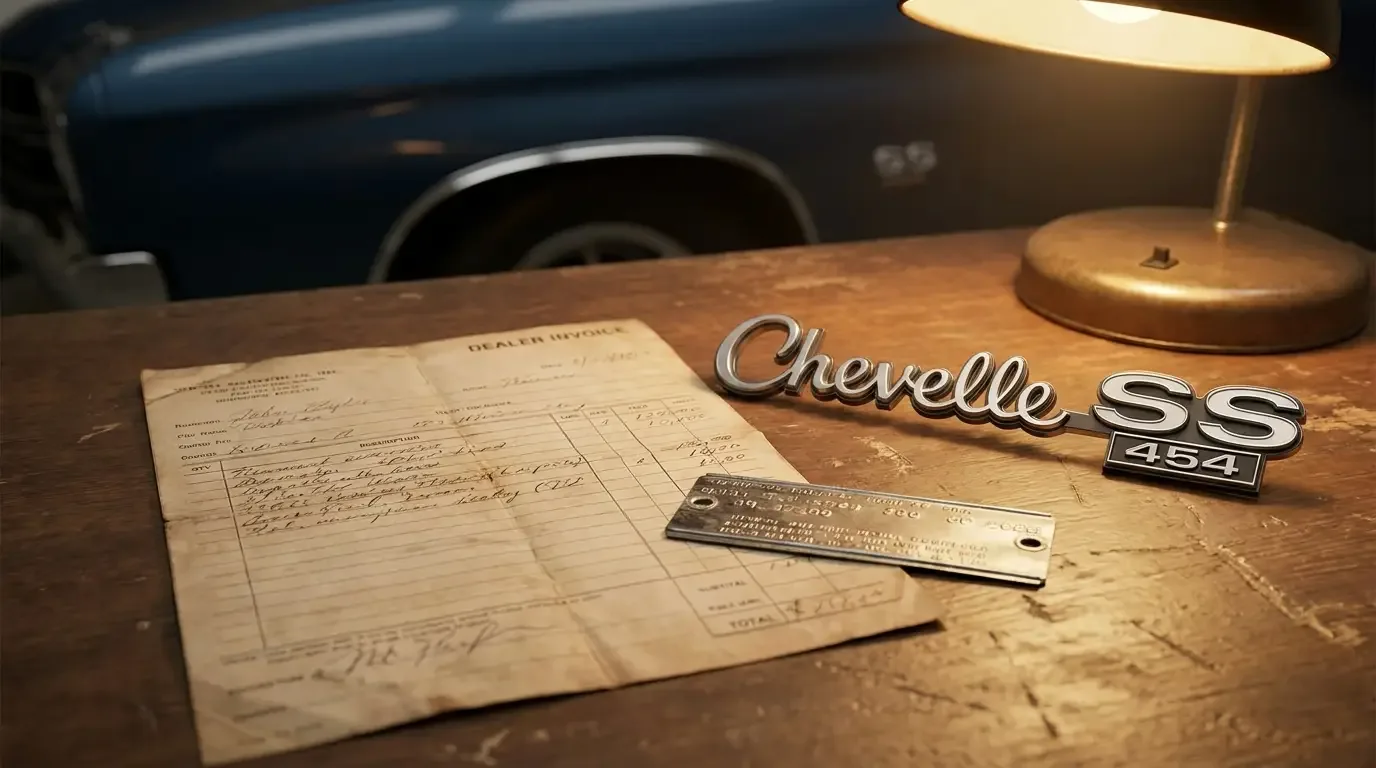
The story that gets repeated most in appraisal circles involves a 1970 SS454 pulled from a pole barn in the Midwest after decades of storage, engine seized, interior chewed by rodents, paint gone to primer in patches. On paper that is a #4 car, maybe a #5 if the frame had rust-through. What changed the conversation was the trim tag matching an LS6 build combination and a partial build sheet still tucked behind the back seat spring. Condition tier and originality are two separate axes, and buyers who confuse them overpay for junk or underpay for gold. This car was junk on condition and gold on originality, and the final number reflected the second axis far more than the first.
That is the pattern across nearly every Chevelle barn find that actually moved a needle: a rough shell with a documented drivetrain configuration beats a clean driver with an unverifiable one. I have appraised plenty of "numbers matching" cars that turned out to be assumptions dressed up as fact. The barn finds that shock people are the ones where the paperwork survived better than the car.
Why storage condition lies to you
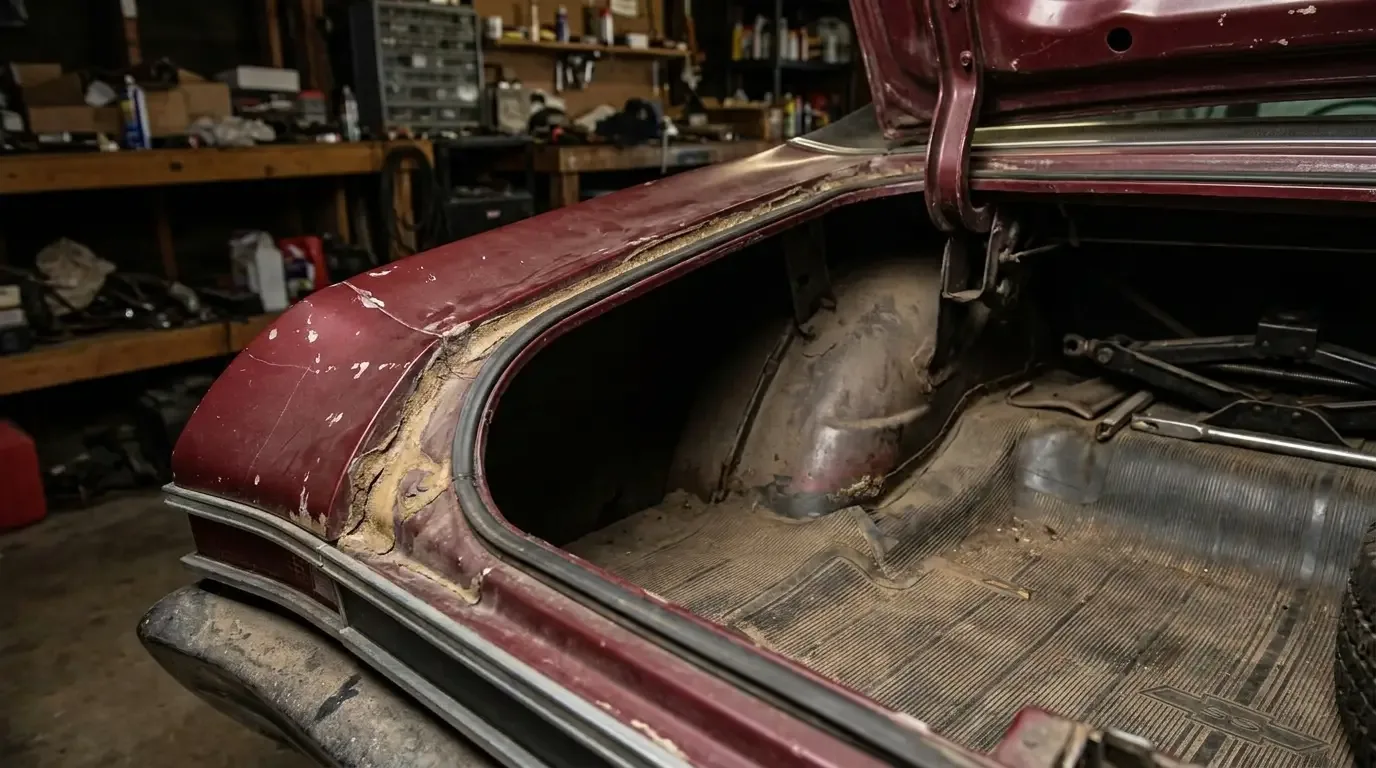
A car that sat indoors for thirty years is not automatically better off than one that sat under a tarp outdoors for ten. Rodent damage, seized brake systems, dry-rotted rubber, and fuel varnish in the tank and lines are the baseline expectation on any long-term barn find, regardless of shelter. The real risk is hidden rust: floor pans and trunk drop-offs that look solid under a flashlight but crumble under a magnet test. I tell clients to budget for a full undercarriage inspection before they get emotionally attached to a price. A car that looks like a $15,000 project can become a $45,000 project once the frame connectors are exposed, and that gap is where barn find deals turn into barn find regrets.
Sellers rarely lie outright. They repeat what they were told decades ago, and memory drifts. "It's a real SS" becomes family legend regardless of what the trim tag says. That is why every barn find claim gets treated as a hypothesis, not a fact, until the tags, the casting numbers, and whatever paperwork exists all point the same direction. When they align, you have a legitimate next: Documented Chevelle Factory One-Offs and Special Orders story. When they do not, you have a clone with a compelling backstory, which is a different car with a different ceiling.
What a shocking discovery actually does to value
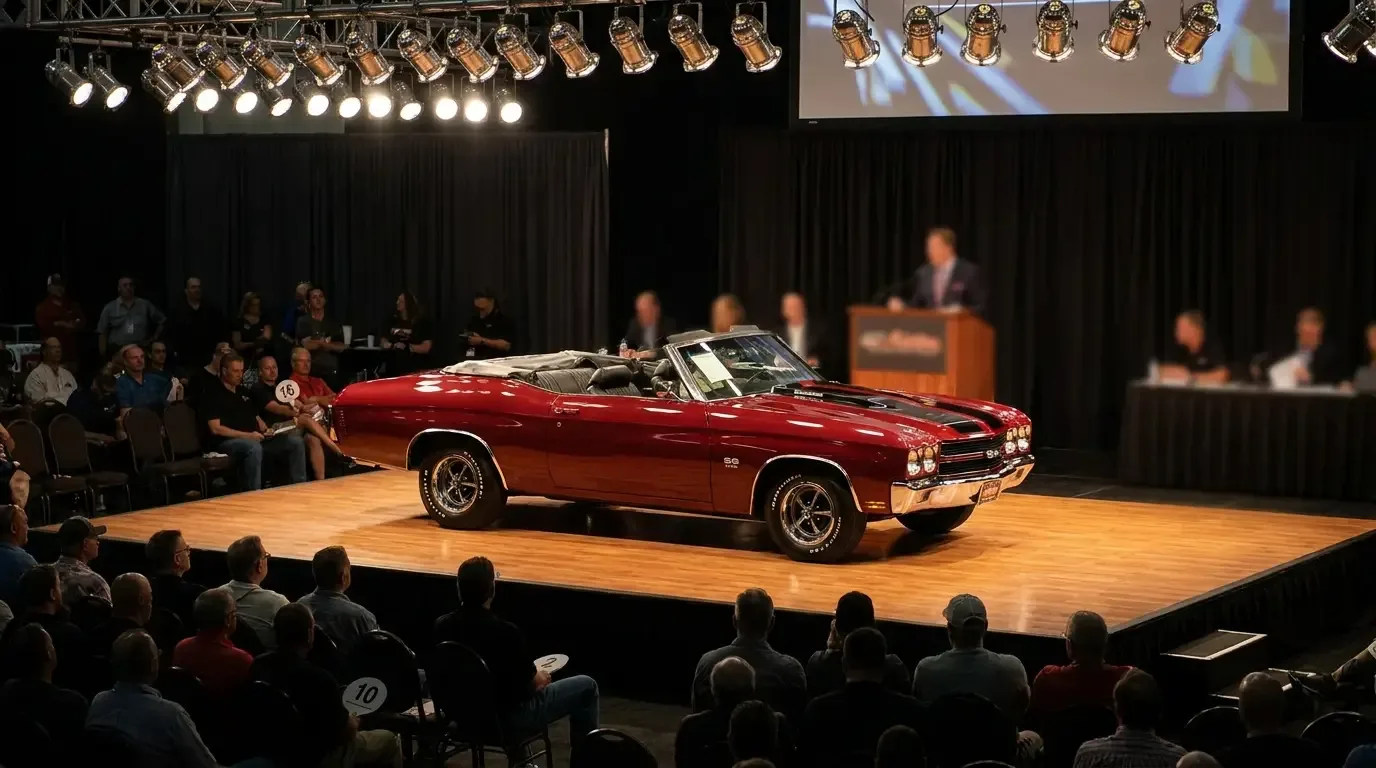
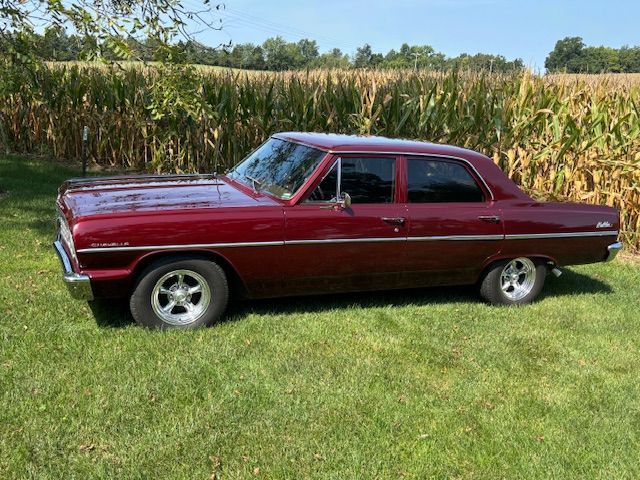
A verified rare-option barn find does not just sell for a premium over a clean equivalent car, it resets the comp set for a while. Buyers who track the segment start referencing the sale in every conversation about similar cars for the next year or two, and that anchors expectations higher than the underlying supply and demand may support long-term. This is a real risk for anyone buying immediately after a high-profile find hits the news. The seller of the next rough Chevelle in a barn somewhere expects the same number, and most of the time they will not get it, because most barn finds are not documented LS6 or Z16 cars. Most are base-model six-cylinder sedans that happened to survive because nobody wanted them enough to drive them into the ground.
That is worth sitting with. Survivorship bias runs hard in this hobby. The stories that circulate are the six-figure surprises, not the thousand ordinary Chevelles that came out of barns worth exactly what they look like: a rough project car with average or below-average upside. If you are chasing a barn find hoping to repeat someone else's story, understand that the odds are closer to a #3 driver-quality outcome than a documented grail.
Reading a barn find like an appraiser
| Signal | What it tells you |
|---|---|
| Trim tag / cowl tag intact and legible | Confirms body style, color, and options as built, the starting point for any valuation |
| Partial build sheet or dealer invoice present | Strong corroboration if it agrees with the tag, a red flag if it does not |
| Casting numbers on block, heads, and intake | Establishes whether the drivetrain is original to the car or a later swap |
| Floor pan and frame condition under magnet inspection | Drives the restoration cost estimate more than any cosmetic factor |
| Chain of ownership / title history | Fills gaps the physical evidence cannot, and matters more as the car's rarity increases |
None of that is exciting reading compared to the headline about a rare Chevelle pulled out of a collapsing barn, but it is the process that separates a real find from a story that gets less impressive the closer you look. I have watched buyers pay grail money for cars with a suspicious cowl tag and a seller who "was pretty sure" about the options. That confidence does not transfer to the check clearing.
"A barn find is a hypothesis wearing dust as a costume. My job is testing it against the tags, the numbers, and whatever paper survived. Most of the time the hypothesis fails. Occasionally it holds, and that's the sale everyone remembers."
— Marcus Feld
The exposure question every barn find buyer skips
Every barn find carries liquidity risk that a documented, market-fresh car does not. You are buying something nobody has priced in years, sometimes decades, and the last comparable transaction on record may reflect a completely different market. A car that would have brought strong money in a boom year for the segment might sit unsold at a lower number today if the current pool of buyers has thinned or shifted toward other model years. Appraising a barn find means pricing not just the car in front of you, but the depth of the buyer pool willing to take on unknowns: hidden rust, an unverified drivetrain, or a title that needs work.
The Chevelles that shocked collectors did so because the documentation held up under scrutiny and the buyer pool for that specific configuration was deep enough to compete for it. Those two conditions are rare together. When you see the next barn find headline, run it through both filters before you let the number reset your sense of what your own project is worth. For a broader look at where these discoveries fit into the collectible Chevelle story, the pattern holds across every category, from Z16s to COPO cars: rarity without proof is just a rumor, and proof without rarity is just an old car. You need both, and you rarely get both from a barn.
If you are shopping rather than appraising, the smartest move is comparing barn find asking prices against verified, already-sorted cars before committing. You can browse Chevelle listings to see what a documented, road-ready example costs today and use that as your ceiling, not your floor, when a barn find story starts sounding too good to pass up.
Sources and notes
- Motor1: 1970 Chevrolet Chevelle LS6 454 barn find
- Barn Finds: 1965 Chevrolet Malibu SS396 Z16, one of only 201
- Hagerty Media: muscle car valuation and barn find coverage
- Motorious: numbers-matching 1970 Chevrolet Chevelle SS454
- Supercars.net: 1964-1972 Chevrolet Chevelle SS454 production history
- Mecum Auctions: Chevelle sale results and comps