
Rare is a word that gets thrown around loosely in this hobby, usually by a seller trying to justify an asking price. In an appraisal file, rare means something specific: low documented production, a configuration few buyers ordered at the time, and survival numbers that have thinned further through decades of accidents, rust, and drag strip abuse. A Chevelle can be genuinely rare and still not be worth much, if nobody wants what makes it rare. It can also be common on paper and still command a premium, if the specific example carries documentation nobody else's does.
Market & Values
8 min read
Rare and Collectible Chevelles
An appraiser's look at what makes a Chevelle genuinely rare, from documented LS6 and COPO cars to dealer conversions, and where the real risk sits.
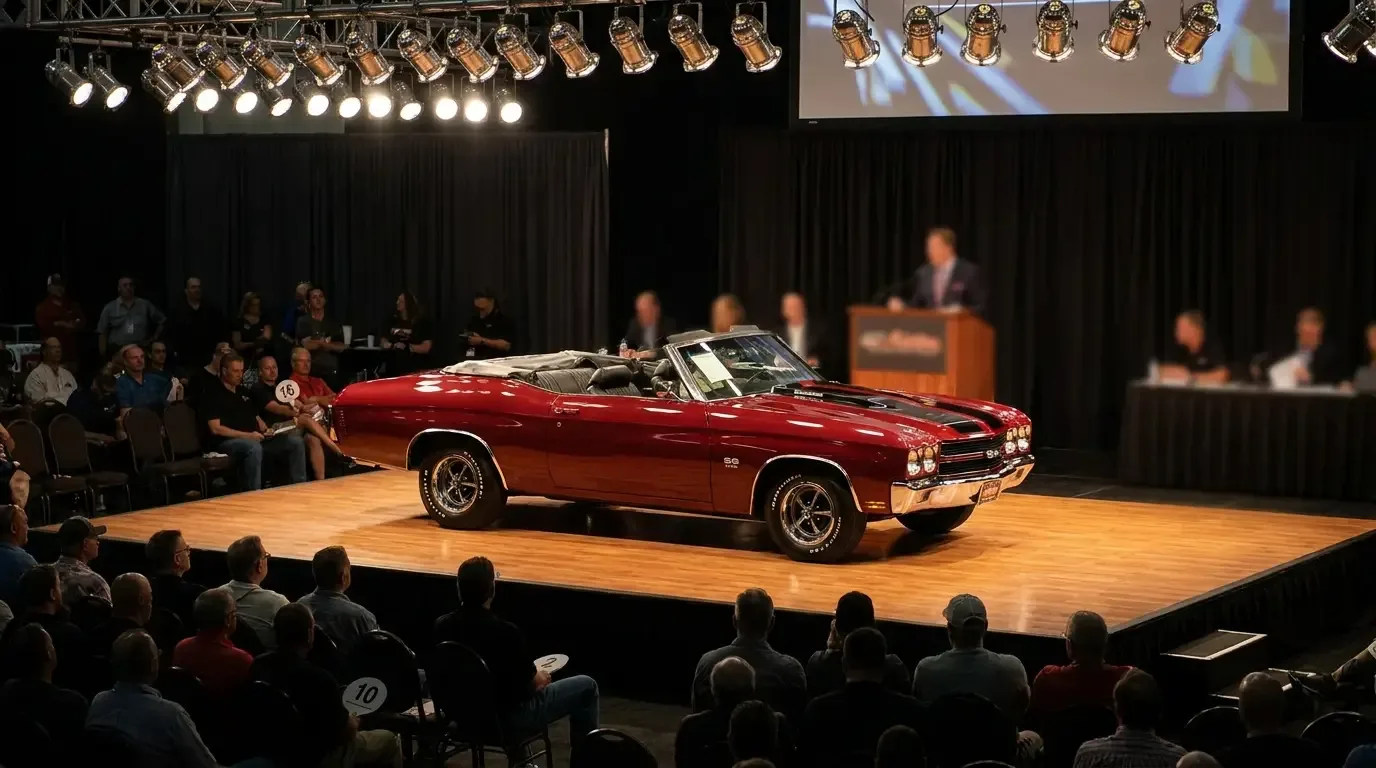
This is the distinction that matters when you're pricing a Chevelle at the top of the market rather than the middle of it. Condition and drivetrain get you into the conversation. Rarity, properly documented, is what separates a strong price from a record one. Here's how that actually breaks down across the model run, and where the real exposure sits for a buyer paying a premium for scarcity.
What rare actually means for a Chevelle appraisal
Three factors compound to create genuine rarity in this market: low original production of a specific configuration, a survival rate depressed by the car's own history, usually racing or hard use, and documentation that proves the car is what it claims to be. Miss any one of the three and the premium collapses. A car with a low build number but no paperwork to prove it is a #3 car with a good story, not a documented rarity. A car with airtight paperwork but a configuration that wasn't actually scarce is just a well-documented ordinary car.
The Chevelle market rewards buyers who understand this distinction and punishes the ones who don't. I've seen cars sell for record prices on documentation alone, and I've seen supposedly rare cars sit unsold for a year because the paper trail didn't hold up to scrutiny. For the full context on how these production numbers fit the model's broader history, the full Chevelle story lays out the generational background this analysis builds on.
LS6 454 SS: the blue-chip tier
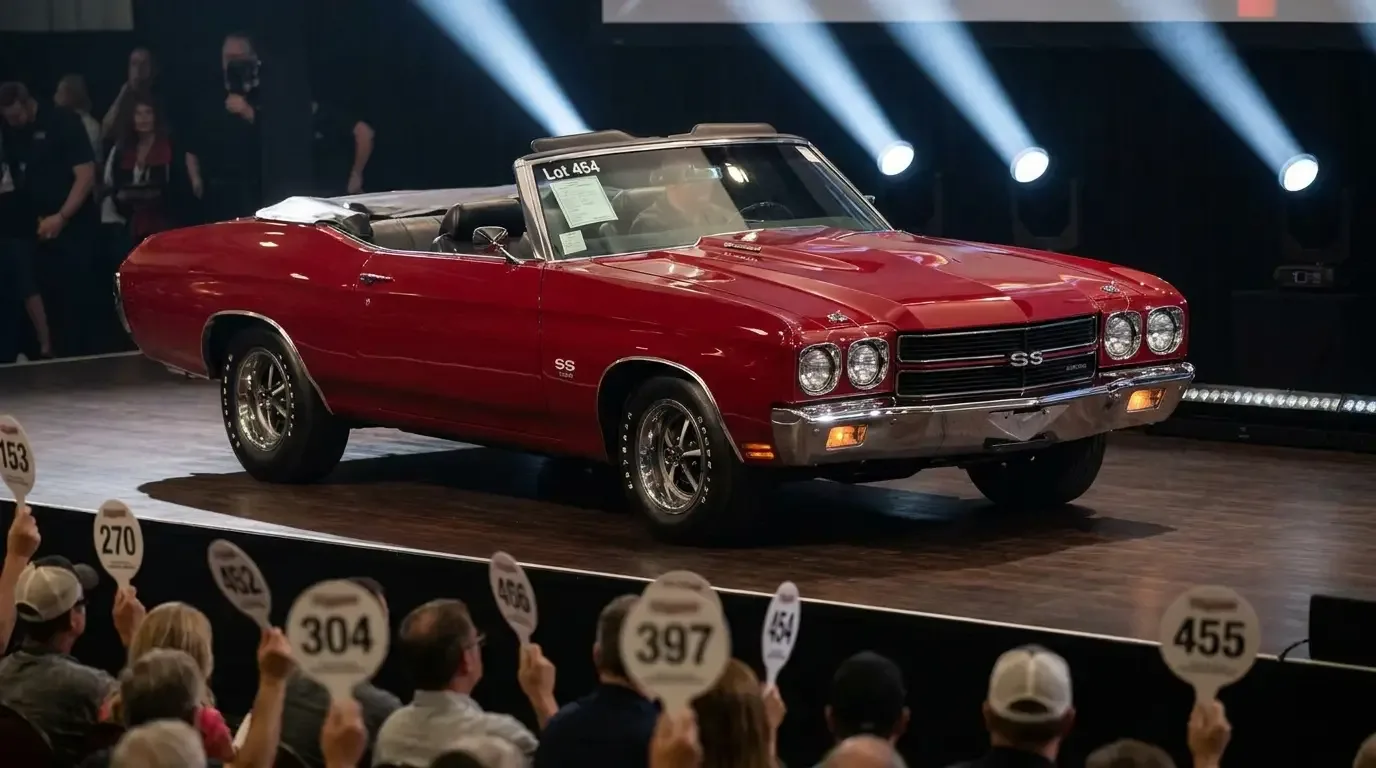
The 1970 SS454 with the LS6 option sits at the top of the Chevelle collector hierarchy, and it earns that position on more than reputation. Factory-rated output was among the highest offered on any mid-size GM muscle car of the era, 450 hp at 5,600 rpm and 500 lb-ft of torque, and the combination of that engine with a documented build sheet, correct cowl induction hood, and factory-correct rear axle ratio is what separates a genuine LS6 from a car dressed to look like one.
Condition tier matters enormously here. A #2 LS6 with full documentation, an original tank sticker or build sheet, correct casting numbers, and a clean ownership chain trades at a real premium over a #3 example with the same drivetrain but gaps in its paper trail. The gap between those two cars isn't cosmetic. It's the difference between an asset with defensible provenance and one that's asking the market to take its word for it.
Documented COPO and dealer-order specials
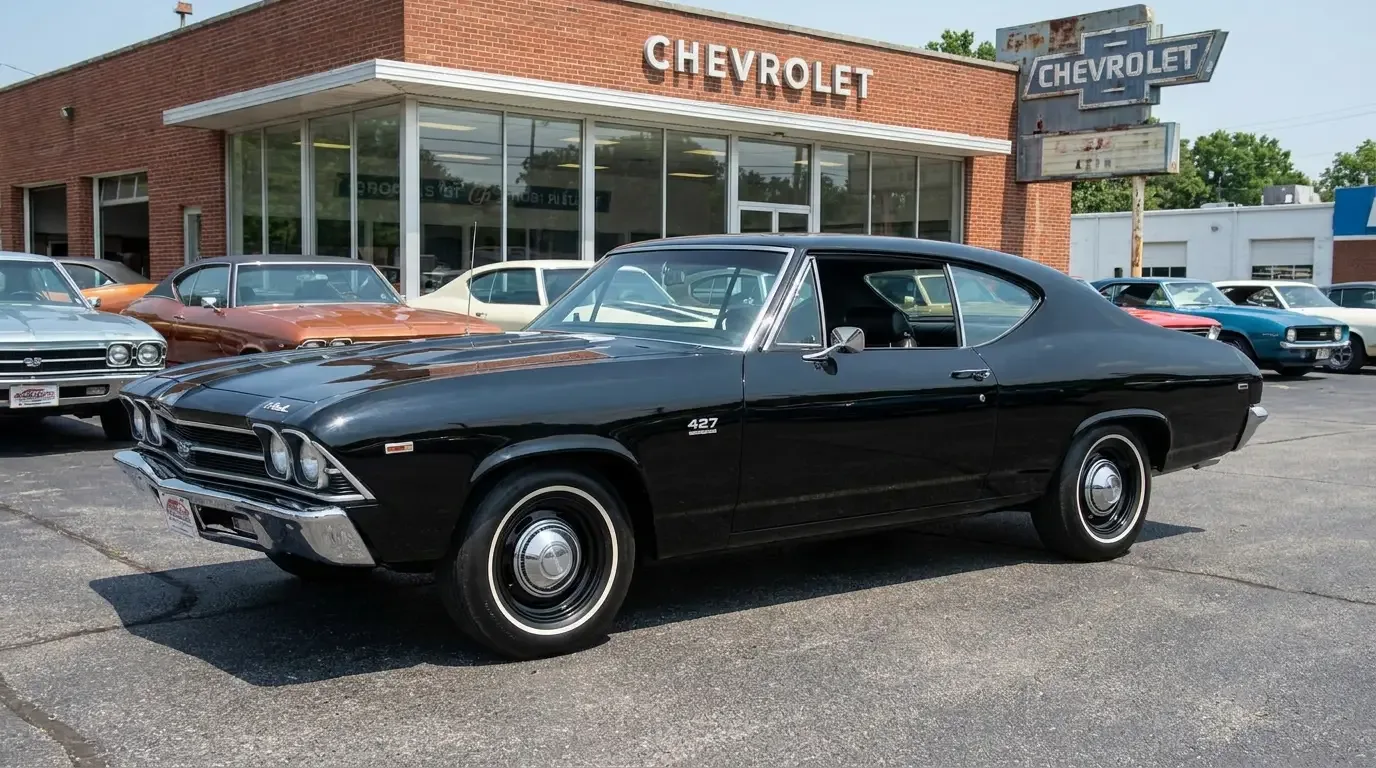
Beyond the catalog SS package, Chevrolet's Central Office Production Order system allowed dealers and select buyers to order configurations outside the standard build sheet, and a small number of Chevelles left the factory this way. These cars represent some of the lowest production numbers in the model's history, and the appraisal exposure is almost entirely about proof. A COPO claim without factory paperwork or a recognized registry verification carries real downside risk, because the premium these cars command assumes the story is true, and the market has gotten considerably less forgiving about unverified claims than it was a decade ago.
For a buyer, the rule here is simple and unforgiving: the documentation is the asset. The car is just where the documentation happens to be attached.
Yenko and other dealer conversions
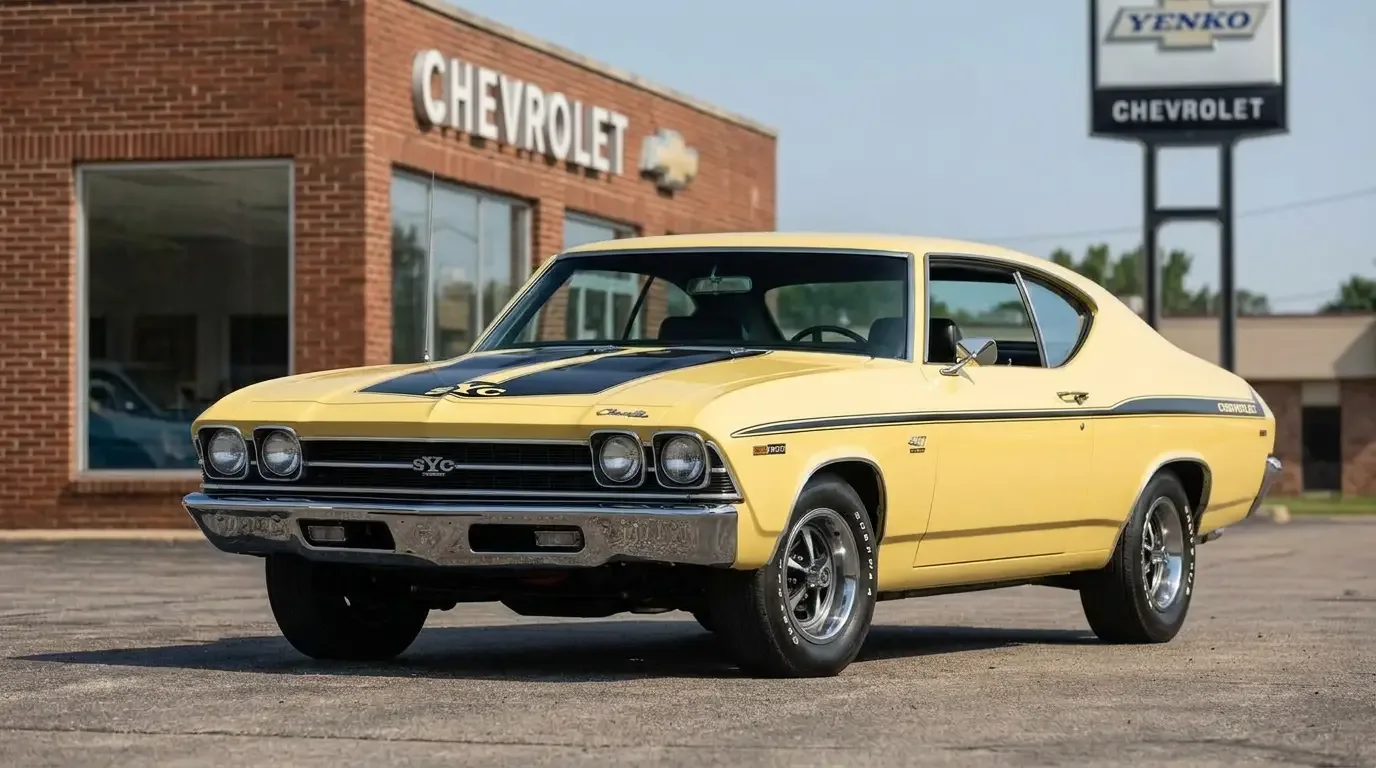
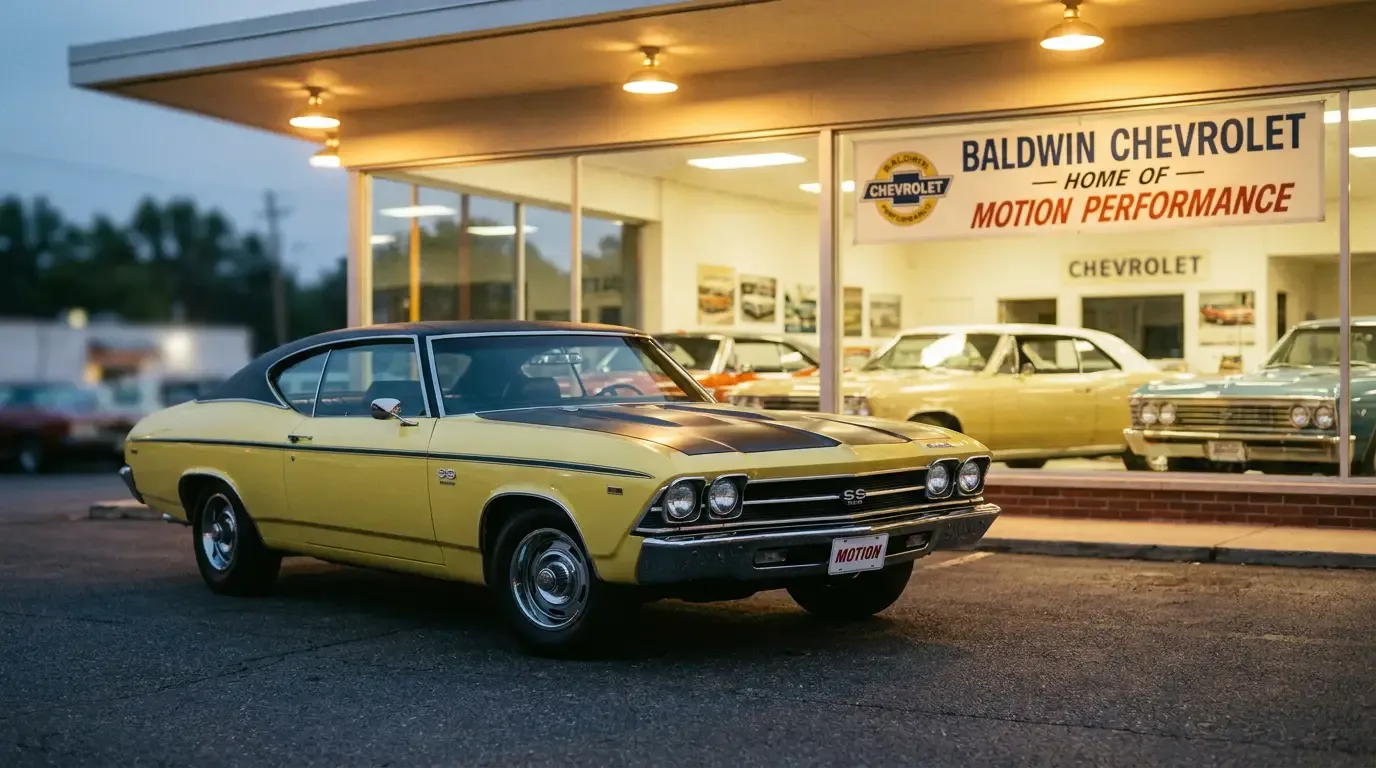
Don Yenko's Chevrolet dealership, along with a handful of other performance-focused dealers of the era, built modified Chevelles that went beyond what the factory catalog offered, typically bigger engines or specific performance packages installed after the car left the assembly line. These conversion cars occupy a distinct appraisal category from factory-built COPO or LS6 cars, since the modification happened at the dealer level rather than on the assembly line, and that distinction affects both value and the standard of proof a buyer should demand.
A genuine, documented dealer-conversion Chevelle can carry a real premium over an equivalent factory car, driven by the story and the low surviving count of dealer builds specifically. But this is a segment where a buyer needs period documentation, invoices, dealer records, period photography, not just an owner's confident retelling of the car's history. The number of Chevelles with a plausible but unprovable Yenko story exceeds the number with documentation that would satisfy a serious appraisal.
This is the segment where I see the widest spread between asking price and defensible value. Two nearly identical Chevelles, same year, same drivetrain, same cosmetic condition, can carry a five-figure gap in fair value purely because one has a period invoice from a performance dealer and the other has a family story passed down for three owners. The story might even be true. An appraisal can't price what it can't verify, and neither should a buyer's offer.
Convertibles and low-production trims
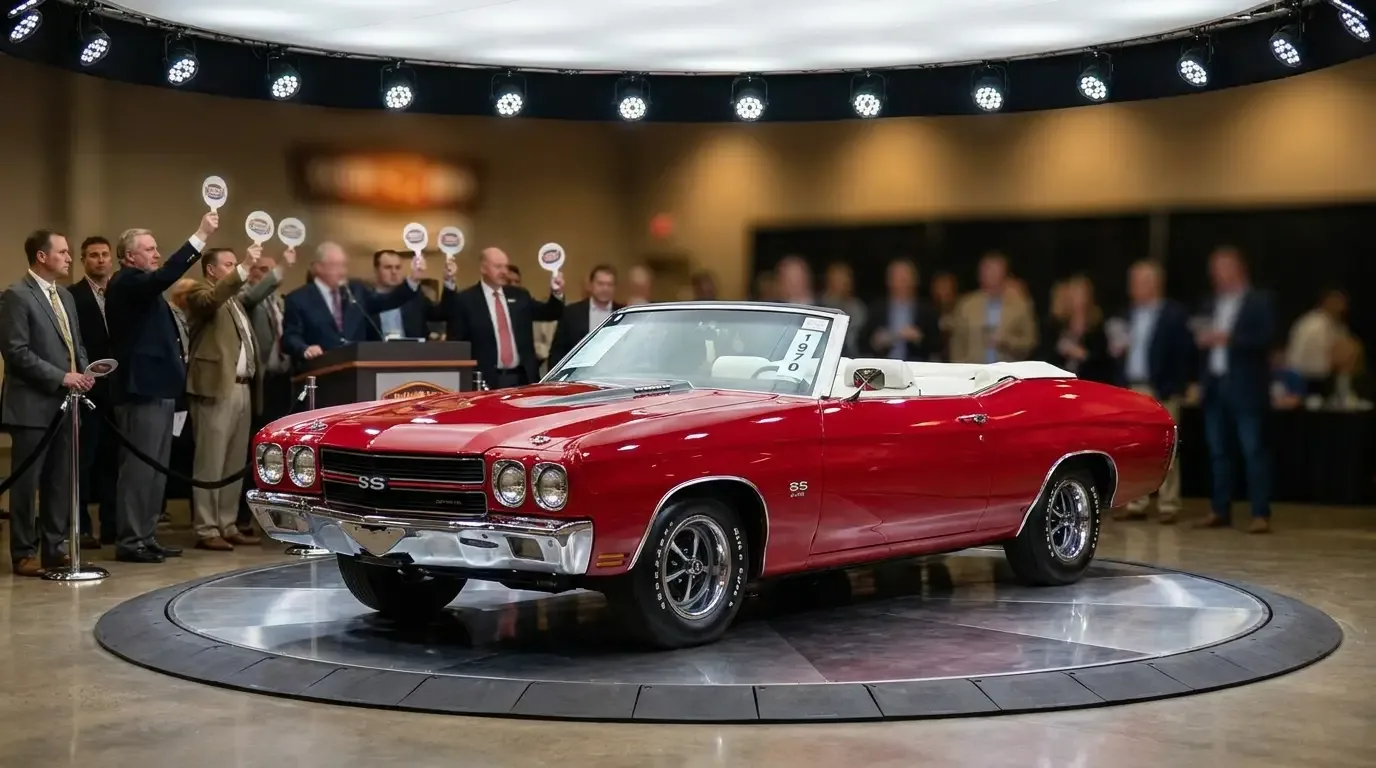
Convertibles across every Chevelle generation were built in meaningfully smaller numbers than their hardtop counterparts, and that gap widens further once you isolate big-block convertibles specifically. A big-block SS convertible in documented condition sits well above an equivalent hardtop in most condition tiers, reflecting both genuine scarcity and simple demand, open cars draw more attention at auction than closed ones. Beyond the convertible body style, low-order options, specific interior trims, dealer-installed sport packages, and certain axle and transmission combinations that few original buyers checked on the order form add up to genuinely small production pockets within an otherwise common model year. None of these carry the same recognition as an LS6 or a documented dealer conversion, and that's exactly why an appraisal has to verify each one on its own terms rather than pricing off the badge alone.
| Rarity tier | Example configuration | Primary value driver | Key appraisal risk |
|---|---|---|---|
| Blue chip | 1970 SS454 LS6, documented | Peak factory output plus paper trail | Unverified cowl hood or axle code claims |
| Investment grade | Documented COPO or dealer special | Extreme low production | Provenance without factory or registry backing |
| Strong premium | Big-block SS convertible | Body style scarcity plus open-air demand | Non-original drivetrain swapped for a big-block |
| Solid collector | Documented low-mileage original | Originality and paperwork over raw output | Cosmetic restoration mistaken for originality |
Condition, paperwork and the price gap
None of the rarity categories above override the basic condition-tier framework that governs every appraisal in this hobby. A #1 or #2 car in any of these categories will always outperform a #4 project car with the same claimed rarity, because condition determines liquidity, and liquidity is half of what a collector is actually paying for. A rare car that needs a full restoration is a rare car with a large, uncertain cost sitting between the purchase price and the value the rarity is supposed to justify.
The paperwork question deserves the same scrutiny as condition. A build sheet, a tank sticker, factory invoice, or a recognized registry's authentication carries real weight in a serious appraisal. A verbal history passed from a previous owner carries almost none, however sincerely it's told. Buyers paying a rarity premium should ask for documentation before they ask for a lower price, because no discount fixes a car that can't prove what it claims to be.
"A rare car with no paper is a story, not an asset. The market has gotten sharper about that distinction in the last several years, and a buyer paying a scarcity premium without demanding the documentation to back it is exposed in a way the sticker price never shows."
Marcus Feld
Verdict: where the real risk sits
The rarity premium on a Chevelle is real, but it's conditional on proof, not on the seller's confidence. A documented LS6, a verified COPO, an authenticated dealer conversion, these are genuine assets that behave like the top tier of any collector market, holding value through soft cycles because true scarcity plus proof is durable. An undocumented car wearing the same rarity story is a #3 or #4 car with upside if the paperwork eventually surfaces and real downside if it never does.
My advice to a buyer chasing this segment is unglamorous but reliable: pay for the documentation, not the story, and never assume a seller's certainty substitutes for a factory record. For readers who want the broader arc this rarity discussion sits inside, it's worth going onward to The Chevelle SS Story next. And for buyers ready to act on any of this, it's worth taking the time to shop rare Chevelle listings with a documentation checklist in hand rather than a wish list.
Sources and notes
- History And Mystery Of The Rarest Chevy Chevelle In Existence: TopSpeed
- 1964-1972 Chevrolet Chevelle SS454: Supercars.net
- 1969 Chevrolet Chevelle Yenko: American Muscle Car Museum
- Documented Double COPO 1969 Chevrolet Chevelle Yenko: Bonhams Cars
- 10 Of The Rarest Chevy Muscle Cars Ever Made: Jalopnik
Related Reading
Article
The Classic Chevrolet Chevelle Story
Article
The Chevelle SS Story: Super Sport Heritage
Article
The A-Body Muscle War: Chevelle vs GTO, 442 and GS
Article
The Rarest Chevelles Ever Built
Article
The Most Expensive Chevelle Ever Sold at Auction
Article
The 1965 Chevelle Z16: A 200-Car Grail
Article
COPO Chevelles: The Factory Loophole Muscle Cars
Article
The Yenko Chevelle: Myth vs Reality
Article
The 1970 Chevelle SS454 LS6 Convertible Story
Article
Baldwin-Motion Chevelles: The Dealer-Tuner Legend
Article
Genuine Survivor Chevelles: What Makes Them Different
Article
Barn-Find Chevelle Stories That Shocked Collectors
Article
Documented Chevelle Factory One-Offs and Special Orders
Article
Clone vs Real: The Chevelle SS Value Divide
Article
What Actually Makes a Chevelle Collectible
Article
The Chevelle Collector Market Surge: An Investment Story
Article
Chevelle Anniversary and Special Editions
Article
The Build Sheet and Protect-O-Plate: A Provenance Story
Article
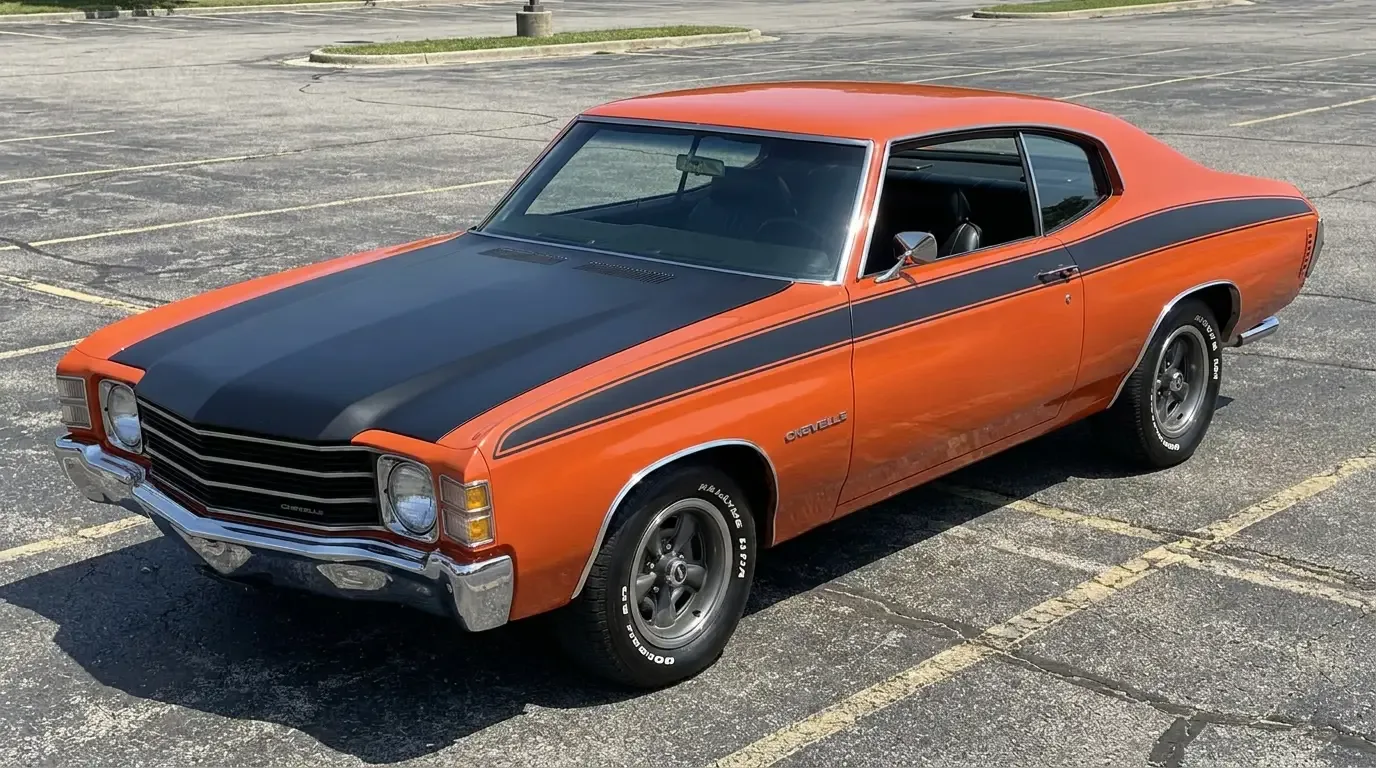
The Heavy Chevy: An Overlooked Collectible
Article
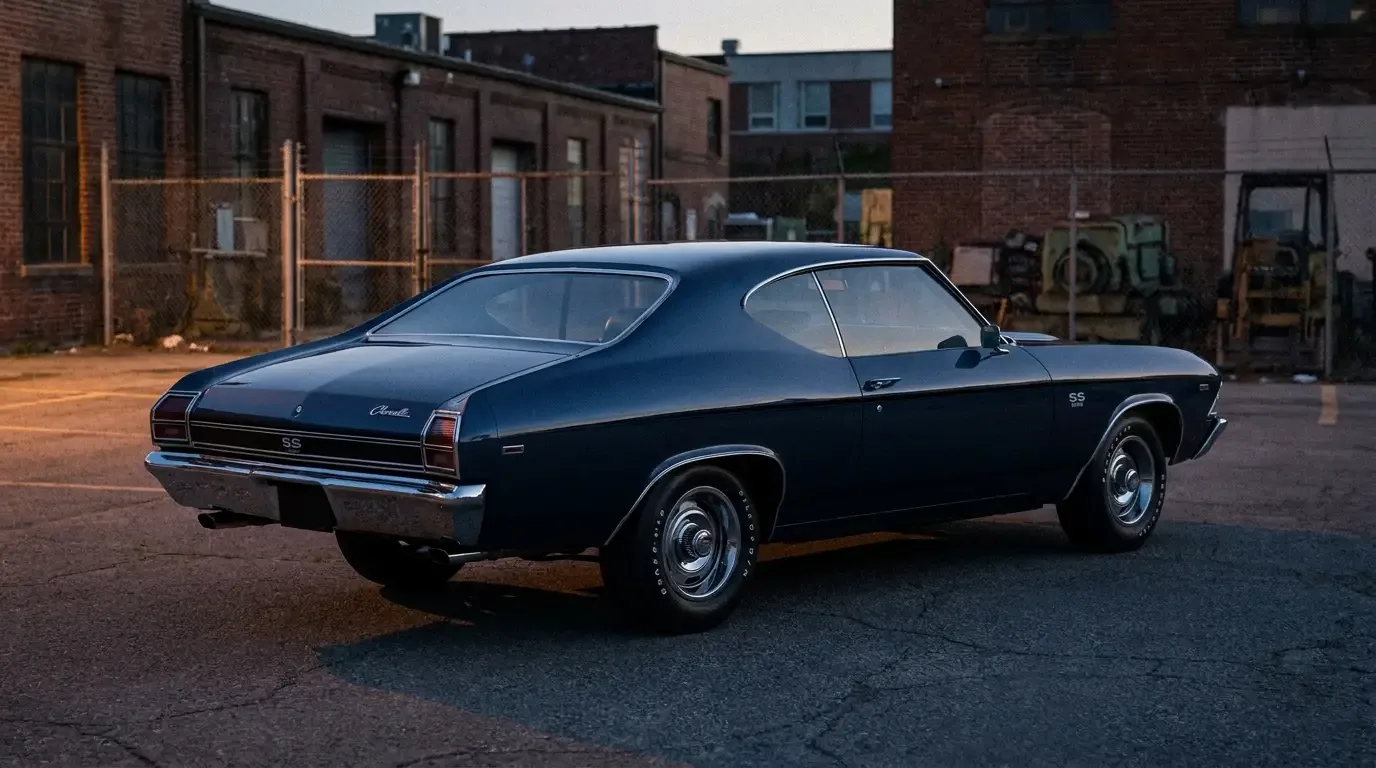
The L78 396 Solid-Lifter SS: A Rare Factory Option
Have a
Chevrolet Chevelle
for Sale?
Reach thousands of serious classic car collectors across the US.
Sell It Here →
Are You a Classic Car Dealer?
List your full inventory and connect with targeted classic car buyers.
Join as a Dealer →
#Chevelle LS6
#rare Chevelle
#COPO Chevelle
#Yenko Chevelle
#Chevelle valuation
#collector car appraisal

About the author
Marcus Feld
Accredited collector-car appraiser who reads the market through hammer prices, condition tiers and risk.
Related Listings - Chevrolet Chevelle

Comments
Be the first to comment on this article.