
The Chevelle market has a documentation problem that works in favor of a small number of sellers and against everyone else. Most cars on the road today with an "SS" badge or a big-block hood scoop were built to a standard combination Chevrolet ran thousands of times. A genuine factory special order, something a dealer requested outside the normal build sheet or an option combination so rare the plant barely logged it, is a different asset class entirely. The auction results over the past several seasons show buyers paying real premiums for that distinction, and the gap is widening.
Market & Values
6 min read
Documented Chevelle Factory One-Offs and Special Orders
Why documented Chevelle special orders command real auction premiums over undocumented rarity claims, and how to tell the difference.
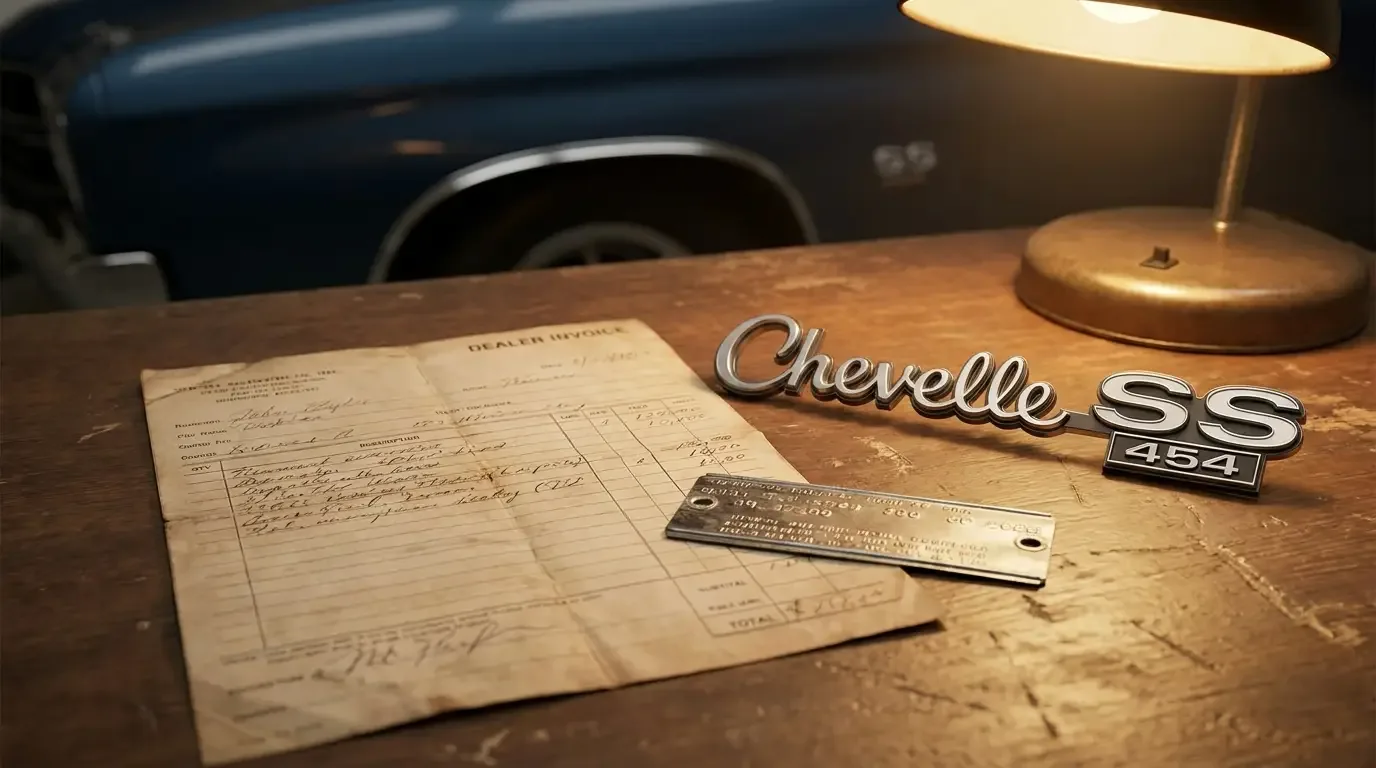
Special orders happened for a handful of reasons. A dealer wanted a car for a specific customer with an unusual color or trim combination. A fleet or municipal order called for equipment not normally paired together. Occasionally a Chevrolet zone office pushed through a build that did not match the published option matrix, usually tied to a promotional or competition purpose. None of these were common, and that is precisely why they matter now.
What the auction data actually shows
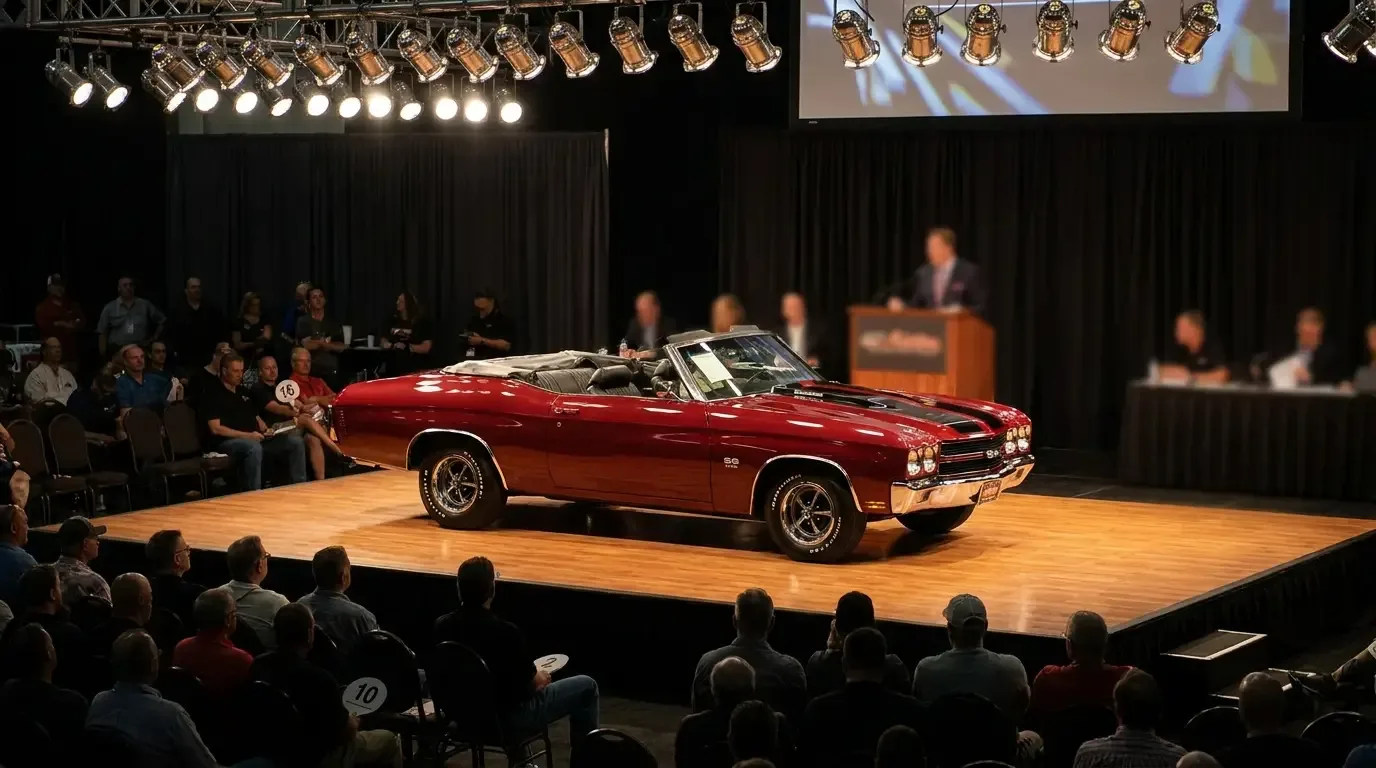
Look at hammer prices for documented special-order Chevelles against otherwise comparable standard-build cars from the same model year and you typically see a premium in the range of 20 to 40 percent, sometimes more when the documentation includes a dealer invoice naming the special request. That is a wide range, and it should be, because the market is thin. A handful of these cars trade in a given year, so each result carries outsized weight in setting the next comp. When Mecum or Barrett-Jackson catalogs a car as "one of one" or "factory documented special order," that language alone moves pre-sale estimates, and it moves final hammer prices when the paperwork backs it up.
The risk sits in that last clause. Cars get cataloged as special orders based on seller-supplied information that does not always survive scrutiny. I have watched lots go to no-sale territory, reserve not met, when a bidding room full of experienced buyers collectively decided the documentation was thinner than the catalog copy suggested. A build sheet fragment is not the same as a build sheet plus a matching dealer invoice plus a period photo. The market has gotten more literate about this over the past several seasons, and sellers who lean on vague "family history" claims instead of paper are getting punished with soft bidding.
Driver-quality versus documented-provenance pricing
It helps to separate two questions that get conflated constantly in casual conversation about these cars: is the car rare, and is the car documented. A driver-quality Chevelle with an unusual but plausible option combination and no paper trail beyond the trim tag sells in line with condition, full stop. A documented one-off with matching invoice, tank sticker equivalent, and continuous ownership history sells at a level that reflects scarcity more than cosmetic condition. I have seen rougher-condition documented specials outbid cleaner, undocumented "believed to be rare" cars at the same sale, on the same day, in front of the same bidders. That should tell you where the smart money's attention actually sits.
"The Chevelle SS454 market rewards paper over paint right now. I've watched a #3-condition documented special order outsell a #2-condition car with a good story and no invoice, on the same block, thirty minutes apart. Buyers have gotten sophisticated about the difference."
David Mercer
Where to look for real documentation
Original dealer invoices, when they survive, are the gold standard. Registry organizations tied to specific Chevrolet performance models maintain partial databases of known special-order builds, though coverage is inconsistent and skews toward the most publicized cars. Period dealer advertising, local newspaper coverage of a notable delivery, and factory zone office correspondence occasionally surface at estate sales or in family archives and can corroborate a claim that otherwise rests on oral history alone. None of these sources is common. That scarcity of proof is exactly why proof, when it exists, commands a premium disproportionate to how rare the underlying option combination actually was.
Buyers evaluating a claimed special order should ask for the specific deviation from the published option matrix, not just a general claim of rarity. "Only a handful built" means little without a source. "Trim tag shows a color code discontinued mid-year paired with an interior trim normally reserved for a different series" is a claim you can verify against known production data, and that verifiability is what separates a bankable premium from a story that evaporates under a due-diligence call to a marque specialist.
The trend line to watch
Interest in factory documentation has grown steadily across the muscle car segment generally, not just Chevelles, as buyers who came up through the hobby in the past two decades have gotten more comfortable treating these cars as financial assets that deserve the same diligence as any other collectible. That shift favors documented special orders long-term. Supply is fixed and, if anything, shrinking as more of these cars land in institutional or long-term private collections that rarely resell. Demand from buyers specifically seeking documented rarity, rather than general muscle car exposure, has grown faster than the visible supply of provable cars.
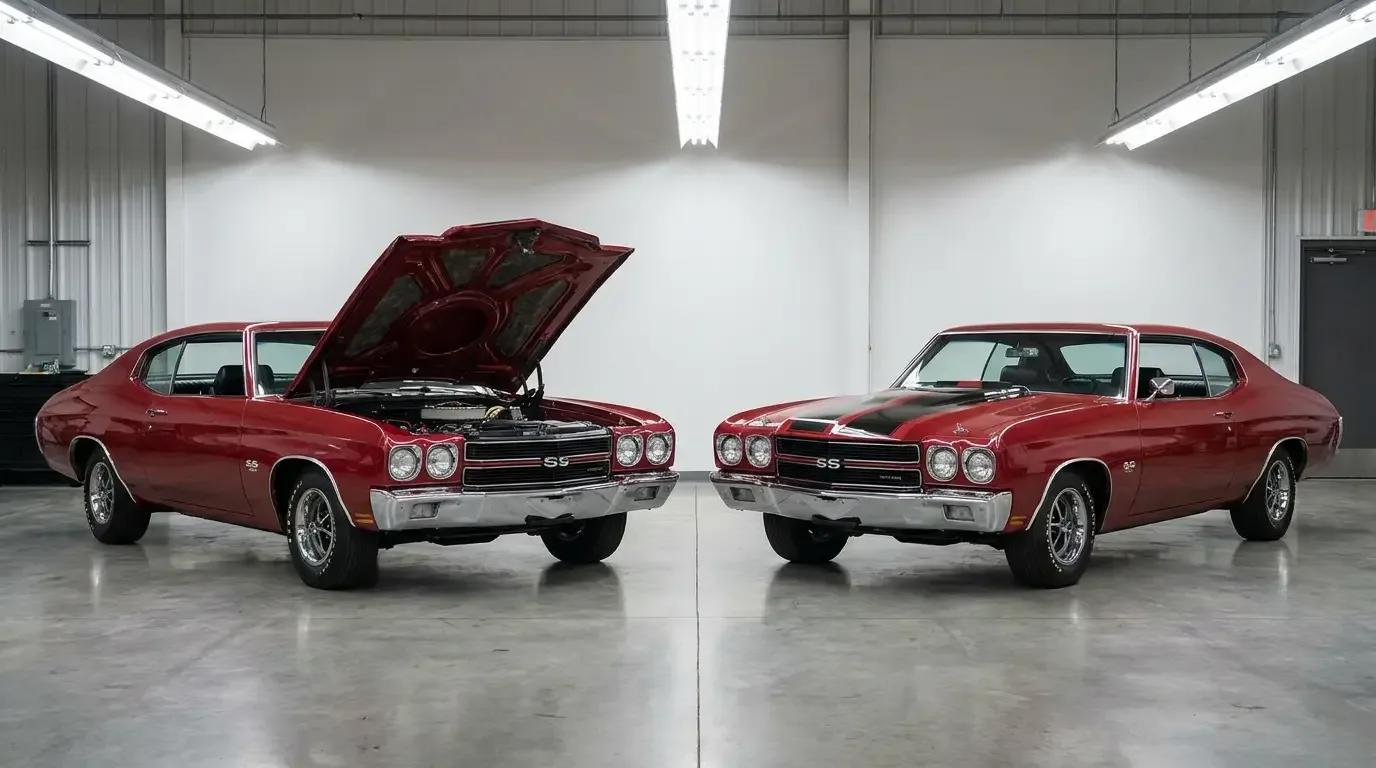
For collectors trying to place this category within the broader picture, it sits at the sharp end of the rare Chevelle story, well beyond what a typical restored SS396 or standard LS6 commands. If you are evaluating one of these cars, or considering whether a car in your own garage might qualify, the next logical step is understanding how to tell a genuine documented rarity from a well-told story with no paper behind it, which is exactly the distinction covered in next: Clone vs Real.
Sources and notes
- Barrett-Jackson: auction highlights, documented muscle car sales
- WCS: highest muscle car auction sales and market trends
- Motorious: collector car auction trends, provenance premiums
- Hagerty Media: muscle car documentation and valuation coverage
- Mecum Auctions: catalog language and documented special-order results
- Supercars.net: 1964-1972 Chevrolet Chevelle SS454 production and options history
Related Reading
Have a
Chevrolet Chevelle
for Sale?
Reach thousands of serious classic car collectors across the US.
Sell It Here →
Are You a Classic Car Dealer?
List your full inventory and connect with targeted classic car buyers.
Join as a Dealer →

About the author
David Mercer
Classic car market analyst with two decades of experience tracking collector car valuations, auction results, and investment trends.
Related Listings - Chevrolet Chevelle

Comments
Be the first to comment on this article.