
The Complete Jeep Wrangler Evolution: 1987–2006

The Wrangler is what happened when Jeep took the old CJ, kept the parts that made it a Jeep, and fixed the parts that were getting it sued. The CJ had a reputation for rollovers, and the 1987 Wrangler that replaced it was wider, lower, and better planted, which upset purists who thought the square headlights were heresy. They got over it. Underneath, the early Wrangler still rode leaf springs and a solid front axle, so it was every bit a Jeep, just a more civilized one. Two generations fall inside the classic window, and the difference between them is mostly about how they ride. Here is the rundown, and what to look at before you buy one.
Jeep Wrangler — Generation by Generation
Key Changes
- → Replaced the CJ for 1987
- → Wider track, lower stance, square headlights
- → Leaf-spring suspension retained
- → 4.2 six replaced by fuel-injected 4.0 in 1991
- → Anti-lock brakes available late in the run
Specs
| Engines | 2.5 four, 4.2 then 4.0 inline-six |
| Suspension | Leaf springs, solid axles |
| Headlights | Square |
| Best engine | Fuel-injected 4.0 (1991+) |
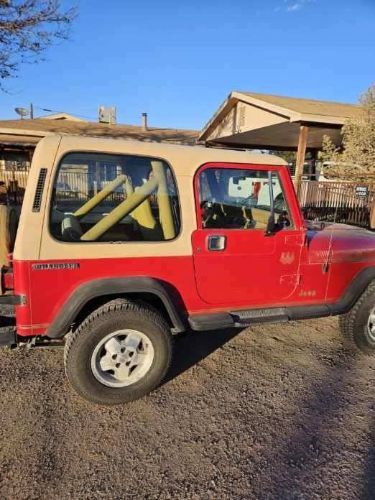 Dealer
 United States
1988 Jeep Wrangler
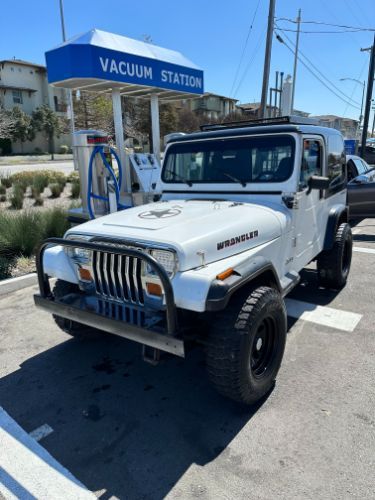 Dealer
United States
Dealer
United States
1991 Jeep Wrangler
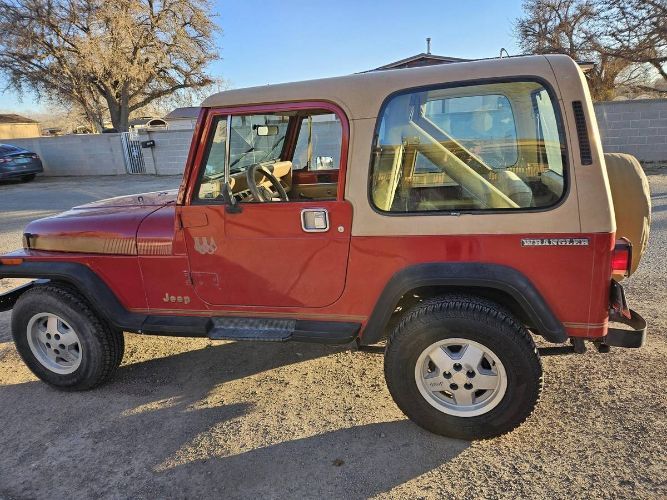 Dealer
United States
Dealer
United States
1988 Jeep Wrangler
Key Changes
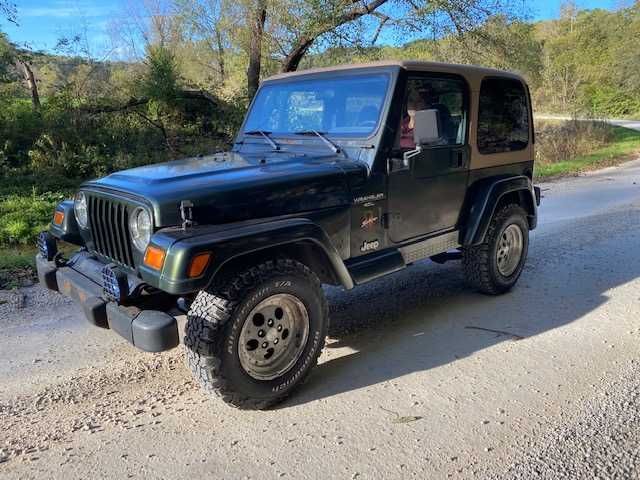
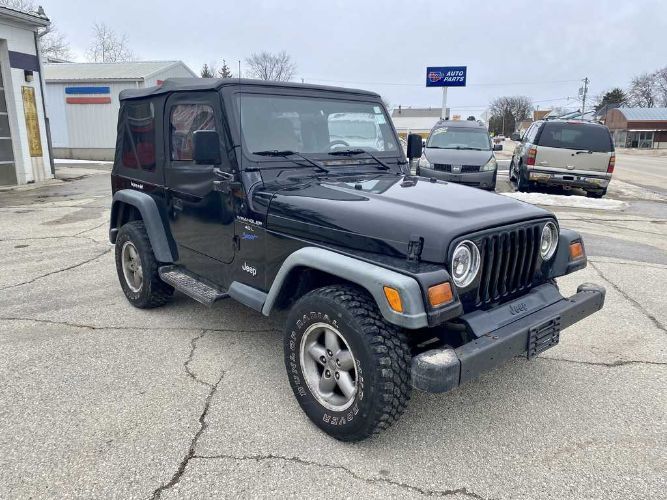
- → Round headlights return
- → Quadra-Coil coil-spring suspension
- → Durable 4.0 inline-six continues
- → Rubicon model with factory lockers from 2003
- → Improved interior and safety equipment
Specs
| Engines | 2.5/2.4 four, 4.0 inline-six |
| Suspension | Coil springs, solid axles |
| Headlights | Round |
| Most wanted | Rubicon |
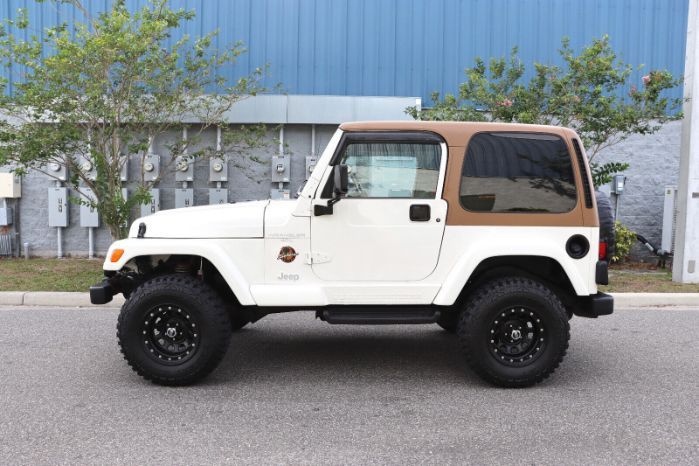 Dealer
United States
Dealer
United States
1998 Jeep Wrangler
 Dealer
United States
Dealer
United States
1998 Jeep Wrangler
 Dealer
United States
Dealer
United States
1997 Jeep Wrangler
Legacy & Impact
The TJ is the one most buyers should want, because the coil-spring suspension gave it a real ride and better articulation without giving up any of the Jeep capability, and the 4.0 inline-six is one of the toughest engines ever put in a light 4x4. The YJ is cheaper and has its own following now that the square-headlight argument is long over, and a clean one with the 4.0 is a solid buy. On either generation, the thing that kills a Wrangler is rust: the frame, especially the rear sections and the skid plate area, plus the floors and the body mounts. Get under it with a light. A clean frame is worth more than a clean paint job on these every time.
Frequently Asked Questions
Find a Wrangler for Sale
Browse active Jeep Wrangler listings on Classic Cars Arena.
View Listings →