
In 1967, Chevrolet gave buyers a way to dress up the new Camaro without committing to a race-focused drivetrain. RPO Z22, the Rally Sport package, added a set of electrically operated hideaway headlight doors that concealed the headlamps behind a body-color panel when not lit. The visual effect was striking. With the lights retracted, the front of the car presented a clean, uninterrupted grille face that looked unlike any other American ponycar of the period. That image became the camaro rs identity, and it endured through the entire first generation.
Car Features
6 min read
The Rally Sport: Hidden Headlights and First-Gen Style
The Camaro RS package was never about horsepower. It was about presence, hidden headlights, and the idea that a car could look fast before it went anywhere.
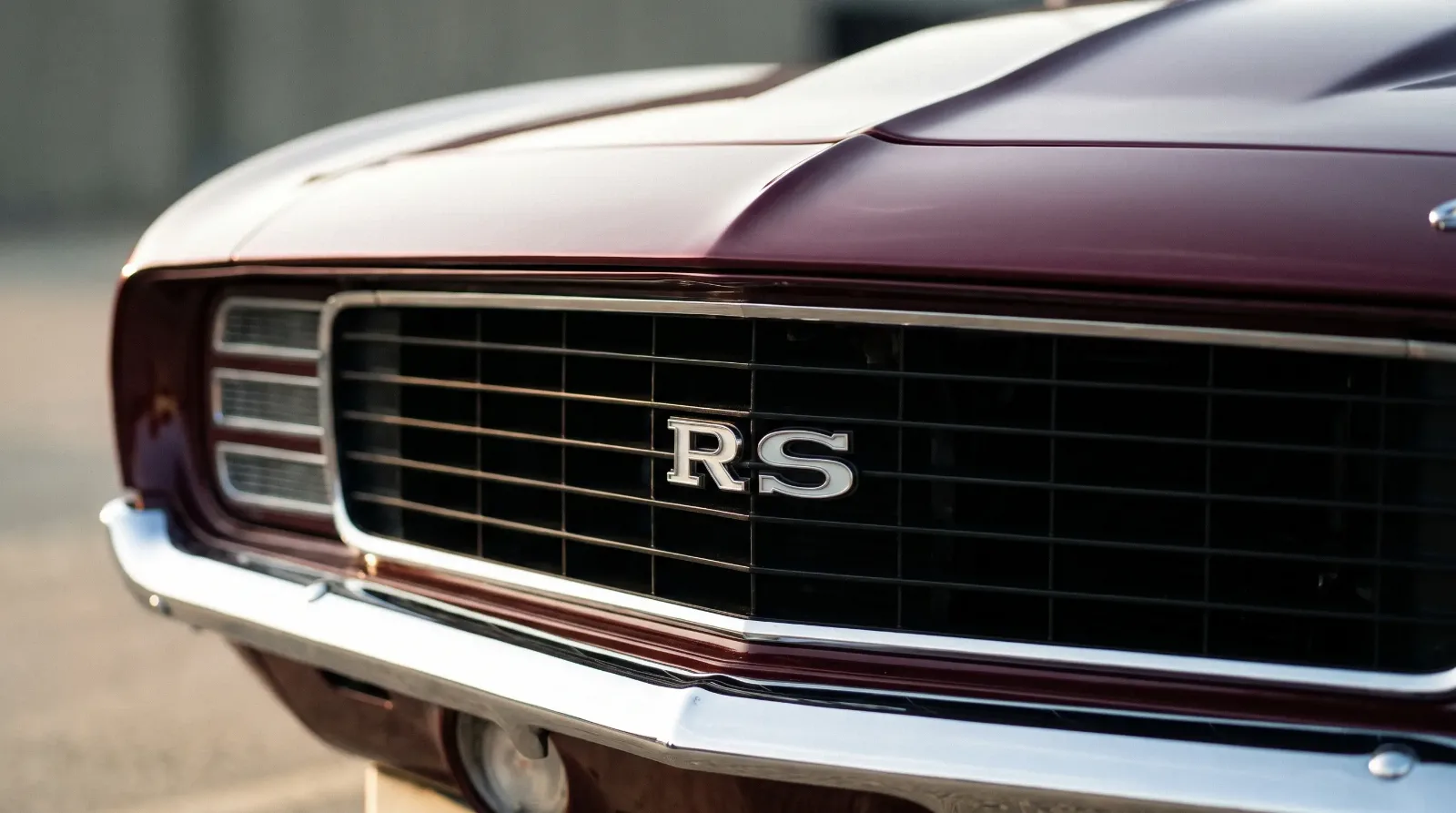
What the RS package actually contained
The Rally Sport was an appearance package, not a performance one. This distinction matters because it shaped everything about the RS's market position. Chevrolet priced the Z22 option at around $105 for 1967, making it an accessible add-on for buyers who wanted a distinctive-looking Camaro without the premium of an SS or Z/28 package.
The specific content of the RS package included the electrically operated headlight doors with their small parking lamps flanking the grille, a specific grille design with the parking lamps relocated from the bumper area to positions within the grille frame, backup lights moved from the taillamp cluster to the rear valance panel below the bumper, RS badges on the front fenders and steering wheel, and a few additional trim touches that varied slightly by year. The package could be ordered in conjunction with any engine and with any other option group, including the SS and the Z/28.
How the RS, SS, and Z/28 packages overlapped and combined is a topic that still generates confusion in the collector market, and understanding it correctly is important before evaluating any first-gen Camaro with RS identification.
The cultural moment: why hidden headlights mattered in 1967
Hidden headlights in 1967 were associated with European sports cars. The Ferrari 275 GTB and the Lamborghini 400 GT both used covered headlamp treatments that American buyers had seen in photographs but rarely in person. When Chevrolet offered something that echoed that visual language on a $2,500 American ponycar, it was a meaningful statement about aspiration. The RS Camaro looked like it belonged in a faster social class than its price suggested.
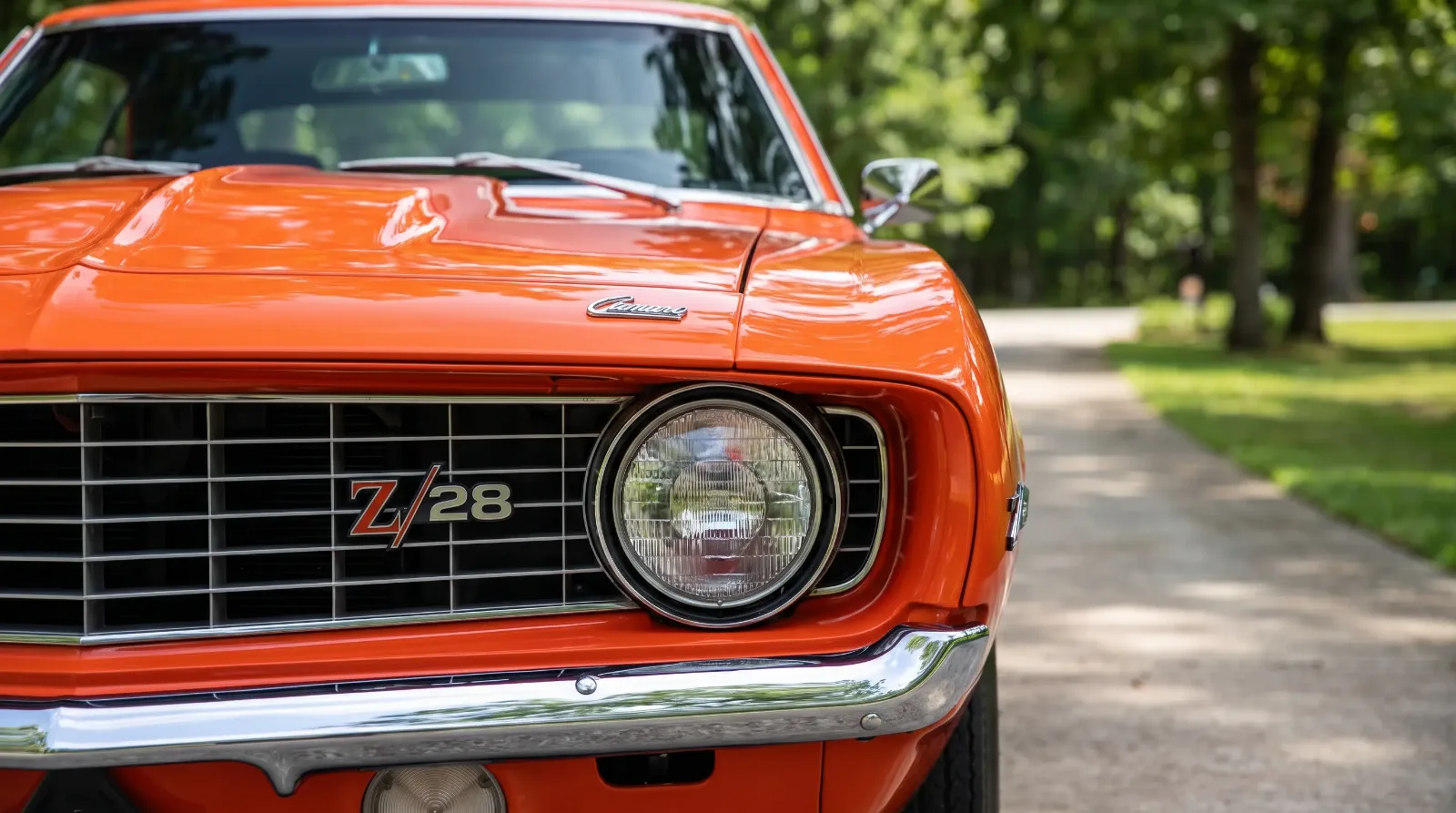
This was not accidental. Chevrolet's styling team under Bill Mitchell understood that visual drama sold cars in ways that specification sheets did not. A buyer who could not afford the SS package could still drive something that looked purposeful and slightly exotic from thirty feet away. The RS package was a form of democratic theater, available to the six-cylinder buyer and the Z/28 buyer alike.
The broader Camaro performance and style story gives important context for understanding how Chevrolet positioned the first-gen Camaro against the Mustang, which had its own style-focused packages but never offered anything quite like the RS headlight treatment.
Year-by-year changes through the first generation
The RS package evolved across the 1967 to 1969 model years. The 1967 version established the template with the clean grille and hidden lamps. For 1968, the Camaro received minor styling updates, and the RS content continued largely unchanged. The 1969 model year brought a significant restyle, and the RS grille for that year is often considered the most visually dramatic of the three, with a wider, more aggressive face that many collectors prefer. The 1969 RS grille is one of the most replicated pieces of Camaro styling hardware in the reproduction parts market, which means buyers should be cautious about assuming any 1969 car with RS grille components is a documented RS car.
Production numbers for RS-equipped Camaros were substantial. The RS package was ordered in relatively high volume compared to the performance packages because of its lower price point and compatibility with any drivetrain. Exact RS production figures require cross-referencing Camaro production data by body style and option take-rate, and comprehensive breakdowns are available in marque-specific production guides.
| Feature | 1967 RS | 1968 RS | 1969 RS |
|---|---|---|---|
| Headlight treatment | Electric hideaway doors | Electric hideaway doors | Electric hideaway doors |
| Grille design | Horizontal bar with flanking parking lamps | Revised horizontal bar | Full-width aggressive face, wider grille opening |
| Backup light location | Rear valance, below bumper | Rear valance | Rear valance |
| RPO code | Z22 | Z22 | Z22 |
| Option price (approx.) | About $105 | About $105 | About $132 |
The RS today: what to look for and what to value
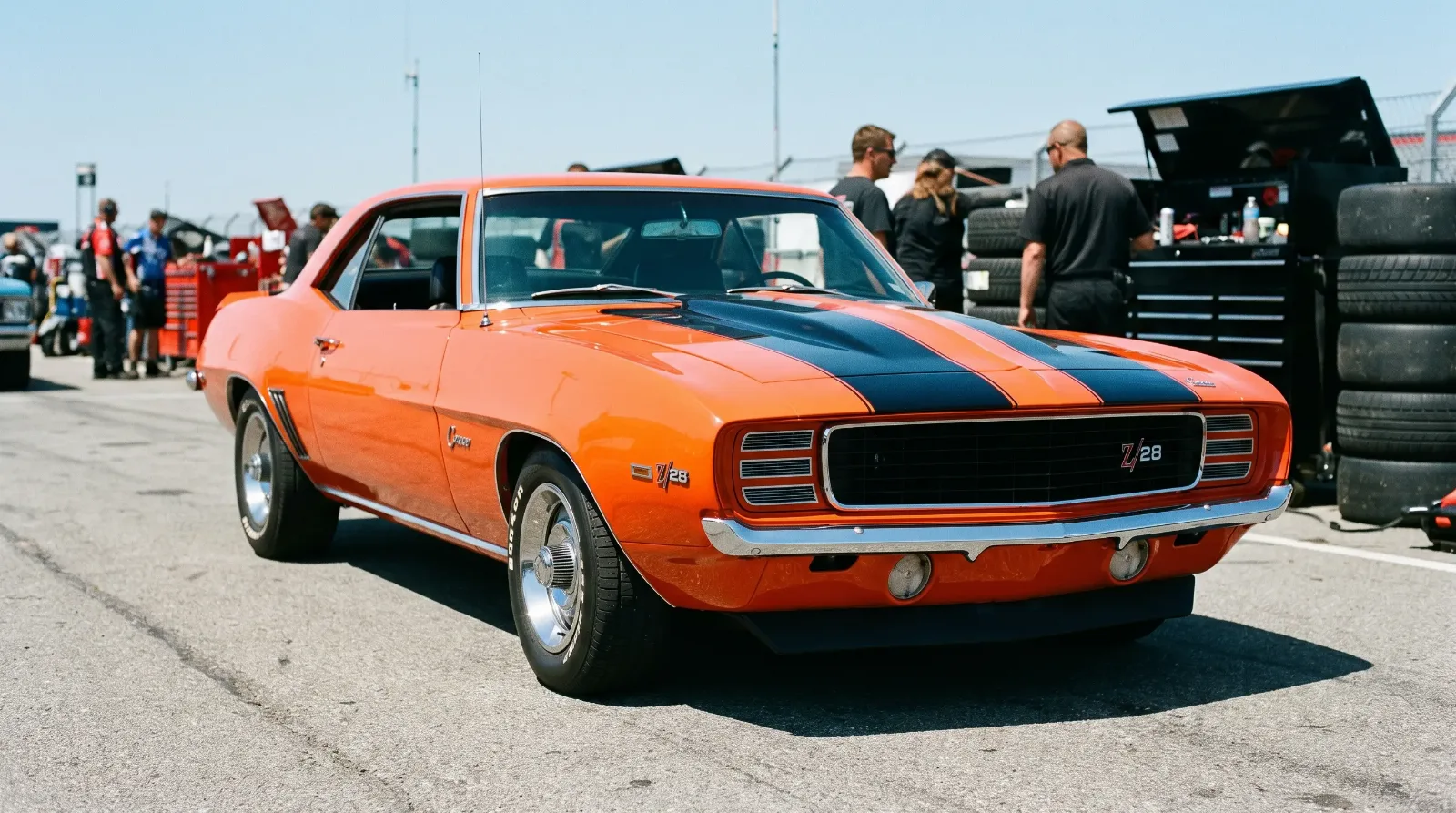
An RS Camaro in the collector market is valued primarily on documentation, condition, and desirable combinations. A plain RS six-cylinder car occupies the lower end of the first-gen market. An RS combined with the SS package (Z22 + Z27), particularly with a high-output engine like the L78 396, commands significant premiums. An RS/Z28 is a rare and desirable combination that appeals to buyers who want the visual drama of the hidden headlights on the most track-focused first-gen Camaro.
If you are looking at Chevrolet Camaro models for sale, pay close attention to the trim tag and build sheet documentation for any RS-badged car. The reproduction grille parts and headlight mechanism components for all three RS years are readily available, and applying RS appearance to a non-RS car is not technically difficult. Authentic documentation is the only reliable verification.
The Camaro's history from its 1966 debut through the first generation provides essential background for understanding what the RS represented in Chevrolet's product lineup and how it competed with the Mustang's styling options.
"The hidden headlights on a 1969 RS Camaro still stop people in their tracks at car shows. They open and close and people who have never seen one before just stand there watching the mechanism work. Chevrolet built something visually memorable on a modest budget, and it has outlasted everything they expected."
Patrick Walsh
Rarity takes on a different meaning in the next article. The rarest first-gen performance Camaros go well beyond RS and SS badging into factory special territory most buyers never knew existed.
Sources and notes
Production figures, engine specifications, codes, and dates in this article are cross-referenced from established Camaro references, period documentation, and owner registries. Where sources differ, the most commonly cited value is used. Cost figures are indicative and vary by supplier, region, and condition.
Related Reading
Have a
Chevrolet Camaro
for Sale?
Reach thousands of serious classic car collectors across the US.
Sell It Here →
Are You a Classic Car Dealer?
List your full inventory and connect with targeted classic car buyers.
Join as a Dealer →
#camaro rs
#first-gen camaro
#camaro restoration
#classic camaro
#rpo z22
#rally sport camaro
#hidden headlights
#1969 camaro rs
#1967 camaro rs
#camaro style

About the author
Patrick Walsh
Automotive journalist covering classic car shows, events, and the enthusiast community across North America.
Related Listings - Chevrolet Camaro
Comments
Be the first to comment on this article.