What does "iconic" actually mean for a Mustang?
The word gets thrown around carelessly, but when you apply it to the Mustang, you have to be precise about what you are measuring. Cultural penetration is one axis. Raw performance is another. Rarity and desirability among serious collectors is a third. No single car scores a perfect ten on all three, which is exactly what makes the argument worth having. The Mustang's first generation alone produced more individually memorable machines than almost any nameplate in American history. If you want to understand the most famous Mustangs as a group, you need to weigh them against each other honestly rather than simply crowning the first one you remember.
The contenders here are not randomly chosen. They represent the cars that genuinely changed the conversation, either on the street, at the track, or on screen. Each one made an argument for what a Mustang could be, and each one left a mark still visible today among the people who chase these cars at auction and in barn-find classifieds.
The original 1964½ and 1965, and the Bullitt fastback
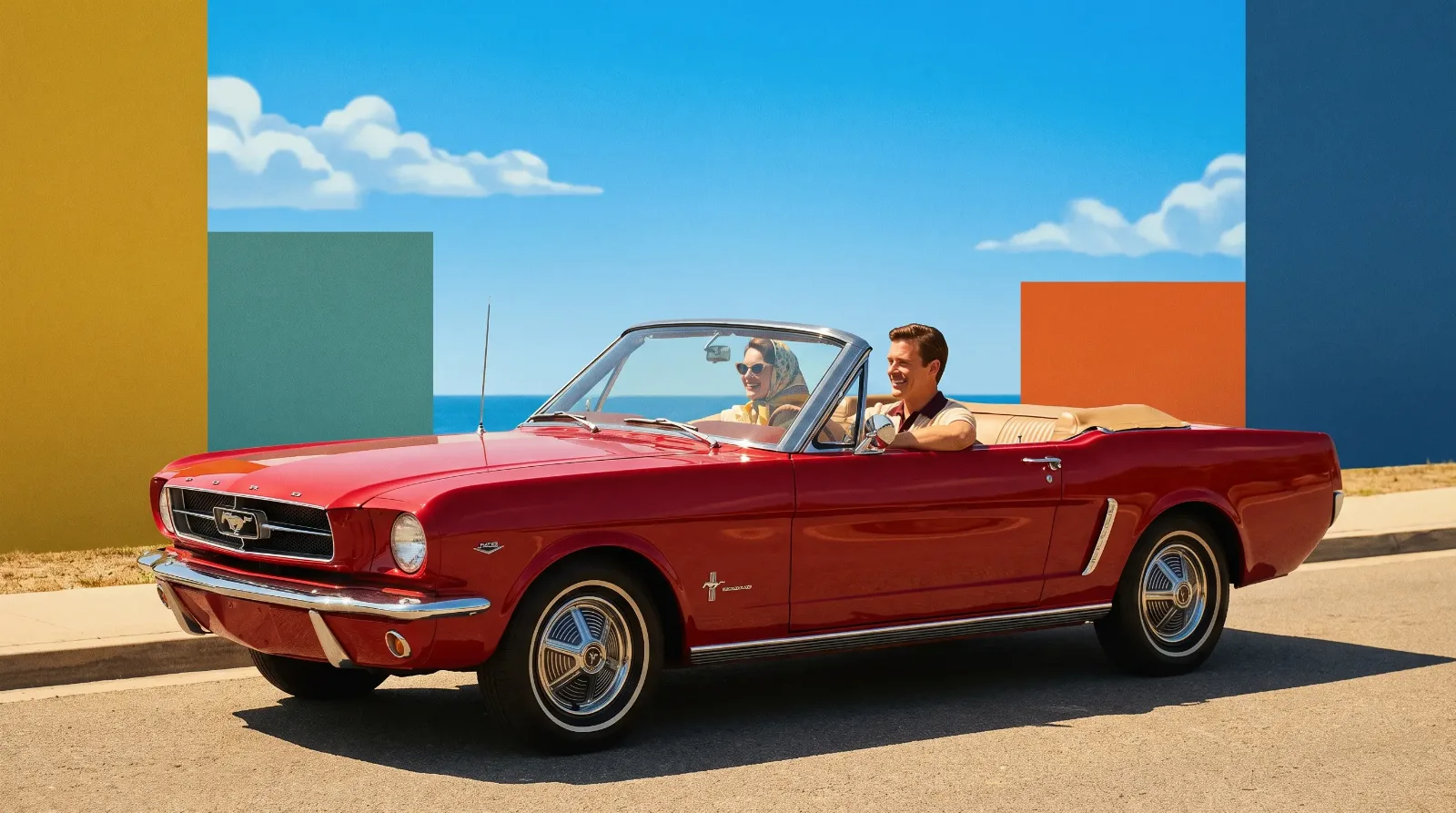
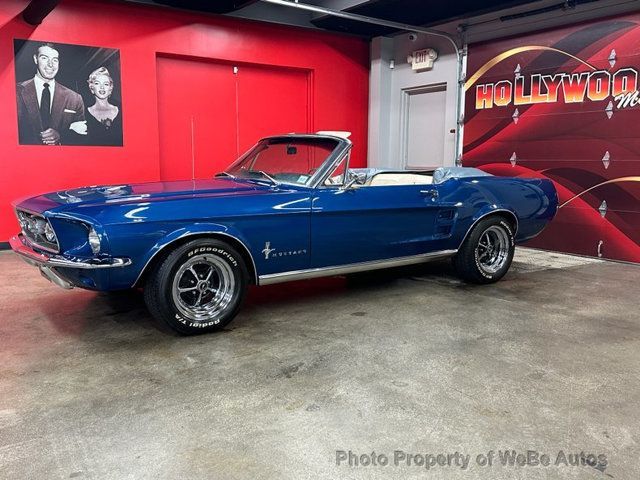
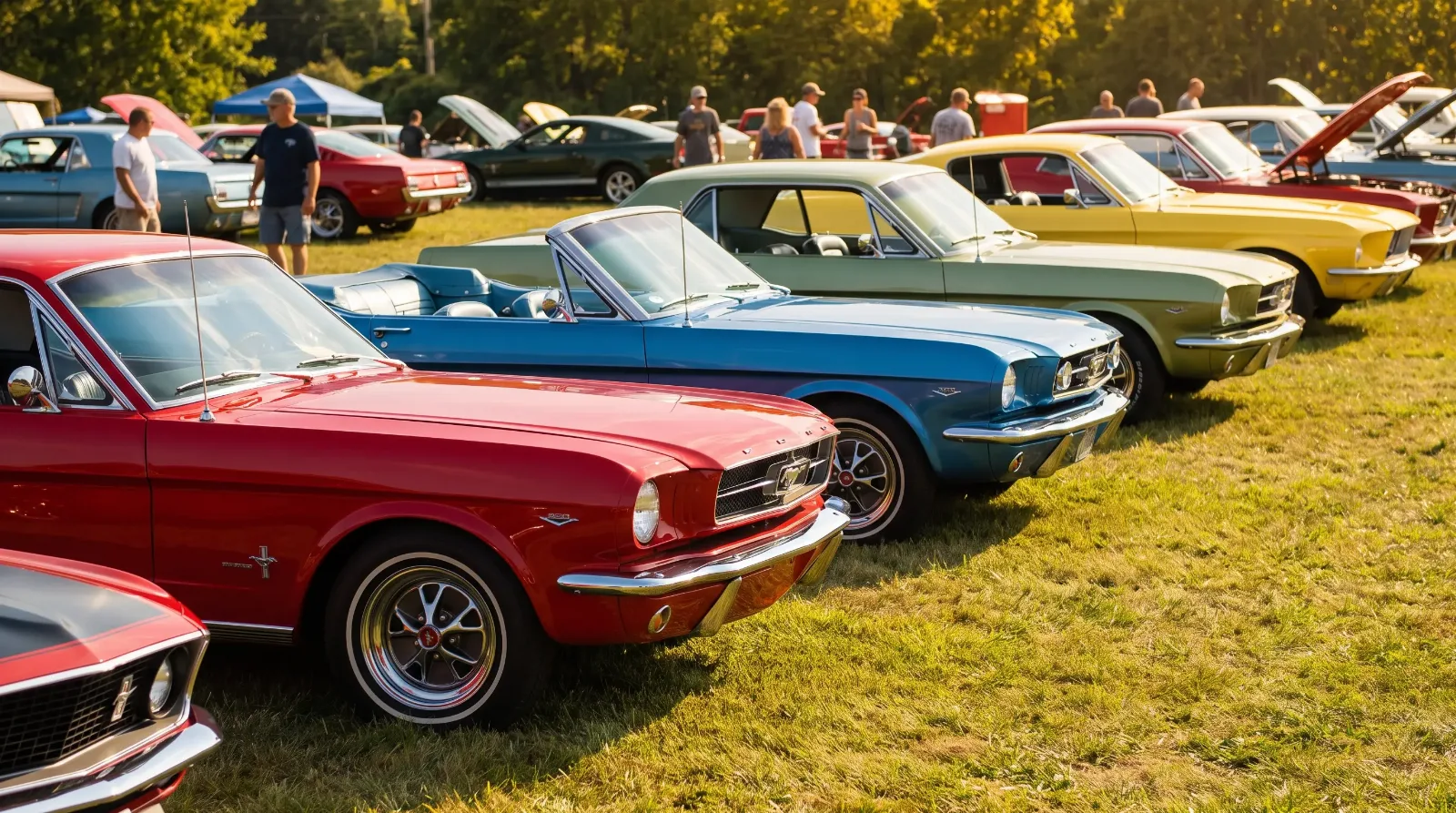
Ford introduced the Mustang to the American public on April 17, 1964, at the New York World's Fair. What arrived was the 1964½ model, a designation Ford never officially used but that collectors have honored ever since. The original cost under $2,400 base and offered three engine choices including the 260 cubic-inch V8. It was stylish, affordable, and new in a way that American cars rarely managed to be.
The cultural impact is beyond dispute. The Mustang invented the pony car segment and forced Chevrolet, Pontiac, Plymouth, and AMC to respond. It sold over 400,000 units in its first full year, a record that stood for decades. But raw performance was not the original's strong suit. The base six-cylinder and small-block V8 options were competent rather than fearsome, and the car's legacy rests on what it represented, open-road freedom, youth culture, affordable style, rather than any particular driving experience.
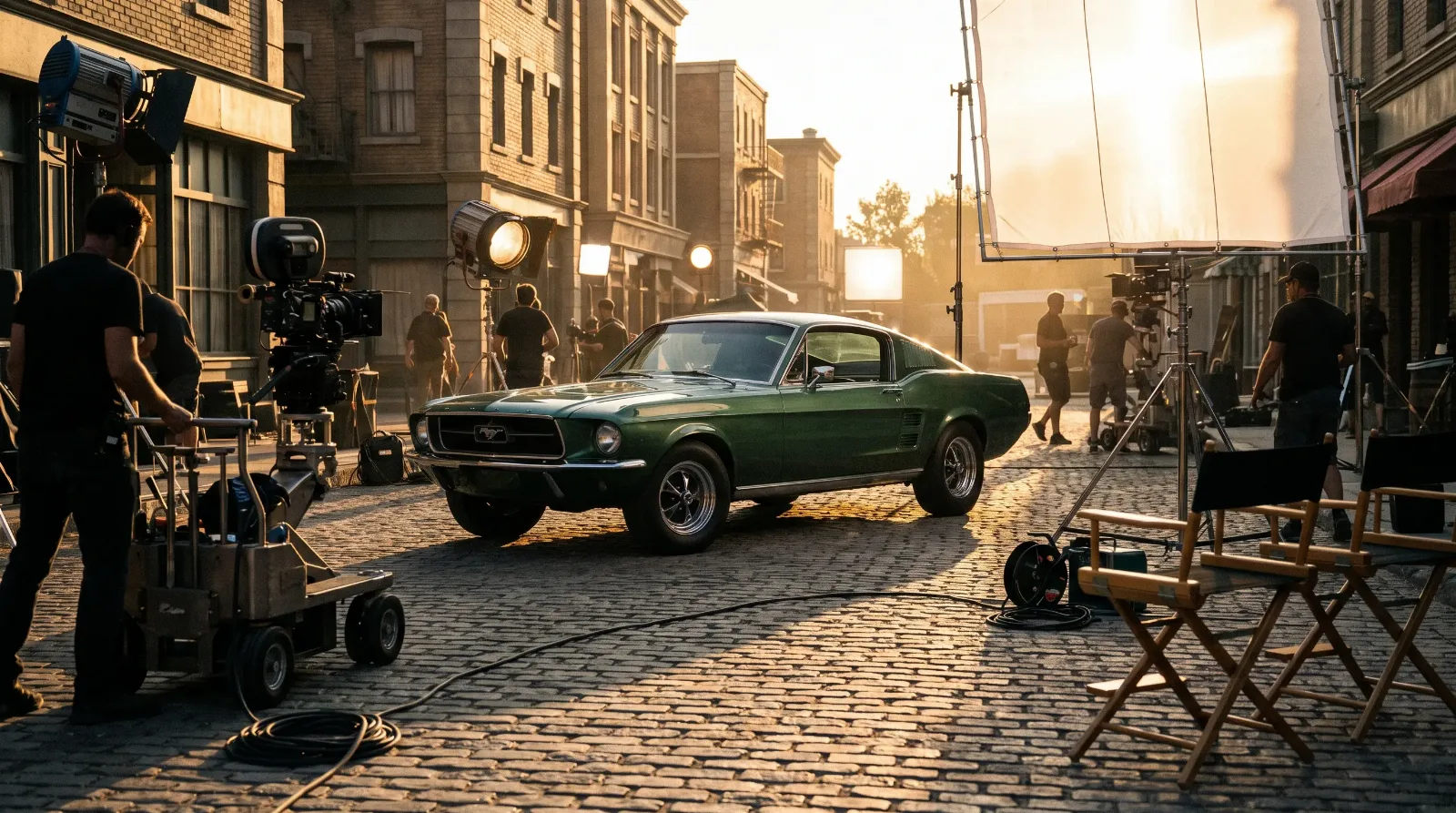
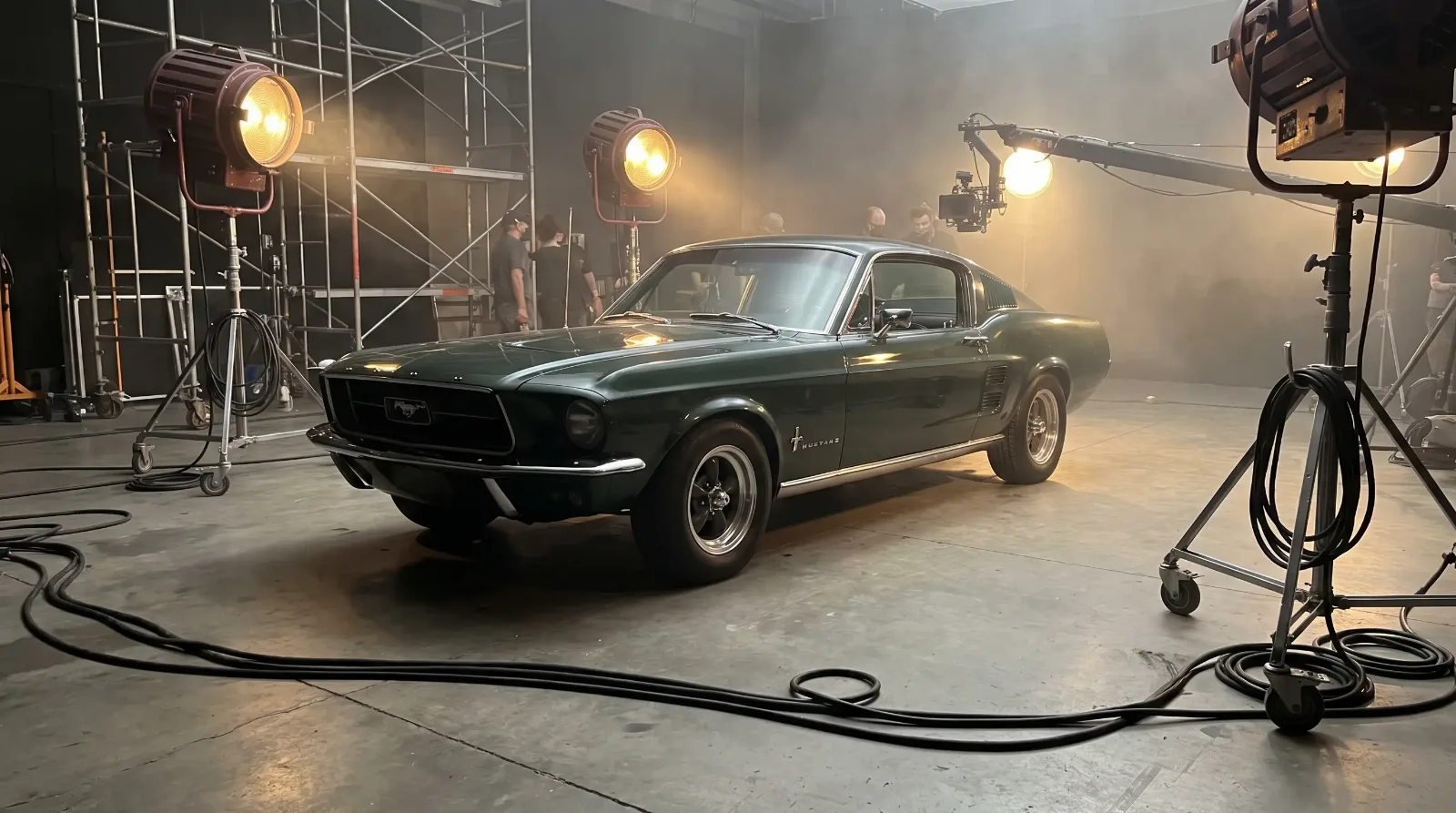
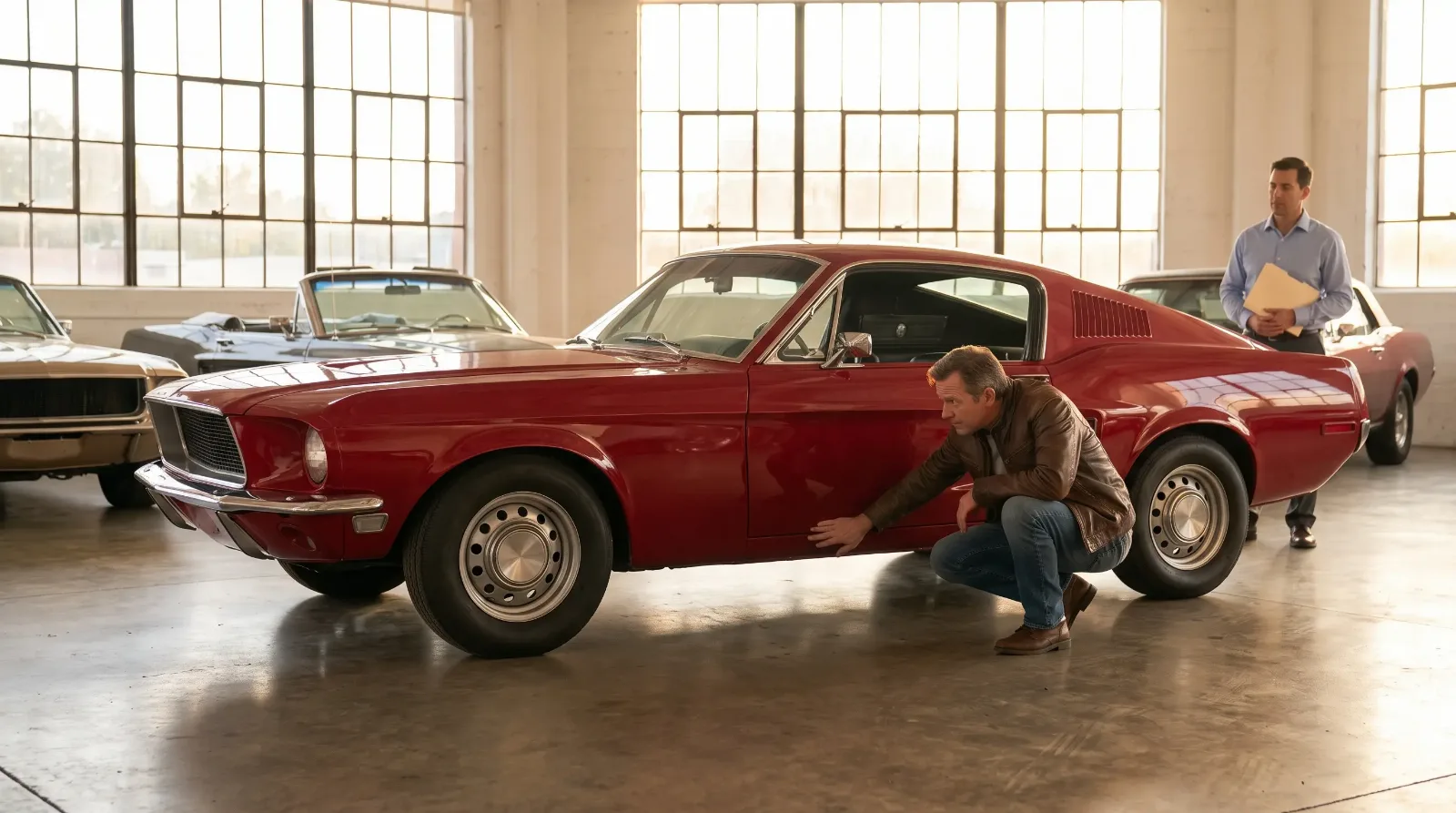
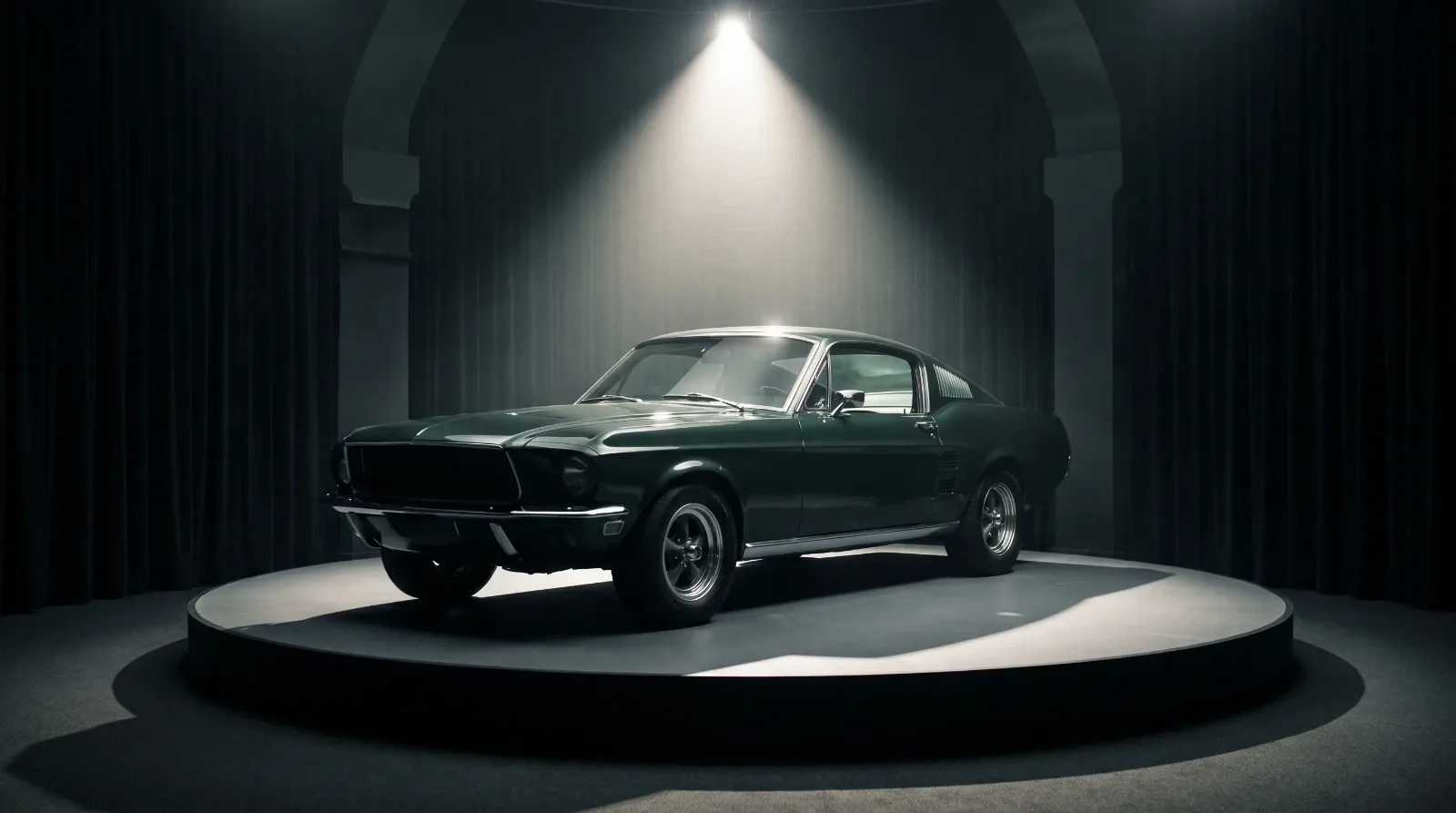
The 1968 fastback in Highland Green added a second layer of mainstream recognition. Steve McQueen's "Bullitt," released in October 1968, contained a ten-minute San Francisco chase sequence that redefined what a movie car could do. The car was a 1968 Mustang 390 GT fastback, and by the time the film finished its run, the Highland Green color and the fastback roofline had become inseparable from a certain idea of American cool. The original screen cars have each sold at auction for figures well into the millions. But the 390 FE-series V8 produced 325 horsepower, not the most powerful engine Ford offered that year. The Bullitt fastback is the most recognizable Mustang in the world to people outside the hobby. Within it, the 1968 cars people really want carry the 428 Cobra Jet, not the 390.
The 1967 and 1968 Shelby GT500: the big-block statement
Carroll Shelby's relationship with Ford produced the GT350 in 1965 and 1966, a small-block sports car built for the track. When Shelby and Ford uprated the recipe for 1967 and introduced the GT500 with a 428 Police Interceptor V8, the character shifted from sports car to muscle. The 1967 and 1968 Shelby GT500 cars were the broadest-shouldered Mustangs Ford had yet produced, wearing fiberglass noses, functional hood scoops, and a presence that matched the engine underneath.
The GT500 KR, introduced mid-year 1968 and standing for King of the Road, used the 428 Cobra Jet with a ram-air hood. Ford rated it conservatively at 335 horsepower, though actual output was widely understood to be higher. These were not track-day tools in the way the GT350 had been. They were boulevard muscle, and they knew it. Production numbers were limited relative to standard Mustangs, and the combination of the Shelby nameplate, the big-block engine, and the widened body has made low-mileage, numbers-matching examples among the most valuable early Mustangs at auction.
The Shelby GT500's claim on the iconic title rests on the Carroll Shelby name, genuine rarity, and a visual presence that still commands attention in any crowd. It scores higher on collector desirability than the original and higher on name recognition than the Boss models that followed.
The Boss 302, Boss 429, and Mach 1: performance versus volume
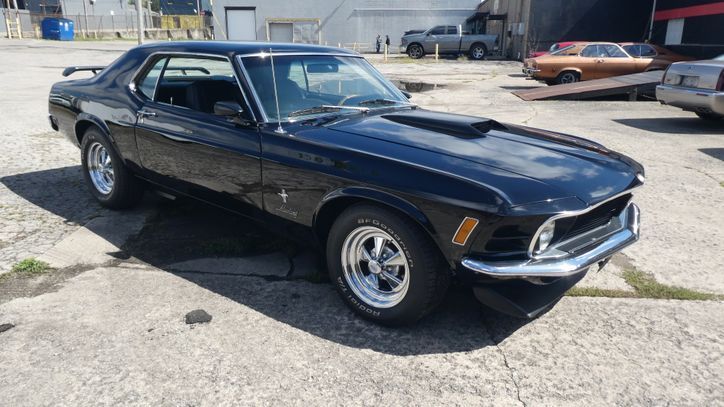
Ford introduced both Boss variants for 1969. The Boss 302 was built to homologate a high-revving small-block for SCCA Trans-Am racing. Its 302 cubic-inch engine with canted valves produced a claimed 290 horsepower, a number the market universally treated as understated. The car handled far better than most contemporary muscle cars and won the Trans-Am manufacturers' championship for Ford in 1970. The Boss 429 took a different approach entirely: Ford needed to homologate the 429 cubic-inch NASCAR engine for street use, and the result was a car with an engine so wide that the front suspension had to be relocated to fit it. Ford built 859 Boss 429s in 1969 and 499 in 1970, fewer than 1,400 in total. Finding a numbers-matching example today is genuinely difficult, and prices reflect that scarcity. The Boss 302 wins on driver engagement and racing provenance. The Boss 429 wins on rarity and mechanical drama. Neither has the mainstream name recognition of the Shelby or Bullitt car, but within the hobby they carry a particular reverence.
The Mach 1, also introduced for 1969, was the performance-image Mustang for buyers who wanted the look without the premium. Standard with a 351 Windsor V8 and available up through the 428 Super Cobra Jet, its SportsRoof body with matte black stripes and hood scoops registered immediately with buyers. Ford sold well over 70,000 Mach 1 units in 1969 alone. That volume is both its strength and its limitation as an iconic argument: it was everywhere, which is why it lives so strongly in popular memory, but rarity is part of what gives the Boss and Shelby models their collector gravity. The Mach 1 name carried enough weight that Ford revived it twice in later decades, which is its own kind of endorsement.
The verdict: one car, one argument
Weighing these honestly comes down to what you think "iconic" requires. If cultural penetration is the primary measure, the 1964½ and 1965 original wins without contest. It created a segment and sold in numbers none of the performance variants approached. The Bullitt fastback is probably second on pure mainstream recognition, carried entirely by a film.
If you weight performance and collector seriousness more heavily, the Shelby GT500 and the Boss 429 trade places at the top. The Shelby benefits from Carroll Shelby's name, which adds a layer of provenance no factory-only badge can match. The Boss 429 wins on rarity and mechanical purity but lacks the cultural crossover the Shelby name provides.
The case I find most defensible lands on the 1968 Shelby GT500 KR. It carries the Shelby name. It uses the most capable engine Ford offered in the period. It is rare enough to be genuinely special. And it sits at the intersection of the two things that make a Mustang matter: performance credibility and a story worth telling. The original Mustang is more important to history, but the GT500 KR is the one car that captures everything the Mustang was trying to be at full stretch. If you are searching for classic Mustangs for sale, you will find that the market agrees: good examples of the GT500 KR are among the most sought-after of the early generation, and they are not easy to find.
"Every one of these Mustangs has a legitimate argument, but the GT500 KR is the car where Ford and Shelby both showed up at full effort on the same afternoon."
— Patrick Walsh
The original made it possible. The Bullitt car made it famous. The Boss models proved it could compete. But the 1968 Shelby GT500 KR is the one that still makes a room go quiet when it rolls in.
Sources and notes
This is an opinion piece. The verdict is one enthusiast's argument, not a settled fact, and reasonable collectors will disagree about which Mustang deserves the "iconic" crown. The factual claims about engines, production numbers, dates, and prices were checked against the references below. Period horsepower figures are factory gross ratings, which were frequently conservative; real-world output of several of these engines was widely believed to be higher.
- Boss 429 Mustang — Wikipedia (375 hp rating; 859 built in 1969 and 499 in 1970, 1,359 total)
- Boss 302 Mustang — Wikipedia (290 hp rating; 1970 SCCA Trans-Am manufacturers' championship)
- 1968 Shelby GT500 KR — Mustang Specs (428 Cobra Jet rated at 335 hp)
- 1968 Mustang 390 FE V8 — Mustang Specs (GT 390 rated at 325 hp)
- Bullitt — Wikipedia (released October 17, 1968; 1968 390 GT Highland Green fastbacks)
- Mustang debut at the World's Fair — Ford Motor Company (April 17, 1964 introduction; record first-year sales)